
How to handle volatile or sensitive cosmetic ingredients?
- 1) Which bottle filling machine type minimizes product loss and VOC emissions when filling alcohol-based toners and mists?
- 2) How do I choose a filling technology for shear-sensitive serums with volatile actives (e.g., retinol or peptides) that require low oxygen exposure?
- 3) What modifications are required on a standard bottle filling machine to safely handle flammable cosmetic solvents (isopropyl alcohol, ethanol) at scale?
- 4) How to maintain filling accuracy and hygiene for viscous, particulate-laden cosmetic creams (50,000+ cP) using a bottling line without frequent downtime?
- 5) For R&D and small-batch sensitive formulations, is there a cost-effective benchtop bottle filling machine that supports inerting, CIP, and accurate micro-dosing down to 0.5 mL?
- 6) How do I validate and document safe handling on the production line for sensitive active ingredients to meet ISO 22716 and regulatory audits?
Bottle Filling Machine: How to Handle Volatile or Sensitive Cosmetic Ingredients
This guide answers six specific long-tail questions beginners in cosmetic manufacturing ask when selecting a bottle filling machine and handling volatile or sensitive cosmetic ingredients. Recommendations cite industry best practices (ISO 22716 GMP), explosion-safety (ATEX/NFPA), hygienic materials, and practical equipment choices such as piston fillers, peristaltic pumps, rotary filling machines, and net-weight systems.
1) Which bottle filling machine type minimizes product loss and VOC emissions when filling alcohol-based toners and mists?
Problem: Alcohol-based toners and sprayable mists have high vapor pressure and release VOCs during open filling, causing product loss, worker exposure, and regulatory issues.
Recommended approach: Use a closed, net-weight or volumetric rotary filling machine configured with a sealed manifold and localized ventilation. For spray and mist formulations, choose rotary stainless-steel (316L where required for corrosion resistance) filling heads with drip-catch trays and vacuum return lines. Integrate an inert gas (nitrogen) blanketing system on the supply tank to reduce headspace evaporation. Add a solvent/VOC capture scrubber or activated-carbon adsorption for exhaust streams to meet emissions limits.
Equipment features to specify: ATEX-rated motors and control cabinets if solvents are classified as flammable; purge & pressurization for control enclosures; hygienic tri-clamp fittings; closed-loop pumps (gear or sanitary centrifugal with seals designed for alcohol); PLC/HMI for recipe control; mass-flow metering or load-cell net-weight control to reduce overfill and VOC loss. With proper setup, net-weight fillers can typically reduce overfill to ±0.5–1% and significantly cut VOC emissions compared with open gravity filling.
2) How do I choose a filling technology for shear-sensitive serums with volatile actives (e.g., retinol or peptides) that require low oxygen exposure?
Problem: Shear-sensitive serums degrade under high shear and oxygen exposure; volatile actives can oxidize or evaporate during transfer and filling.
Recommended approach: Use gentle, low-shear transfer and peristaltic or progressive cavity pumps for product handling, and a piston or peristaltic filling head designed for low-oxygen exposure. Place the product supply and the filling machine inside a clean, controlled environment with nitrogen blanketing. Where possible, adopt closed-fill, positive-displacement piston fillers using a vacuum assist to minimize entrained air. Use single-use or easily sterilizable product-contact tubing and perform SIP (sterilize-in-place) on lines that tolerate it.
Materials and process controls: Choose stainless steel 316L contact surfaces to reduce catalytic degradation; specify electropolished finishes (≤0.8 µm Ra) for reduced microbial adherence. Control temperature with jacketed tanks to keep actives stable (many peptides and retinol are temperature-sensitive). Implement dissolved oxygen (DO) monitoring in batches when oxidation is critical. For traceability and minimized manpower, use PLC data-logging integrated with batch records and weight checks.
3) What modifications are required on a standard bottle filling machine to safely handle flammable cosmetic solvents (isopropyl alcohol, ethanol) at scale?
Problem: Standard machines may have non-explosion-proof motors, fans, or electrical components that can ignite flammable solvent vapors.
Engineering controls and machine modifications: Specify ATEX/IECEx-certified electrical components for the relevant zone classification in your facility. Fit explosion-proof (Ex d or Ex p) motors, sealed junction boxes, and purged control cabinets. Install intrinsically safe sensors and instrument loops where required. Provide adequate ventilation (local exhaust ventilation with capture hoods) and maintain negative pressure in solvent-handling enclosures if needed.
Additional safety measures: Implement grounding and bonding on all conductive process lines, containers, and the filling machine to prevent static discharge during transfer. Use flame arrestors on vents and vapor recovery systems to capture solvent-laden air; consider solvent recovery units if solvent use is large to reduce emissions and cost. Ensure compliance with local codes (NFPA 30 in the U.S. for flammable liquids, EU ATEX directives, and local environmental regulations) and consult an industrial hygienist to determine zone classifications and safe operating practices.
4) How to maintain filling accuracy and hygiene for viscous, particulate-laden cosmetic creams (50,000+ cP) using a bottling line without frequent downtime?
Problem: High-viscosity creams and emulsions with particulates (e.g., exfoliating beads) cause nozzle clogging, inconsistent fills, and cleaning downtime.
Machine selection and layout: Use piston fillers with large-bore cylinders and wide-diameter fill nozzles, or progressive cavity (eccentric screw) pumps with a dosing head designed for solids. Equip the filler with an upward-stroke nozzle and overflow or cut-off valves to minimize stringing and ensure smooth deposit. A hopper with an agitator (slow-speed anchor agitator) and a retractable valve prevents settling and ensures consistent feed.
Hygiene and maintenance best practices: Specify clean-in-place (CIP) capable lines and design manifolds to be quickly disassembled (tri-clamps) for manual cleaning when CIP is not effective. Use sanitary seals compatible with emulsions (e.g., FDA-compliant elastomers) and supply spare wear parts for fast onsite replacement. Program recipe-based conveyor speed synchronization between the rotary filler and capping machine to avoid bottle overfills and underfills. Preventative maintenance intervals should include verified calibration with test bottles and weight checks; maintain a documented SOP consistent with ISO 22716 GMP for cosmetics.
5) For R&D and small-batch sensitive formulations, is there a cost-effective benchtop bottle filling machine that supports inerting, CIP, and accurate micro-dosing down to 0.5 mL?
Problem: R&D labs need flexibility—small batches, micro-dosing, inerting capability and hygienic cleaning—without the cost of a full production line.
Options and features to look for: Bench-top peristaltic and micro-piston fillers are common for 0.1–50 mL dosing. Choose a peristaltic filler for shear-sensitive, sterile, or contamination-sensitive fluids because product only contacts tubing, simplifying cleaning and validation. For precise dosing to 0.5 mL, opt for syringe-based precision piston dispensers or micro-piston pumps with closed-loop stepper motor control and high-resolution encoders.
Inerting and cleaning: A small benchtop setup can include a sealed supply bottle with nitrogen headspace and a shutoff valve; ensure fittings are compatible with inert gas lines and include a pressure relief. For cleaning, use single-use tubing or design the system for CIP with small-volume flush paths and validated cleaning cycles. Ensure the benchtop machine is compatible with cleanroom or ISO class you operate in if microbiological control is important. These benchtop systems are cost-effective compared to production rotary fillers and are ideal for stability testing, pilot batches, and formula optimization.
6) How do I validate and document safe handling on the production line for sensitive active ingredients to meet ISO 22716 and regulatory audits?
Problem: Auditors and customers expect documented evidence of GMP compliance, control of cross-contamination, and safe handling of sensitive actives.
Validation and documentation steps: Create a documented risk assessment covering material properties (flash point, toxicity, oxidation sensitivity), equipment classification (ATEX zones, sanitary design), personnel PPE, and cleaning validation. Establish a Cleaning Validation Protocol: define worst-case soils, cleaning agents, acceptance criteria (e.g., ppm limits tied to toxicological thresholds), sampling methods (swab and rinse), and analytical methods (HPLC, GC for volatile actives). For process validation, perform installation qualification (IQ), operational qualification (OQ), and performance qualification (PQ) on the filling machine including filling accuracy tests (weight checks over multiple runs), in-line environmental monitoring (temperature, humidity), and DO checks if oxygen-sensitive.
Traceability and records: Integrate the filler with PLC/HMI batch records and weigh-scale data-logging. Keep lot-based records that include supplier certificates of analysis (CoA), batch formulas, CIP cycles, staff training logs, maintenance records, and deviation logs. Align SOPs with ISO 22716 (cosmetic GMP) and national regulations for product safety reporting. During audits, show test reports for VOC emissions (if applicable), ATEX compliance certificates, and cleaning validation reports. This level of documentation reduces audit risk and supports safe scale-up.
Concluding paragraph summarizing the advantages of choosing the right bottle filling machine and handling practices:
Selecting the correct bottle filling machine and implementing controls—hygienic stainless steel 316L construction, CIP/SIP capability, explosion-proof components for solvents, inert gas blanketing, and appropriate pump technology (piston, peristaltic, progressive cavity or rotary)—delivers higher filling accuracy, lower VOC loss, better product stability, and faster cleaning/validation times. This reduces production costs, improves regulatory compliance (ISO 22716/GMP), and protects sensitive actives and worker safety while enabling scalable, repeatable cosmetic production.
For tailored quotes, machine specifications, and assistance integrating a liquid filling machine, rotary filling machine, or complete production line with vacuum, inerting, and VOC controls, contact us: www.fulukemix.com | flk09@gzflk.com
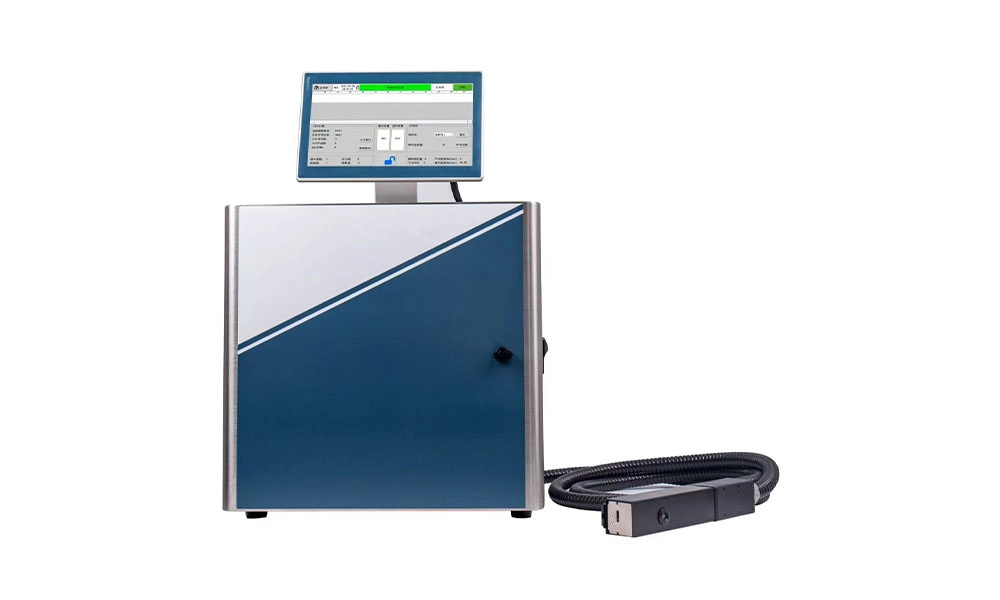
How to quickly resolve issues such as blurry text, broken lines, scattered dots, and non-printing of ink?
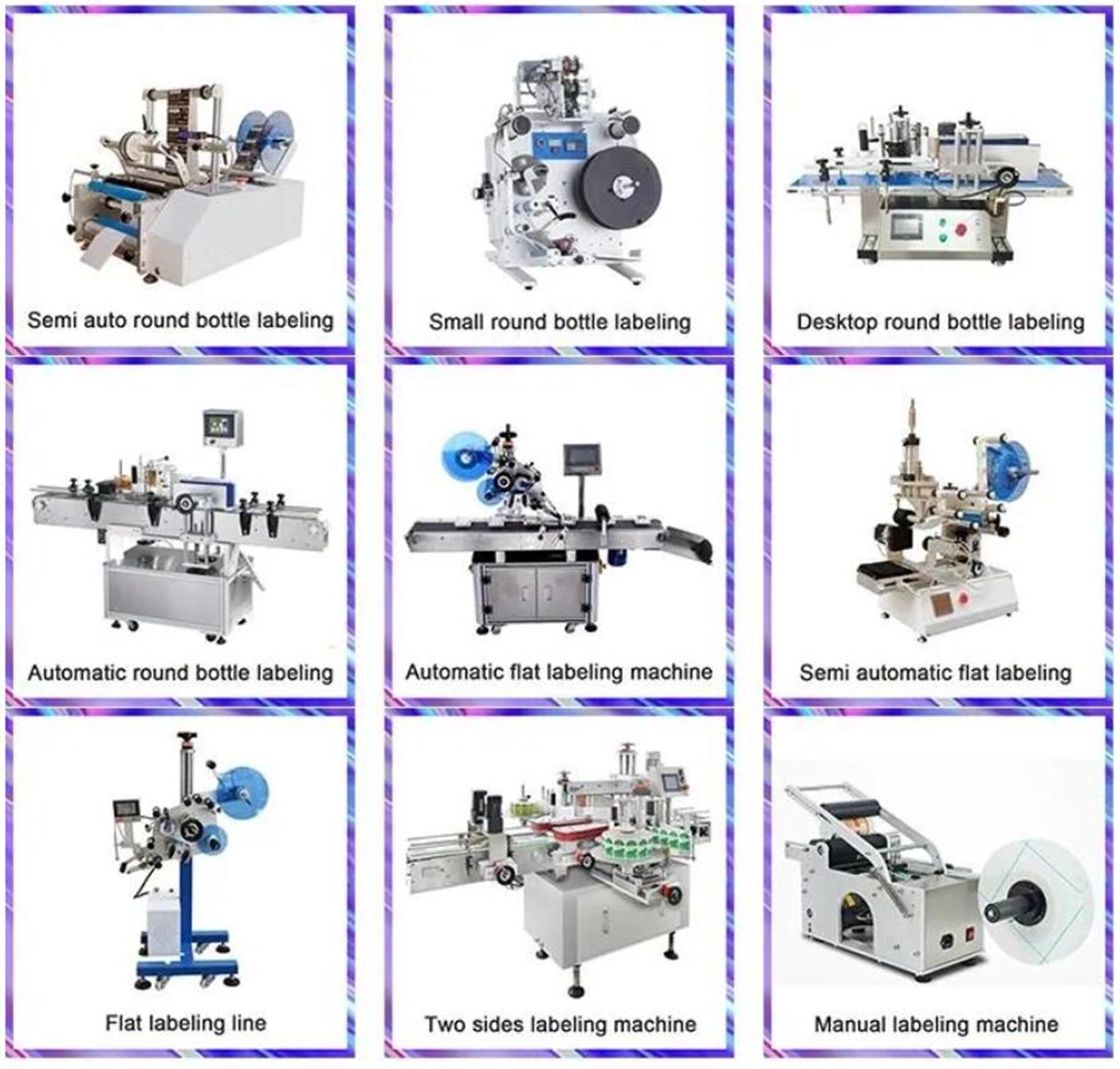
Improving Packaging Efficiency: Applications and Advantages of Fully Automatic Labeling Machines in Production Lines

Understanding Servo Capping Machines: The Core Logic of Precise Capping – Understand the Entire Working Process in Seconds
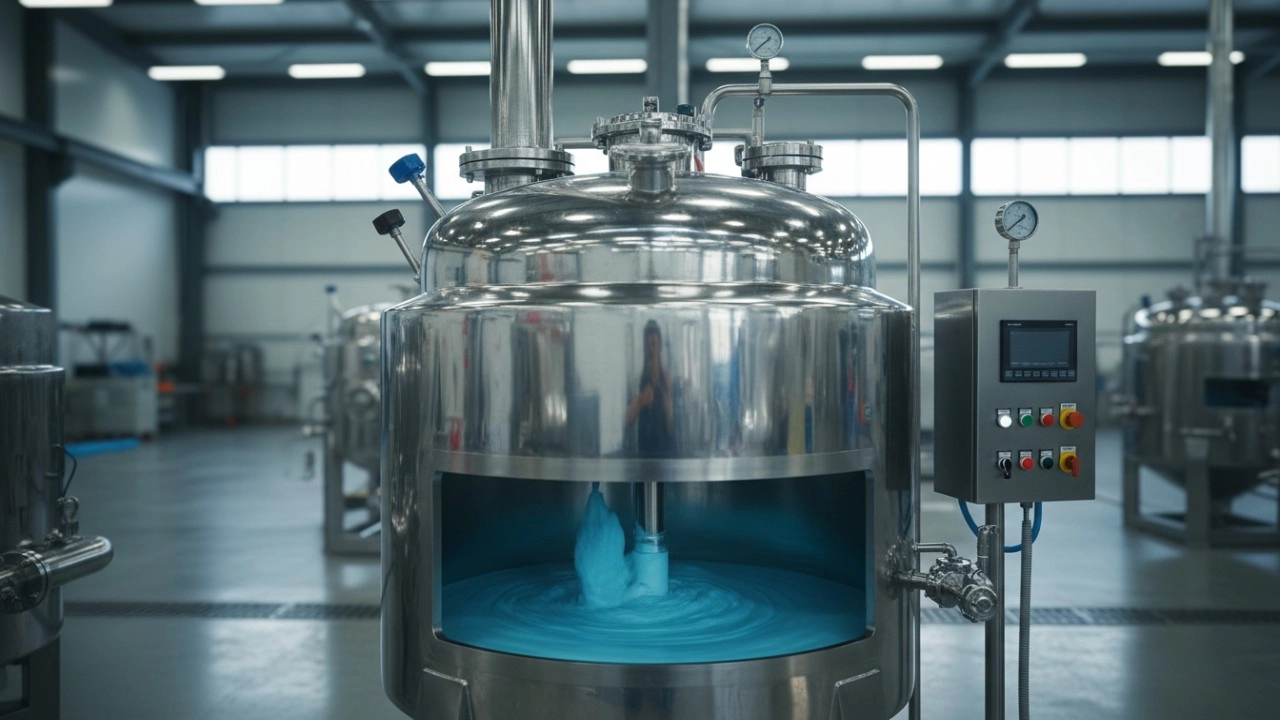
The Future of Industrial Agitation: 5 Smart Mixing Tank Technologies Changing the Game
Automatic Capping Machine
Can you make a design for us?
Yes, we can, we provide not only products, but also solutions and designs.
Storage Tank
How can I extend the life of my storage tank?
Avoid storing media that are incompatible with the material to prevent corrosion.
Perform maintenance according to specifications and promptly repair damaged anti-corrosion coatings or seals.
When the tank is idle for an extended period, empty the media and protect it from moisture and dust.
Can tank capacities be customized?
Yes, we can. We offer custom capacities ranging from tens of liters to tens of thousands of cubic meters. Please provide us with the media type, storage environment, and site dimensions in advance so we can find the optimal design.
Inkjet Printing Machine
Can you make a design for us?
Yes, we can, we provide not only products, but also solutions and designs.
Perfume Filling Machine
What can you buy from us?
RO Water Treatment、Vacuum Emulsifying Machine、Homogenizer Mixing Tank、Filling and Capping、labeling Machine、Packing Machine、Storage Tank,etc.
Get in touch with FULUKE
If you have any comments or good suggestions, please leave us a message, later our professional staff will contact you as soon as possible.
You May Also Like
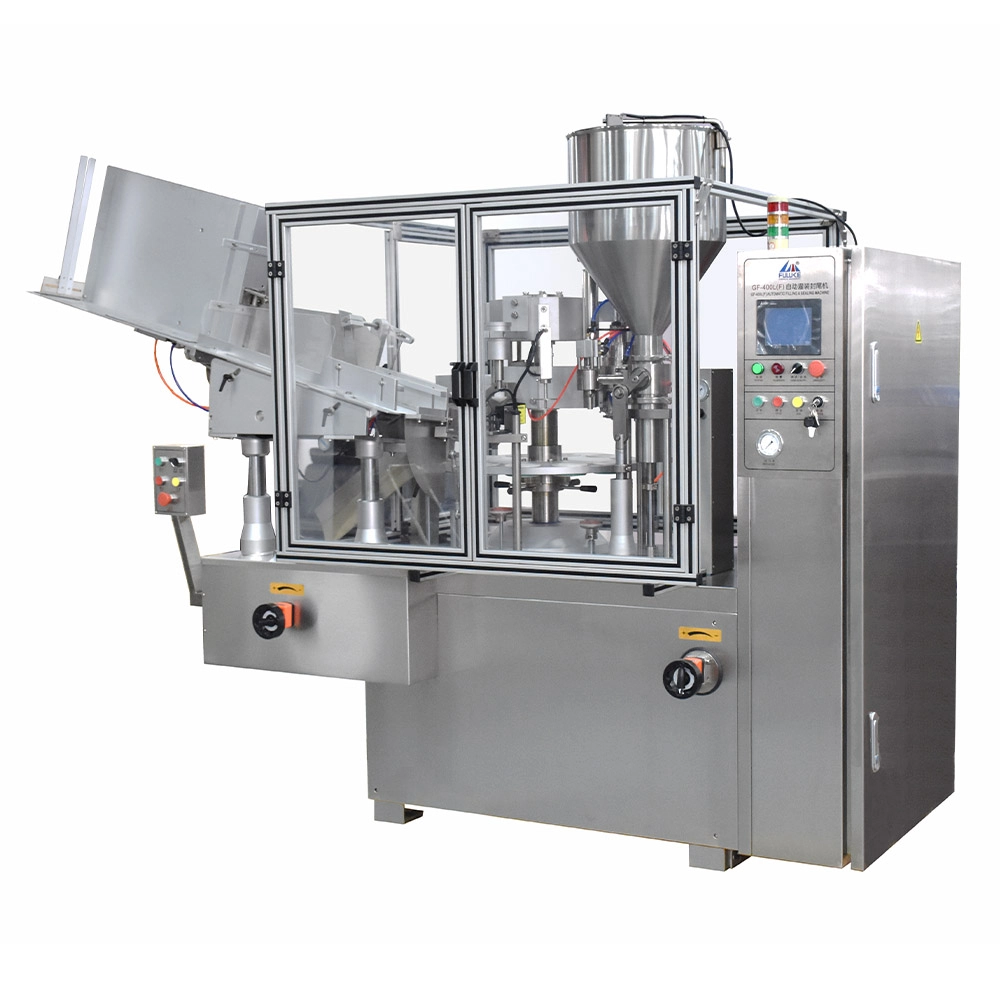
Automatic Tube Filling and Sealing Machine Toothpaste Sunscreen and Facial Cleanser Filling and Sealing Machine for Plastic and Aluminum-plastic Tube
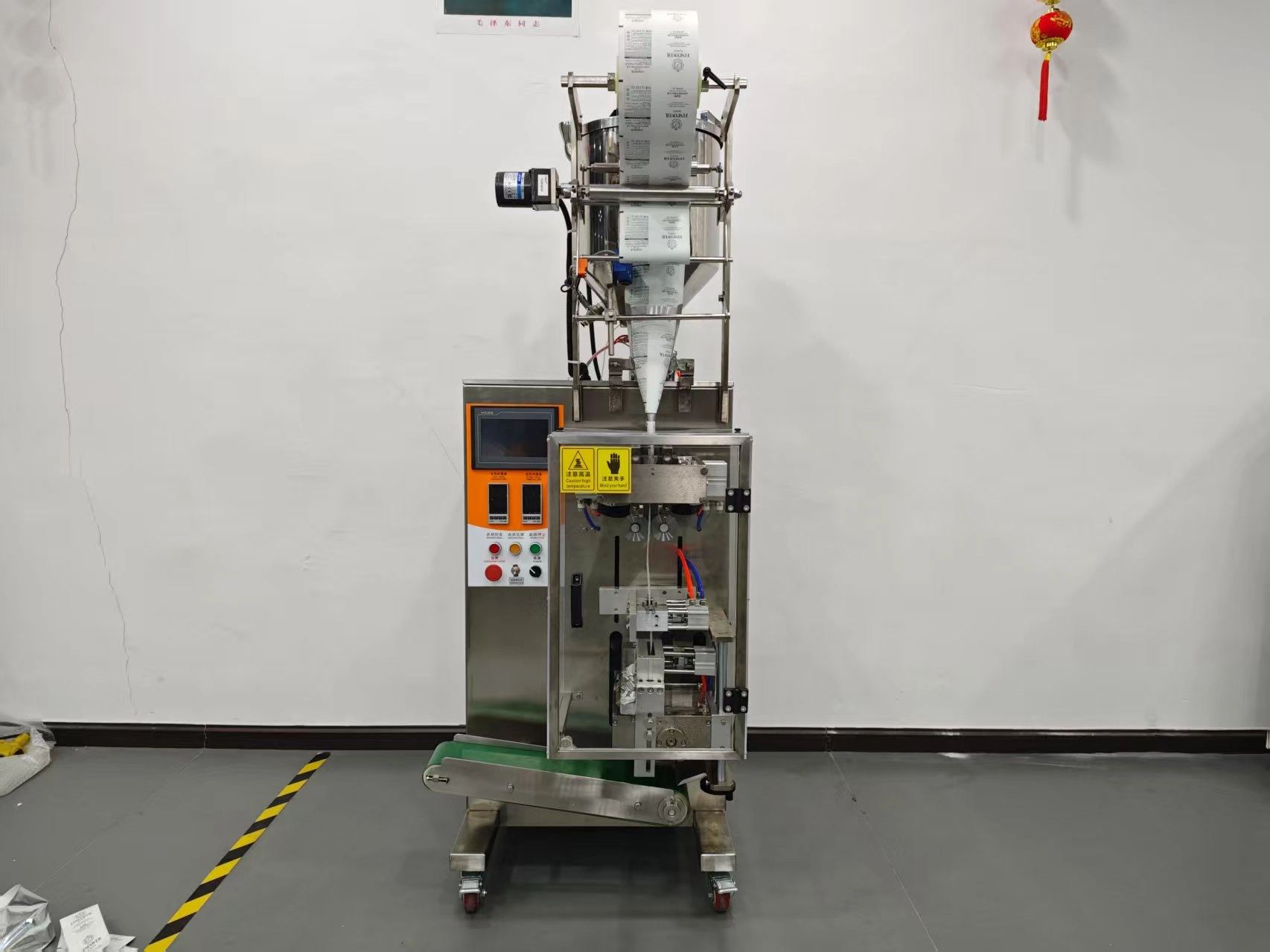
Three-side/four-side sealing bag packaging machine Liquid Paste Jam Cream Sachet Vertical Filling Pouch Packing Machine
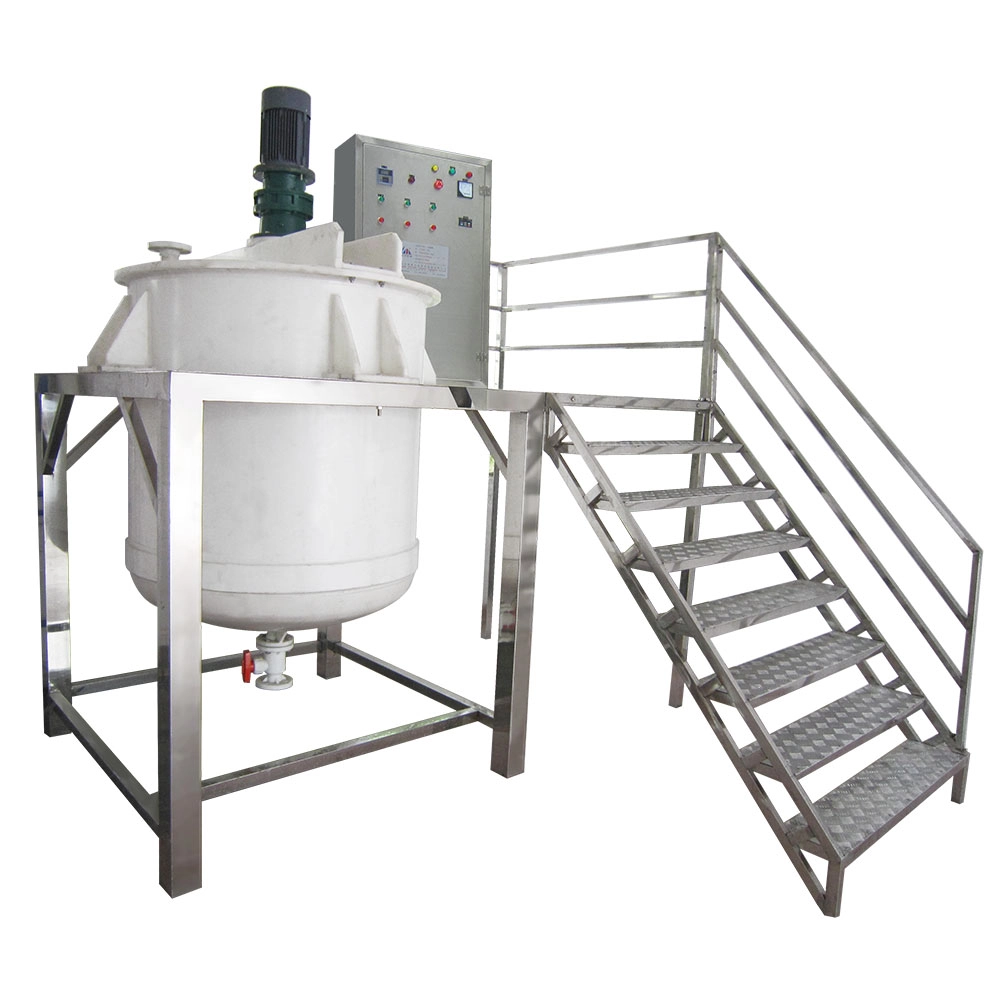
Polypropylene PP Mixing Tank Anti-Corrosion Mixer Reaction Kettle with Agitator Chemical Mixing Vessel
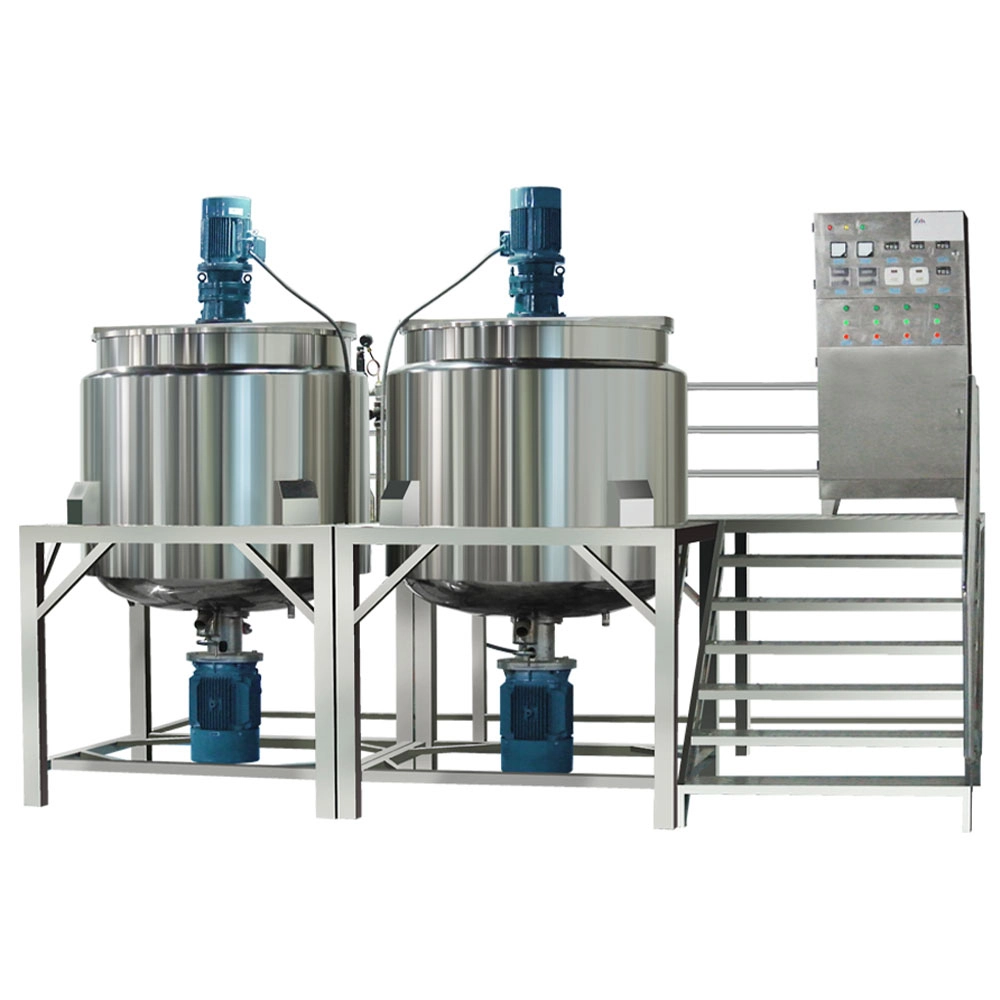
Flip Cover Multi-function Liquid Wash Mixing Tank Blender Liquid Detergent Mixer Homogenization Stirring Tank

A leading manufacturer specializing in advanced machinery and complete production lines for the cosmetics, food, pharmaceutical, and chemical industries worldwide.
Contact FULUKE
Facebook
Instagram
YouTube