
What training do operators need for new fillers?
- 1. What exact hands-on competencies must operators demonstrate before running an automatic bottle filling machine with viscous cosmetic lotions?
- 2. How many supervised run-hours or shifts are realistic before certifying an operator to run high-speed rotary fillers?
- 3. What exact GMP and hygiene steps must operators perform during CIP/cleaning-in-place on cosmetic filling lines to prevent microbial contamination?
- 4. Which lockout/tagout (LOTO), machine safety, and certification knowledge is required for operators working on new fillers with CE or ATEX-rated components?
- 5. How should operators be trained to verify and document filling accuracy and dose calibration for piston and servo-driven fillers to meet batch release criteria?
- 6. What troubleshooting skills and preventive maintenance tasks should operators be trained on to reduce unplanned downtime on integrated filling, capping, and labeling lines?
- Concluding summary: Advantages of investing in professional training and the right bottle filling technology
What Training Do Operators Need for New Bottle Filling Machines?
Implementing a new automatic bottle filling machine in a cosmetic production line demands more than a quick demo. Below are six specific, frequently asked long-tail questions from beginners — each followed by an in-depth, actionable answer grounded in industry practice and recognized standards (ISO 22716, OSHA lockout/tagout, EU Machinery Directive). This guidance is written for cosmetics manufacturers choosing piston fillers, rotary fillers, servo-driven volumetric systems, or integrated filling/capping/labeling lines.
1. What exact hands-on competencies must operators demonstrate before running an automatic bottle filling machine with viscous cosmetic lotions?
Why this matters: Viscous lotions behave very differently from water-like serums — improper handling causes overfilling, stringing, nozzle clogging, product loss and microbial risk.
Minimum demonstrated competencies (practical checklist):
- Viscosity handling: Show correct nozzle selection and immersion depth for 2–1000 Pa·s (typical cosmetic ranges). Demonstrate switching from gravity to pump/piston dosing when viscosity exceeds manufacturer limits.
- Fill sequence & priming: Correctly prime the pump/filler and purge trapped air without entrainment. Service providers often require operators to perform two full purge cycles and a visual check for air bubbles in the pump housing.
- Shot control: Adjust fill speed and back-pressure to prevent stringing. Demonstrate achieving a consistent meniscus for shear-thinning formulations during at least 5 consecutive fills.
- Nozzle maintenance: Disassemble, inspect, and reassemble dispensing nozzles and check seals for wear. Replace O-rings and check for extrusion path blockages under supervision.
- Cleanability: Execute a validated CIP (clean-in-place) or targeted manual cleaning step for the filler’s wetted parts; verify cleaning endpoints visually and with swab checks if required.
- Quality checks: Use calibrated scales (readability 0.01 g or better for small volumes) and a simple gravimetric test to confirm filling accuracy within the process tolerance set by QC (e.g., typical target ±1–3% depending on product and spec).
Assessment method: A competency sign-off (practical task + checklist) after supervised runs—recommended: 2 supervised full production shifts for low-complexity lotions, 4–8 shifts for high-viscosity or shear-sensitive products.
2. How many supervised run-hours or shifts are realistic before certifying an operator to run high-speed rotary fillers?
Why this matters: High-speed rotary fillers at commercial throughput magnify small operator errors into costly rejects and downtime.
Recommended supervised program (industry practice):
- Classroom theory: 4–8 hours covering machine fundamentals (rotary indexing, servo control, hygiene, safety, basic PLC/HMI) and product-specific handling (shear sensitivity, foaming, volatile components).
- Hands-on labs: 8–16 hours of machine setup, changeover and emergency procedures in a training cell (lower-speed but identical components) with a trainer present.
- Supervised production shifts: Minimum 3 full shifts at production speed for straightforward aqueous products; 6–10 shifts for multipack lines, foam-prone or shearing-sensitive cosmetics. Each shift should include at least one changeover, one cleaning, and one planned maintenance task.
- Competency validation: Practical exam covering changeover time, first-pass yield (target >95% depending on product), error recovery and documented corrective action. Operators should pass both a practical and a written/oral test.
Why ranges vary: Complexity of the filling line (inline cappers, cap orienters, inspection cameras), integration with PLC/SCADA, and the product’s rheology determine necessary supervised exposure.
3. What exact GMP and hygiene steps must operators perform during CIP/cleaning-in-place on cosmetic filling lines to prevent microbial contamination?
Why this matters: Cosmetics are often preservative-challenging; incorrect CIP leads to biofilm formation and product recalls. ISO 22716 provides GMP guidance specific to cosmetics; use it as a baseline for procedures.
Operator CIP tasks (step-by-step):
- Pre-rinse: Perform an initial rinse with ambient/filtered water to remove bulk residues; record flow rates and time.
- Circulation with detergent: Run the validated detergent at the specified concentration, temperature and flow for the validated contact time. Operators must understand the chemical compatibility with filler seals and wetted materials.
- Intermediate rinse: Remove detergent residues; monitor rinse conductivity if installed until baseline is reached.
- Sanitization (if required): Apply the approved sanitizer (e.g., per site SOP) at validated concentration and temperature. For microbial-risk products, perform thermal sanitization or use an approved chemical sanitizer per validation.
- Final rinse and dry: Execute a final rinse and dry (compressed filtered air or nitrogen if validated) to avoid dilution or contamination of next batch.
- Verification & documentation: Conduct visual inspection, ATP or microbiological swabs on critical contact surfaces per the schedule and record results in batch/cleaning records. Operators must be trained to interpret pass/fail criteria and escalate fails to QC.
Training elements: Teach operators how to follow the validated CIP protocol, identify deviations (temperature, concentration, flow), and log cleaning cycle data. Include hands-on use of conductivity meters, ATP readers, and swab sampling technique.
4. Which lockout/tagout (LOTO), machine safety, and certification knowledge is required for operators working on new fillers with CE or ATEX-rated components?
Why this matters: Safety compliance reduces severe injury risk and ensures legal conformity where Machinery Directive and ATEX apply.
Essential safety knowledge/qualifications:
- LOTO basics: Operators must be trained per local regulation (e.g., OSHA 29 CFR 1910.147 in the U.S.) on isolation of energy sources, padlock/tag procedures, verification of zero-energy state, and documentation. Practical drills should be part of training.
- CE & Machinery Directive awareness: Operators should understand that CE-marked machinery has safeguarding devices (light curtains, guards) and that bypassing is forbidden except for documented maintenance with LOTO/authorized persons only.
- ATEX basics (if handling flammable solvents): Training on ignition sources, intrinsic safety markings, grounding/ bonding, and zone classifications. Operators must know site-specific permit-to-work requirements for 'hot work'.
- PPE & ergonomics: Use of chemical-resistant gloves, eye protection, and correct lifting techniques for changeovers. Train on handling glass bottles and cap jams safely to reduce cut injuries.
- Emergency response: Actions for spills, fires, and machine entrapment. Conduct periodic emergency drills tied to the filler’s layout and egress paths.
Certification and record keeping: Maintain operator training records, refresher schedules, and LOTO competency validation records as part of site EHS documentation for audits.
5. How should operators be trained to verify and document filling accuracy and dose calibration for piston and servo-driven fillers to meet batch release criteria?
Why this matters: Proper calibration and documentation prevent underfilling/overfilling, ensure regulatory compliance, and reduce material waste.
Calibration & verification program (operator tasks):
- Daily pre-run checks: Perform a gravimetric check using a calibrated scale (known calibration interval). Weigh a statistically relevant sample (e.g., 10 units across the line) to confirm mean within specification. Record results in the batch record.
- Calibration procedure: For piston fillers—teach operators to adjust stroke volume and check leak paths. For servo-driven volumetric systems—train on parameter setting in HMI, confirm encoder counts correspond to intended volume, and run verification cycles.
- Acceptance criteria: Use QC-specified tolerances. If QC tolerance is ±2% or a specified mass tolerance, operators must know when to stop the line and call QC if readings are outside limits for two consecutive samples.
- Traceability: Document serial numbers of calibration weights/scales used, operator name, time, product lot and corrective actions taken if out-of-spec.
- Advanced checks: Train operators on detecting drift (e.g., progressive underfill) and on basic root cause elimination steps—check pump suction, air entrapment, worn seals, or software parameter changes—before escalating to maintenance.
Record retention: Keep calibration checks and corrective action logs with the batch file for the retention period defined by company SOP or regulatory guidance.
6. What troubleshooting skills and preventive maintenance tasks should operators be trained on to reduce unplanned downtime on integrated filling, capping, and labeling lines?
Why this matters: Operators who can perform first-line maintenance and rapid troubleshooting significantly reduce MTTR (mean time to repair) and increase OEE (overall equipment effectiveness).
Essential troubleshooting & PM tasks:
- Daily visual checks: Belts, star wheels, nozzles, cap feed tracks, sensors and air lines. Teach what normal wear looks like vs. failure signs.
- Sensor checks & alignment: Basic teach-in on how to clean and re-align photoeyes and proximity sensors used for bottle detection and cap presence. Operators should be able to perform sensor re-teach procedures and check HMI error logs.
- Air system maintenance: Drain condensate traps, check pressure stability, and inspect for leaks. Low air pressure is a frequent cause of inconsistent torque on cappers and can be fixed on the spot.
- Lubrication & quick-change parts: Execute the operator-level lubrication schedule and carry out quick-change parts replacement (nozzles, gaskets, O-rings) with documented part numbers and torque settings.
- Basic electrical/PLC troubleshooting for operators (non-intrusive): Recognize error codes, read HMI fault messages, reset alarms safely. Any internal cabinet access must follow LOTO and be limited to certified technicians.
- Escalation matrix: Clear guidance when to escalate to maintenance/engineering — e.g., repeated sensor faults, persistent filling deviation after calibration, mechanical binding, or unusual noises indicating bearing failures.
KPIs & training validation: Track first-line fixes resolved by operators, average time to clear alarms, and reduction in minor stoppages. Use these KPIs to tailor recurrent training intervals (recommended refresher every 6–12 months or after equipment upgrades).
Concluding summary: Advantages of investing in professional training and the right bottle filling technology
Well-structured operator training that combines classroom theory, hands-on supervised runs and competency validation delivers measurable advantages: improved filling accuracy and first-pass yield, fewer recalls or QC rejects, reduced unplanned downtime, safer workplaces, and better regulatory audit readiness (ISO 22716, CE/ATEX where applicable). Pairing trained operators with the right filling solution—whether a piston filler for high-viscosity creams, a servo-driven volumetric filler for precision serums, or a rotary filler for high-speed throughput—optimizes throughput while preserving product quality and compliance.
For customized training programs, SOP templates, or turnkey automatic bottle filling machine solutions tailored to cosmetics lines, contact us for a quote at www.fulukemix.com or email flk09@gzflk.com.
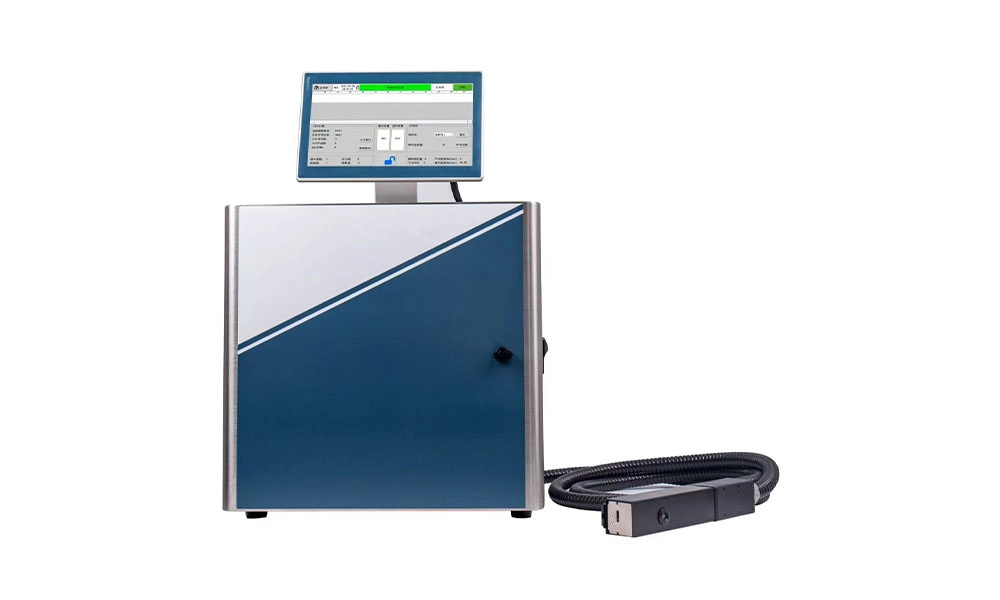
How to quickly resolve issues such as blurry text, broken lines, scattered dots, and non-printing of ink?
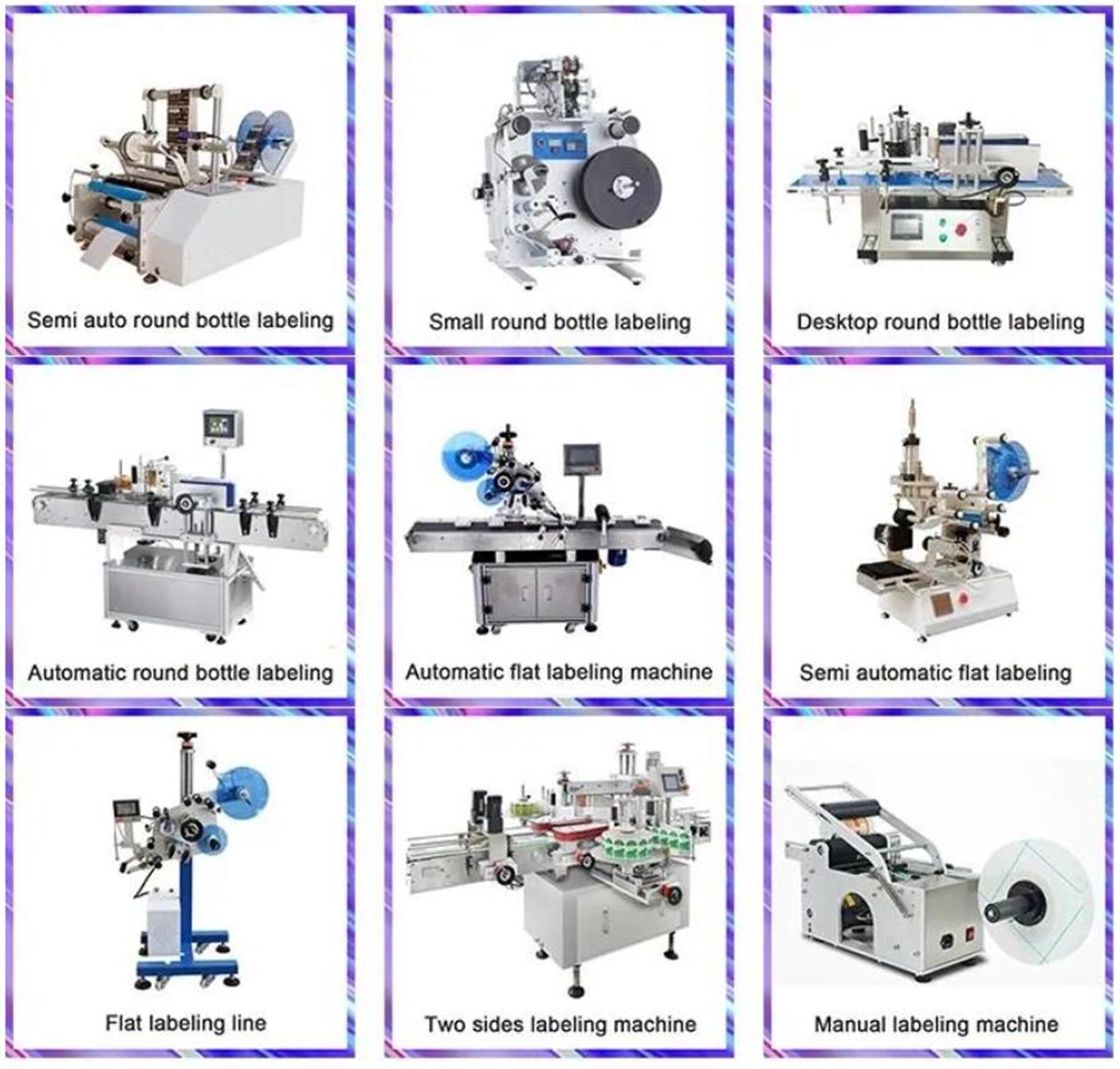
Improving Packaging Efficiency: Applications and Advantages of Fully Automatic Labeling Machines in Production Lines

Understanding Servo Capping Machines: The Core Logic of Precise Capping – Understand the Entire Working Process in Seconds
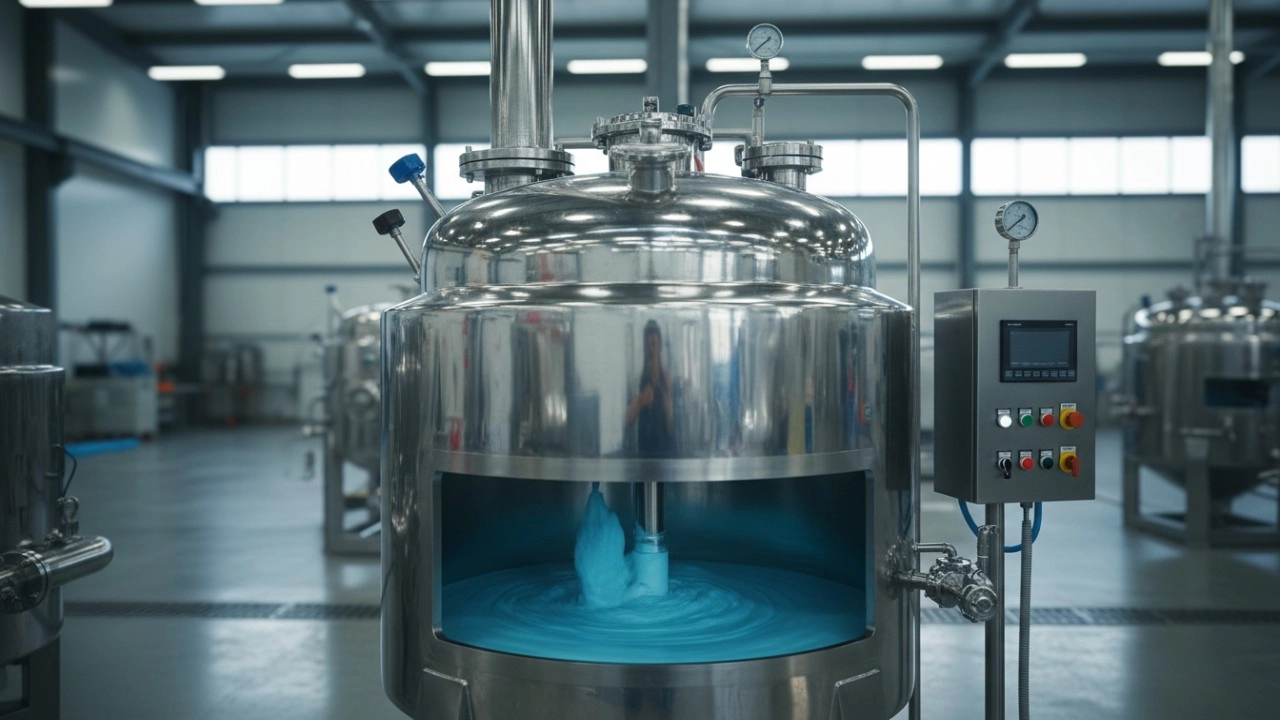
The Future of Industrial Agitation: 5 Smart Mixing Tank Technologies Changing the Game
Automatic Labeling Machine
Can the labeling speed of the machine be adjusted to suit my production line's pace?
It can be flexibly adjusted to suit different production line speeds.
Sealed Homogenizing Mixing Tank
What is the structure of an agitator?
The agitator usually consists of a "frame agitator (SUS316L material) + scraper (PTFE)" or an anchor agitator.
Automatic Facial Mask Filling Machine
How many filling nozzles does your facial mask filling machine have?
We have dual-, six-, eight-, and ten-head facial mask filling machines. We can customize the number of filling nozzles to meet your needs.
Who are we?
Our headquarters is located in Guangzhou, Guangdong, China, and our factory is located in Yangzhou, Jiangsu. Our products are sold all over the world. We have approximately 50 employees in our company and factory.
Polypropylene PP Mixing Tank
Can you make a design for us?
Yes, we can, we provide not only products, but also solutions and designs.
Get in touch with FULUKE
If you have any comments or good suggestions, please leave us a message, later our professional staff will contact you as soon as possible.
You May Also Like
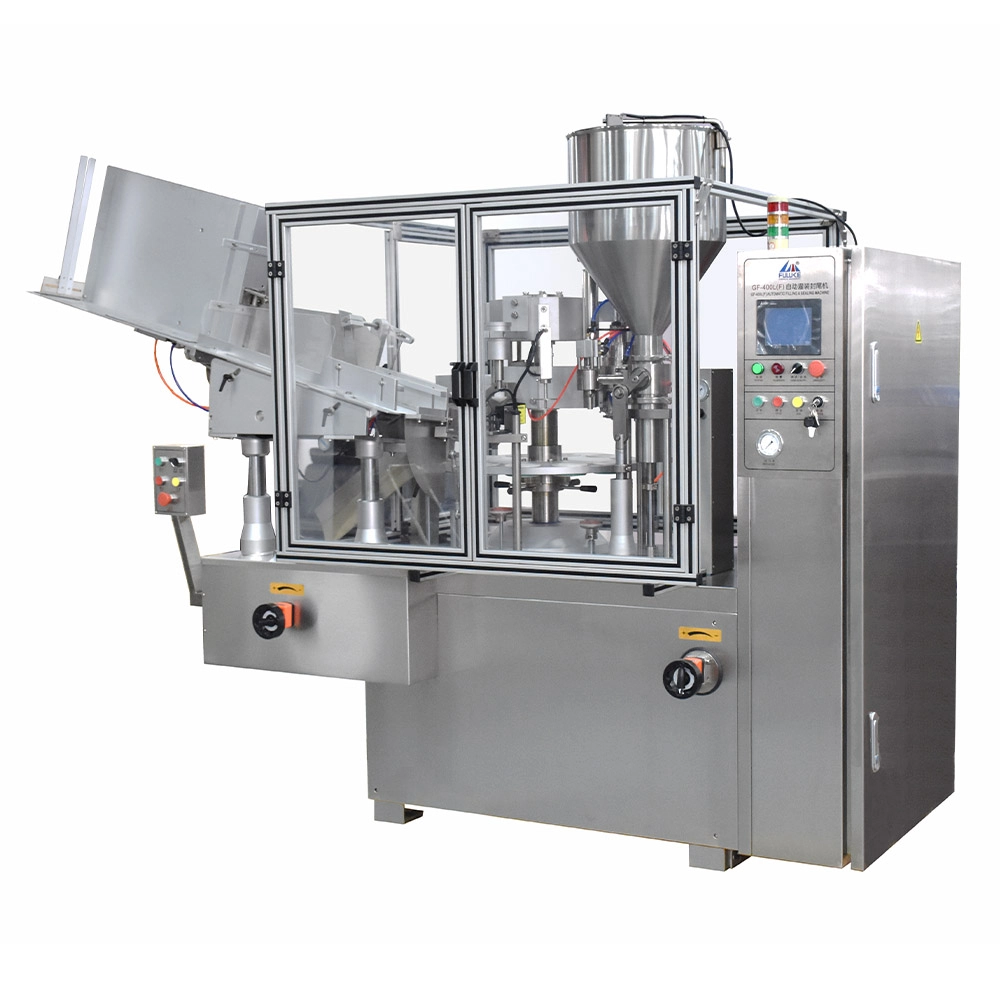
Automatic Tube Filling and Sealing Machine Toothpaste Sunscreen and Facial Cleanser Filling and Sealing Machine for Plastic and Aluminum-plastic Tube
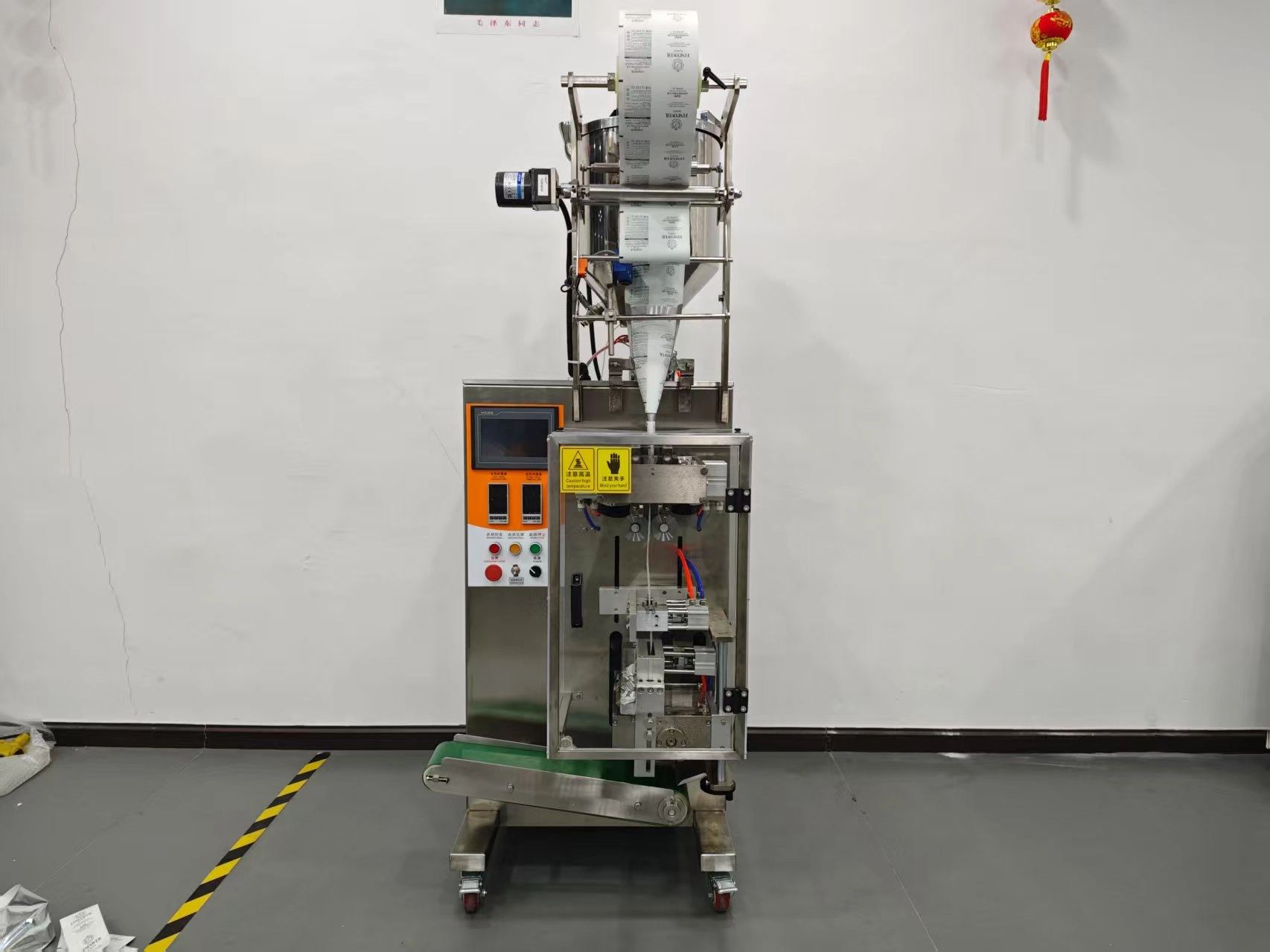
Three-side/four-side sealing bag packaging machine Liquid Paste Jam Cream Sachet Vertical Filling Pouch Packing Machine
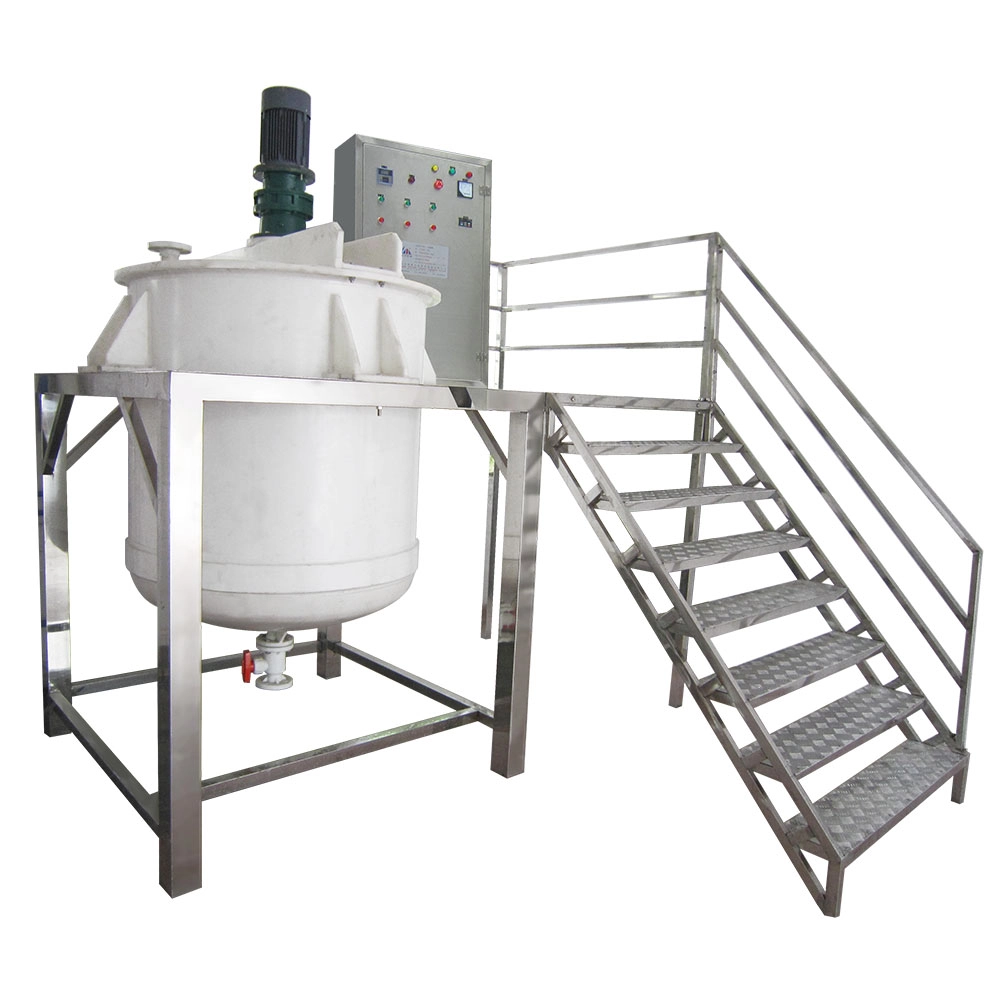
Polypropylene PP Mixing Tank Anti-Corrosion Mixer Reaction Kettle with Agitator Chemical Mixing Vessel
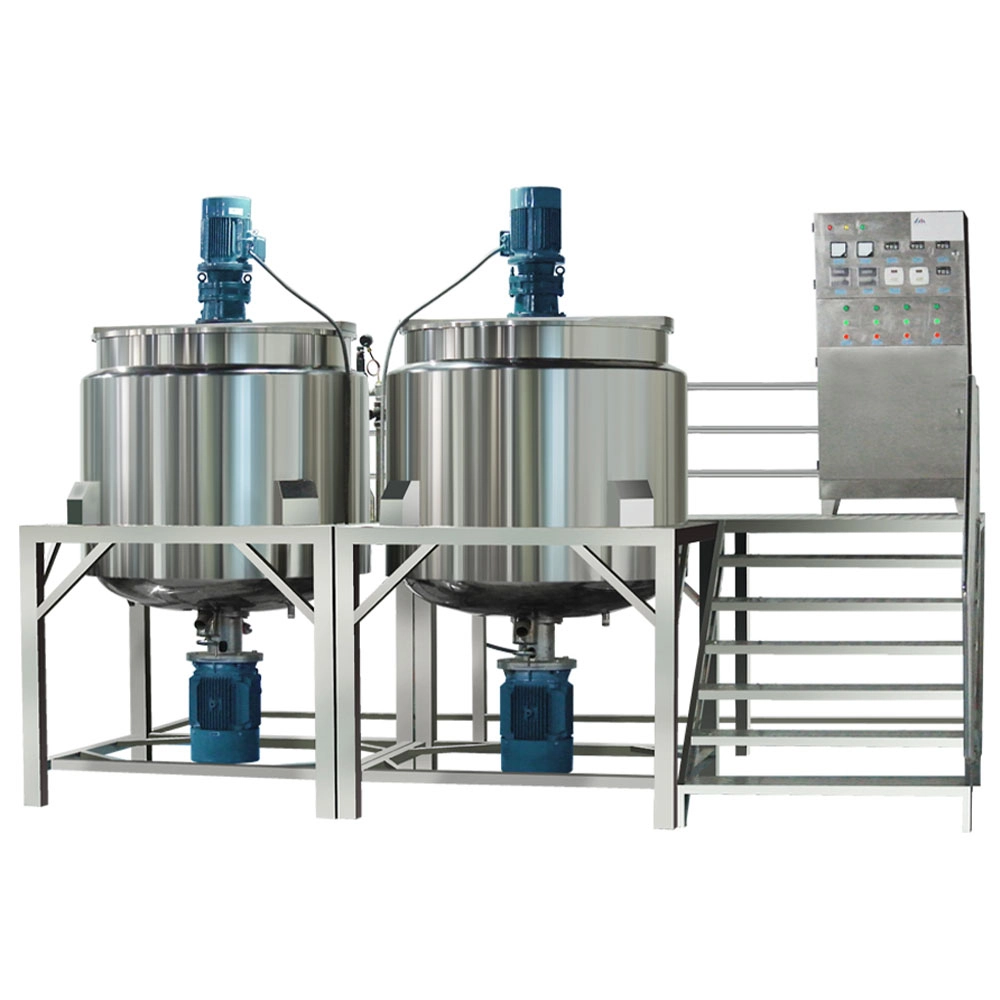
Flip Cover Multi-function Liquid Wash Mixing Tank Blender Liquid Detergent Mixer Homogenization Stirring Tank

A leading manufacturer specializing in advanced machinery and complete production lines for the cosmetics, food, pharmaceutical, and chemical industries worldwide.
Contact FULUKE
Facebook
Instagram
YouTube