
What sensors improve filling accuracy and traceability?
- 1. How do I choose between gravimetric (load-cell) systems and Coriolis/mass-flow meters for high-viscosity creams when I need consistent fills on a piston filler?
- 2. Can ultrasonic non-contact level sensors reliably detect foam or opaque emulsions during high-speed filling?
- 3. What combination of sensors prevents overfill and underfill on a multi-head piston filler during line changeovers?
- 4. How to integrate RFID/barcode serialization with filling sensors to achieve batch-level traceability and pass regulatory audits?
- 5. Which vision inspection and sensor setups reliably detect cap misplacement, fill level, and product color variation without slowing throughput?
- 6. What preventive maintenance sensor data should I log (and how) to calibrate filling accuracy and demonstrate traceability during recalls?
- Concluding summary: Advantages of sensor-driven accuracy and traceability on bottle filling machines
What Sensors Improve Filling Accuracy and Traceability for Bottle Filling Machines?
This article answers six frequently asked, yet underexplained, long-tail questions beginners and procurement teams ask when evaluating sensors and automation for cosmetic bottle filling lines. We cover sensor selection for viscous creams, foam detection, multi-head piston changeovers, serialization and batch traceability, vision inspection strategies that don't kill throughput, and what preventive-maintenance data you must log for audits. Semantic terms like automated filling line, piston filler, Coriolis flow meter, inline checkweigher, machine vision inspection, RFID serialization, PLC/SCADA, and CIP-compatible sensors are used throughout to connect equipment selection with real-world production and regulatory needs.
1. How do I choose between gravimetric (load-cell) systems and Coriolis/mass-flow meters for high-viscosity creams when I need consistent fills on a piston filler?
Problem: High-viscosity creams and emulsions change behavior under shear and can cling inside lines and pistons. Many online resources give generic advice (use gravimetric for accuracy), but they fail to explain how rheology, line length, and process dynamics change the correct sensor choice.
Practical answer: For viscous cosmetics, combine piston-filler mechanical control (servo with encoder) with gravimetric verification and, where product temperature/viscosity fluctuates, a Coriolis mass-flow meter on the feed line.
- Why the hybrid approach works: A servo-driven piston filler with high-resolution encoder ensures repeatable volumetric dispenses; however, volumetric repeatability doesn't guarantee delivered mass when density or trapped air change. A load-cell (gravimetric) weighing system on each lane or an inline checkweigher immediately after filling provides direct measurement of delivered mass and can trigger automatic adjustment of piston stroke or reject cans. Coriolis mass flow meters measure mass flow directly and are less sensitive to viscosity and density changes than many volumetric flow meters, making them excellent for process feedback and closed-loop control.
- Implementation notes: Use sanitary, CIP-compatible Coriolis meters sized for the expected flow range; locate them upstream of the filler or on the feed manifold to capture upstream variations. Use load cells with proper vibration isolation and IP69K / sanitary mounting for washdown lines. Integrate both sensors to your PLC so the piston encoder can adjust on-the-fly based on gravimetric/Coriolis feedback during a production run.
- Qualification & calibration: Calibrate flow meters using a gravimetric method during commissioning. Maintain traceable calibration using test weights for load cells and manufacturer-recommended procedures for Coriolis meters to satisfy audits (ISO 9001, internal QA).
2. Can ultrasonic non-contact level sensors reliably detect foam or opaque emulsions during high-speed filling?
Problem: Many cosmetic emulsions produce foam or have opaque/opaque shear layers that fool optical sensors. Beginners often read conflicting advice online about ultrasonic vs. capacitive vs. optical level sensors.
Practical answer: Ultrasonic and guided-wave radar (TDR) sensors are preferred when optical/photoelectric sensors fail with foam or opaque products. For foam-prone emulsions, guided-wave radar and capacitance sensors (with proper tuning) are more robust than simple ultrasonic transducers, provided hygienic probe designs are used.
- Ultrasonic sensors: Good for non-contact level detection of clear to moderately foaming liquids. They can be affected by foam and high headspace turbulence. Use sensors with short blanking zones and choose models rated for the temperature and chemical exposure typical for cosmetic emulsions.
- Guided-wave radar (TDR): Better where foam is present because the probe maintains signal coupling to the process liquid. Sanitary probe construction (316L) is required for cosmetics and CIP. TDR is effective for opaque, foamy, and viscous products and commonly used in batching vessels and tanks feeding automated filling lines.
- Capacitive sensors and guided probes: Effective with viscous media and low dielectric constant products if configured and grounded properly. They require conductive path or proper reference electrode; hygienic design matters.
- Sensor fusion and logic: At high speed, combine level sensors with flow meters and pressure sensors. Example: if tank level reading is stable but flow rate drops and tank pressure rises, the system can preemptively slow the filler and avoid air pulls or overfilling.
3. What combination of sensors prevents overfill and underfill on a multi-head piston filler during line changeovers?
Problem: Changeovers (different bottle sizes, nozzle adjustments, or new product batches) create transient conditions that cause overfills/underfills. Many guides recommend checking one sensor but don't explain the multi-sensor control loop required for robust repeatability across changeovers.
Practical answer: Use a multi-layer control strategy: (1) piston encoder & servo feedback for each head, (2) per-lane or per-group load-cell verification, (3) inline checkweigher downstream, and (4) real-time recipe management via PLC/MES to automatically apply compensation parameters for each SKU.
- Encoders and servo feedback: Ensure each piston head has precise stroke control and position feedback. During changeover the PLC loads the correct stroke profile for the SKU.
- Per-lane gravimetric feedback: If cost allows, install load-cells on critical lanes or groups. These provide immediate measured mass for closed-loop correction within a few cycles of a changeover.
- Inline checkweigher: Acts as the final gatekeeper and rejects out-of-spec bottles. Its data feeds back to the PLC/MES to adjust fill parameters automatically and to log batch statistics.
- Recipe and HMI: Maintain a secure recipe library (with operator access control) so changeovers load pre-validated PID/compensation parameters. Include automatic prompts for nozzle inspection, wet-rinse, and re-zeroing of load cells during changes of product viscosity or container geometry.
- Validation: Execute an OQ/PQ (operational qualification / performance qualification) after changeovers to verify the closed-loop system meets acceptance criteria across the full SKU range.
4. How to integrate RFID/barcode serialization with filling sensors to achieve batch-level traceability and pass regulatory audits?
Problem: Cosmetic manufacturers must be able to trace batches and quality results to individual containers or lots. Generic advice to use RFID doesn't explain how to tie sensor events (fills, weight checks, vision inspection results) to serialized identifiers and how to store that data securely for audits.
Practical answer: Implement a standardized linking architecture: assign a unique identifier (GS1 barcode or EPC-RFID tag) to each bottle or case; capture the identifier at a deterministic point (post-fill / pre-cap) using machine vision or RFID readers; bind sensor data (time-stamped fill volume, weight, temperature, inspection pass/fail) into a batch record stored in MES/ERP with secure audit trail (21 CFR Part 11-style controls where applicable).
- Deterministic read point: Choose a single read location (for example, immediately after capping or labeling) where the camera/RFID reader always sees the same face of the product to ensure 100% read rates. For highest traceability, read the primary package ID and case/carton ID and record the association to upstream sensor data.
- Data binding and standards: Use GS1 or other standardized identifiers. Log sensor readings with timestamps, operator ID, recipe ID, and equipment serial number. Store data in a tamper-evident MES or industrial historian supporting secure access, retention policies, and export for audits.
- Integration mechanics: Use industrial protocols (Profinet, EtherNet/IP, OPC UA) between PLC, vision/RFID subsystem, and MES. Implement middleware if your control vendor lacks native MES connectors. Ensure the barcode/RFID middleware can tag the PLC event stream with the read ID atomically (single transaction) so you can prove which sensor readings map to which serialized unit.
- Regulatory readiness: Maintain searchable batch records with time-ordered events, digital signatures, and calibration certificates for sensors. For markets that expect electronic records (pharma-adjacent customers), design the system to satisfy expectations similar to 21 CFR Part 11 for audit trails, even if cosmetics are not strictly regulated by that standard in all regions.
5. Which vision inspection and sensor setups reliably detect cap misplacement, fill level, and product color variation without slowing throughput?
Problem: Vision is often perceived as a bottleneck. Buyers seek setups that maintain high throughput (e.g., 200–1,000+ bottles/min) while reliably catching defects; generic checklists omit practical camera placement, illumination, and decision logic recommendations.
Practical answer: Use targeted, minimal-latency machine vision stations with purpose-built lighting, optical filters, and line-scan or global-shutter area cameras. Combine vision with lightweight sensors that pre-filter obviously good units to minimize vision workload.
- Inspection architecture: Place a high-speed pre-sortor (photoelectric sensor or simple color sensor) that routes obviously bad units to a reject lane. Reserve the vision system for borderline cases and for recording images for audit purposes. This approach reduces vision CPU load and cameras required.
- Camera & lighting choices: For fill level and cap placement, use backlighting or coaxial lighting depending on package transparency. For color variation in emulsions, use normalized, controlled illumination (LED with color temperature control) and color calibration targets. Use global-shutter cameras for moving lines to avoid motion blur and line-scan when inspecting continuous features at very high speeds.
- Image analysis & ML: Classical rule-based inspection is fast and deterministic. Where subtle color or texture differences exist, consider trained machine-learning models deployed on edge inference devices. Validate ML models with representative data and maintain periodic revalidation as formulations change.
- Throughput optimization: Use region-of-interest (ROI) processing, hardware-triggered image capture tied to encoder position, and real-time rejection actuators (air-blow, pusher) positioned at reliable reject points to maintain X-rated throughput without creating jams.
6. What preventive maintenance sensor data should I log (and how) to calibrate filling accuracy and demonstrate traceability during recalls?
Problem: When an out-of-spec event leads to a recall investigation, many manufacturers lack the logged sensor and maintenance data needed to perform root-cause analysis quickly. Online advice often mentions 'log everything' without detailing which signals, frequency, and format are necessary for compliance and practical troubleshooting.
Practical answer: Log a prioritized set of time-stamped process and equipment health parameters to your MES/historian with secure access controls. Focus on signals that directly affect fill quality, and store calibration records and firmware versions alongside process data.
- Essential signals to log: SKU/recipe ID; operator ID; fill volume command & measured mass (per-lane load cell or checkweigher output); flow meter readings; piston encoder position & servo current; nozzle pressure; tank temperature and level; vision inspection result and image IDs; RFID/barcode reads that link product IDs; reject events and reasons.
- Maintenance & calibration records: Store calibration certificates, last calibration date, offsets applied, and technician notes. Log sensor firmware and PLC program version numbers in each batch header so auditors can see the exact control environment that produced a batch.
- Data format & retention: Use a relational or time-series database that supports export in open formats (CSV, JSON) and retains immutable audit trails for a defined retention policy. Include UTC timestamps and line sequence numbers to correlate events across systems.
- Analytics for preventive maintenance: Monitor drift trends (e.g., load-cell zero drift, increasing servo current that hints at wear) and set threshold alerts. Predictive alerts avoid quality excursions and reduce unplanned downtime.
- Regulatory context: For cosmetic customers serving regulated channels, be prepared to show batch traceability, calibration history, and corrective actions. Align practices with ISO 9001 documentation expectations and use GS1 identifiers to speed tracebacks.
Concluding summary: Advantages of sensor-driven accuracy and traceability on bottle filling machines
Integrating the right sensors—sanitary load cells/checkweighers, Coriolis or mass-flow meters, guided-wave radar or tuned level sensors, encoder/servo feedback on piston fillers, high-speed machine vision, and barcode/RFID readers—combined with PLC/SCADA and MES-level data binding, delivers measurable advantages: consistent fills across SKU changes, rapid detection and rejection of defects, robust batch-level traceability for recalls and audits, reduced product giveaway and waste, and actionable predictive maintenance. Implementing sensor-fusion and closed-loop correction shortens qualification cycles (IQ/OQ/PQ), improves OEE, and eases compliance with customer and regulatory expectations.
If you need a turnkey evaluation or a quote to retrofit or design an automated filling line with the sensors and controls described, contact us for a quote: www.fulukemix.com or email flk09@gzflk.com.

Understanding Servo Capping Machines: The Core Logic of Precise Capping – Understand the Entire Working Process in Seconds
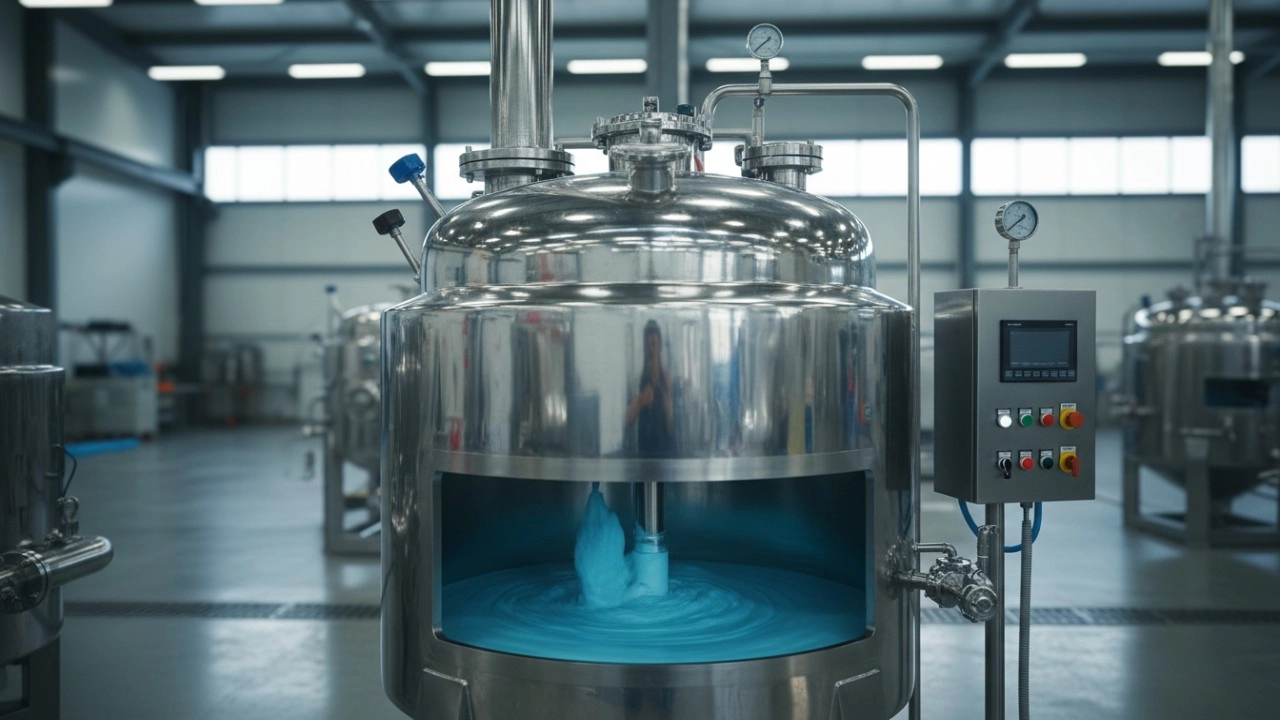
The Future of Industrial Agitation: 5 Smart Mixing Tank Technologies Changing the Game
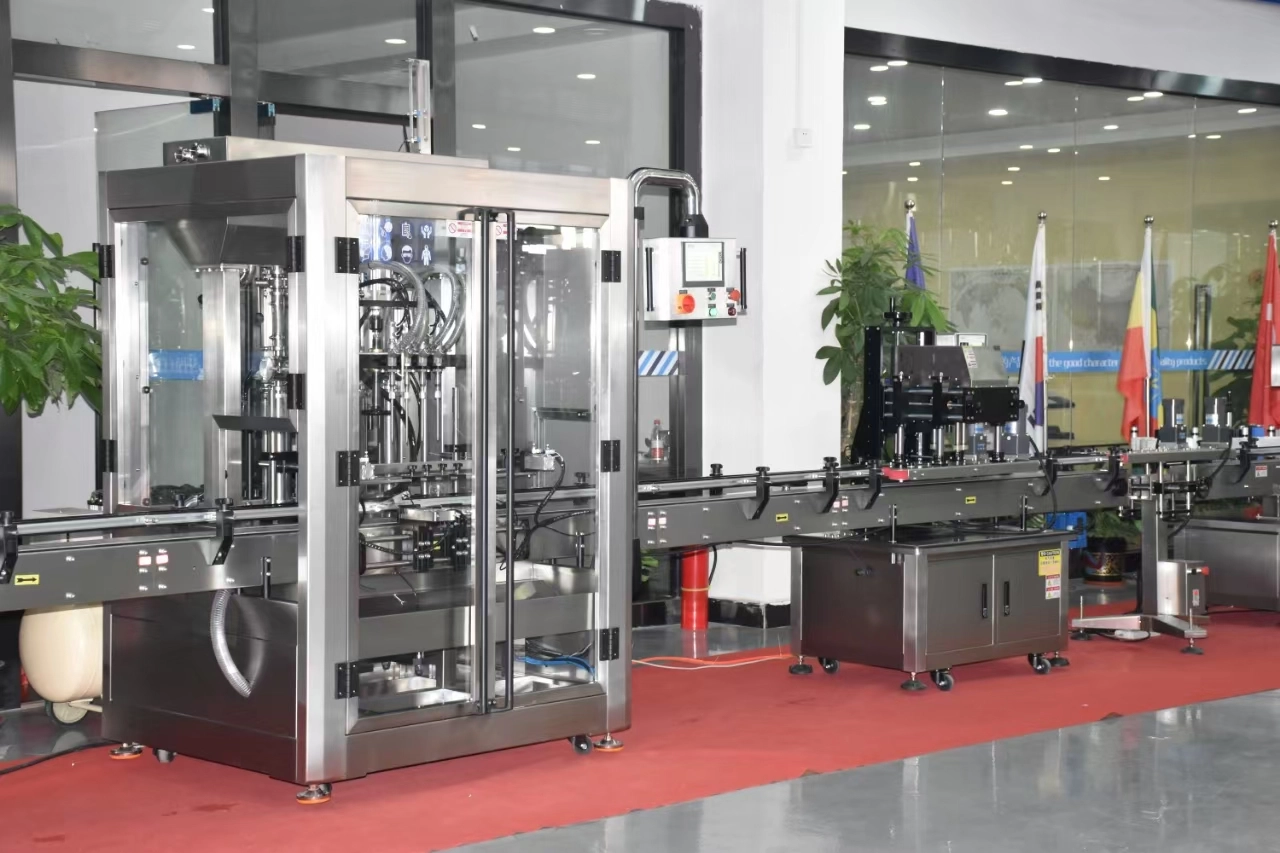
Gear pump filling machine vs. piston filling machine: Key differences broken down to avoid pitfalls in selection.
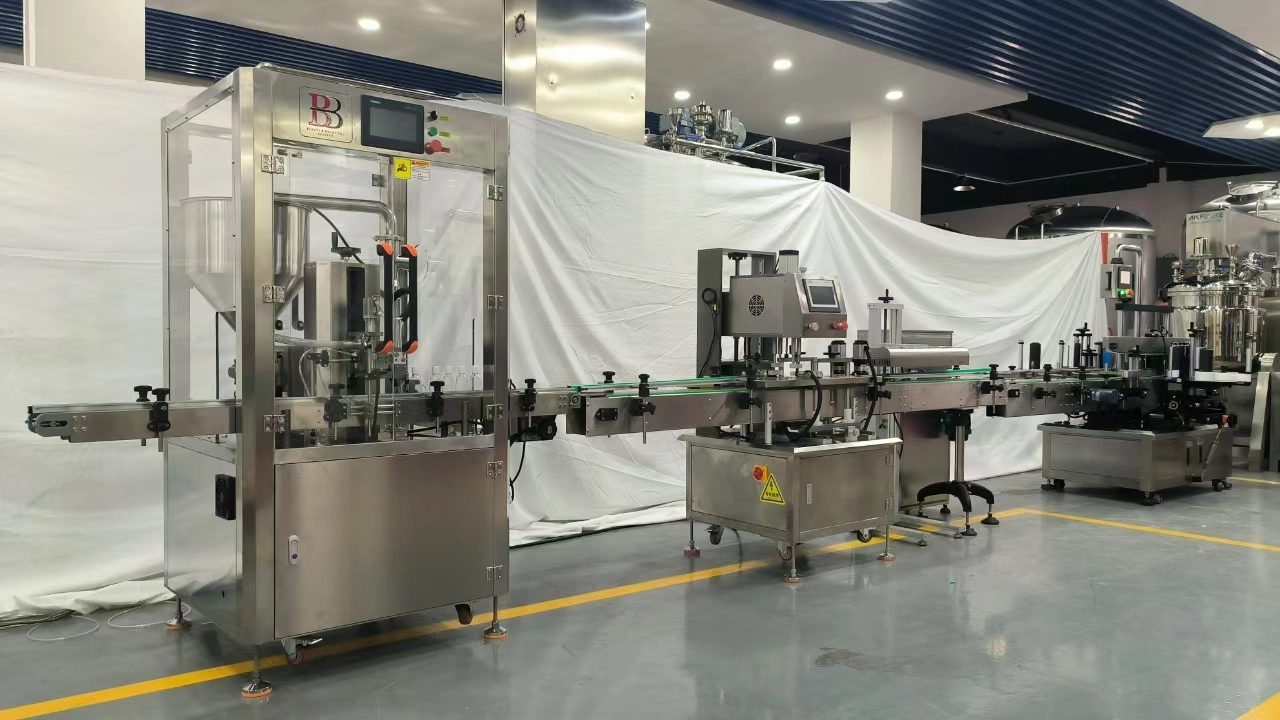
Understand the working principle of a servo gear pump filling machine!
Vacuum Emulsifying Machine
Can you customize the machine?
Of course, we provide customized services according to customer needs.
Storage Tank
Who are we?
Our headquarters is located in Guangzhou, Guangdong, China, and our factory is located in Yangzhou, Jiangsu. Our products are sold all over the world. We have approximately 50 employees in our company and factory.
Can you customize the machine?
Of course, we provide customized services according to customer needs.
Automatic Filling Machine
Can you make a design for us?
Yes, we can, we provide not only products, but also solutions and designs.
Perfume Filling Machine
Who are we?
Our headquarters is located in Guangzhou, Guangdong, China, and our factory is located in Yangzhou, Jiangsu. Our products are sold all over the world. We have approximately 50 employees in our company and factory.
Get in touch with FULUKE
If you have any comments or good suggestions, please leave us a message, later our professional staff will contact you as soon as possible.
You May Also Like
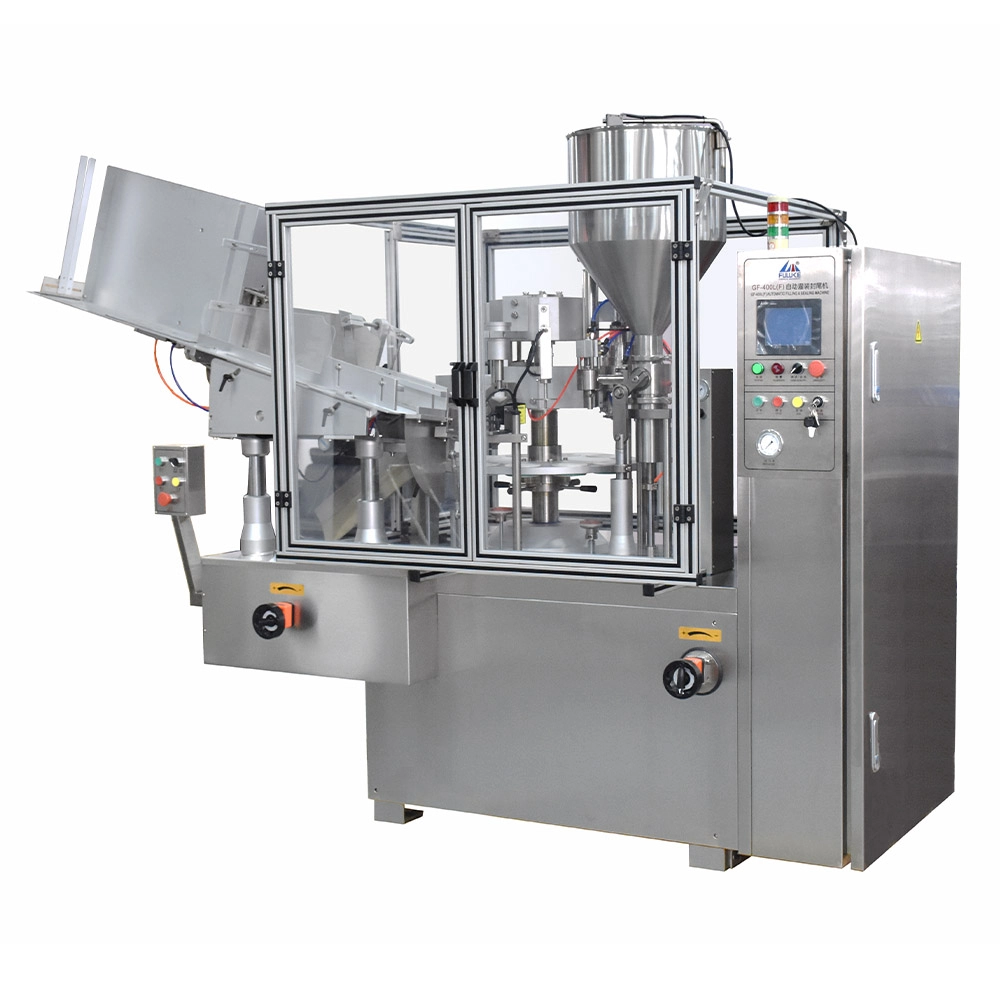
Automatic Tube Filling and Sealing Machine Toothpaste Sunscreen and Facial Cleanser Filling and Sealing Machine for Plastic and Aluminum-plastic Tube
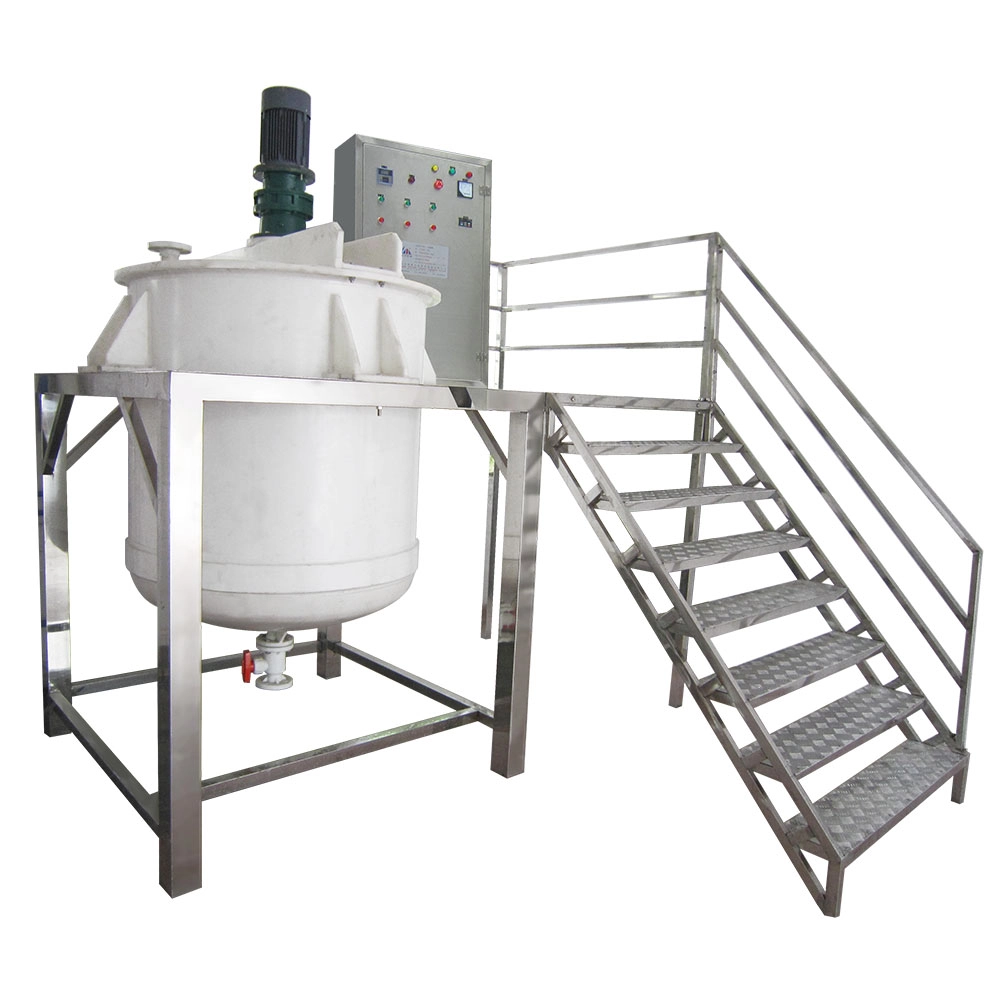
Polypropylene PP Mixing Tank Anti-Corrosion Mixer Reaction Kettle with Agitator Chemical Mixing Vessel
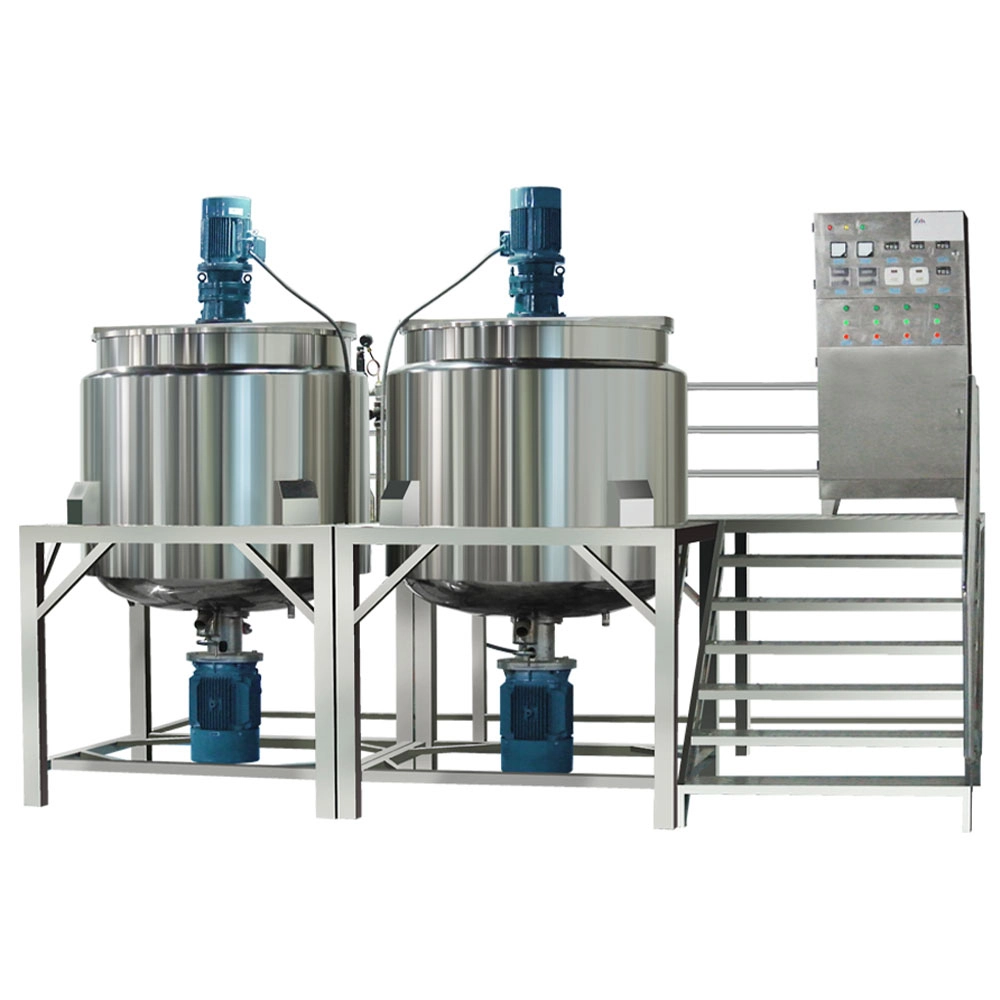
Flip Cover Multi-function Liquid Wash Mixing Tank Blender Liquid Detergent Mixer Homogenization Stirring Tank
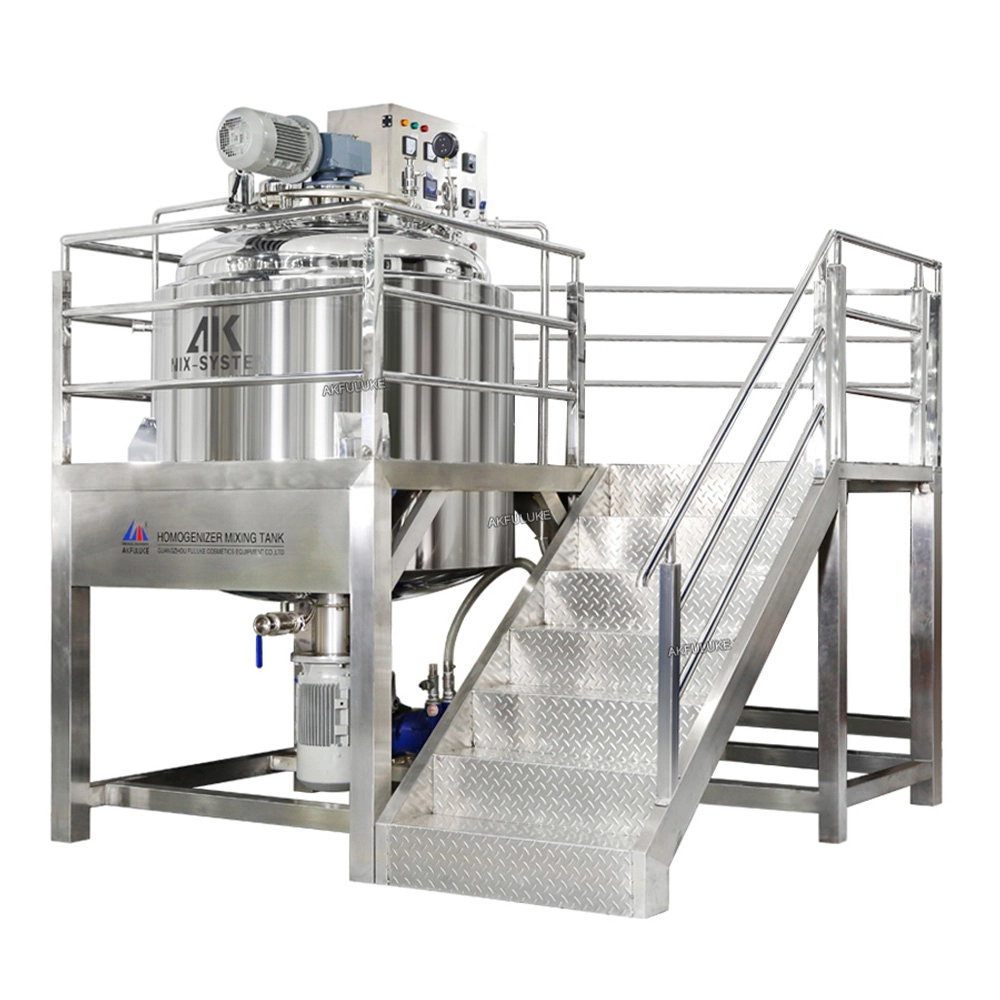
Stainless Steel Mixer Liquid Mixing tank with Agitator Homogenizing Mixing tank Vacuum Sealed Mixer Machine

A leading manufacturer specializing in advanced machinery and complete production lines for the cosmetics, food, pharmaceutical, and chemical industries worldwide.
Contact FULUKE
Facebook
Instagram
YouTube