
What spare parts should be stocked for fast repairs?
- Which wear components cause most unplanned stops on cosmetic bottle filling machines, and how many of each should I keep on-site?
- What critical electrical and control spare parts should be kept to avoid multi-day PLC or servo replacement delays?
- For piston and pump-based cosmetic fillers, what seal kits, diaphragms and maintenance parts should be prioritized and how often should they be replaced?
- Which conversion consumables and small parts should be on-site to shorten changeover time between different cosmetic products?
- How many spare parts should I stock per production line based on production schedule and supplier lead times (a simple formula)?
- How should I prioritize OEM vs certified aftermarket spare parts to preserve warranty, reliability and lead time?
Which wear components cause most unplanned stops on cosmetic bottle filling machines, and how many of each should I keep on-site?
Unplanned stops in cosmetic bottle filling lines are usually driven by mechanical wear parts: seals (piston seals, pump seals), filling nozzles and nozzle tips, O-rings and gaskets, bearings (guide bushes, roller bearings), belts, star wheels/format parts, and valve seats. For rotary filling machines and high-speed automatic bottle fillers these items wear faster because of high cycle counts; for piston fillers and servo-driven piston fillers, seals and piston cups are the dominant consumable.
Stocking recommendation (baseline for one production line, adjust to uptime and lead-times):
- Piston seal kits / pump seal kits: 2 complete kits (one for immediate swap, one spare during repair)
- Filling nozzles / nozzle tips: 5–10 pieces (varied diameters for product changes)
- O-ring & gasket kits (assorted sizes): quantity for 50–100 replacements (typically several dozen O-rings)
- Bearings / guide bushes: 2–3 critical bearings or one full critical-bearing kit
- Belts / timing belts: 2 spares
- Valve seats / diaphragms: 2–3 spares
Why these counts: consumables are cheap relative to downtime. If a replacement part has a typical lead time >1 week, keep at least 2 spares. For parts replaced during weekly or daily CIP/SIP cycles (O-rings) keep larger quantities and documented lot traceability for cosmetic compliance.
Embedded terms: cosmetic bottle filling machine, automatic bottle filler, piston filler, rotary filling machine, nozzle filling head.
What critical electrical and control spare parts should be kept to avoid multi-day PLC or servo replacement delays?
Electrical/control failures can halt the entire line; PLC, HMI, servo drives, encoder modules, power supplies and I/O modules are high-impact. Typical lead times for OEM control modules or servo drives can range from days to several weeks, especially for custom-ordered or region-specific firmware.
Minimum critical-electrical kit per line:
- PLC CPU module (or hot-swap spare compatible with your system): 1
- I/O modules (most common I/O types used on the machine): 2–4 (cover common analog/digital I/Os)
- HMI spare (compatible screen/model or a validated replacement): 1
- Servo drive(s) (one per critical axis) or one drive if axes are identical: 1–2
- Encoder / resolver spare: 1–2
- Power supplies (main DC bus and control supplies): 1 spare each
- Key relays, contactors, fuses, fuse holders, E-stop switches: small kit
Operational tips: label firmware versions and keep a validated spare or an image of the PLC program and HMI screens. Having trained staff or a service partner who can hot-swap and reload programs reduces MTTR (mean time to repair) from days to hours. Document serial numbers and vendor part numbers so procurement can act fast.
For piston and pump-based cosmetic fillers, what seal kits, diaphragms and maintenance parts should be prioritized and how often should they be replaced?
Seal life depends primarily on product chemistry (acids, alcohols, abrasive particulates), viscosity, temperature, and frequency of CIP/SIP. Typical guidance:
- Light, aqueous lotions: seals may last several months under normal use.
- Creams, gels, high-viscosity or particulate-filled products: seals often need replacement every 4–12 weeks.
Essential parts to stock and interval planning:
- Piston seal kits / pump seal kits (PTFE, FDA-grade elastomers): 2 kits on-site, replace as preventative maintenance every 3–6 months for creams and every 6–12 months for aqueous products, or earlier if wear observed.
- Diaphragms for hygienic pumps: 2–3 spares; replace proactively per manufacturer's cycles or after visible fatigue.
- Valve seats and spring assemblies: 2 spares
- Shaft seals and mechanical seals: 1–2 spares (mechanical seals are critical; keep OEM spares)
Maintenance practice: record running hours per product, track seal hardness and leakage, and replace on a planned schedule tied to production batches. For cosmetic production where contamination and traceability matter, replace seals during planned shutdowns rather than emergency swaps when possible.
Which conversion consumables and small parts should be on-site to shorten changeover time between different cosmetic products?
When switching between serums, lotions, creams or different bottle sizes, quick changeover depends on having the right conversion parts available:
- Nozzle tips and interchangeable filling nozzles (diameter-matched) for different viscosities
- Changeover format plates, star wheels, and screw chucks for capping machines
- Hose assemblies and product-specific tubing (FDA/USP-grade) to avoid cross-contamination
- Different piston sizes or dosing screws for volumetric filling adjustments
- Gasket kits and manifold seals for the CIP loop
- Quick-connect fittings and clamps for rapid removal during cleaning
Operational tip: maintain labeled conversion kits for each SKU (bottle size x product type). A ready kit containing nozzle(s), O-rings, tubing and format parts can reduce changeover time from hours to 15–45 minutes for well-trained teams on servo-driven fillers and rotary filling machines.
How many spare parts should I stock per production line based on production schedule and supplier lead times (a simple formula)?
A practical formula to plan spare inventory: Safety stock = (Average daily failure rate × Procurement lead time in days) + Buffer for urgent repairs.
Steps:
- Determine average failure rate for each part (failures per 30/90/365 days) using maintenance logs. If you lack data, start conservative (e.g., expect 1 critical consumable failure every 1–3 months).
- Check supplier lead time (domestic vs OEM overseas). If lead time >14 days, increase on-hand quantity.
- Apply buffer multiplier (1.5–2×) for high-impact parts.
Practical baseline inventory per line (starter kit):
- 1 PLC CPU, 2 I/O modules, 1 HMI spare
- 1 spare servo drive per critical axis OR one generic replacement drive
- 2 piston/pump seal kits, 5–10 nozzle tips, 50–100 O-rings
- 2 bearings, 2 belts, 2 valve seats
- 1 spare spare pump or motor (if lead time >7 days)
Review quarterly: adjust quantities after 3–6 months of run-rate data. Use an ERP/MRO system to track consumption and auto-reorder based on min/max thresholds to reduce inventory carrying costs.
How should I prioritize OEM vs certified aftermarket spare parts to preserve warranty, reliability and lead time?
Decision factors:
- Criticality: For PLCs, servo motors, load cells, and precision nozzles where calibration and firmware matter, prefer OEM spares to preserve warranty and ensure exact compatibility.
- Consumables: O-rings, generic seals, belts and non-safety-critical gaskets can be sourced from certified aftermarket suppliers to reduce cost and shorten lead times—choose suppliers with material certifications (FDA, USP Class VI where required).
- Certified legacy parts: If a machine is legacy or discontinued, work with certified third-party vendors who provide traceable material specifications and test reports. Maintain documentation to satisfy cosmetic GMP audits.
Procurement policy: keep OEM spares for any component that affects control safety, product dosage accuracy (nozzles, flow meters), or regulatory compliance (CIP valves, hygienic pumps). Use vetted aftermarket for low-risk, high-consumption parts. Document all cross-references and test-fit reported parts before placing large orders.
Embedded terms: servo-driven filler, capping machine, PLC, HMI, CIP, SIP, spare parts kit, downtime, lead time, MTTR.
Conclusion: Advantages of proactive spare-parts stocking
Stocking a targeted spare-parts kit for each cosmetic bottle filling machine reduces emergency downtime, shortens mean time to repair, protects product quality and regulatory compliance, and lowers expedited procurement costs. A mixed strategy—OEM for control and precision parts, certified aftermarket for consumables—balances cost and availability. Documented maintenance intervals, SKU-specific conversion kits, and a basic electrical spares kit (PLC, drives, power supplies) convert unpredictable stops into planned maintenance with minimal production impact.
Contact us for a customized spare-parts audit and quote: www.fulukemix.com | flk09@gzflk.com
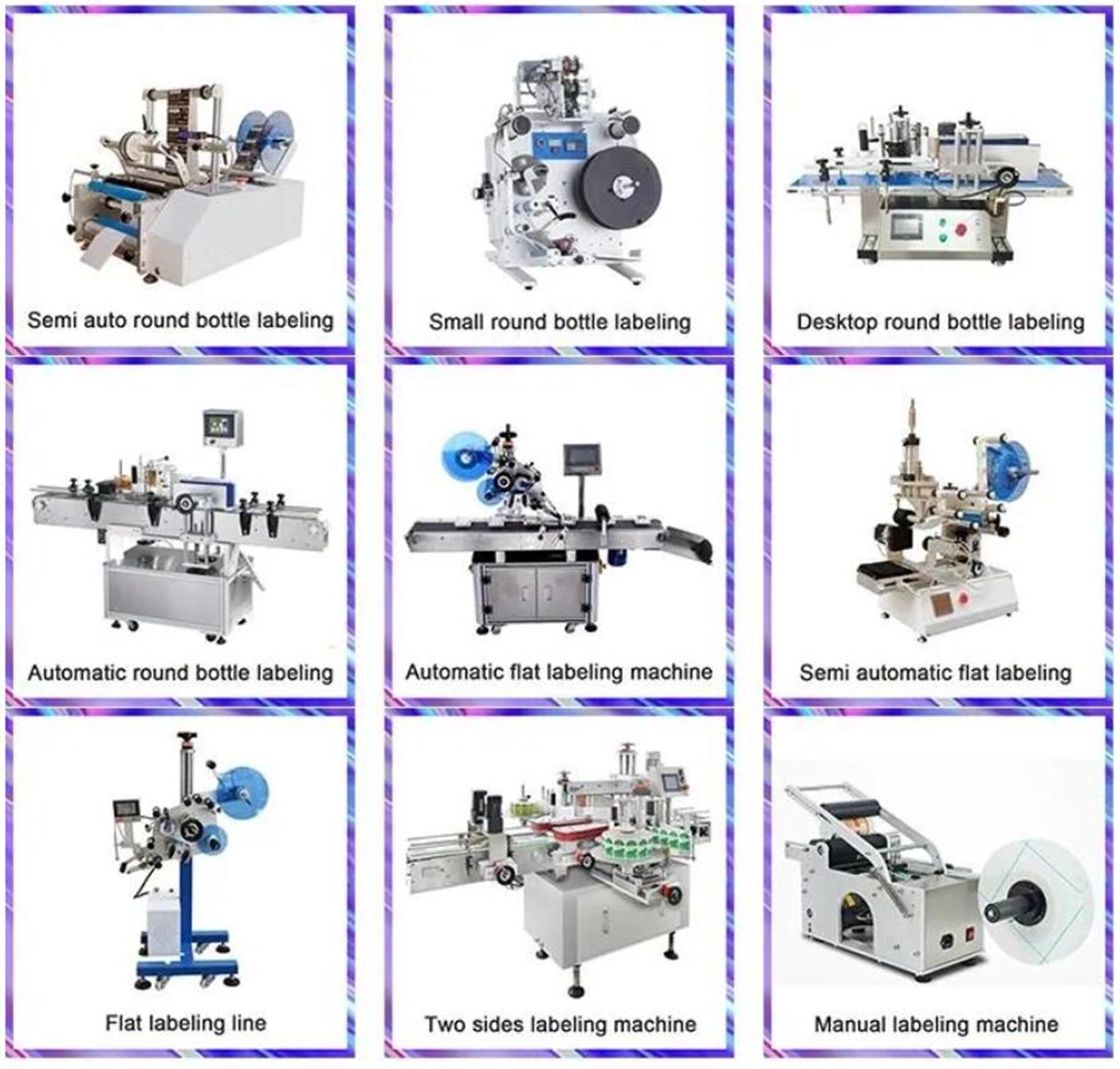
Improving Packaging Efficiency: Applications and Advantages of Fully Automatic Labeling Machines in Production Lines

Understanding Servo Capping Machines: The Core Logic of Precise Capping – Understand the Entire Working Process in Seconds
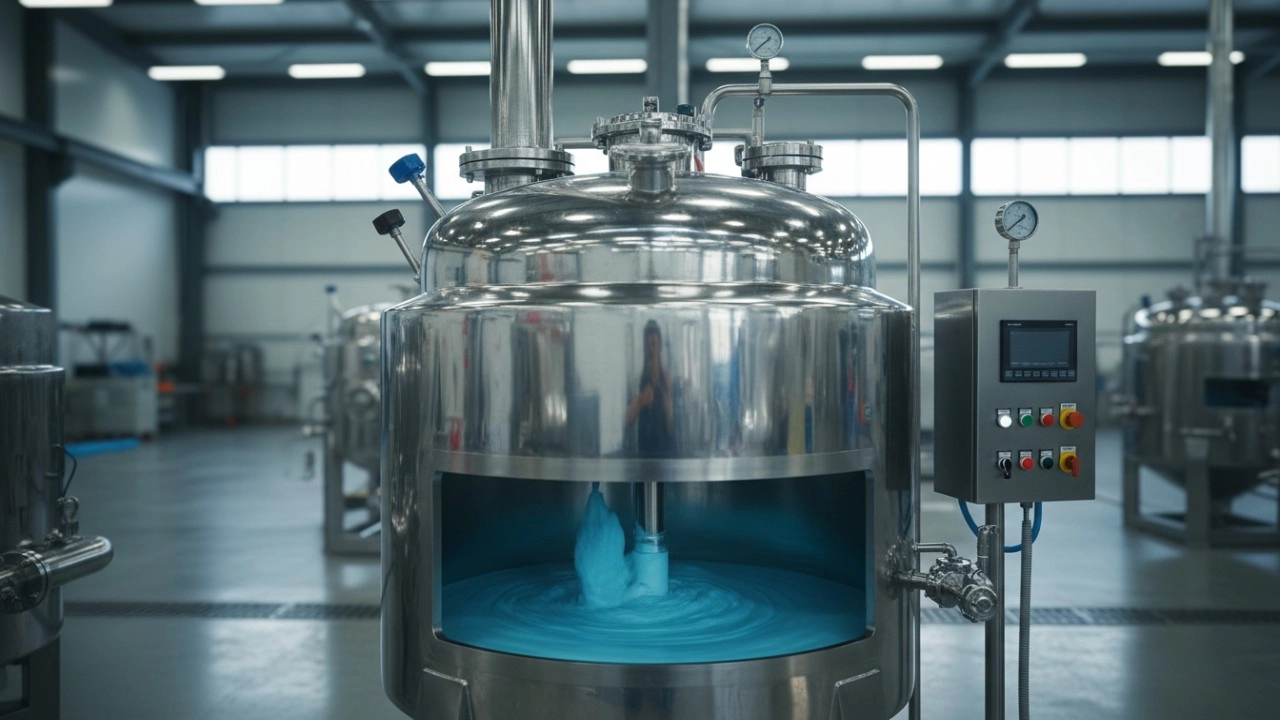
The Future of Industrial Agitation: 5 Smart Mixing Tank Technologies Changing the Game
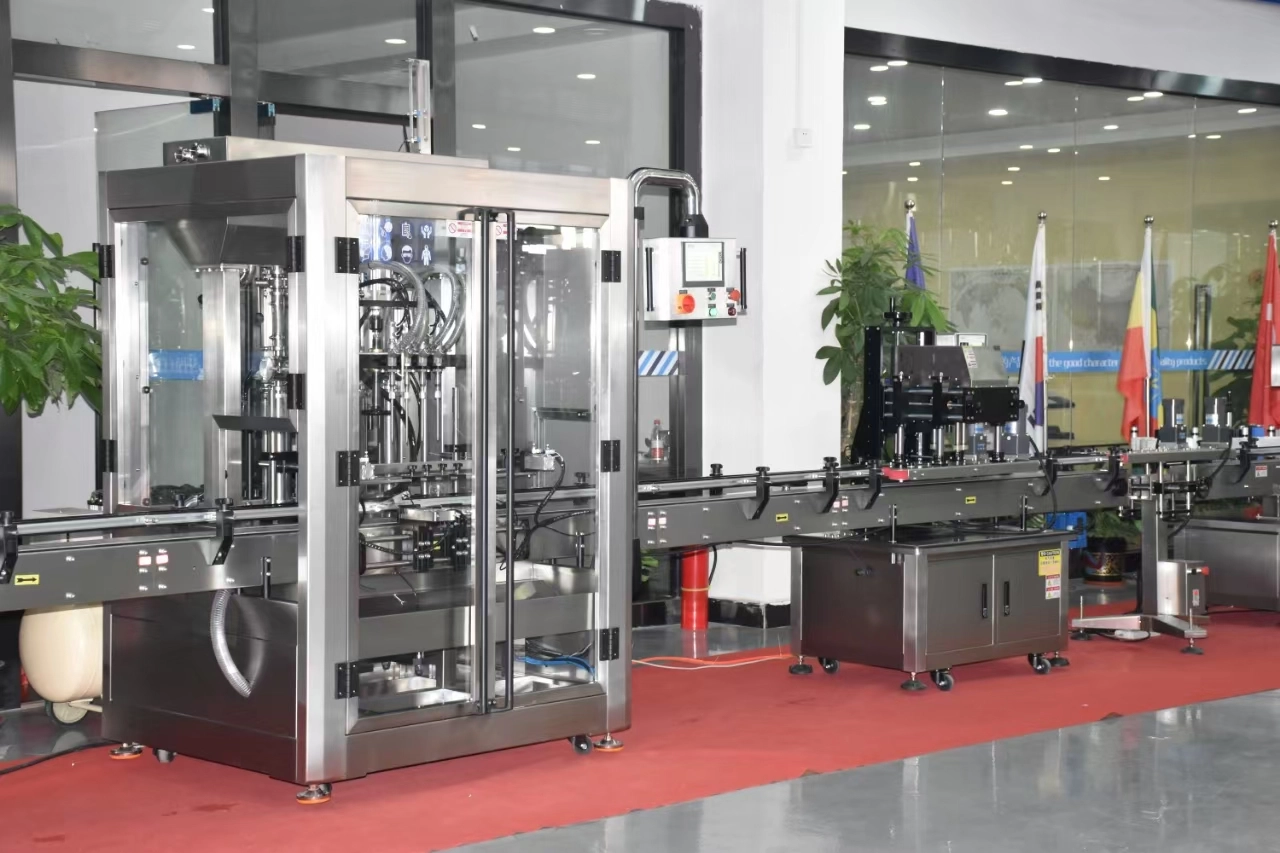
Gear pump filling machine vs. piston filling machine: Key differences broken down to avoid pitfalls in selection.
Perfume Filling Machine
Can you make a design for us?
Yes, we can, we provide not only products, but also solutions and designs.
Can the perfume filling machine accommodate perfume bottles of varying materials and shapes?
Yes. The machine utilizes adjustable mold positions and a PLC control system that allows for one-touch parameter switching, allowing it to accommodate a wide range of bottle shapes, including round, square, and special-shaped ones. The filling capacity range can be flexibly adjusted, and format changeovers take as little as 10 minutes, meeting diverse production needs.
Automatic Capping Machine
Can you customize the machine?
Of course, we provide customized services according to customer needs.
Sealed Homogenizing Mixing Tank
What is the speed of the high shear homogenizer?
The standard speed is 0-3000 rpm, but higher speeds can be customized upon request.
Storage Tank
Can you customize the machine?
Of course, we provide customized services according to customer needs.
Get in touch with FULUKE
If you have any comments or good suggestions, please leave us a message, later our professional staff will contact you as soon as possible.
You May Also Like
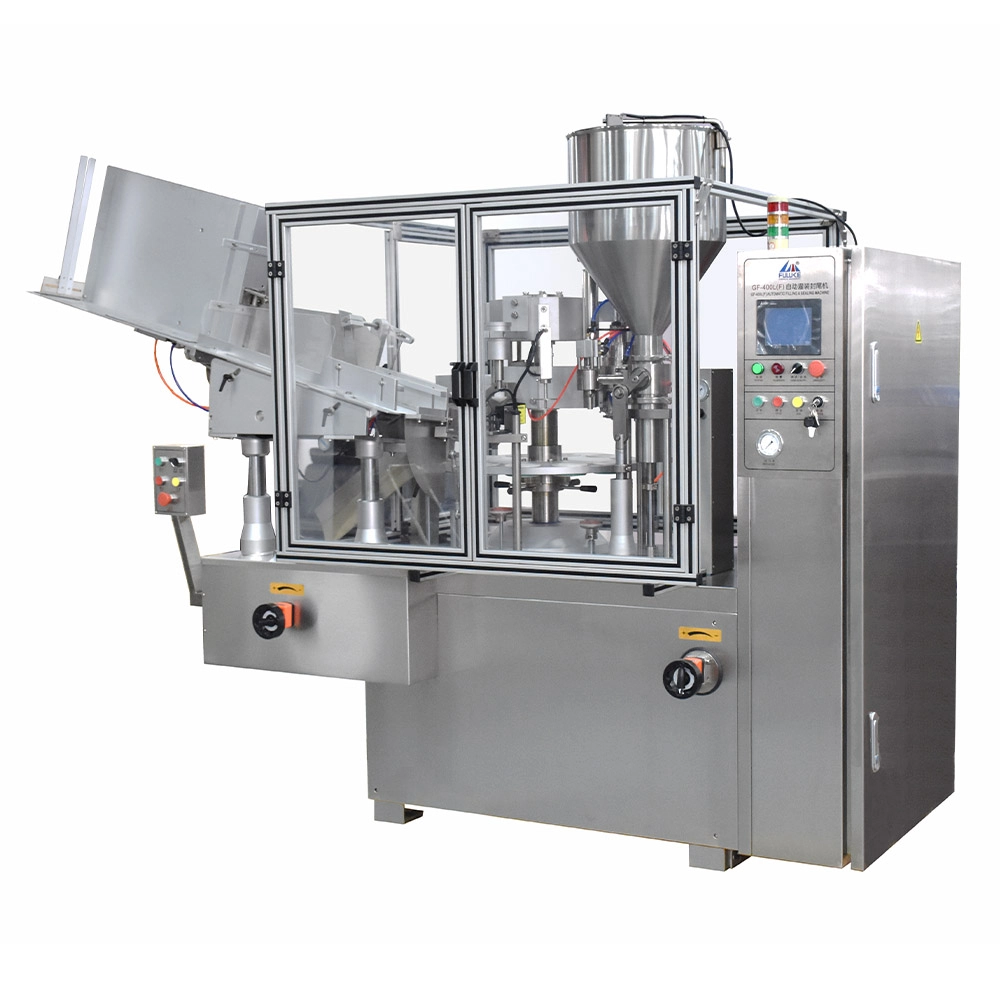
Automatic Tube Filling and Sealing Machine Toothpaste Sunscreen and Facial Cleanser Filling and Sealing Machine for Plastic and Aluminum-plastic Tube
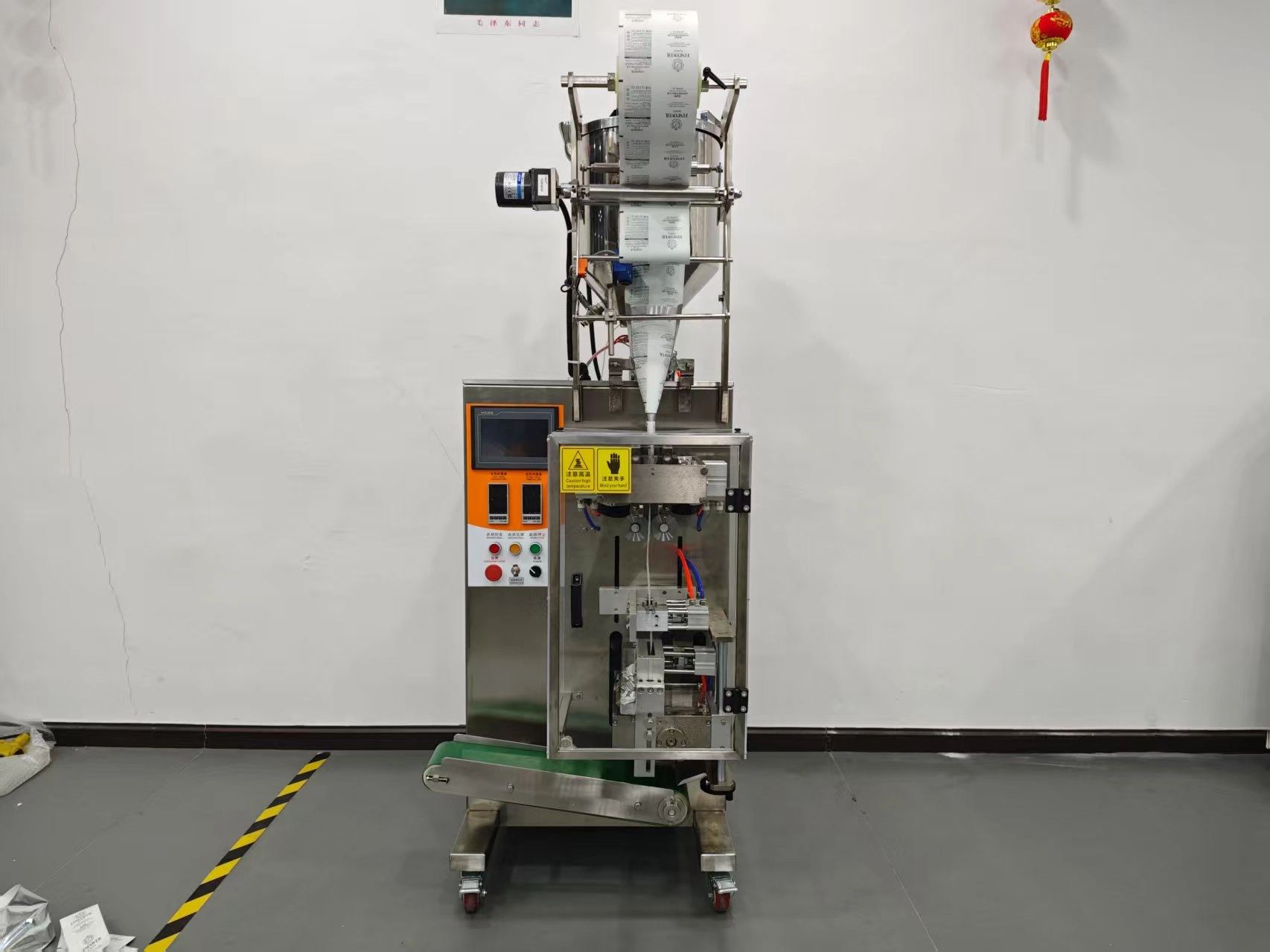
Three-side/four-side sealing bag packaging machine Liquid Paste Jam Cream Sachet Vertical Filling Pouch Packing Machine
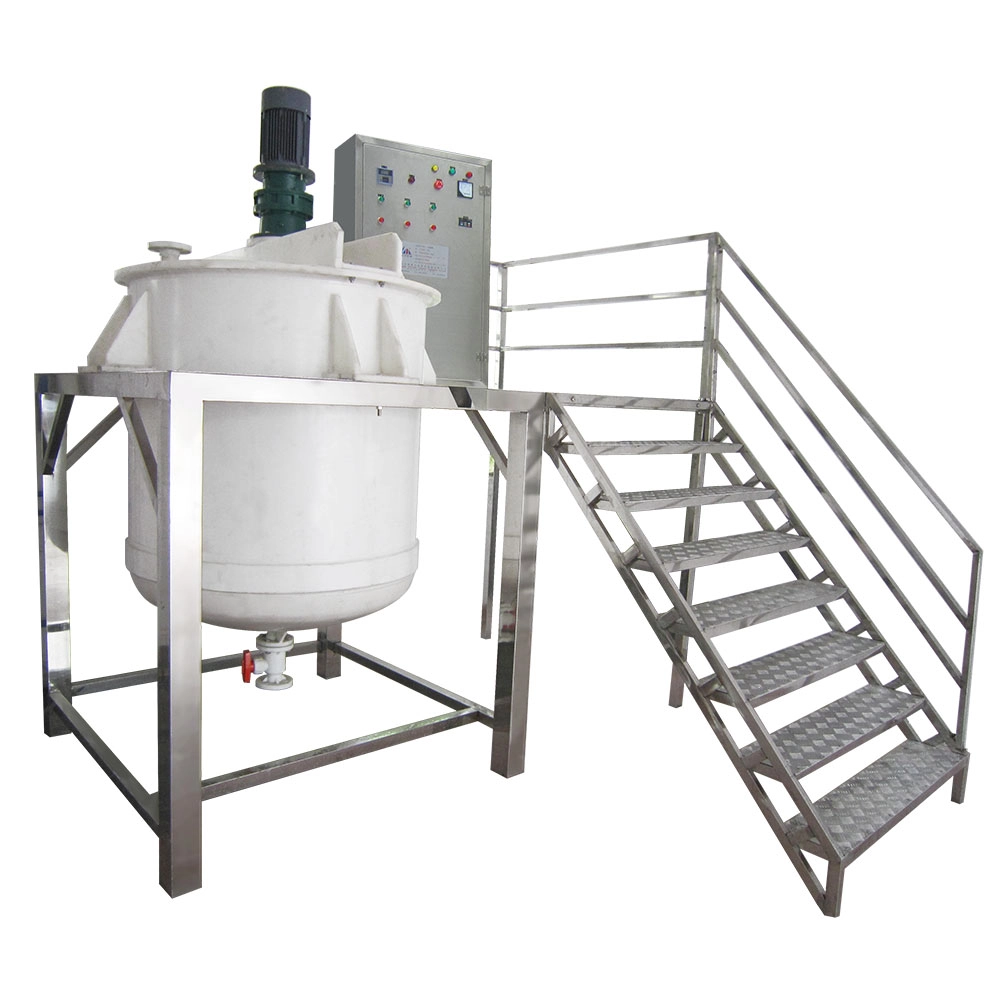
Polypropylene PP Mixing Tank Anti-Corrosion Mixer Reaction Kettle with Agitator Chemical Mixing Vessel
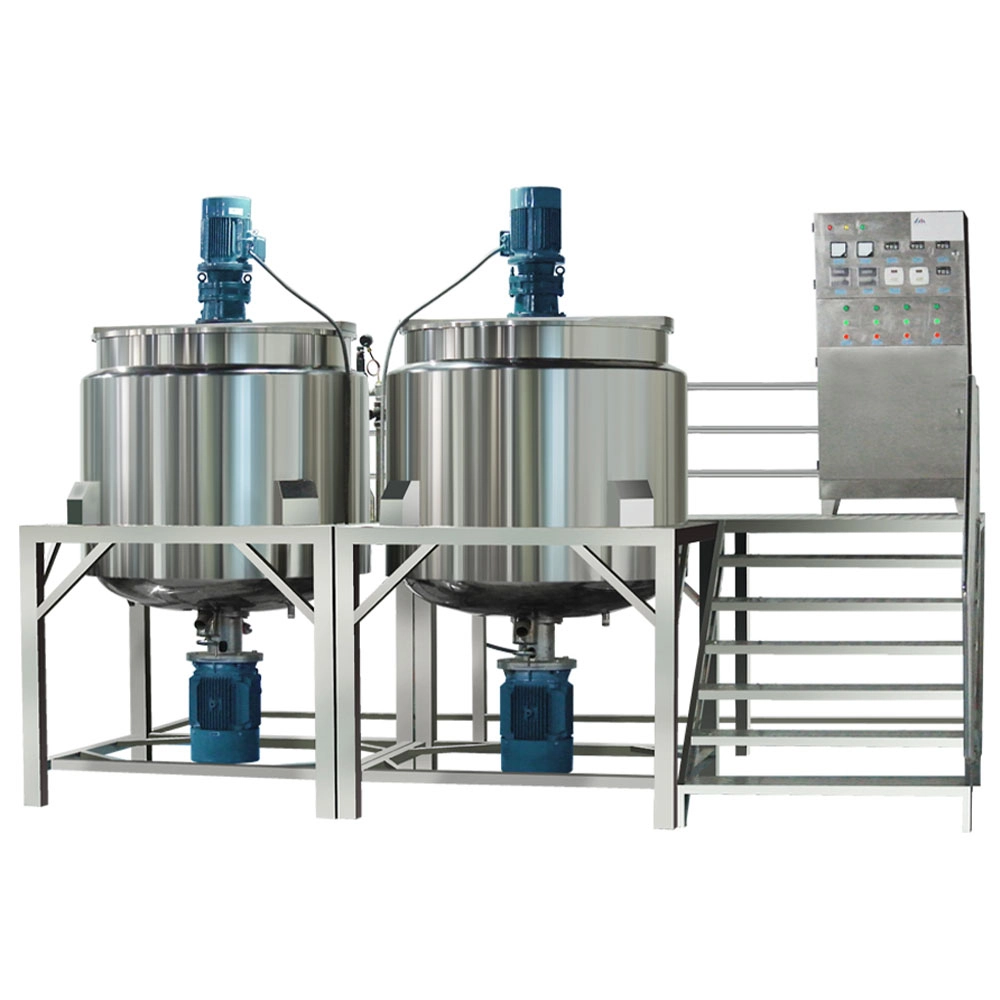
Flip Cover Multi-function Liquid Wash Mixing Tank Blender Liquid Detergent Mixer Homogenization Stirring Tank

A leading manufacturer specializing in advanced machinery and complete production lines for the cosmetics, food, pharmaceutical, and chemical industries worldwide.
Contact FULUKE
Facebook
Instagram
YouTube