
How to choose a filler with flexible container handling?
- 1. How can I guarantee precise dosing across wide volume ranges (from 1 ml sachets to 500 ml bottles) without excessive changeover or product waste?
- 2. Which filler types best handle high-viscosity creams, pastes and shear-sensitive emulsions without damaging product structure?
- 3. How do I minimize physical changeover time and tooling costs when switching between bottles, jars, tubes and pouches?
- 4. What hygienic and validation features should I insist on for cosmetic fillers handling oil-based and sticky formulas (CIP, GMP, materials)?
- 5. How can I integrate flexible container handling (pouches, sachets, tubes) on the same line as rigid bottles without losing throughput or accuracy?
- 6. What are realistic ROI and OEE factors to budget for a multi-format cosmetic filler (including utilities, validation, spare parts and downtime)?
How to Choose a Bottle Filling Machine with Flexible Container Handling
This guide answers six specific, frequently-asked technical questions beginners and procurement engineers face when buying a bottle filling machine for cosmetic production lines that must handle flexible containers (pouches, sachets, tubes) alongside rigid bottles and jars. It embeds practical machine-selection criteria, hygiene and validation points, and integration tips so you can specify a solution that reduces waste, downtime and risk.
1. How can I guarantee precise dosing across wide volume ranges (from 1 ml sachets to 500 ml bottles) without excessive changeover or product waste?
Problem: Cosmetic lines often require filling both very small single-dose pouches/tubes and larger bottles/jars. Inaccurate dosing increases giveaway and triggers rework or rejects.
Solution details:
- Choose a modular filler architecture: combine a high-accuracy volumetric dosing module (piston or servo-driven positive displacement) for small-volume precision with a mass or flowmeter-based module (Coriolis or electromagnetic flowmeter) for larger volumes. Piston fillers excel for viscous-to-medium products and can achieve repeatability of around ±0.5%–1% for liquids and creams when properly calibrated. Coriolis mass flowmeters deliver high accuracy (commonly ±0.2%–0.5% for low- to medium-viscosity fluids) and are useful when product density is variable.
- Use recipe-driven PLC/HMI controls and servo-actuated dosing: store profiles for bottle size, target volume, fill speed and nozzle stroke to eliminate manual adjustments and reduce human error during changeovers.
- Nozzle selection and anti-drip/air-cutoff valves: for small volumes, use precision micro-nozzles and fast-acting servo valves to cut the flow cleanly; for larger volumes, multi-port nozzles or cascade filling can reduce foaming and splash.
- In-line verification: pair the filler with a checkweigher or in-line mass-check station and set automated reject or correction loops to control giveaway. Statistical process control reduces long-term drift and waste.
- Calibration routine: implement quick verification procedures (known-weight dosing, gravimetric checks) in the recipe to validate accuracy after each changeover or shift.
2. Which filler types best handle high-viscosity creams, pastes and shear-sensitive emulsions without damaging product structure?
Problem: Many cosmetic products are thixotropic or shear-sensitive (emulsions, serums, heavy creams). Aggressive pumping or high-speed filling can break emulsions or cause separation and foaming.
Solution details:
- Piston fillers with large bore, low-speed strokes are standard for viscous creams and gels because they provide positive displacement with low shear. They work well for viscosities from lotion-level up to heavy creams (typical practical ranges: lotions 100–10,000 mPa·s; creams/ointments can be in the tens of thousands mPa·s depending on formulation). Ensure the piston cylinder and seals are compatible with oils and silicones in cosmetics.
- Progressive cavity (rotor-stator) pumps and auger fillers are suited to pastes and very high-viscosity shear-stable products; they provide a continuous flow with moderate shear. Auger-style filling is often used for powders/pastes rather than emulsions.
- Peristaltic pumps are excellent for shear-sensitive and sterile-product applications because product only contacts tubing and experiences low shear; they're best for low- to medium-viscosity serums and active solutions rather than thick creams.
- Minimize free-fall: use bottom-up or valve-bottom filling nozzles for creams to avoid introducing air and forming bubbles. Heated filler heads or gentle product warming (with tight temperature control) can reduce viscosity for smoother filling without extending shear.
- Specify materials and finishes that resist product buildup: 316L stainless steel wetted parts, polished finishes (Ra < 0.8 µm commonly specified for cosmetics) and smooth radii reduce residue and facilitate CIP.
3. How do I minimize physical changeover time and tooling costs when switching between bottles, jars, tubes and pouches?
Problem: Frequent SKU changeovers for seasonal cosmetics can create long downtime and increase labor costs if machines require many mechanical adjustments or new tooling.
Solution details:
- Design for tool-less or quick-change parts: look for snap-in guides, adjustable clamps and magnetic or cam-lock mounting for grippers and guides. This reduces changeover labor from tens of minutes to a few minutes for many format switches.
- Servo-driven changeovers: choose fillers and conveyors with servo-actuated pitch adjustments and automatic emptied-position memory so pitch, height and timing adjust via HMI recipes rather than manual alignments.
- Modular format kits: buy modular format kits (starplates, chuck sets, nozzle banks) that can be swapped quickly and stored with clear labeling and part numbers. Confirm supplier support for spare format kits for your top SKUs.
- Standardize neck/finish compatibilities: where possible, consolidate container neck finishes across SKUs to reduce required change parts for chucking and capping operations.
- Plan and validate offline: use a changeover checklist and pre-stage parts and tools; run first-article verification (weight/fill/visual) in 1–2 cycles rather than full runs to shorten startup validation time.
4. What hygienic and validation features should I insist on for cosmetic fillers handling oil-based and sticky formulas (CIP, GMP, materials)?
Problem: Sticky, oil-based cosmetic formulas can clog piping, retain product on surfaces, and are harder to clean and validate to GMP standards.
Solution details:
- Wetted materials and surface finishes: specify 316L stainless steel for all product-contact components; electropolished or mechanically polished surfaces with Ra < 0.8 µm reduce product adhesion. Use FDA/USP-compliant elastomers (EPDM, FKM/Viton, silicone) appropriate to product chemistry and temperature.
- CIP-compatible designs: prefer fillers with fully drainable manifolds, steep pipe angles, tangential inlet ports and minimal dead legs. CIP spray balls or rotating spray heads inside headers improve cleaning of filler valves and manifolds. Validate CIP cycles with conductivity, TOC or protein residue checks as appropriate to product type.
- Quick-disconnect product-contact parts: for stubborn residues consider easily removable nozzles, valve cartridges and manifolds that can be disassembled without tools for manual cleaning or inspection while maintaining repeatable reassembly tolerances.
- GMP and traceability: demand vendor documentation (material certificates, weld records, surface finish measurements), machine validation packs (IQ/OQ), and software traceability (batch records, recipe revisions). ISO 9001 and CE marking are baseline; for flammable solvent-based cosmetics check ATEX/IECEx requirements where applicable.
- Sanitary pumps and low-dead-volume valves: pneumatic or servo-actuated sanitary diaphragm valves and sanitary pumps reduce trapped product volumes and simplify cleaning.
5. How can I integrate flexible container handling (pouches, sachets, tubes) on the same line as rigid bottles without losing throughput or accuracy?
Problem: Flexible containers require different handling—vacuum pick-and-place, forming stations, or heat-sealing—creating mechanical and timing complexity that can reduce overall line speed.
Solution details:
- Use dedicated flexible-container modules that can be added or bypassed: modular infeed stations for pouches/tubes allow you to route flexible formats to a separate handling module while the main conveyor continues with bottles. Bypass gates and PLC logic keep line uptime high.
- Gripper systems: vacuum cups with compliant materials, servo-driven pick-and-place heads, or gentle mechanical grippers are used for pouches and sachets. Adjustable vacuum ports and soft-touch materials prevent deformation of thin-film pouches.
- Form-fill-seal (FFS) vs. pre-made pouches: decide whether to include an in-line FFS unit (higher capital cost, reduces procurement of pre-made pouches) or a filler with pouch feeding and sealing modules. FFS units often have different speed profiles; match machine cycle times and add buffering if needed.
- Synchronized dosing: ensure the filler’s dosing cycle can be synchronized to intermittent pick-and-place for pouches. Servo-driven dosing and synchronized starwheels or intermittent indexing are essential to retain dosing accuracy at the pouch sealing moment.
- Vision and sensor systems: use cameras and proximity sensors to verify pouch orientation, fill position and seal integrity before downstream capping or secondary packaging to avoid rework. Implement real-time fault mapping to rapidly isolate format-specific errors.
6. What are realistic ROI and OEE factors to budget for a multi-format cosmetic filler (including utilities, validation, spare parts and downtime)?
Problem: Buyers often only account for machine purchase price and ignore operational costs—spare parts, validation time, utilities (compressed air, steam for CIP), spare tooling, and OEE losses from changeovers.
Solution details and budgeting guidance:
- OEE expectations: multi-format lines typically run with lower OEE than single-format high-speed lines. Reasonable targets for a well-engineered flexible cosmetic line are 65%–85% OEE depending on SKU mix, number of changeovers and automation level. OEE drivers: availability (breakdowns/changeovers), performance (cycle speed vs theoretical), and quality (rejects/rework).
- CapEx vs OpEx trade-offs: a higher-capacity, servo-driven, modular filler costs more initially but reduces changeover time and labor, often shortening payback for businesses with many SKUs. Include spare-format kits, a preventative maintenance kit and a parts contract in the initial budget (commonly 3%–10% of machine CapEx per year for parts & service depending on usage intensity).
- Validation and commissioning: allocate time and costs for IQ/OQ, process validation (fill-weight studies, CIP validation), and operator training. Expect initial commissioning to take days to weeks depending on complexity; FFS integration and sterile or flammable product handling requires longer validation periods and more documentation.
- Utilities and consumables: account for compressed air (sized for pneumatic valves), electrical supply for servo drives, possible steam/hot water for CIP, and detergent/chemical costs for CIP cycles. Run-cost models should include average CIP frequency (for oily cosmetics this may be daily or between SKU groups) and the chemical consumption per cycle.
- Spare parts and service level agreements: budget for critical spare parts (seals, servo drives, PLC backups) to minimize Mean Time To Repair (MTTR). A service contract with defined response times often pays for itself in reduced downtime for high-mix lines.
Benchmarks: instead of relying on a single “fillers per hour” number, test with representative SKUs in the vendor’s demo: measure first-article time, changeover cycle, fill accuracy at target speed and CIP time. Use these measured times to model daily throughput, expected rejects and projected giveaway to produce a realistic ROI timeline.
Final notes on supplier selection: demand an IQ/OQ package, material certificates, references from cosmetic manufacturers with similar product viscosities, and on-site FAT or remote demonstration using your actual products and containers whenever possible. This reduces risk and ensures the bottle filling machine and flexible handling modules meet both production and regulatory needs.
Concluding summary — Advantages of choosing a filler with flexible container handling:
Choosing a bottle filling machine designed for flexible container handling yields higher SKU agility, lower inventory for pre-formed packaging, and better capacity utilization across seasonal product shifts. Properly specified modular, servo-driven filler systems with sanitary design (316L, CIP) and recipe-driven controls reduce giveaway, shorten changeovers, protect product quality (especially for shear-sensitive and viscous cosmetics) and simplify validation. Integration-ready modules for pouches, tubes and bottles preserve throughput by isolating format-specific handling and using synchronized dosing and vision inspection to maintain accuracy and reduce rejects.
If you want a line evaluation or a formal quotation tailored to your product viscosities, container types and throughput targets, contact us for a quote at www.fulukemix.com or email flk09@gzflk.com.
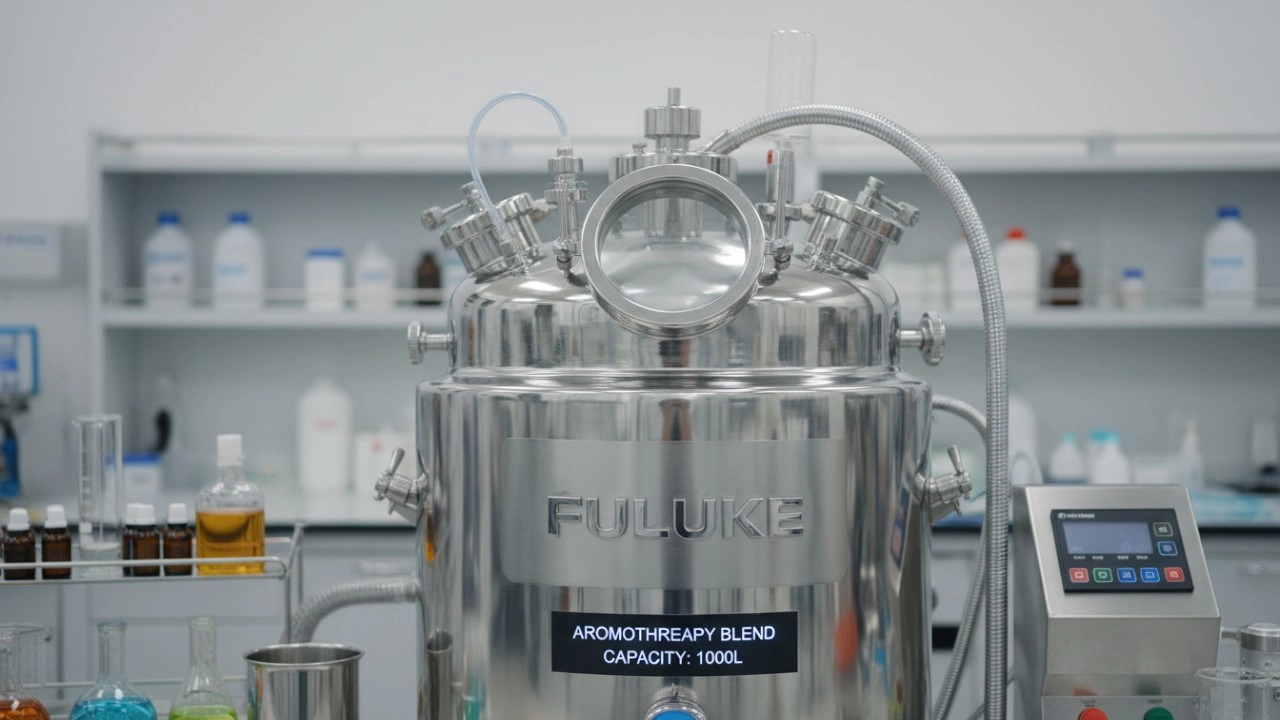
How Mixing Tanks Are Used in Aromatherapy & Cosmetics: The 2026 Guide
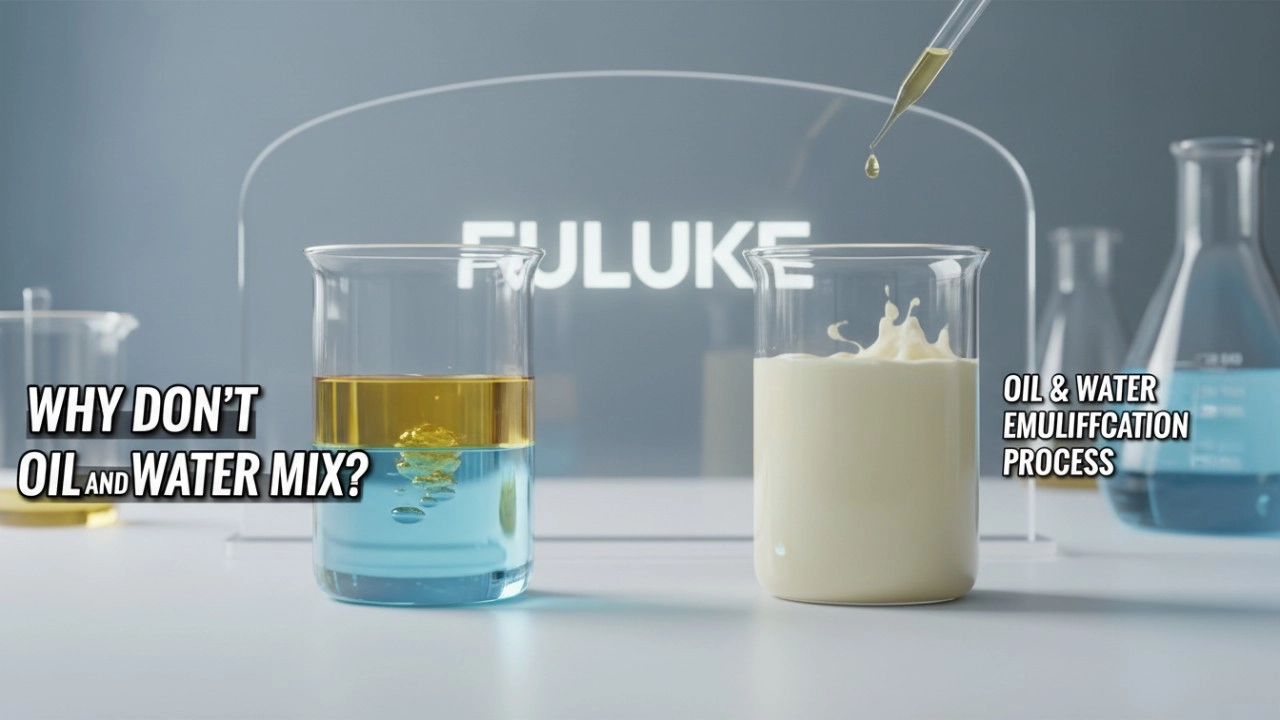
5 Revolutionary Methods to Mix Oil and Water: A Deep Dive into Advanced Emulsification (2026 Guide)
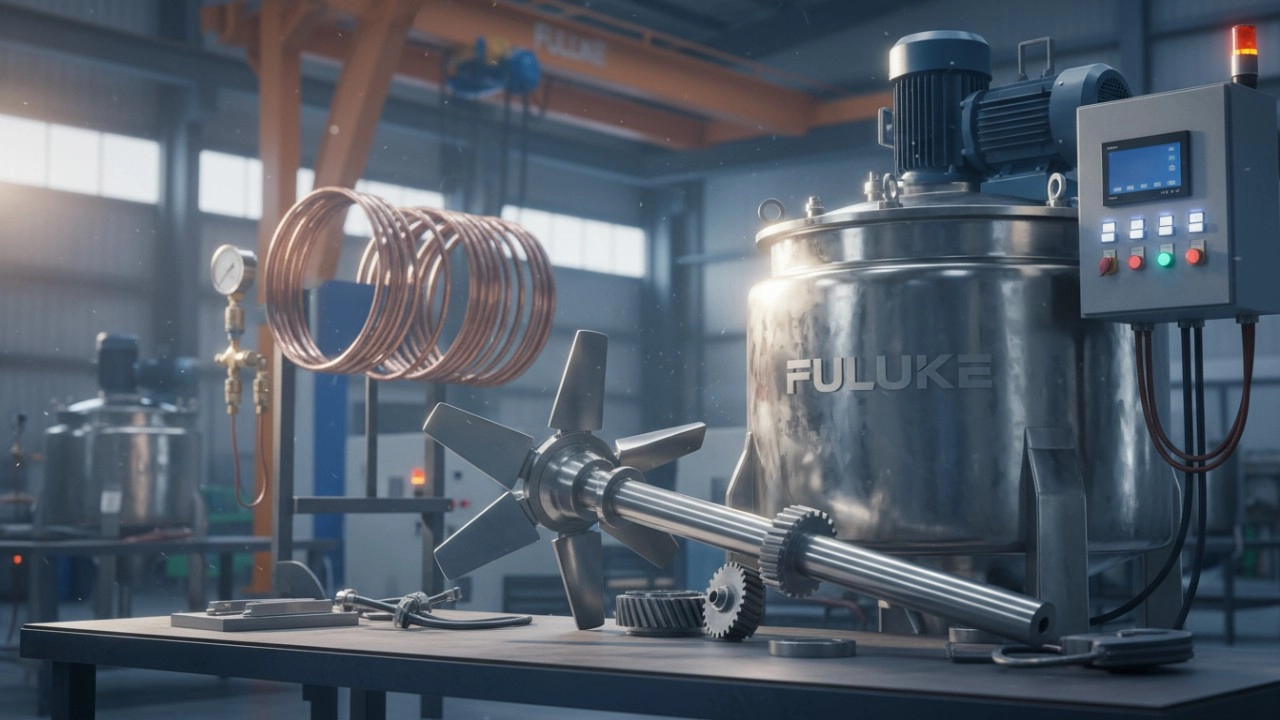
Top 7 Mixing Tank Component Failures (And How to Prevent Costly Downtime) in 2026
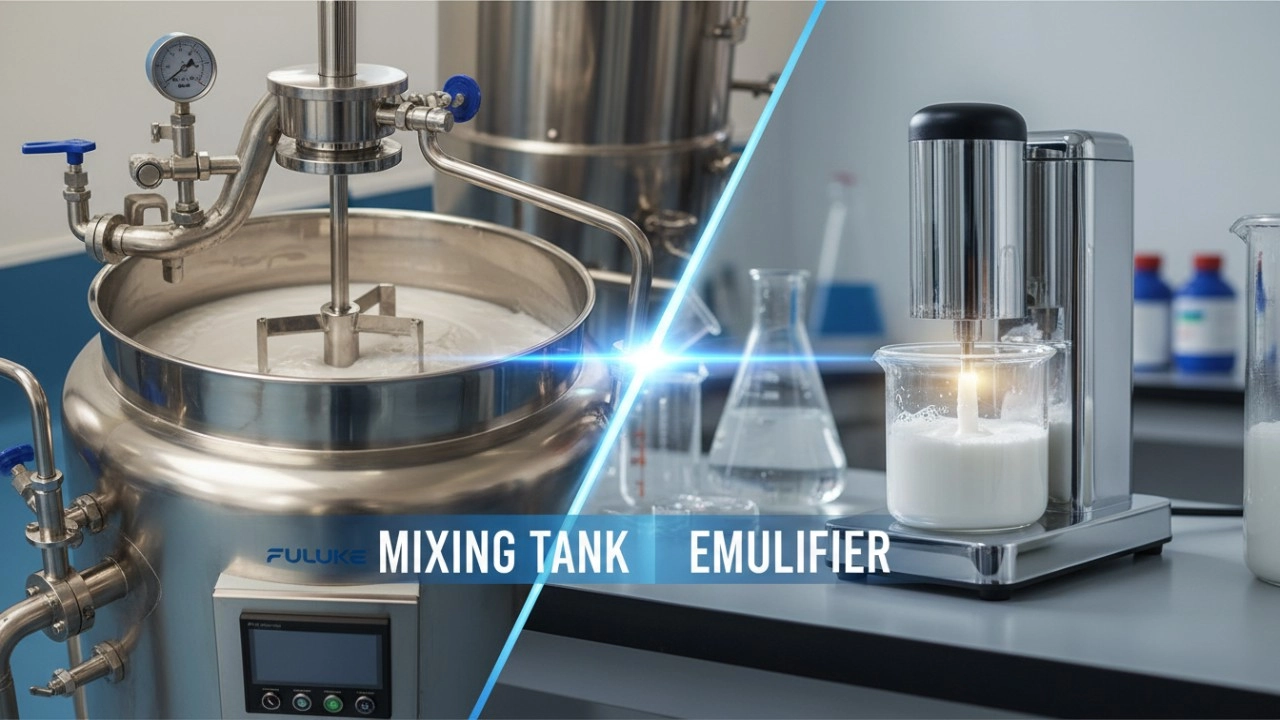
High-Shear Emulsifier vs. Standard Mixing Tank: A Deep Dive into Process Efficiency
Sealed Homogenizing Mixing Tank
Who are we?
Our headquarters is located in Guangzhou, Guangdong, China, and our factory is located in Yangzhou, Jiangsu. Our products are sold all over the world. We have approximately 50 employees in our company and factory.
Automatic Capping Machine
Can you make a design for us?
Yes, we can, we provide not only products, but also solutions and designs.
Automatic Facial Mask Filling Machine
Can you make a design for us?
Yes, we can, we provide not only products, but also solutions and designs.
RO Water Treatment
Who are we?
Our headquarters is located in Guangzhou, Guangdong, China, and our factory is located in Yangzhou, Jiangsu. Our products are sold all over the world. We have approximately 50 employees in our company and factory.
Inkjet Printing Machine
Who are we?
Our headquarters is located in Guangzhou, Guangdong, China, and our factory is located in Yangzhou, Jiangsu. Our products are sold all over the world. We have approximately 50 employees in our company and factory.
Get in touch with FULUKE
If you have any comments or good suggestions, please leave us a message, later our professional staff will contact you as soon as possible.
You May Also Like
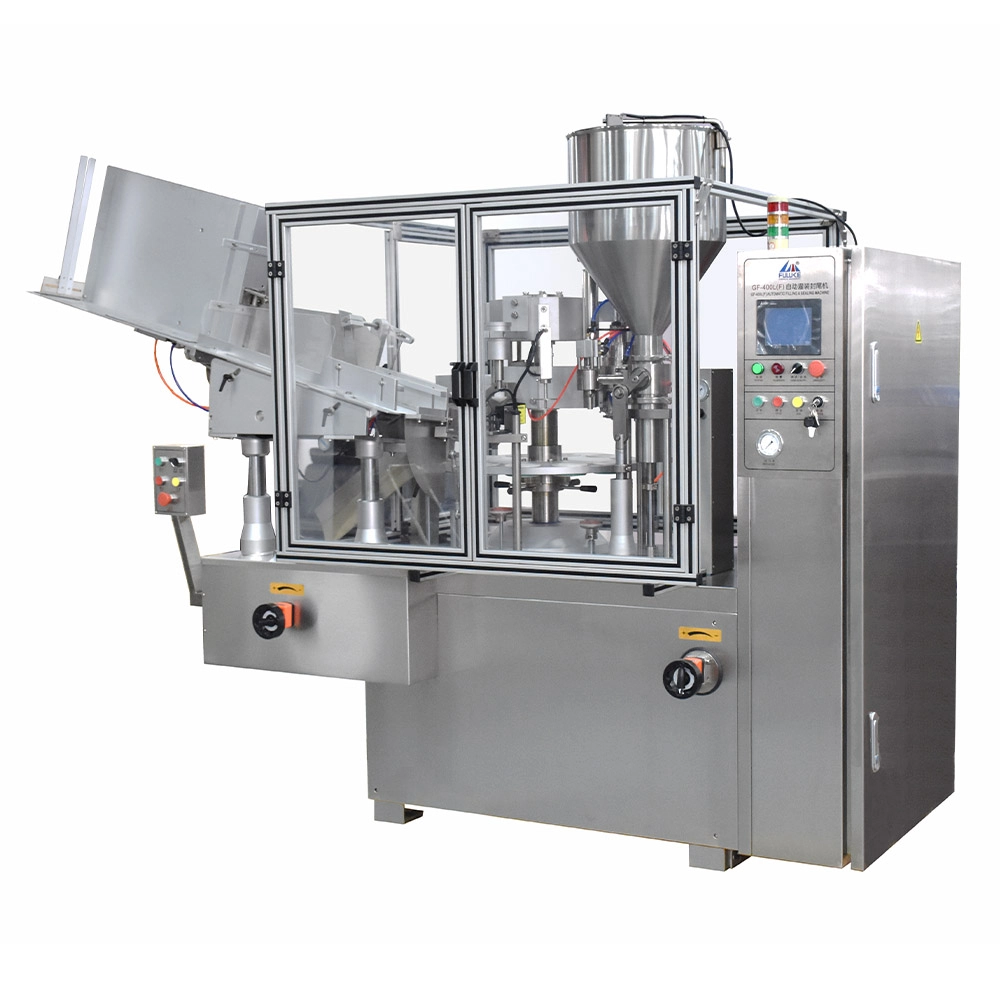
Automatic Tube Filling and Sealing Machine Toothpaste Sunscreen and Facial Cleanser Filling and Sealing Machine for Plastic and Aluminum-plastic Tube
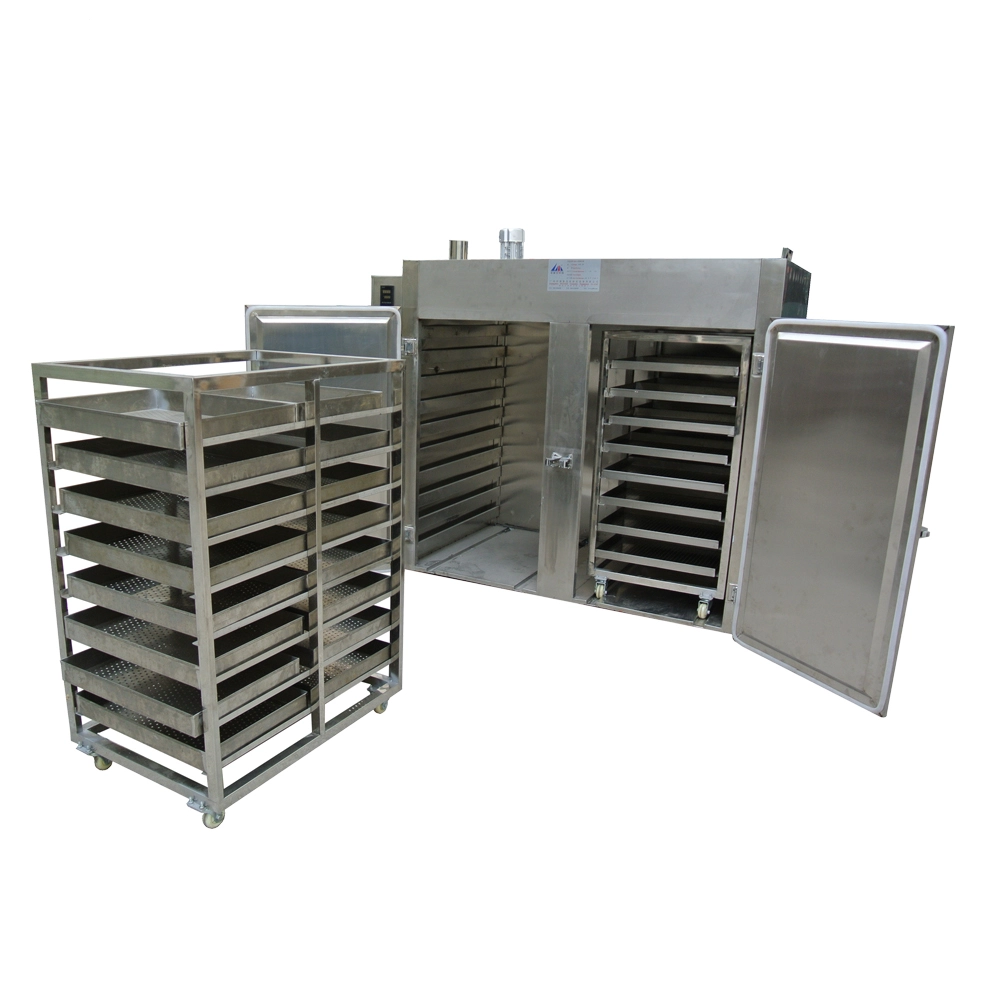
Over for Bottles High Temperature Sterilizer Tray Dryer Large Hot Air Circle Drying Oven for Glass Bottle Jar Cup Can

Automatic Glass Bottle Washing Machine High Quality Glass Bottle Cleaning Washer
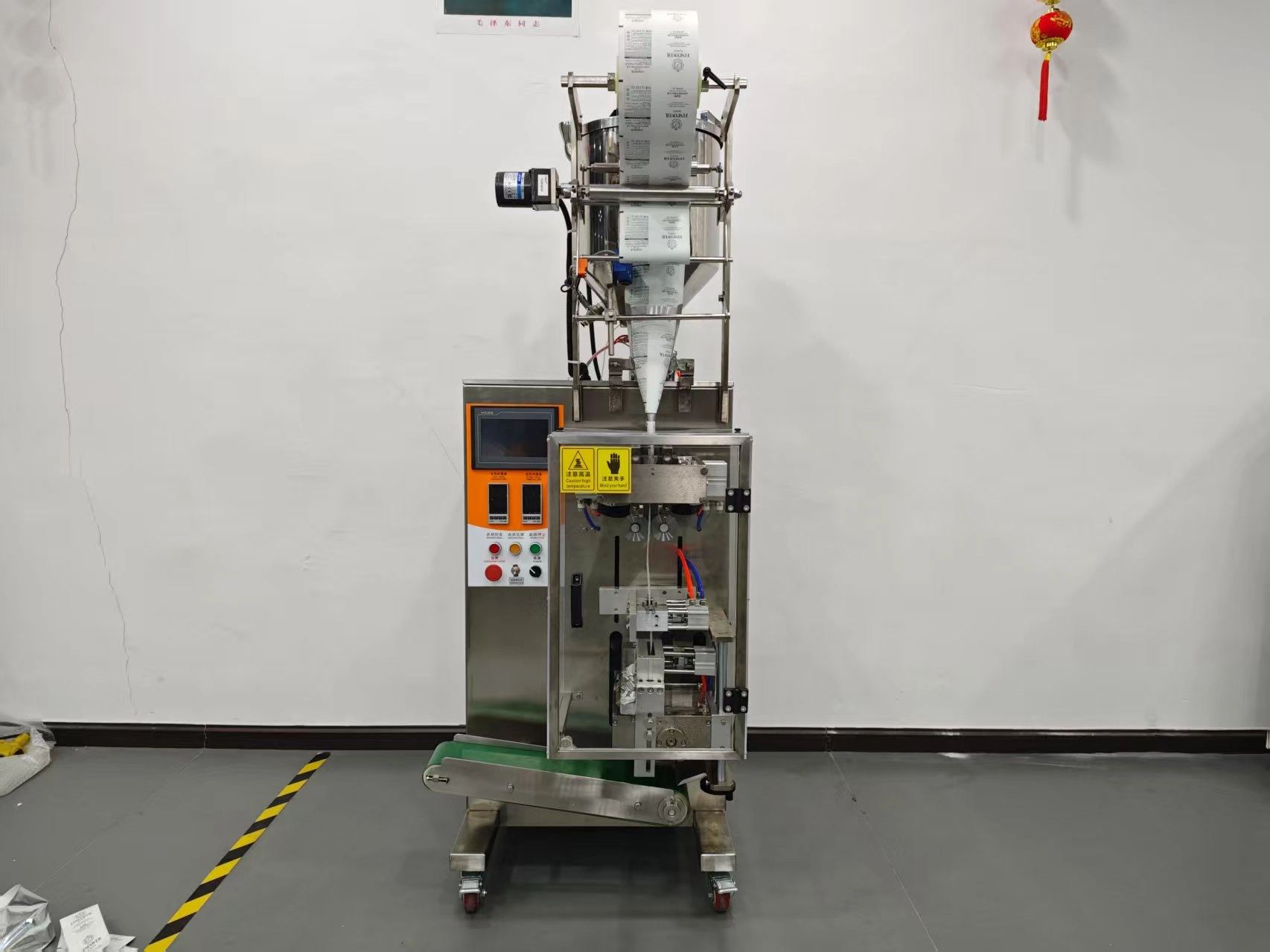
Three-side/four-side sealing bag packaging machine Liquid Paste Jam Cream Sachet Vertical Filling Pouch Packing Machine

A leading manufacturer specializing in advanced machinery and complete production lines for the cosmetics, food, pharmaceutical, and chemical industries worldwide.
Contact FULUKE
Facebook
Instagram
YouTube