
How to choose the right bottle filling machine for cosmetics?
- 1. How do I size a bottle filling machine for a cosmetic startup that needs to run multi-viscosity products and 2,000–10,000 units per day?
- 2. For shear-sensitive anti-aging serums containing peptides and silica microspheres, which filling technology minimizes damage and preserves particle integrity?
- 3. How can I achieve ±0.5% fill accuracy and cut giveaway for 30–200 ml cream jars while maintaining 100 jars/min?
- 4. What practical modifications reduce changeover time to under 30 minutes across four jar sizes (30, 50, 100, 200 ml)?
- 5. For water-based emulsions and lotions, how do I design the filling system to meet hygiene and contamination control (CIP/SIP, material compatibility, microbial risk)?
- 6. What hidden costs should I include in a 5-year total cost of ownership (TCO) and ROI calculation when buying a cosmetic bottle filling machine?
When purchasing a bottle filling machine for cosmetics you must evaluate viscosity, particles, fill range, accuracy, speed, hygiene, and total cost of ownership. Below are six specific beginner questions often answered superficially online — each followed by a detailed, actionable answer from cosmetic equipment specialists.
1. How do I size a bottle filling machine for a cosmetic startup that needs to run multi-viscosity products and 2,000–10,000 units per day?
Sizing starts with three inputs: daily throughput target, average bottle volume, and effective operating time. Use this formula: required bottles per minute (bpm) = (daily units) / (operating hours per day × 60). Example ranges that match typical cosmetic lines:
- If you run 2,000 units/day with an 8-hour shift: bpm = 2000 / (8×60) ≈ 4.2 bpm → choose a small linear filler (10–30 bpm capacity).
- If you run 10,000 units/day with two shifts (16 hours): bpm = 10000 / (16×60) ≈ 10.4 bpm → choose an entry-level rotary or multi-head linear (30–200 bpm available).
Key considerations for multi-viscosity operations:
- Viscosity range: serums (1–500 cP), lotions (500–10,000 cP), creams/pastes (10,000–200,000+ cP). Machines that handle this spread are modular: peristaltic or gear pumps for low-viscosity serums, piston or progressive cavity pumps for mid-to-high viscosity, and auger or piston with agitator for scrubs with solids.
- Flexibility: choose a machine with interchangeable pumping modules (servo-piston heads, peristaltic modules) and recipe memory so parameters for each product save time at changeover.
- Future-proof speed: if you may scale from 2k to 10k units/day, select a modular rotary or multi-head piston filler that can be upgraded (more heads or faster indexing) rather than replacing the whole line.
Practical tip: specify a +20–30% capacity buffer for business growth and to cover downtime for cleaning or maintenance.
2. For shear-sensitive anti-aging serums containing peptides and silica microspheres, which filling technology minimizes damage and preserves particle integrity?
Shear sensitivity and particulates govern pump choice. Options and recommendation:
- Peristaltic pump: low shear and good for small volumes (up to ~500 ml). Ideal when product cannot be exposed to pump chambers or seals. It’s easy to clean (hose change), but tubing wear and particulate abrasion are concerns if abrasive microspheres are present long-term.
- Progressive cavity (Moineau) pump: low-to-moderate shear, excellent for viscous liquids with suspended particles. Gentle handling preserves peptides and suspended microspheres, and the continuous cavity minimizes pulsation. Suitable for mid-range volumes and more abrasive products.
- Servo-driven piston filler (low-acceleration profile): very precise, can be tuned to slow piston speeds to reduce shear. When fitted with large bore nozzles and smooth flow paths it can handle particles without crushing them.
Recommendation: for serums with delicate peptides and fragile microspheres, start with a progressive cavity pump or a carefully configured servo-driven piston filler with a sanitary flow path and large-diameter, non-restrictive nozzles. Validate with pilot runs and microscopy to confirm particle integrity post-fill.
3. How can I achieve ±0.5% fill accuracy and cut giveaway for 30–200 ml cream jars while maintaining 100 jars/min?
Achieving that accuracy at 100 jars/min is demanding but feasible with the right equipment and process controls:
- Machine selection: multi-head rotary servo-driven piston fillers are best. They combine high throughput and servo control for precise dosing.
- Weigh-based feedback: integrate in-line checkweighers and a statistical process control (SPC) loop. Modern lines use per-head feedback to auto-adjust piston stroke or pump speed between cycles.
- Nozzle and valve selection: use bottom-up nozzles or anti-drip valves to prevent stringing and ensure consistent volume. For creams, a positive-displacement piston or progressive cavity pump with a calibrated volumetric dosing yields repeatability.
- Temperature control: creams change viscosity with temperature; control product and ambient temperature to ±1–2 °C to avoid drift in volume per dose.
- Calibration procedure: establish a calibration routine (daily or per-shift) using weight calibration bottles. For ±0.5% on a 50 ml target, allowable variation is ±0.25 ml — calibrate to that tolerance and monitor using automated weigh-check rejects set to a tight band.
Operational note: target a machine whose guaranteed repeatability is at least ±0.2–0.3% so you can maintain ±0.5% after factoring process variability and production noise.
4. What practical modifications reduce changeover time to under 30 minutes across four jar sizes (30, 50, 100, 200 ml)?
Design changeover strategy around tool-less and modular adjustments:
- Quick-change nozzle plates and nozzle holders: preconfigure four kits (one per format). Swap in under 5 minutes with clamp locks.
- Servo recipe memory: store servo positions, pump speeds, and timing profiles for each jar size; changeover becomes push-button once mechanical parts are swapped.
- Adjustable star wheels and rails with indexed positions: use tool-less micro-adjusters and visual stops so conveyor guides and fill stations align instantly.
- Modular product contact parts: have spare hoppers, feed tubes, and scrapers for each SKU to minimize cleaning and reassembly time.
- Operator training and shadow boards: store change parts in labeled, pre-kitted shadow-board trays. Well-trained operators can complete mechanical swaps and verification within 15–30 minutes.
Validation tip: validate each format once and sign off a changeover checklist. Maintain changeover time logs and aim for continuous improvement (time-motion study to shave minutes).
5. For water-based emulsions and lotions, how do I design the filling system to meet hygiene and contamination control (CIP/SIP, material compatibility, microbial risk)?
Cosmetic GMP and ISO 22716 set hygiene expectations. For water-based emulsions follow these design principles:
- Material selection: use 316L stainless steel for all product-contact surfaces to resist corrosion and support effective cleaning. Avoid dead legs and crevices where product accumulates.
- Closed product path: choose a closed hopper and sealed pump housing when possible. This reduces airborne contamination and product oxidation.
- CIP capability: install a validated CIP loop for pumps, valves, and piping. CIP cycles often include alkaline pre-wash, detergent, acid passivation, and sterile rinse. Document temperatures, flow rates, and times for validation.
- SIP where required: if you must meet stringent microbiological limits, design in-place steam sterilization for critical components (SIP-rated seals and plumbing). SIP is more common in high-risk or pharma-adjacent cosmetic lines.
- Gasket and seal choice: use FDA/EU-compliant elastomers (EPDM, FKM graded for cosmetics) that tolerate CIP chemistries and don’t leach.
- Environmental controls: place the filling line in a controlled environment (ISO 7/8 depending on product risk). Use laminar flow hoods for open filling or bottom-up filling to reduce aerosolization and bubbles.
- Validation: microbial swabs, ATP tests, and routine QC sampling should be part of the cleaning/production SOPs. Maintain batch records and changeover logs to support traceability.
Regulatory note: adhere to ISO 22716 (cosmetics GMP). For products making therapeutic claims, additional regulatory requirements may apply.
6. What hidden costs should I include in a 5-year total cost of ownership (TCO) and ROI calculation when buying a cosmetic bottle filling machine?
Beyond the CAPEX machine price, include these recurring and often overlooked items:
- Installation & commissioning (5–15% of machine cost): includes mechanical and electrical hookup, PLC integration, and line balancing.
- Validation & qualification (IQ/OQ/PQ): typically $3k–$20k depending on complexity and documentation needs.
- Spare parts & wear items annually (1–5% of CAPEX): pumps, seals, valves, servo encoders, PLC components, and nozzle tips.
- Consumables and utilities: cleaning chemicals, compressed air (typical compressed air usage 50–200 scfm depending on line), electricity, and water for CIP.
- Maintenance labor & downtime: budget for preventive maintenance (monthly/quarterly) and unplanned downtime. A conservative metric is 95–98% available time for well-maintained lines.
- Training & SOP documentation: initial operator and maintenance training plus periodic re-training.
- Line integrations & upgrades: labelers, cappers, vision inspection, and checkweighers may be incremental but essential for regulatory compliance and packaging quality.
- Depreciation & financing costs.
Sample 5-year TCO sketch (illustrative): if machine purchase = $120,000
- Installation/commissioning: $12,000
- Validation: $8,000
- Annual spares & consumables: $6,000 × 5 = $30,000
- Maintenance labor & downtime contingency: $4,000 × 5 = $20,000
- Utilities & cleaning: $3,000 × 5 = $15,000
For ROI, quantify labor saved (FTEs redeployed), additional production capacity revenue, and reduced product giveaway. A robust ROI model incorporates sensitivity to uptime (target >95%) and spare part lead times.
Final validation step: always run a 1–2 day pilot on your exact fixture, container, and formulation. Machine vendors should supply on-site trials or video evidence of similar product runs.
Written by the cosmetic equipment team at FuluKemix. We design and supply automatic bottle filling machines, rotary filling machines, piston fillers, peristaltic filling systems, and complete cosmetic filling lines with stainless steel 316L product contact surfaces and optional CIP/SIP packages.
Conclusion — Advantages of choosing the right bottle filling machine for cosmetics
Selecting the correct bottle filling machine tailored to viscosity, particles, fill range, and throughput secures product integrity, reduces giveaway, speeds changeover, and ensures regulatory compliance (ISO 22716/GMP). The right equipment lowers TCO through higher uptime, easier validation, and modular upgrades — delivering predictable quality and scalable production.
Contact us for a quote and line consultation: visit www.fulukemix.com or email flk09@gzflk.com.

Understanding Servo Capping Machines: The Core Logic of Precise Capping – Understand the Entire Working Process in Seconds
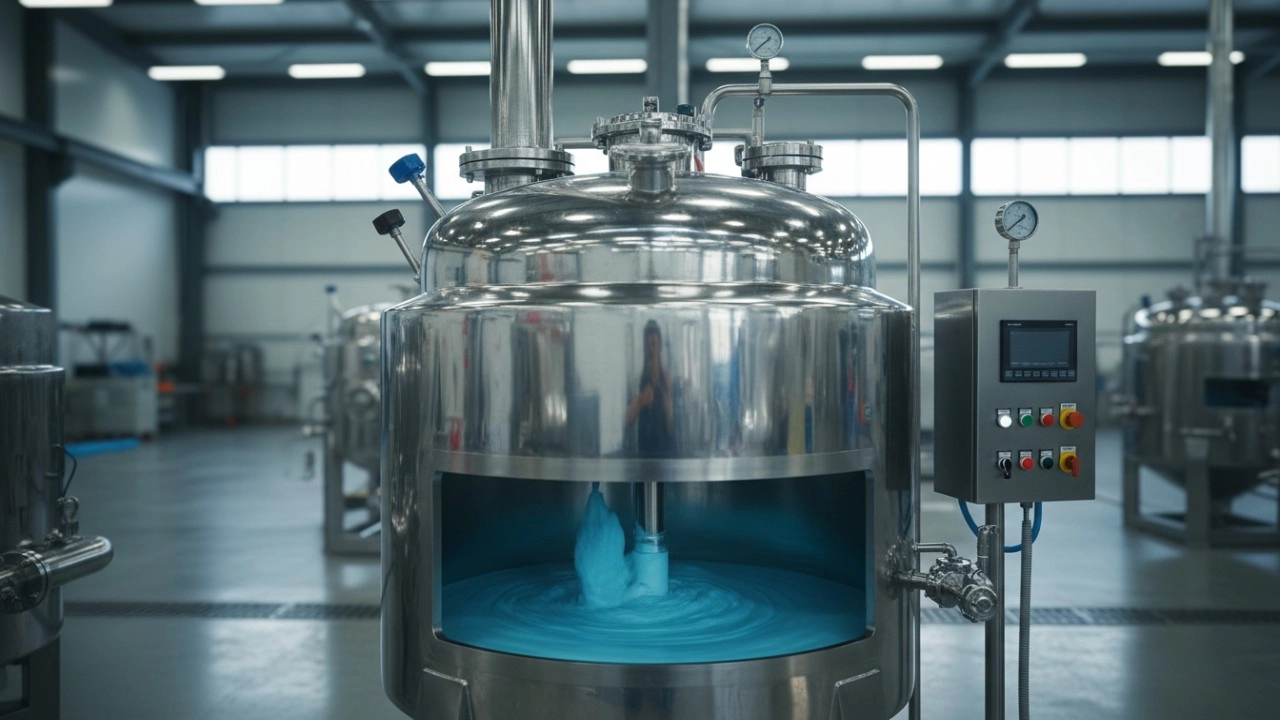
The Future of Industrial Agitation: 5 Smart Mixing Tank Technologies Changing the Game
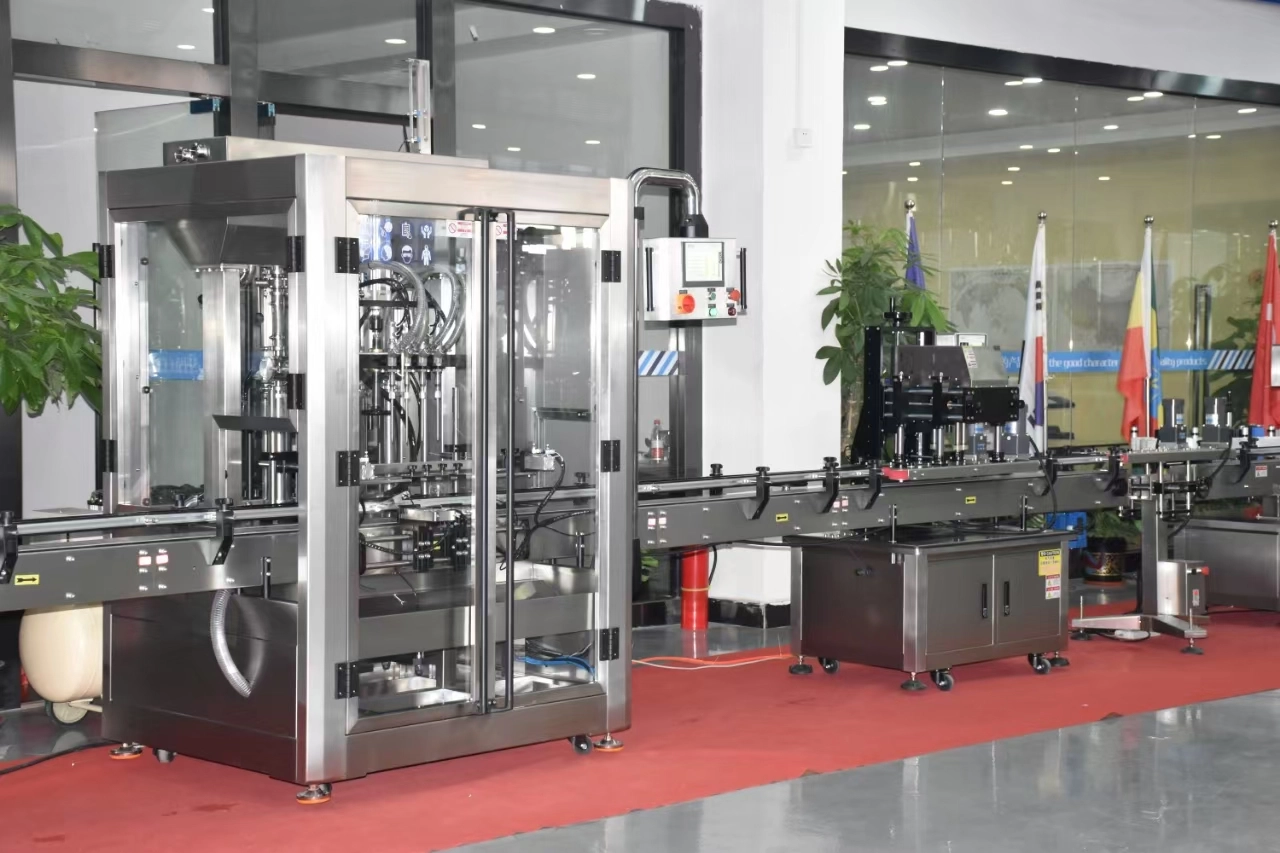
Gear pump filling machine vs. piston filling machine: Key differences broken down to avoid pitfalls in selection.
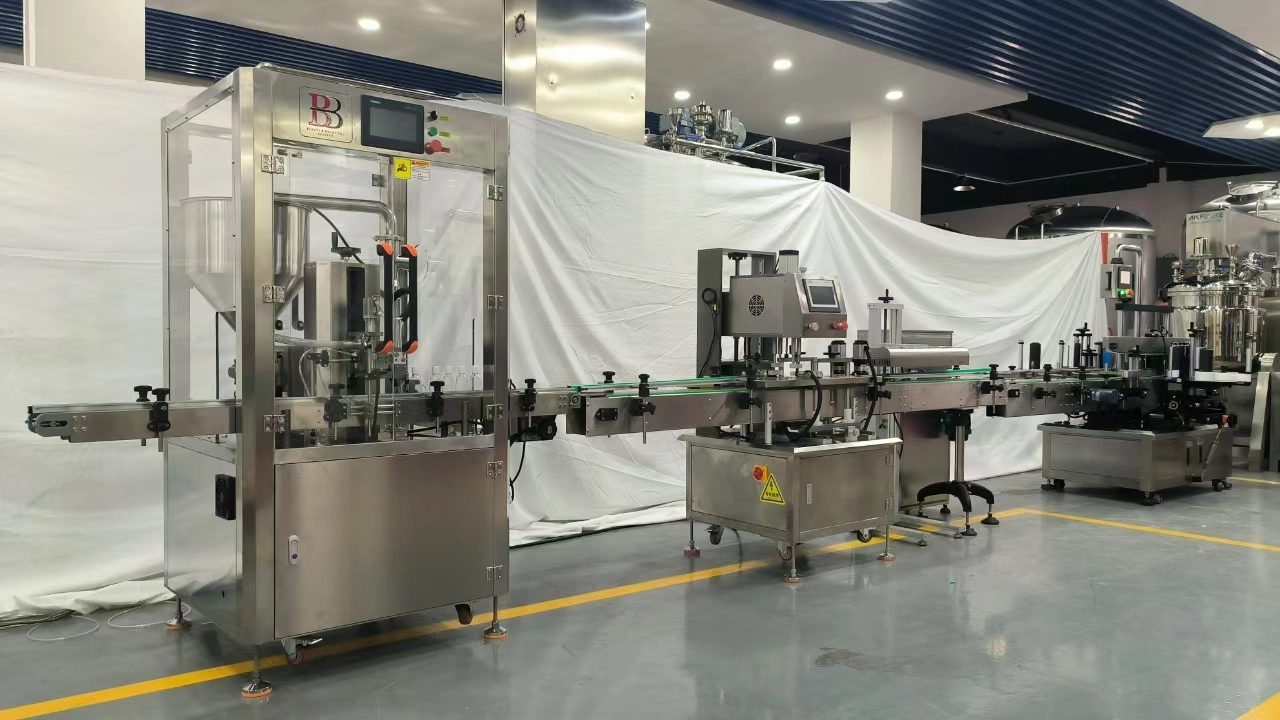
Understand the working principle of a servo gear pump filling machine!
Perfume Filling Machine
Can you customize the machine?
Of course, we provide customized services according to customer needs.
When changing fragrance formulas, how can we prevent cross-contamination between different formulas?
All equipment components that come into contact with materials are made of food-grade 316/304 stainless steel, some of which can be customized with PTFE anti-corrosion linings. This material is easy to clean and does not absorb fragrance ingredients. When changing formulas, a dedicated cleaning solution is used for circulating flushing, and key components can be manually disassembled for secondary cleaning to completely eliminate cross-contamination and meet the needs of alternating production with multiple formulas.
Polypropylene PP Mixing Tank
Who are we?
Our headquarters is located in Guangzhou, Guangdong, China, and our factory is located in Yangzhou, Jiangsu. Our products are sold all over the world. We have approximately 50 employees in our company and factory.
Automatic Tube Filling and Sealing Machine
Can you make a design for us?
Yes, we can, we provide not only products, but also solutions and designs.
RO Water Treatment
What is RO water treatment? What is the core function of RO membranes?
RO water treatment, or reverse osmosis water treatment technology, utilizes the selective permeability of reverse osmosis membranes (RO membranes). Under external pressure, water molecules are forced through the membrane while impurities (such as salt, heavy metals, organic matter, and microorganisms) are retained, thereby purifying the water.The core function of RO membranes is high-precision filtration. With a pore size of only approximately 0.1 nanometers, they can effectively remove over 99% of dissolved solids (such as calcium and magnesium ions), heavy metals (such as lead and arsenic), bacteria, viruses, and organic matter from water, producing extremely pure water.
Get in touch with FULUKE
If you have any comments or good suggestions, please leave us a message, later our professional staff will contact you as soon as possible.
You May Also Like
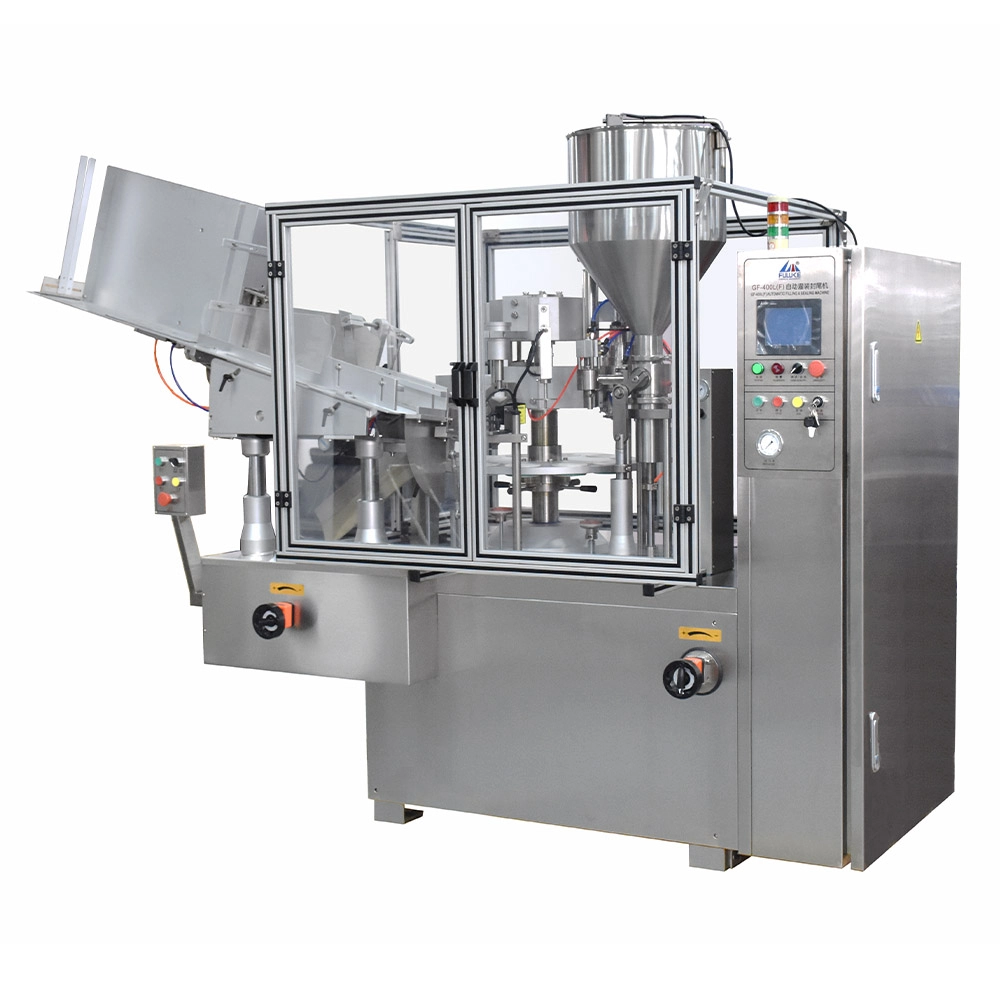
Automatic Tube Filling and Sealing Machine Toothpaste Sunscreen and Facial Cleanser Filling and Sealing Machine for Plastic and Aluminum-plastic Tube
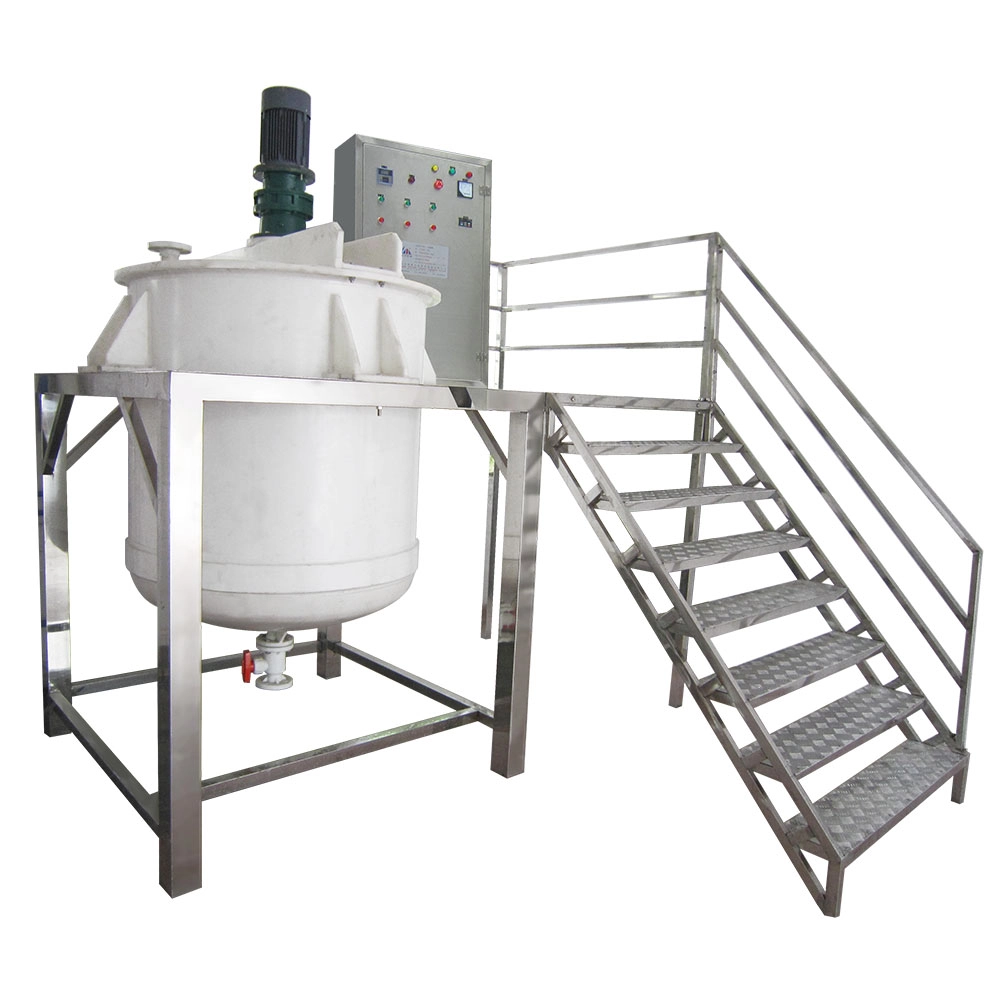
Polypropylene PP Mixing Tank Anti-Corrosion Mixer Reaction Kettle with Agitator Chemical Mixing Vessel
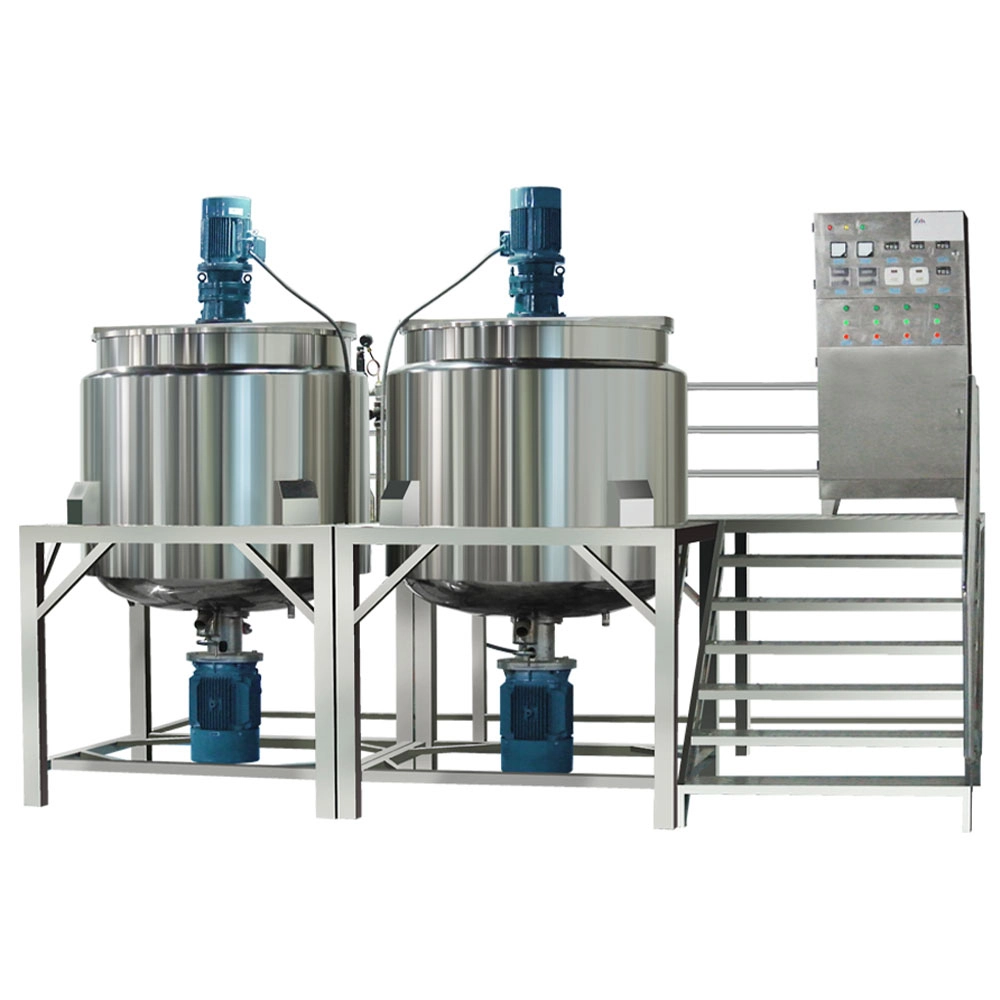
Flip Cover Multi-function Liquid Wash Mixing Tank Blender Liquid Detergent Mixer Homogenization Stirring Tank
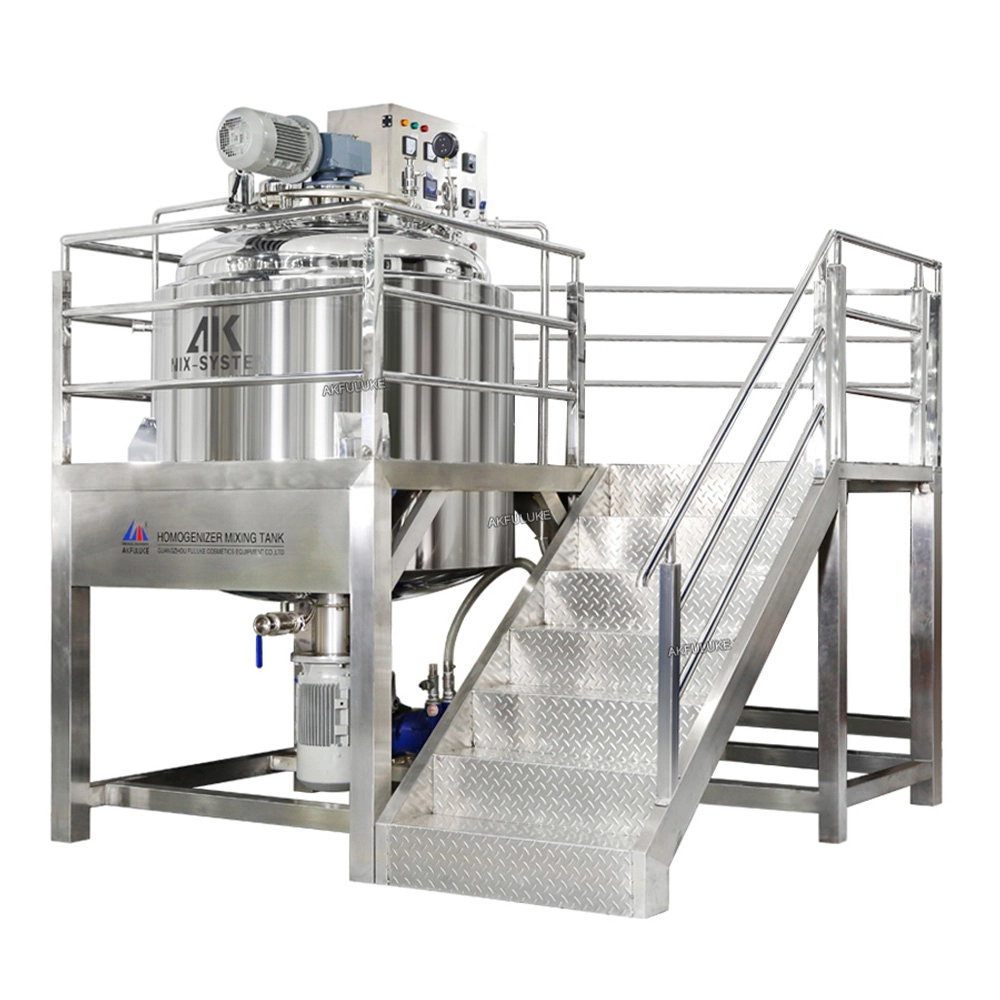
Stainless Steel Mixer Liquid Mixing tank with Agitator Homogenizing Mixing tank Vacuum Sealed Mixer Machine

A leading manufacturer specializing in advanced machinery and complete production lines for the cosmetics, food, pharmaceutical, and chemical industries worldwide.
Contact FULUKE
Facebook
Instagram
YouTube