
How to choose a filler with minimal product contact?
- 1) For alcohol-based serums and volatile fragrances, is a peristaltic pump or a single-use filling manifold the better low-contact solution?
- 2) How do I quantify and specify “minimal product contact” in purchase specs—what measurable metrics should I require?
- 3) Which seal, elastomer and tubing materials resist silicones, alcohols, essential oils and still meet low-extractables requirements?
- 4) Can I retrofit an existing rotary piston or inline piston filler to reduce product contact points, and where do I get the most impact?
- 5) What CIP/SIP and validation protocol should I demand to prove a filler keeps product contact minimal and hygienically controlled (ISO 22716/GMP context)?
- 6) How do I balance minimal product contact with high-speed filling and tight accuracy for viscous creams (200–600 bottles/min)?
1) For alcohol-based serums and volatile fragrances, is a peristaltic pump or a single-use filling manifold the better low-contact solution?
Answer:Peristaltic filling systems and single-use manifolds both reduce product contact, but they solve different problems.
- Peristaltic pump advantages: product only contacts the tubing (easy to isolate), gentle (low shear) so it suits shear-sensitive serums and suspensions, and tubing is easy to change for fast product changeovers. Typical peristaltic fillers reach semi-automatic to mid-speed line rates (roughly up to ~150–250 bottles/min depending on pump size and nozzle configuration). Accuracy for liquids is commonly in the ±0.5%–1.5% range for mid-volume fills. Limitations include wear on tubing with aggressive solvents (alcohols, essential oils) and particulate-laden formulations that can abrade tubing.
- Single-use (disposable) manifolds: product contacts a disposable manifold and tubing set; manifold geometry can provide multi-head high-speed filling while avoiding stainless steel contact and cleaning validation. These are ideal when you want to eliminate CIP/SIP or reduce cross-contamination risk across multiple small batches. Single-use systems scale better for mid-to-high speed lines compared with traditional peristaltic pumps but increase consumable cost.Recommendation: For small-batch, R&D or low-to-mid speeds with delicate serums, start with peristaltic pumps but specify tubing materials rated for alcohol (e.g., Santoprene or PTFE-lined tubing). For medium/high-speed production where avoiding cleaning validation is the priority, use validated single-use filling manifolds sized for your bottles-per-minute target. In either case ensure tubing/manifold suppliers supply chemical resistance data and compatibility testing with your exact formula.</n
2) How do I quantify and specify “minimal product contact” in purchase specs—what measurable metrics should I require?
Answer:Vague phrases like minimal contact are insufficient in procurement. Convert requirements into measurable engineering specs:
- Contact surface area (cm2) or number of product-contact parts per fill head. Lower contact area reduces adsorption and residue.
- Material specification: AISI 316L stainless steel, electropolished to a defined Ra (surface roughness). For cosmetic fillers, specify Ra ≤0.8 µm as baseline; for critical sterility/low-residue applications request Ra ≤0.4 µm and electropolish passivation to remove crevices.
- Product-contact time (seconds) inside pumps/manifolds during a fill cycle—shorter residence time reduces oxidation/evaporation for volatile ingredients.
- Dead-leg volume limits: state maximum allowable dead volume per fill head (e.g., <0.5 mL per nozzle) and require no dead legs per EHEDG hygienic design principles.
- Cleanability indices: validated CIP flow rates (L/min), temperature capability (CIP up to 80°C, SIP to 121°C) and documented log reduction (e.g., validated 6-log reduction for microbes if required).
- Traceable validation: require OEM-provided IQ/OQ/PQ documentation that demonstrates performance with a product representative of your formulation.Including these metrics in RFQs forces suppliers to address real hygienic design and enables apples-to-apples evaluation across gravity, piston, rotary, and peristaltic options.
3) Which seal, elastomer and tubing materials resist silicones, alcohols, essential oils and still meet low-extractables requirements?
Answer:Material compatibility is a top failure mode for cosmetics. Common guidance (and real-world supplier data) is:
- Tubing: PTFE (Teflon) or PTFE-lined tubing offers excellent chemical resistance and low extractables. Some flexible PTFE composites and multilayer thermoplastic elastomers (TPE) rated for alcohols are also available; confirm supplier extractables/adsorption test reports for your SKU.
- Elastomers/seals: FKM (Viton) and PTFE encapsulated elastomers resist oils and alcohols. EPDM is good for alkaline/aqueous cleaners but may swell with silicones or aromatics. Silicone (siloxane) seals should be avoided if your product contains silicone oils because of absorption and migration risk.
- Diaphragm valves: use PTFE-lined or UHMWPE wetted diaphragms where possible. Diaphragm valves eliminate crevices and are preferred for hygienic filler manifolds.
- Surface finish and passivation: even compatible materials can leach if surface finish is poor. Require electropolishing on 316L parts and material certificates (EN 10204 3.1 or equivalent) from vendors. Ask for extractables/leachables testing with your formula—or at least third-party certs—if your product claims ‘clean-label’ or is intended for sensitive skin.Work with suppliers to run compatibility tests: soak representative elastomers/tubing in your formula for accelerated aging and analyze mass change, dimension change, and any odor/taste transfer.
4) Can I retrofit an existing rotary piston or inline piston filler to reduce product contact points, and where do I get the most impact?
Answer:Yes—retrofits can significantly reduce contact without replacing the whole line, but ROI depends on machine age and modular design.High-impact retrofit options:
- Replace product-contact manifolds with electropolished 316L manifolds or PTFE-lined manifolds to remove dead legs.
- Convert to servo-driven dosing with hygienic piston kits that reduce product residence and allow fast, accurate fills with fewer seals.
- Replace conventional valves with hygienic diaphragm valves (no dead legs) and PTFE-lined wetted parts.
- Add quick-disconnect single-use tubing manifolds to allow disposable contact paths while retaining the base machine.
- Improve nozzle design: use retractable or anti-drip valve tips and low-contact nozzle geometry; some retrofittable nozzles have reduced internal volume and self-draining features.
- Upgrade to automation controls with recipe management and product presence sensors to reduce overfills and minimize contact time.Before retrofit, require OEM or contract engineering firm to perform a sanitary audit and provide IQ/OQ/PQ plans showing that retrofits meet your cleanability and fill-accuracy targets. For machines older than ~10 years or with worn bearings/seals, replacement may be more economical long-term because modern rotary fillers achieve much lower contact and higher speeds natively.
5) What CIP/SIP and validation protocol should I demand to prove a filler keeps product contact minimal and hygienically controlled (ISO 22716/GMP context)?
Answer:For cosmetic production aligned to ISO 22716 (Cosmetic GMP) and hygienic standards (EHEDG/3-A where applicable), require a documented validation package:
- CIP protocol: chemical type (caustic and acid), concentration ranges (typical industrial ranges: 0.5–2% NaOH for caustic cycles), temperature capability (CIP up to 80°C), flow rates, contact times, and automated cycle recipes logged by PLC. Supplier should provide thermal and chemical compatibility tables.
- SIP capability: if sterilization is required, request steam-in-place capability to 121°C (or specified sterilization temperature) with pressure and duration control and validation of sterilizing cycles (biological indicators if aseptic fills are claimed).
- Microbial reduction targets: define acceptance criteria (e.g., 4–6 log reduction depending on risk assessment) with supporting swab and rinse testing protocols.
- Validation deliverables: IQ/OQ/PQ package including P&ID, material certificates, surface roughness measures, FAT reports, and representative cleaning validation reports. PQ should be performed using worst-case product (highest viscosity or highest fouling tendency).
- Routine monitoring: require defined swab/rinse sampling frequency, ATP checks for quick verification, and scheduled microbiological testing tied to lot release.Well-documented CIP/SIP combined with hygienic design (no dead legs, electropolish, diaphragm valves) delivers demonstrable minimal product exposure and easier regulatory audits.
6) How do I balance minimal product contact with high-speed filling and tight accuracy for viscous creams (200–600 bottles/min)?
Answer:High-speed and low-contact often conflict: more sealing surfaces and complex manifolds typically needed for speed. Strategies to achieve both:
- Choose the right filler type: multi-head rotary piston or rotary vane fillers with hygienic manifolds often provide the best balance. Modern rotary piston machines can hit 200–600+ bottles per minute with ±0.5%–1.0% accuracy for viscous creams when properly configured.
- Use servo-driven dosing: precise stroke control and fast actuation reduce product residence time and give repeatable dosing at speed. Servo drives also allow soft-start fills and reduced splashing, lowering contact contamination.
- Nozzle and valve design: anti-fouling, short-run nozzles with self-cleaning tips reduce drips and build-up; valve timing and synchronized rising/lowering reduces tails and minimizes rework.
- Pre-conditioning: heatable manifolds, inline homogenizers or pre-pump systems can stabilize viscosity for uniform dosing. But note that heating increases product contact temperature—specify maximum allowable thermal exposure.
- Maintain cleanability: high-speed lines must still support rapid CIP cycles. Design for accessible manifolds and use quick-disconnects to speed maintenance.Operational controls: ensure changeover SOPs, in-process checks (weight checks, vision systems for level), and predictive maintenance for pumps/valves to maintain accuracy and hygienic integrity at high throughput.
Concluding summary:Choosing a bottle filling machine with minimal product contact requires measurable specs (surface finish, dead volume, material certificates), selecting the right technology (peristaltic, single-use manifold, rotary/piston), and ensuring validated CIP/SIP and materials compatibility. Advantages of low-contact fillers include reduced cross-contamination risk, easier cleaning validation, less product waste, faster changeovers (with single-use), and improved shelf stability for volatile or reactive ingredients. For viscous creams, modern rotary piston and servo-driven systems can deliver both low contact and high accuracy when combined with hygienic valves, electropolished manifolds, and a documented IQ/OQ/PQ program.
For a tailored equipment selection and a formal quote, contact us at www.fulukemix.com or email flk09@gzflk.com. We provide machine specifications, validation documentation, and compatibility testing to match your cosmetic line needs.
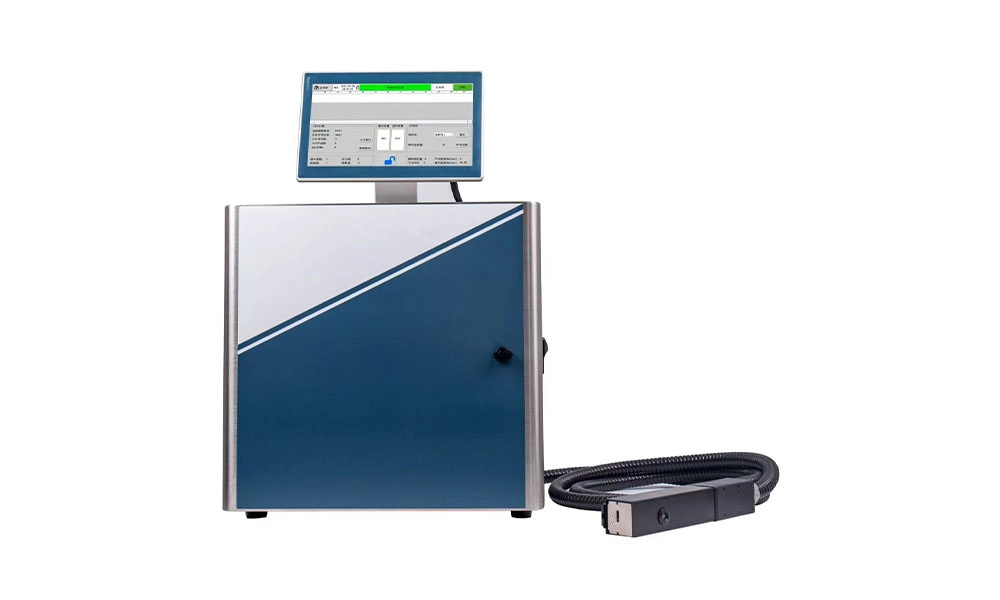
How to quickly resolve issues such as blurry text, broken lines, scattered dots, and non-printing of ink?
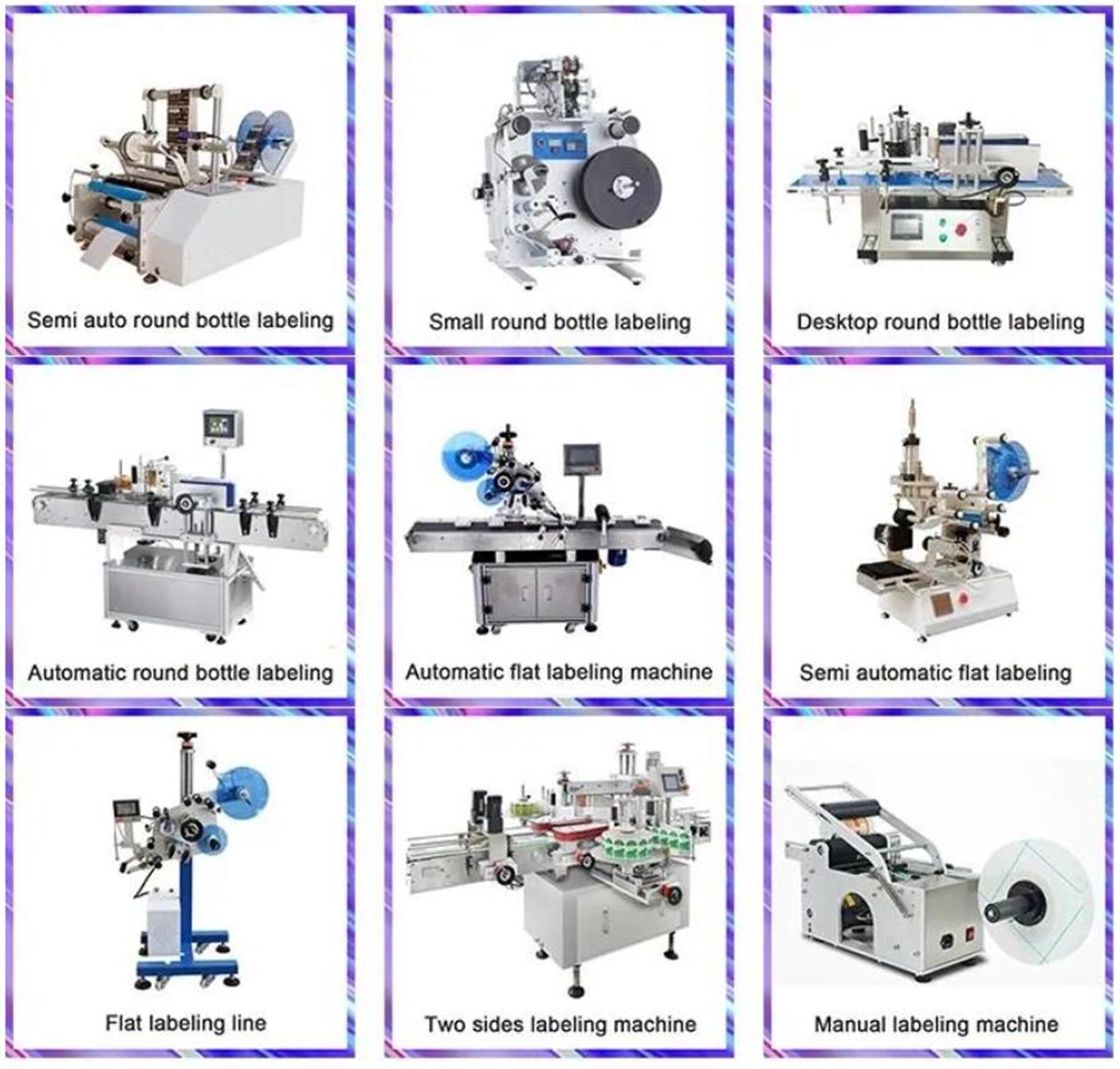
Improving Packaging Efficiency: Applications and Advantages of Fully Automatic Labeling Machines in Production Lines

Understanding Servo Capping Machines: The Core Logic of Precise Capping – Understand the Entire Working Process in Seconds
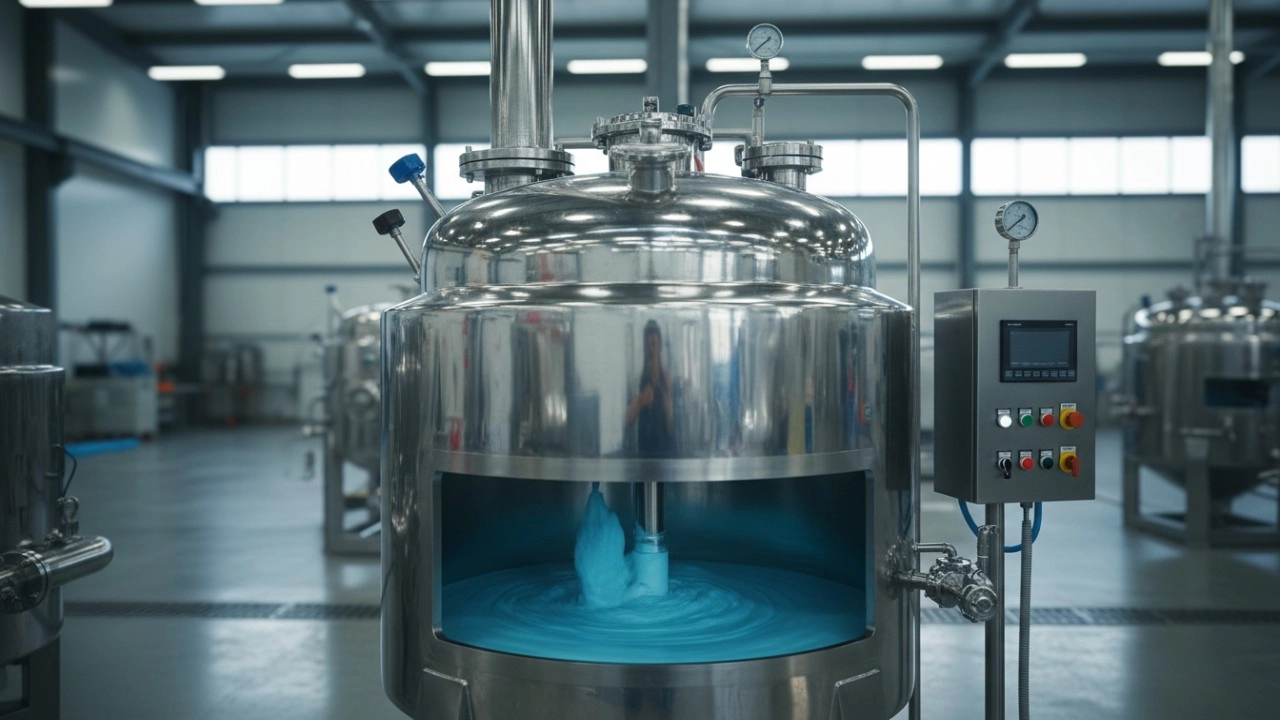
The Future of Industrial Agitation: 5 Smart Mixing Tank Technologies Changing the Game
Automatic Labeling Machine
Can you make a design for us?
Yes, we can, we provide not only products, but also solutions and designs.
Storage Tank
Do special operating conditions (such as high temperature or high pressure) require special customization?
Yes. High-temperature applications require the use of heat-resistant materials and additional insulation. High-pressure applications require enhanced tank wall thickness and sealing structures. Both require individual designs according to corresponding industry standards.
RO Water Treatment
What can you buy from us?
RO Water Treatment、Vacuum Emulsifying Machine、Homogenizer Mixing Tank、Filling and Capping、labeling Machine、Packing Machine、Storage Tank,etc.
Automatic Filling Machine
Who are we?
Our headquarters is located in Guangzhou, Guangdong, China, and our factory is located in Yangzhou, Jiangsu. Our products are sold all over the world. We have approximately 50 employees in our company and factory.
Film Packaging Machine
Who are we?
Our headquarters is located in Guangzhou, Guangdong, China, and our factory is located in Yangzhou, Jiangsu. Our products are sold all over the world. We have approximately 50 employees in our company and factory.
Get in touch with FULUKE
If you have any comments or good suggestions, please leave us a message, later our professional staff will contact you as soon as possible.
You May Also Like
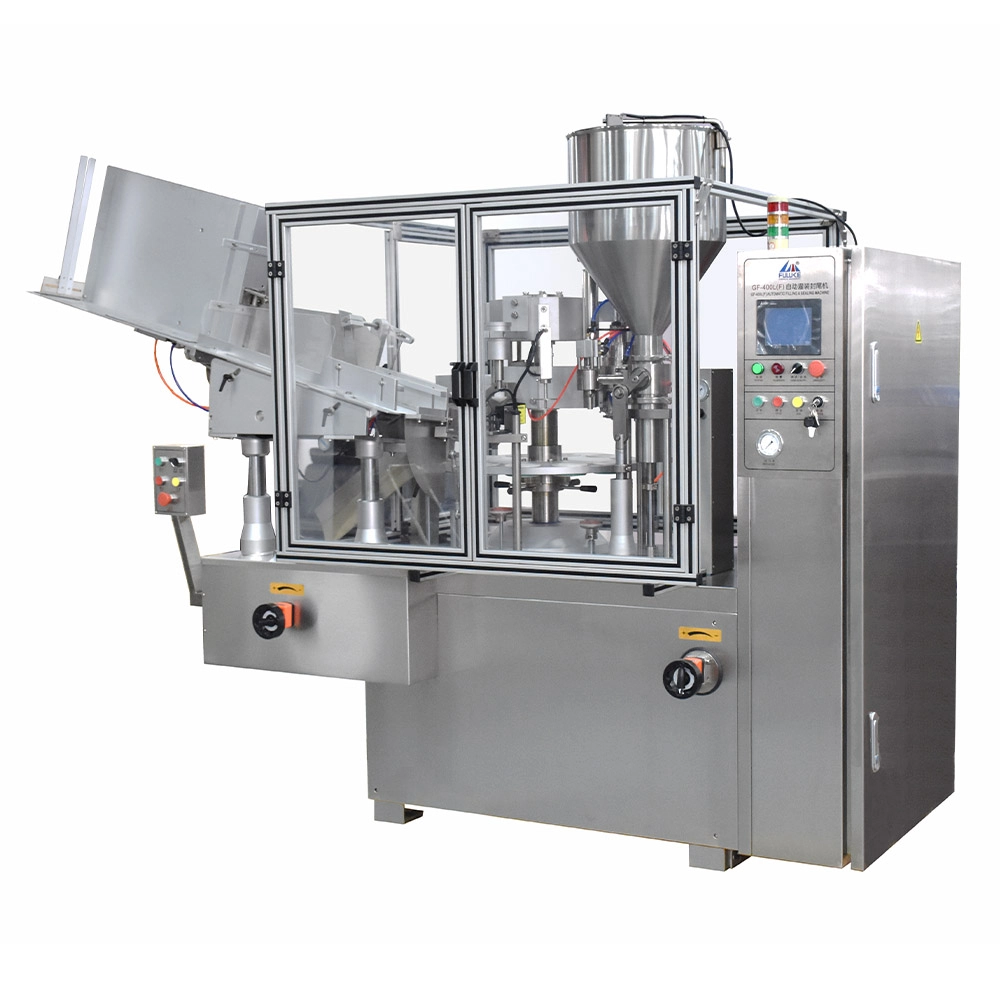
Automatic Tube Filling and Sealing Machine Toothpaste Sunscreen and Facial Cleanser Filling and Sealing Machine for Plastic and Aluminum-plastic Tube
Automatic Glass Bottle Washing Machine High Quality Glass Bottle Cleaning Washer
Three-side/four-side sealing bag packaging machine Liquid Paste Jam Cream Sachet Vertical Filling Pouch Packing Machine
Polypropylene PP Mixing Tank Anti-Corrosion Mixer Reaction Kettle with Agitator Chemical Mixing Vessel

A leading manufacturer specializing in advanced machinery and complete production lines for the cosmetics, food, pharmaceutical, and chemical industries worldwide.
Contact FULUKE
Facebook
Instagram
YouTube