
What control interfaces are easiest for operators?
- Choosing the Right Filling Machine and Control Interface for Cosmetic Equipment
- 1. What types of filling machines are suitable for cosmetic products?
- 2. How do filling machines ensure accurate dosing?
- 3. What are the benefits of integrating a PLC touch screen in filling machines?
- 4. How do human-machine interfaces (HMIs) enhance operator control?
- 5. What are the key considerations when selecting a filling machine for cosmetic products?
- 6. How does the integration of isolators in filling machines benefit cosmetic production?
- 7. What role does automation play in modern filling machines?
- 8. How do maintenance features in filling machines contribute to operational reliability?
- Conclusion: Why Choose FULUKE for Your Cosmetic Filling Needs?
Choosing the Right Filling Machine and Control Interface for Cosmetic Equipment
When selecting a filling machine for cosmetic products, it's essential to consider various factors to ensure efficiency, accuracy, and product integrity. Below are some common questions and answers to guide your decision-making process.
1. What types of filling machines are suitable for cosmetic products?
Cosmetic products vary in viscosity, requiring different filling technologies. For creams and lotions, piston filling or servo-driven systems are preferred due to their ability to handle thick materials without compromising filling accuracy. These machines are equipped with high-torque drives and heated hoppers when needed, making them ideal for high-viscosity cosmetic products.
2. How do filling machines ensure accurate dosing?
Filling machines employ various technologies to achieve precise dosing:
Piston Filling Systems: Utilize a piston to draw and dispense a specific volume of product, ensuring consistent fills.
Peristaltic Pumps: Ideal for liquids, these pumps move product through flexible tubing, offering precise control over the filling process.
Servo-Driven Systems: Provide high precision and adaptability, suitable for a range of viscosities and container types.
3. What are the benefits of integrating a PLC touch screen in filling machines?
Integrating a Programmable Logic Controller (PLC) touch screen offers several advantages:
Improved Accuracy: Operators can set exact parameters for each batch, ensuring consistent product quality.
Real-Time Monitoring: Displays real-time data like fill weight, speed, and error messages, allowing for immediate corrective actions.
Easy Operation: Intuitive interfaces simplify machine operation, reducing the learning curve for new operators.
4. How do human-machine interfaces (HMIs) enhance operator control?
HMIs provide operators with a user-friendly platform to monitor and control machine functions. Features include:
Intuitive Navigation: Easy access to machine settings and parameters.
Real-Time Data Display: Immediate feedback on machine performance and product status.
Error Diagnostics: Quick identification and troubleshooting of issues, minimizing downtime.
5. What are the key considerations when selecting a filling machine for cosmetic products?
Viscosity Handling: Ensure the machine can handle the specific viscosity of your product.
Container Compatibility: Verify the machine accommodates your packaging types and sizes.
Filling Accuracy: Look for machines with high precision to maintain product consistency.
Compliance: Ensure the machine meets industry standards and regulations.
6. How does the integration of isolators in filling machines benefit cosmetic production?
Integrating isolators into filling machines offers:
Aseptic Conditions: Maintains a sterile environment, crucial for cosmetic products.
Operator Safety: Protects operators from exposure to hazardous materials.
Process Efficiency: Streamlines operations by combining filling and isolator functions.
7. What role does automation play in modern filling machines?
Automation in filling machines enhances:
Efficiency: Reduces manual intervention, speeding up production.
Consistency: Ensures uniform product quality across batches.
Data Tracking: Provides insights into production metrics for continuous improvement.
8. How do maintenance features in filling machines contribute to operational reliability?
Maintenance features such as built-in diagnostics, easy access to components, and automated cleaning systems:
Reduce Downtime: Quickly identify and address issues.
Extend Equipment Life: Regular maintenance ensures longevity and optimal performance.
Enhance Safety: Proper maintenance minimizes the risk of accidents and product contamination.
Conclusion: Why Choose FULUKE for Your Cosmetic Filling Needs?
FULUKE offers advanced filling machines tailored for the cosmetic industry, featuring:
High Precision: Ensuring accurate dosing for consistent product quality.
User-Friendly Interfaces: Equipped with intuitive HMIs for easy operation.
Compliance: Designed to meet industry standards and regulations.
By choosing FULUKE, you invest in reliable, efficient, and high-quality filling solutions for your cosmetic products.
Sources:

Understanding Servo Capping Machines: The Core Logic of Precise Capping – Understand the Entire Working Process in Seconds
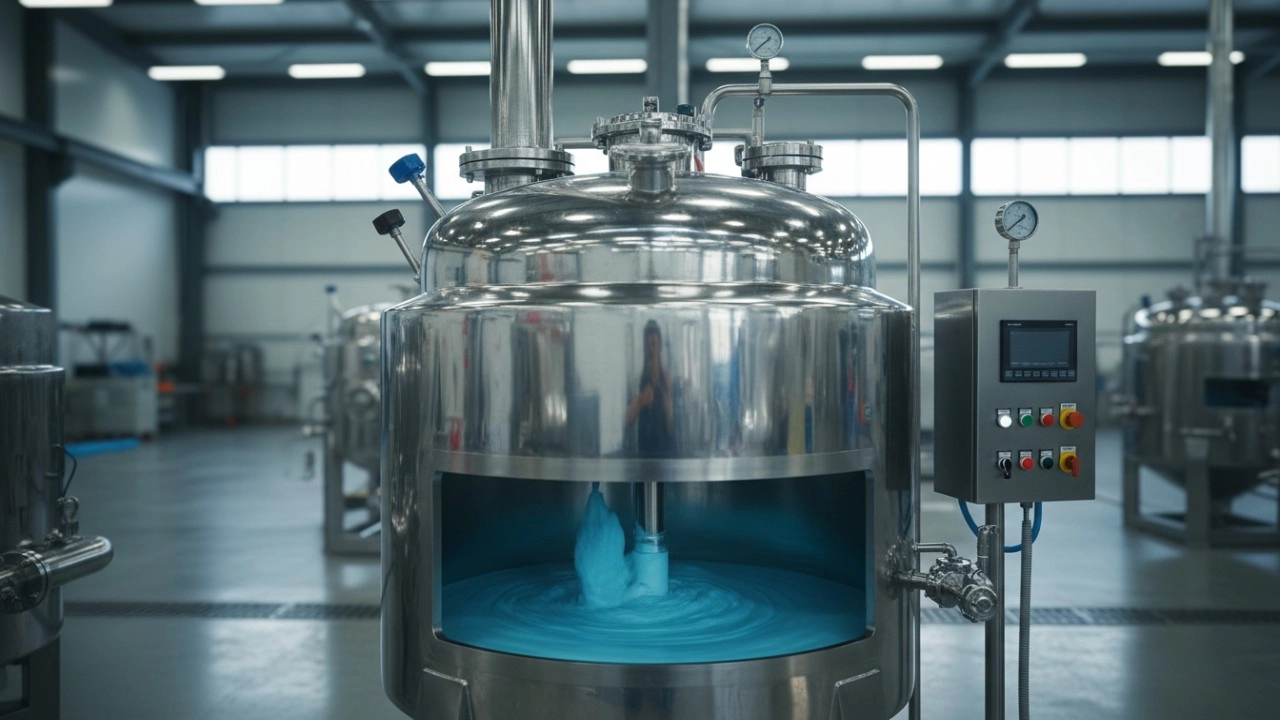
The Future of Industrial Agitation: 5 Smart Mixing Tank Technologies Changing the Game
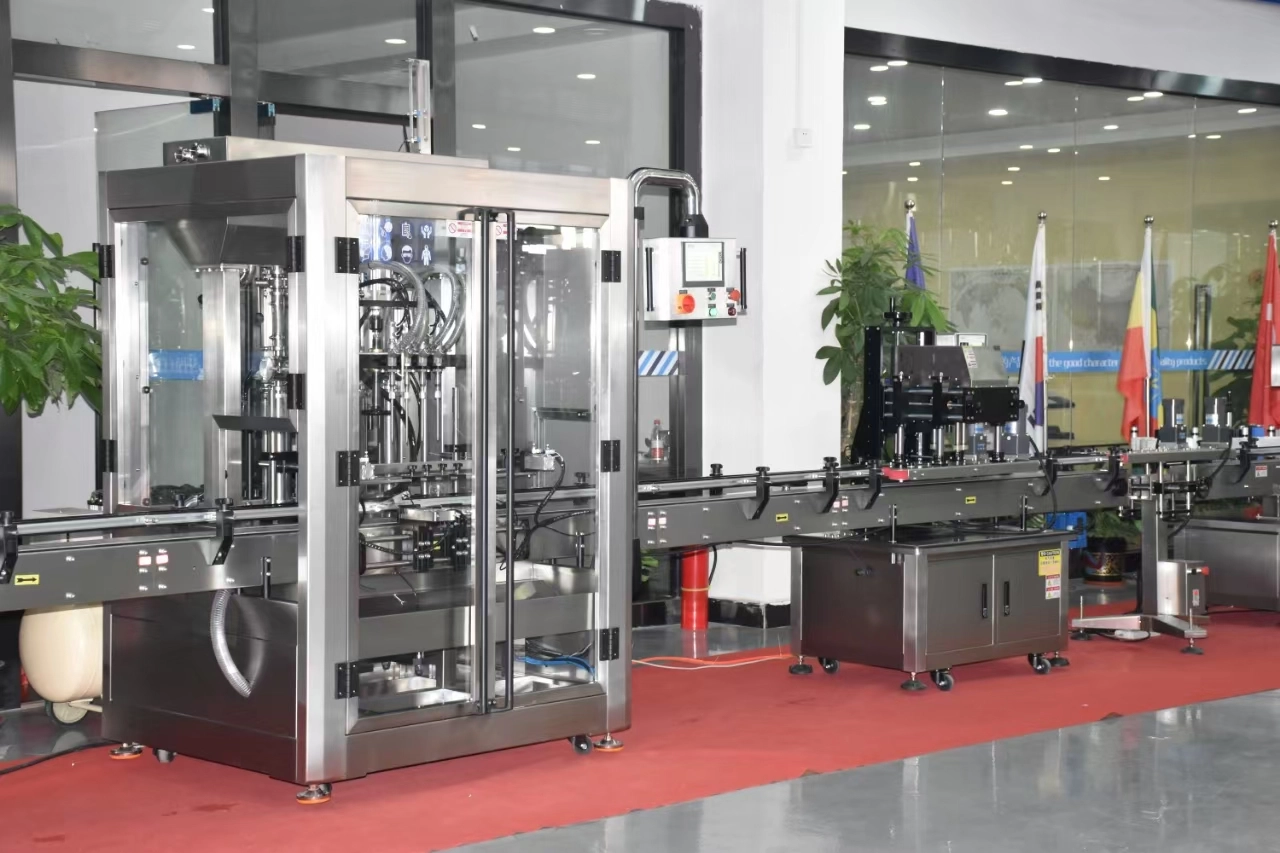
Gear pump filling machine vs. piston filling machine: Key differences broken down to avoid pitfalls in selection.
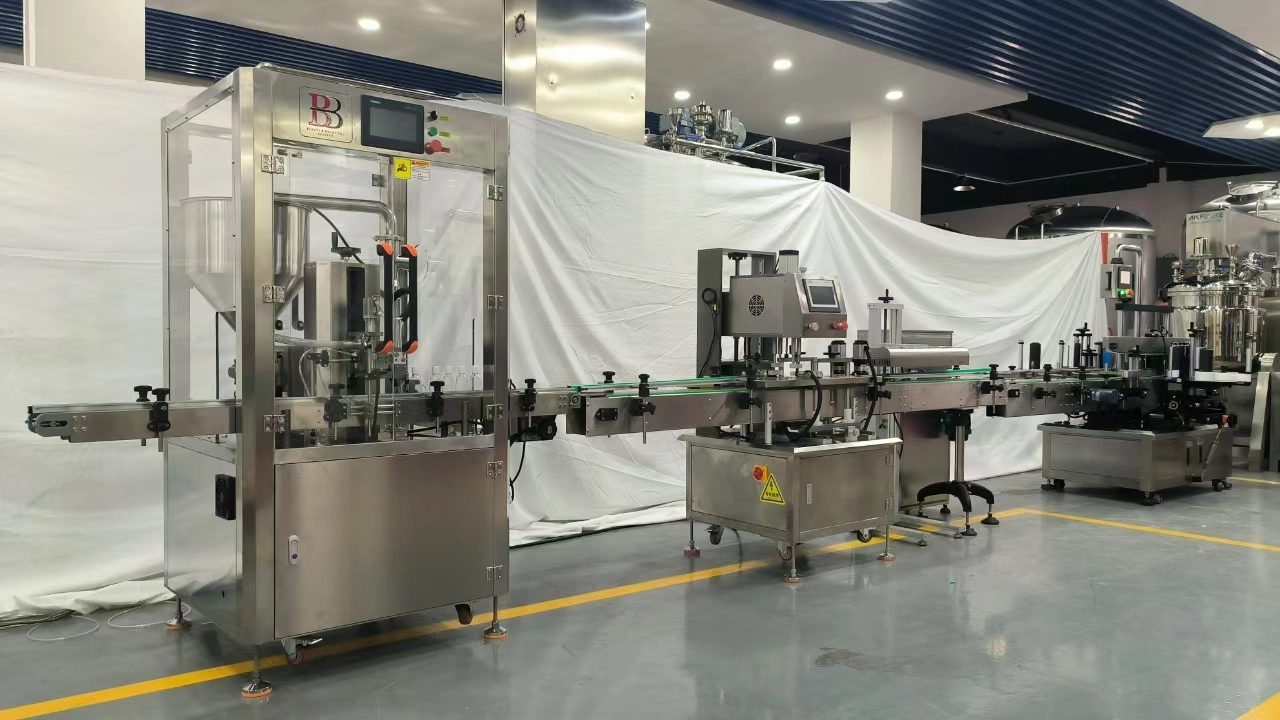
Understand the working principle of a servo gear pump filling machine!
Polypropylene PP Mixing Tank
What can you buy from us?
RO Water Treatment、Vacuum Emulsifying Machine、Homogenizer Mixing Tank、Filling and Capping、labeling Machine、Packing Machine、Storage Tank,etc.
The Flip Cover Liquid Wash Mixing Homogenizing Tank
Is it possible to not have a heating function?
Of course, if your product's production process doesn't require heating and cooling functions, then you can just make it a single-layer pot.
Flip cover homogenizing mixing tank lacks a vacuum system. How should bubbles generated during mixing be handled?
Open mixing tank certainly can't remove air through vacuum like sealed equipment. However, if bubbles are affecting product quality, the following methods can be used to improve the process:
Process Adjustment: Reduce the mixing speed to prevent excessive air from being drawn into the material by high-speed turbulence. If homogenization is required, proceed in stages to reduce bubbles generated by a single shearing operation.
Assisted Degassing: For materials that can be heated, increase the temperature appropriately to reduce viscosity and promote bubble bubbling. Alternatively, allow the material to rest for a period of time after mixing to allow bubbles to dissipate naturally before proceeding to the next step.
Suitable Applications: This equipment is more suitable for products that are not sensitive to bubbles. For precision products requiring bubble-free production, a model with a vacuum function is recommended.
Vacuum Emulsifying Machine
Can you make a design for us?
Yes, we can, we provide not only products, but also solutions and designs.
Automatic Capping Machine
Can you make a design for us?
Yes, we can, we provide not only products, but also solutions and designs.
Get in touch with FULUKE
If you have any comments or good suggestions, please leave us a message, later our professional staff will contact you as soon as possible.
You May Also Like
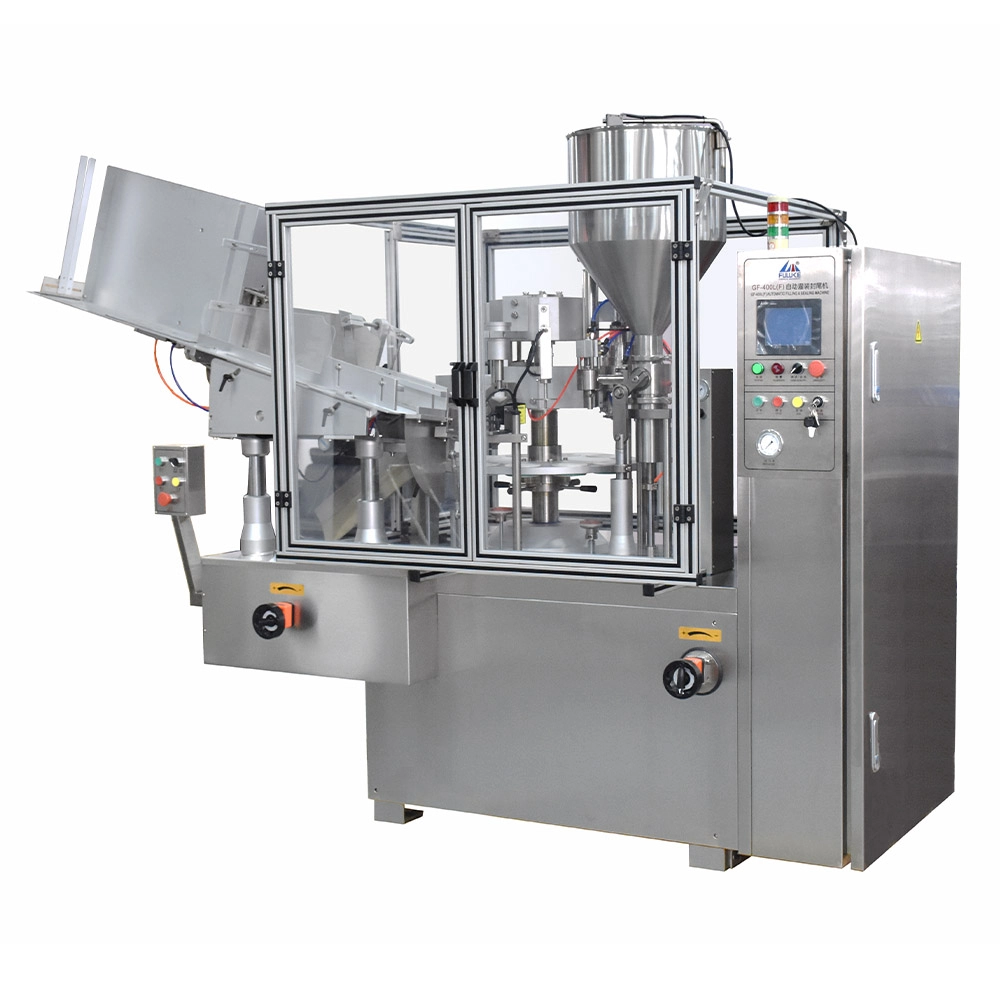
Automatic Tube Filling and Sealing Machine Toothpaste Sunscreen and Facial Cleanser Filling and Sealing Machine for Plastic and Aluminum-plastic Tube
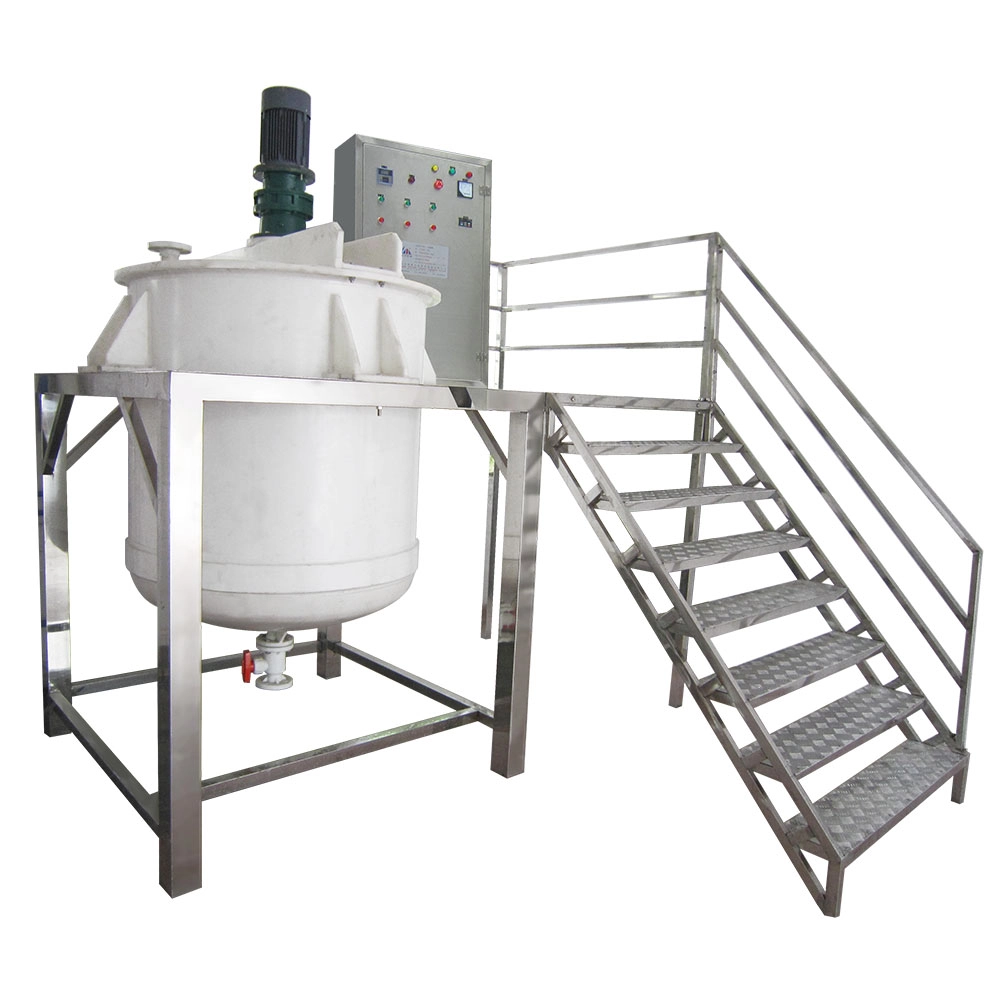
Polypropylene PP Mixing Tank Anti-Corrosion Mixer Reaction Kettle with Agitator Chemical Mixing Vessel
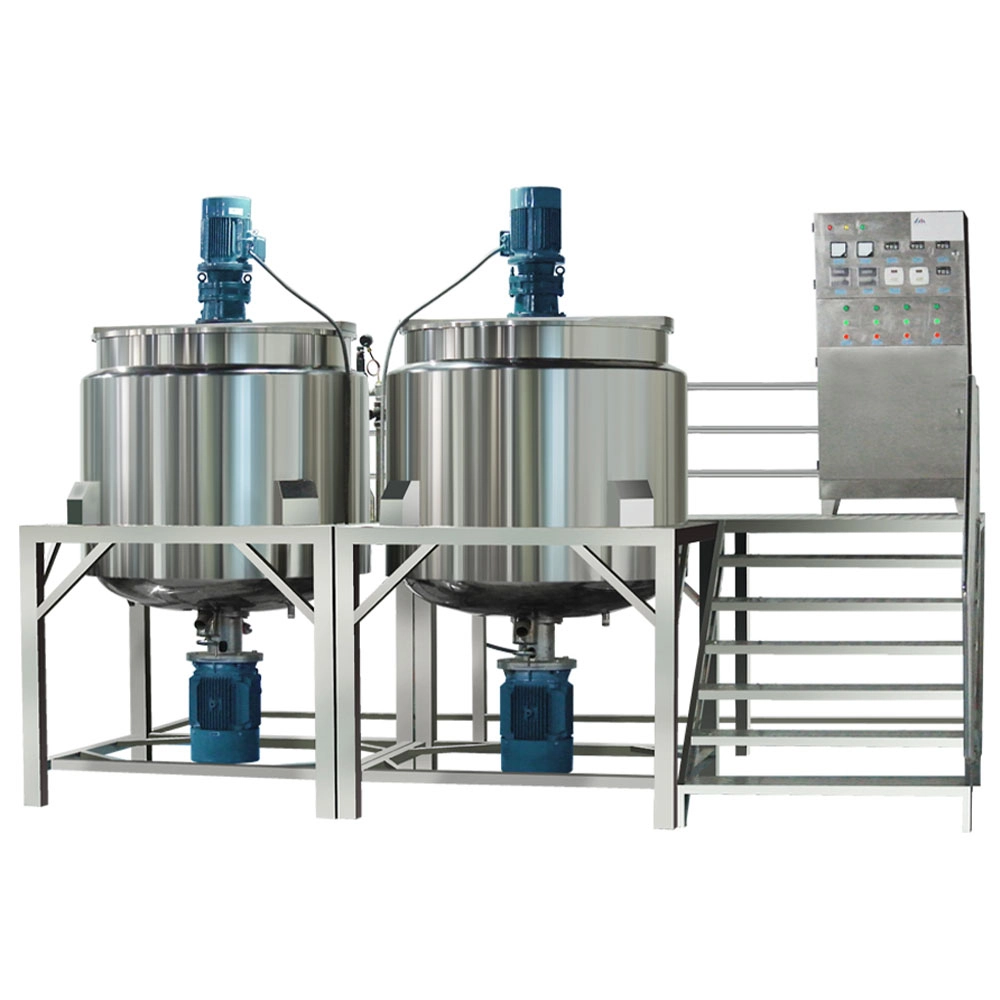
Flip Cover Multi-function Liquid Wash Mixing Tank Blender Liquid Detergent Mixer Homogenization Stirring Tank
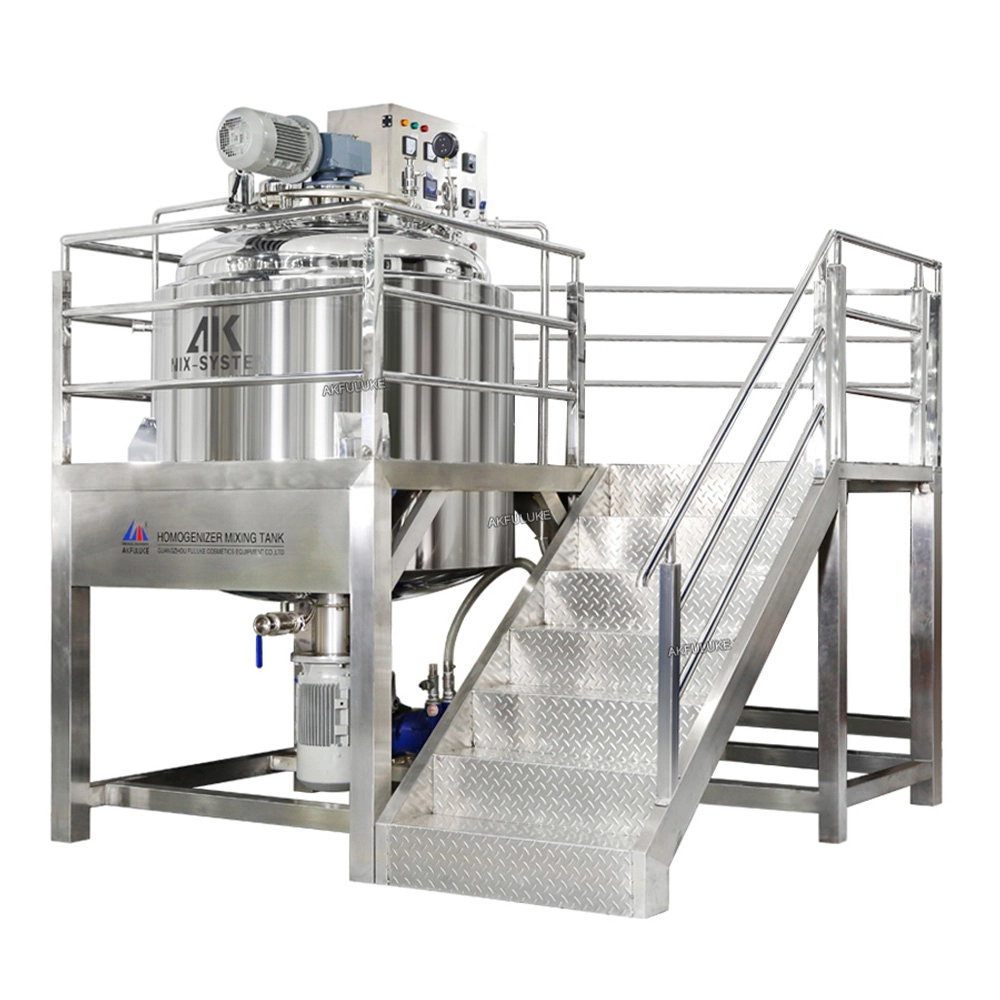
Stainless Steel Mixer Liquid Mixing tank with Agitator Homogenizing Mixing tank Vacuum Sealed Mixer Machine

A leading manufacturer specializing in advanced machinery and complete production lines for the cosmetics, food, pharmaceutical, and chemical industries worldwide.
Contact FULUKE
Facebook
Instagram
YouTube