
How to choose filling machines for high-viscosity gels?
- How to Choose Filling Machines for High-Viscosity Gels
- 1. What are the key factors to consider when selecting a filling machine for high-viscosity gels?
- 2. What types of filling machines are suitable for high-viscosity gels?
- 3. How do I determine the appropriate filling volume for my product?
- 4. What are the benefits of integrating filling and capping processes?
- 5. How can I ensure the filling machine complies with industry standards?
- 6. What maintenance practices should be followed for filling machines handling high-viscosity gels?
- 7. How do I assess the total cost of ownership for a filling machine?
- 8. What are the latest technological advancements in filling machines for high-viscosity gels?
When manufacturing high-viscosity gels in the cosmetic industry, selecting the appropriate filling machine is crucial to ensure product quality, efficiency, and cost-effectiveness. Below are some common questions and considerations to guide your decision-making process.
How to Choose Filling Machines for High-Viscosity Gels
1. What are the key factors to consider when selecting a filling machine for high-viscosity gels?
When choosing a filling machine for high-viscosity gels, consider the following factors:
Viscosity Handling Capacity: Ensure the machine can handle the specific viscosity range of your gel. For instance, the 4-XP High-Viscosity Gravimetric Filling Machine is designed for viscosities between 1,000 cP and 18,000 cP, suitable for products like honey and jams.
Filling Accuracy: High precision is essential to maintain product consistency. Machines like the Gel Filling Capping Machine offer filling accuracy within ±0.5%, ensuring uniformity in each container.
Material Compatibility: Opt for machines made from materials compatible with cosmetic products, such as 316L stainless steel, which is resistant to corrosion and easy to clean.
Automation Level: Depending on production scale, choose between semi-automatic and fully automatic machines. Fully automatic systems can integrate filling, capping, and labeling processes, enhancing efficiency.
Maintenance and Support: Select machines from reputable manufacturers that offer comprehensive after-sales support and easy maintenance procedures.
2. What types of filling machines are suitable for high-viscosity gels?
Several filling machines are designed to handle high-viscosity gels effectively:
Piston Filling Machines: Ideal for thick products, these machines use a piston mechanism to draw and dispense the gel. The Gel Filling Capping Machine utilizes a 316L SUS piston pump, ensuring precise filling for high-viscosity gels.
Peristaltic Pump Filling Machines: Suitable for gels with particulates, peristaltic pumps gently transfer the product, minimizing shear and preserving texture.
Gravimetric Filling Machines: These machines weigh the product as it's dispensed, ensuring accurate filling by weight. The 4-XP High-Viscosity Gravimetric Filling Machine offers intelligent control to reduce human error and boost productivity.
3. How do I determine the appropriate filling volume for my product?
The filling volume should align with your packaging requirements and production goals:
Product Analysis: Assess the typical volume consumed per use to determine standard packaging sizes.
Market Research: Consider consumer preferences and industry standards for packaging volumes.
Machine Specifications: Ensure the chosen filling machine can accommodate the desired volume range. For example, the Gel Filling Capping Machine offers filling volumes from 1 to 10 ml, suitable for small containers.
4. What are the benefits of integrating filling and capping processes?
Integrating filling and capping processes offers several advantages:
Increased Efficiency: Automated systems streamline production by reducing manual handling and potential errors.
Consistent Quality: Automated capping ensures uniform application of caps, maintaining product integrity.
Cost Savings: Reduced labor costs and minimized product wastage contribute to overall savings.
Machines like the Gel Filling Capping Machine are designed to handle both filling and capping, providing a comprehensive solution for high-viscosity gels.
5. How can I ensure the filling machine complies with industry standards?
To ensure compliance with industry standards:
Certifications: Verify that the machine has relevant certifications, such as CE, ISO, and GMP, indicating adherence to quality and safety standards.
Manufacturer Reputation: Choose machines from reputable manufacturers known for quality and compliance.
Regulatory Compliance: Ensure the machine meets local and international regulations for cosmetic manufacturing.
The Gel Filling Capping Machine, for instance, is certified by CE, ISO, and GMP, ensuring high-quality standards.
6. What maintenance practices should be followed for filling machines handling high-viscosity gels?
Regular maintenance is essential to ensure optimal performance:
Cleaning: Regularly clean all parts in contact with the gel to prevent product buildup and contamination.
Inspection: Periodically check for wear and tear, especially in moving parts like pistons and pumps.
Calibration: Ensure the machine is calibrated correctly to maintain filling accuracy.
Lubrication: Apply appropriate lubricants to moving parts to reduce friction and prevent damage.
Following the manufacturer's maintenance guidelines will prolong the machine's lifespan and maintain product quality.
7. How do I assess the total cost of ownership for a filling machine?
To evaluate the total cost of ownership:
Initial Investment: Consider the purchase price of the machine.
Operational Costs: Account for energy consumption, maintenance, and labor costs.
Downtime: Factor in potential downtime for maintenance and repairs.
Productivity Gains: Evaluate improvements in production speed and product quality.
A comprehensive cost analysis will help determine the most cost-effective solution for your production needs.
8. What are the latest technological advancements in filling machines for high-viscosity gels?
Recent advancements include:
Servo-Driven Systems: Provide precise control over filling volumes and speeds, enhancing accuracy and efficiency.
Integrated Control Systems: Allow for real-time monitoring and adjustments, improving operational control.
Flexible Packaging Options: Support various packaging formats, including tubes, jars, and sachets, catering to diverse market demands.
Staying updated with technological trends ensures your production line remains competitive and efficient.
In conclusion, selecting the right filling machine for high-viscosity gels involves careful consideration of factors such as viscosity handling, filling accuracy, material compatibility, automation level, and maintenance requirements. Brands like FULUKE offer advanced solutions tailored to the cosmetic industry's needs, ensuring high-quality and efficient production processes.
References:

Understanding Servo Capping Machines: The Core Logic of Precise Capping – Understand the Entire Working Process in Seconds
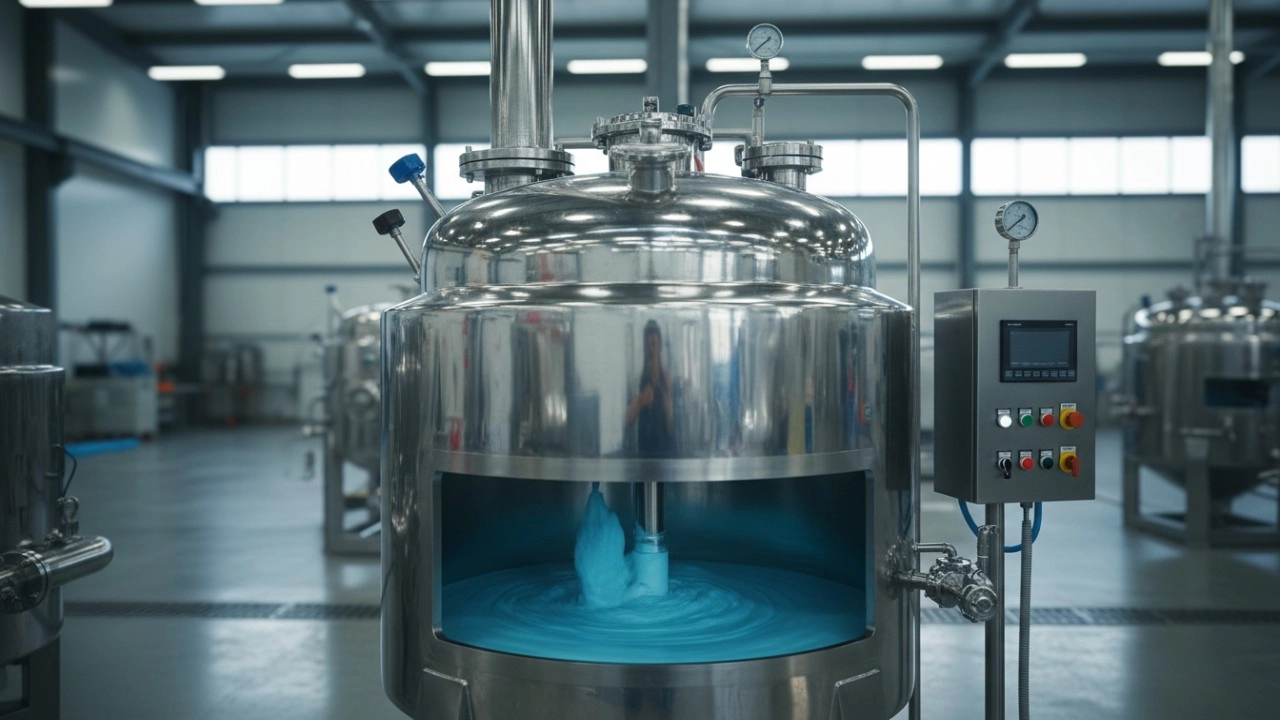
The Future of Industrial Agitation: 5 Smart Mixing Tank Technologies Changing the Game
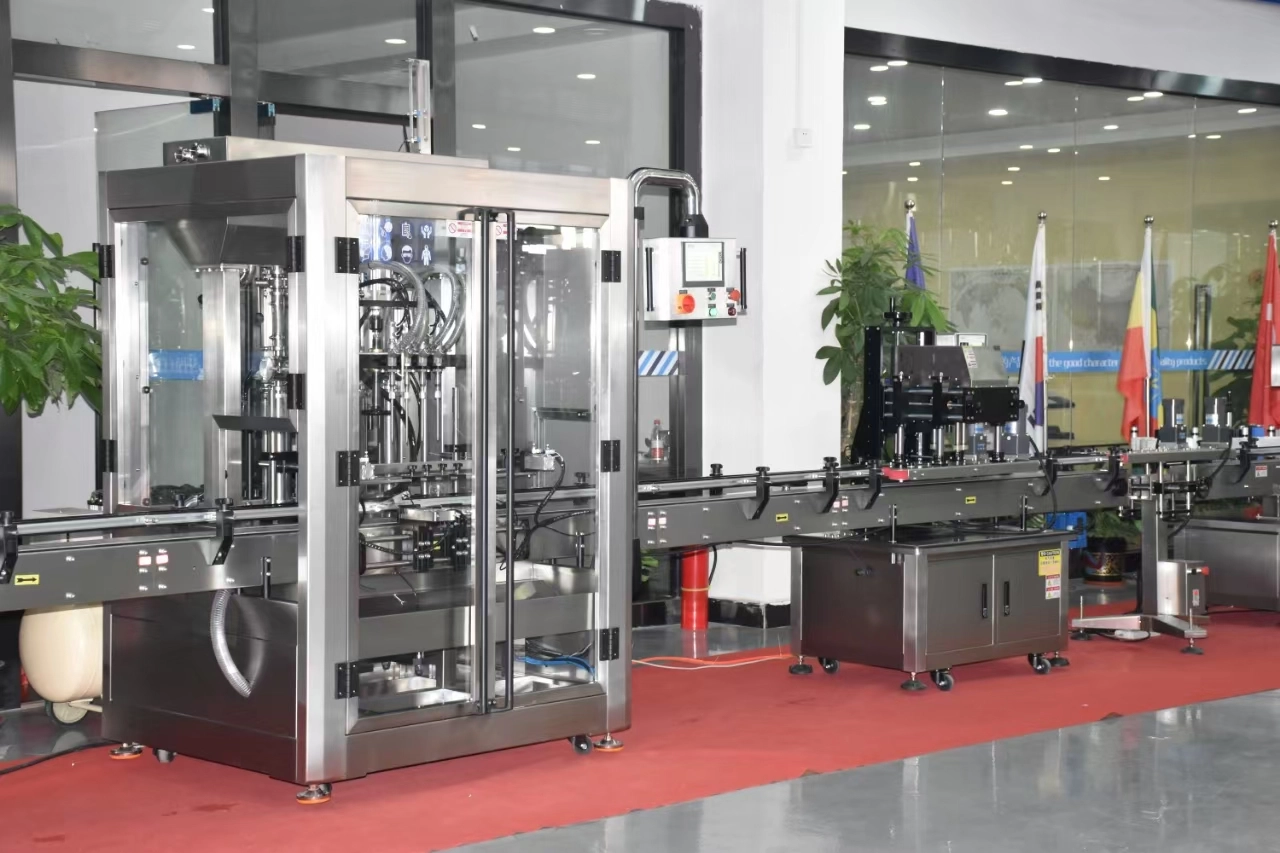
Gear pump filling machine vs. piston filling machine: Key differences broken down to avoid pitfalls in selection.
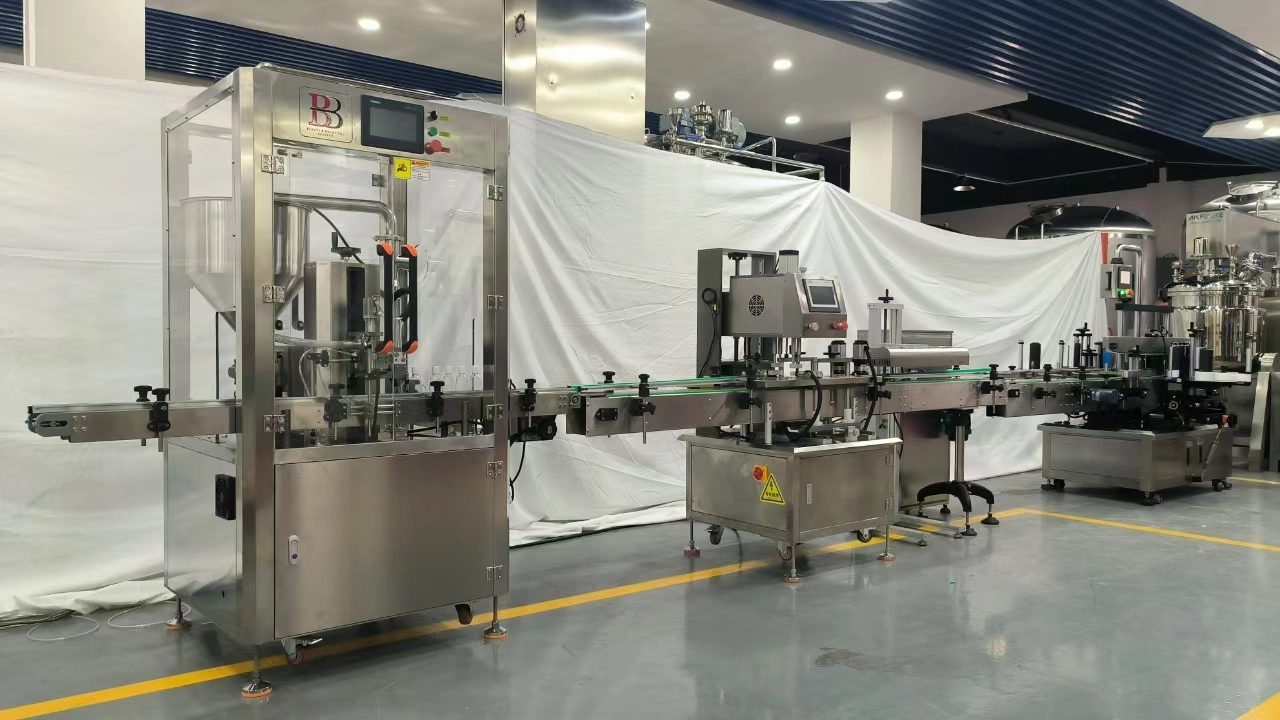
Understand the working principle of a servo gear pump filling machine!
Sealed Homogenizing Mixing Tank
Can you make a design for us?
Yes, we can, we provide not only products, but also solutions and designs.
RO Water Treatment
Will poor raw water quality (such as high turbidity or hardness) affect the performance of RO equipment?
It can have a significant impact.
Highly turbid raw water (containing large amounts of sediment and colloids) can accelerate clogging of pre-filters (PP cotton) and activated carbon elements, shortening replacement cycles and increasing maintenance costs.Highly hard raw water (containing large amounts of calcium and magnesium ions) can easily form scale (calcium carbonate and magnesium carbonate) on the RO membrane surface, reducing filtration efficiency and even causing irreversible damage, shortening the life of the membrane.For this type of water quality, it is recommended to add a pretreatment device (such as a prefilter or softener) before the RO system to reduce the raw water's turbidity or hardness before entering the RO system.
Storage Tank
Who are we?
Our headquarters is located in Guangzhou, Guangdong, China, and our factory is located in Yangzhou, Jiangsu. Our products are sold all over the world. We have approximately 50 employees in our company and factory.
Automatic Tube Filling and Sealing Machine
What can you buy from us?
RO Water Treatment、Vacuum Emulsifying Machine、Homogenizer Mixing Tank、Filling and Capping、labeling Machine、Packing Machine、Storage Tank,etc.
Lift-type Homogenizing Disperser
How often should the disperser and homogenizer be cleaned? How should they be cleaned properly?
Cleaning Frequency: Cleaning is required every time a material is changed to prevent cross-contamination. When the same material is used continuously, cleaning is recommended every 24 hours. Cleaning Method: Rinse with clean water or a suitable solvent (e.g., alcohol for oily materials, clean water for water-based materials). Remove stubborn stains with a soft brush. Avoid scratching with hard objects to avoid damage.
Get in touch with FULUKE
If you have any comments or good suggestions, please leave us a message, later our professional staff will contact you as soon as possible.
You May Also Like
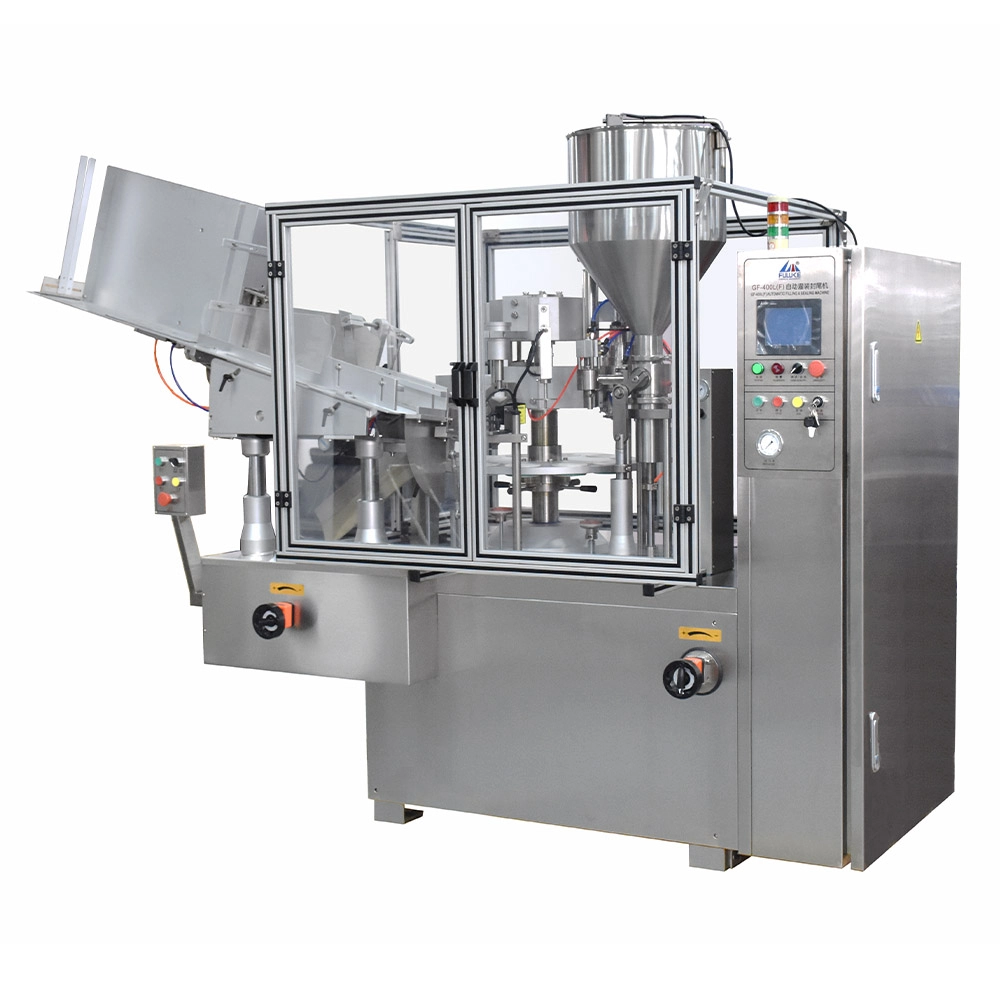
Automatic Tube Filling and Sealing Machine Toothpaste Sunscreen and Facial Cleanser Filling and Sealing Machine for Plastic and Aluminum-plastic Tube
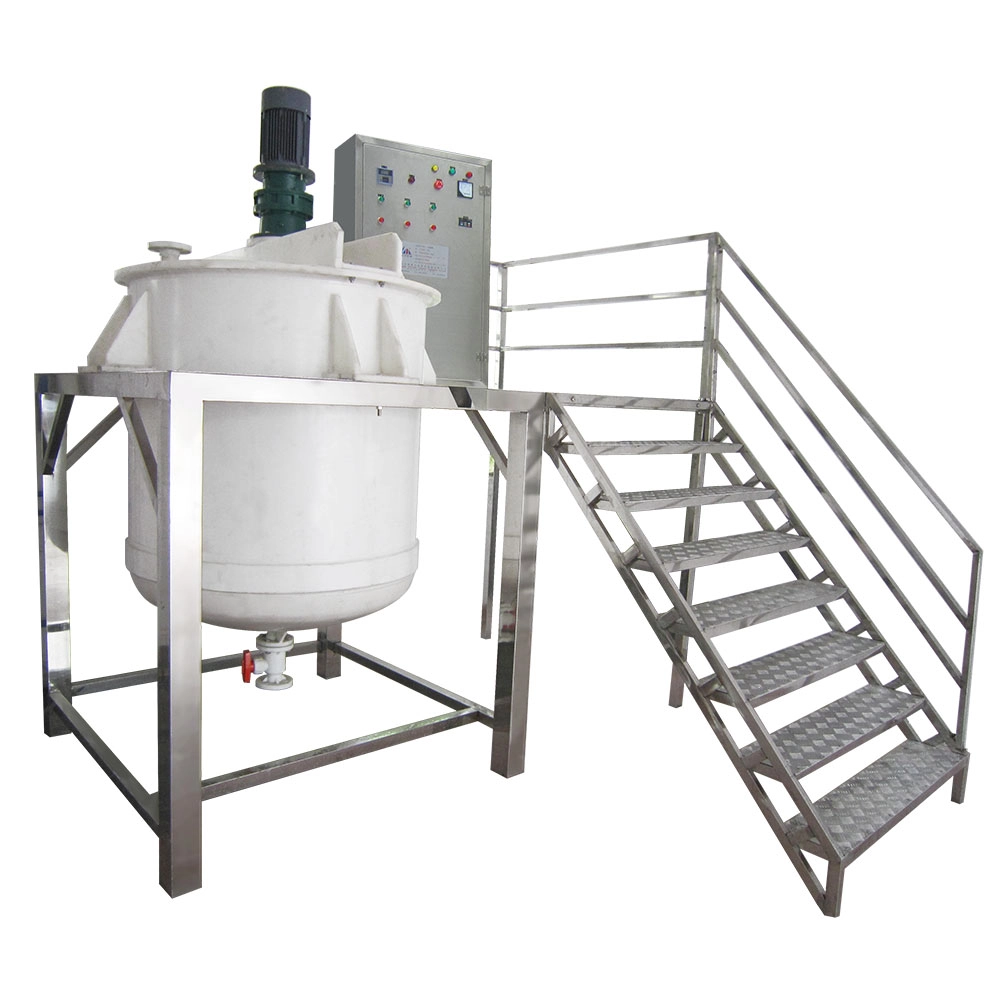
Polypropylene PP Mixing Tank Anti-Corrosion Mixer Reaction Kettle with Agitator Chemical Mixing Vessel
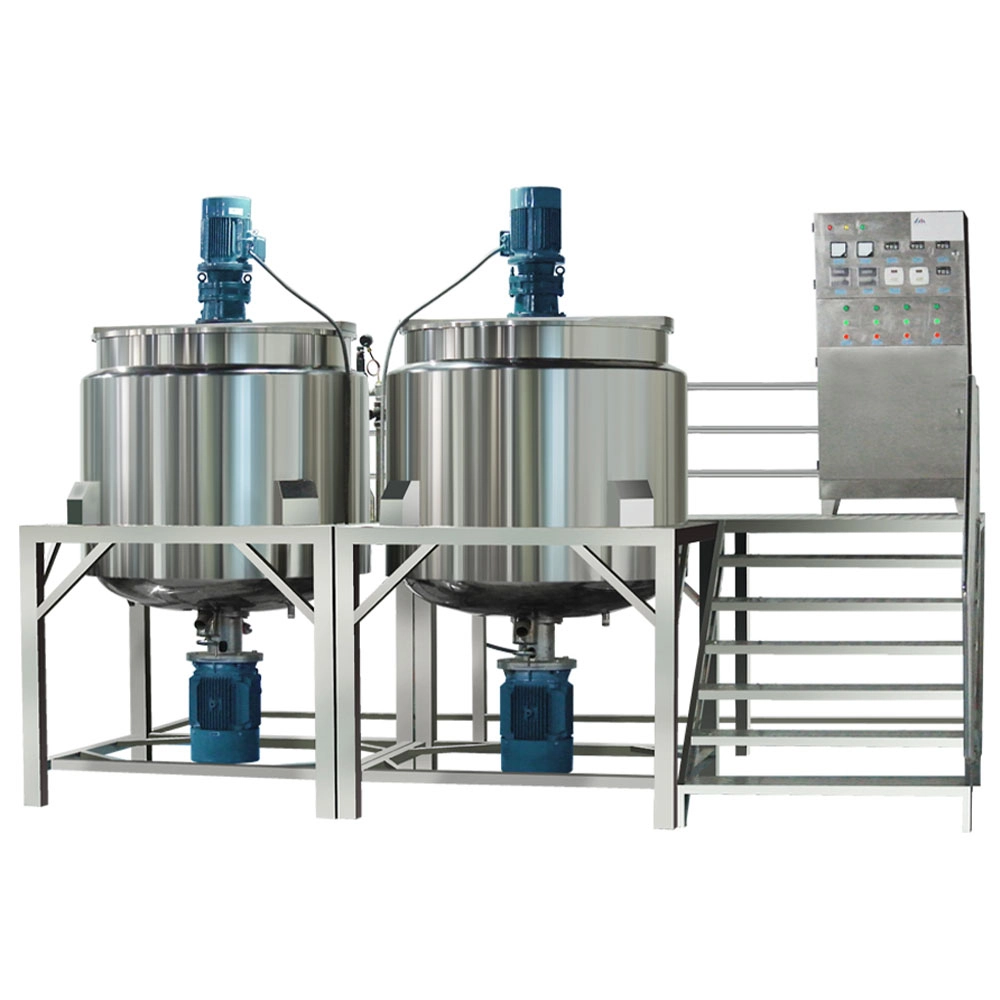
Flip Cover Multi-function Liquid Wash Mixing Tank Blender Liquid Detergent Mixer Homogenization Stirring Tank
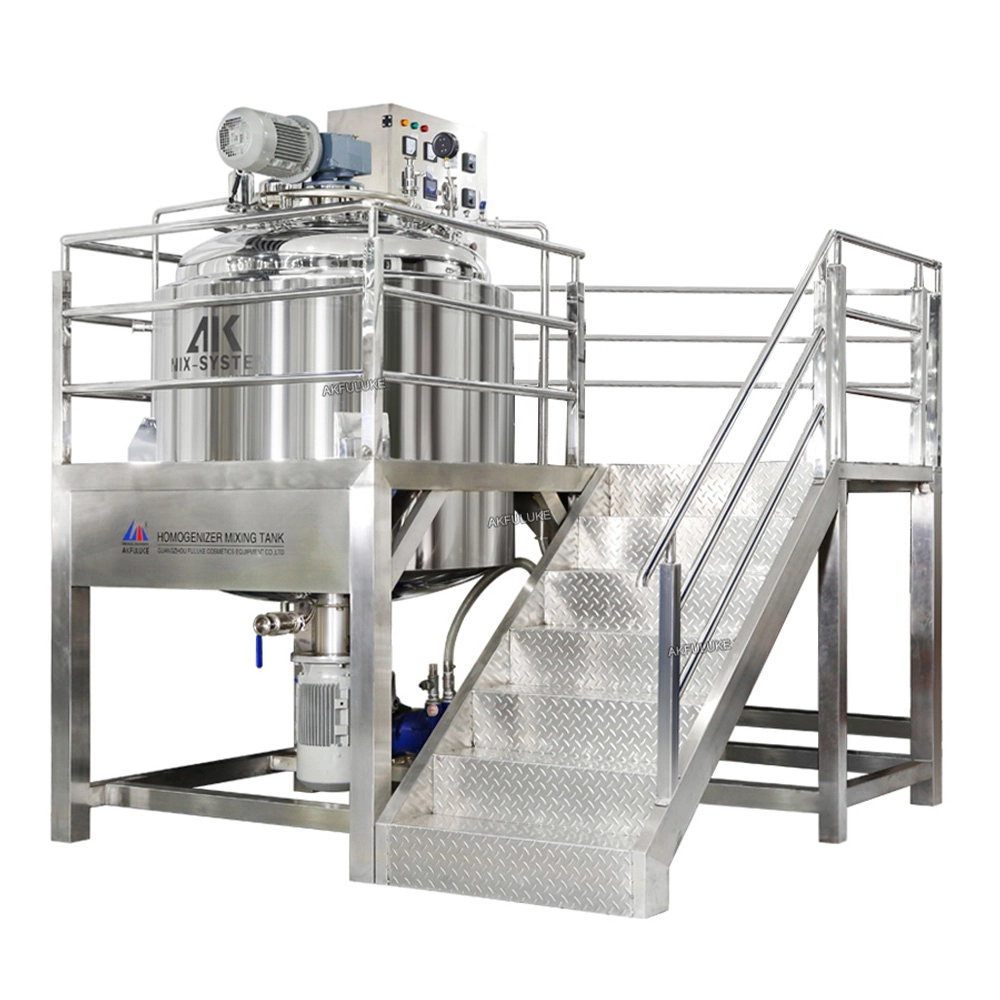
Stainless Steel Mixer Liquid Mixing tank with Agitator Homogenizing Mixing tank Vacuum Sealed Mixer Machine

A leading manufacturer specializing in advanced machinery and complete production lines for the cosmetics, food, pharmaceutical, and chemical industries worldwide.
Contact FULUKE
Facebook
Instagram
YouTube