
What upgrades extend the life of existing fillers?
Filling machines are essential in the cosmetic equipment industry, ensuring precise and efficient product packaging. However, like all machinery, they are susceptible to various issues that can impact their performance and lifespan. Understanding these challenges and implementing appropriate upgrades can significantly enhance the durability and efficiency of your filling equipment.
Common Issues with Filling Machines and How to Extend Their Lifespan
1. Inaccurate Filling Volumes
Problem: Inconsistent filling volumes can lead to underfilling or overfilling, resulting in product waste and customer dissatisfaction.
Causes:
- Clogged nozzles or valves.
- Worn-out components.
- Incorrect machine calibration.
Solutions:
- Regularly clean and maintain nozzles and valves to prevent blockages.
- Replace worn-out parts promptly.
- Calibrate the machine periodically to ensure accurate filling volumes.
2. Leakage Issues
Problem: Leaks can lead to product loss, contamination risks, and a messy work environment.
Causes:
- Worn-out seals and gaskets.
- Loose or damaged connections.
- High system pressure.
Solutions:
- Inspect and replace seals and gaskets regularly.
- Tighten all connections to prevent leaks.
- Monitor and adjust system pressure to optimal levels.
3. Clogging or Blockages
Problem: Clogs can halt the filling process, leading to downtime and reduced efficiency.
Causes:
- Presence of solid particles in the product.
- High-viscosity liquids.
- Inadequate cleaning and maintenance.
Solutions:
- Implement effective filtration systems to remove solid particles.
- Adjust machine settings to accommodate high-viscosity products.
- Establish a routine cleaning schedule to prevent residue buildup.
4. Slow Production Speed
Problem: Reduced machine speed can impact overall production efficiency.
Causes:
- Worn or loose belts and chains.
- Insufficient lubrication.
- Motor issues.
Solutions:
- Regularly inspect and replace worn drive components.
- Ensure proper lubrication of moving parts.
- Monitor and maintain motor performance.
5. Dripping Nozzles
Problem: Dripping nozzles can cause product waste and contamination.
Causes:
- Worn-out nozzle seals.
- Incorrect nozzle shut-off timing.
- Residue buildup in the nozzle.
Solutions:
- Replace nozzle seals regularly.
- Adjust nozzle shut-off timing to prevent drips.
- Clean nozzles thoroughly to remove any residue.
Upgrades to Extend the Life of Existing Fillers
To enhance the longevity and efficiency of your filling machines, consider the following upgrades:
Regular Maintenance: Implement a preventive maintenance program to address issues before they lead to significant downtime.
Component Upgrades: Replace outdated or worn components with more durable materials to improve performance and extend machine life.
Automation and Monitoring: Integrate advanced monitoring systems to detect and address issues promptly, reducing the risk of prolonged downtime.
Training and Best Practices: Ensure that operators are well-trained in machine operation and maintenance to prevent user-induced errors.
Conclusion
Addressing common issues and implementing strategic upgrades can significantly enhance the performance and lifespan of your filling machines. By investing in regular maintenance, component upgrades, and operator training, you can ensure efficient and reliable operation of your equipment.
When considering filling equipment, FULUKE offers advanced solutions designed to meet the specific needs of the cosmetic equipment industry. Their machines are engineered for precision, durability, and ease of maintenance, ensuring optimal performance and extended service life.
For more information on FULUKE's filling equipment and how they can benefit your operations, visit their official website.
By proactively addressing these common issues and considering strategic upgrades, you can enhance the efficiency and longevity of your filling machines, leading to improved product quality and customer satisfaction.
Note: The information provided is based on industry best practices and may vary depending on specific machine models and operational conditions.
References:
Soontact Intelligent Equipment. (2025). Common Problems With Powder Filling Machines.
LOM Machine. (2024). Filling Machine Problems and Solutions.
Elixir Philippines. (2025). Filling Machine Problems and Solutions to Fine-Tune Your Operations.
Zenith Packaging. (2024). Common Issues with Liquid Filling Machines and How to Fix Them.
Foshan Popper Machinery Co., Ltd. (2023). Troubleshooting Tips for Liquid Filling Machines.
MJS Trading Limited. (2024). Filler Outlet Industry Guide.
MJS Trading Limited. (2024). Longevity Hacks for Elasty Fillers | 3 Tricks.
Vargas Face & Skin Center. (2024). Long-Lasting Fillers: The Advancements and Innovations Shaping the Future.
Food Engineering. (2024). Tech Update: Sophisticated Fillers Fit the Bill.
Sunshine Machine. (2024). Troubleshooting Tips for Common Filling Machine Failures.
Rich Packing. (2024). Problems Prone To Occur In The Work Of Capsule Filling Machine.
Yuzhuo Machinery. (2024). What Are Common Problems with Powder Filling Machines and How to Fix Them?
Filling Auto. (2024). What are the common problems with an automatic filling line and how to solve them?
Vargas Face & Skin Center. (2024). Long-Lasting Fillers: The Advancements and Innovations Shaping the Future.
Allure. (2025). Can You Extend the Life of Your Last Botox or Filler Injections? Expert Advice.

Understanding Servo Capping Machines: The Core Logic of Precise Capping – Understand the Entire Working Process in Seconds
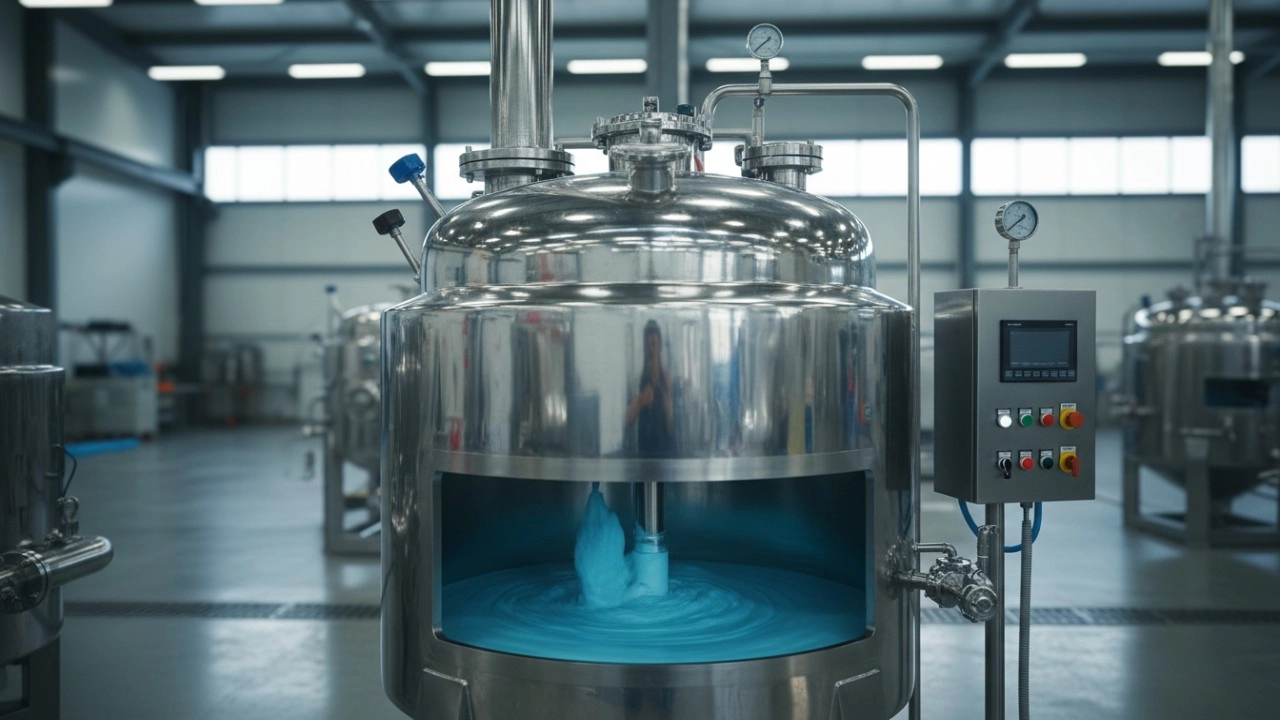
The Future of Industrial Agitation: 5 Smart Mixing Tank Technologies Changing the Game
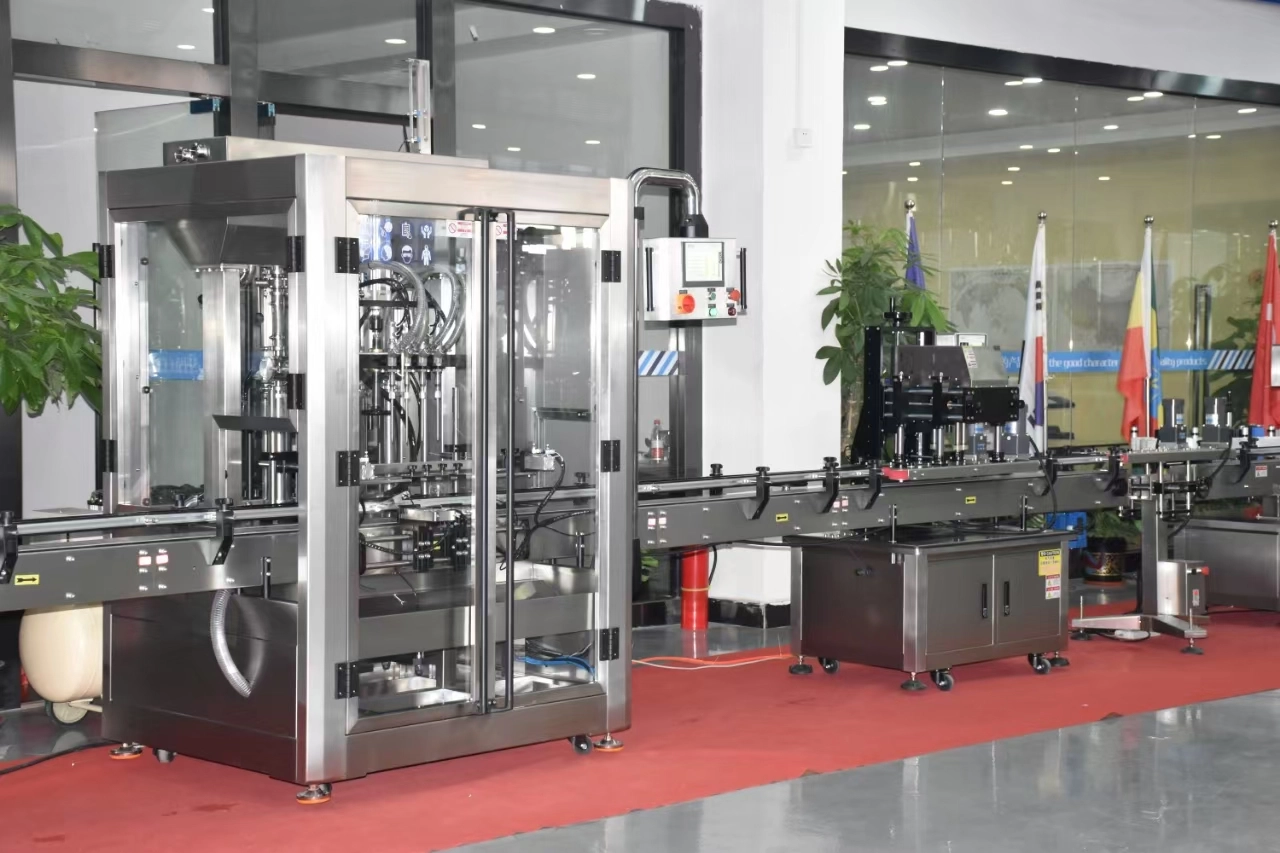
Gear pump filling machine vs. piston filling machine: Key differences broken down to avoid pitfalls in selection.
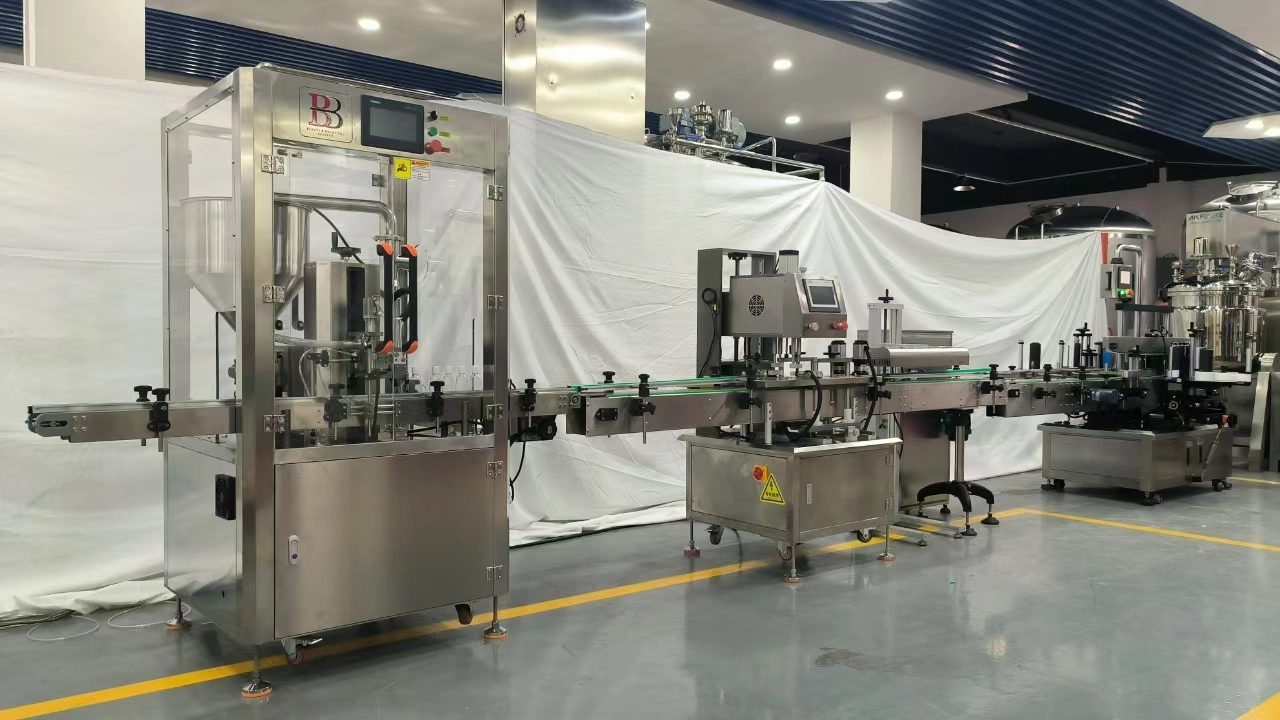
Understand the working principle of a servo gear pump filling machine!
Storage Tank
Can tank capacities be customized?
Yes, we can. We offer custom capacities ranging from tens of liters to tens of thousands of cubic meters. Please provide us with the media type, storage environment, and site dimensions in advance so we can find the optimal design.
Perfume Filling Machine
What can you buy from us?
RO Water Treatment、Vacuum Emulsifying Machine、Homogenizer Mixing Tank、Filling and Capping、labeling Machine、Packing Machine、Storage Tank,etc.
When changing fragrance formulas, how can we prevent cross-contamination between different formulas?
All equipment components that come into contact with materials are made of food-grade 316/304 stainless steel, some of which can be customized with PTFE anti-corrosion linings. This material is easy to clean and does not absorb fragrance ingredients. When changing formulas, a dedicated cleaning solution is used for circulating flushing, and key components can be manually disassembled for secondary cleaning to completely eliminate cross-contamination and meet the needs of alternating production with multiple formulas.
Polypropylene PP Mixing Tank
Who are we?
Our headquarters is located in Guangzhou, Guangdong, China, and our factory is located in Yangzhou, Jiangsu. Our products are sold all over the world. We have approximately 50 employees in our company and factory.
Automatic Facial Mask Filling Machine
What can you buy from us?
RO Water Treatment、Vacuum Emulsifying Machine、Homogenizer Mixing Tank、Filling and Capping、labeling Machine、Packing Machine、Storage Tank,etc.
Get in touch with FULUKE
If you have any comments or good suggestions, please leave us a message, later our professional staff will contact you as soon as possible.
You May Also Like
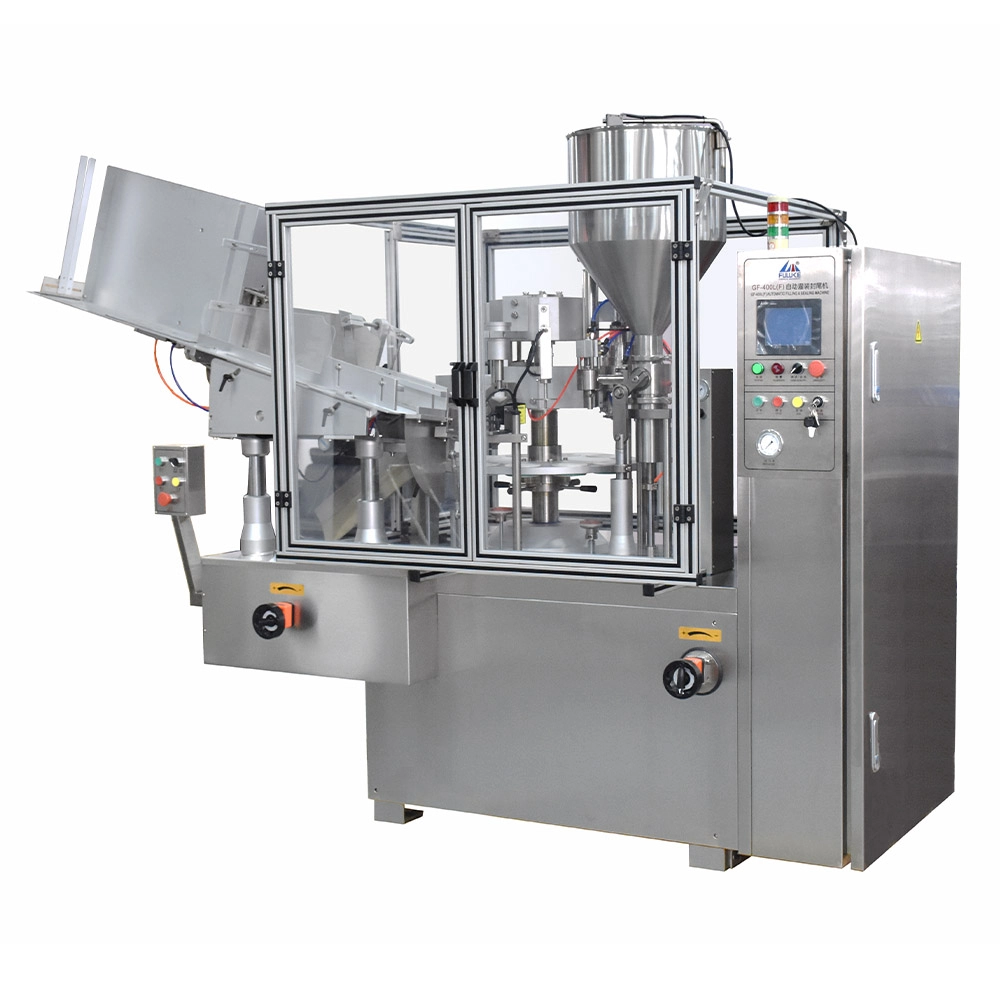
Automatic Tube Filling and Sealing Machine Toothpaste Sunscreen and Facial Cleanser Filling and Sealing Machine for Plastic and Aluminum-plastic Tube
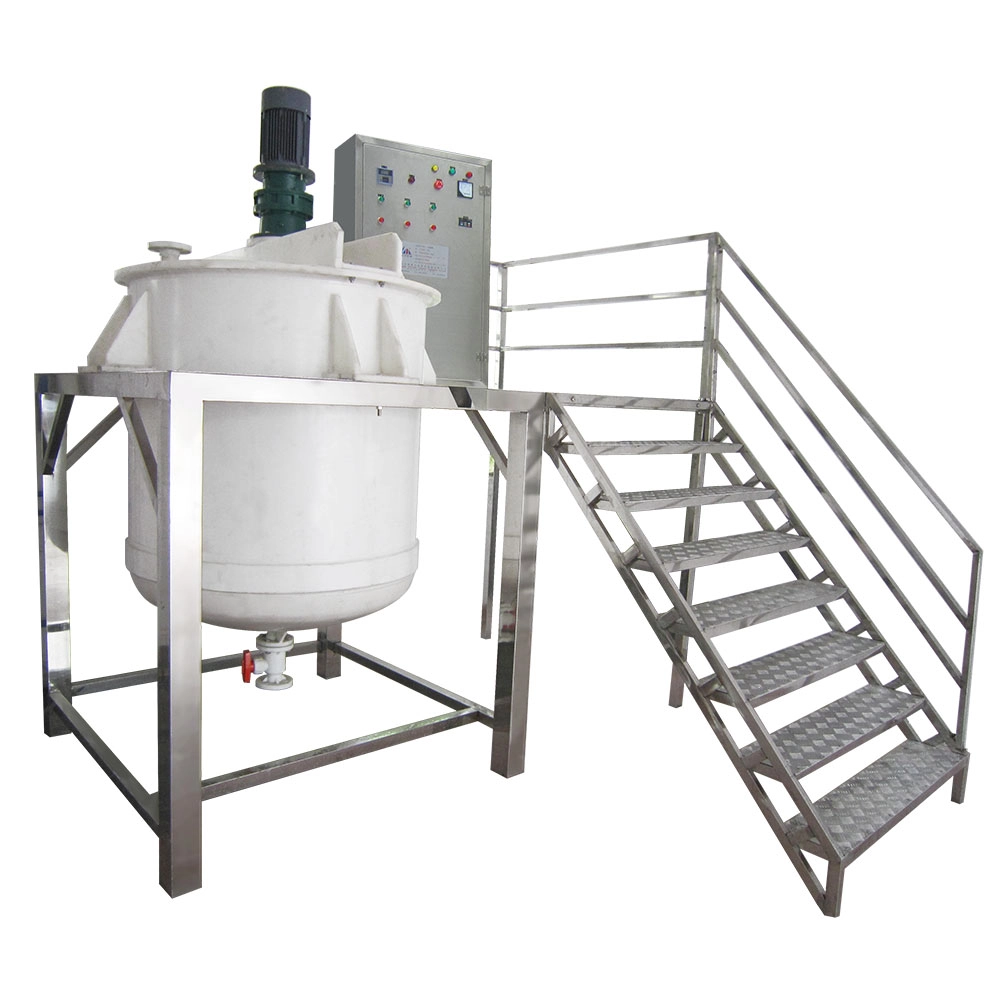
Polypropylene PP Mixing Tank Anti-Corrosion Mixer Reaction Kettle with Agitator Chemical Mixing Vessel
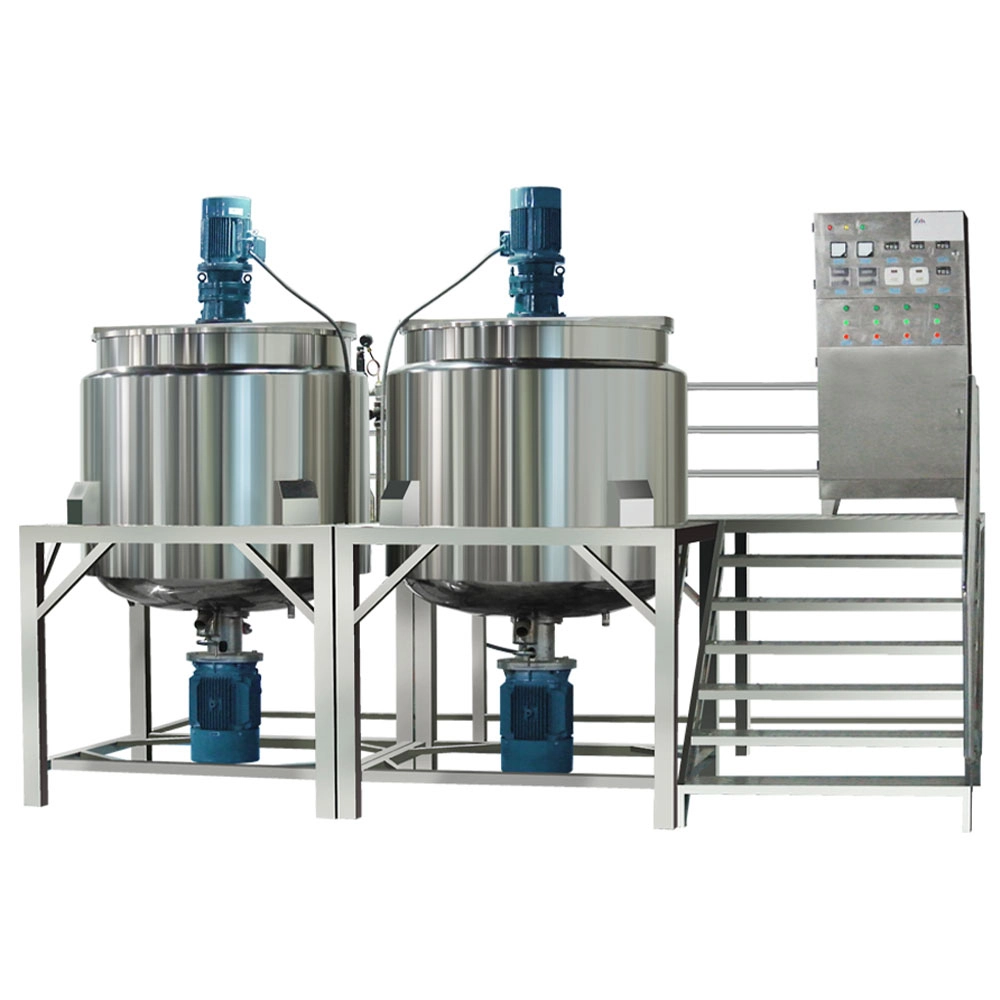
Flip Cover Multi-function Liquid Wash Mixing Tank Blender Liquid Detergent Mixer Homogenization Stirring Tank
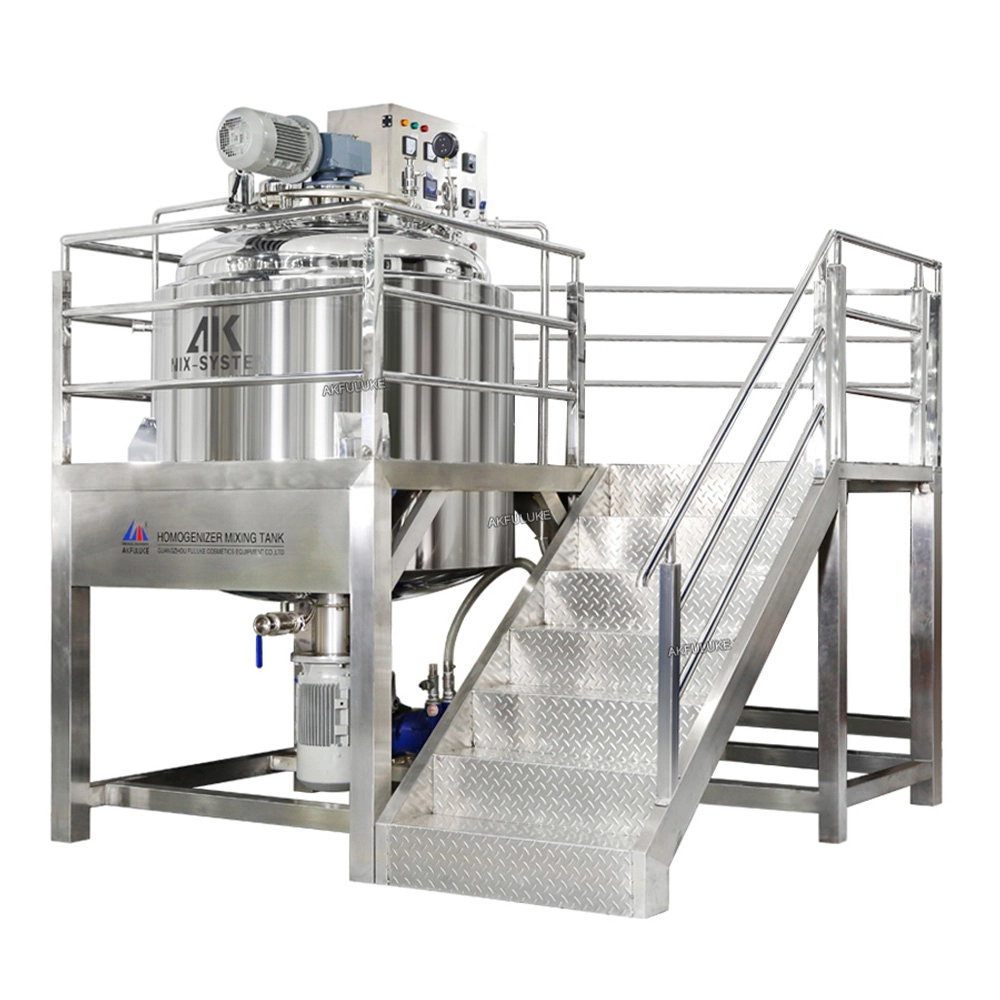
Stainless Steel Mixer Liquid Mixing tank with Agitator Homogenizing Mixing tank Vacuum Sealed Mixer Machine

A leading manufacturer specializing in advanced machinery and complete production lines for the cosmetics, food, pharmaceutical, and chemical industries worldwide.
Contact FULUKE
Facebook
Instagram
YouTube