
How to design a compact filling line for small batches?
- 1. How do I size pump and nozzle to avoid foaming and splashing when filling low-surface-tension serums (5–50 mPa·s) into 15–50 ml bottles?
- 2. How can I design a compact filling line (under 10 m²) that supports 10–6,000 units per day across multiple bottle sizes (10–250 ml) without frequent change parts?
- 3. What CIP (clean-in-place) and material compatibility steps are essential on a small cosmetic line to meet ISO 22716 and avoid contamination between high-value serums?
- 4. How to guarantee ±1–2% fill accuracy across 10–250 ml bottles in a compact bottling line without driving costs to full-scale pharma standards?
- 5. How do I minimize product loss and cleaning downtime for high-value serums (>$50/L) when running multiple short cosmetic batches per day?
- 6. What electrical, pneumatic and environmental utilities do I need to plan for when installing a compact cosmetic filling line in a small manufacturing room?
1. How do I size pump and nozzle to avoid foaming and splashing when filling low-surface-tension serums (5–50 mPa·s) into 15–50 ml bottles?
Choosing the right bottle filling machine components for low-surface-tension serums is the single biggest cause of rejects in small-batch cosmetic runs. Key factors: liquid viscosity, surface tension, desired throughput (bottles/min), fill volume, and bottle geometry.
Pump selection: For serums at 5–50 mPa·s (centipoise), precision peristaltic pumps or gear pumps are best for low shear and accurate micro-volumes. Peristaltic pumps excel at small volumes (1–100 ml) with minimal shear and easy clean-swap tubing. For slightly thicker serums or oil-enriched formulas choose a hygienic rotary lobe or small gear pump that handles lower shear and provides stable flow.
Nozzle type and diameter: Use anti-drip, dive/no-touch nozzles that enter near the bottle bottom to eliminate splashing and foam. For 15–50 ml fills, nozzle diameters commonly range 1.5–3.0 mm depending on viscosity. Start with a 2 mm nozzle for low-viscosity serums and test. If foam appears, reduce flow rate or increase immersion depth.
Flow control and dosing accuracy: Use flowmeters with a +/-0.5–1% resolution for production validation, or encoder-based volumetric dosing on piston fillers for even higher repeatability. Peristaltic dosing accuracy commonly achieves ±1–2% under stable conditions.
Practical setup: Begin with fill speed calibrated to 20–30% of pump maximum; perform a bench validation: measure 30 consecutive bottles for mean and standard deviation, adjust pump speed or nozzle size until CV (coefficient of variation) falls <1.5–2% for cosmetic serums.
Ancillary options: Add gentle vacuum degassing upstream if product entrainment occurs during mixing. Use inert gas blanketing (nitrogen) only if oxidation is a known issue for the formulation.
Embedded equipment: bottle filling machine with peristaltic/gear pump head, anti-drip dive nozzles, flowmeter, servo control and HMI for recipe storage. These choices reduce foam, limit product waste, and increase first-pass yield.
2. How can I design a compact filling line (under 10 m²) that supports 10–6,000 units per day across multiple bottle sizes (10–250 ml) without frequent change parts?
Designing space-efficient flexibility comes down to modular equipment, quick-change fixturing, and automation at the right points.
Layout and footprint: A typical compact line that handles up to ~6,000 units/day (e.g., 60 bottles/min for short runs, or intermittent semi-auto runs) can fit into 4–10 m². Use vertical stacking (infeed hopper above filler) and linear conveyors alongside machine bodies. A benchtop automatic filler, integrated single-head capping and small labeling station can be arranged in an L-shape to minimize footprint.
Universal grippers and adjustable rails: Equip the conveyor with adjustable side guides and universal centering collars. Use spring-loaded, quick-adjust star wheels or gripper pockets that adapt from 10 to 250 ml with minimal mechanical change.
Dosing system choice: Use servo-controlled piston or gear pumps with recipe-based stroke/volume parameters rather than mechanical cams. Servo-driven filling heads can change volumetric output by PLC command, eliminating many mechanical change parts.
Multi-nozzle manifolds with isolated valves: Use a filler with a manifold that can electronically disable unused nozzles. For small batches, run fewer active heads and scale up by enabling more nozzles when volumes increase.
Quick-change stations for capping/dispensing heads: Standardize interfaces (ISO FEA plates) so operators swap modules (dropper inserter, pump crimp, screw cap) in <10–15 minutes. Magnetic couplers for electrical and pneumatic lines speed swaps.
Utilities and storage: Route compressed air, power, and waste water along a single gutter; place CIP manifold and material inlet near the line for short tubing runs to save space.
Validation and recipes: Store bottle/recipe parameters in HMI (fill time, pump speed, conveyor pitch) and automate save/load for fast changeovers. This minimizes operator error and reduces setup time.
The result: a compact line that flexes between 10–250 ml with limited physical change parts, fast changeovers and clear recipe control for cosmetic production.
3. What CIP (clean-in-place) and material compatibility steps are essential on a small cosmetic line to meet ISO 22716 and avoid contamination between high-value serums?
Cosmetics manufacturing requires hygienic design and effective cleaning validation to comply with ISO 22716 (cosmetic GMP). For small-batch lines where product changeovers are frequent, cleaning efficiency is vital for reducing product loss and risk of cross-contamination.
Hygienic design: Use 316L stainless steel for wetted parts when handling oil-in-water emulsions or corrosive additives; 304 SS is acceptable for many water-based products. Specify sanitary fittings (Tri-Clamp), polished interior (Ra <0.8 µm) on pipes and manifolds, and crevice-free welding.
CIP strategy: Design a modular CIP skid or mobile CIP cart sized for small batches. Use a three-step CIP: (1) rinse (warm water), (2) caustic wash (ppm and temperature per product data sheet), (3) acid passivate if needed, followed by final rinse and sanitized rinse with filtered water (WFI not generally required for cosmetics but use appropriate quality water per product risk assessment).
Clean chemistry: Select surfactants and caustic concentrations validated for the product matrix. For oil-rich serums, include a pre-flush with a compatible solvent or enzymatic cleaner to remove hydrophobic residues; always validate compatibility with seals/tubing (EPDM, FKM, silicone). Peroxide-based sanitizers are common but must be neutralized if incompatible with product.
Validation and documentation: Execute cleaning validation (swab and rinse sampling) for representative worst-case formulations. Document acceptance criteria (residual protein, TOC, visible residue). Store IQ/OQ/PQ records and include SOPs per ISO 22716.
Preventative measures: Where feasible, dedicate small high-value-product lines or use single-use disposable fluid path components (sterile tubing packs) to eliminate cleaning for extremely high-value serums.
Sensors and monitoring: Use conductivity and turbidity sensors in CIP return lines to confirm cleaning endpoint and reduce water use and cycle time.
This approach balances regulatory compliance, cross-contamination risk, water and time savings, and validation traceability for cosmetic GMP.
4. How to guarantee ±1–2% fill accuracy across 10–250 ml bottles in a compact bottling line without driving costs to full-scale pharma standards?
Achieving high accuracy cost-effectively requires the right dosing principle, closed-loop control and environmental controls.
Choose the correct dosing method: For ±1–2% accuracy across variable volumes, piston/servo volumetric fillers or high-precision peristaltic systems with closed-loop feedback are preferred. Gravity/overflow fillers are accurate for full-neck fills but less flexible for variable volumes.
Closed-loop metering: Integrate flowmeters (Coriolis or mass flow if budget allows; electromagnetic flowmeters or turbine/ultrasonic for simpler set-ups) and use feedback to adjust pump output in real time. Coriolis gives direct mass measurement and highest accuracy but at higher cost.
Mechanical stability: Use rigid mounting, vibration damping and temperature control because viscosity varies with temperature — install inline temperature sensors and compensate dosing algorithms accordingly.
Calibration and validation: Implement daily or per-shift calibration routines using gravimetric sampling (weigh 10 bottles and calculate mean error and standard deviation). Maintain calibration logs for IQ/OQ/PQ.
Component choices that reduce variability: Use servo motors for pump and conveyor synchronization, high-resolution encoders, and anti-splash nozzles. Good machine seals and minimal dead volume prevent air pockets that cause misfills.
Cost-effective trade-offs: Use a piston filler with a mid-range PLC + flowmeter instead of Coriolis when budgets constrain; this normally achieves ±1–2% if well-maintained and calibrated.
When combined with SOPs and operator training, you can reliably achieve ±1–2% accuracy in a compact cosmetic filling line without completely pharma-grade expenditure.
5. How do I minimize product loss and cleaning downtime for high-value serums (>$50/L) when running multiple short cosmetic batches per day?
High-value serums require strategies to minimize both waste and non-productive time.
Use low-dead-volume fluid paths: Select pumps and manifolds with minimal internal volume, short tubing runs, and valve geometries that avoid product traps. Quick-drain manifolds and sloped piping reduce hold-up.
Batching and pigging: For small lines, implement manual or automated pigging (air or water displacement) for flexible tubing runs to recover product from lines. For very high-value serums, single-use tubing with a pigging sleeve can recover substantial product.
Disposable product-contact components: Where cleaning is time-consuming, use single-use fluid paths for the last few meters (disposable filling nozzles/tubing and quick-disconnects) to cut cleaning cycles.
Pre-rinse capture and reclaim: Capture initial rinse/flush in a reclaim tank and evaluate feasibility to rework into non-final product batches if regulatoryly acceptable. Maintain strict traceability and documentation.
Small-batch optimized CIP: Use micro-CIP cycles: lower flow, targeted cleaning, and enzymatic pre-wash to reduce cycle time. Use conductivity sensors to stop CIP when clean, saving water and chemical use.
Operator and schedule strategies: Group similar formulations sequentially (low-to-high color or viscosity) to reduce harsh cleaning needs between runs. Use color and fragrance grouping to limit cross-over risk.
Monitoring and KPIs: Track loss per batch and downtime per changeover; aim for continuous improvement. For some operations, dedicating a small benchtop single-use filler for ultra-high-value samples is cost-effective versus frequent line cleaning.
These tactics reduce product loss and downtime, improving yield and gross margin for small-batch cosmetic fills.
6. What electrical, pneumatic and environmental utilities do I need to plan for when installing a compact cosmetic filling line in a small manufacturing room?
Realistic utilities planning avoids costly retrofits and installation delays.
Electrical: Compact automatic fillers and capping machines commonly require single-phase 220–240 VAC for benchtop units or three-phase 380–480 VAC for larger servo-driven rotary machines. Confirm machine nameplate specs. Typical small lines draw 2–15 kW depending on motors, heaters and pumps. Provide dedicated circuits with RCDs and labeled breakers.
Compressed air: Most pneumatic actuators and capper systems run at 4–8 bar (60–120 psi). Install a dry, oil-free compressor with a 100–300 L/min reserve depending on simultaneous actuator count and an air dryer and particulate filter to meet ISO 8573-1 Class 1.4.1 or better when contamination is a concern.
Water: Provide softened, filtered process water for rinse/CIP; for many cosmetic lines demineralized RO water is sufficient. If your formulas require higher purity (e.g., preservative-free serums), consult QA; WFI is rarely required in cosmetics but may be used for high-risk products. Include a drain with visible downpipe capacity for CIP.
Ventilation and HVAC: Maintain stable temperature and relative humidity to reduce viscosity and weight variation; target ±2°C control near filling area. Good ventilation prevents solvent or fragrance build-up and supports operator comfort.
Waste and solvent handling: Plan for segregated waste containers for solvent, chemical cleaning solutions and product scrap. Comply with local environmental regulations for disposal.
Controls and networking: Provide Ethernet/network access for PLC/HMI remote support, recipe backup and Industry 4.0 data capture. Ensure surge protection and proper grounding.
Safety and compliance: Install E-stops, light curtains for guarding, and label electrical and pneumatic isolations. Ensure CE conformity for EU installations and document risk assessment per EN ISO 12100.
Early coordination with facility engineering reduces installation cost and schedule delays and ensures the compact filling line runs reliably within the small-room constraints.
Concluding summary — Advantages of a well-designed compact filling line for small batches
A compact filling line designed for cosmetic small batches delivers major benefits: lower initial CAPEX and OPEX, a small footprint (often under 10 m²), faster changeovers via servo-driven dosing and quick-change fixtures, reduced product loss with low-dead-volume designs, and regulatory compliance using hygienic materials and validated CIP. Modular, recipe-driven systems scale production without large mechanical change parts, enabling manufacturers to handle diverse SKUs (10–250 ml) while maintaining ±1–2% accuracy, fast turnaround and ISO 22716 traceability. Integrating peristaltic or piston fillers, anti-drip nozzles, compact capping and labeling, and conductivity-monitored CIP gives the balance of precision and flexibility cosmetic producers need.
For a tailored quote and equipment layout for your product and room constraints, contact us at www.fulukemix.com or email flk09@gzflk.com.
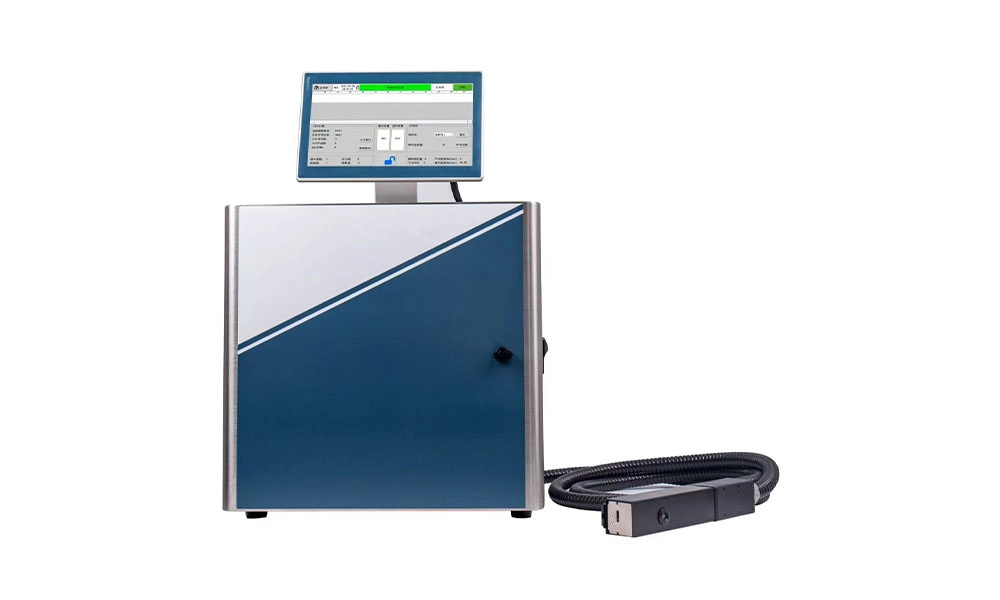
How to quickly resolve issues such as blurry text, broken lines, scattered dots, and non-printing of ink?
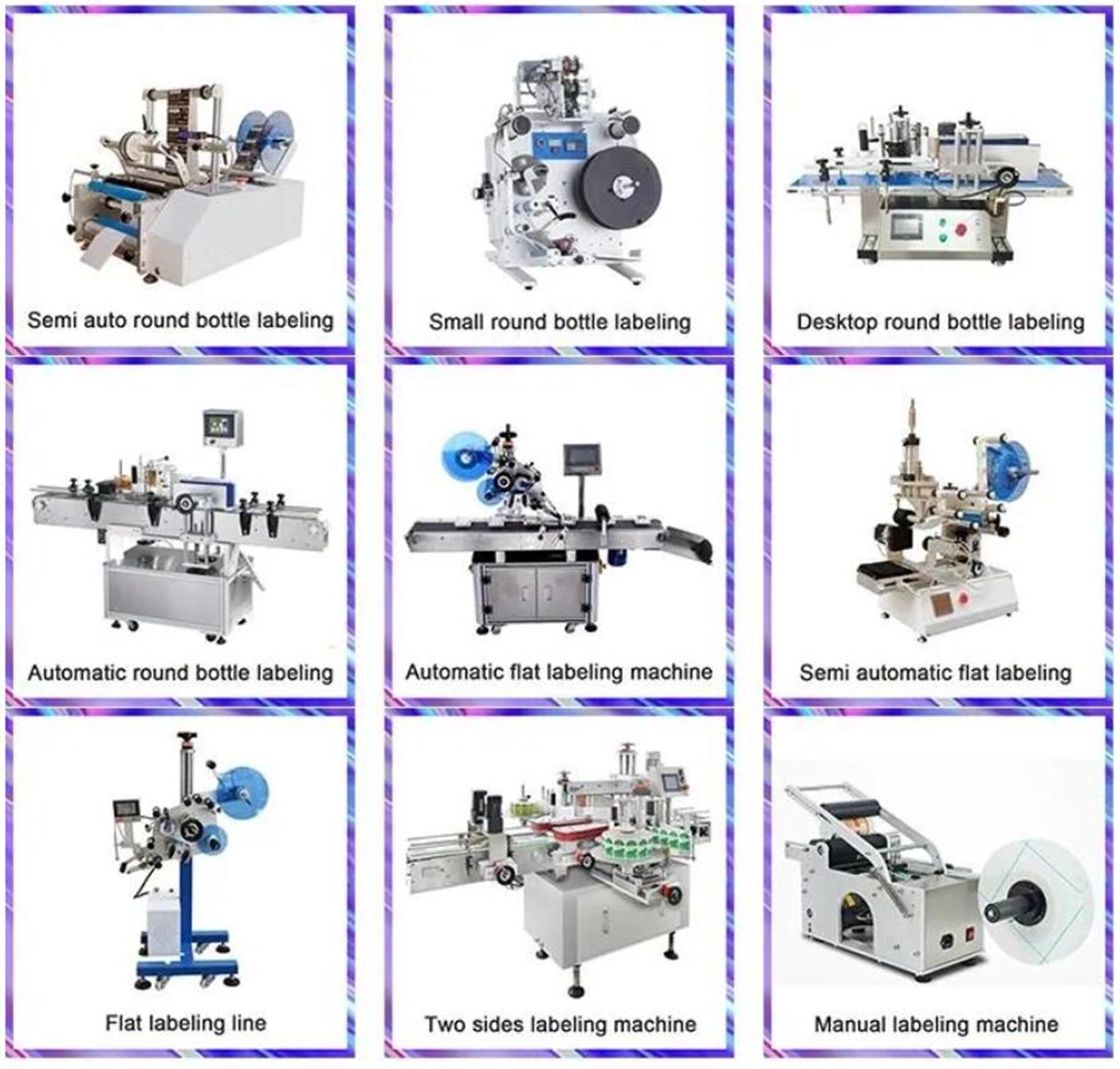
Improving Packaging Efficiency: Applications and Advantages of Fully Automatic Labeling Machines in Production Lines

Understanding Servo Capping Machines: The Core Logic of Precise Capping – Understand the Entire Working Process in Seconds
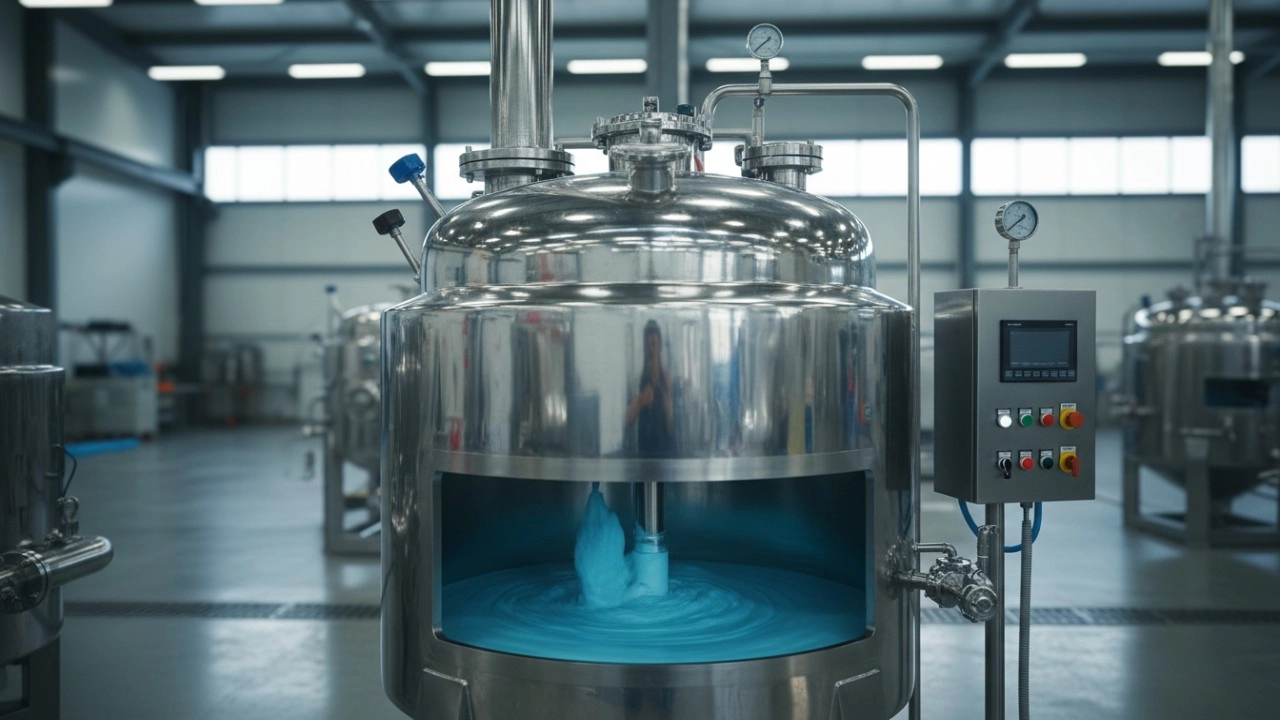
The Future of Industrial Agitation: 5 Smart Mixing Tank Technologies Changing the Game
Automatic Tube Filling and Sealing Machine
Can the device accommodate tubes of different materials and specifications?
Yes. The device supports plastic (PE, PP) and aluminum-plastic composite hoses. The compatible hose diameter range is typically Φ10-Φ60mm (customizable to user specifications), and the capacity range is 2.5ml-400ml. By replacing specialized molds (such as cylinders and filling heads), the device can be adapted to meet different filling volumes, providing flexible adaptability.
Storage Tank
What can you buy from us?
RO Water Treatment、Vacuum Emulsifying Machine、Homogenizer Mixing Tank、Filling and Capping、labeling Machine、Packing Machine、Storage Tank,etc.
Automatic Facial Mask Filling Machine
Can you make a design for us?
Yes, we can, we provide not only products, but also solutions and designs.
Vacuum Emulsifying Machine
What industries is the vacuum emulsifier suitable for?
It is widely applicable to the production needs of creams, lotions, gels, ointments, etc. in the cosmetics, pharmaceutical, food, chemical and other industries.
RO Water Treatment
What can you buy from us?
RO Water Treatment、Vacuum Emulsifying Machine、Homogenizer Mixing Tank、Filling and Capping、labeling Machine、Packing Machine、Storage Tank,etc.
Get in touch with FULUKE
If you have any comments or good suggestions, please leave us a message, later our professional staff will contact you as soon as possible.
You May Also Like
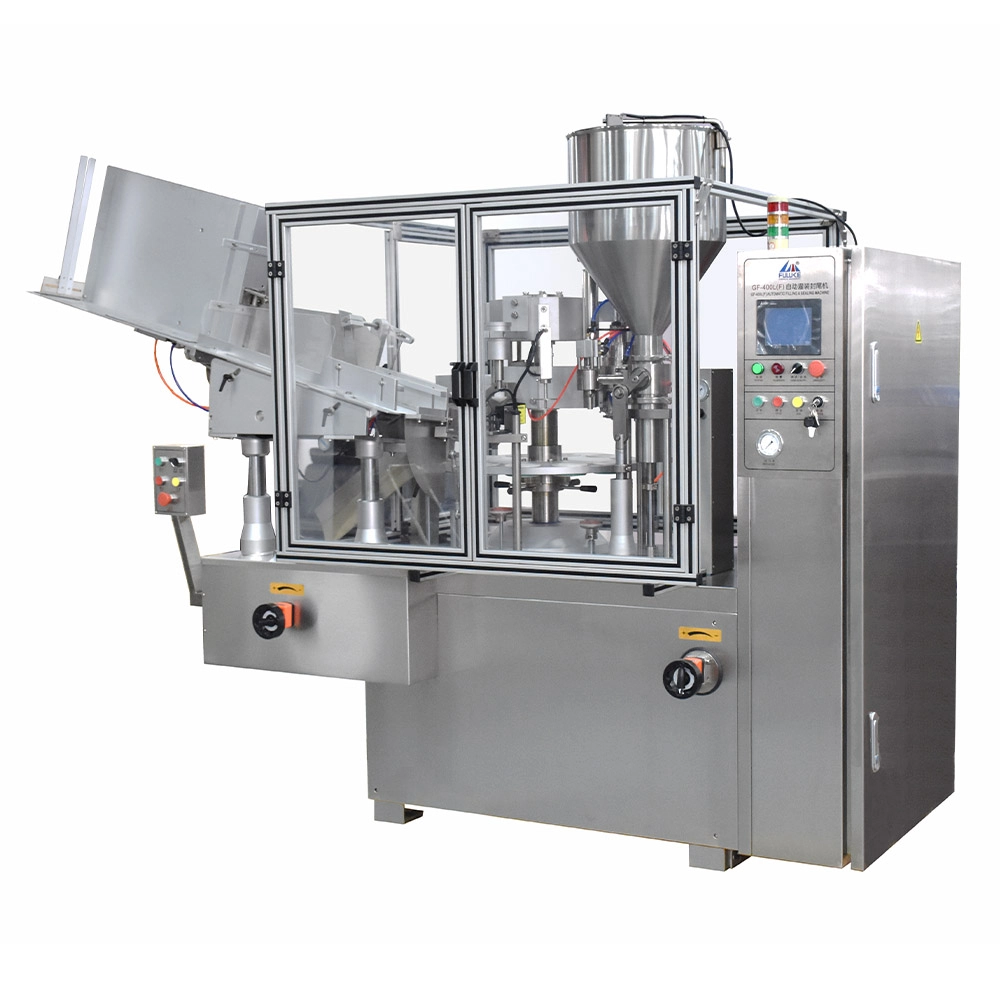
Automatic Tube Filling and Sealing Machine Toothpaste Sunscreen and Facial Cleanser Filling and Sealing Machine for Plastic and Aluminum-plastic Tube
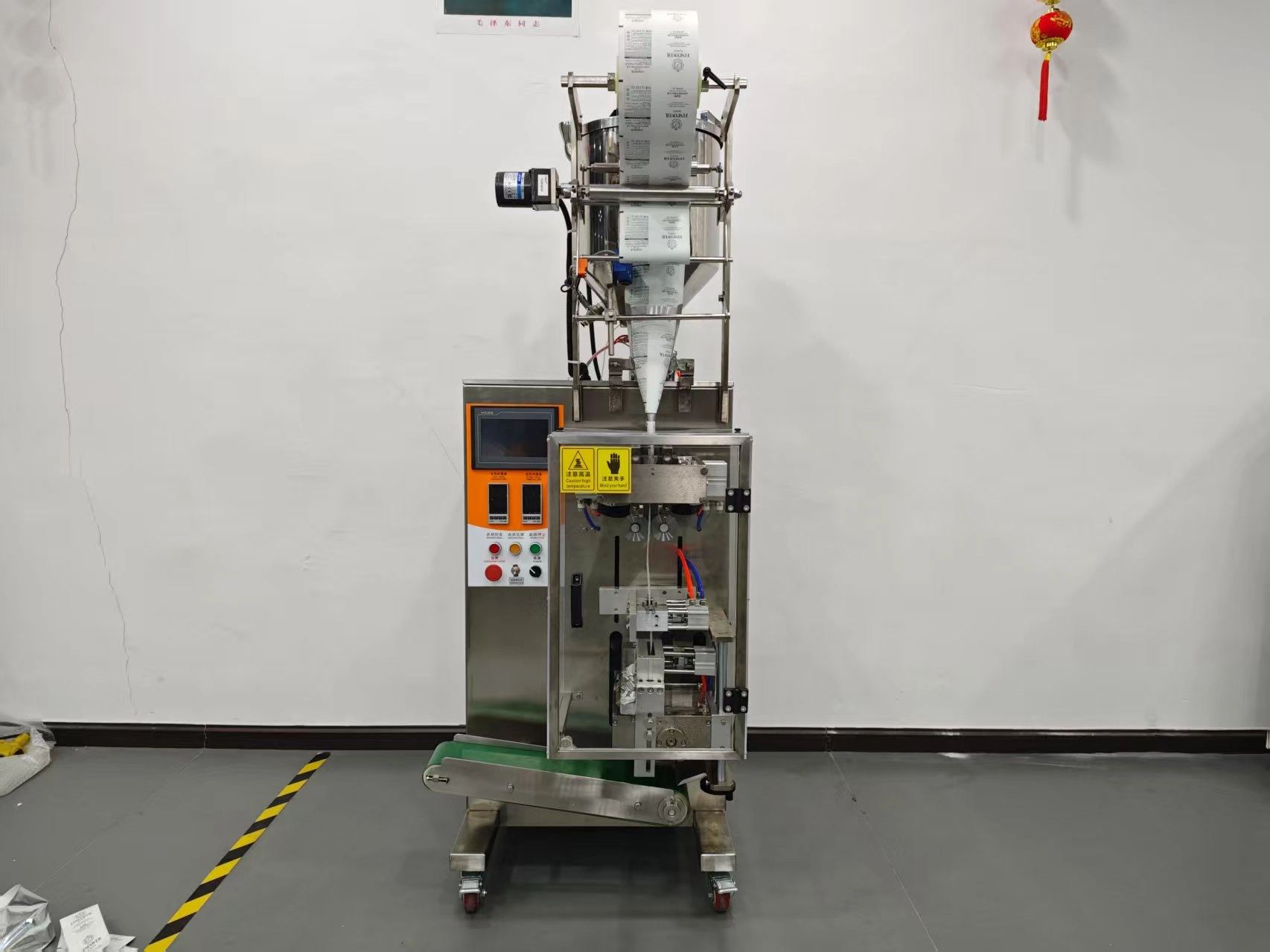
Three-side/four-side sealing bag packaging machine Liquid Paste Jam Cream Sachet Vertical Filling Pouch Packing Machine
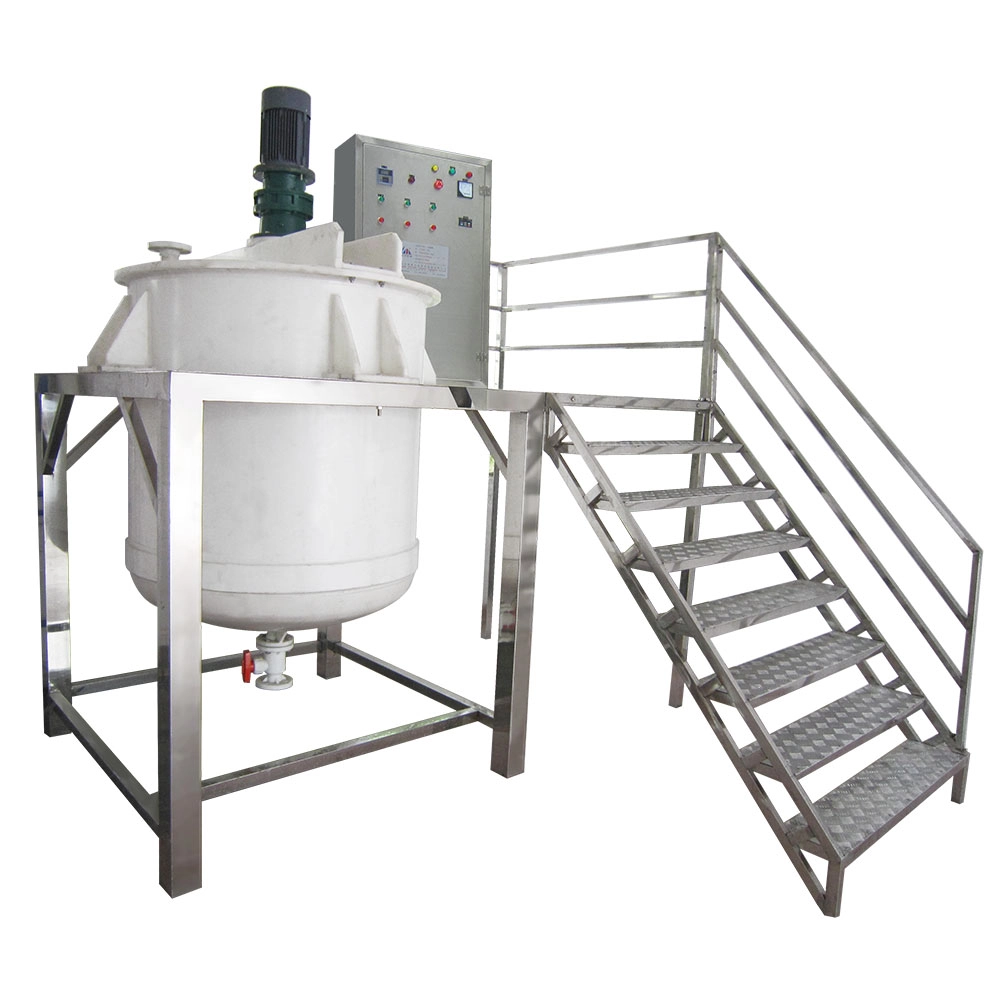
Polypropylene PP Mixing Tank Anti-Corrosion Mixer Reaction Kettle with Agitator Chemical Mixing Vessel
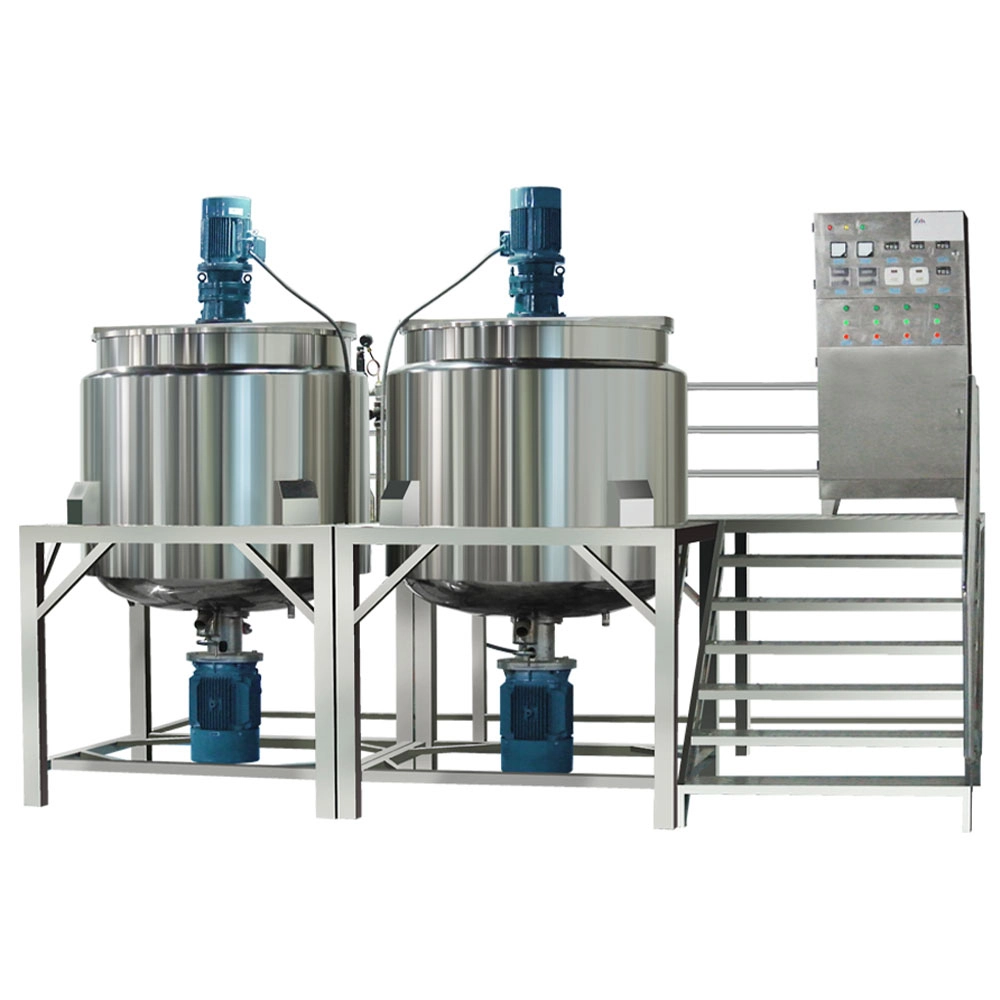
Flip Cover Multi-function Liquid Wash Mixing Tank Blender Liquid Detergent Mixer Homogenization Stirring Tank

A leading manufacturer specializing in advanced machinery and complete production lines for the cosmetics, food, pharmaceutical, and chemical industries worldwide.
Contact FULUKE
Facebook
Instagram
YouTube