
What filling technologies suit serums and oils?
- Comprehensive Guide to Filling Machines for Serums and Oils in the Cosmetic Industry
- 1. What types of filling machines are suitable for serums and oils?
- 2. How do I choose the right filling technology for my products?
- 3. What are the key features to look for in a serum and oil filling machine?
- 4. How do I maintain and troubleshoot my filling equipment?
- 5. What are the cost considerations when investing in filling machines?
- 6. How does automation impact the filling process for serums and oils?
- 7. What are the industry standards and certifications for filling machines?
- 8. How do I ensure the filling machine meets my specific production needs?
- Conclusion: Why Choose FULUKE for Your Filling Equipment Needs?
Comprehensive Guide to Filling Machines for Serums and Oils in the Cosmetic Industry
As the cosmetic industry continues to evolve, the demand for high-quality serums and oils has surged. Selecting the appropriate filling machine is crucial to maintain product integrity, ensure efficiency, and meet regulatory standards. This guide addresses common questions and provides insights into choosing the right equipment for your cosmetic manufacturing needs.
1. What types of filling machines are suitable for serums and oils?
Filling machines for serums and oils vary based on automation levels and product characteristics:
Manual Piston Fillers: Ideal for small batches and startups, these machines offer precision but require manual operation.
Semi-Automatic Models: Suitable for growing brands, they balance automation and cost-effectiveness, handling moderate production volumes.
Automatic Inline Systems: Designed for high-volume production, these systems offer full automation, enhancing efficiency and consistency.
2. How do I choose the right filling technology for my products?
Selecting the appropriate filling technology depends on several factors:
Viscosity of the Product: For thicker serums and oils, gear pump or peristaltic pump technologies are recommended to handle high viscosity without compromising accuracy.
Container Type: Ensure the machine is compatible with your packaging, whether glass, plastic, or PET bottles.
Production Volume: Match the machine's capacity with your production needs to optimize efficiency and cost.
3. What are the key features to look for in a serum and oil filling machine?
Essential features include:
High-Precision Filling: Ensures accurate volume control, crucial for maintaining product consistency.
Hygienic Design: Stainless steel construction and easy-to-clean components prevent contamination and comply with industry standards.
Automation Level: Depending on your production scale, choose between manual, semi-automatic, or fully automatic systems.
Versatility: The ability to handle various container sizes and product viscosities adds flexibility to your production line.
4. How do I maintain and troubleshoot my filling equipment?
Regular maintenance is vital for optimal performance:
Routine Cleaning: Regularly clean all parts in contact with the product to prevent contamination.
Calibration: Periodically calibrate the machine to ensure filling accuracy.
Component Inspection: Check for wear and tear, especially in pumps and seals, and replace parts as needed.
Operator Training: Ensure staff are trained in machine operation and troubleshooting to minimize downtime.
5. What are the cost considerations when investing in filling machines?
When evaluating costs:
Initial Investment: Prices vary based on automation level and capacity, ranging from $1,500 for manual fillers to over $50,000 for fully automatic systems.
Total Cost of Ownership (TCO): Consider maintenance, energy consumption, and potential downtime.
Return on Investment (ROI): Assess how the machine will impact production efficiency and product quality to justify the investment.
6. How does automation impact the filling process for serums and oils?
Automation offers several benefits:
Increased Efficiency: Reduces manual labor and speeds up production.
Consistency: Ensures uniform filling, enhancing product quality.
Scalability: Facilitates easy scaling of production to meet growing demand.
Data Tracking: Advanced systems can monitor and record production data for quality control and compliance.
7. What are the industry standards and certifications for filling machines?
Ensure the machine complies with:
ISO 22000: Pertains to food safety management systems.
Good Manufacturing Practice (GMP): Ensures products are consistently produced and controlled.
CE, FDA, or UL Certifications: Depending on your target market, these certifications indicate compliance with safety and quality standards.
8. How do I ensure the filling machine meets my specific production needs?
To tailor the machine to your requirements:
Consult with Manufacturers: Discuss your product specifications and production goals.
Request Customization: Many manufacturers offer customizable solutions to fit unique needs.
Evaluate Samples: Test the machine with your product to ensure compatibility and performance.
Conclusion: Why Choose FULUKE for Your Filling Equipment Needs?
FULUKE stands out in the cosmetic equipment industry by offering:
Innovative Solutions: Incorporating the latest technology to enhance production efficiency.
Customization: Providing equipment tailored to specific product requirements.
Quality Assurance: Adhering to international standards to ensure product safety and reliability.
Customer Support: Offering comprehensive training and after-sales service to ensure seamless operation.
By selecting FULUKE, you invest in equipment that supports your production goals and upholds the quality of your cosmetic products.
References:
(https://www.packmanengineering.com/products/serum-bottle-filling-machine.html)
(https://kulp.com.tr/en/posts/Serum-and-Oil-Filling-Machine)
(https://smartbuy.alibaba.com/buyingguides/filling-machines-cosmetics)
(https://www.zonesun.com/pages/cosmetic-liquid-filling-machines-zonesun)
(https://www.accutekpackaging.com/uploads/specsheets/AccuVac-series.pdf)

Understanding Servo Capping Machines: The Core Logic of Precise Capping – Understand the Entire Working Process in Seconds
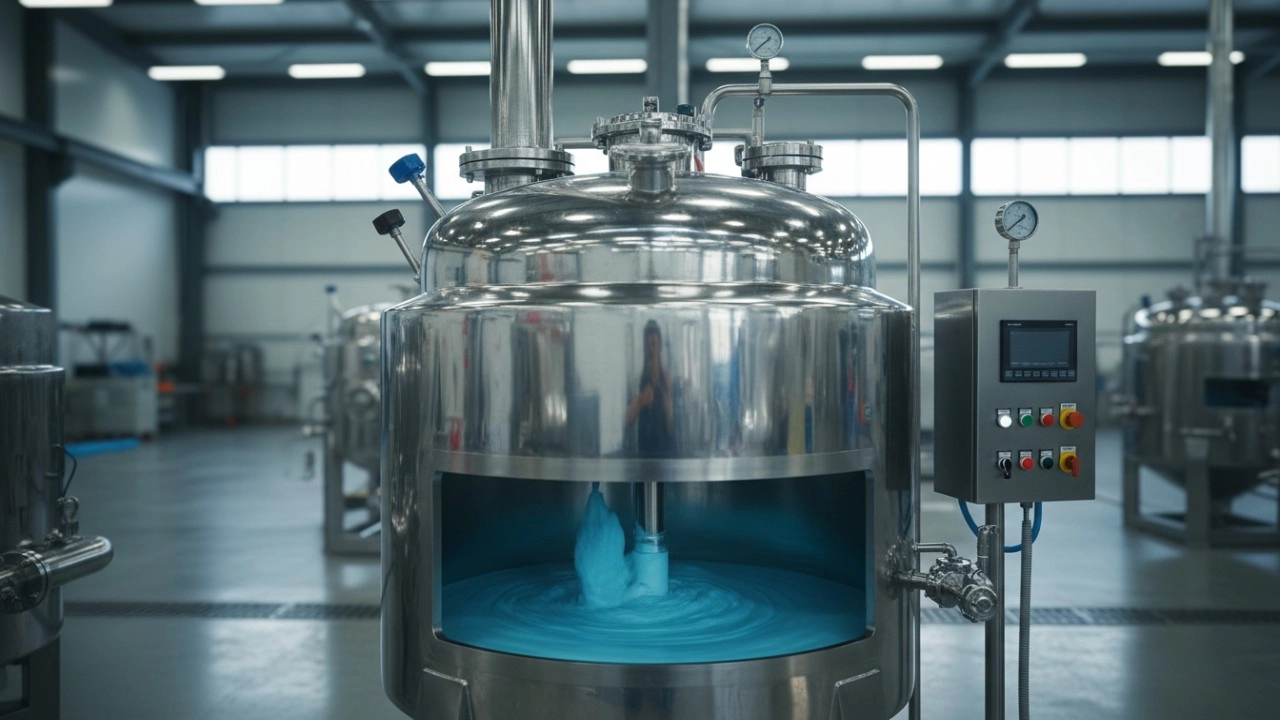
The Future of Industrial Agitation: 5 Smart Mixing Tank Technologies Changing the Game
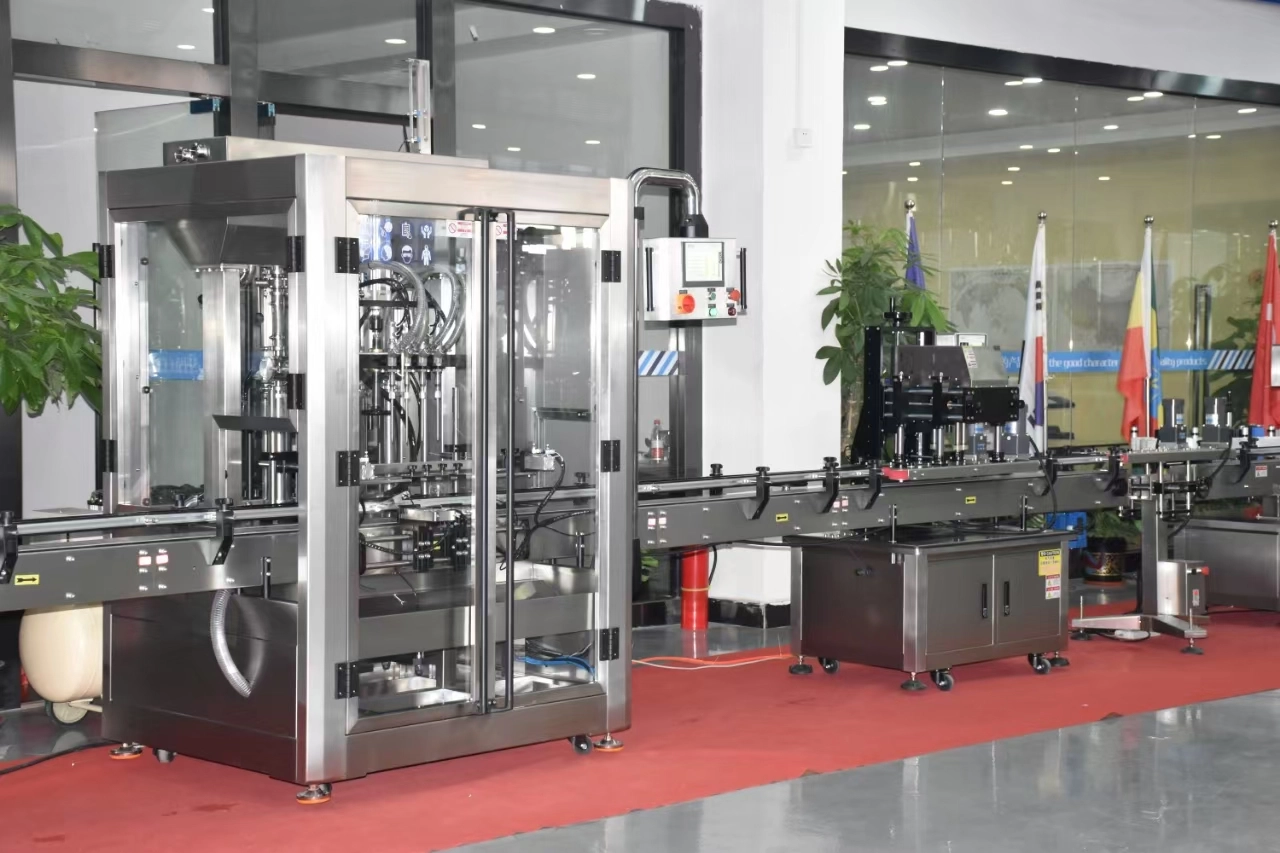
Gear pump filling machine vs. piston filling machine: Key differences broken down to avoid pitfalls in selection.
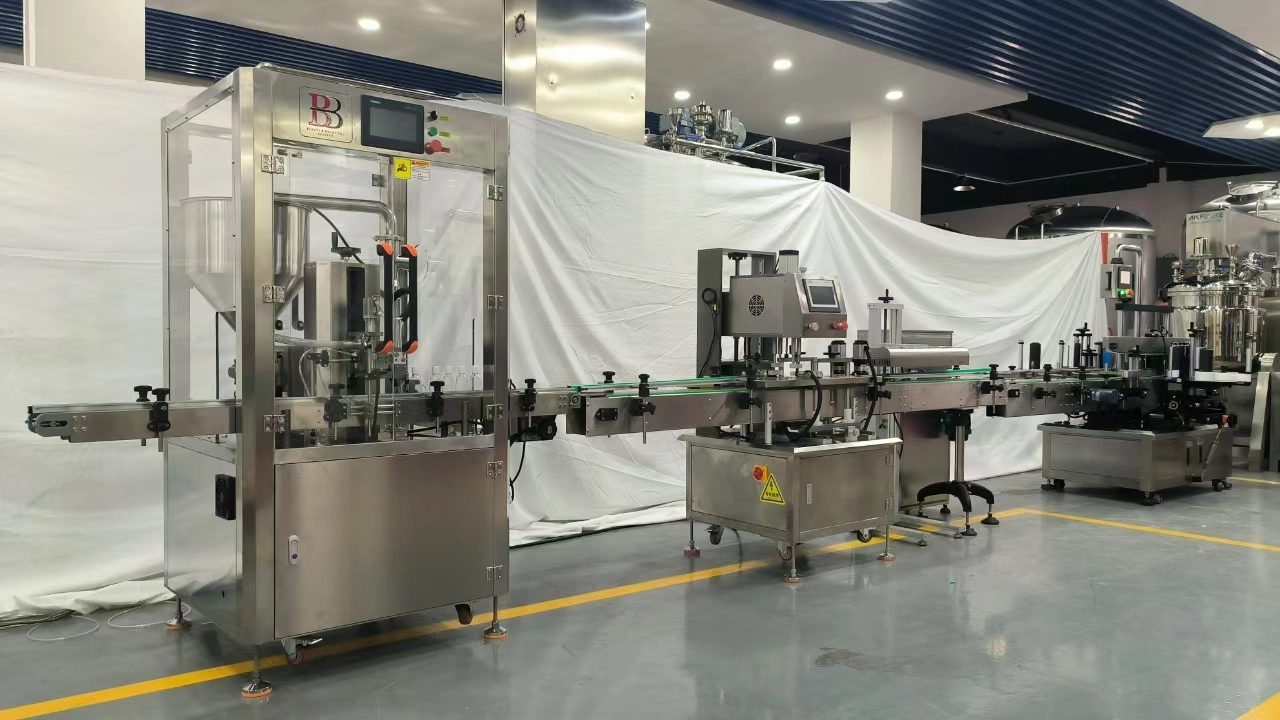
Understand the working principle of a servo gear pump filling machine!
Automatic Labeling Machine
What types of bottles can this automatic labeling machine label?
It can label flat, round, and square bottles on one side, two sides, or even all around.
RO Water Treatment
Can you make a design for us?
Yes, we can, we provide not only products, but also solutions and designs.
Film Packaging Machine
Can you make a design for us?
Yes, we can, we provide not only products, but also solutions and designs.
The Flip Cover Liquid Wash Mixing Homogenizing Tank
Can flip cover homogenizing mixing tank ensure hygienic safety when handling materials such as food and cosmetics?
Material Compliance: The equipment's pot, agitator, homogenizer, and other material-contacting components are all made of 316L stainless steel, which is corrosion-resistant and easy to clean, meeting food-grade and cosmetic-grade hygiene requirements.
Easy Cleaning: The open-top design allows direct access to corners within the pot, allowing for thorough cleaning by hand or with tools.
Operational Specifications: The equipment can be disinfected before use (e.g., hot water for food processing). After use, cleanup any remaining material promptly to avoid cross-contamination.
Vacuum Emulsifying Machine
Can you make a design for us?
Yes, we can, we provide not only products, but also solutions and designs.
Get in touch with FULUKE
If you have any comments or good suggestions, please leave us a message, later our professional staff will contact you as soon as possible.
You May Also Like
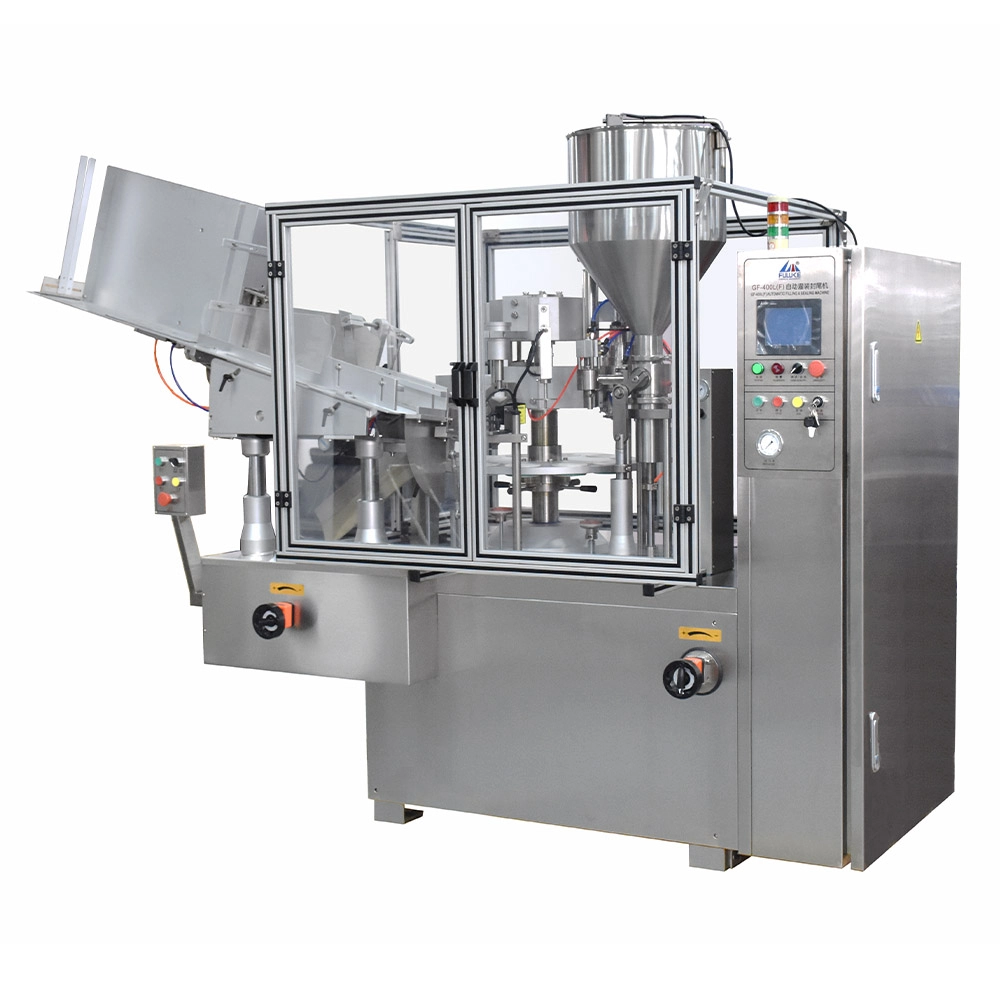
Automatic Tube Filling and Sealing Machine Toothpaste Sunscreen and Facial Cleanser Filling and Sealing Machine for Plastic and Aluminum-plastic Tube
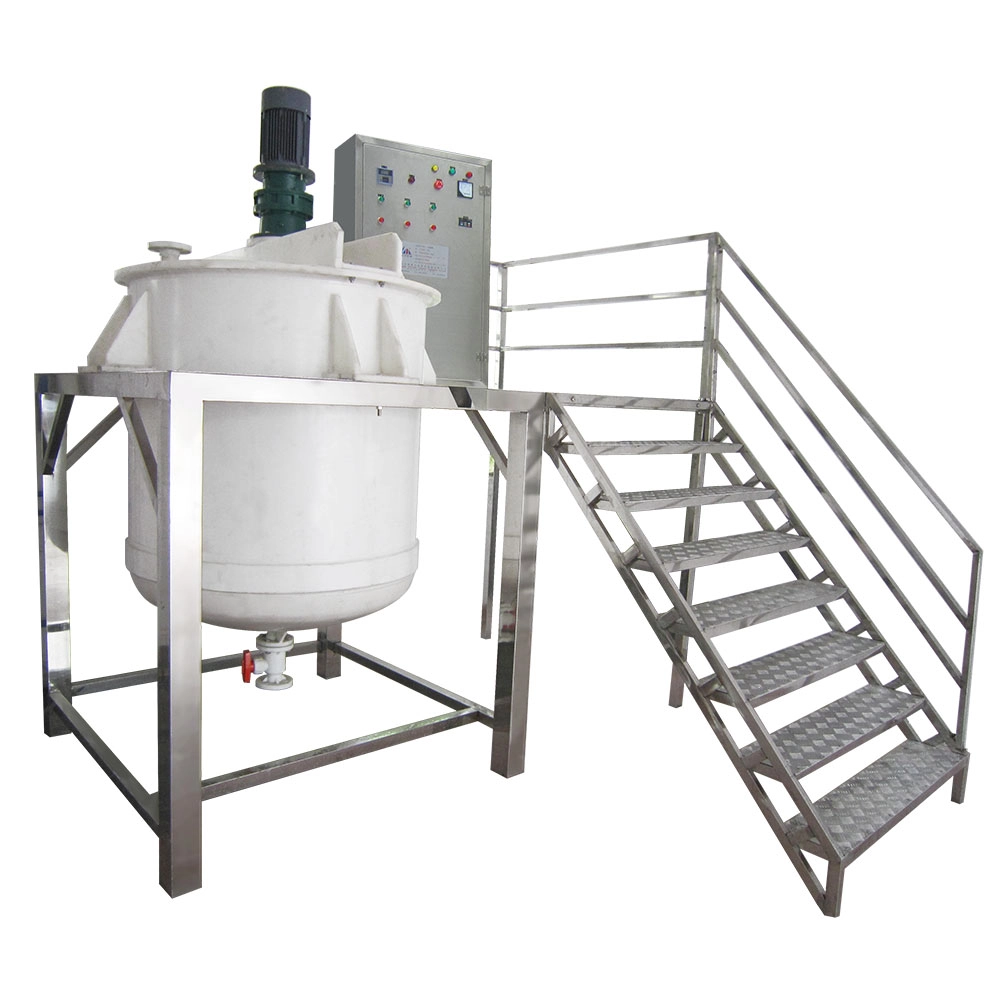
Polypropylene PP Mixing Tank Anti-Corrosion Mixer Reaction Kettle with Agitator Chemical Mixing Vessel
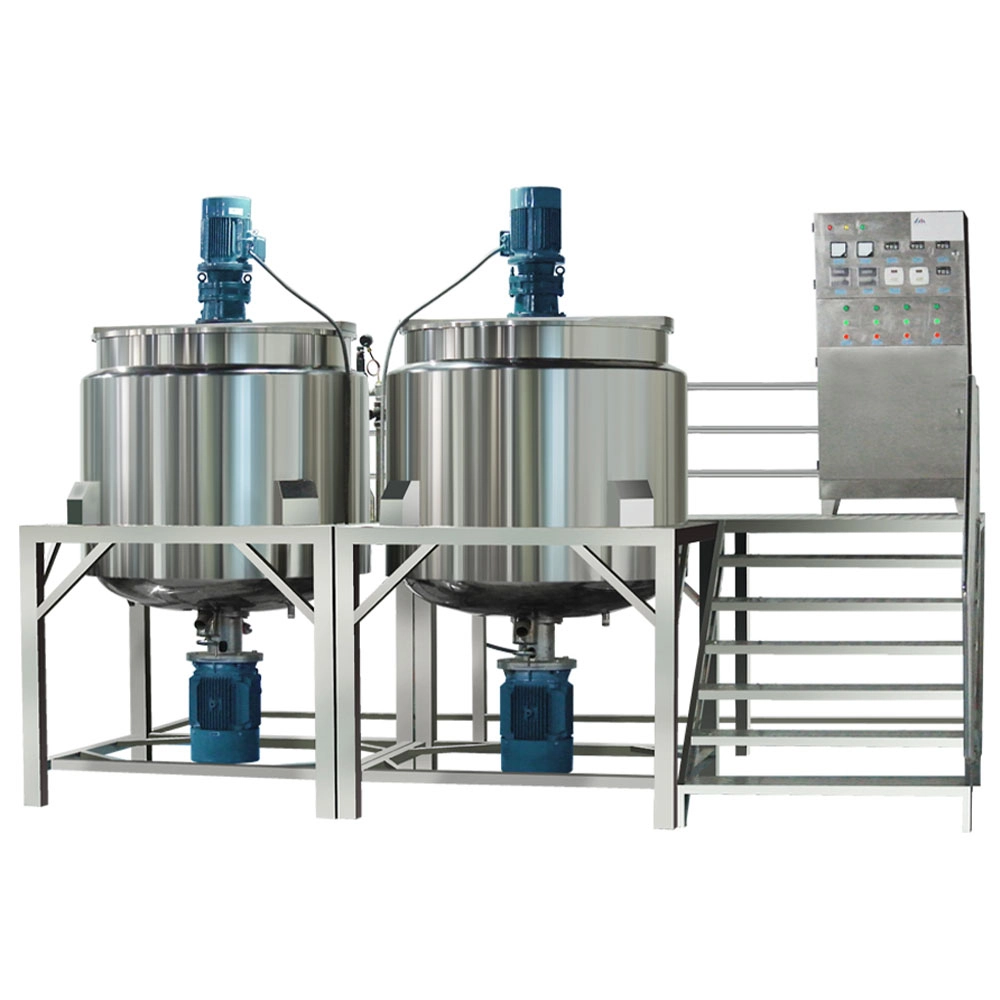
Flip Cover Multi-function Liquid Wash Mixing Tank Blender Liquid Detergent Mixer Homogenization Stirring Tank
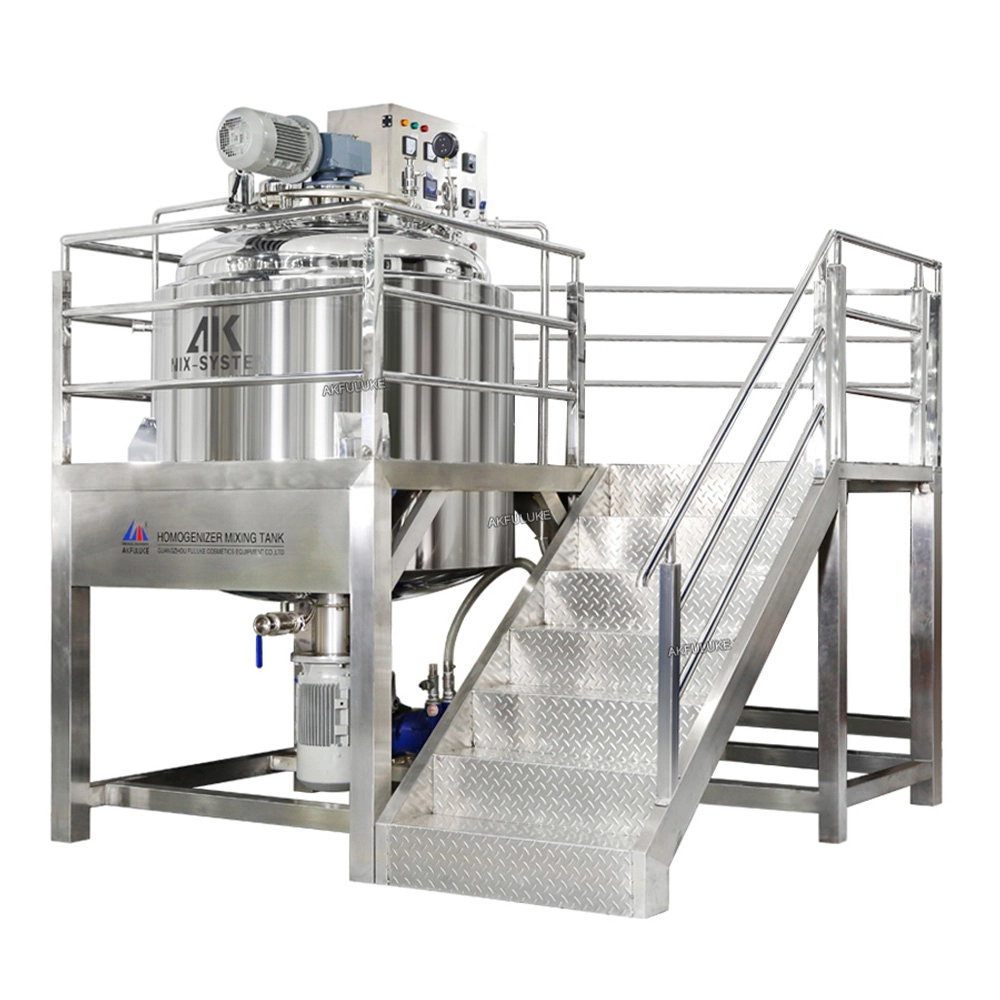
Stainless Steel Mixer Liquid Mixing tank with Agitator Homogenizing Mixing tank Vacuum Sealed Mixer Machine

A leading manufacturer specializing in advanced machinery and complete production lines for the cosmetics, food, pharmaceutical, and chemical industries worldwide.
Contact FULUKE
Facebook
Instagram
YouTube