
What are best practices for agitator shaft sealing?
- Understanding Mixing Tanks with Agitators in the Cosmetic Equipment Industry
- 1. What are the primary functions of mixing tanks with agitators in cosmetic manufacturing?
- 2. How do I select the appropriate mixing tank with an agitator for cosmetic applications?
- 3. What are the common challenges in operating mixing tanks with agitators in cosmetic production?
- 4. How can I optimize the performance of mixing tanks with agitators in cosmetic manufacturing?
- 5. What are the best practices for agitator shaft sealing in cosmetic equipment?
- 6. How can I prevent common mistakes when installing agitator mechanical seals?
- 7. What are the top agitator seal solutions for mixing and blending systems in the cosmetic industry?
- 8. When should I consult a professional for seal replacement in agitator systems?
- Conclusion: FULUKE's Advantages in Mixing Tanks and Agitator Shaft Sealing
Understanding Mixing Tanks with Agitators in the Cosmetic Equipment Industry
1. What are the primary functions of mixing tanks with agitators in cosmetic manufacturing?
Mixing tanks equipped with agitators are essential in cosmetic manufacturing for uniformly blending ingredients, ensuring consistent product quality, and achieving desired textures and viscosities. They facilitate the incorporation of various components, including emulsions, suspensions, and solutions, which are common in cosmetic formulations.
2. How do I select the appropriate mixing tank with an agitator for cosmetic applications?
When choosing a mixing tank with an agitator for cosmetic applications, consider the following factors:
Material Compatibility: Ensure the tank and agitator materials are compatible with the cosmetic ingredients to prevent reactions or contamination.
Capacity Requirements: Determine the required volume based on production needs, allowing for scalability.
Agitation Type: Select an agitator type (e.g., anchor, turbine, or propeller) that suits the viscosity and shear requirements of the cosmetic products.
Sanitary Design: Opt for designs that facilitate easy cleaning and comply with hygiene standards to prevent cross-contamination.
Regulatory Compliance: Verify that the equipment meets industry regulations and standards pertinent to cosmetic manufacturing.
3. What are the common challenges in operating mixing tanks with agitators in cosmetic production?
Common challenges include:
Ingredient Separation: Inadequate mixing can lead to phase separation, affecting product consistency.
Heat Generation: Agitation can generate heat, potentially altering the properties of heat-sensitive ingredients.
Foaming: Over-agitation may cause excessive foaming, impacting product appearance and stability.
Contamination Risks: Improper cleaning can result in cross-contamination between batches.
4. How can I optimize the performance of mixing tanks with agitators in cosmetic manufacturing?
To optimize performance:
Regular Maintenance: Implement a routine maintenance schedule to ensure equipment reliability.
Process Monitoring: Continuously monitor parameters like temperature, viscosity, and agitation speed to maintain optimal conditions.
Operator Training: Provide comprehensive training to operators on equipment handling and troubleshooting.
Quality Control: Establish stringent quality control measures to detect and address issues promptly.
5. What are the best practices for agitator shaft sealing in cosmetic equipment?
Agitator shaft seals are crucial for preventing leaks and maintaining product integrity. Best practices include:
Selecting the Right Seal Type: Choose a seal compatible with the operating conditions and the nature of the cosmetic products. Common seal types include mechanical seals, lip seals, packing seals, and magnetic seals.
Material Selection: Opt for materials that offer chemical resistance, durability, and compatibility with cosmetic ingredients. Materials such as PTFE, carbon, elastomers (e.g., nitrile, Viton, EPDM), and graphite are commonly used.
Proper Installation: Follow manufacturer guidelines meticulously to ensure correct installation, preventing misalignment and premature wear.
Regular Maintenance and Monitoring: Establish a maintenance schedule that includes routine inspections, lubrication, and prompt replacement of worn seals to prevent leaks and equipment downtime.
Addressing Seal Wear Promptly: Monitor for signs of seal degradation, such as leaks or unusual vibrations, and replace seals as needed to maintain operational efficiency.
6. How can I prevent common mistakes when installing agitator mechanical seals?
To avoid common installation errors:
Inspect Components: Examine all parts for damage or defects before installation.
Follow Manufacturer Guidelines: Adhere strictly to installation instructions provided by the seal manufacturer.
Ensure Proper Alignment: Align the seal components accurately to prevent misalignment-induced failures.
Lubricate and Clean Surfaces: Properly lubricate and clean sealing surfaces to reduce friction and prevent contamination.
7. What are the top agitator seal solutions for mixing and blending systems in the cosmetic industry?
Top agitator seal solutions include:
Mechanical Seals: Provide high-precision and lasting durability, effectively preventing leaks in various applications.
Lip Seals (Elastomer Seals): Cost-effective and easy to install, suitable for applications with less demanding sealing requirements.
Packing Seals (Gland Seals): Simple and easy to maintain, handling a wide range of substances, including thick slurries or viscous liquids.
Magnetic Seals: Very low maintenance and extended lifespan, suitable for handling aggressive chemicals or materials that could damage traditional seals.
Double Mechanical Seals: Provide double protection against leakage, ideal for highly hazardous or toxic materials.
8. When should I consult a professional for seal replacement in agitator systems?
Consult a professional when:
Persistent Issues: Seal problems recur despite following maintenance protocols.
Complex Systems: The agitator system is complex, requiring specialized knowledge for effective seal replacement.
Operational Downtime: Minimizing downtime is critical, and professional assistance can expedite the process.
Safety Concerns: Handling hazardous materials or operating in sensitive environments necessitates expert intervention.
Conclusion: FULUKE's Advantages in Mixing Tanks and Agitator Shaft Sealing
FULUKE offers comprehensive solutions for mixing tanks with agitators and agitator shaft sealing systems, tailored to the cosmetic equipment industry. Their advantages include:
Expertise: In-depth knowledge of cosmetic manufacturing requirements.
Quality Products: High-quality materials and designs ensuring durability and performance.
Customization: Ability to tailor solutions to specific operational needs.
Support: Ongoing maintenance and support services to ensure optimal equipment performance.
By partnering with FULUKE, cosmetic manufacturers can enhance operational efficiency, product quality, and compliance with industry standards.
References:
(https://www.veritoengineering.com/blogs/agitator-shaft-sealing-systems/)
(https://www.hq-seal.com/blog/how-to-maintain-and-care-for-agitator-seals)
(https://www.hq-seal.com/blog/choosing-the-right-agitator-seal-for-high-viscosity-mixing)
(https://www.hq-seal.com/how-to-avoid-common-mistakes-when-installing-agitator-mechanical-seals-)
(https://www.hq-seal.com/top-5-agitator-seal-solutions-for-mixing-and-blending-systems-)
(https://www.szgao-dao.com/blog/how-to-choose-the-right-shaft-seal-for-an-agitator-122622.html)

Understanding Servo Capping Machines: The Core Logic of Precise Capping – Understand the Entire Working Process in Seconds
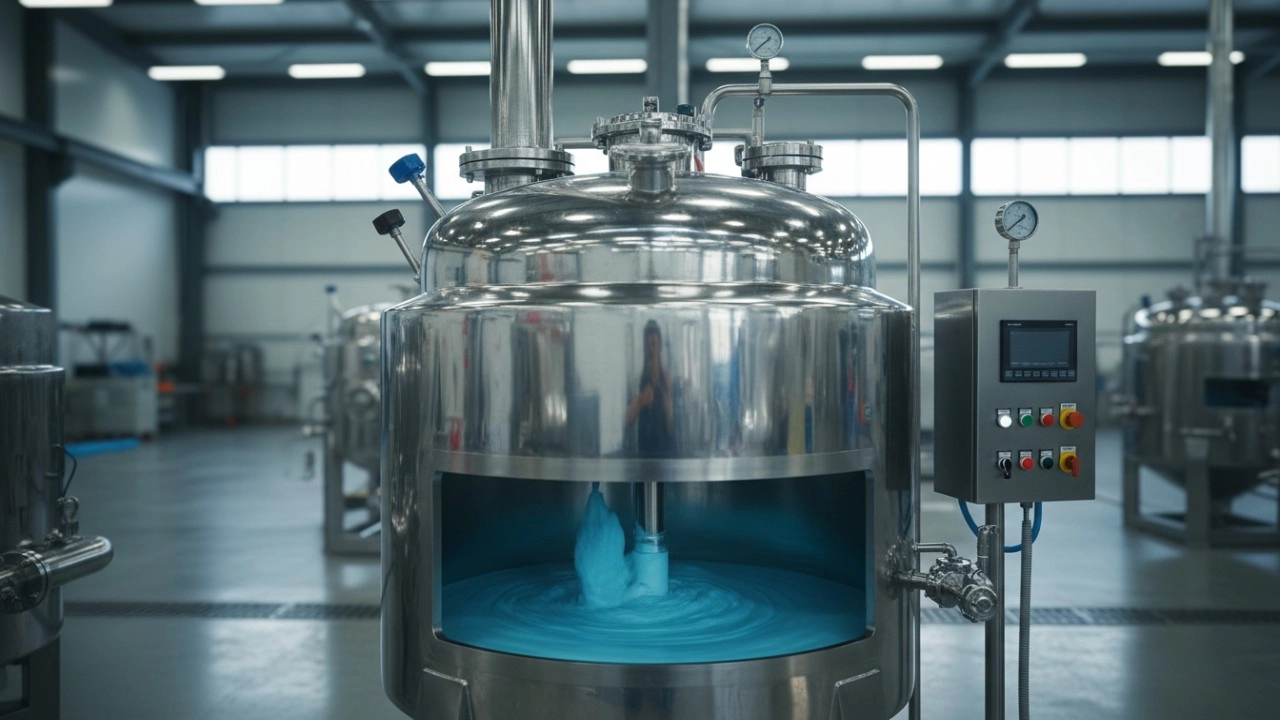
The Future of Industrial Agitation: 5 Smart Mixing Tank Technologies Changing the Game
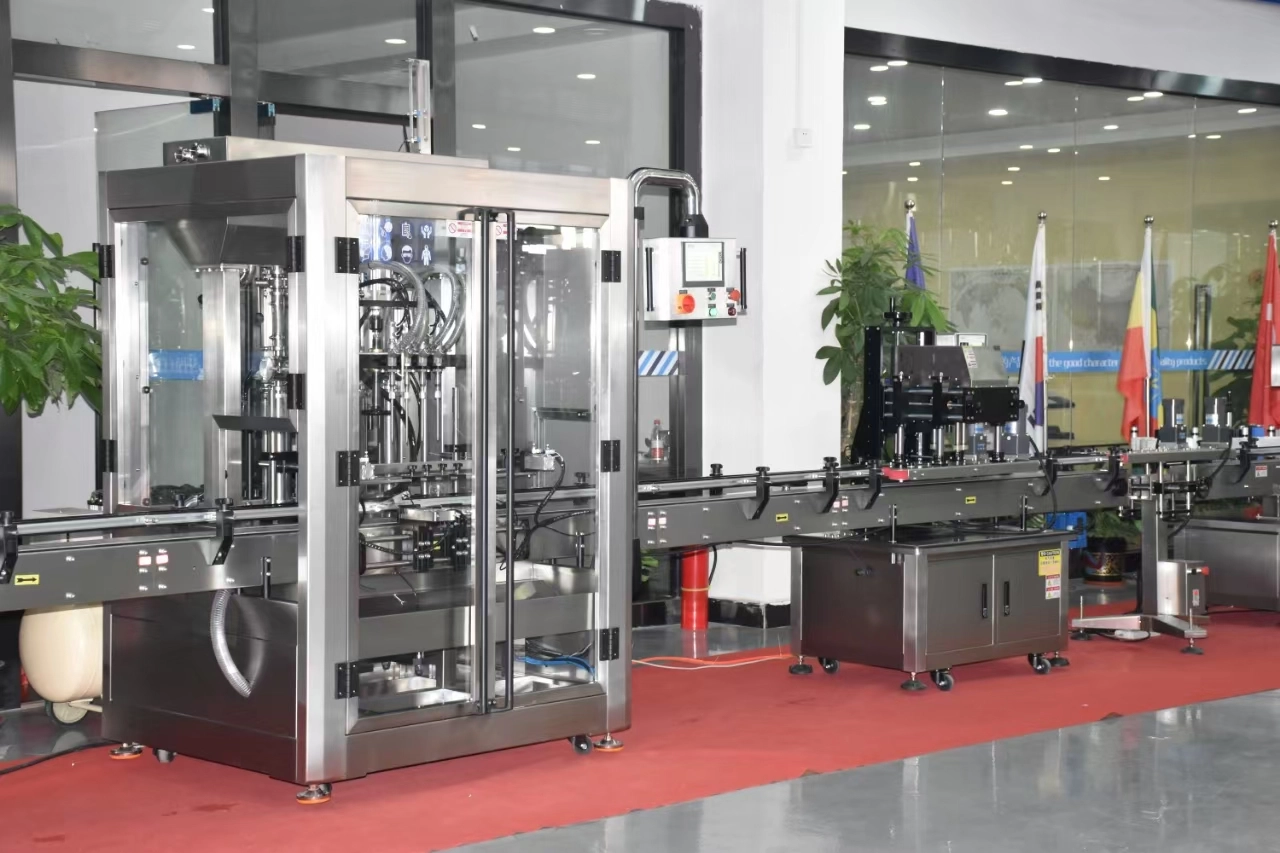
Gear pump filling machine vs. piston filling machine: Key differences broken down to avoid pitfalls in selection.
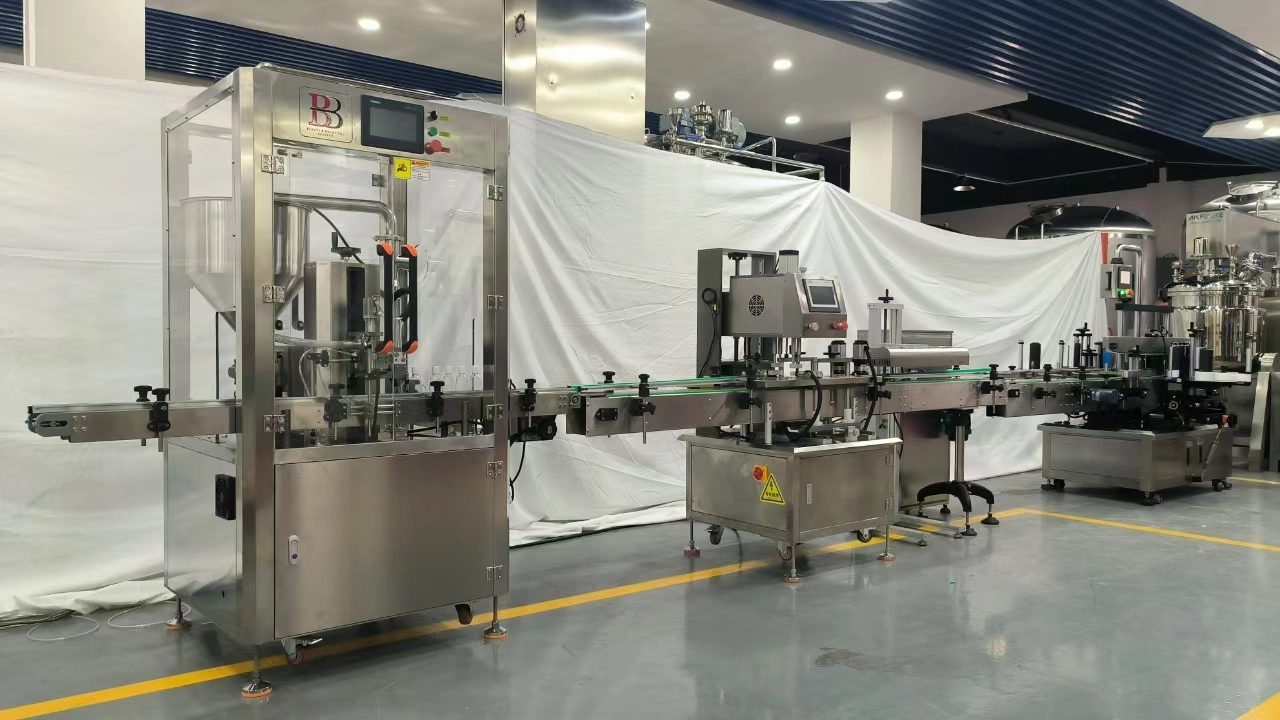
Understand the working principle of a servo gear pump filling machine!
Sealed Homogenizing Mixing Tank
Who are we?
Our headquarters is located in Guangzhou, Guangdong, China, and our factory is located in Yangzhou, Jiangsu. Our products are sold all over the world. We have approximately 50 employees in our company and factory.
Storage Tank
How can I extend the life of my storage tank?
Avoid storing media that are incompatible with the material to prevent corrosion.
Perform maintenance according to specifications and promptly repair damaged anti-corrosion coatings or seals.
When the tank is idle for an extended period, empty the media and protect it from moisture and dust.
FAQs
What sets FULUKE apart from other cosmetics machinery manufacturers?
The Flip Cover Liquid Wash Mixing Homogenizing Tank
Can you make a design for us?
Yes, we can, we provide not only products, but also solutions and designs.
Polypropylene PP Mixing Tank
Who are we?
Our headquarters is located in Guangzhou, Guangdong, China, and our factory is located in Yangzhou, Jiangsu. Our products are sold all over the world. We have approximately 50 employees in our company and factory.
Get in touch with FULUKE
If you have any comments or good suggestions, please leave us a message, later our professional staff will contact you as soon as possible.
You May Also Like
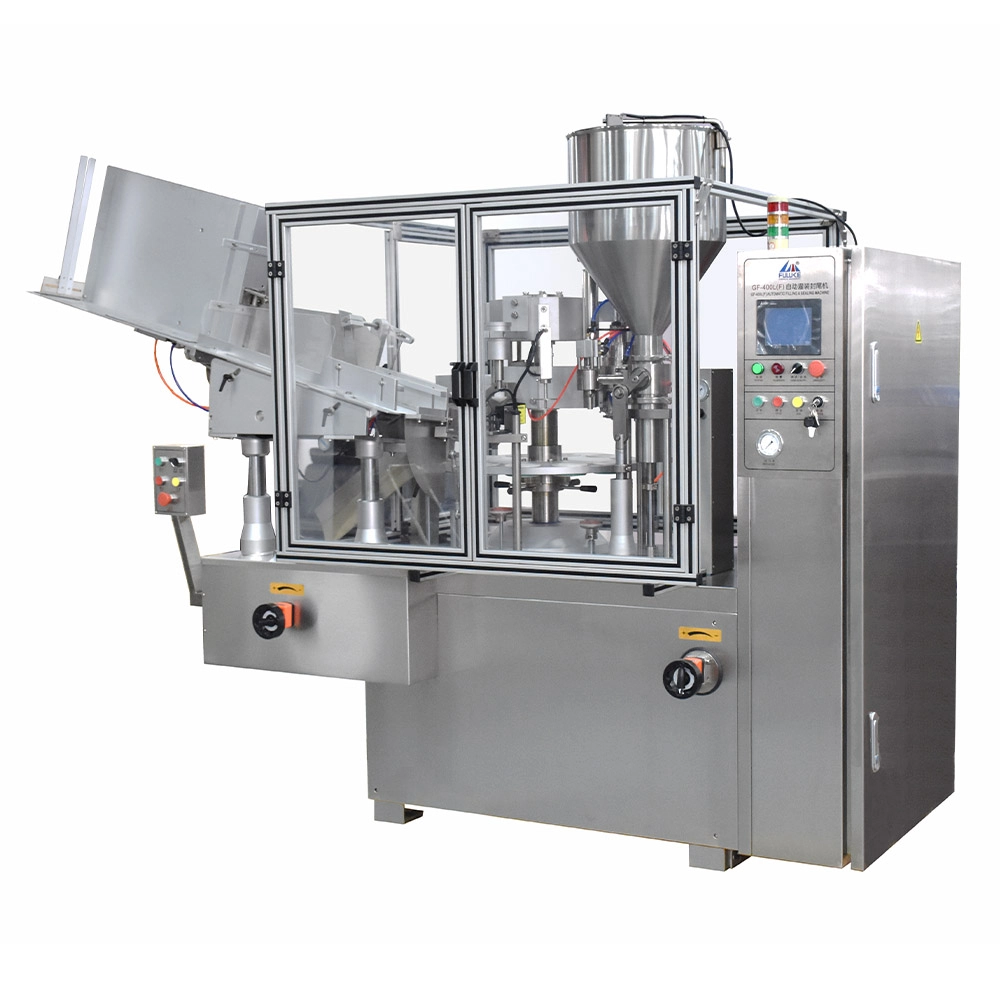
Automatic Tube Filling and Sealing Machine Toothpaste Sunscreen and Facial Cleanser Filling and Sealing Machine for Plastic and Aluminum-plastic Tube
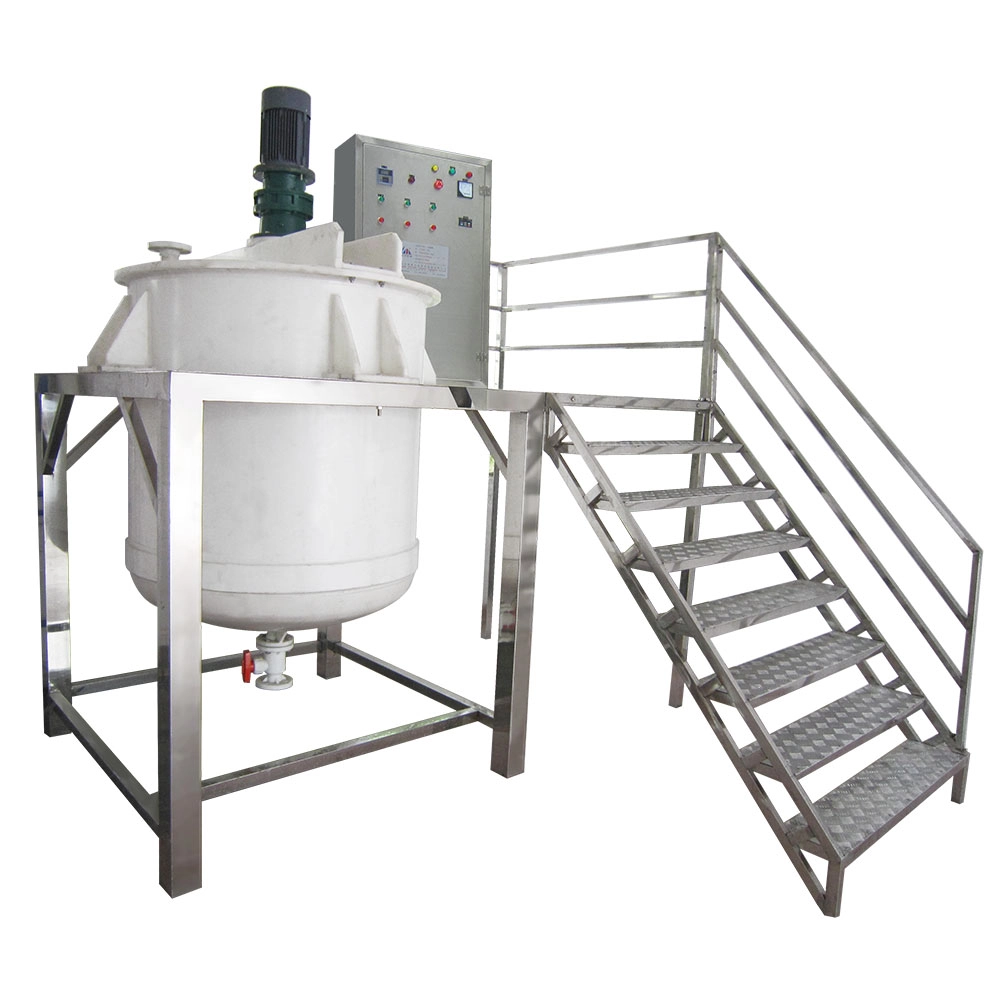
Polypropylene PP Mixing Tank Anti-Corrosion Mixer Reaction Kettle with Agitator Chemical Mixing Vessel
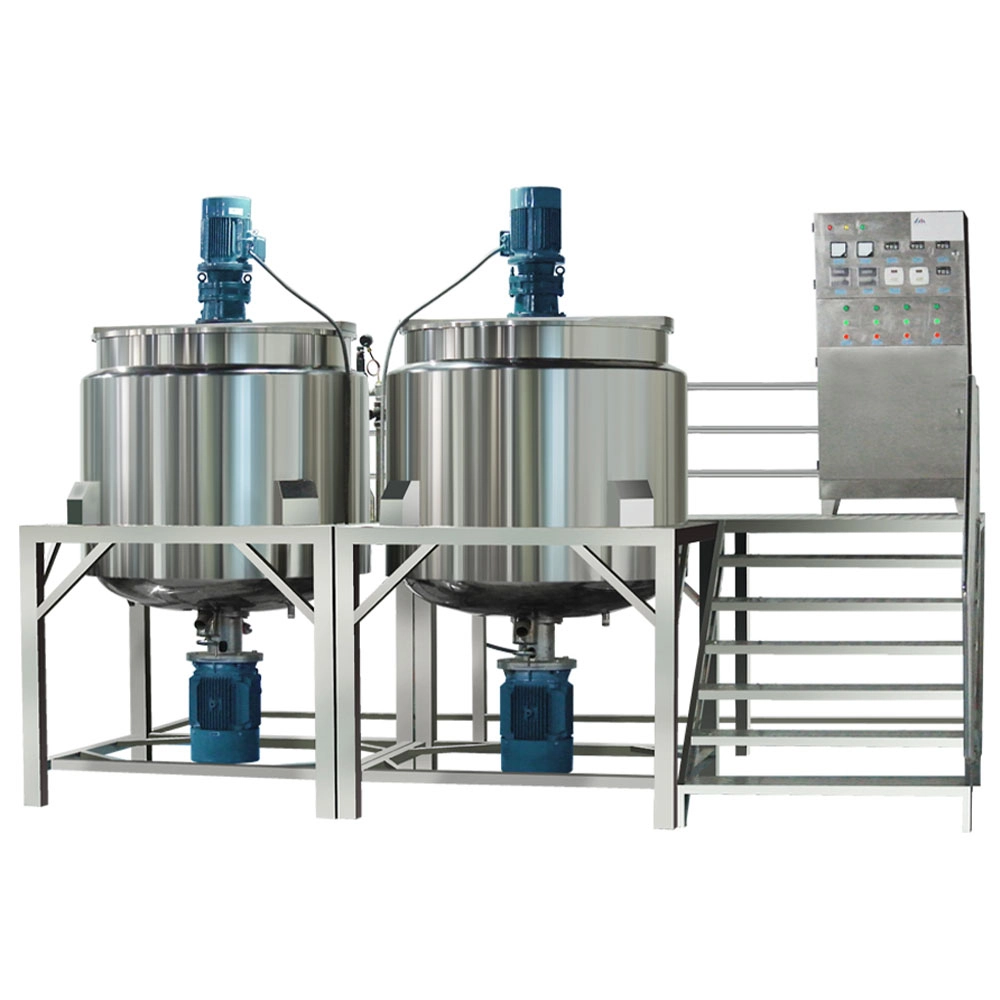
Flip Cover Multi-function Liquid Wash Mixing Tank Blender Liquid Detergent Mixer Homogenization Stirring Tank
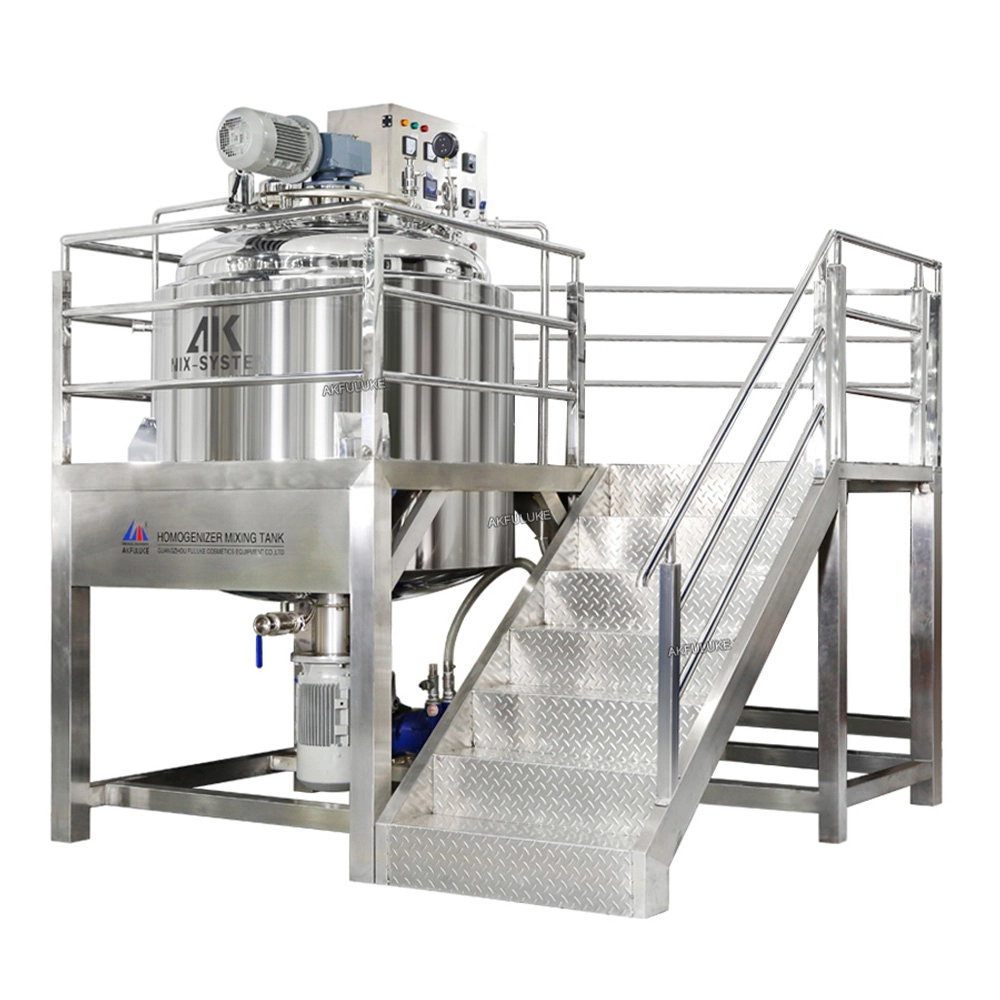
Stainless Steel Mixer Liquid Mixing tank with Agitator Homogenizing Mixing tank Vacuum Sealed Mixer Machine

A leading manufacturer specializing in advanced machinery and complete production lines for the cosmetics, food, pharmaceutical, and chemical industries worldwide.
Contact FULUKE
Facebook
Instagram
YouTube