
What training should staff receive for tank operation?
- Understanding Mixing Tanks with Agitators in the Cosmetic Equipment Industry
- 1. What are mixing tanks with agitators, and why are they crucial in cosmetic manufacturing?
- 2. What factors should be considered when selecting a mixing tank with an agitator?
- 3. How do mixing tanks with agitators contribute to product quality in cosmetics?
- 4. What are the maintenance requirements for mixing tanks with agitators?
- 5. What are the training requirements for staff operating mixing tanks with agitators?
- 6. How can staff be effectively trained to operate mixing tanks with agitators?
- 7. What are the potential risks associated with operating mixing tanks with agitators, and how can they be mitigated?
- 8. How does staff training impact the efficiency and safety of mixing tank operations?
- Conclusion: FULUKE's Commitment to Quality and Safety in Cosmetic Equipment
- References:
Understanding Mixing Tanks with Agitators in the Cosmetic Equipment Industry
1. What are mixing tanks with agitators, and why are they crucial in cosmetic manufacturing?
Mixing tanks with agitators are specialized vessels designed to blend various cosmetic ingredients uniformly. The agitator ensures consistent mixing, which is vital for product quality and stability. In the cosmetic industry, these tanks are essential for creating emulsions, suspensions, and other formulations that require precise ingredient integration.
2. What factors should be considered when selecting a mixing tank with an agitator?
When choosing a mixing tank, consider the following factors:
Material Compatibility: Ensure the tank and agitator materials are compatible with the cosmetic ingredients to prevent reactions or contamination.
Capacity Requirements: Select a tank size that aligns with your production needs to optimize efficiency.
Agitator Design: Choose an agitator type (e.g., anchor, turbine, or propeller) based on the desired mixing action and viscosity of the product.
Hygienic Design: Opt for tanks with smooth surfaces and easy-to-clean designs to meet hygiene standards.
Compliance with Standards: Verify that the equipment adheres to industry standards and regulations, such as Good Manufacturing Practices (GMP).
3. How do mixing tanks with agitators contribute to product quality in cosmetics?
These tanks ensure uniform distribution of ingredients, which is crucial for product consistency, efficacy, and safety. Proper mixing prevents issues like separation, clumping, or uneven texture, leading to higher-quality cosmetic products.
4. What are the maintenance requirements for mixing tanks with agitators?
Regular maintenance includes:
Routine Inspections: Check for signs of wear, corrosion, or damage.
Cleaning Protocols: Implement cleaning procedures to prevent contamination and maintain hygiene.
Lubrication: Ensure moving parts are adequately lubricated to reduce friction and wear.
Component Replacement: Replace worn or damaged parts promptly to maintain optimal performance.
5. What are the training requirements for staff operating mixing tanks with agitators?
Staff should receive comprehensive training covering:
Operational Procedures: Understanding the correct setup, operation, and shutdown processes.
Safety Protocols: Knowledge of emergency response, hazard identification, and the use of personal protective equipment.
Maintenance Practices: Training on routine inspections, cleaning, and maintenance tasks.
Regulatory Compliance: Familiarity with industry standards and regulations to ensure compliance.
6. How can staff be effectively trained to operate mixing tanks with agitators?
Effective training involves:
Theoretical Instruction: Providing knowledge about equipment functions, safety measures, and operational procedures.
Hands-On Training: Allowing staff to practice operating the equipment under supervision to build confidence and competence.
Ongoing Education: Offering refresher courses and updates on new technologies or procedures to keep skills current.
7. What are the potential risks associated with operating mixing tanks with agitators, and how can they be mitigated?
Potential risks include:
Mechanical Failures: Regular maintenance and prompt repairs can prevent breakdowns.
Chemical Exposure: Proper training and the use of personal protective equipment can minimize exposure risks.
Contamination: Adhering to strict cleaning protocols and hygiene standards reduces contamination chances.
8. How does staff training impact the efficiency and safety of mixing tank operations?
Well-trained staff can operate equipment more efficiently, leading to higher productivity and reduced downtime. They are also better equipped to handle emergencies, ensuring a safer working environment and compliance with safety regulations.
Conclusion: FULUKE's Commitment to Quality and Safety in Cosmetic Equipment
FULUKE stands out in the cosmetic equipment industry by offering high-quality mixing tanks with agitators designed for optimal performance and safety. Our equipment adheres to stringent industry standards, and we provide comprehensive training programs to ensure your staff operates the machinery effectively and safely. Partnering with FULUKE means investing in reliable equipment and a commitment to excellence in your manufacturing processes.
References:
Yuxiang. (2024). Best Practices for Operating and Training Staff on Cosmetic Packaging Machines. Retrieved from (https://www.yuxiangmachinery.com/article/detail/best-practices-for-operating-and-training-staff-on-cosmetic-packaging-machines.html)
Accio. (2024). Cosmetics Tank Cleaning: Best Equipment & Methods. Retrieved from (https://www.accio.com/plp/cosmetics-tank-cleaning)
Occupational Safety and Health Administration. (2024). Major Work Activities for Tank Cleaning Operations. Retrieved from (https://www.osha.gov/storage-tanks/work-activities)
Occupational Safety and Health Administration. (2024). Dipping And Coating Operations (Dip Tanks). Retrieved from (https://www.osha.gov/laws-regs/federalregister/1998-04-07)
U.S. Environmental Protection Agency. (2024). Operator Training - Minimum Training Requirements and Training Options. Retrieved from (https://www.epa.gov/ust/operator-training-minimum-training-requirements-and-training-options)
PETC. (2024). Competency Development & Professional Technical Training. Retrieved from (https://petc.us/training-course-details/4311)
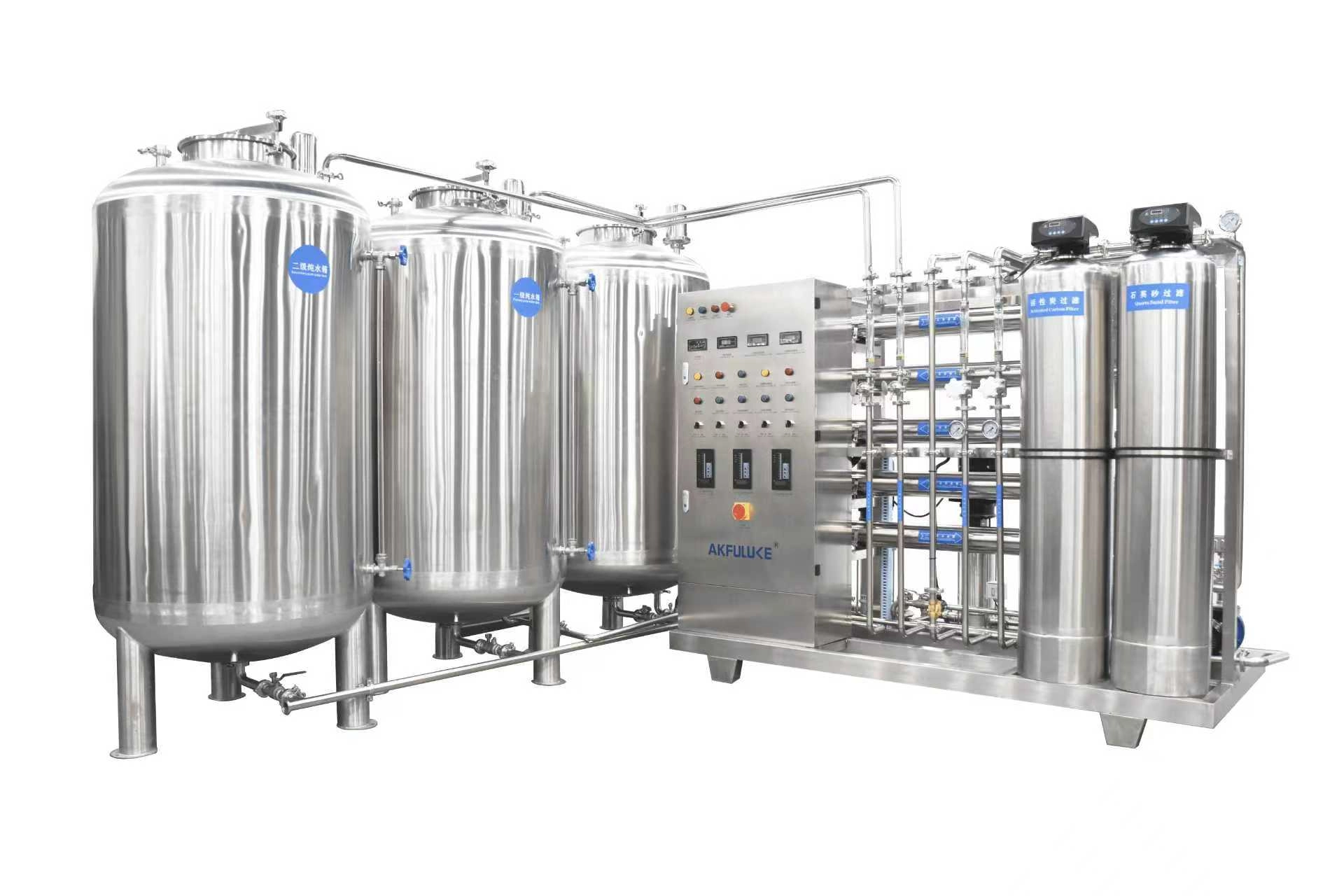
RO water treatment: From equipment to treated water, building a robust defense line for safe and compliant drinking water.
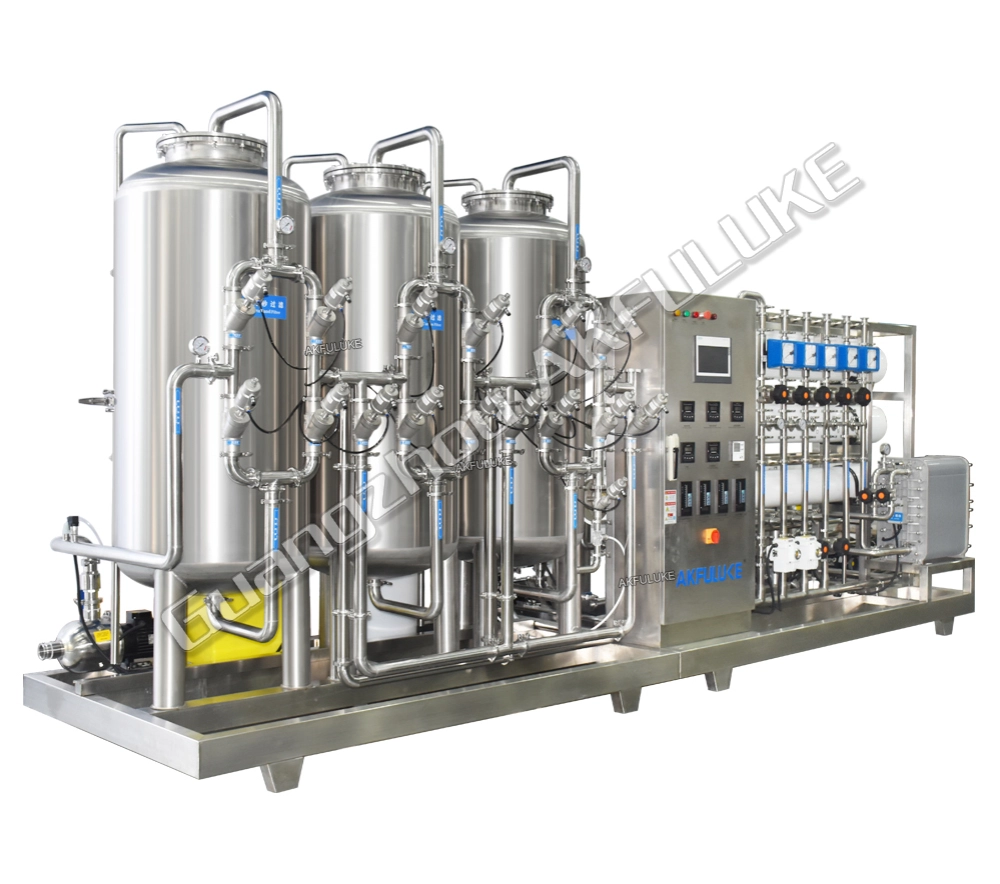
FULUKE reverse osmosis equipment empowers the pharmaceutical and cosmetics industries to achieve compliant production.
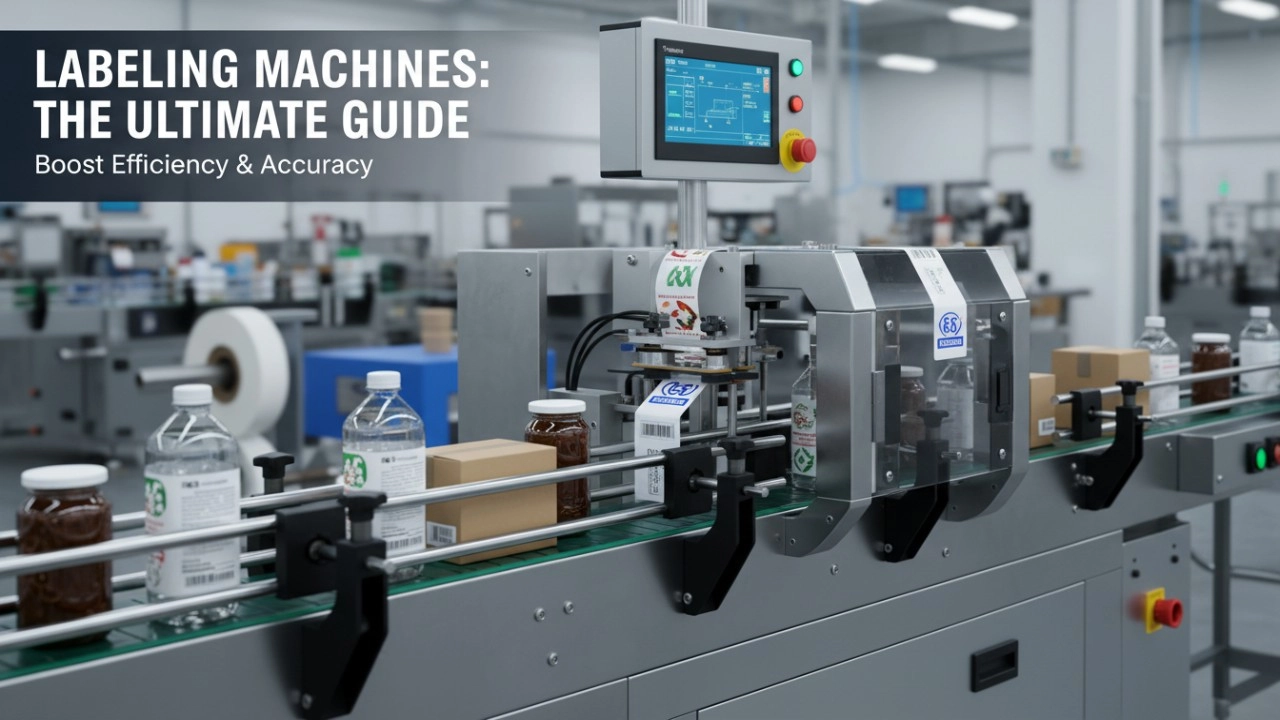
The Ultimate Guide to Labeling Machines 2026: A Critical Component in Modern Packaging Operations
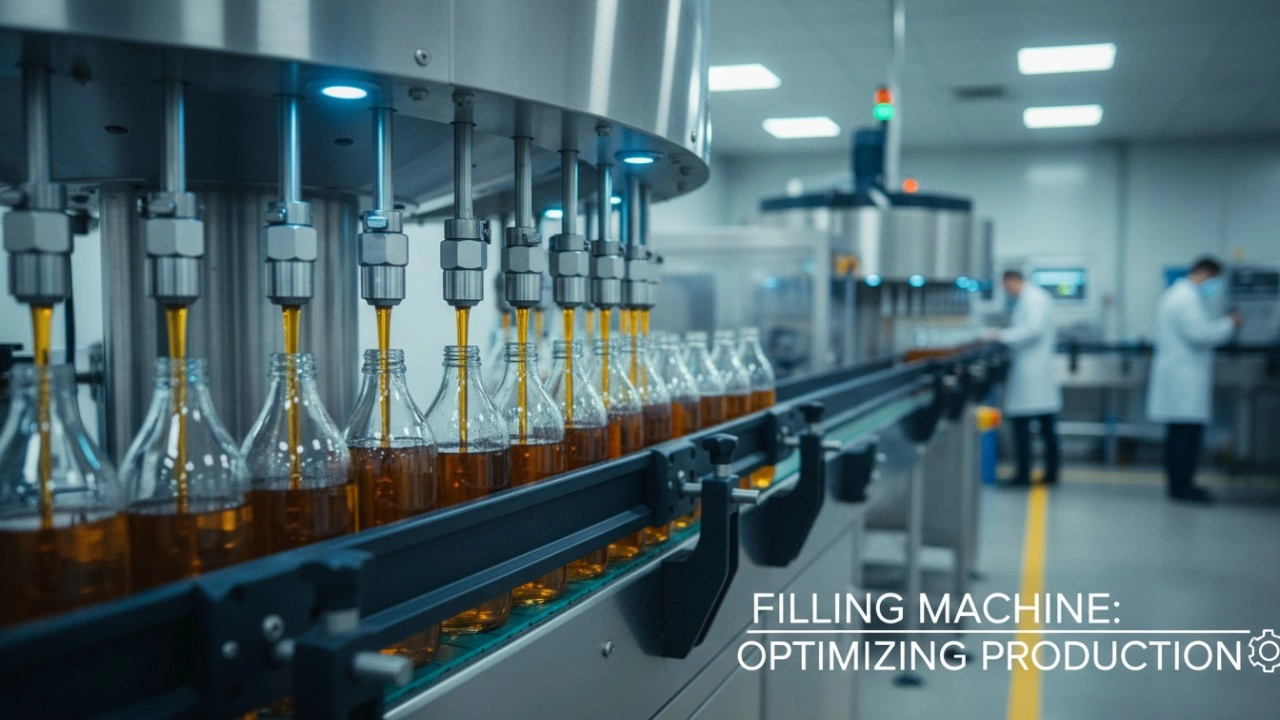
Top 15 Global Filling Machine Manufacturers: The Definitive Ranking for 2026
Automatic Labeling Machine
Can you make a design for us?
Yes, we can, we provide not only products, but also solutions and designs.
What can you buy from us?
RO Water Treatment、Vacuum Emulsifying Machine、Homogenizer Mixing Tank、Filling and Capping、labeling Machine、Packing Machine、Storage Tank,etc.
Film Packaging Machine
Who are we?
Our headquarters is located in Guangzhou, Guangdong, China, and our factory is located in Yangzhou, Jiangsu. Our products are sold all over the world. We have approximately 50 employees in our company and factory.
Automatic Facial Mask Filling Machine
Can you make a design for us?
Yes, we can, we provide not only products, but also solutions and designs.
Sealed Homogenizing Mixing Tank
Can you customize the machine?
Of course, we provide customized services according to customer needs.
Get in touch with FULUKE
If you have any comments or good suggestions, please leave us a message, later our professional staff will contact you as soon as possible.
You May Also Like
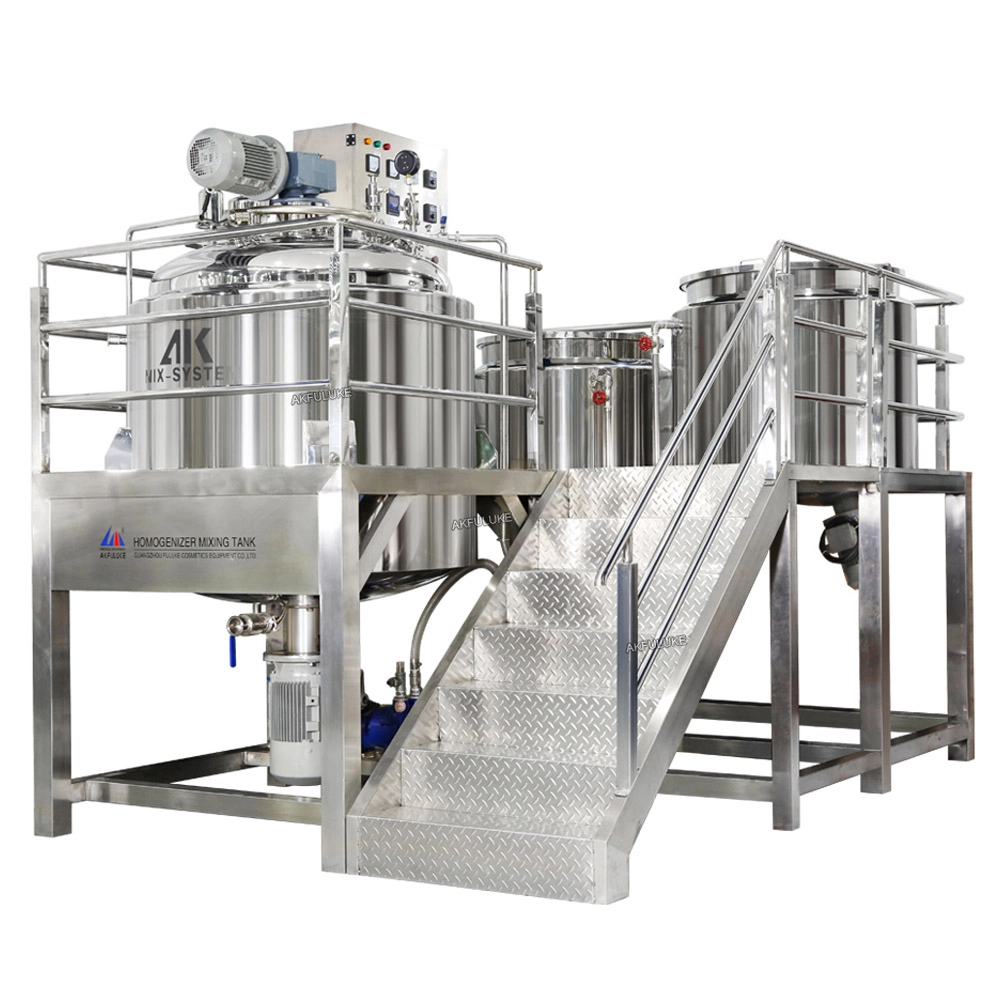
Fixed Type Vacuum Mixing Emulsifying Equipment for Cosmetic Cream Ointment Lotion Vacuum Homogenizer Mixer
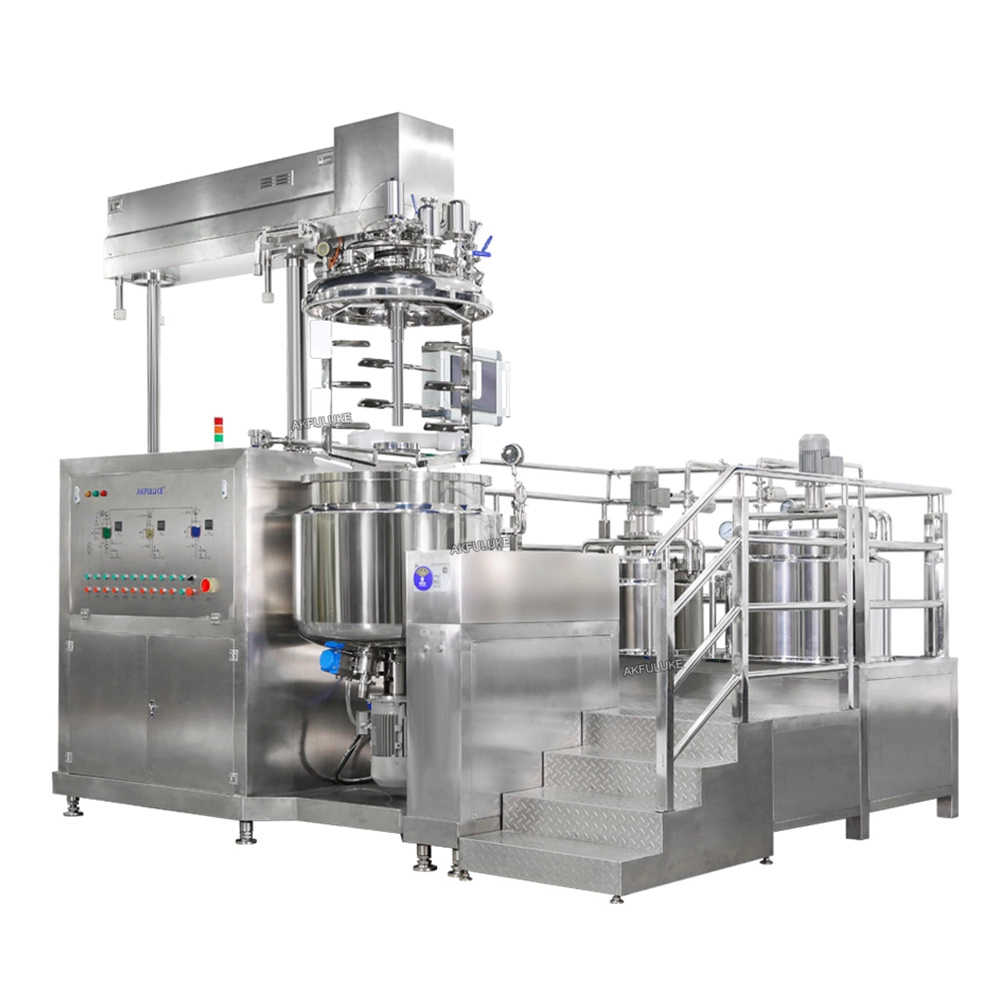
Hydraulic lift Cosmetic Vacuum Homogenizer Emulsifying Mixer for Making Cream and Lotion Mayonnaise Mixing Machine
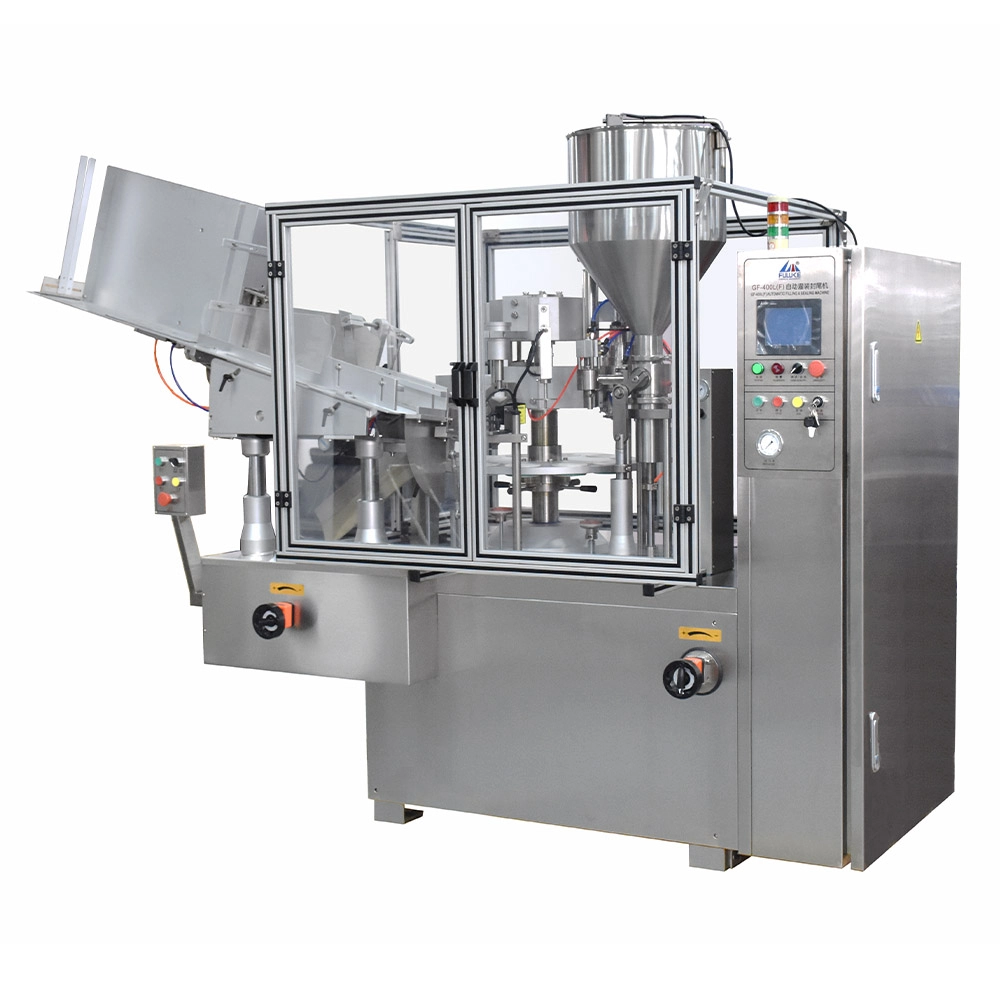
Automatic Tube Filling and Sealing Machine Toothpaste Sunscreen and Facial Cleanser Filling and Sealing Machine for Plastic and Aluminum-plastic Tube
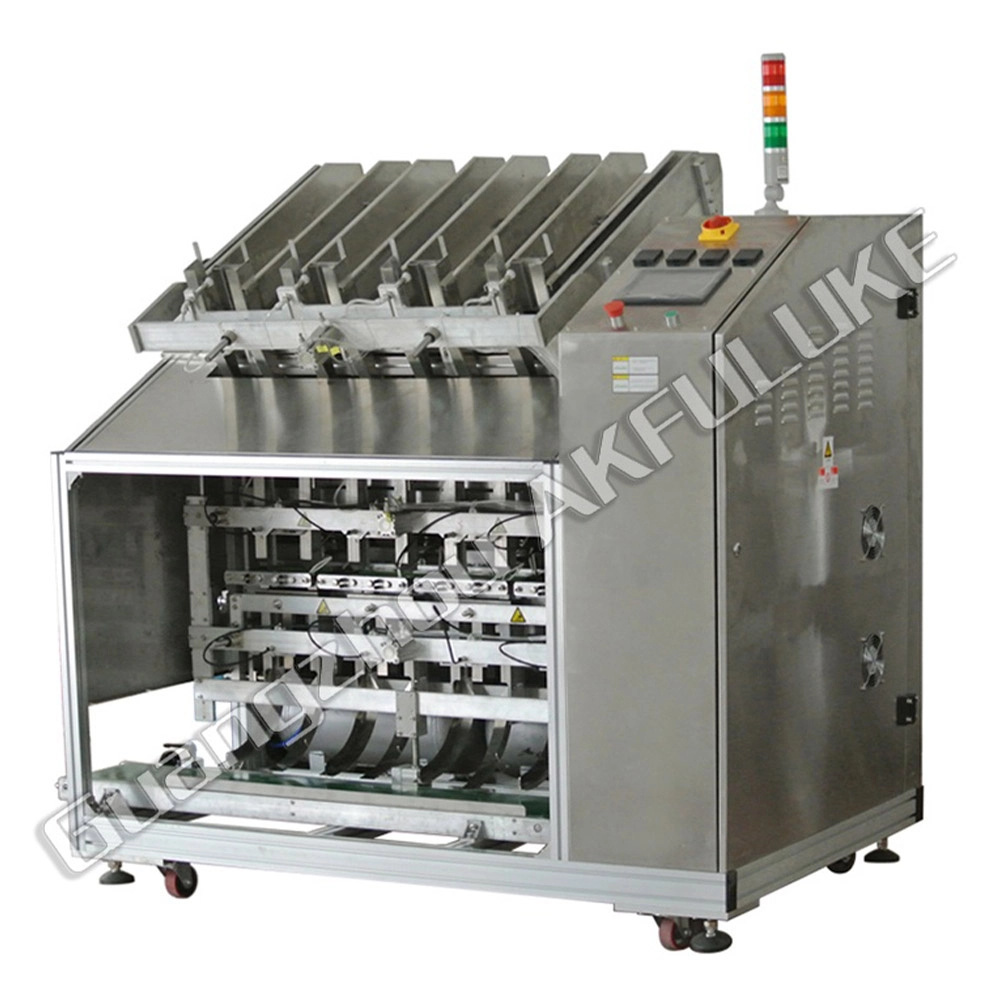
Effective Automatic Facial Mask Filling Machine 2/6/8 Heads Facial Mask Filling and Sealing Machine

A leading manufacturer specializing in advanced machinery and complete production lines for the cosmetics, food, pharmaceutical, and chemical industries worldwide.
Contact FULUKE
Facebook
Instagram
YouTube