
What sampling methods work for a mixing tank with agitator?
- Comprehensive Guide to Mixing Tanks with Agitators in the Cosmetic Industry
- 1. What are the primary functions of a mixing tank with an agitator in cosmetic manufacturing?
- 2. What sampling methods are effective for a mixing tank with an agitator?
- 3. How do I select the appropriate mixing tank with an agitator for my cosmetic products?
- 4. What maintenance practices are essential for mixing tanks with agitators?
- 5. How do jacketed tanks improve processing efficiency in cosmetic manufacturing?
- 6. What are the common issues faced with mixing tanks with agitators in cosmetic manufacturing?
- 7. How do multi-agitator systems enhance versatility in mixing processes?
- 8. What certifications should be prioritized for export-focused cosmetic production?
- Conclusion: Why Choose FULUKE for Your Cosmetic Mixing Equipment Needs?
Comprehensive Guide to Mixing Tanks with Agitators in the Cosmetic Industry
In the cosmetic manufacturing industry, achieving consistent product quality and efficiency is paramount. A critical component in this process is the mixing tank with an agitator, which plays a pivotal role in blending ingredients to create uniform formulations. This guide addresses common questions and provides insights into selecting and operating these essential pieces of equipment.
1. What are the primary functions of a mixing tank with an agitator in cosmetic manufacturing?
Mixing tanks with agitators are designed to perform several key functions in cosmetic production:
Homogenization and High Shear Mixing: These processes break down droplets and disperse particles into a continuous phase, ensuring a stable emulsion. High-shear homogenizers are commonly used to achieve this in cosmetics. ((https://www.fulukemix.com/article/choosing-mixing-tank-with-agitator/))
Vacuum Degassing: By removing entrained air and dissolved gases, vacuum-sealed mixers produce bubble-free products, which is crucial for creams, lotions, and sauces. ((https://www.fulukemix.com/article/choosing-mixing-tank-with-agitator/))
Temperature Control: Integrated heating and cooling systems enable precise temperature management, essential for processes like melting waxes or activating emulsifiers. ((https://www.fulukemix.com/article/choosing-mixing-tank-with-agitator/))
2. What sampling methods are effective for a mixing tank with an agitator?
Effective sampling methods are vital for quality control in cosmetic manufacturing:
Sampling Valves: Equipped with sampling valves allow for the extraction of product samples without contaminating the entire batch.
Automated Sampling Systems: These systems can be integrated into the mixing process to provide consistent and representative samples, reducing human error and contamination risks.
In-Line Sensors: Utilizing sensors to monitor parameters such as viscosity, pH, and temperature in real-time can provide continuous quality assurance without the need for manual sampling.
3. How do I select the appropriate mixing tank with an agitator for my cosmetic products?
Selecting the right equipment involves considering several factors:
Product Viscosity: For high-viscosity products like creams and gels, an anchor agitator with a wall scraper is ideal, as it ensures thorough mixing and prevents material buildup.
Batch Size: Determine the required capacity based on production needs. For startups, tanks with capacities ranging from 50 to 100 liters are common.
Temperature Control Requirements: If your formulations are sensitive to temperature, opt for tanks with integrated heating and cooling systems to maintain optimal processing conditions. ((https://www.fulukemix.com/article/choosing-mixing-tank-with-agitator/))
4. What maintenance practices are essential for mixing tanks with agitators?
Regular maintenance ensures longevity and optimal performance:
Cleaning: Implement a routine cleaning schedule to prevent cross-contamination and maintain hygiene standards.
Inspection: Regularly check agitators, seals, and sensors for wear and tear.
Calibration: Ensure that in-line sensors and temperature controls are calibrated accurately to maintain product consistency.
Lubrication: Properly lubricate moving parts to reduce friction and prevent mechanical failures.
5. How do jacketed tanks improve processing efficiency in cosmetic manufacturing?
Jacketed tanks offer several advantages:
Precise Temperature Control: They enable accurate temperature management, which is crucial for processes like emulsification, reducing mixing time by 25-40% and preventing ingredient degradation in heat-sensitive formulations.
Energy Efficiency: By maintaining consistent temperatures, jacketed tanks can reduce energy consumption during production.
Improved Product Quality: Consistent temperature control leads to uniform product texture and stability.
6. What are the common issues faced with mixing tanks with agitators in cosmetic manufacturing?
Common challenges include:
Inadequate Mixing: This can result in inconsistent product quality. Ensuring the correct agitator type and speed settings can mitigate this issue.
Contamination Risks: Improper cleaning and maintenance can lead to cross-contamination. Adhering to strict hygiene protocols is essential.
Equipment Wear and Tear: Regular inspections and timely replacements of worn parts can prevent unexpected downtimes.
7. How do multi-agitator systems enhance versatility in mixing processes?
Multi-agitator systems, such as combinations of anchor, rotor-stator, and disperser agitators, offer valuable flexibility:
Adaptability: Each agitator can operate independently or in combination, allowing adjustments to mixing requirements during a single cycle.
Process Optimization: Independent, variable-speed drives enable the system to adapt as the cycle progresses, providing the optimal combination of shear and flow at each stage.
Enhanced Efficiency: This flexibility allows for efficient processing of a wide range of formulations, from low to high viscosity products.
8. What certifications should be prioritized for export-focused cosmetic production?
For products intended for international markets, ensure compliance with:
FDA 21 CFR Part 11: Regulates electronic records and signatures.
ISO 22716: Provides guidelines for good manufacturing practices in cosmetics.
EHEDG Compliance: Ensures hygienic design and operation of equipment.
CE/PED Certifications: Indicates conformity with European health, safety, and environmental protection standards.
Material Traceability Documentation: Ensures transparency and quality control in the supply chain.
Conclusion: Why Choose FULUKE for Your Cosmetic Mixing Equipment Needs?
FULUKE offers a comprehensive range of mixing tanks with agitators tailored for the cosmetic industry. Our equipment is designed to meet the highest standards of quality, efficiency, and hygiene, ensuring consistent product quality and compliance with international regulations. With advanced features like multi-agitator systems, precise temperature control, and customizable configurations, FULUKE is your trusted partner in achieving excellence in cosmetic manufacturing.
By addressing these key considerations, cosmetic manufacturers can make informed decisions when selecting mixing tanks with agitators, leading to enhanced product quality, operational efficiency, and market competitiveness.
References:
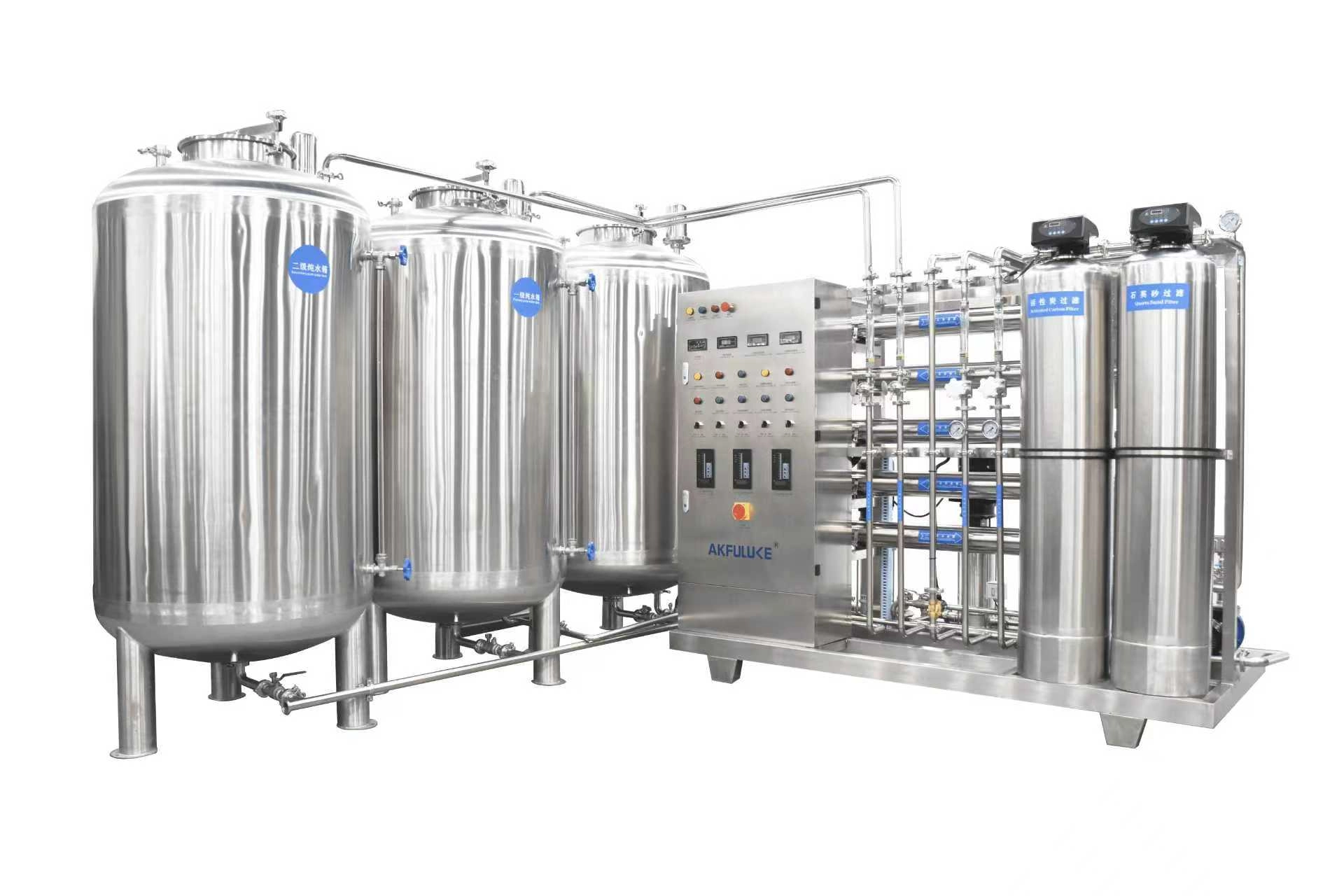
RO water treatment: From equipment to treated water, building a robust defense line for safe and compliant drinking water.
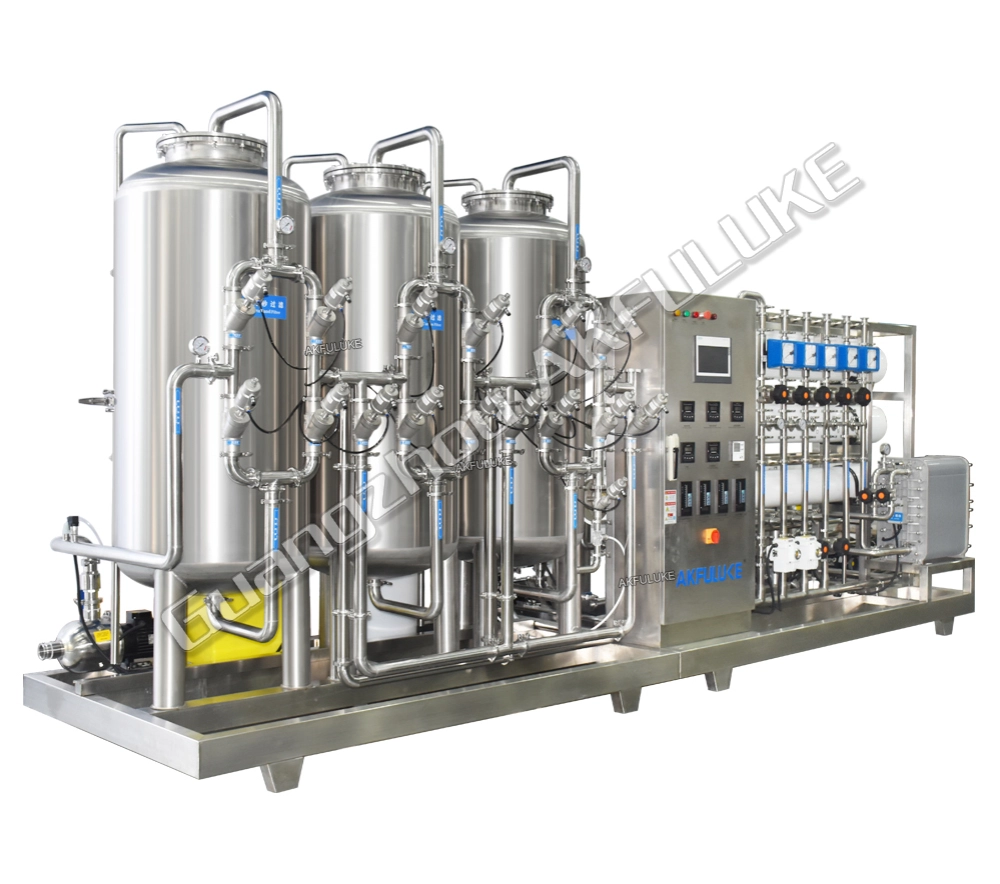
FULUKE reverse osmosis equipment empowers the pharmaceutical and cosmetics industries to achieve compliant production.
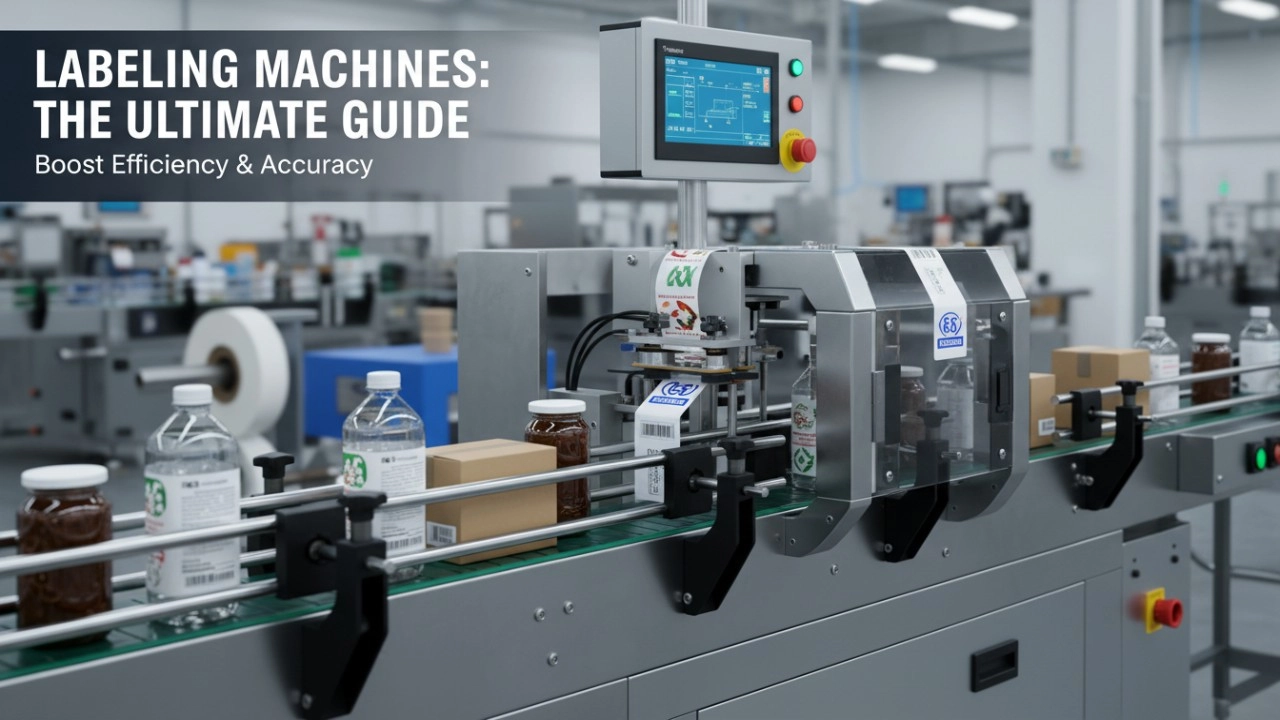
The Ultimate Guide to Labeling Machines 2026: A Critical Component in Modern Packaging Operations
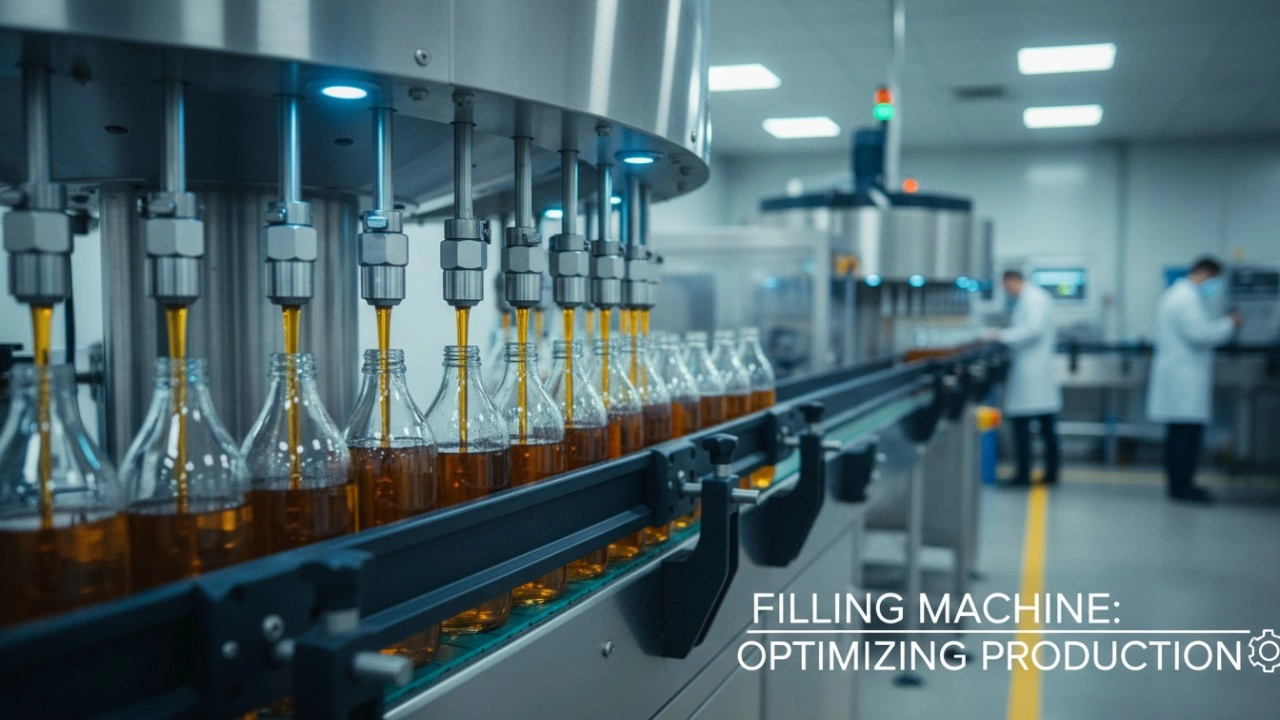
Top 15 Global Filling Machine Manufacturers: The Definitive Ranking for 2026
Polypropylene PP Mixing Tank
What can you buy from us?
RO Water Treatment、Vacuum Emulsifying Machine、Homogenizer Mixing Tank、Filling and Capping、labeling Machine、Packing Machine、Storage Tank,etc.
Perfume Filling Machine
When changing fragrance formulas, how can we prevent cross-contamination between different formulas?
All equipment components that come into contact with materials are made of food-grade 316/304 stainless steel, some of which can be customized with PTFE anti-corrosion linings. This material is easy to clean and does not absorb fragrance ingredients. When changing formulas, a dedicated cleaning solution is used for circulating flushing, and key components can be manually disassembled for secondary cleaning to completely eliminate cross-contamination and meet the needs of alternating production with multiple formulas.
Perfume Freezing Filter Making Machine
How should the equipment be cleaned daily? Can it be rinsed directly with water?
Wipe the exterior with a dry cloth first. Stubborn stains can be removed with a soft cloth dampened with a neutral detergent. Never use hard objects such as steel wool to scratch the surface. Internal piping that comes into contact with materials should be rinsed with purified water and then disinfected with anhydrous ethanol. However, the entire device should not be immersed in water or rinsed with a high-pressure water jet to avoid damage to electrical components.
Lift-type Homogenizing Disperser
Why is the equipment suddenly noisier during operation?
There are three common causes: First, the disperser disc is colliding with the container wall, requiring the machine to be stopped and adjusted for lift height or container position; second, the motor bearings are worn, requiring inspection and replacement if wear is severe; and third, hard impurities (such as metal particles) may be mixed into the material, requiring the machine to be stopped and cleaned to prevent damage to the disperser disc.
Storage Tank
Who are we?
Our headquarters is located in Guangzhou, Guangdong, China, and our factory is located in Yangzhou, Jiangsu. Our products are sold all over the world. We have approximately 50 employees in our company and factory.
Get in touch with FULUKE
If you have any comments or good suggestions, please leave us a message, later our professional staff will contact you as soon as possible.
You May Also Like
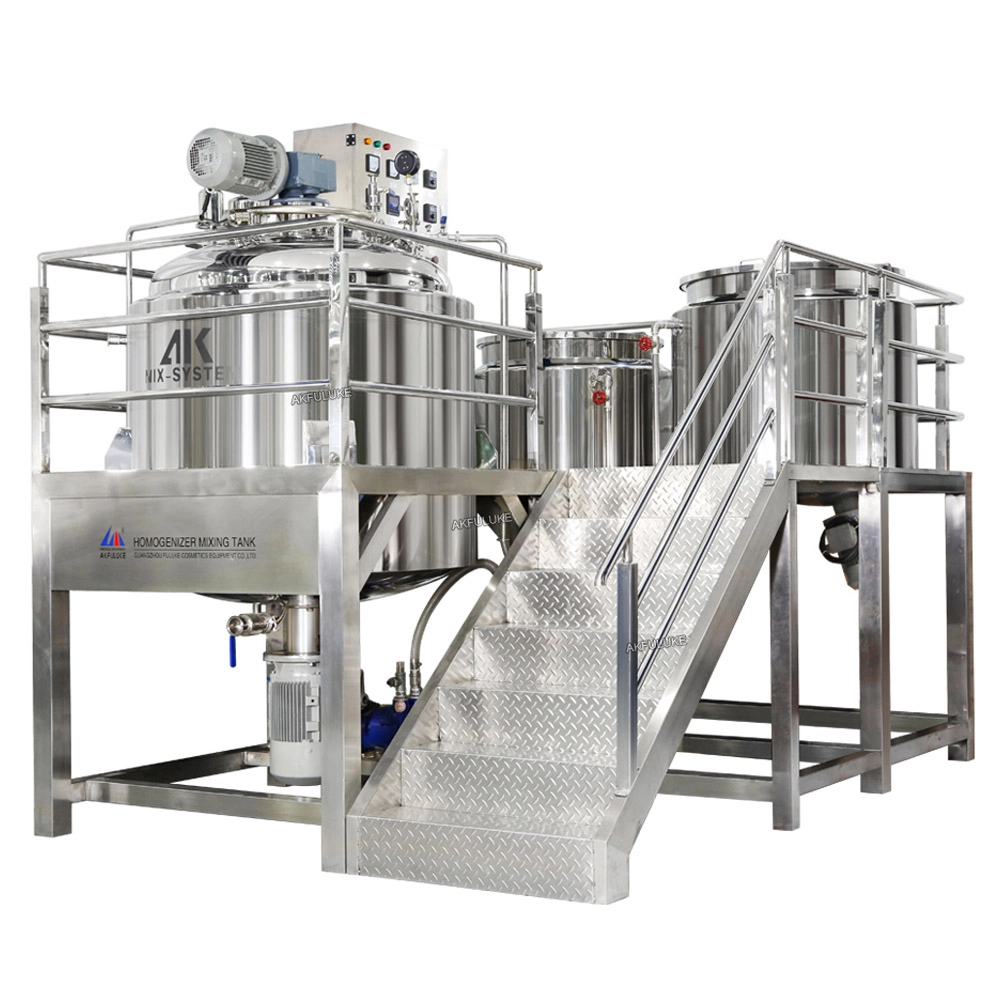
Fixed Type Vacuum Mixing Emulsifying Equipment for Cosmetic Cream Ointment Lotion Vacuum Homogenizer Mixer
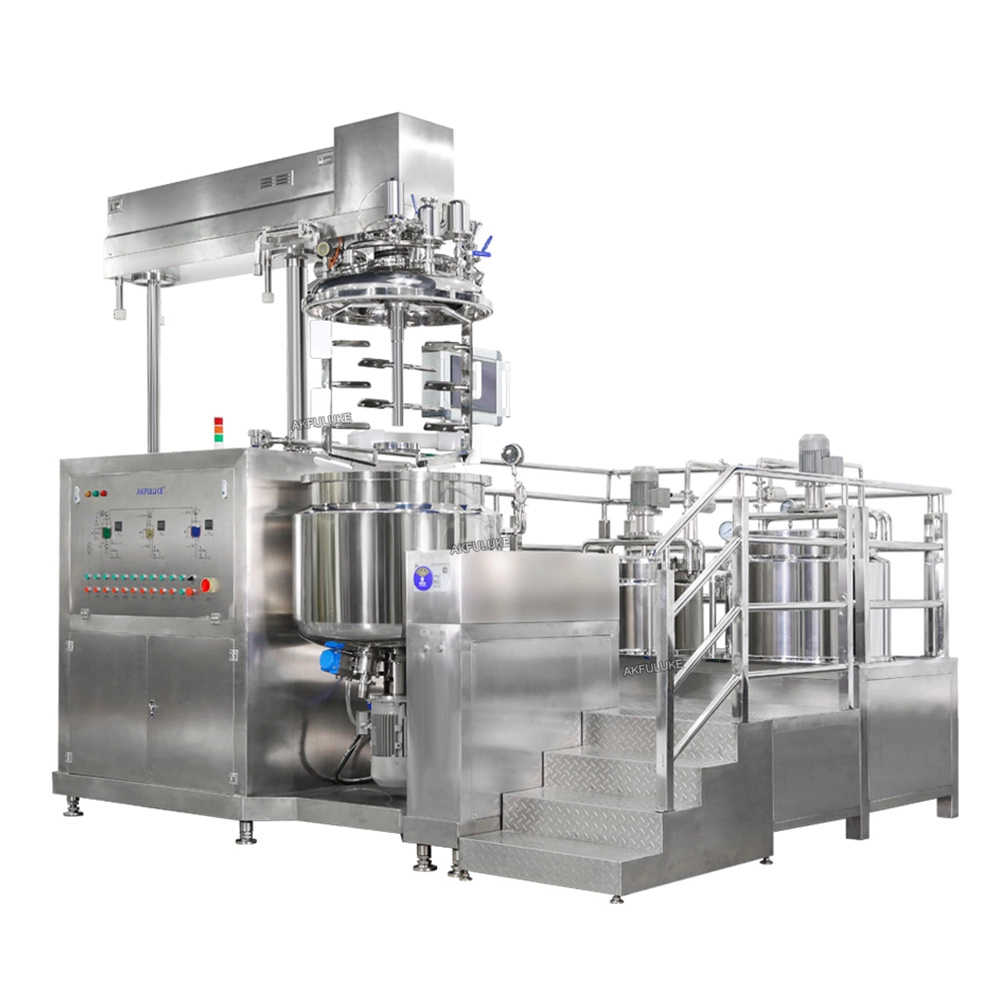
Hydraulic lift Cosmetic Vacuum Homogenizer Emulsifying Mixer for Making Cream and Lotion Mayonnaise Mixing Machine
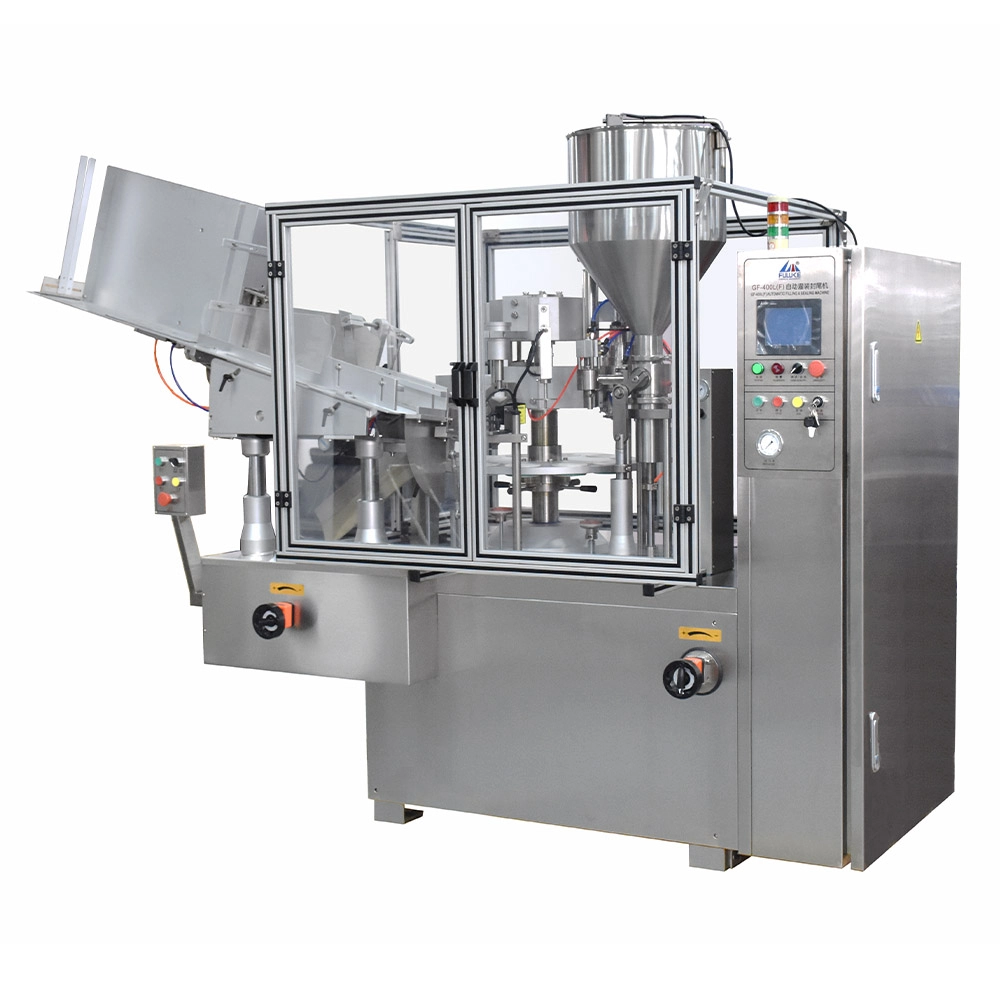
Automatic Tube Filling and Sealing Machine Toothpaste Sunscreen and Facial Cleanser Filling and Sealing Machine for Plastic and Aluminum-plastic Tube
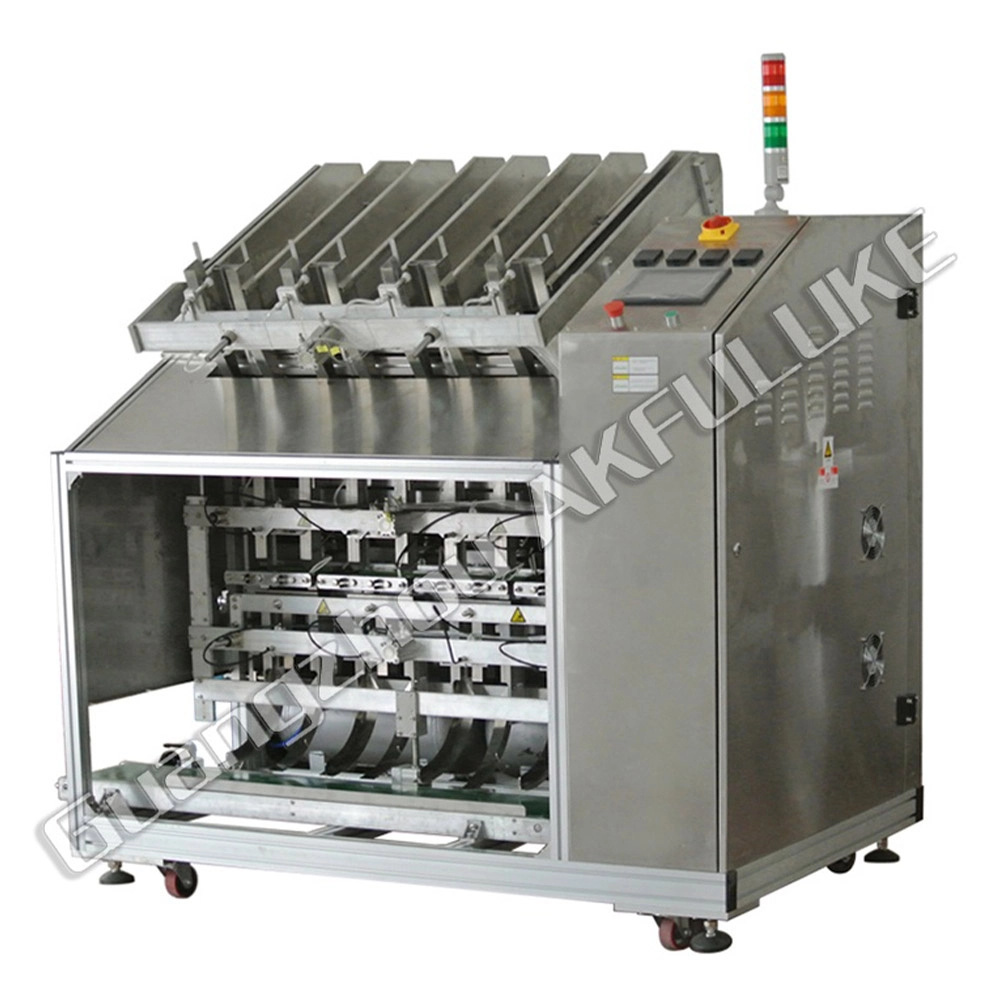
Effective Automatic Facial Mask Filling Machine 2/6/8 Heads Facial Mask Filling and Sealing Machine

A leading manufacturer specializing in advanced machinery and complete production lines for the cosmetics, food, pharmaceutical, and chemical industries worldwide.
Contact FULUKE
Facebook
Instagram
YouTube