
How to control temperature in a cosmetic tank mixer?
- Understanding Tank Mixers and Temperature Control in Cosmetic Equipment
- 1. What are the key factors to consider when selecting a tank mixer for cosmetic production?
- 2. How does the material of construction affect the performance of a cosmetic tank mixer?
- 3. What are the common temperature control challenges in cosmetic tank mixers?
- 4. How can overheating issues be prevented in cosmetic tank mixers?
- 5. What are the benefits of using a double-jacketed tank in cosmetic mixers?
- 6. How does the agitator design influence the mixing efficiency in cosmetic tank mixers?
- 7. What maintenance practices are essential for ensuring optimal performance of cosmetic tank mixers?
- 8. How can temperature control failures be addressed in cosmetic tank mixers?
- Conclusion: Why Choose FULUKE for Your Cosmetic Equipment Needs
Understanding Tank Mixers and Temperature Control in Cosmetic Equipment
As a professional content writer with extensive experience in SEO and , and a seasoned expert in the cosmetic equipment field, I have compiled a comprehensive guide addressing common questions that beginners often have regarding tank mixers and temperature control in cosmetic equipment. These questions are specific, pain-point oriented, and aim to provide in-depth answers to assist users in making informed purchasing decisions.
1. What are the key factors to consider when selecting a tank mixer for cosmetic production?
When choosing a tank mixer for cosmetic production, consider the following factors:
Capacity and Size: Ensure the mixer meets your production volume requirements.
Material Compatibility: Verify that the mixer is constructed from materials compatible with cosmetic ingredients, such as stainless steel.
Mixing Efficiency: Look for mixers with efficient agitation systems to achieve uniform product consistency.
Temperature Control: Opt for mixers equipped with reliable heating and cooling systems to maintain optimal ingredient temperatures.
Ease of Cleaning: Select mixers designed for easy cleaning to prevent cross-contamination between batches.
Compliance with Standards: Confirm that the mixer adheres to industry standards and regulations for cosmetic manufacturing.
2. How does the material of construction affect the performance of a cosmetic tank mixer?
The material of construction significantly impacts the performance and durability of a cosmetic tank mixer:
Stainless Steel: Widely used due to its corrosion resistance, durability, and ease of cleaning. It ensures the mixer can withstand various cosmetic formulations without degrading.
Plastic Components: While cost-effective, plastic parts may have lower temperature tolerance and could degrade over time, potentially affecting product quality.
3. What are the common temperature control challenges in cosmetic tank mixers?
Common temperature control challenges include:
Inaccurate Temperature Regulation: Fluctuations can lead to inconsistent product quality. Regular calibration of temperature sensors and controllers is essential.
Uneven Heat Distribution: Hot spots can cause uneven melting or curing of ingredients. Utilizing mixers with double-jacketed tanks can help achieve uniform temperature distribution.
Overheating: Excessive temperatures can degrade sensitive ingredients. Implementing effective cooling systems and monitoring mechanisms can prevent overheating.
4. How can overheating issues be prevented in cosmetic tank mixers?
To prevent overheating:
Proper Ventilation: Ensure the mixer is placed in a well-ventilated area to dissipate heat effectively.
Regular Maintenance: Conduct routine checks on heating elements and cooling systems to identify and address potential issues promptly.
Temperature Monitoring: Utilize accurate temperature sensors and controllers to maintain desired temperature ranges.
Avoid Overloading: Do not exceed the mixer’s capacity to prevent excessive strain on heating components.
5. What are the benefits of using a double-jacketed tank in cosmetic mixers?
Double-jacketed tanks offer several advantages:
Enhanced Temperature Control: They allow for precise heating and cooling by circulating heating or cooling media between the inner and outer walls.
Uniform Heat Distribution: The design ensures even temperature distribution, preventing hot spots and ensuring consistent product quality.
Energy Efficiency: Double-jacketed systems can be more energy-efficient by reducing heat loss and improving thermal conductivity.
6. How does the agitator design influence the mixing efficiency in cosmetic tank mixers?
The agitator design plays a crucial role in mixing efficiency:
High Shear Mixing: Agitators with high shear capabilities can effectively emulsify ingredients, resulting in smooth and stable products.
Variable Speed Control: Adjustable speed settings allow for customization based on the viscosity and nature of the ingredients.
Material Compatibility: Agitators made from materials compatible with cosmetic formulations prevent contamination and ensure product integrity.
7. What maintenance practices are essential for ensuring optimal performance of cosmetic tank mixers?
Essential maintenance practices include:
Regular Cleaning: Thoroughly clean the mixer after each batch to prevent cross-contamination.
Routine Inspections: Check for signs of wear or damage in agitators, seals, and heating elements.
Calibration: Periodically calibrate temperature sensors and controllers to maintain accurate readings.
Lubrication: Apply appropriate lubricants to moving parts to reduce friction and wear.
Record Keeping: Maintain detailed records of maintenance activities for future reference.
8. How can temperature control failures be addressed in cosmetic tank mixers?
To address temperature control failures:
Identify the Cause: Determine whether the issue is due to sensor malfunction, heating element failure, or inadequate insulation.
Replace Faulty Components: Promptly replace damaged or malfunctioning parts to restore proper function.
Implement Monitoring Systems: Use real-time monitoring systems to detect and address temperature deviations promptly.
Consult Professionals: Seek assistance from equipment manufacturers or service providers for complex issues.
Conclusion: Why Choose FULUKE for Your Cosmetic Equipment Needs
FULUKE stands out in the cosmetic equipment industry due to its commitment to quality, innovation, and customer satisfaction. Their products are designed with advanced features to address common challenges in cosmetic production, ensuring optimal performance and product quality. By choosing FULUKE, you invest in reliable and efficient equipment tailored to meet the specific needs of the cosmetic industry.
References:
(https://www.saintyco.com/tfzrj-5-20l-vacuum-emulsifying-mixer/)
(https://www.rumiasia.com/blog/common-mistakes-when-using-high-viscosity-mixers-and-how-to-avoid-them)
(https://mixing-tank.com/en_gb/blog/mixing-tank-design-key-considerations-for-optimal-performance/)
(https://agrion.com.au/technical-notes/avoiding-common-tank-mixing-issues/)
Note: The above references provide additional insights and details on the topics discussed in this guide. For more information, please refer to the respective sources.

Understanding Servo Capping Machines: The Core Logic of Precise Capping – Understand the Entire Working Process in Seconds
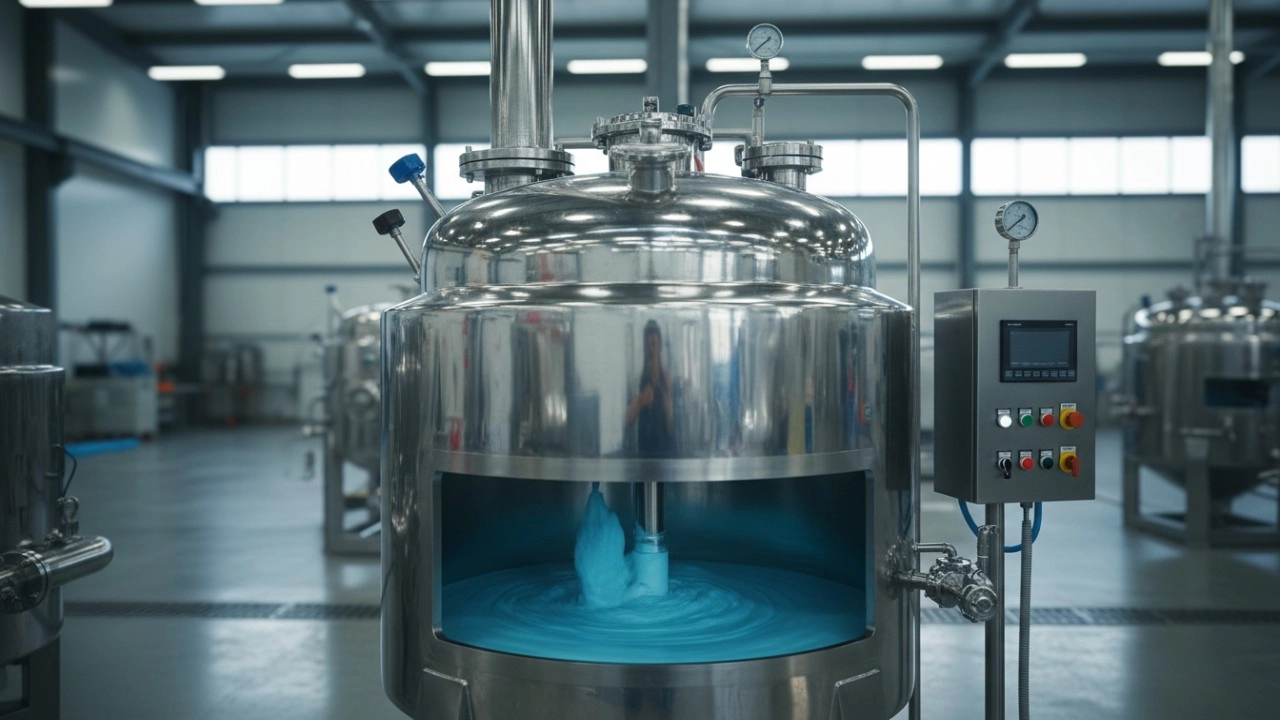
The Future of Industrial Agitation: 5 Smart Mixing Tank Technologies Changing the Game
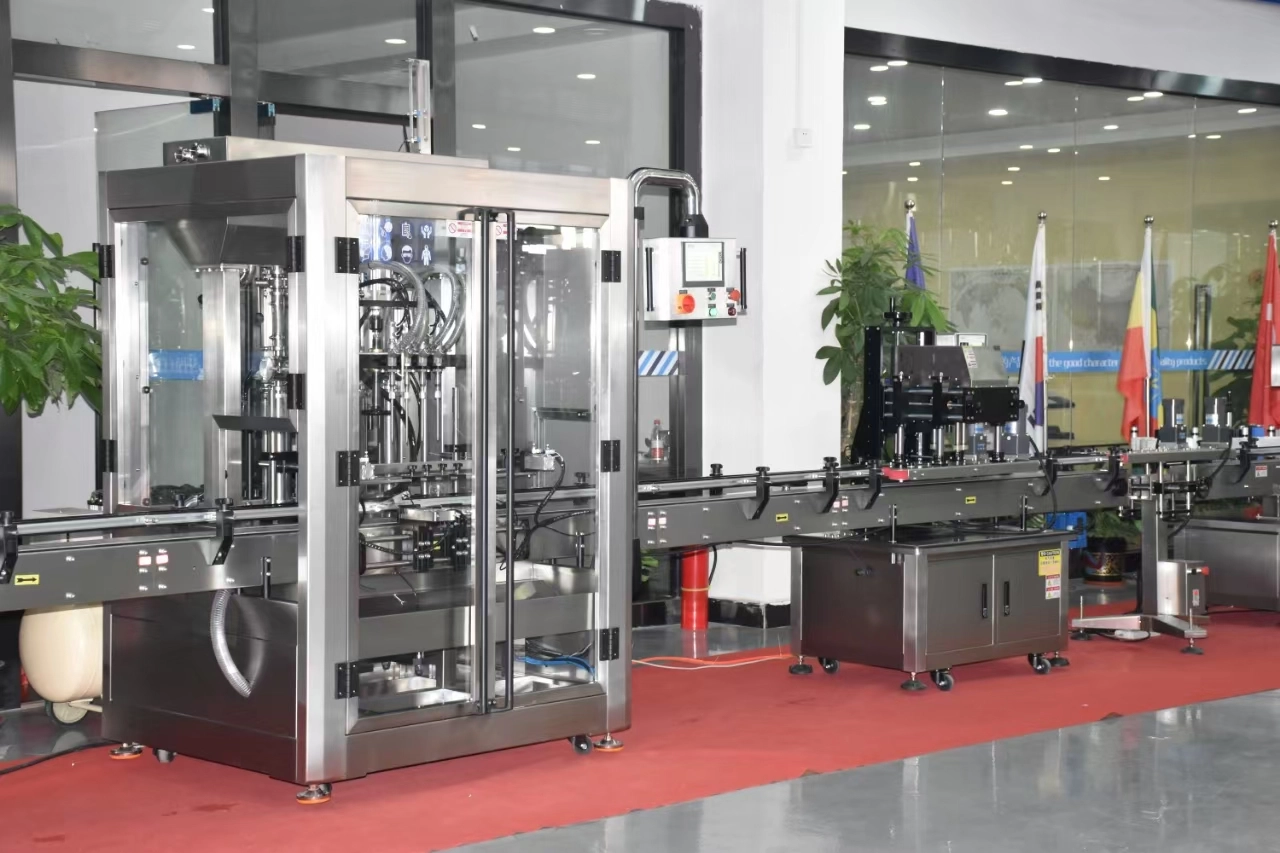
Gear pump filling machine vs. piston filling machine: Key differences broken down to avoid pitfalls in selection.
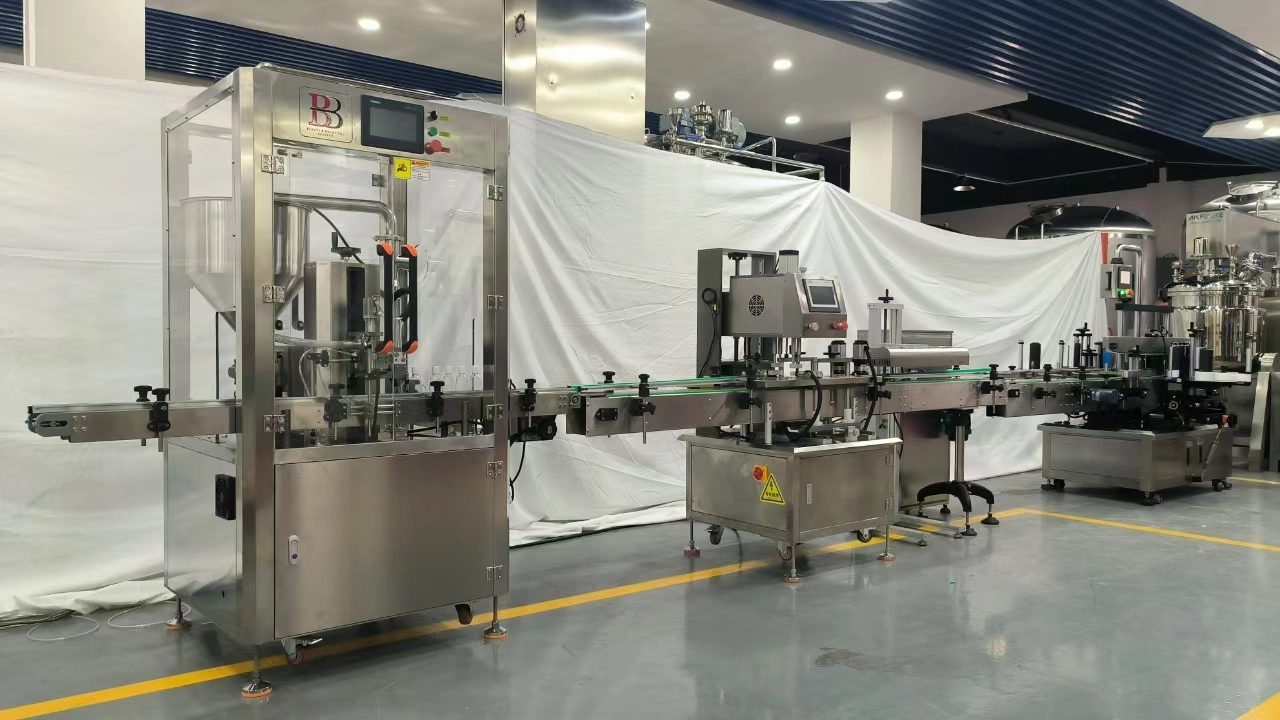
Understand the working principle of a servo gear pump filling machine!
Film Packaging Machine
Can you make a design for us?
Yes, we can, we provide not only products, but also solutions and designs.
Who are we?
Our headquarters is located in Guangzhou, Guangdong, China, and our factory is located in Yangzhou, Jiangsu. Our products are sold all over the world. We have approximately 50 employees in our company and factory.
Polypropylene PP Mixing Tank
Who are we?
Our headquarters is located in Guangzhou, Guangdong, China, and our factory is located in Yangzhou, Jiangsu. Our products are sold all over the world. We have approximately 50 employees in our company and factory.
Automatic Tube Filling and Sealing Machine
Can you customize the machine?
Of course, we provide customized services according to customer needs.
Automatic Capping Machine
What causes leakage or loose caps after capping?
Most likely, the capping torque parameters do not match the product characteristics. You can recalibrate the torque through the touch screen. If the problem persists, check whether the bottle clamp is too loose or whether there is any dimensional deviation in the cap.
Get in touch with FULUKE
If you have any comments or good suggestions, please leave us a message, later our professional staff will contact you as soon as possible.
You May Also Like
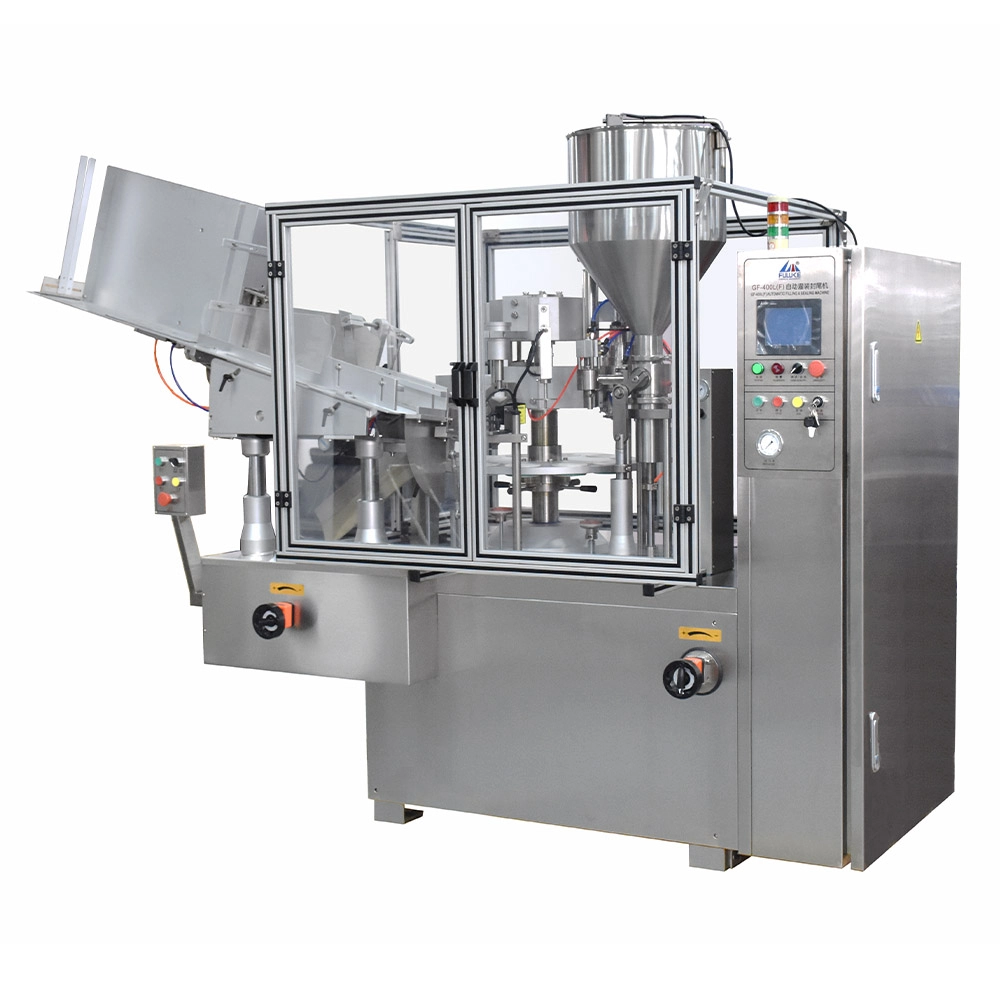
Automatic Tube Filling and Sealing Machine Toothpaste Sunscreen and Facial Cleanser Filling and Sealing Machine for Plastic and Aluminum-plastic Tube
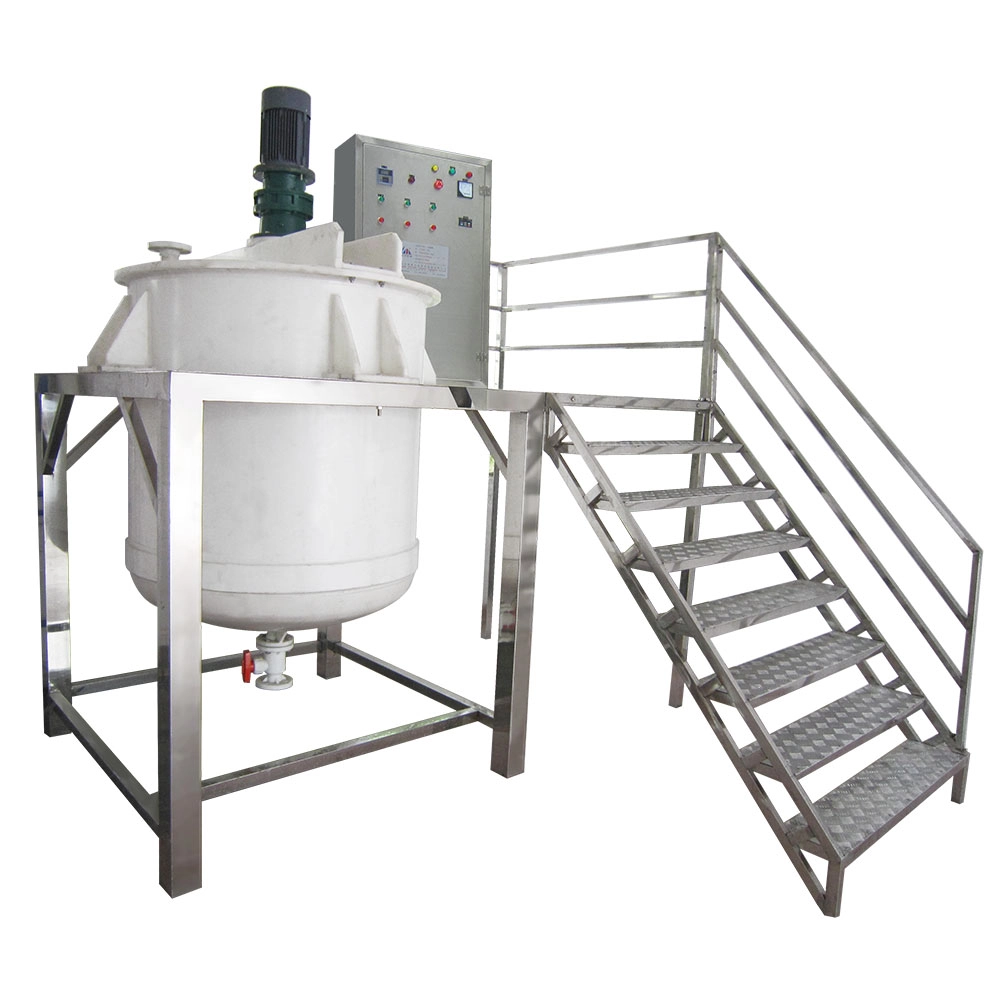
Polypropylene PP Mixing Tank Anti-Corrosion Mixer Reaction Kettle with Agitator Chemical Mixing Vessel
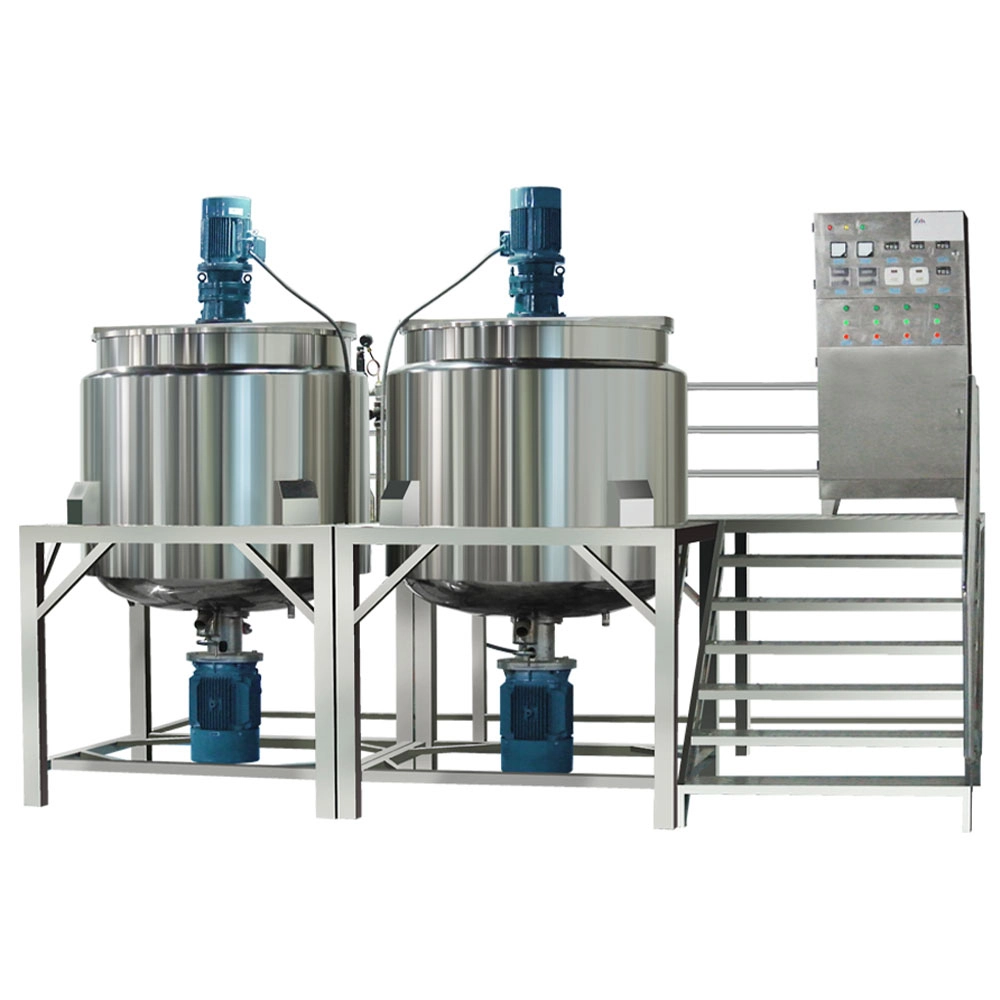
Flip Cover Multi-function Liquid Wash Mixing Tank Blender Liquid Detergent Mixer Homogenization Stirring Tank
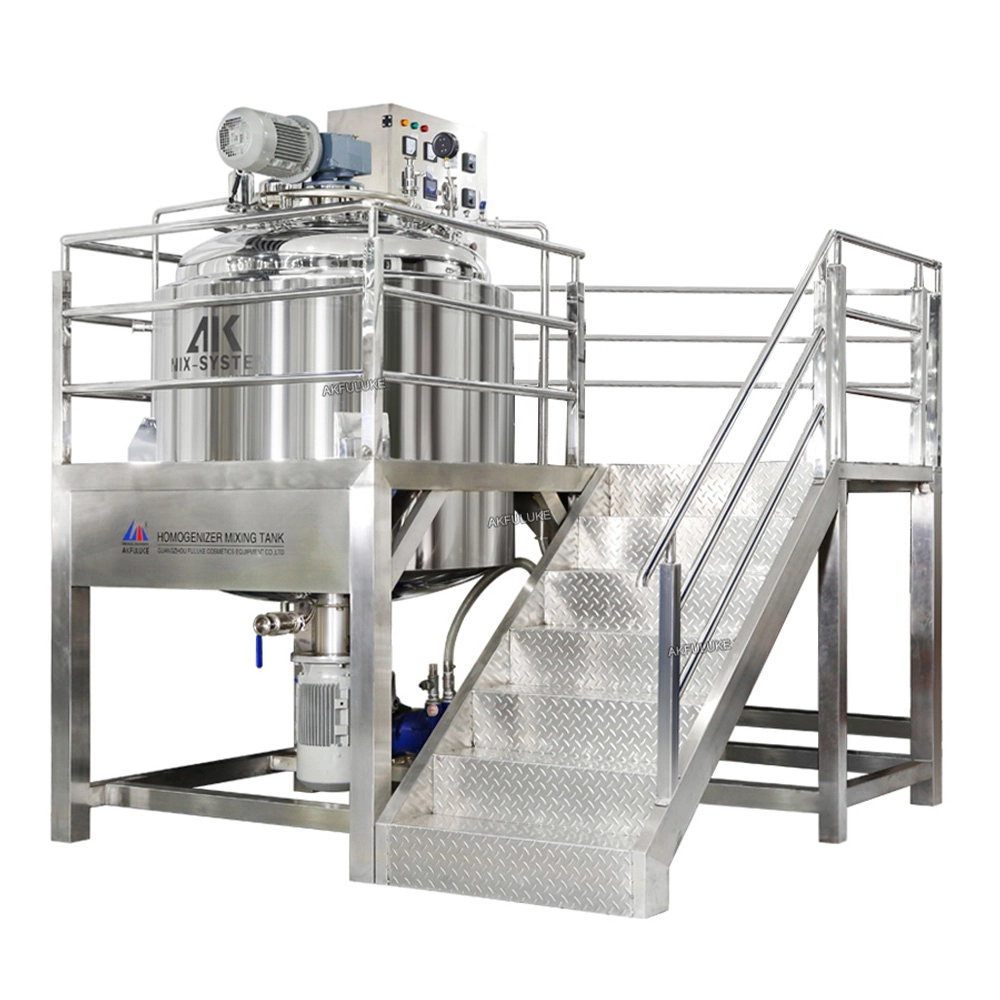
Stainless Steel Mixer Liquid Mixing tank with Agitator Homogenizing Mixing tank Vacuum Sealed Mixer Machine

A leading manufacturer specializing in advanced machinery and complete production lines for the cosmetics, food, pharmaceutical, and chemical industries worldwide.
Contact FULUKE
Facebook
Instagram
YouTube