
What filling technology is best for cosmetic liquids?
- 1. Which filling technology minimizes product waste and nozzle drip when filling shear-thinning silicone-based serums into PET and glass bottles at small-batch volumes?
- 2. How can I reliably fill lotions with suspended glitter or mica flakes without frequent nozzle clogging or product settling on the line?
- 3. What CIP and validation steps should I require for cosmetic bottle filling machines to meet ISO 22716 and EU Regulation (EC) No 1223/2009 while minimizing cross-contamination risk?
- 4. How should I calculate the true total cost of ownership (TCO) when comparing piston, peristaltic and time-pressure fillers for a start-up cosmetics brand?
- 5. Which filling technology enables the fastest, reliable changeover between multiple bottle sizes and frequent formula changes while maintaining ±1% accuracy?
- 6. How can I integrate filling, capping and labeling into a compact line for fragile glass bottles without causing bottle-to-bottle damage or product settling?
- Concluding summary of advantages of the recommended filling technologies
Choosing the right bottle filling machine for cosmetic liquids is a high-stakes decision for formulators and production managers. Below are six specific, beginner-to-intermediate questions that often lack up-to-date, practical answers online. Each question is followed by an in-depth, actionable answer that references current good manufacturing practice, materials and machine features you should insist on.
1. Which filling technology minimizes product waste and nozzle drip when filling shear-thinning silicone-based serums into PET and glass bottles at small-batch volumes?
Why this matters: silicone-based serums are often low-to-medium viscosity at shear and can be slip-prone. Waste, stringing and drip increase material cost and create cosmetic defects on glass bottles that are hard to rework.
Best choice: a servo-driven piston filler with servo-controlled nozzle retraction and anti-drip cut-off. For small-batch production, a compact linear piston filler with individual nozzle control is ideal. Piston filling delivers positive displacement accuracy and the servo control permits programmable dwell, slow-fill and fast-fill profiles that handle shear-thinning behavior without aeration.
Key features to require:
- 316L stainless steel wetted parts and sanitary PTFE or FKM seals for silicone compatibility and easy cleaning.
- Independent nozzle control with adjustable cut-off speed to prevent stringing and reduce drip.
- Low-shear fill mode (slow initial fill) to limit foam or bubble entrainment, followed by faster fill to reach target volume.
- Sensors for level detection and overflow protection, especially for transparent serums in glass bottles.
- Changeover fixtures for PET and glass that secure bottles without damaging finish.
Performance expectations: compact piston fillers for small batches typically achieve fill accuracy of about ±0.5 to ±1.0% by volume and output of 10–60 bottles per minute depending on nozzle count and bottle size. For very small runs, choose modular, easy-to-clean designs to minimize downtime between formulas.
2. How can I reliably fill lotions with suspended glitter or mica flakes without frequent nozzle clogging or product settling on the line?
Why this matters: particulates like mica, glitter or microbeads cause nozzle blockages, inconsistent fills, and unacceptable visual defects if particles settle inside the headspace or on bottle shoulders.
Recommended approach: use a piston or diaphragm filler sized for particulate handling, combined with agitation upstream of the filler and a gentle recirculation loop. Peristaltic pumps are excellent for sterile, shear-sensitive liquid transfer but typically struggle with larger particulates unless tube ID is oversized and frequently inspected.
Practical configuration:
- Feed tank with gentle but continuous agitation and an angled outlet that pulls evenly from a mid-depth to avoid top-surface concentration of mica.
- Use pistons or large-bore diaphragm valves with wide ports to pass particulates cleanly. Nozzles should have a tapered, smooth bore and a diameter large enough to pass the largest flakes you use.
- Temperature control where applicable to prevent viscosity spikes that trap particles.
- Install a vibratory or rotating nozzle anti-clog device if you have frequent settling, and design the line so no stagnant pockets form in piping.
- Schedule frequent visual checks and quick-change nozzles to keep downtime predictable; choose snap-fit nozzles for tool-free replacement.
Quality control and acceptance criteria: establish a particle pass-through test during commissioning matching your largest particle size and run a 30-minute stability check to verify non-settling under production flow conditions.
3. What CIP and validation steps should I require for cosmetic bottle filling machines to meet ISO 22716 and EU Regulation (EC) No 1223/2009 while minimizing cross-contamination risk?
Why this matters: cosmetics GMP (ISO 22716) and EU cosmetics regulation require documented cleaning, cross-contamination control and traceability. Beginners often accept vendor cleaning claims without specifying validation metrics.
Minimum specification and validation plan:
- Machine design: sanitary 316L stainless steel wetted parts, tri-clamp connections, sloped drain surfaces and minimal dead legs to facilitate CIP. Specify surface finish Ra values where appropriate for sensitive formulas.
- CIP capability: either integrated CIP spray balls and return lines or clearly documented offline CIP procedures. For emulsions or high-oil content products, specify caustic-compatible seals and surface finishes that accept stronger detergents.
- Validation protocol: establish and document cleaning procedure, then perform swab/rinse samples for residue analysis (TOC, surfactant-specific assays or HPLC for key actives). Define acceptance criteria based on target residue limits and toxicological safety margins.
- Frequency and hold times: perform full validation at installation, and periodic revalidation on formula changes or after major maintenance. Daily/shift visual checks and rinse checks are recommended during production runs.
- Material traceability and batch records: ensure the PLC/SCADA records lot numbers, fill volumes, operator ID and cleaning cycle timestamps to meet regulatory traceability requirements.
Useful benchmarks: for residue, many cosmetic firms target non-detectable levels for sensitizers and TOC values below a defined ppm based on risk assessment. Work with your QC lab to set analytics that match your product's actives.
4. How should I calculate the true total cost of ownership (TCO) when comparing piston, peristaltic and time-pressure fillers for a start-up cosmetics brand?
Why this matters: upfront machine price is only a fraction of TCO. Beginners often underweight maintenance, consumables and formula-specific downtime in purchase decisions.
Include these cost buckets in your TCO calculation:
- Capital cost: machine, fixtures for bottle sizes, initial tooling for nozzles and capping heads.
- Consumables: seals, tubing (for peristaltic), gaskets, filters. Peristaltic systems have recurring tubing costs; piston fillers have periodic seal/gland replacement.
- Maintenance labor: hourly rates multiplied by mean downtime per month. Factor in mean time to repair (MTTR) and spare parts lead times.
- Changeover cost: include labor minutes per changeover, scrap for first-run rejects, and cleaning time. If you run many SKUs, changeover speed has outsized impact.
- Quality cost: rework, rejects, off-spec fills and customer complaints. Filling accuracy relates directly to product giveaways; high-accuracy fillers reduce giveaway cost.
- Utility cost: compressed air consumption, electricity for pumps and heaters (if any). Some time-pressure systems consume more compressed air.
Decision guidance specific to fillers:
- Piston fillers: higher initial cost but lower product giveaway and good particulate handling. Good for medium-to-high viscosity formulas and frequent SKU runs when accuracy and changeover tools are optimized.
- Peristaltic fillers: lower contamination risk (tubing is a fluid barrier) and good for sterile/trace actives; recurring tubing cost and limitations with large particulates.
- Time-pressure or gravity fillers: lowest capital cost for thin, low-viscosity liquids but higher risk of foaming and less accuracy for viscous products; useful for transparent toners and simple serums in high-speed runs.
Example TCO modeling tip: compute cost per filled bottle over 3 years including scheduled maintenance and expected throughput. This metric makes giveaways and downtime explicit and often shifts the decision in favor of higher-accuracy piston solutions for High Quality cosmetics.
5. Which filling technology enables the fastest, reliable changeover between multiple bottle sizes and frequent formula changes while maintaining ±1% accuracy?
Why this matters: many boutique and D2C cosmetic brands need rapid SKU switches without quality loss. Outdated answers suggest manual retooling that no longer meets market speed requirements.
Best options and features for rapid changeover:
- Modular piston fillers with quick-change cassettes for nozzles and finite-format changeover kits. Expect tool-free or single-tool changeovers in 10–30 minutes for trained technicians.
- Servo-driven, programmable format recipes stored in the machine HMI so fill profiles, nozzle positions and conveyor guides reapply automatically per SKU.
- Use of adjustable star-wheels or quick-adjust rail systems on rotary machines to handle families of bottle sizes without swapping parts.
- Pre-set CIP recipes that can be recalled per formula to speed cleaning between incompatible products, combined with disposable product-contact liners or tubing where validation allows.
Quality note: maintaining ±1% accuracy across sizes requires volumetric control and active feedback. Servo piston heads with position and pressure feedback, or volumetric flow meters in the feed, will maintain accuracy through formula changes.
6. How can I integrate filling, capping and labeling into a compact line for fragile glass bottles without causing bottle-to-bottle damage or product settling?
Why this matters: glass bottles are heavier and more fragile. Wrongs choices in conveyors, bottle control or capping torque can crack bottles or cause product sloshing, leading to uneven labels and wastes.
Design recommendations for an integrated compact line:
- Conveyor and bottle handling: use gentle, soft-touch bottle guides and servo-synchronized star wheels to index fragile bottles. Avoid uncontrolled accumulation zones where bottles can rub or collide.
- Filling profiles: program slow-fill or bottom-up fill strategies to minimize splashing and bubble formation for glass bottles. Use filler nozzles with anti-drip and soft-seal seating to prevent neck staining.
- Capping: select torque-controlled cappers with torque and twist monitoring to avoid over-torque that can stress glass. Consider vacuum-seating or clutch-protected heads for delicate caps.
- Labeling: apply labels after a short settling zone so foam or levelling completes. Use non-accumulation conveyors and lightweight star-wheel indexing through the labeler to maintain orientation and contact-free handling where possible.
- Line footprint: choose integrated machines that offer synchronized PLC control and recipe recall so filling, capping and labeling parameters change together with one operator action.
Practical test before purchase: request a factory acceptance test (FAT) or on-site trial using your exact glass bottle, cap and formula. Include high-speed camera observation during the trial to spot micro-movements and unexpected bottle interactions.
Concluding summary of advantages of the recommended filling technologies
For most cosmetic liquids, a servo-driven piston bottle filling machine offers the best balance of fill accuracy (typically ±0.5 to ±1.0%), particulate handling, and fast, programmable changeovers. Piston systems reduce product giveaway, are compatible with a wide viscosity range including lotions and serums, and integrate well with sanitary 316L construction and CIP or offline cleaning schemes required by ISO 22716 and EU Regulation. Peristaltic fillers remain valuable for sterile, shear-sensitive formulas or trace-active lines where a fluid barrier is required, while gravity or time-pressure fillers are cost-effective for low-viscosity, non-foaming toners and micellar waters at high throughput. The right decision depends on your formulas, particulate content, batch sizes and SKU mix. Prioritize machines with servo control, quick-change format kits, sanitary design, and validated CIP capability to reduce TCO and regulatory risk.
For a tailored recommendation and a quote based on your bottle types and formulas, please contact us. Visit www.fulukemix.com or email flk09@gzflk.com for machine specs, FAT scheduling and pricing.

Understanding Servo Capping Machines: The Core Logic of Precise Capping – Understand the Entire Working Process in Seconds
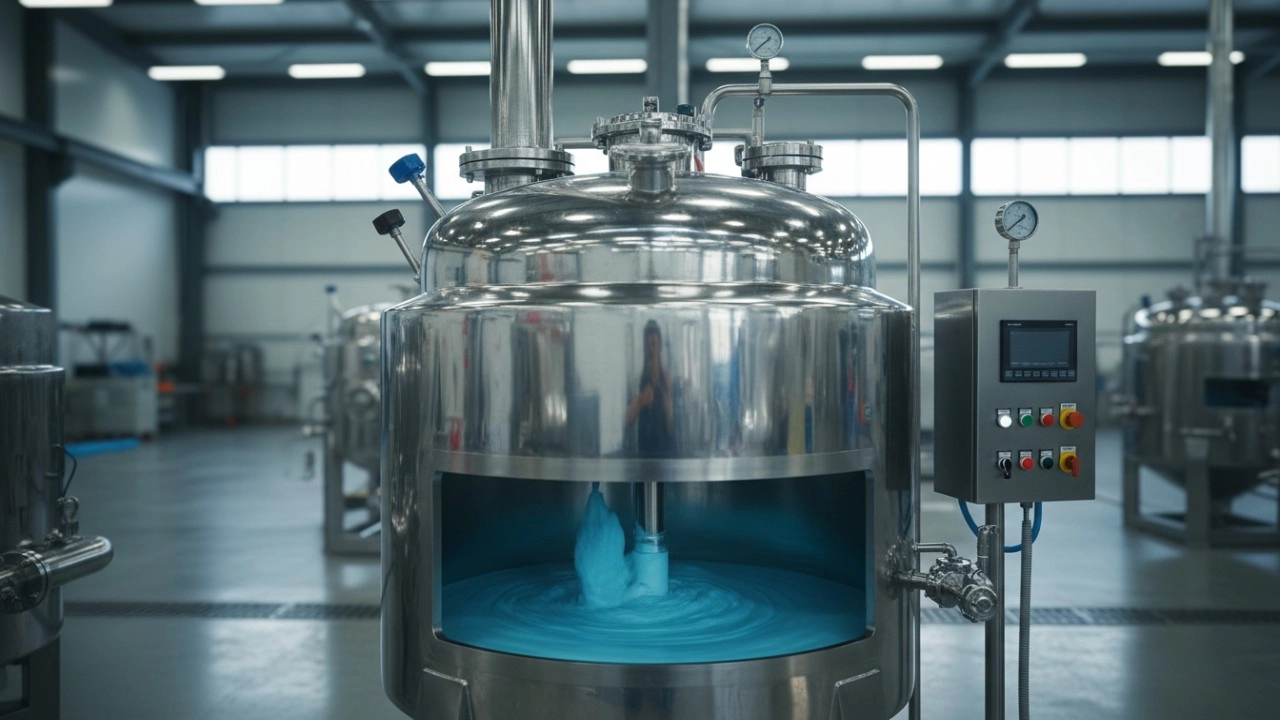
The Future of Industrial Agitation: 5 Smart Mixing Tank Technologies Changing the Game
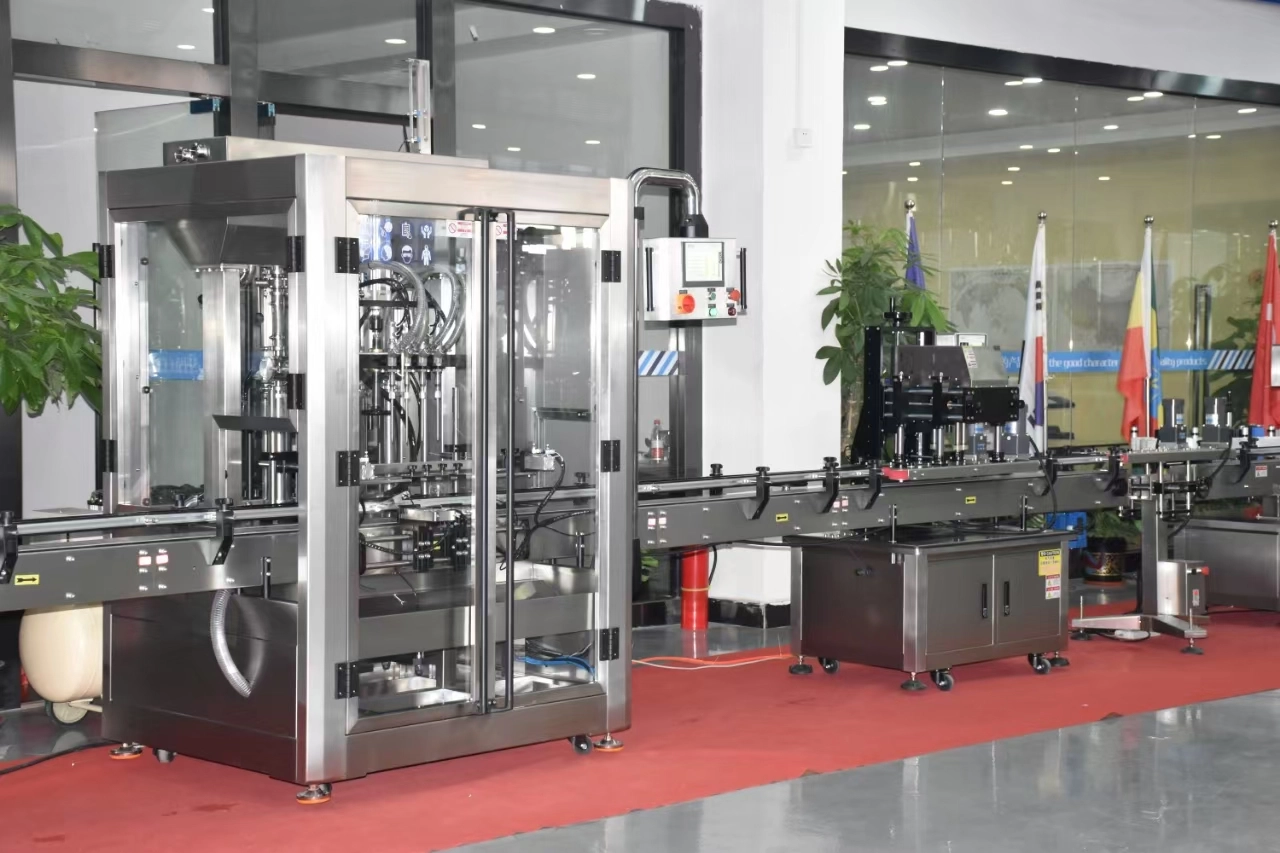
Gear pump filling machine vs. piston filling machine: Key differences broken down to avoid pitfalls in selection.
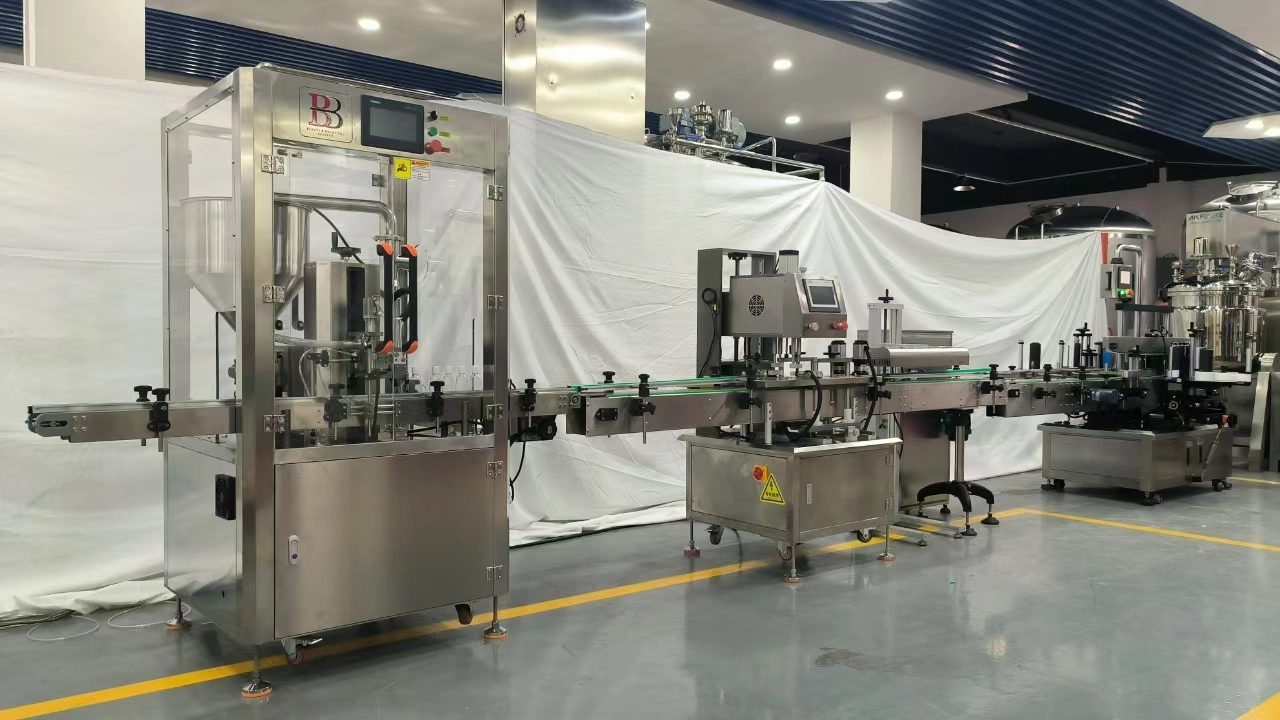
Understand the working principle of a servo gear pump filling machine!
Automatic Capping Machine
What causes leakage or loose caps after capping?
Most likely, the capping torque parameters do not match the product characteristics. You can recalibrate the torque through the touch screen. If the problem persists, check whether the bottle clamp is too loose or whether there is any dimensional deviation in the cap.
Polypropylene PP Mixing Tank
What can you buy from us?
RO Water Treatment、Vacuum Emulsifying Machine、Homogenizer Mixing Tank、Filling and Capping、labeling Machine、Packing Machine、Storage Tank,etc.
Automatic Tube Filling and Sealing Machine
After purchasing the equipment, what after-sales services does the supplier typically provide?
General services include on-site installation and commissioning (including workshop layout planning), operator training (theoretical and practical training to ensure workers can operate independently), a one-year full machine warranty, and lifetime technical support (24-hour telephone and video troubleshooting).
Film Packaging Machine
What packaging materials are suitable for this equipment?
It is suitable for transparent paper, BOPP film, and PVC materials.
RO Water Treatment
Can the water produced by an RO water purifier be drunk directly? Why?
The water produced by a qualified RO water purifier (i.e., "purified water") is generally drinkable directly.
This is because the high-precision filtration of the RO membrane removes harmful microorganisms (bacteria, viruses), heavy metals, pesticide residues, and other contaminants from the raw water, resulting in a water quality that meets the requirements for direct drinking. However, it is important to regularly replace the filter cartridge to ensure proper operation of the device.
Get in touch with FULUKE
If you have any comments or good suggestions, please leave us a message, later our professional staff will contact you as soon as possible.
You May Also Like
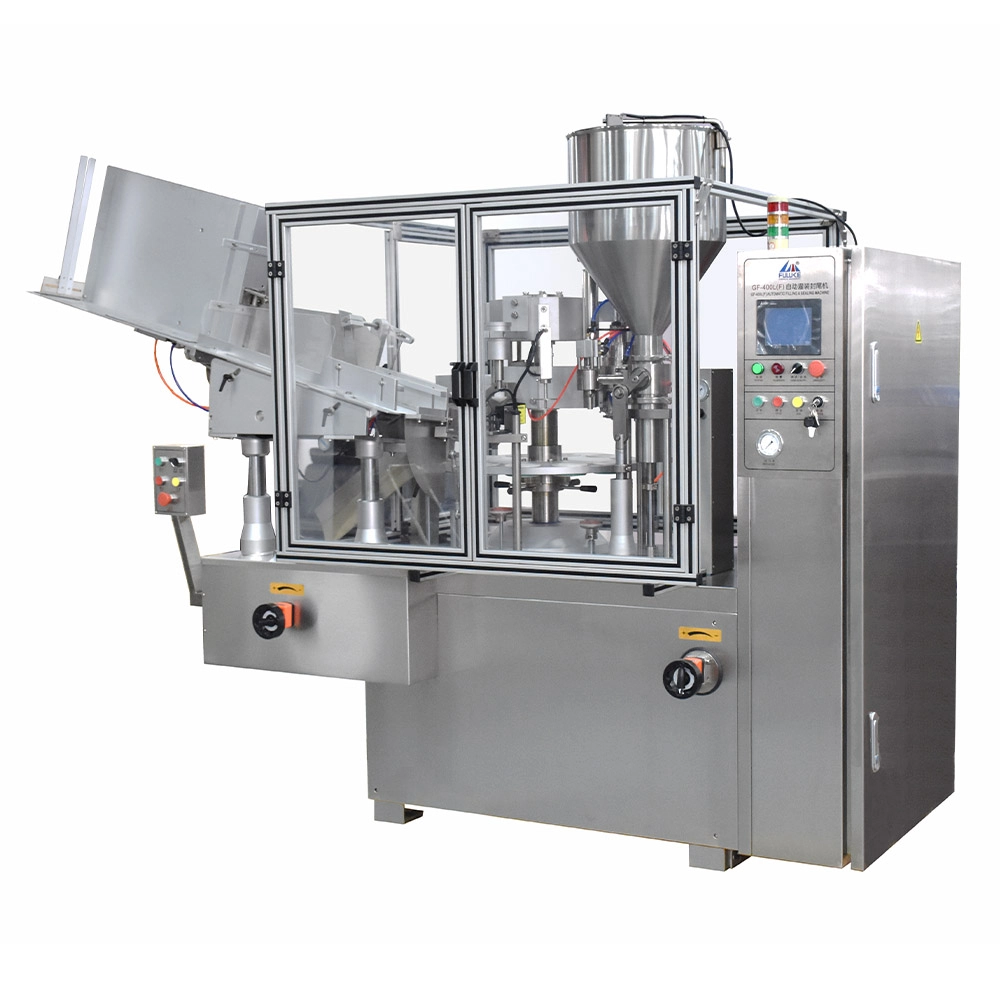
Automatic Tube Filling and Sealing Machine Toothpaste Sunscreen and Facial Cleanser Filling and Sealing Machine for Plastic and Aluminum-plastic Tube
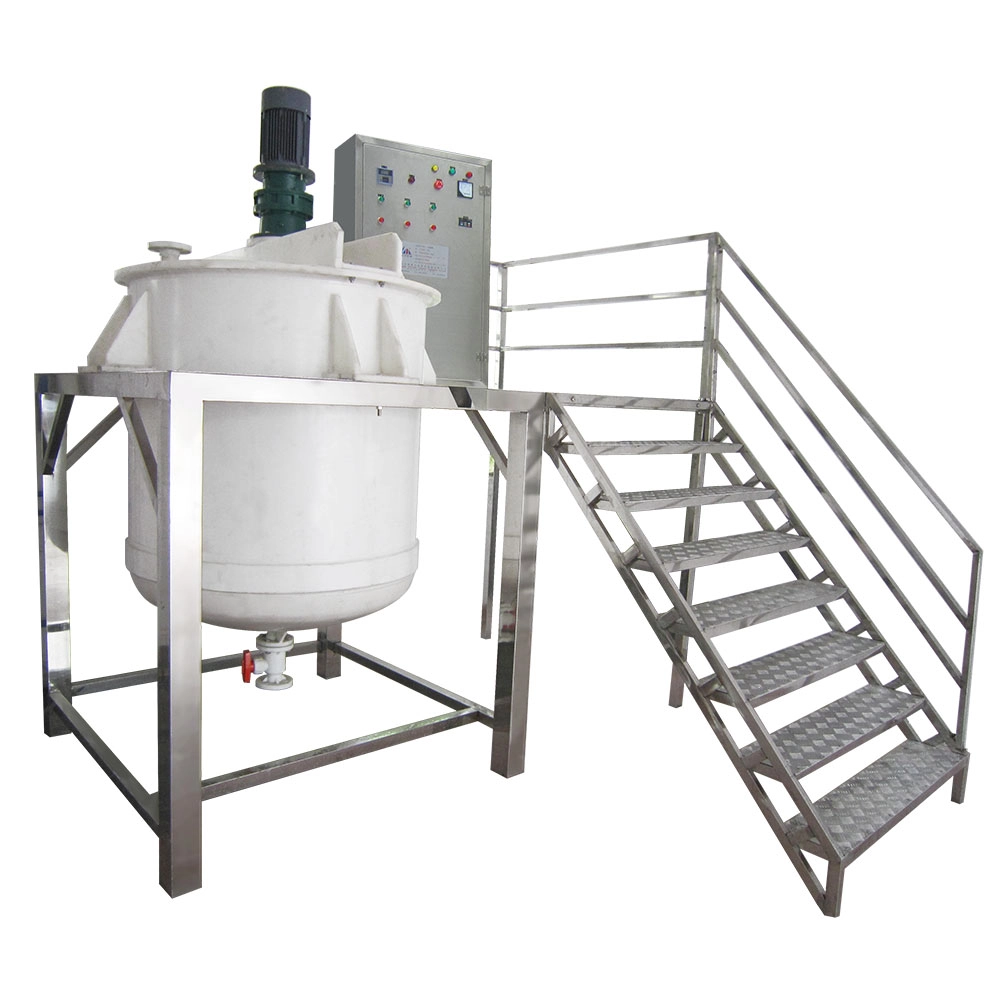
Polypropylene PP Mixing Tank Anti-Corrosion Mixer Reaction Kettle with Agitator Chemical Mixing Vessel
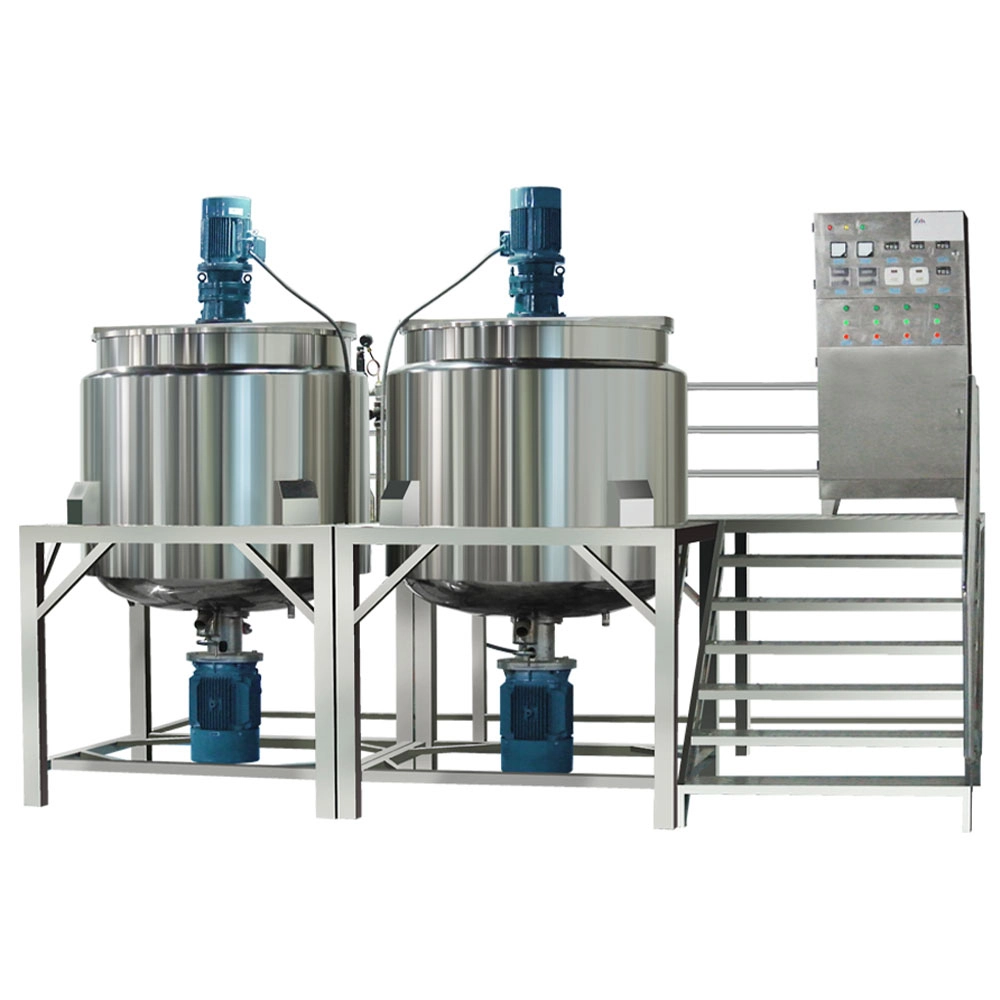
Flip Cover Multi-function Liquid Wash Mixing Tank Blender Liquid Detergent Mixer Homogenization Stirring Tank
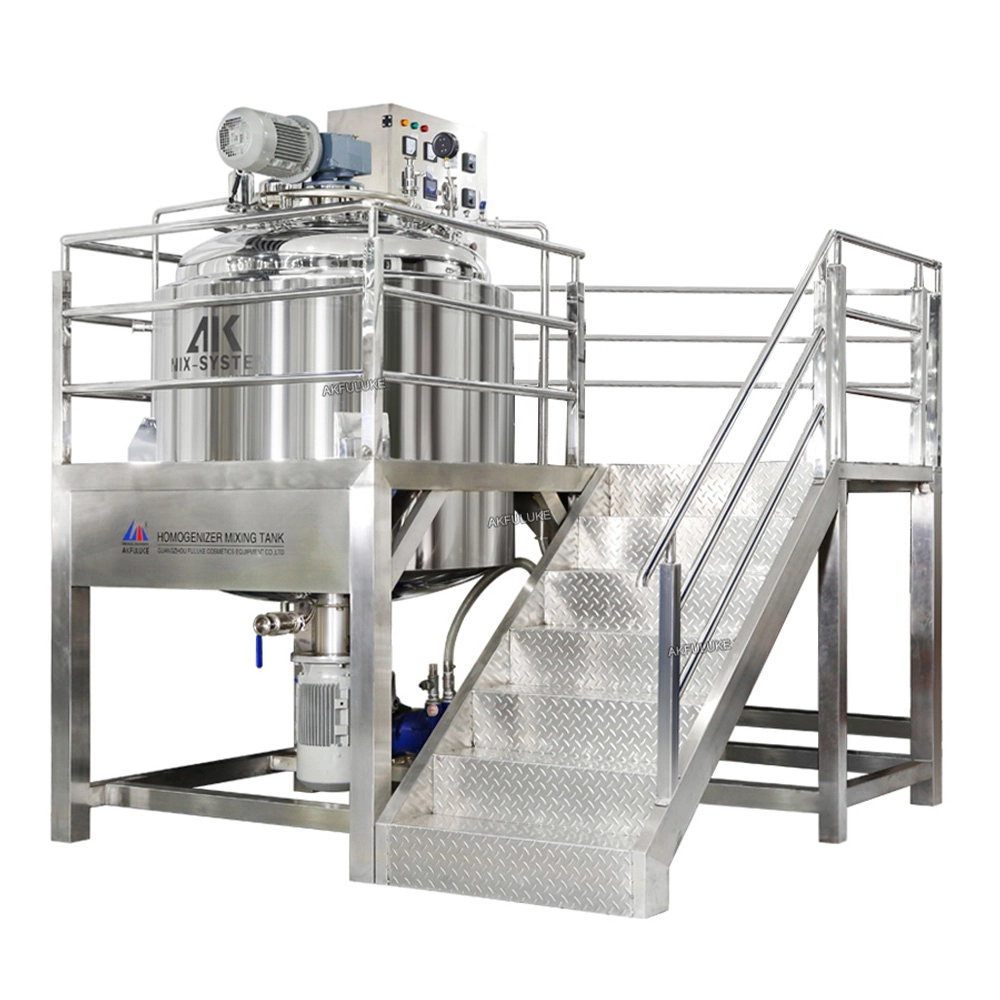
Stainless Steel Mixer Liquid Mixing tank with Agitator Homogenizing Mixing tank Vacuum Sealed Mixer Machine

A leading manufacturer specializing in advanced machinery and complete production lines for the cosmetics, food, pharmaceutical, and chemical industries worldwide.
Contact FULUKE
Facebook
Instagram
YouTube