
Which materials are best for cosmetic contact parts?
- 1) Which product-contact metals resist high-concentration alcohol serums and prevent corrosion or metal leachables?
- 2) For viscous creams and lotions, which surface finish and geometry minimize product buildup and ensure accurate volumetric filling?
- 3) What elastomer seals and gaskets are best for oils and fragrances to avoid swelling, odor retention, and premature failures?
- 4) How do I evaluate stainless grades (316L vs 316Ti vs 304) and passivation to reduce nickel/chromium release in mildly acidic cosmetic formulas?
- 5) Which polymer tubing or pump materials should I choose for peristaltic bottle filling machines handling shear-sensitive serums and peptide actives?
- 6) What specific tests and certifications should I require from suppliers for cosmetic contact parts when buying a new bottle filling machine?
- Concluding summary: advantages of choosing the right materials and hygienic design
Which Materials Are Best for Cosmetic Contact Parts on a Bottle Filling Machine?
Buying a bottle filling machine for cosmetic serums, creams, or fragrances requires material decisions that directly affect product stability, regulatory risk, cleaning time and filling accuracy. Below are six specific, procurement‑focused questions beginners often ask — with engineering-grade answers based on ASME BPE, ASTM, USP, EU Regulation and practical filling‑line performance.
1) Which product-contact metals resist high-concentration alcohol serums and prevent corrosion or metal leachables?
Recommendation: AISI 316L (UNS S31603) electropolished and passivated is the baseline for cosmetic product contact in alcohol-rich serums; for aggressive organic solvents or acidic formulations consider Hastelloy C‑22 or 1.4462 (316Ti) only where justified.
Why: 316L provides broad corrosion resistance, weldability (orbital welding recommended), and accepts electropolishing and passivation treatments that reduce surface nickel/chromium release. Per ASME BPE and common supplier specifications, electropolished 316L with a surface roughness Ra ≤0.4–0.8 µm (≤16–31 µin) reduces crevices and microbial anchoring, simplifies cleaning (CIP) and lowers extractables. Use ASTM A967 passivation procedures to remove free iron after fabrication; documented passivation certificates should be required from suppliers.
When to choose higher alloys: If your formulation contains chlorinated solvents, concentrated esters, or halogenated ingredients, 316L may pit or stress‑corrode. In those cases, list specific chemicals and exposure conditions and evaluate Hastelloy C‑22 (excellent corrosion resistance to chlorides/oxidizers) or consult corrosion testing reports rather than defaulting to exotic alloys (cost and machinability tradeoffs).
2) For viscous creams and lotions, which surface finish and geometry minimize product buildup and ensure accurate volumetric filling?
Surface finish and geometry have a direct impact on dosing accuracy and cleaning time. Target product‑contact surfaces with electropolished stainless steel (316L) and Ra ≤0.4 µm for high‑care cosmetics. Where regulations or pharma‑grade hygiene is not required, Ra ≤0.8 µm can be acceptable, but expect longer cleaning cycles.
Geometric design: specify crevice‑free, sloped surfaces (no horizontal dead legs), sanitary tri‑clamp connections, and full‑bore ports. For piston and rotary volumetric fillers, use polished internal bore finishes and low‑dead‑volume piston return designs. This reduces residue retention, improves volumetric repeatability (piston fillers typically achieve ±0.5–1.0% of target volume for viscous products under stable conditions) and simplifies CIP. Ask suppliers to provide CAD cross-sections showing minimum radii and dead‑leg lengths and to demonstrate CIP validation data (conductivity or TOC removal curves) for your product consistency.
3) What elastomer seals and gaskets are best for oils and fragrances to avoid swelling, odor retention, and premature failures?
Selection depends on chemistry: for hydrocarbon‑based oils, esters and fragrance carriers, FKM (Viton®) compounds offer the best chemical resistance to aromatic and aliphatic solvents and resist swelling. For aqueous or steam‑cleaned systems (hot water/CIP), EPDM is excellent—resists hot caustic and steam—but incompatible with many oils and solvents.
Practical guidance:- Use FKM (fluoroelastomer) for oil/fragrance-heavy formulations (verify by supplier compatibility charts and accelerated swelling tests). - Use EPDM for water/soap/surfactant systems and for steam sterilization loops.- Medical/silicone elastomers (platinum-cured silicone) are gentle and low‑extraction but can absorb fragrances and oils; avoid where scent retention or permeation matters.- Consider PTFE-encapsulated elastomer seals or spring-energized PTFE seals if chemical resistance and low extractables are critical (PTFE barrier + elastomer spring for sealing reliability).Always request supplier chemical resistance data (percent swelling, tensile strength change after 72 hours at working temperature) and require lot‑traceable material certificates (raw compound grade, FDA or USP designation where applicable).
4) How do I evaluate stainless grades (316L vs 316Ti vs 304) and passivation to reduce nickel/chromium release in mildly acidic cosmetic formulas?
304 is low cost but less resistant to chloride stress corrosion and should generally be avoided for long-term product contact where formulations contain salt, surfactants, alcohol or acids. 316L is the preferred general-purpose grade; low carbon reduces sensitization and carbide precipitation during welding, which reduces corrosion risk.
316Ti (stabilized with titanium) can resist carbide formation during high‑temperature service but is not generally necessary for cosmetic filling equipment unless you have high‑temperature process steps. The critical controls are welding quality (orbital TIG welds), post‑weld heat treatment if required, and documented passivation. Use ASTM A967 or AMS 2700 passivation methods and request test certificates that include passivation method and nitric acid concentration/time. Suppliers that follow ASME BPE fabrication and finish guidance will more likely supply equipment with low leachable risk. For final acceptance, require eddy current or surface analysis reports and, if needed, extractables testing on representative welded assemblies to confirm low nickel release under expected product pH and temperature conditions.
5) Which polymer tubing or pump materials should I choose for peristaltic bottle filling machines handling shear-sensitive serums and peptide actives?
Peristaltic pumps are attractive for low-contamination filling because only the tubing contacts product, simplifying changeover and sterilization. Tubing choice balances chemical compatibility, extractables/leachables and mechanical performance:- PTFE/PFA: excellent chemical inertness and low extractables; rigid and not widely used as flexible peristaltic tubing except as linings in more complex designs. - Pharmaceutical-grade silicone (platinum-cured): very gentle (low shear) and ideal for biological or peptide-containing serums, but can have higher permeation/absorption of small hydrophobic actives and fragrances. - Santoprene® (thermoplastic elastomer) and Pharmed®/Tygon® variants offer a balance—many vendors offer low-extractable, peroxide-cured formulations optimized for peristaltic use.Practical approach: run comparative studies—measure peptide recovery (%) after 24/48 hours in candidate tubing at working temperature, and run accelerated extractables testing per USP <1XXX> style protocols. For shear-sensitive peptides choose low‑durometer silicone or specially formulated low-shear peristaltic tubing; for solvent-resistant needs choose PTFE‑lined or specific Santoprene blends. Always require tubing lot certificates, and document a tubing changeover validation plan (visual, weight, HPLC/LC-MS if needed for actives).
6) What specific tests and certifications should I require from suppliers for cosmetic contact parts when buying a new bottle filling machine?
Require the following documentation and testing as a minimum for procurement and regulatory defensibility:- Material certificates (EN/ASTM or UNS designations) and mill certificates for all stainless components (traceable to heat/batch). - Welding documentation and PQR/WPS where applicable; orbital weld logs for product lines. - Surface finish measurements (Ra in µm or µin) for product contact surfaces and electropolishing certificates. - Passivation certificates per ASTM A967 or AMS 2700, including method and nitric acid concentration/time. - Elastomer compound certifications (FDA 21 CFR references if claiming food contact, USP Class VI where requested) and supplier chemical compatibility data. - Extractables & leachables (E&L) screening or vendor E&L reports on representative assemblies for your product family; if your product contains actives or peptides, require targeted recovery and adsorption studies. - Cleaning and CIP validation data showing removal efficiency for your product matrix (TOC, conductivity or residue analyses). - Quality system evidence: ISO 9001 certificate for the manufacturer, and if available, ASME BPE design/fabrication adherence statements. - If exporting to EU: supplier statements supporting compliance with Cosmetics Regulation (EC) No 1223/2009 and any REACH declarations for SVHCs.
Ask suppliers to provide a data pack (DQ package) containing the above documentation plus drawings showing product contact BOM, connection types, and valve/pump part numbers. The more complete the pack, the faster your installation, qualification and regulatory acceptance will be.
Concluding summary: advantages of choosing the right materials and hygienic design
Choosing electropolished 316L with documented passivation, sanitary geometry (crevice‑free, tri‑clamp fittings), chemically compatible seals (FKM for hydrocarbons, EPDM for aqueous, PTFE combinations for extreme chemistries) and validated elastomer/tubing selections reduces product contamination, shortens CIP cycles, improves fill accuracy on piston/rotary fillers and reduces regulatory risk. These choices lower total cost of ownership by cutting cleaning time, reducing rejects from leachables or odor pickup, and simplifying audit responses when you can produce traceable certificates, E&L reports and CIP validation data.
As a final procurement step, request supplier test data showing filling-line throughput and accuracy for your specific formulation on the nominated bottle filling machine (e.g., servo‑driven piston filler achieving ±0.5% for viscous creams, peristaltic filler recovery data for peptides). That real‑world data combined with material traceability is the strongest protection against product stability or regulatory surprises.
Contact us for a quote and material‑selection consultation: www.fulukemix.com • flk09@gzflk.com

Understanding Servo Capping Machines: The Core Logic of Precise Capping – Understand the Entire Working Process in Seconds
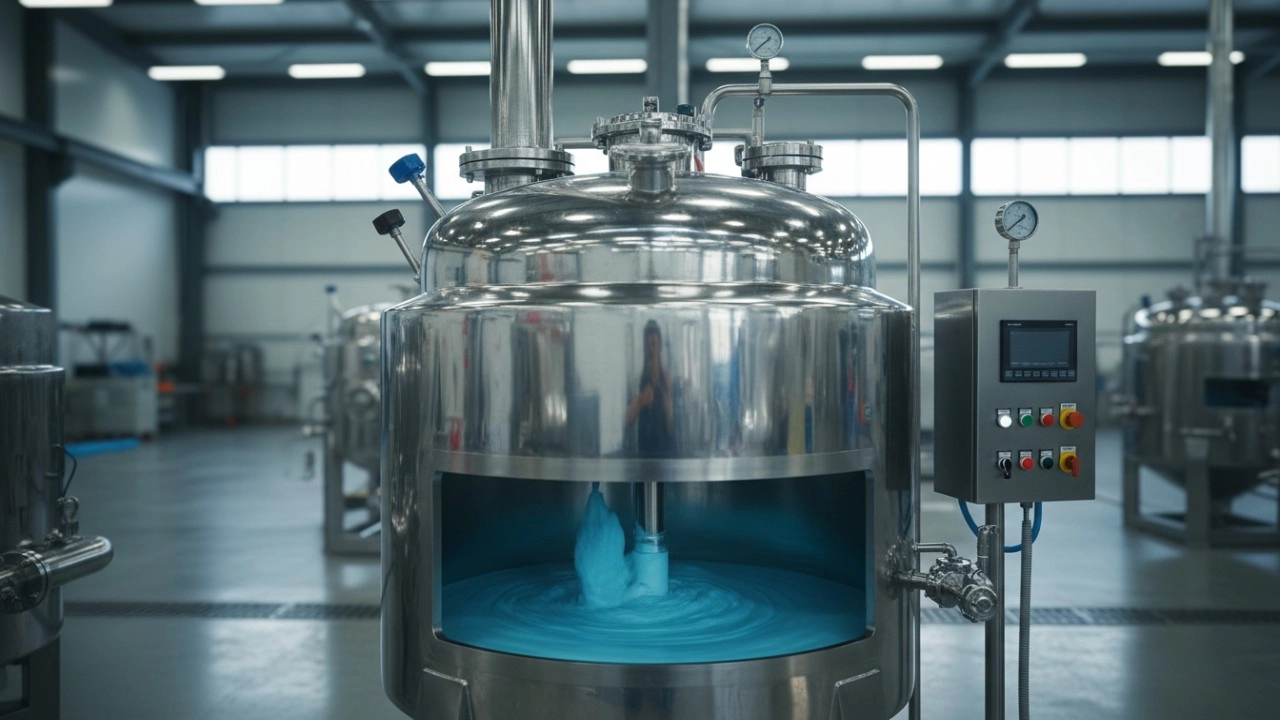
The Future of Industrial Agitation: 5 Smart Mixing Tank Technologies Changing the Game
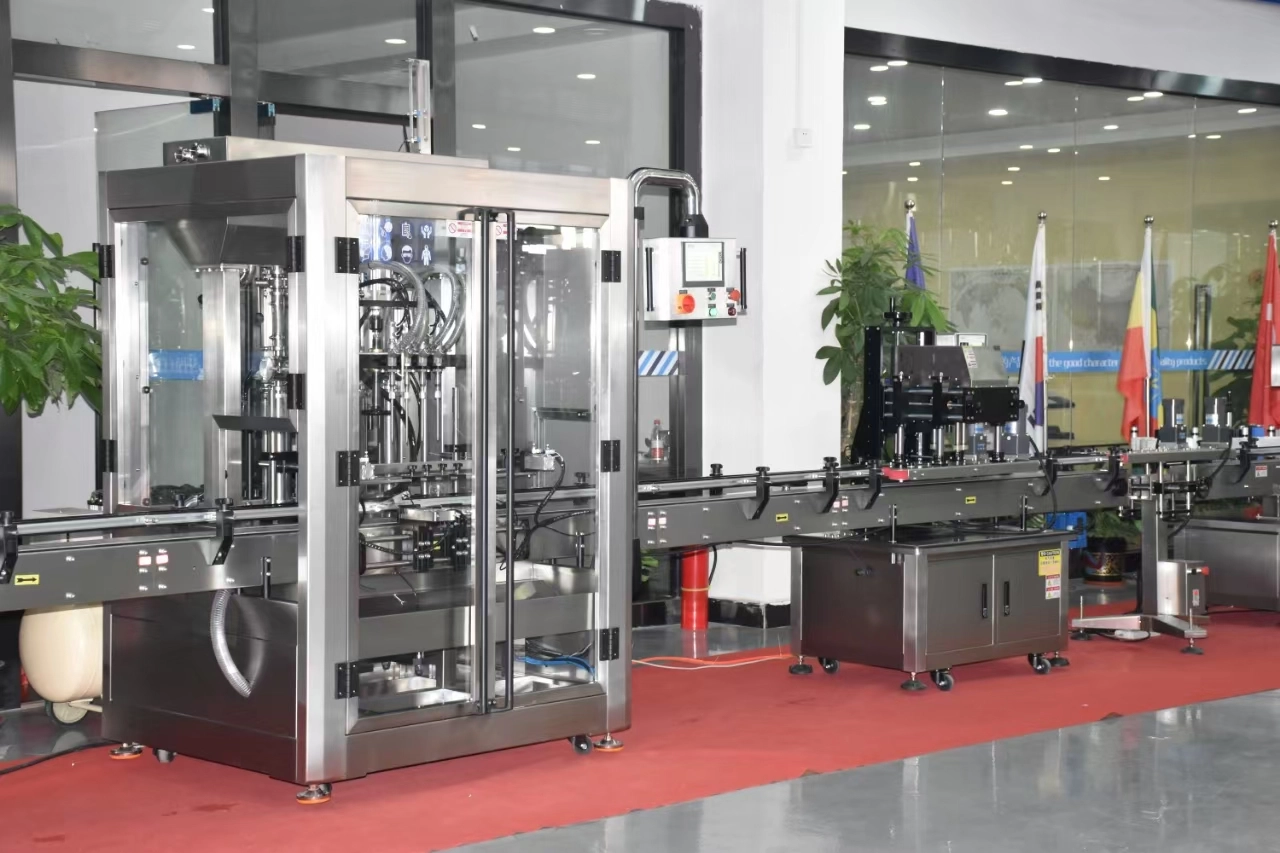
Gear pump filling machine vs. piston filling machine: Key differences broken down to avoid pitfalls in selection.
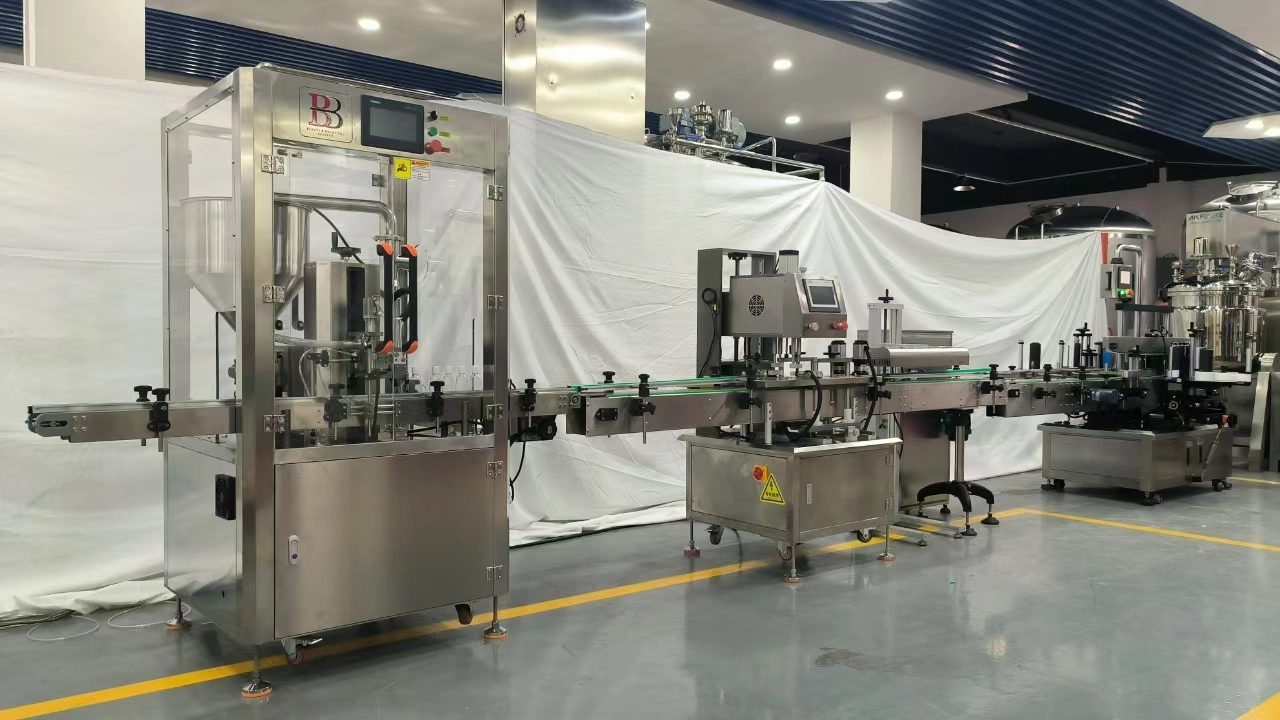
Understand the working principle of a servo gear pump filling machine!
Automatic Facial Mask Filling Machine
Can you customize the machine?
Of course, we provide customized services according to customer needs.
How many filling nozzles does your facial mask filling machine have?
We have dual-, six-, eight-, and ten-head facial mask filling machines. We can customize the number of filling nozzles to meet your needs.
Sealed Homogenizing Mixing Tank
What is the speed of the high shear homogenizer?
The standard speed is 0-3000 rpm, but higher speeds can be customized upon request.
Inkjet Printing Machine
Who are we?
Our headquarters is located in Guangzhou, Guangdong, China, and our factory is located in Yangzhou, Jiangsu. Our products are sold all over the world. We have approximately 50 employees in our company and factory.
Automatic Labeling Machine
Can you customize the machine?
Of course, we provide customized services according to customer needs.
Get in touch with FULUKE
If you have any comments or good suggestions, please leave us a message, later our professional staff will contact you as soon as possible.
You May Also Like
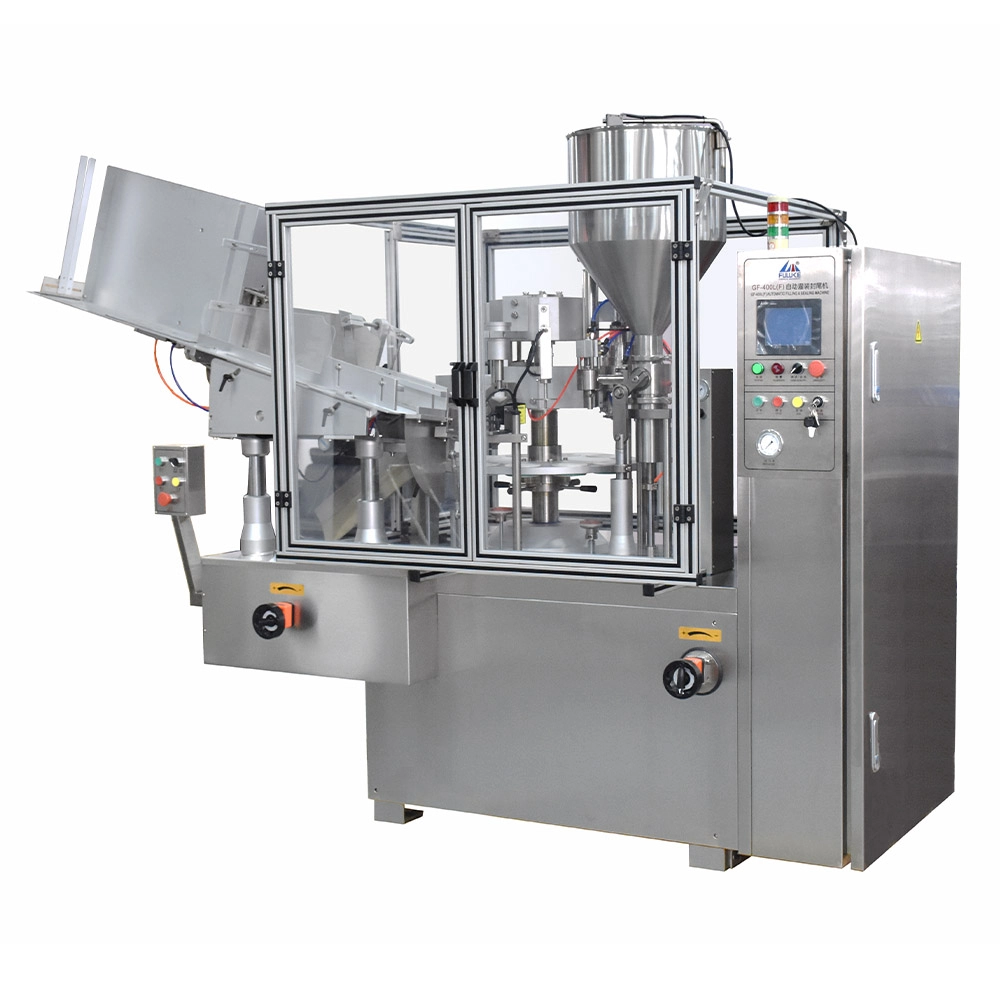
Automatic Tube Filling and Sealing Machine Toothpaste Sunscreen and Facial Cleanser Filling and Sealing Machine for Plastic and Aluminum-plastic Tube
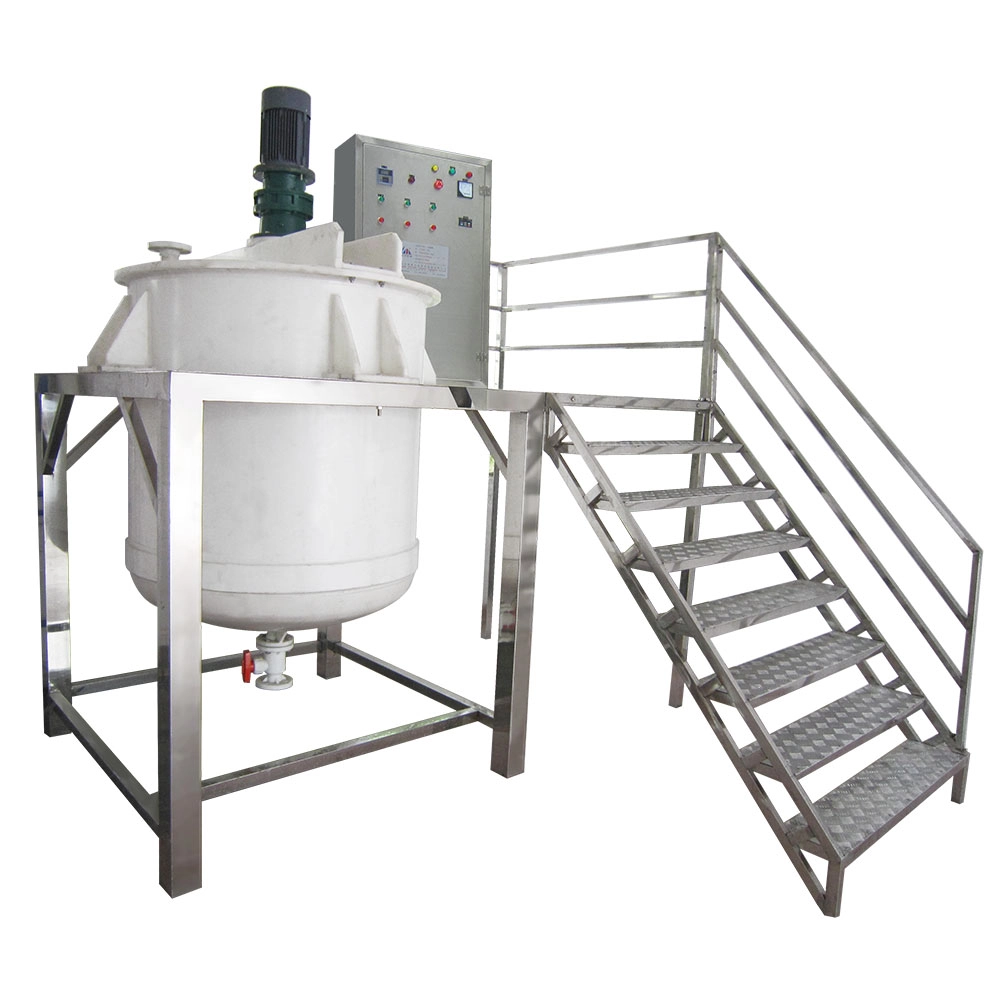
Polypropylene PP Mixing Tank Anti-Corrosion Mixer Reaction Kettle with Agitator Chemical Mixing Vessel
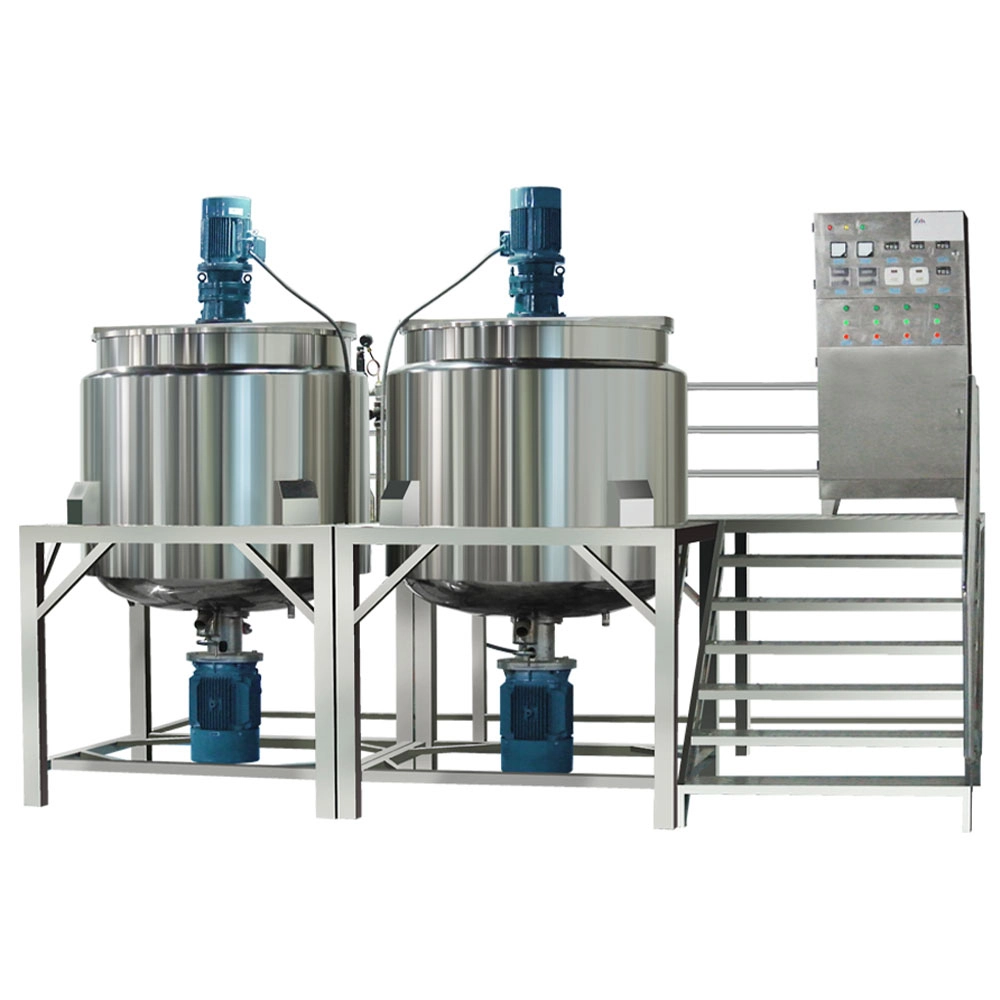
Flip Cover Multi-function Liquid Wash Mixing Tank Blender Liquid Detergent Mixer Homogenization Stirring Tank
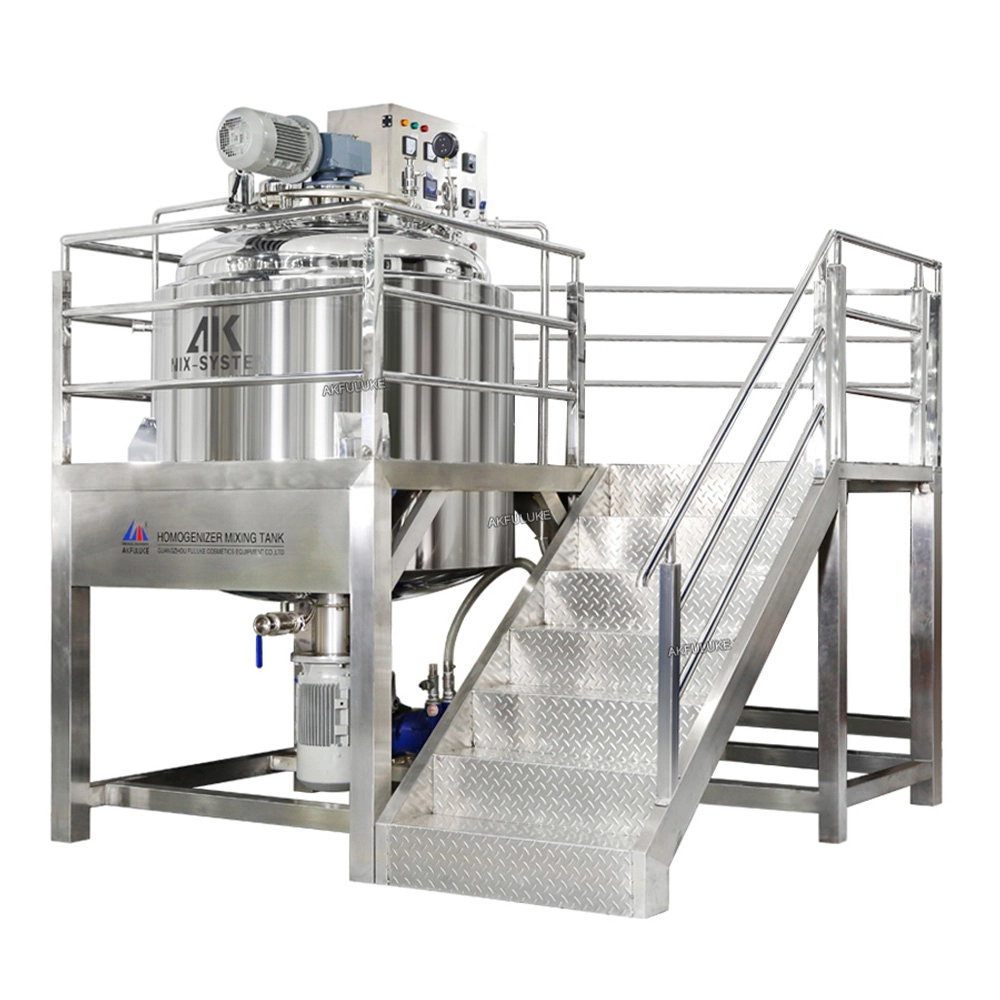
Stainless Steel Mixer Liquid Mixing tank with Agitator Homogenizing Mixing tank Vacuum Sealed Mixer Machine

A leading manufacturer specializing in advanced machinery and complete production lines for the cosmetics, food, pharmaceutical, and chemical industries worldwide.
Contact FULUKE
Facebook
Instagram
YouTube