
What connectivity features enable Industry 4.0 integration?
- Key Considerations for Integrating Industry 4.0 Connectivity in Cosmetic Equipment
- 1. What are the benefits of integrating Industry 4.0 connectivity into cosmetic equipment?
- 2. How does Industry 4.0 connectivity improve data collection and analysis in cosmetic manufacturing?
- 3. What role does connectivity play in predictive maintenance for cosmetic equipment?
- 4. How does Industry 4.0 connectivity enhance flexibility in cosmetic manufacturing?
- 5. What are the challenges in integrating Industry 4.0 connectivity into existing cosmetic equipment?
- 6. How can cosmetic manufacturers ensure a smooth transition to Industry 4.0 connectivity?
- 7. What are the future trends in Industry 4.0 connectivity for cosmetic equipment?
- 8. How does Industry 4.0 connectivity impact compliance and regulatory standards in cosmetic manufacturing?
- FULUKE's Advantages in Industry 4.0-Enabled Cosmetic Equipment
In the rapidly evolving cosmetic industry, staying competitive requires embracing advanced technologies that enhance manufacturing processes. Integrating Industry 4.0 connectivity features into equipment like filling machines offers significant advantages. Below are key considerations for cosmetic equipment procurement:
Key Considerations for Integrating Industry 4.0 Connectivity in Cosmetic Equipment
1. What are the benefits of integrating Industry 4.0 connectivity into cosmetic equipment?
Integrating Industry 4.0 connectivity into cosmetic equipment, such as filling machines, offers several benefits:
Enhanced Efficiency: Real-time monitoring and control enable immediate adjustments, reducing downtime and optimizing production schedules.
Improved Quality Control: Continuous data collection allows for precise monitoring of product quality, ensuring consistency and compliance with industry standards.
Predictive Maintenance: Sensors and data analytics can predict equipment failures before they occur, minimizing unplanned downtime and extending equipment lifespan.
Flexibility and Scalability: Connected systems can quickly adapt to changing production demands, facilitating the introduction of new products or packaging formats.
For instance, SIG's filling machines equipped with OPC Unified Architecture (OPC-UA) connectivity enable seamless communication within the production plant, enhancing operational flexibility.
2. How does Industry 4.0 connectivity improve data collection and analysis in cosmetic manufacturing?
Industry 4.0 connectivity enhances data collection and analysis by:
Real-Time Data Acquisition: Continuous monitoring of equipment performance, production rates, and quality metrics provides up-to-date insights.
Centralized Data Management: Integration with Manufacturing Execution Systems (MES) allows for centralized data storage, facilitating easier access and analysis.
Advanced Analytics: Utilizing data analytics tools to identify patterns, optimize processes, and make informed decisions.
Doeet's MES system, designed for the cosmetic industry, records material usage, machine efficiency, production time, and labor performance, enabling data-driven decision-making.
3. What role does connectivity play in predictive maintenance for cosmetic equipment?
Connectivity plays a crucial role in predictive maintenance by:
Continuous Monitoring: Sensors collect data on equipment conditions, such as temperature, vibration, and pressure.
Data Analysis: Analyzing collected data to detect anomalies or patterns indicating potential failures.
Proactive Maintenance: Scheduling maintenance activities based on predictive insights to prevent unexpected breakdowns.
For example, SIG's combiLink solution offers real-time monitoring and analysis of filling line efficiency, enabling timely maintenance decisions.
4. How does Industry 4.0 connectivity enhance flexibility in cosmetic manufacturing?
Industry 4.0 connectivity enhances flexibility by:
Rapid Adaptation: Quickly adjusting production parameters to accommodate new products or packaging formats.
Integrated Systems: Seamless communication between machines, conveyors, and other equipment streamlines workflows.
Scalability: Easily scaling operations up or down based on market demands.
Kenwei's multi-head filling machines, integrated with IoT capabilities, exemplify this flexibility by enabling real-time data exchange and process optimization.
5. What are the challenges in integrating Industry 4.0 connectivity into existing cosmetic equipment?
Challenges include:
Compatibility Issues: Ensuring new connectivity solutions are compatible with existing equipment.
Data Security: Protecting sensitive production data from cyber threats.
Cost Considerations: Balancing the investment in new technologies with expected returns.
Training Requirements: Equipping staff with the necessary skills to operate and maintain connected systems.
Addressing these challenges requires careful planning, investment in cybersecurity measures, and comprehensive training programs.
6. How can cosmetic manufacturers ensure a smooth transition to Industry 4.0 connectivity?
To ensure a smooth transition:
Conduct a Needs Assessment: Identify specific requirements and objectives for connectivity integration.
Choose Scalable Solutions: Select technologies that can grow with the business.
Invest in Training: Provide staff with training on new systems and processes.
Collaborate with Experts: Partner with technology providers experienced in Industry 4.0 implementations.
By following these steps, cosmetic manufacturers can effectively integrate Industry 4.0 connectivity, leading to improved efficiency, quality, and competitiveness.
7. What are the future trends in Industry 4.0 connectivity for cosmetic equipment?
Future trends include:
Advanced Data Analytics: Utilizing artificial intelligence and machine learning for deeper insights.
Edge Computing: Processing data closer to the source for faster decision-making.
Enhanced Cybersecurity: Implementing robust security measures to protect connected systems.
Sustainability Integration: Incorporating eco-friendly practices through connected technologies.
Staying informed about these trends will help manufacturers maintain a competitive edge in the evolving cosmetic industry.
8. How does Industry 4.0 connectivity impact compliance and regulatory standards in cosmetic manufacturing?
Industry 4.0 connectivity aids compliance by:
Automated Documentation: Generating accurate records of production processes.
Real-Time Monitoring: Ensuring adherence to quality and safety standards.
Traceability: Providing detailed histories of product batches for audits.
Implementing connected systems simplifies meeting regulatory requirements and enhances product safety.
FULUKE's Advantages in Industry 4.0-Enabled Cosmetic Equipment
FULUKE offers advanced cosmetic equipment integrated with Industry 4.0 connectivity, providing:
Seamless Integration: Ensuring compatibility with existing systems.
Real-Time Data Access: Offering immediate insights into production metrics.
Predictive Maintenance: Utilizing data analytics to forecast maintenance needs.
Scalability: Providing solutions that grow with your business.
Choosing FULUKE ensures a future-proof investment in cosmetic manufacturing equipment.
By considering these factors, cosmetic manufacturers can make informed decisions when procuring equipment, leading to enhanced operational efficiency and product quality.

Understanding Servo Capping Machines: The Core Logic of Precise Capping – Understand the Entire Working Process in Seconds
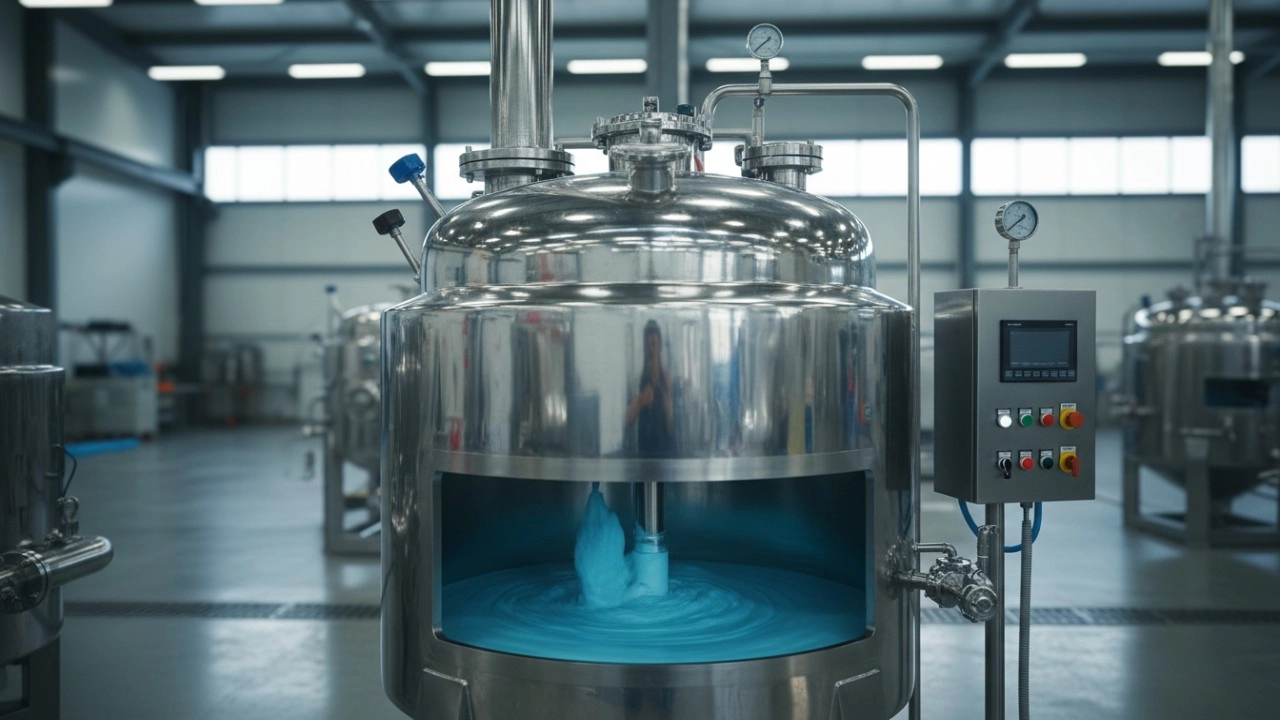
The Future of Industrial Agitation: 5 Smart Mixing Tank Technologies Changing the Game
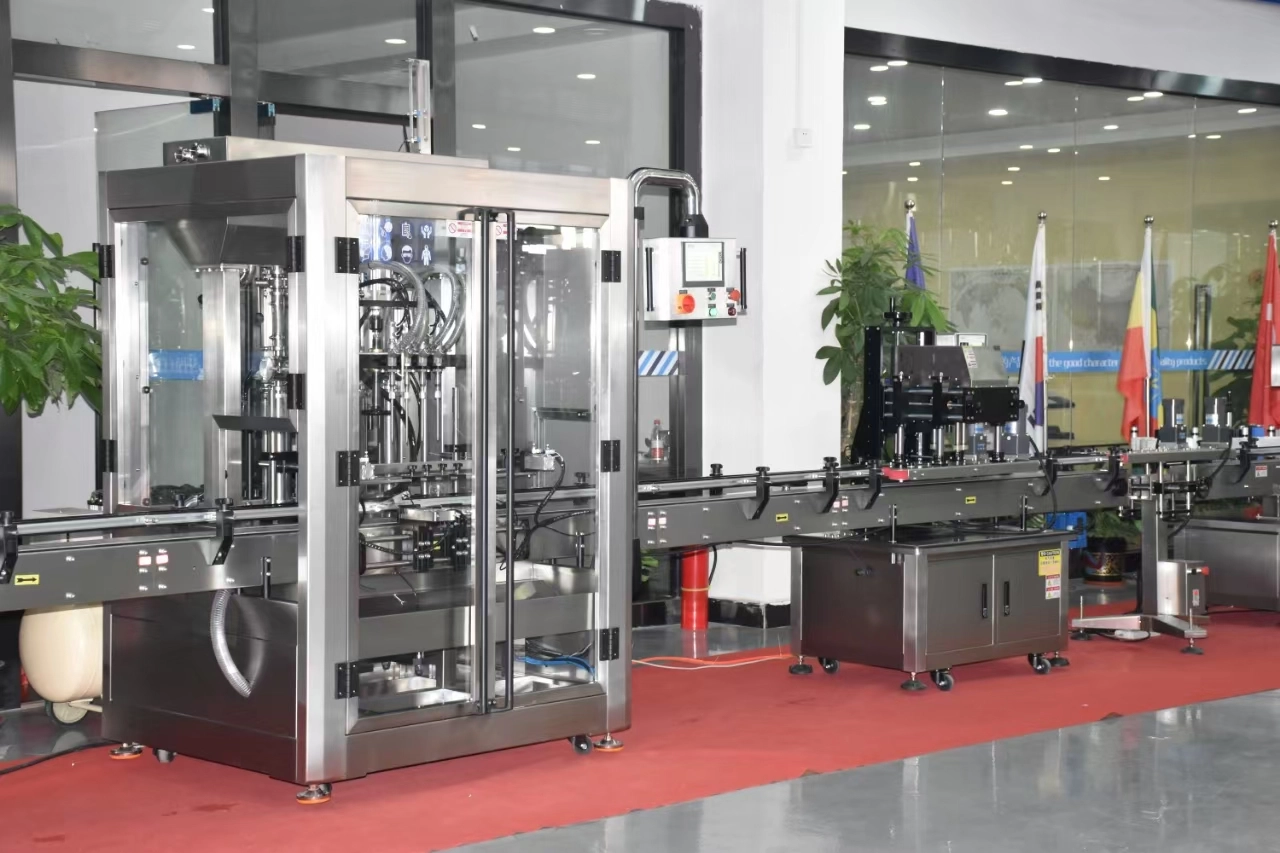
Gear pump filling machine vs. piston filling machine: Key differences broken down to avoid pitfalls in selection.
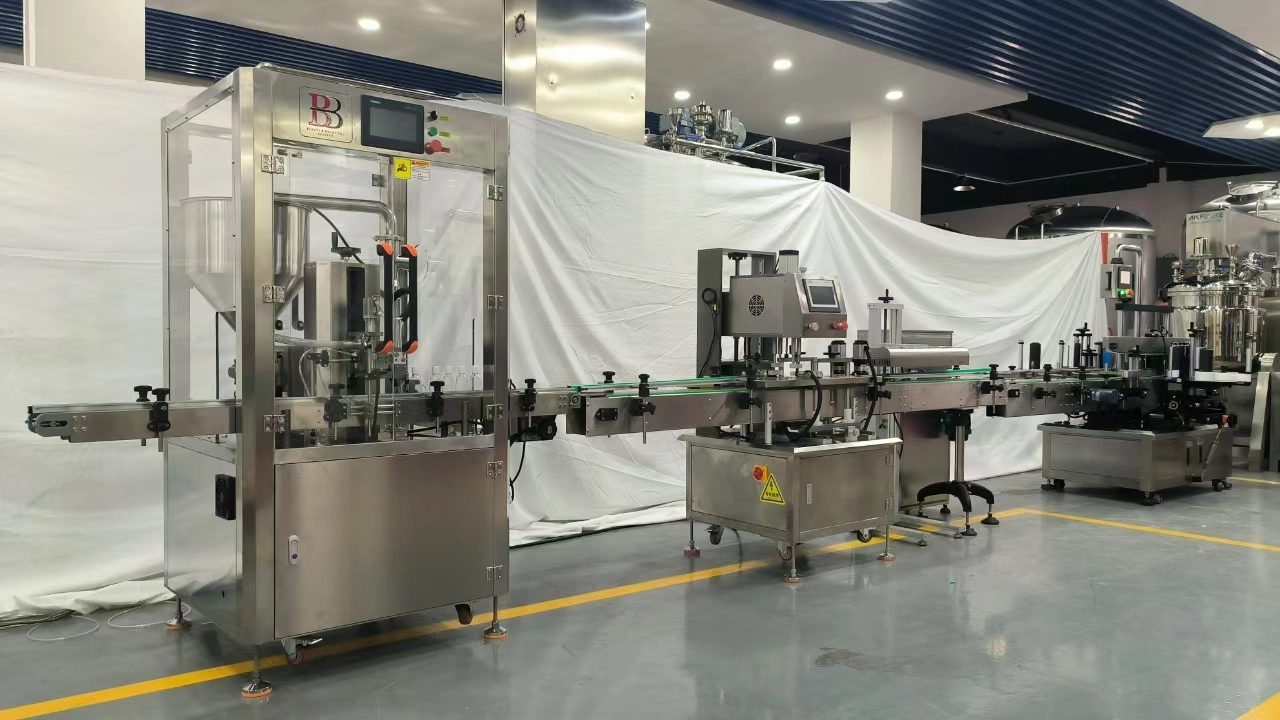
Understand the working principle of a servo gear pump filling machine!
Vacuum Emulsifying Machine
What kind of heating method is there?
The heating methods include electric heating (heating medium is water or thermal oil) and steam heating. Generally, we recommend steam heating for pots larger than 500L.
Lift-type Homogenizing Disperser
Why is the equipment suddenly noisier during operation?
There are three common causes: First, the disperser disc is colliding with the container wall, requiring the machine to be stopped and adjusted for lift height or container position; second, the motor bearings are worn, requiring inspection and replacement if wear is severe; and third, hard impurities (such as metal particles) may be mixed into the material, requiring the machine to be stopped and cleaned to prevent damage to the disperser disc.
Automatic Capping Machine
Can you customize the machine?
Of course, we provide customized services according to customer needs.
Storage Tank
What should I check before daily use of a storage tank?
Inspect the tank for signs of deformation or leakage, and check that the sealing components are intact.
Confirm that the level gauge, pressure gauge, and other instruments are displaying normal readings and that the valves are opening and closing freely.
If storing flammable or explosive media, check that the anti-static device is effective.
Automatic Filling Machine
Who are we?
Our headquarters is located in Guangzhou, Guangdong, China, and our factory is located in Yangzhou, Jiangsu. Our products are sold all over the world. We have approximately 50 employees in our company and factory.
Get in touch with FULUKE
If you have any comments or good suggestions, please leave us a message, later our professional staff will contact you as soon as possible.
You May Also Like
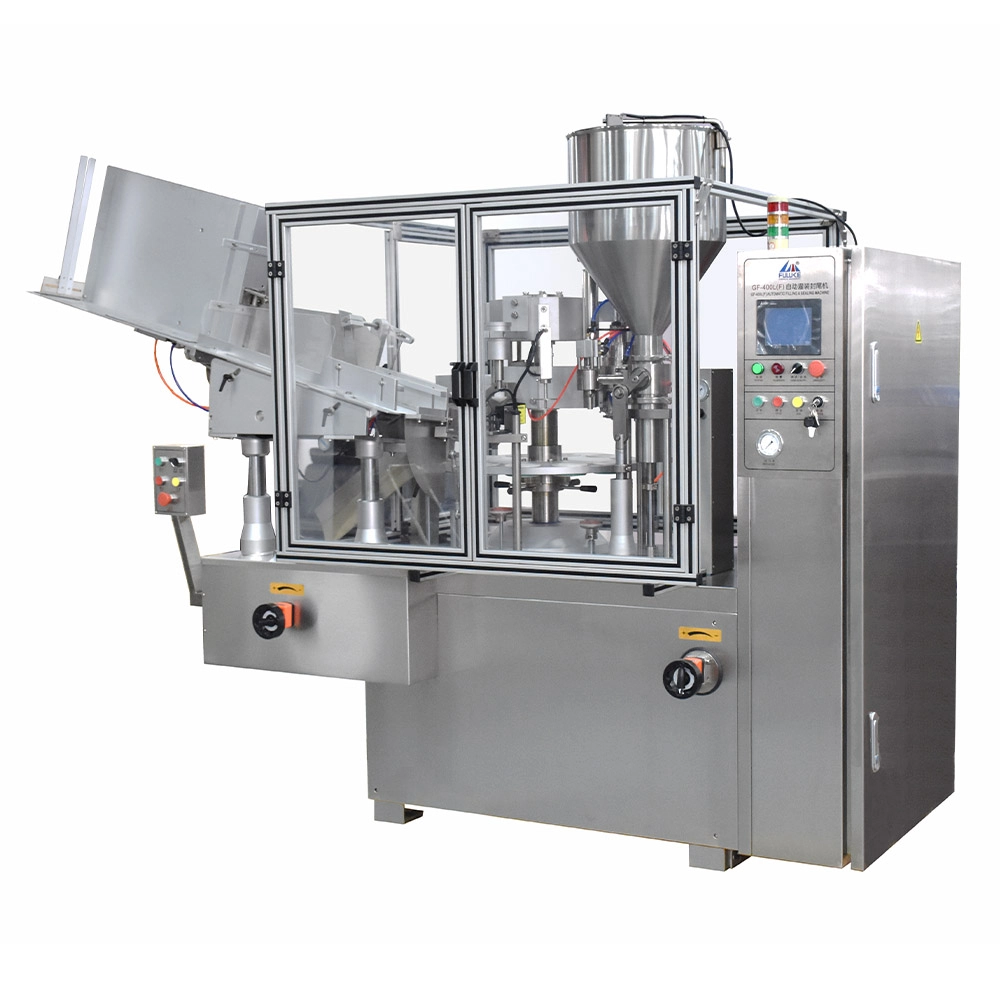
Automatic Tube Filling and Sealing Machine Toothpaste Sunscreen and Facial Cleanser Filling and Sealing Machine for Plastic and Aluminum-plastic Tube
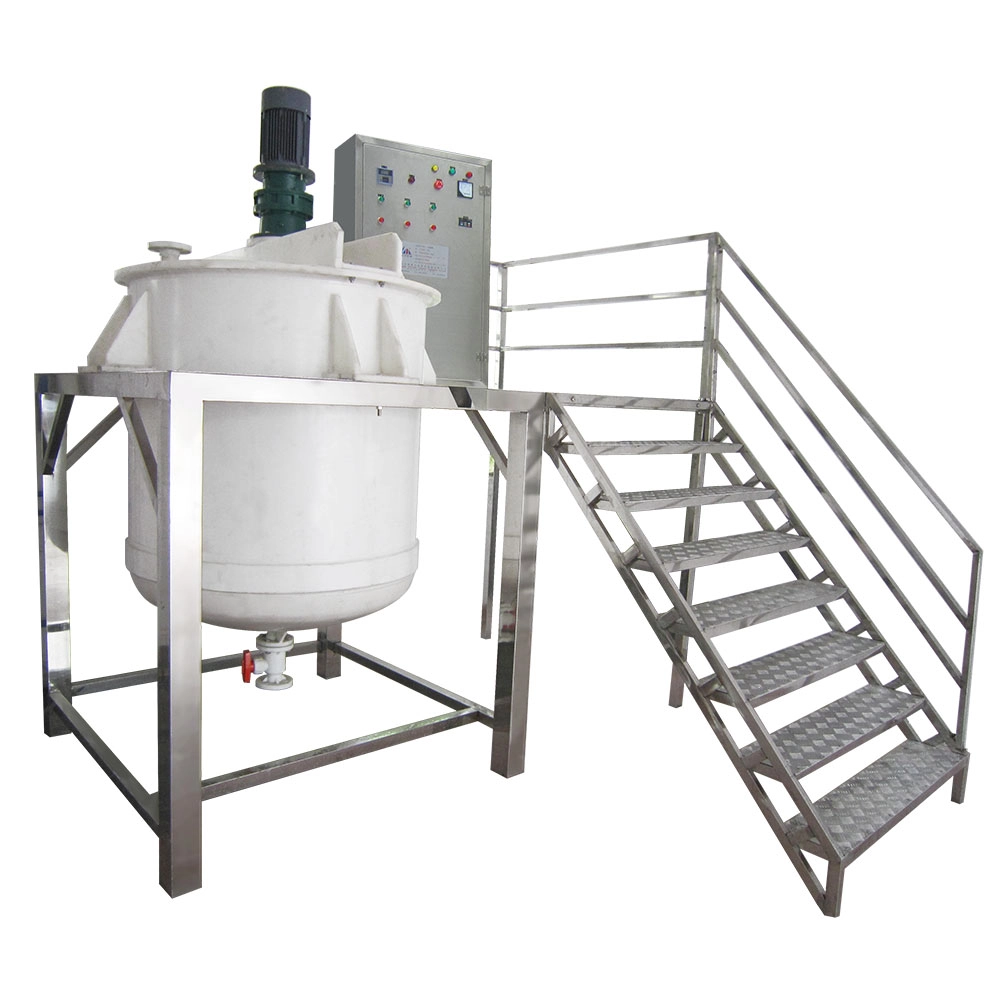
Polypropylene PP Mixing Tank Anti-Corrosion Mixer Reaction Kettle with Agitator Chemical Mixing Vessel
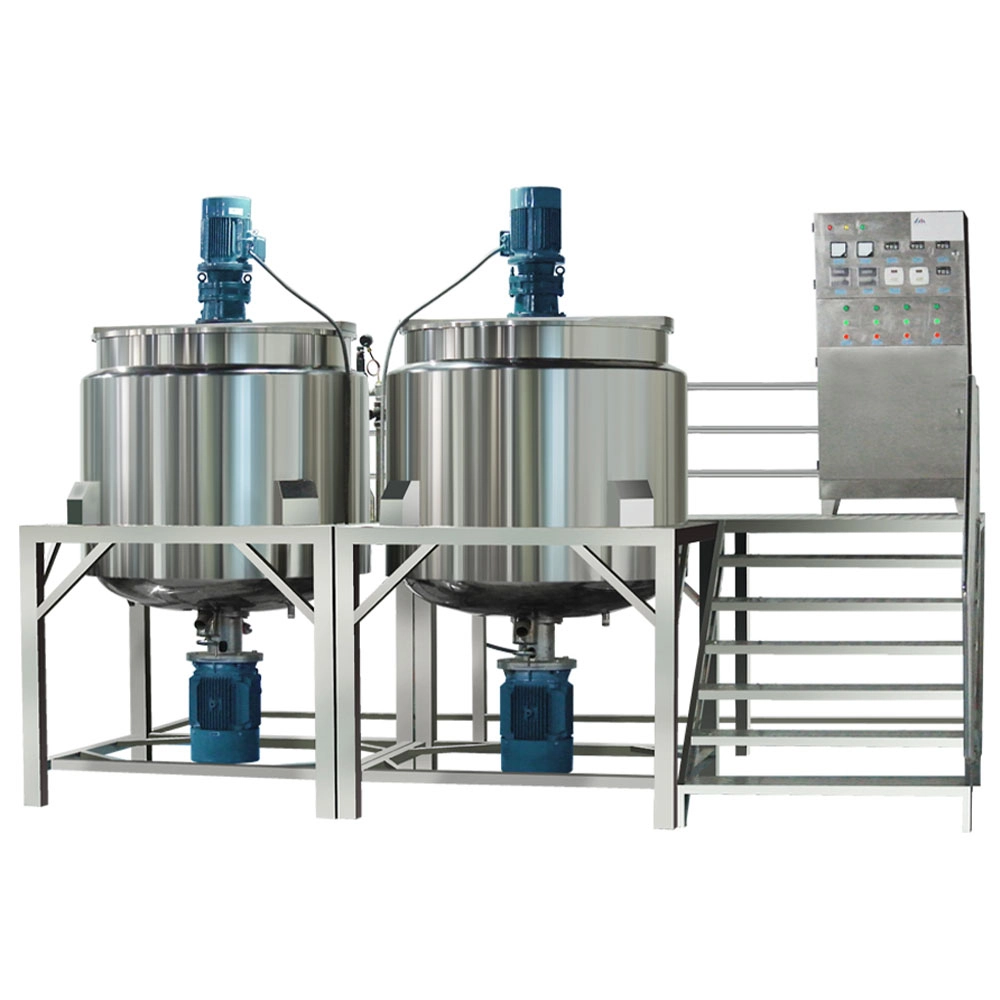
Flip Cover Multi-function Liquid Wash Mixing Tank Blender Liquid Detergent Mixer Homogenization Stirring Tank
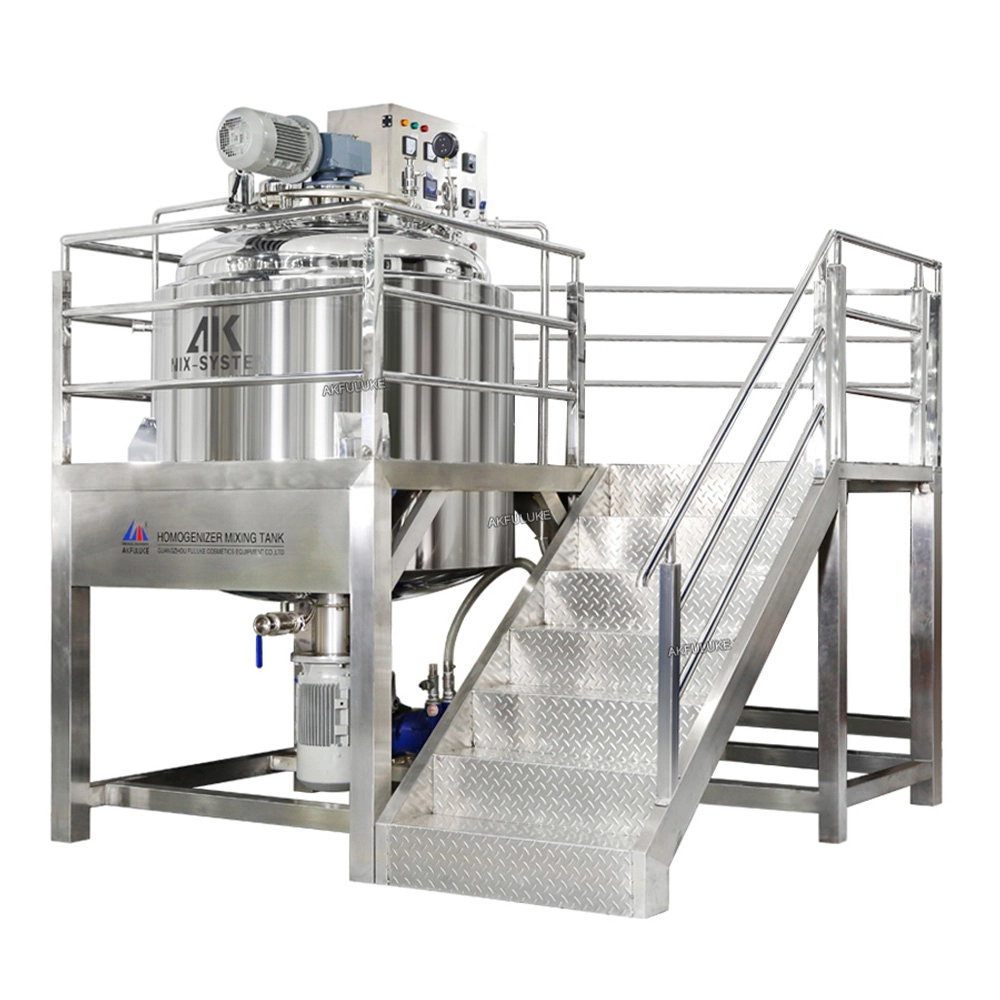
Stainless Steel Mixer Liquid Mixing tank with Agitator Homogenizing Mixing tank Vacuum Sealed Mixer Machine

A leading manufacturer specializing in advanced machinery and complete production lines for the cosmetics, food, pharmaceutical, and chemical industries worldwide.
Contact FULUKE
Facebook
Instagram
YouTube