
How to prevent cross contamination between product runs?
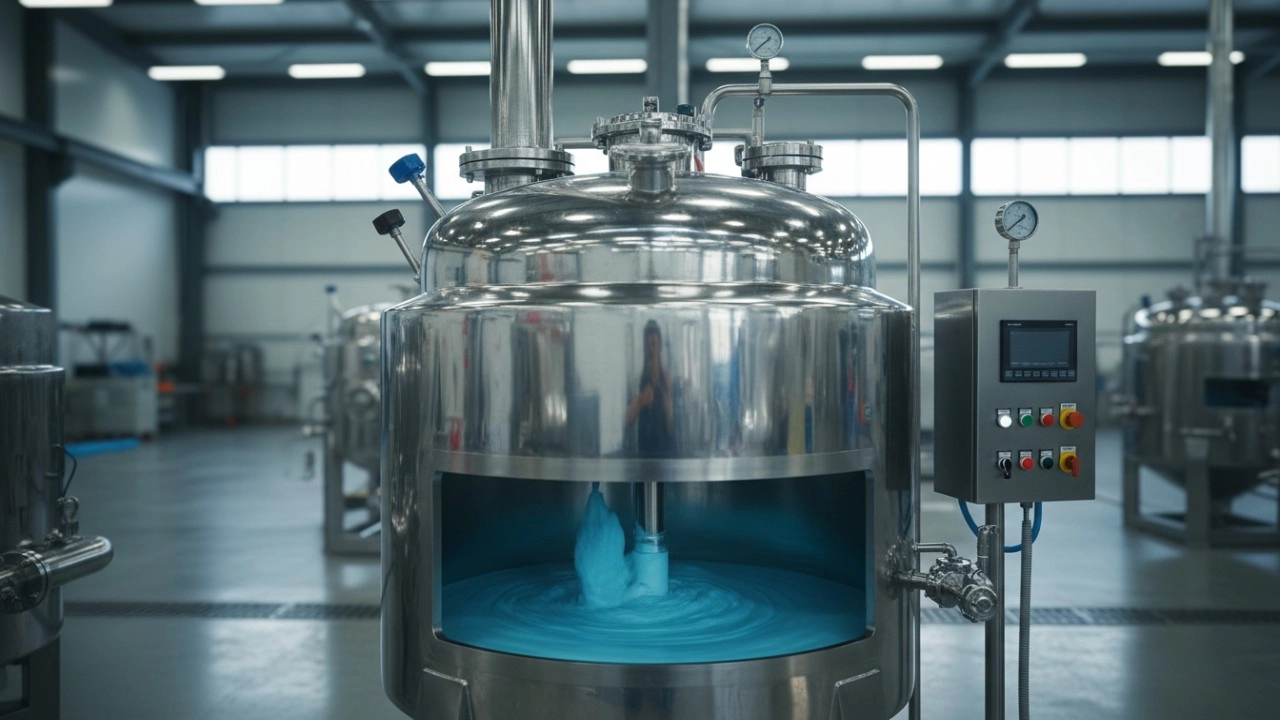
In the cosmetic manufacturing industry, selecting the right equipment and implementing effective contamination control measures are crucial for producing safe and high-quality products. This article addresses key considerations for choosing mixing tanks with agitators and strategies to prevent cross-contamination during production.
Selecting the Right Mixing Tank with Agitator
1. What are the key factors to consider when selecting a mixing tank with an agitator for cosmetic production?
When choosing a mixing tank with an agitator, consider the following factors:
Material Compatibility: Ensure the tank and agitator are made from materials compatible with cosmetic ingredients to prevent reactions or contamination.
Design and Construction: Opt for tanks with smooth, non-porous surfaces and minimal welds to facilitate thorough cleaning and prevent residue buildup.
Agitator Type and Speed: Select an agitator that provides appropriate shear and mixing speeds suitable for the specific cosmetic formulation.
Capacity and Scalability: Choose a tank size that aligns with production needs and allows for future scalability.
Compliance with Standards: Verify that the equipment meets industry standards and regulations for cosmetic manufacturing.
2. How does the design of a mixing tank with an agitator impact the prevention of cross-contamination?
The design of a mixing tank with an agitator plays a significant role in preventing cross-contamination:
Seamless Construction: Tanks with seamless welds and smooth surfaces reduce areas where residues can accumulate, facilitating easier cleaning.
Drainability: Properly designed tanks ensure complete drainage, minimizing the risk of residual product remaining after cleaning.
Cleaning-In-Place (CIP) Compatibility: Tanks designed for CIP systems allow for automated and thorough cleaning, reducing manual intervention and the risk of human error.
3. What are the maintenance requirements for mixing tanks with agitators in cosmetic manufacturing?
Regular maintenance of mixing tanks with agitators includes:
Routine Cleaning: Implementing validated cleaning protocols to remove residues and prevent microbial growth.
Inspection: Regularly checking for signs of wear, corrosion, or damage to ensure equipment integrity.
Lubrication: Maintaining agitator components with appropriate lubricants to ensure smooth operation.
Calibration: Periodically calibrating sensors and controls to maintain accurate mixing parameters.
4. How can the choice of agitator type affect the quality of cosmetic products?
The agitator type influences product quality by:
Controlling Shear Forces: Different agitator designs provide varying shear forces, affecting the emulsification and homogenization of cosmetic formulations.
Preventing Air Entrainment: Selecting an agitator that minimizes air incorporation helps maintain product stability and prevents oxidation.
Ensuring Uniform Mixing: An appropriate agitator ensures consistent distribution of ingredients, leading to uniform product quality.
5. What are the common challenges in using mixing tanks with agitators in cosmetic manufacturing?
Common challenges include:
Residue Buildup: Difficult-to-clean areas can harbor residues, leading to contamination.
Equipment Wear: Continuous use can cause wear and tear, affecting performance and product quality.
Regulatory Compliance: Ensuring equipment meets evolving industry standards and regulations.
6. How can automation in mixing tanks improve efficiency and reduce contamination risks?
Automation enhances efficiency and reduces contamination risks by:
Standardizing Processes: Automated systems ensure consistent mixing parameters, leading to uniform product quality.
Reducing Human Error: Automated cleaning and mixing processes minimize the risk of cross-contamination due to manual handling.
Enhancing Traceability: Automated systems provide detailed records of production processes, aiding in quality control and compliance audits.
7. What role does equipment validation play in preventing cross-contamination?
Equipment validation ensures that mixing tanks and agitators perform as intended, effectively removing residues and preventing cross-contamination. This involves:
Developing Cleaning Protocols: Establishing and validating cleaning procedures to ensure thorough removal of residues.
Conducting Performance Qualification: Verifying that equipment operates within specified parameters to maintain product quality.
Maintaining Documentation: Keeping detailed records of validation activities to support compliance and quality assurance.
8. How can personnel training contribute to preventing cross-contamination in cosmetic manufacturing?
Proper personnel training is vital in preventing cross-contamination by:
Ensuring Adherence to Protocols: Trained staff are more likely to follow established cleaning and handling procedures accurately.
Identifying Risks: Educated personnel can recognize potential contamination risks and take appropriate corrective actions.
Maintaining Equipment: Well-trained staff can perform routine maintenance and inspections, ensuring equipment remains in optimal condition.
In conclusion, selecting the appropriate mixing tank with an agitator and implementing effective cross-contamination prevention strategies are essential for maintaining the quality and safety of cosmetic products. By considering equipment design, maintenance, automation, validation, and personnel training, manufacturers can enhance production efficiency and ensure compliance with industry standards.
FULUKE offers advanced mixing tanks with agitators designed to meet the highest industry standards, ensuring optimal performance and product quality. Our equipment features seamless construction, efficient agitator designs, and compatibility with automated cleaning systems, providing reliable solutions for cosmetic manufacturing.
References:

Understanding Servo Capping Machines: The Core Logic of Precise Capping – Understand the Entire Working Process in Seconds
The Future of Industrial Agitation: 5 Smart Mixing Tank Technologies Changing the Game
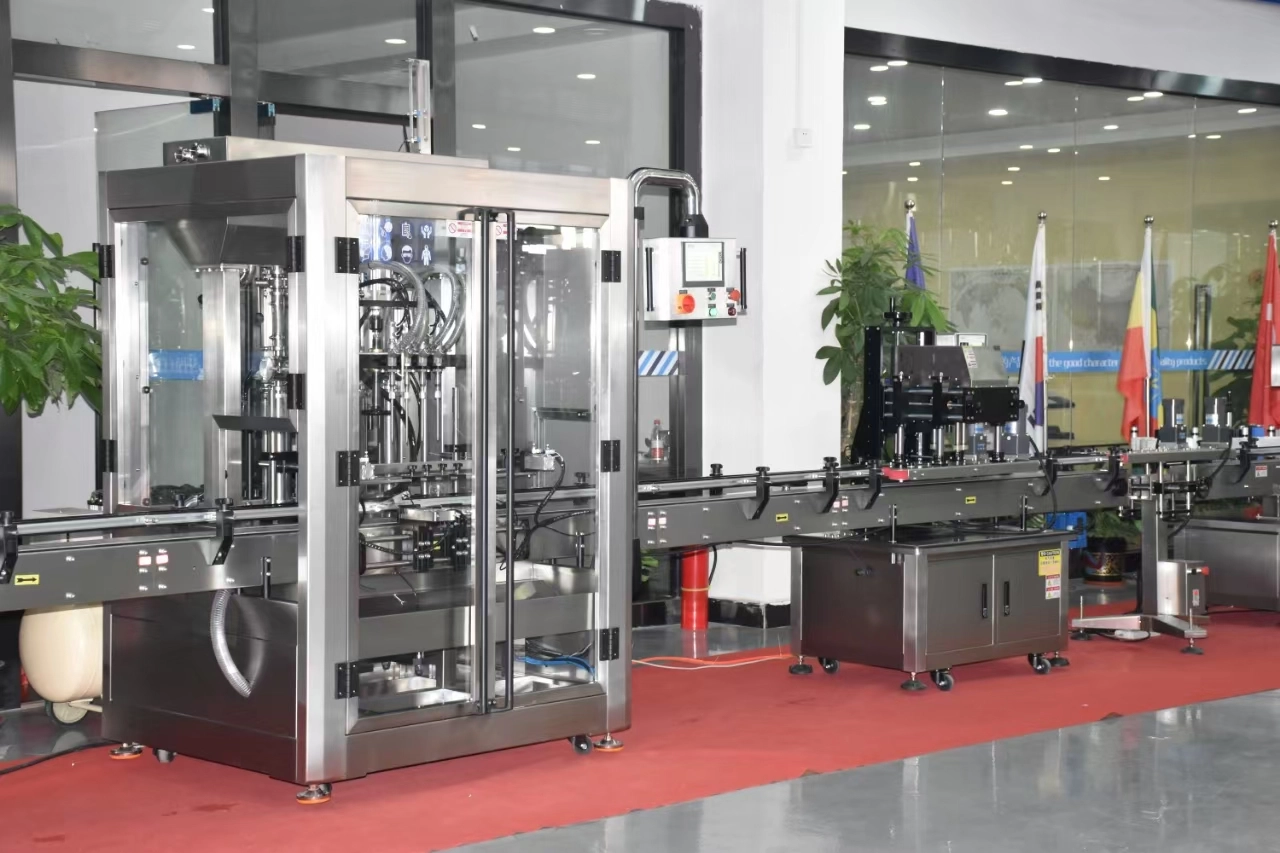
Gear pump filling machine vs. piston filling machine: Key differences broken down to avoid pitfalls in selection.
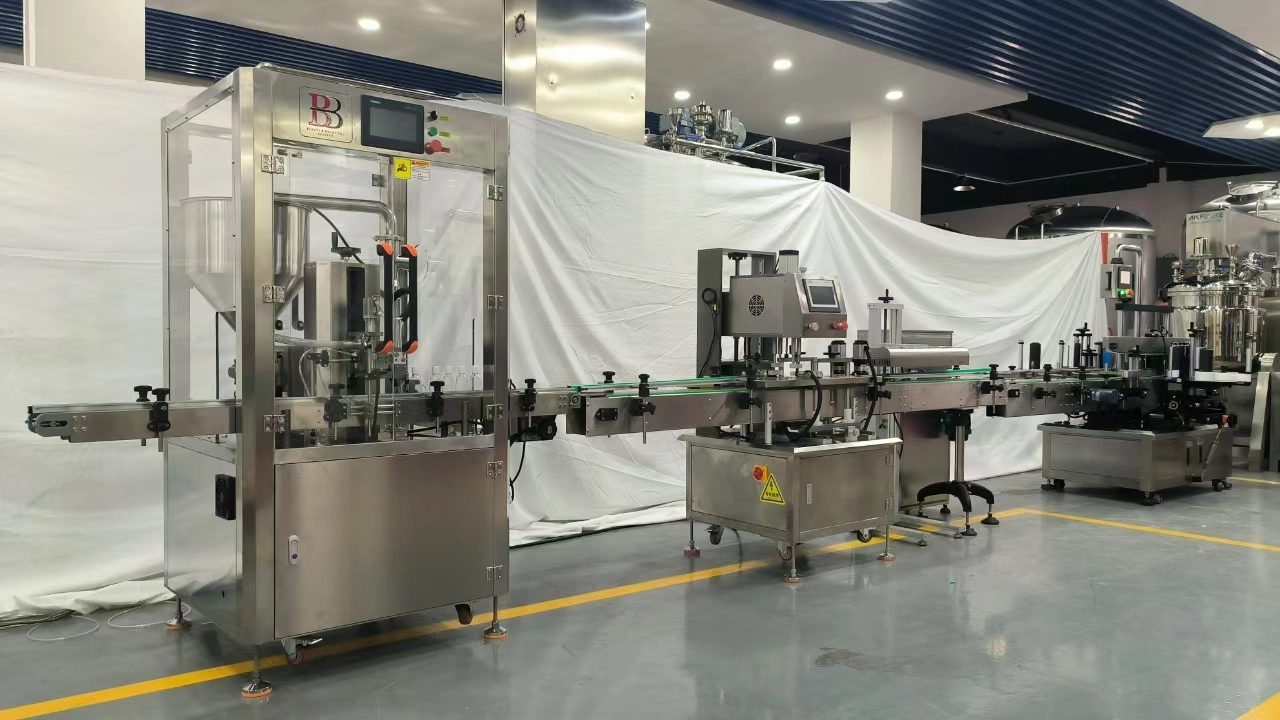
Understand the working principle of a servo gear pump filling machine!
Perfume Freezing Filter Making Machine
Why does perfume require freeze filtration? Is traditional filtration an alternative?
Traditional filtration only removes visible solid impurities. Soluble organic matter, colloids, and trace microorganisms in perfume are difficult to separate at room temperature, easily leading to turbidity, precipitation, and aroma deterioration after storage. Freeze filtration uses a low-temperature environment of -5°C to -15°C (depending on the formulation) to condense these hidden impurities into solid particles. These particles are then thoroughly trapped through precision filtration, while simultaneously allowing the fragrance components to fully blend. This is a core process that ensures the stability of high-end perfumes.
Storage Tank
Can you make a design for us?
Yes, we can, we provide not only products, but also solutions and designs.
Automatic Filling Machine
Can you make a design for us?
Yes, we can, we provide not only products, but also solutions and designs.
Inkjet Printing Machine
What products can inkjet printers be used for?
It can be used for products such as carton, plastic, metal, boarding, pipe, stone, cable, glass, electronic components, auto parts, industrial chemical packaging, and medical/food/gift boxes.
Automatic Labeling Machine
Can you make a design for us?
Yes, we can, we provide not only products, but also solutions and designs.
Get in touch with FULUKE
If you have any comments or good suggestions, please leave us a message, later our professional staff will contact you as soon as possible.
You May Also Like
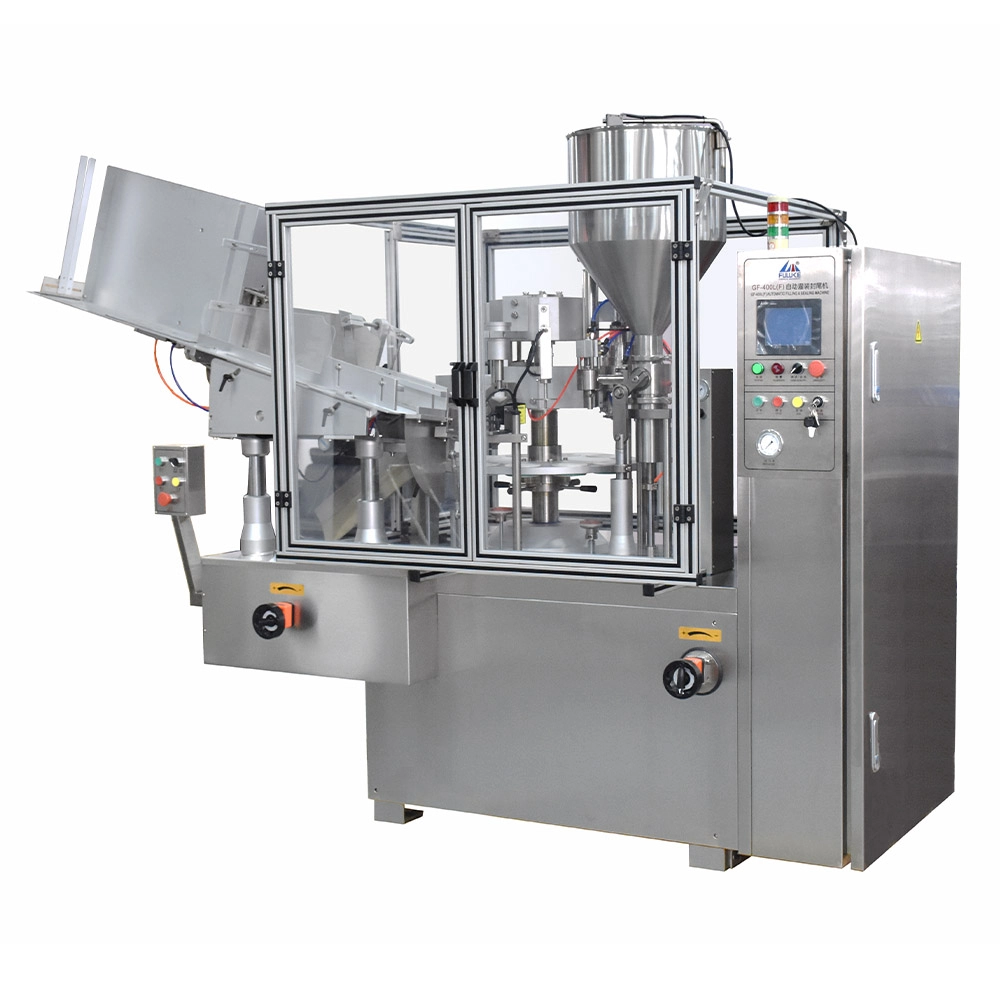
Automatic Tube Filling and Sealing Machine Toothpaste Sunscreen and Facial Cleanser Filling and Sealing Machine for Plastic and Aluminum-plastic Tube
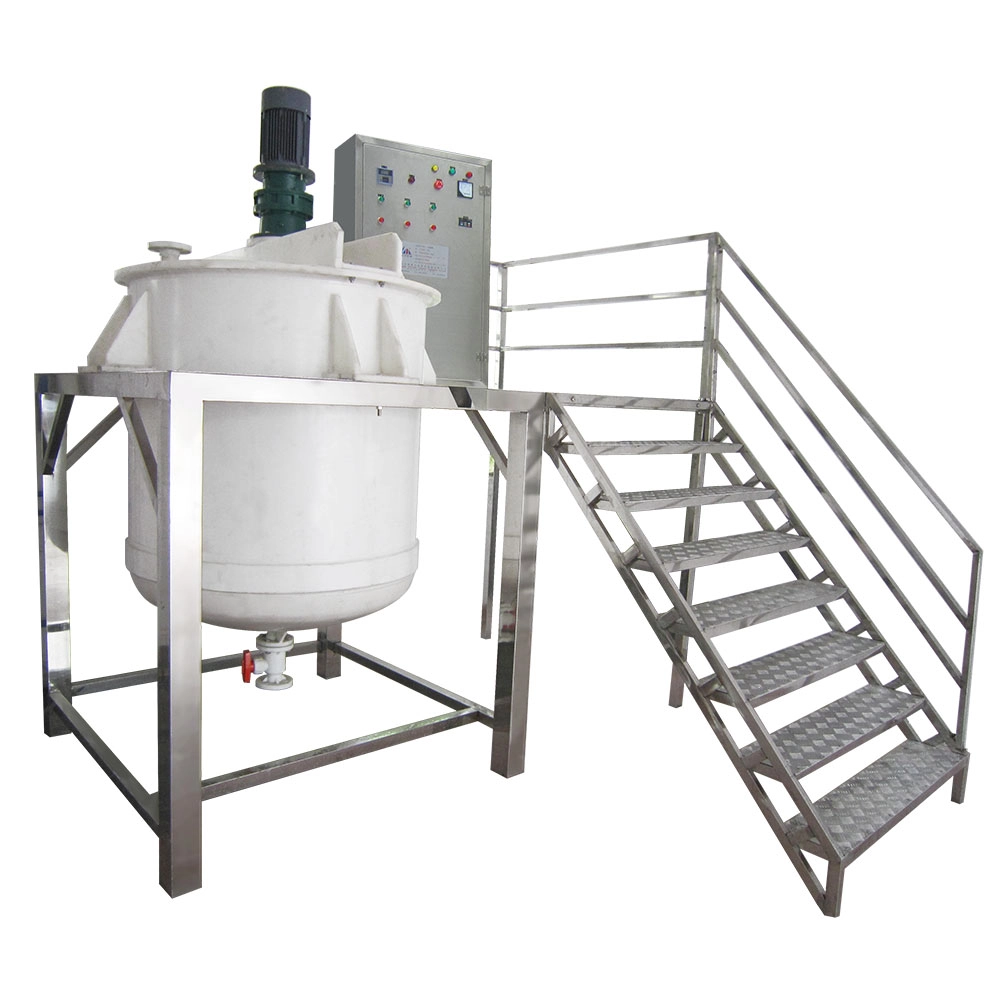
Polypropylene PP Mixing Tank Anti-Corrosion Mixer Reaction Kettle with Agitator Chemical Mixing Vessel
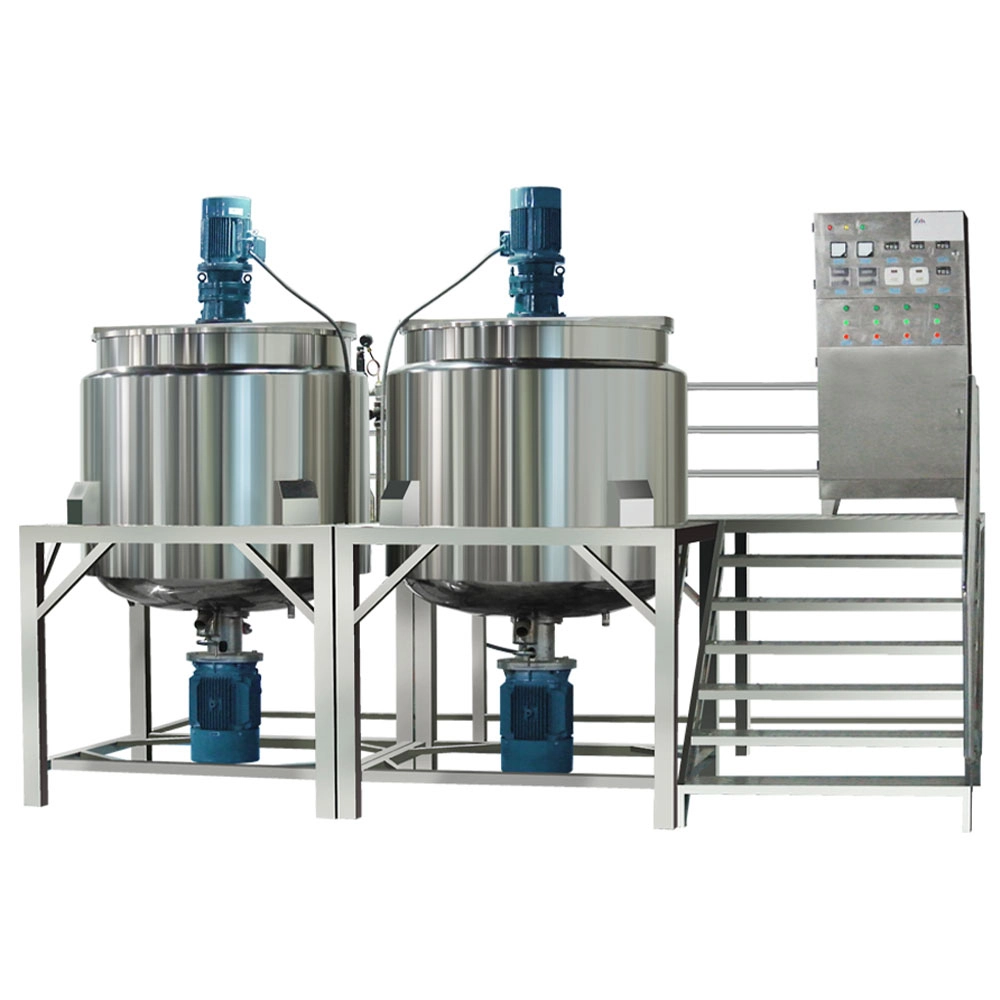
Flip Cover Multi-function Liquid Wash Mixing Tank Blender Liquid Detergent Mixer Homogenization Stirring Tank
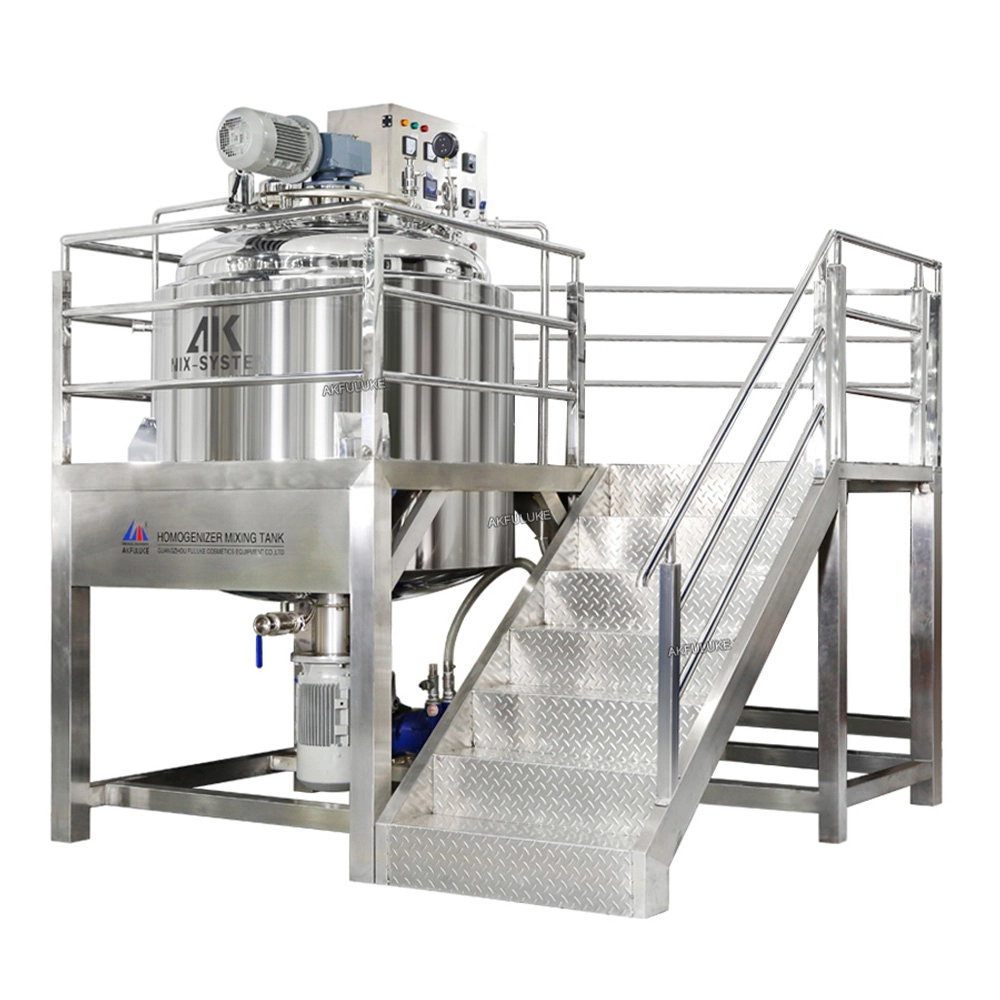
Stainless Steel Mixer Liquid Mixing tank with Agitator Homogenizing Mixing tank Vacuum Sealed Mixer Machine

A leading manufacturer specializing in advanced machinery and complete production lines for the cosmetics, food, pharmaceutical, and chemical industries worldwide.
Contact FULUKE
Facebook
Instagram
YouTube