
What contract terms should procurement negotiate?
- Key Contract Terms for Procuring Cosmetic Equipment
- 1. What are the essential contract terms to include in a cosmetic equipment procurement agreement?
- 2. How can I ensure the equipment meets quality standards?
- 3. What should be included in the warranty terms?
- 4. How can I protect my company from potential risks?
- 5. What are the typical payment terms in such contracts?
- 6. How can I address potential delays in delivery?
- 7. What are the key considerations for international procurement?
When procuring cosmetic equipment, understanding and negotiating the right contract terms is crucial to ensure quality, compliance, and favorable procurement outcomes. Below are key considerations:
Key Contract Terms for Procuring Cosmetic Equipment
1. What are the essential contract terms to include in a cosmetic equipment procurement agreement?
Essential contract terms include:
Price and Payment Terms: Clearly define the total cost, payment schedule, and any applicable taxes or duties. Specify payment methods and timelines to avoid disputes.
Delivery and Acceptance: Outline delivery schedules, shipping responsibilities, and acceptance criteria. Address potential delays and the process for inspecting and accepting the equipment upon delivery.
Warranty and Quality Assurance: Specify warranty periods, coverage details, and the process for addressing defects or non-conformities. Ensure the equipment meets all specified quality standards.
Intellectual Property Rights: Clarify ownership rights related to any proprietary technology or designs associated with the equipment.
Confidentiality: Include clauses to protect sensitive information shared during the procurement process.
Termination and Remedies: Define conditions under which the contract can be terminated and the remedies available to both parties in case of breach.
Compliance with Laws: Ensure the equipment complies with all relevant regulations and standards applicable in the destination country.
2. How can I ensure the equipment meets quality standards?
To ensure quality standards are met:
Specifications: Clearly define technical specifications and performance criteria in the contract.
Inspections and Testing: Include provisions for pre-shipment inspections and testing to verify compliance with agreed standards.
Acceptance Criteria: Establish clear acceptance criteria and procedures for addressing any defects or non-conformities upon delivery.
3. What should be included in the warranty terms?
Warranty terms should cover:
Duration: Specify the length of the warranty period.
Coverage: Detail what is covered, such as defects in materials or workmanship.
Exclusions: Clearly state any exclusions or limitations.
Remedies: Outline the process for repairs, replacements, or refunds in case of defects.
Procedure: Define the steps for making a warranty claim, including required documentation and timelines.
4. How can I protect my company from potential risks?
To mitigate risks:
Indemnification: Include clauses where the supplier agrees to indemnify your company against certain liabilities, such as intellectual property infringements.
Insurance: Ensure the supplier has adequate insurance coverage for potential damages or losses.
Compliance: Verify that the equipment complies with all relevant laws and regulations to avoid legal issues.
5. What are the typical payment terms in such contracts?
Typical payment terms may include:
Advance Payment: A percentage of the total cost paid upfront to secure the order.
Progress Payments: Payments made at various stages of production or delivery.
Final Payment: The remaining balance paid upon successful delivery and acceptance of the equipment.
It's important to negotiate terms that align with your company's cash flow and risk tolerance.
6. How can I address potential delays in delivery?
To manage delivery delays:
Delivery Schedule: Clearly define delivery timelines in the contract.
Penalties: Include clauses specifying penalties or remedies if the supplier fails to meet delivery deadlines.
Force Majeure: Define circumstances under which delays are excusable, such as natural disasters or unforeseen events.
Communication: Establish regular communication channels to monitor progress and address issues promptly.
7. What are the key considerations for international procurement?
For international procurement:
Import Regulations: Ensure compliance with import laws and regulations in the destination country.
Currency and Payment Methods: Agree on currency for payments and acceptable payment methods.
Shipping and Customs: Clarify responsibilities for shipping, customs clearance, and associated costs.
Language and Documentation: Ensure all contractual documents are accurately translated and understood by all parties.
By carefully considering and negotiating these contract terms, you can safeguard your interests and ensure a successful procurement process for cosmetic equipment.
FULUKE, a leading brand in cosmetic equipment manufacturing, offers high-quality products that adhere to international standards, ensuring reliability and performance.
For more information on FULUKE's offerings, visit their official website.
Note: The above information is for general guidance and should not replace professional legal advice.
*Data sources: (https://www.cosmetic-equipment.it/en/general-terms-and-conditions-of-sale/), (https://www.clackesd.org/fiscal-services/procurement-terms-conditions/), (https://fillingmachines.uk/terms-of-use/), (https://oneepic.com/standard-procurement-terms), (https://universalfilling.com/uk-manufacturers-suppliers-of-liquid-filling-equipment-2/terms-conditions/), (https://contracts.justia.com/companies/skinmedica-inc-65938/contract/1173810/), (https://www.lfofamerica.com/contract-filling/contract-filling-machines/), (https://www.scribd.com/document/416948133/Aavin-Ambutur-Tender), (https://airdyne-aero.com/terms-and-conditions/), (https://sites.google.com/a/growthhq.net/demisized/main-menu/how-it-works-sub-menu/procurement-contracts), (https://www.in.gov/idoa/procurement/supplier-resource-center/purchasing-terms-and-definitions/), (https://www.acquisition.gov/node/49441/printable/print), (https://ogs.ny.gov/procurement/glossary-commonly-used-procurement-terms), (https://www.hako.com/en/terms-and-conditions-of-procurement), (https://www.cph2.com/procurement-terms-and-conditions/), (https://www.alineautomation.com/machinecat/contract/), (https://lfofamerica.com/contract-bottle-filling-company/cosmetic-contract-packaging-services-complete-guide-for-beauty-brands/), [Standard Terms of Purchase of (https://www.requestfoods.com/wp-content/uploads/2024/07/Request-_-ColdQuest-Consolidated-Terms-of-Purchase-for-Capital-Equipment-_-MRO-202430529783.5.pdf), (https://contracts.ornl.gov/wp-content/uploads/2023/11/G-POCI-Terms-10.26.23.pdf), (https://unifiedflex.com/markets/contract-packager-manufacturer-packaging/),

Understanding Servo Capping Machines: The Core Logic of Precise Capping – Understand the Entire Working Process in Seconds
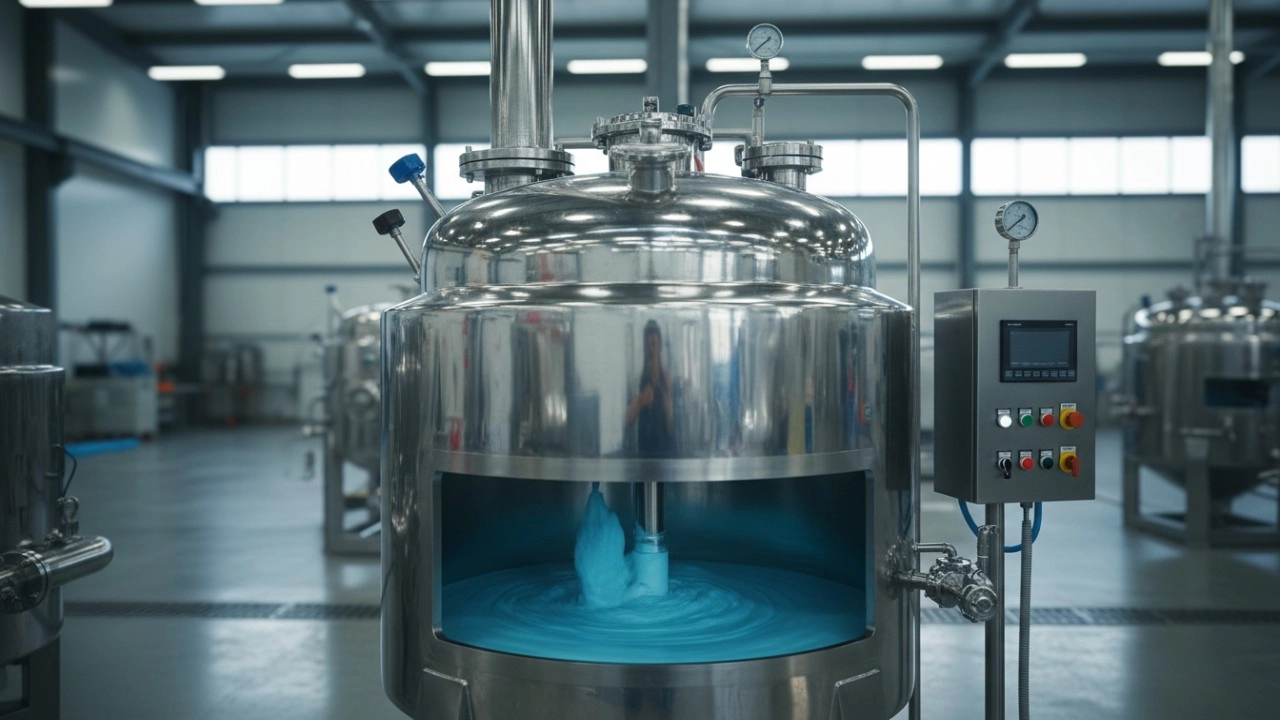
The Future of Industrial Agitation: 5 Smart Mixing Tank Technologies Changing the Game
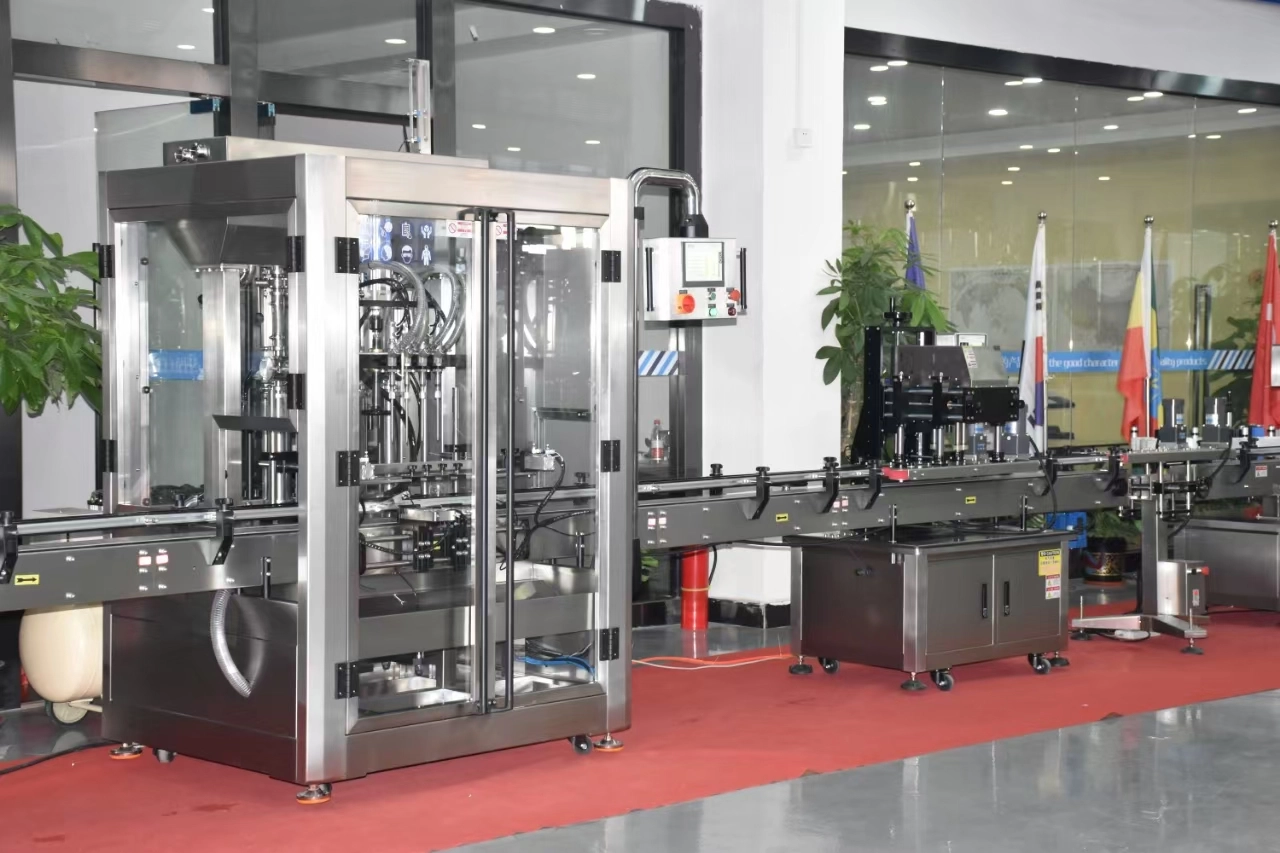
Gear pump filling machine vs. piston filling machine: Key differences broken down to avoid pitfalls in selection.
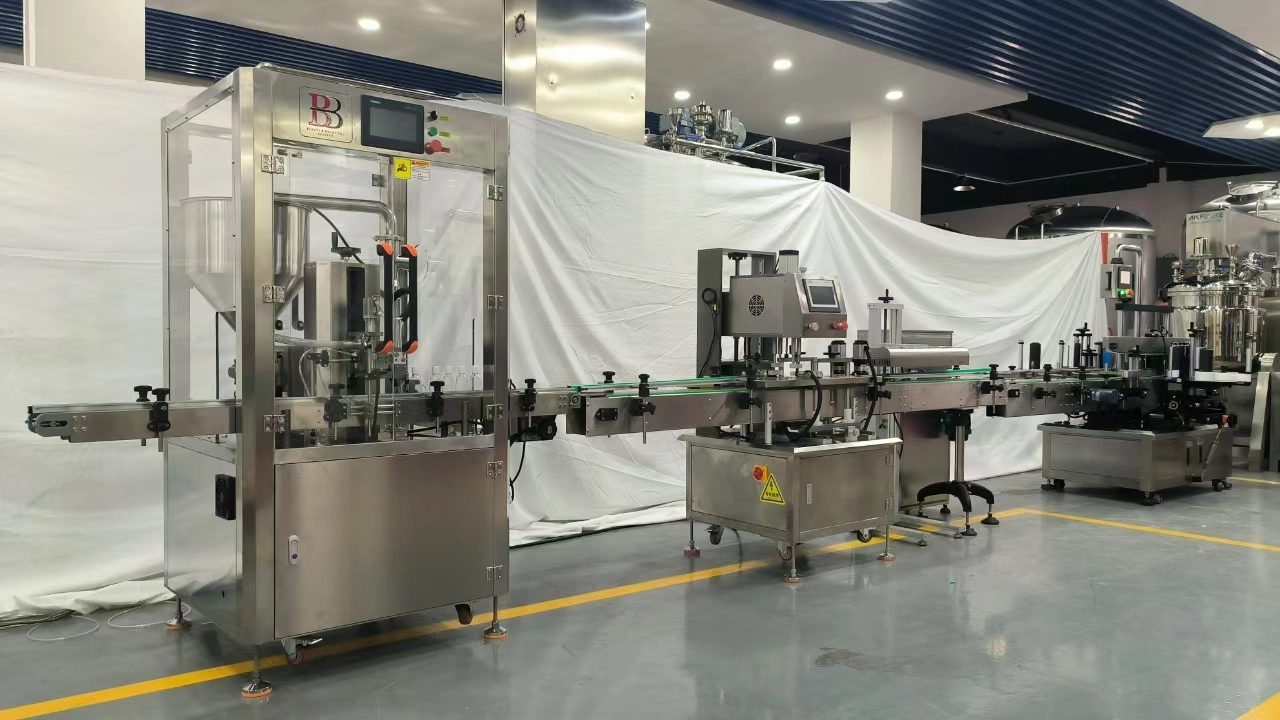
Understand the working principle of a servo gear pump filling machine!
Automatic Capping Machine
What types of bottle caps and bottles does the automatic capping machine support?
Mainstream models are compatible with screw caps, duckbill caps, pump caps, spray caps, and other threaded caps. They are also suitable for round, square, and oval bottles made of glass, PET, and HDPE.
FAQs
Where is FULUKE headquartered?
Lift-type Homogenizing Disperser
Can you make a design for us?
Yes, we can, we provide not only products, but also solutions and designs.
The Flip Cover Liquid Wash Mixing Homogenizing Tank
Can you make a design for us?
Yes, we can, we provide not only products, but also solutions and designs.
Polypropylene PP Mixing Tank
The sticky material on the inner wall of a mixing pot is difficult to clean after use. What are some effective cleaning methods?
The inner wall of a PP mixing pot is smooth and rust-free. Cleaning the sticky material can be done based on the material characteristics and the type of material:
General cleaning (water-soluble/low-viscosity sticky materials): Use a high-pressure water jet to directly flush the inner wall, and use a soft-bristled brush (to avoid scratching the PP surface) to scrub any hard corners. If there is dried-on material, soak it in warm water (≤60°C) for 10-30 minutes to soften it before rinsing.
Stubborn sticky material (oily/high-viscosity materials): Use a neutral detergent (such as dishwashing liquid) or a suitable weak solvent (such as ethanol; verify compatibility between the material and the solvent) to wipe it clean, then rinse with clean water. Avoid using strong acid or alkaline cleaning agents (although PP is corrosion-resistant, they may react with residual material to produce harmful substances).
Long-term maintenance: Clean the pot promptly after each use to prevent material from drying out. After cleaning, wipe the inner wall dry to prevent microbial growth in a humid environment.
Get in touch with FULUKE
If you have any comments or good suggestions, please leave us a message, later our professional staff will contact you as soon as possible.
You May Also Like
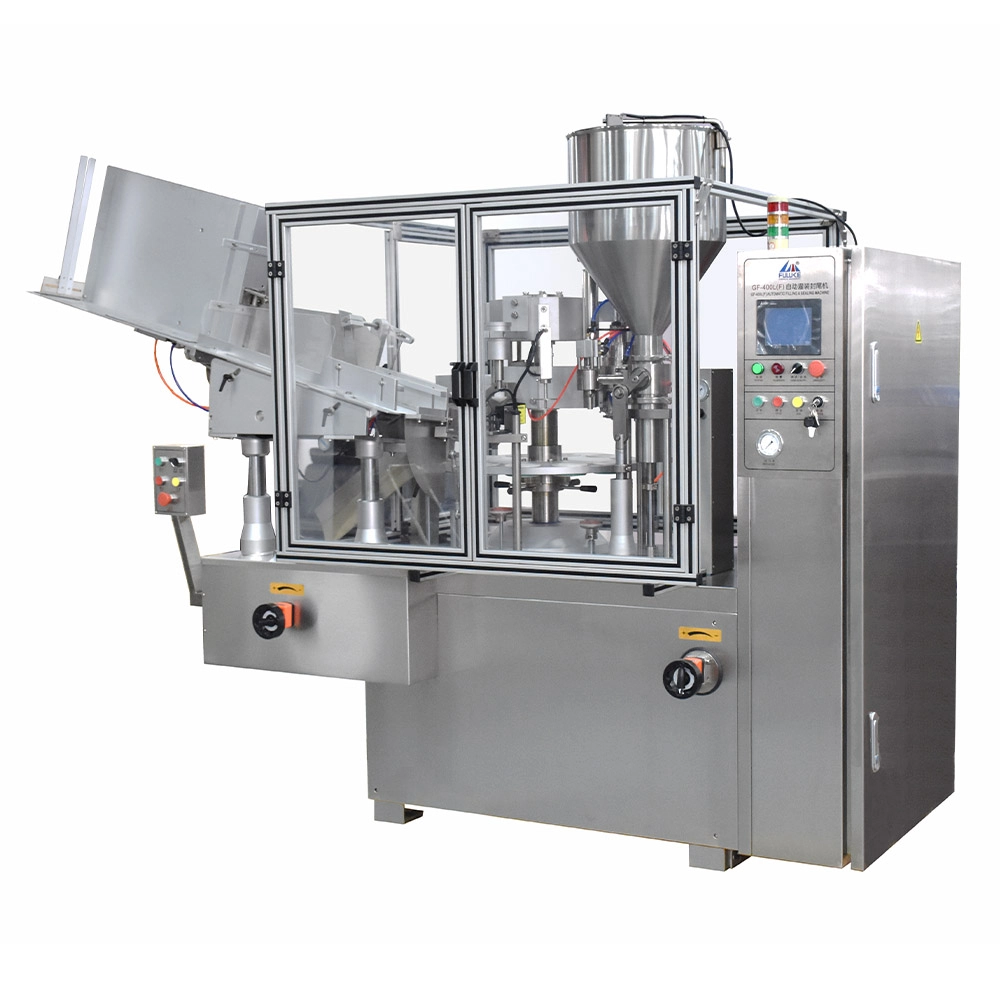
Automatic Tube Filling and Sealing Machine Toothpaste Sunscreen and Facial Cleanser Filling and Sealing Machine for Plastic and Aluminum-plastic Tube
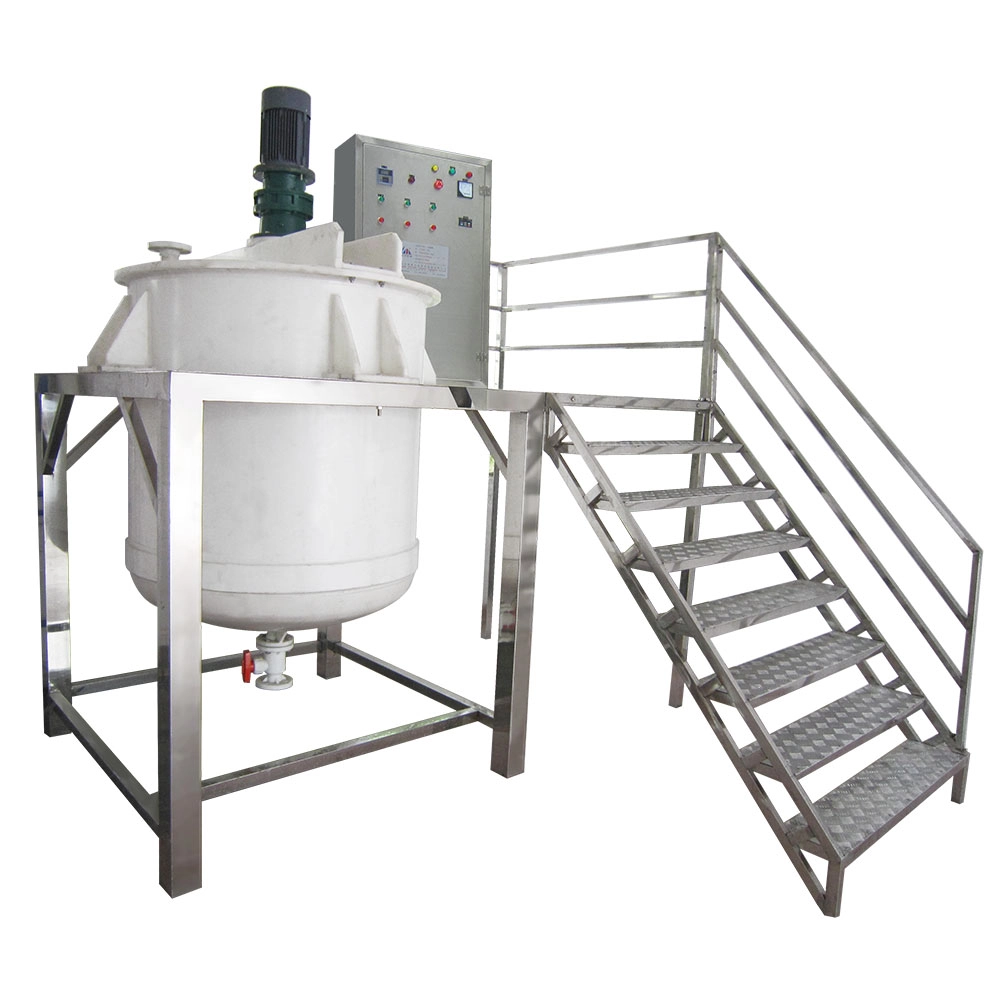
Polypropylene PP Mixing Tank Anti-Corrosion Mixer Reaction Kettle with Agitator Chemical Mixing Vessel
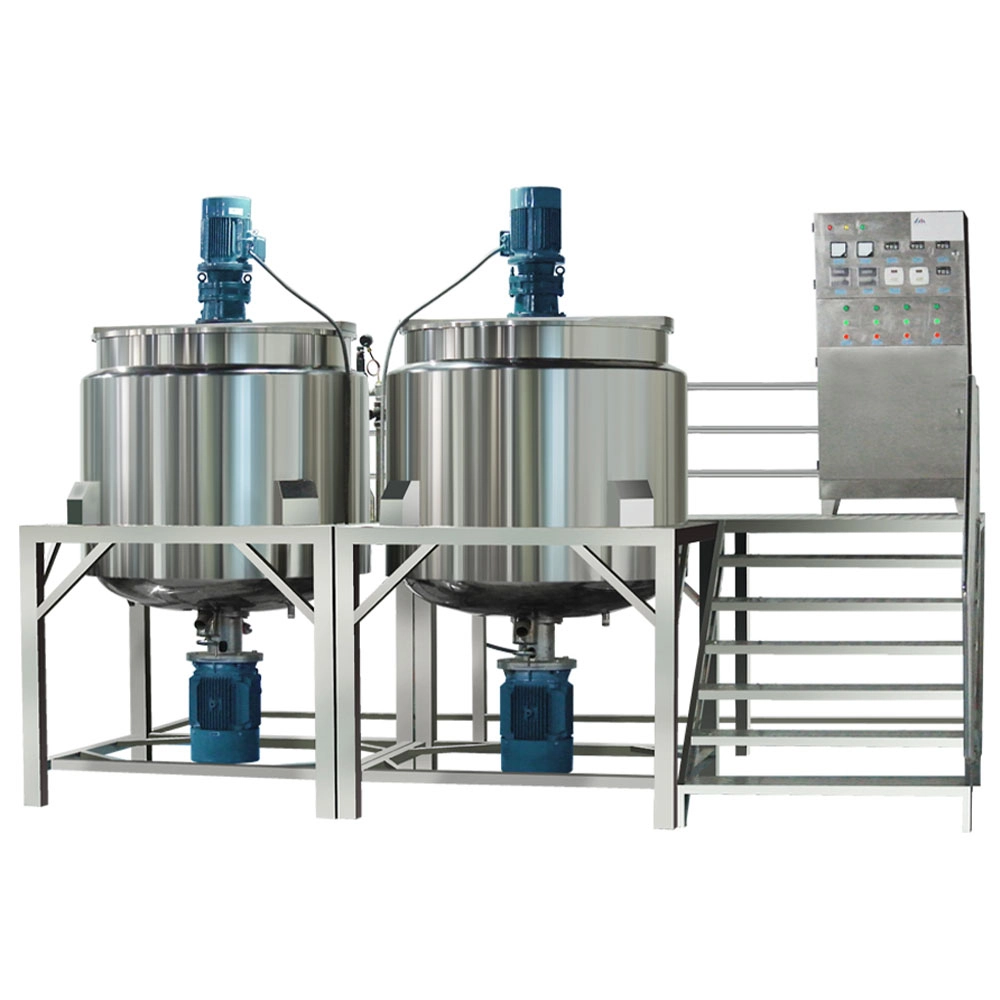
Flip Cover Multi-function Liquid Wash Mixing Tank Blender Liquid Detergent Mixer Homogenization Stirring Tank
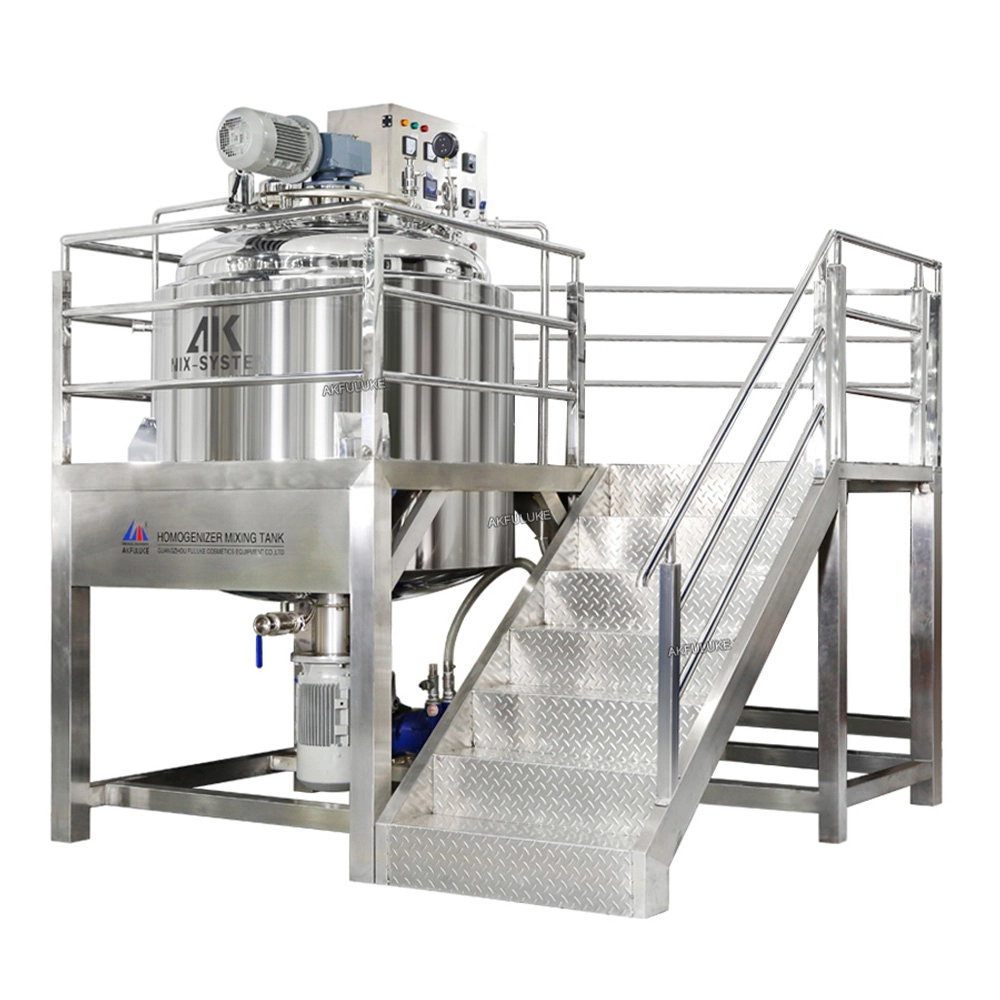
Stainless Steel Mixer Liquid Mixing tank with Agitator Homogenizing Mixing tank Vacuum Sealed Mixer Machine

A leading manufacturer specializing in advanced machinery and complete production lines for the cosmetics, food, pharmaceutical, and chemical industries worldwide.
Contact FULUKE
Facebook
Instagram
YouTube