
What specs matter when buying a cosmetic filling machine?
- Comprehensive Guide to Purchasing Cosmetic Filling Machines
- 1. What are the different types of cosmetic filling machines?
- 2. How do I determine the right filling machine for my product?
- 3. What are the key specifications to consider when purchasing a cosmetic filling machine?
- 4. How do I ensure compliance with industry standards and regulations?
- 5. What are the maintenance requirements for cosmetic filling machines?
- 6. How do I assess the cost-effectiveness of a cosmetic filling machine?
- 7. What are the latest trends in cosmetic filling machines?
- 8. How do I choose a reliable supplier for cosmetic filling machines?
- Conclusion
- FULUKE's Advantages
Comprehensive Guide to Purchasing Cosmetic Filling Machines
When venturing into the cosmetic manufacturing industry, selecting the appropriate filling machine is crucial for ensuring product quality, efficiency, and compliance with industry standards. This guide addresses common questions and provides expert insights to assist in making an informed decision.
1. What are the different types of cosmetic filling machines?
Cosmetic filling machines are designed to handle various product viscosities and packaging requirements. The primary types include:
Piston Fillers: Ideal for thick creams and gels, utilizing a piston to draw in and dispense the product.
Auger Fillers: Suited for powders and granular products, employing a rotating screw mechanism.
Cup Fillers: Best for liquids and semi-liquids, using a fixed volume cup for dispensing.
Gravity Fillers: Suitable for thin liquids, relying on gravity to fill containers.
Semi-Automatic and Fully Automatic Fillers: Semi-automatic machines require manual intervention for certain steps, while fully automatic machines operate with minimal human input, enhancing efficiency.
2. How do I determine the right filling machine for my product?
Selecting the appropriate machine involves evaluating several factors:
Product Viscosity: Thick products like creams may require piston or auger fillers, while thin liquids can be handled by gravity or cup fillers.
Container Compatibility: Ensure the machine can accommodate your specific container types, such as tubes, jars, or bottles.
Production Volume: Assess your production needs to choose between manual, semi-automatic, or fully automatic machines.
Accuracy Requirements: High-precision filling is essential for maintaining product consistency and meeting regulatory standards.
3. What are the key specifications to consider when purchasing a cosmetic filling machine?
When evaluating filling machines, consider the following specifications:
Filling Accuracy: Machines typically offer accuracy within ±0.5% to ±2%, ensuring consistent product volumes.
Filling Volume Range: Machines should accommodate the required volume range, from small sample sizes to large bulk containers.
Material Construction: Opt for machines made from stainless steel (e.g., SS304 or SS316) for durability and compliance with hygiene standards.
Automation Level: Decide between manual, semi-automatic, or fully automatic systems based on your production scale and budget.
Maintenance Requirements: Consider machines that are easy to clean and maintain to ensure longevity and consistent performance.
4. How do I ensure compliance with industry standards and regulations?
To meet industry standards:
Material Certifications: Verify that the machine's materials comply with FDA and GMP regulations.
Hygienic Design: Ensure the machine design facilitates easy cleaning and prevents cross-contamination.
Regulatory Compliance: Confirm that the machine adheres to relevant standards, such as ISO 22716 for cosmetic manufacturing.
5. What are the maintenance requirements for cosmetic filling machines?
Regular maintenance is vital for optimal performance:
Daily Cleaning: Perform thorough cleaning of all product-contact surfaces after each production shift to prevent residue buildup and microbial growth.
Regular Inspection: Check for signs of wear on seals, O-rings, and moving parts, and inspect filling nozzles for clogs or misalignment.
Lubrication: Apply manufacturer-recommended lubricants to moving parts at specified intervals to reduce friction and wear.
Preventive Servicing: Follow the manufacturer's maintenance schedule for deeper servicing, including calibration of dosing systems and replacement of worn components.
6. How do I assess the cost-effectiveness of a cosmetic filling machine?
To evaluate cost-effectiveness:
Total Cost of Ownership: Consider not only the purchase price but also consumable costs, energy consumption, and maintenance labor hours.
Return on Investment (ROI): Analyze potential productivity gains and quality improvements to justify the investment.
Supplier Support: Choose suppliers offering comprehensive support, including spare parts availability and technician training programs.
7. What are the latest trends in cosmetic filling machines?
Recent trends include:
Automation: Increased adoption of automated systems for higher throughput and consistency.
Sustainability: Development of energy-efficient machines with reduced material waste.
Advanced Features: Integration of servo-driven dosing systems achieving ±0.5% accuracy and modular designs enabling quick format changeovers.
8. How do I choose a reliable supplier for cosmetic filling machines?
When selecting a supplier:
Reputation: Research the supplier's reputation in the industry and customer reviews.
Product Range: Ensure the supplier offers machines that meet your specific requirements.
Customer Support: Evaluate the quality of customer support, including training, maintenance services, and spare parts availability.
Compliance: Confirm that the supplier's machines comply with relevant industry standards and regulations.
Conclusion
Selecting the right cosmetic filling machine is pivotal for ensuring product quality, operational efficiency, and regulatory compliance. By carefully considering product characteristics, production requirements, and maintenance needs, manufacturers can make informed decisions that align with their business objectives.
FULUKE's Advantages
FULUKE offers a comprehensive range of cosmetic filling machines designed to meet diverse production needs. With a focus on precision, efficiency, and compliance with industry standards, FULUKE ensures high-quality products and exceptional customer support, making them a reliable partner in the cosmetic manufacturing industry.
References:
(https://www.alibaba.com/product-insights/small-cosmetic-filling.html)
(https://www.cosmeticmachinery.com/tube-filling-sealing-machine-lab-model/)
(https://www.eugengmachine.com/application/manual-cosmetic-filling-machine)
(https://www.vkpak.com/personal-care-product-filling-machine/cosmetic-filling-machine.html)
(https://www.levapack.com/ultimate-guide-filling-machines-cosmetics/)

Understanding Servo Capping Machines: The Core Logic of Precise Capping – Understand the Entire Working Process in Seconds
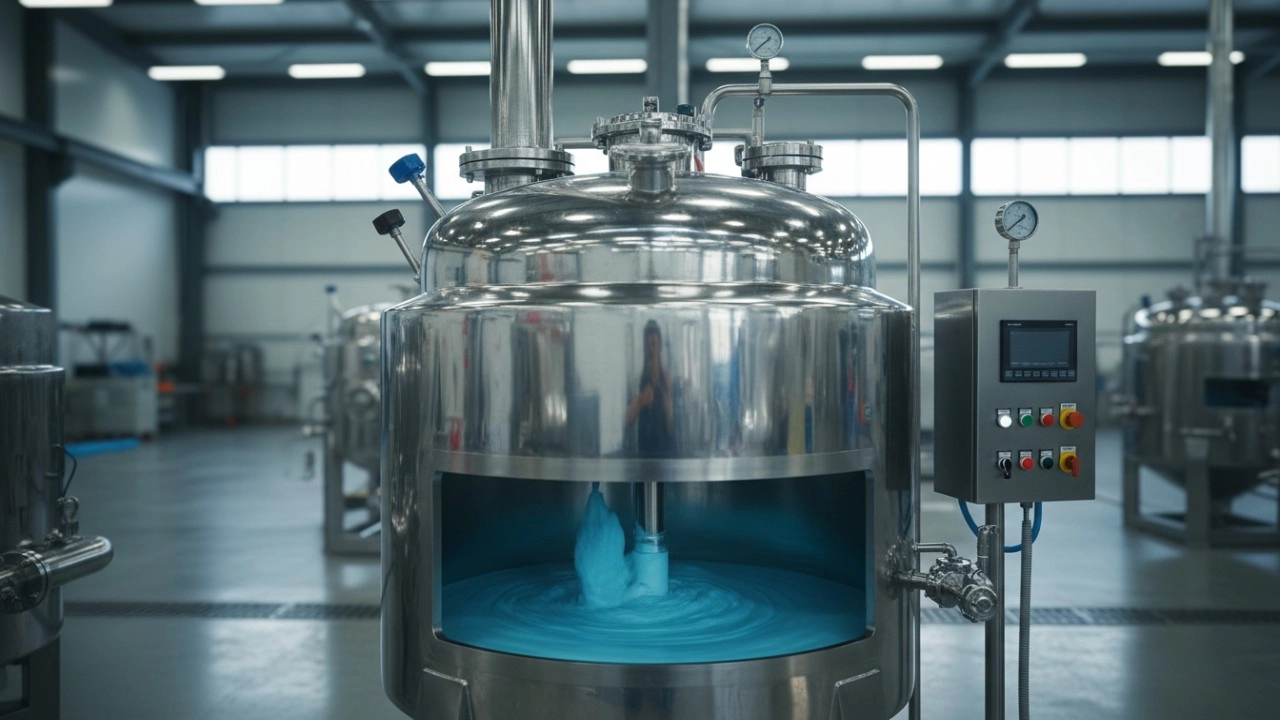
The Future of Industrial Agitation: 5 Smart Mixing Tank Technologies Changing the Game
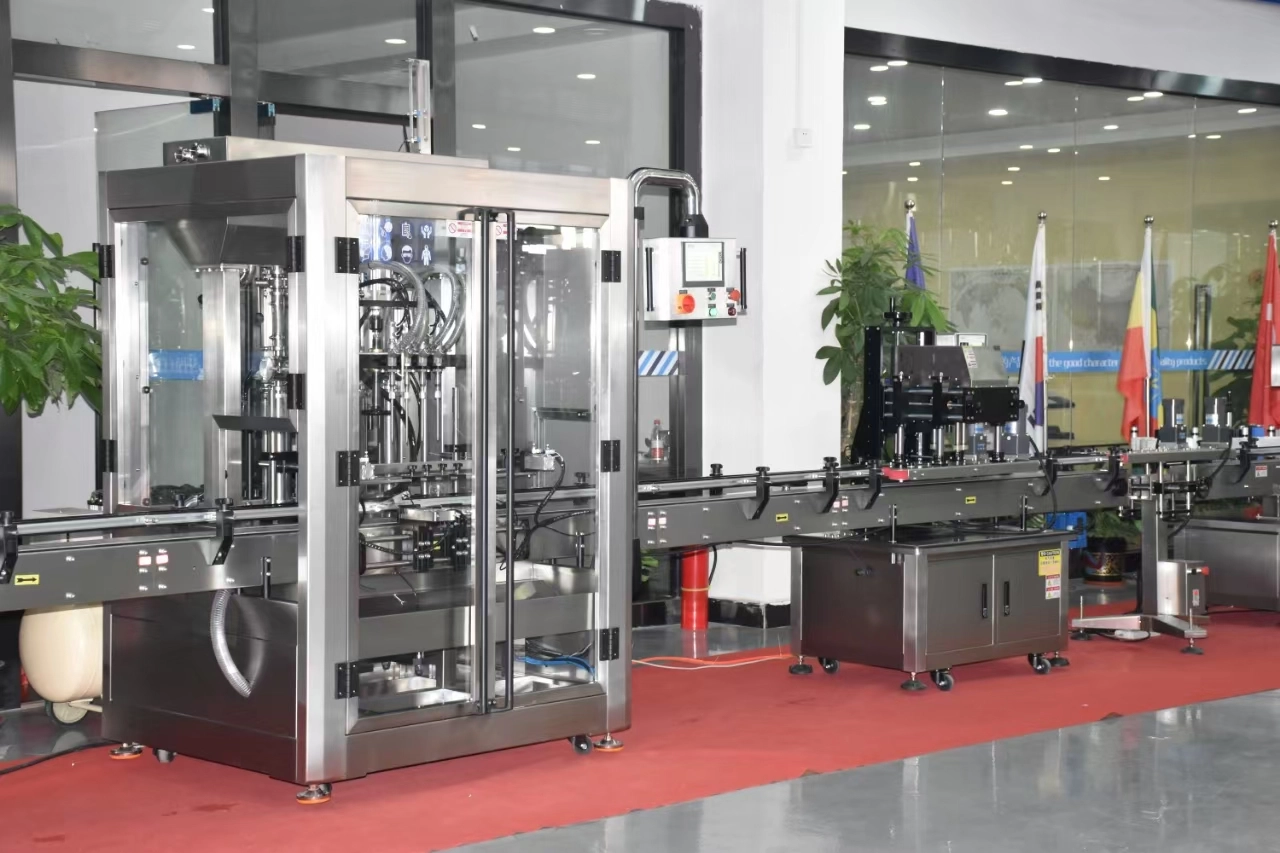
Gear pump filling machine vs. piston filling machine: Key differences broken down to avoid pitfalls in selection.
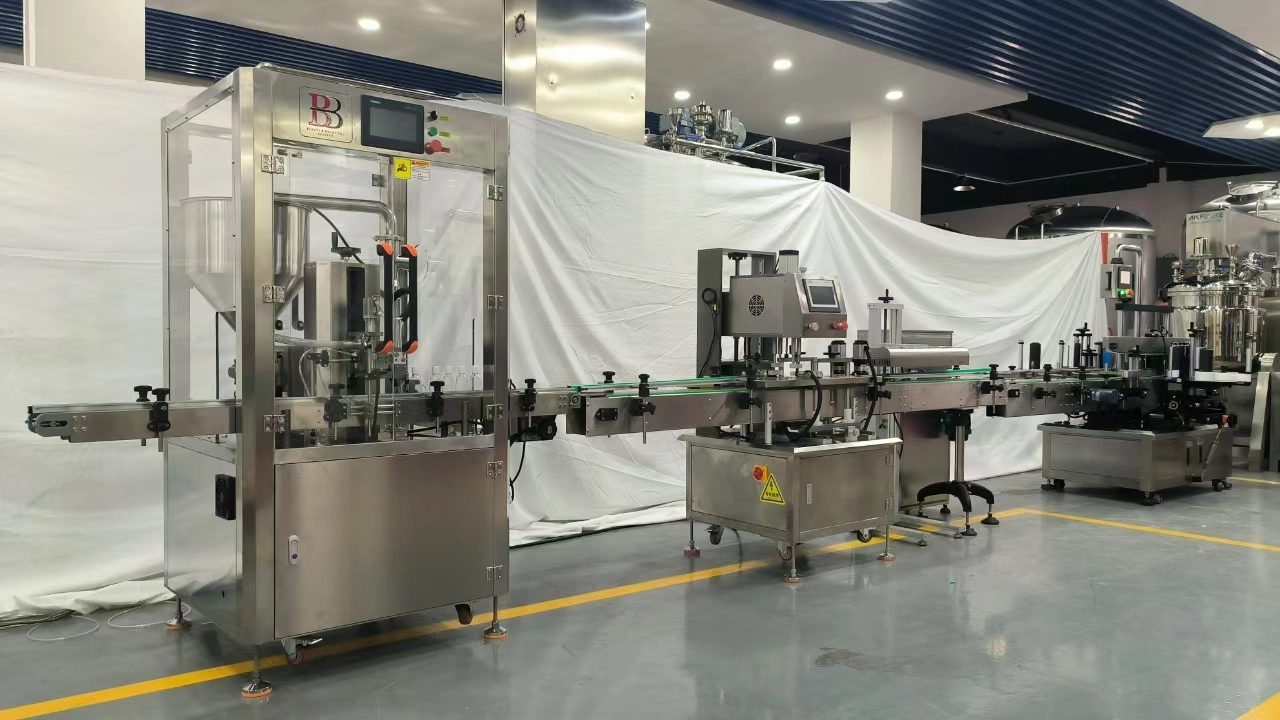
Understand the working principle of a servo gear pump filling machine!
Sealed Homogenizing Mixing Tank
Can you make a design for us?
Yes, we can, we provide not only products, but also solutions and designs.
Automatic Tube Filling and Sealing Machine
Why are wrinkles, leaks, or uneven edges appearing after sealing? How can this be addressed?
These issues are often caused by three core factors, with corresponding solutions as follows:
Temperature mismatch: If the temperature is too low, the edge seal will not adhere well and leaks may occur; if the temperature is too high, it may burn and wrinkle. Adjust the sealing temperature using the PLC touch screen.
Insufficient pressure/time: The sealing cylinder pressure should be adjusted according to the hose material, and the sealing head pressing time should be ≥ 1.5 seconds to avoid a poor seal caused by insufficient pressure or short pressing time.
Mold wear/alignment deviation: Inspect the sealing mold for scratches and deformation. Replace if worn. If the label is misaligned with the seal, calibrate the photoelectric sensor position.
Storage Tank
Do special operating conditions (such as high temperature or high pressure) require special customization?
Yes. High-temperature applications require the use of heat-resistant materials and additional insulation. High-pressure applications require enhanced tank wall thickness and sealing structures. Both require individual designs according to corresponding industry standards.
Can you customize the machine?
Of course, we provide customized services according to customer needs.
Perfume Filling Machine
What can you buy from us?
RO Water Treatment、Vacuum Emulsifying Machine、Homogenizer Mixing Tank、Filling and Capping、labeling Machine、Packing Machine、Storage Tank,etc.
Get in touch with FULUKE
If you have any comments or good suggestions, please leave us a message, later our professional staff will contact you as soon as possible.
You May Also Like
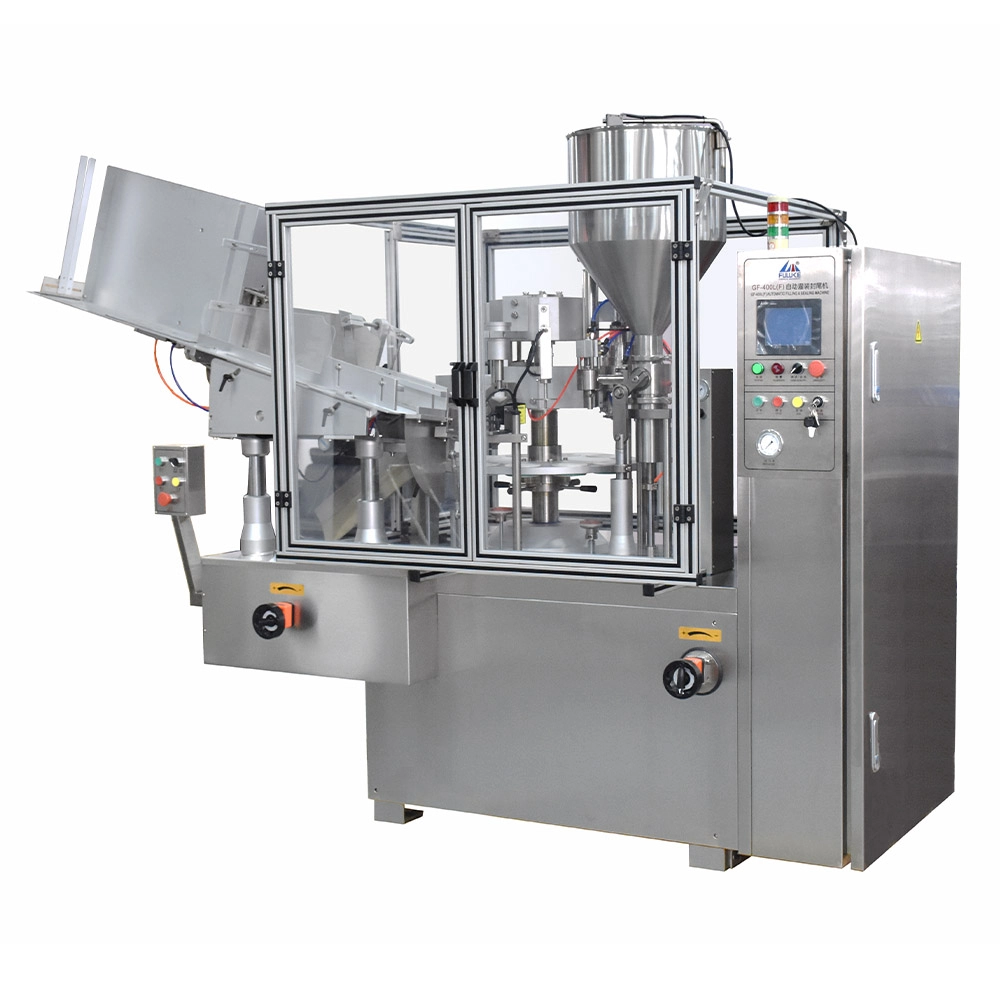
Automatic Tube Filling and Sealing Machine Toothpaste Sunscreen and Facial Cleanser Filling and Sealing Machine for Plastic and Aluminum-plastic Tube
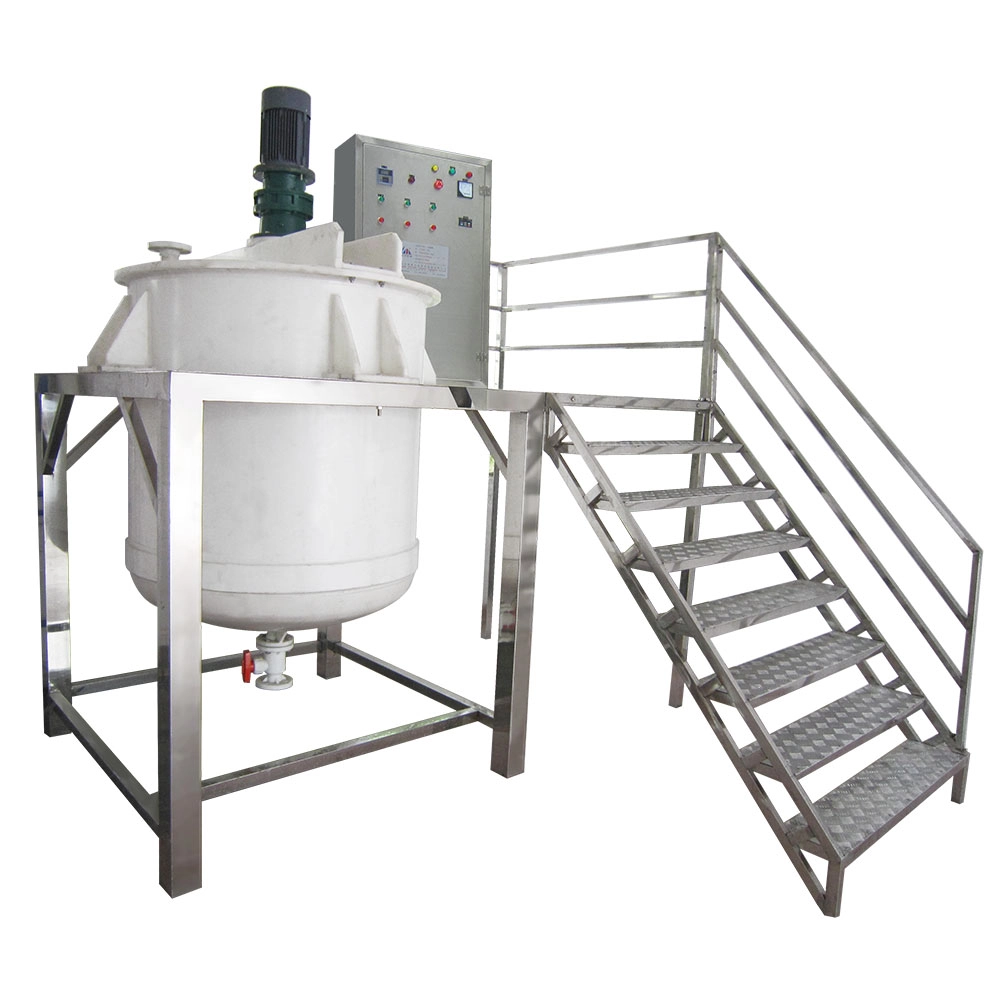
Polypropylene PP Mixing Tank Anti-Corrosion Mixer Reaction Kettle with Agitator Chemical Mixing Vessel
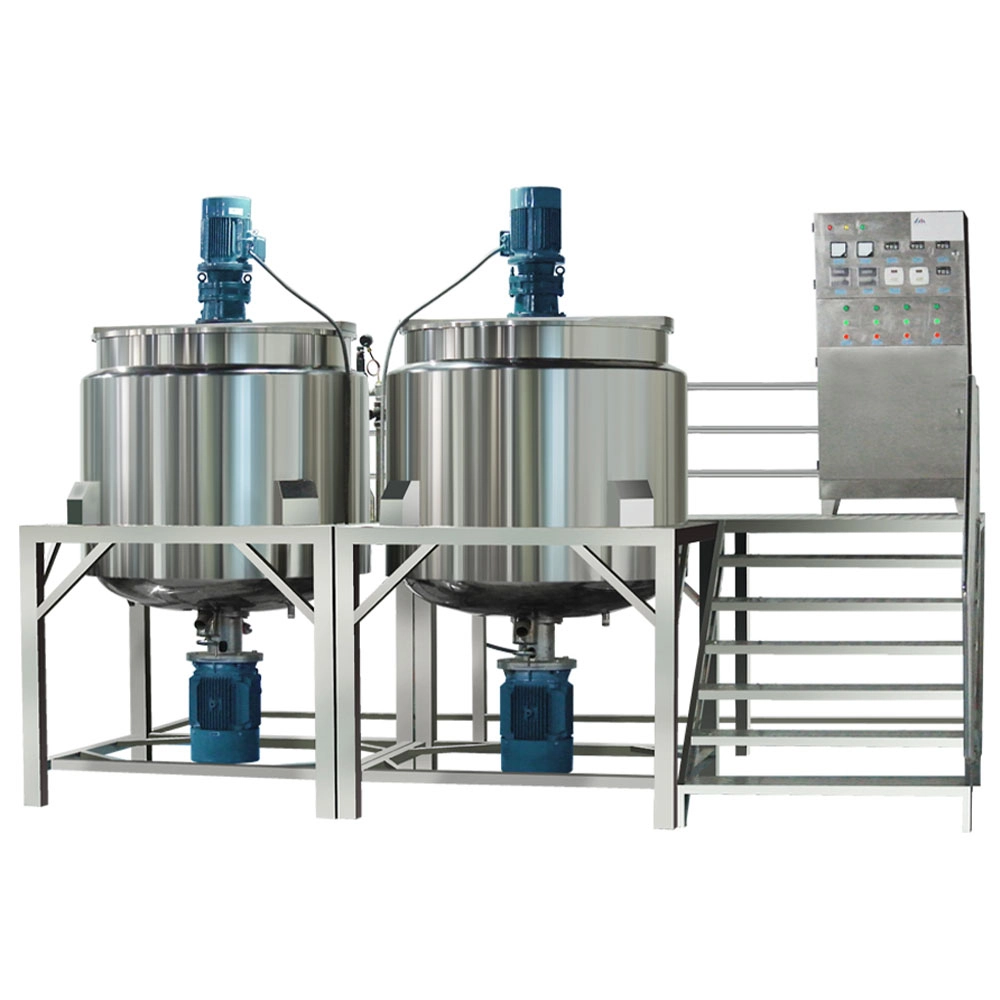
Flip Cover Multi-function Liquid Wash Mixing Tank Blender Liquid Detergent Mixer Homogenization Stirring Tank
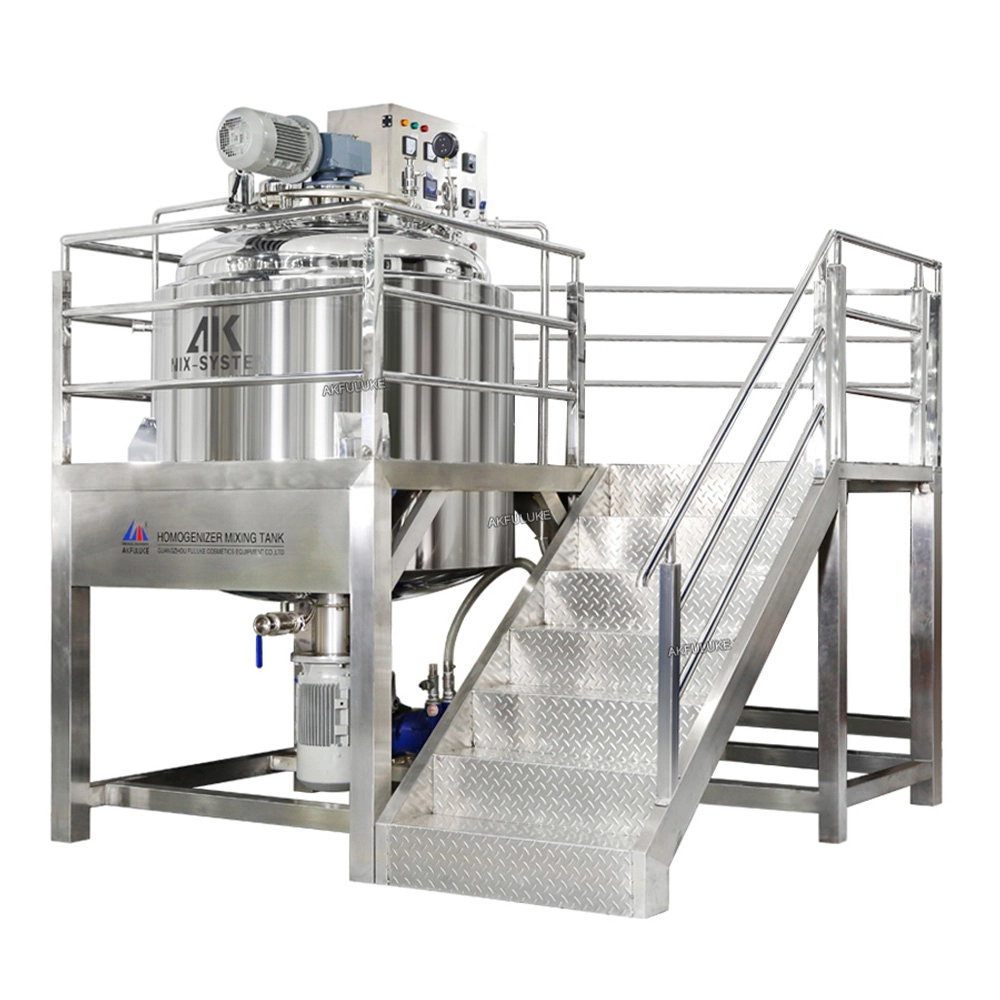
Stainless Steel Mixer Liquid Mixing tank with Agitator Homogenizing Mixing tank Vacuum Sealed Mixer Machine

A leading manufacturer specializing in advanced machinery and complete production lines for the cosmetics, food, pharmaceutical, and chemical industries worldwide.
Contact FULUKE
Facebook
Instagram
YouTube