
What safety standards matter for cosmetic filling machines?
- Essential Safety Standards for Cosmetic Filling Machines: A Comprehensive Guide
- 1. What are the key safety standards for cosmetic filling machines?
- 2. How do international standards impact cosmetic filling machines?
- 3. What are the sanitation requirements for cosmetic filling machines?
- 4. How does material compatibility affect the safety of cosmetic filling machines?
- 5. What role does traceability play in the safety standards of cosmetic filling machines?
- 6. How can manufacturers ensure compliance with these safety standards?
- 7. What are the consequences of non-compliance with safety standards?
- 8. How can companies stay updated with the latest industry regulations and safety standards?
- Conclusion: FULUKE's Commitment to Safety and Compliance
- References
Essential Safety Standards for Cosmetic Filling Machines: A Comprehensive Guide
As the cosmetic industry continues to expand, ensuring the safety and quality of products becomes paramount. A crucial aspect of this is the selection and operation of cosmetic filling machines that adhere to stringent safety standards. Below, we address common questions and provide insights into the essential safety standards for cosmetic filling machines.
1. What are the key safety standards for cosmetic filling machines?
Cosmetic filling machines must comply with several safety standards to ensure product quality and consumer safety:
Validation: Machines should consistently meet predetermined specifications, ensuring accurate and reliable filling processes. This involves routine performance tests, calibrations, and inspections.
Sanitation and Hygiene: Designs must prevent product contamination, utilizing sanitary principles to minimize bacterial growth. Regular cleaning and disinfection procedures are essential.
Material Compatibility: Machines should be constructed from inert materials that do not react with cosmetic formulations, ensuring the integrity of the product.
Traceability and Documentation: Systems must document process parameters, lot numbers, and other relevant data to ensure traceability, which is vital for compliance and responding to regulatory inquiries.
2. How do international standards impact cosmetic filling machines?
International standards play a significant role in guiding the design, operation, and maintenance of cosmetic filling machines:
ISO Standards: Compliance with ISO standards, such as ISO 9001 for quality management and ISO 22000 for food safety, ensures that machines meet global best practices.
FDA Regulations: In regions like the United States, adherence to FDA regulations ensures that machines are suitable for production and meet safety requirements.
3. What are the sanitation requirements for cosmetic filling machines?
Sanitation is critical to prevent contamination and ensure product safety:
Design Considerations: Machines should be designed for easy cleaning, with smooth surfaces and minimal crevices to prevent bacterial growth.
Cleaning Protocols: Establishing and following regular cleaning and disinfection procedures is essential to maintain hygiene and prevent cross-contamination.
4. How does material compatibility affect the safety of cosmetic filling machines?
Material compatibility ensures that the machine does not interact negatively with cosmetic formulations:
Inert Materials: Using materials that do not react with the products being filled is crucial to maintain product integrity.
Corrosion Resistance: Materials like stainless steel are preferred due to their resistance to corrosion and ease of cleaning.
5. What role does traceability play in the safety standards of cosmetic filling machines?
Traceability is vital for compliance and quality assurance:
Documentation Systems: Machines should be equipped with systems that document process parameters, lot numbers, and other relevant data to ensure traceability.
Regulatory Compliance: Proper documentation is essential for maintaining compliance and responding to regulatory inquiries.
6. How can manufacturers ensure compliance with these safety standards?
Manufacturers can ensure compliance by:
Regular Audits: Conducting regular audits to assess compliance with safety regulations and standards.
Training Programs: Implementing training programs to educate operators about safety procedures and regulations.
Documentation: Documenting safety procedures and processes to demonstrate compliance during inspections.
7. What are the consequences of non-compliance with safety standards?
Non-compliance can lead to:
Regulatory Penalties: Fines and legal actions.
Product Recalls: Compromised product quality and safety.
Reputational Damage: Damage to the manufacturer's reputation.
8. How can companies stay updated with the latest industry regulations and safety standards?
Companies can stay updated by:
Reviewing Regulatory Updates: Regularly reviewing regulatory updates.
Participating in Industry Associations: Engaging with industry associations.
Consulting with Regulatory Experts: Seeking guidance from regulatory experts.
Conclusion: FULUKE's Commitment to Safety and Compliance
At FULUKE, we prioritize the safety and compliance of our cosmetic filling machines. Our equipment is designed to meet international standards, ensuring product quality and consumer safety. By adhering to stringent safety protocols and continuously updating our practices, we provide reliable and compliant solutions for the cosmetic industry.
References
## Recent Developments in Cosmetic Filling Machine Safety Standards:- (https://www.yuxiangmachinery.com/article/detail/regulatory-considerations-when-using-cosmetic-filling-machines.html), Published on Friday, June 07- (https://www.ccrmachines.com/blog/global-standards-for-filling-machines/)search2
Understanding Servo Capping Machines: The Core Logic of Precise Capping – Understand the Entire Working Process in Seconds
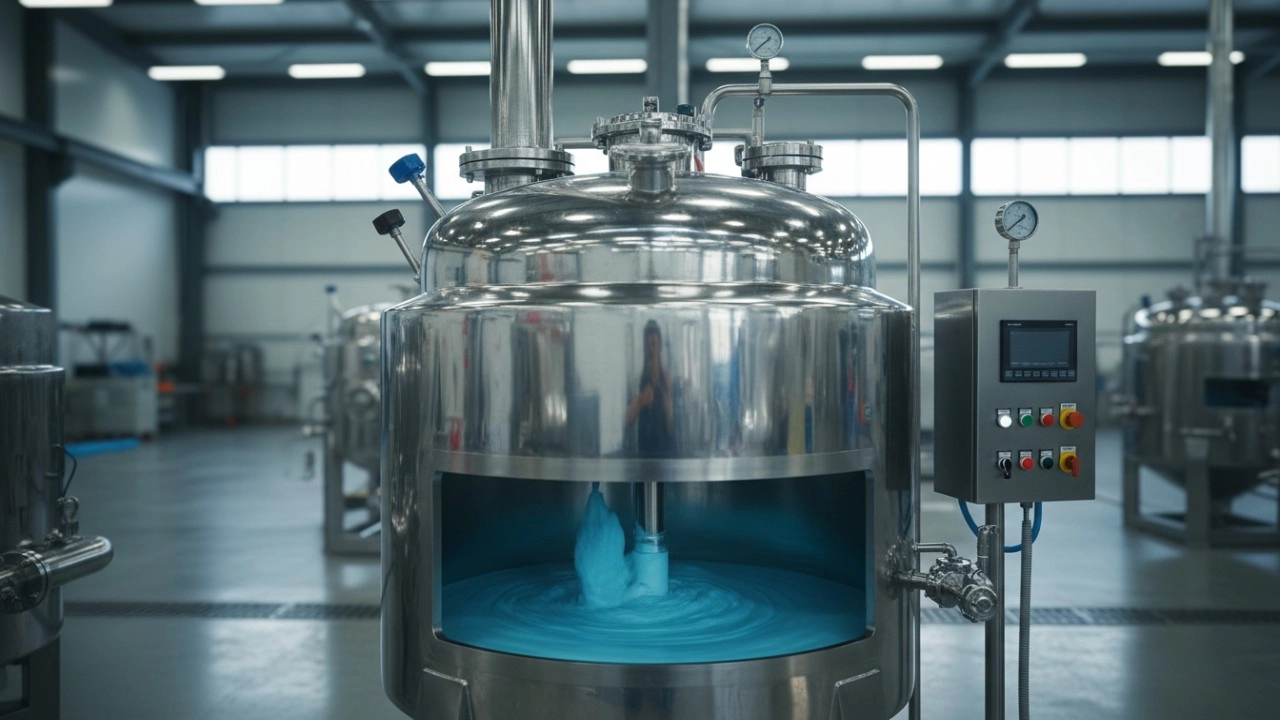
The Future of Industrial Agitation: 5 Smart Mixing Tank Technologies Changing the Game
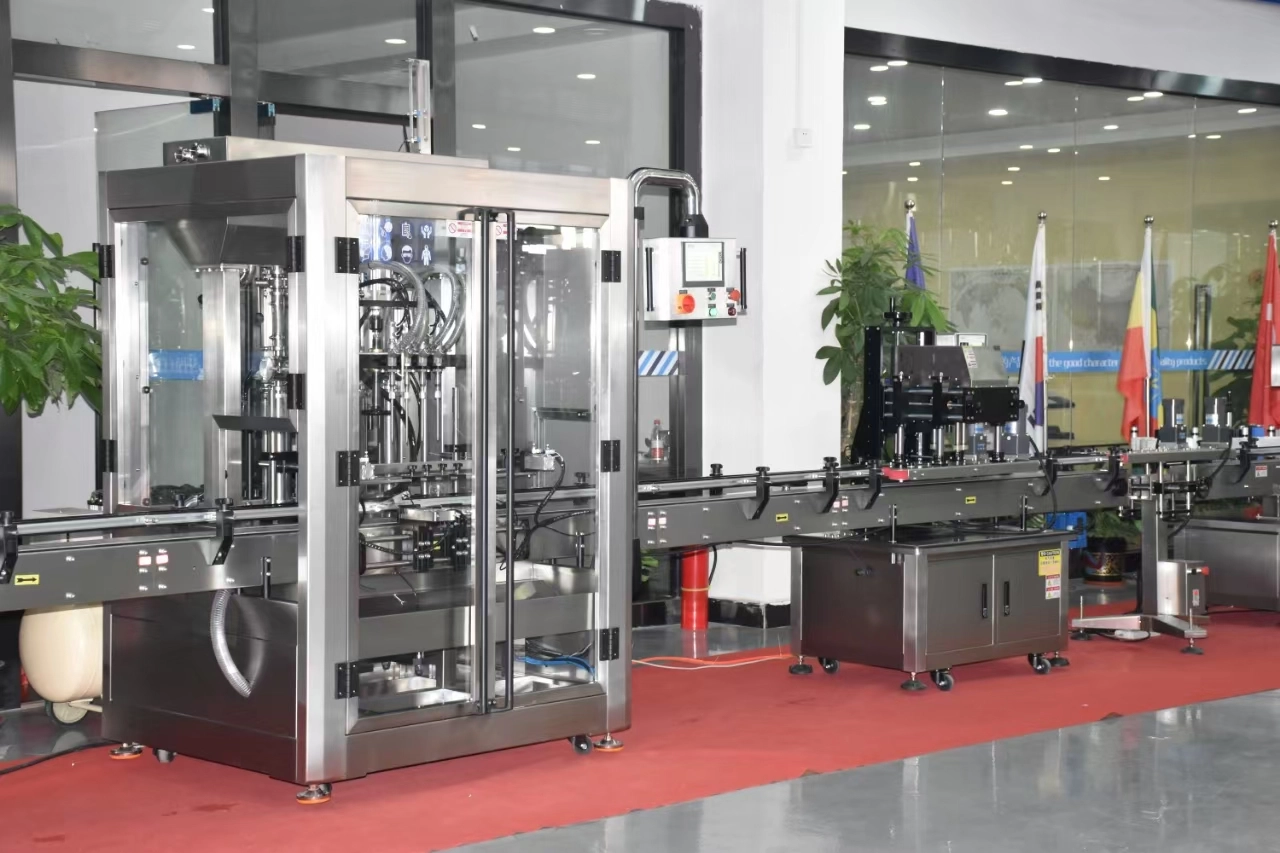
Gear pump filling machine vs. piston filling machine: Key differences broken down to avoid pitfalls in selection.
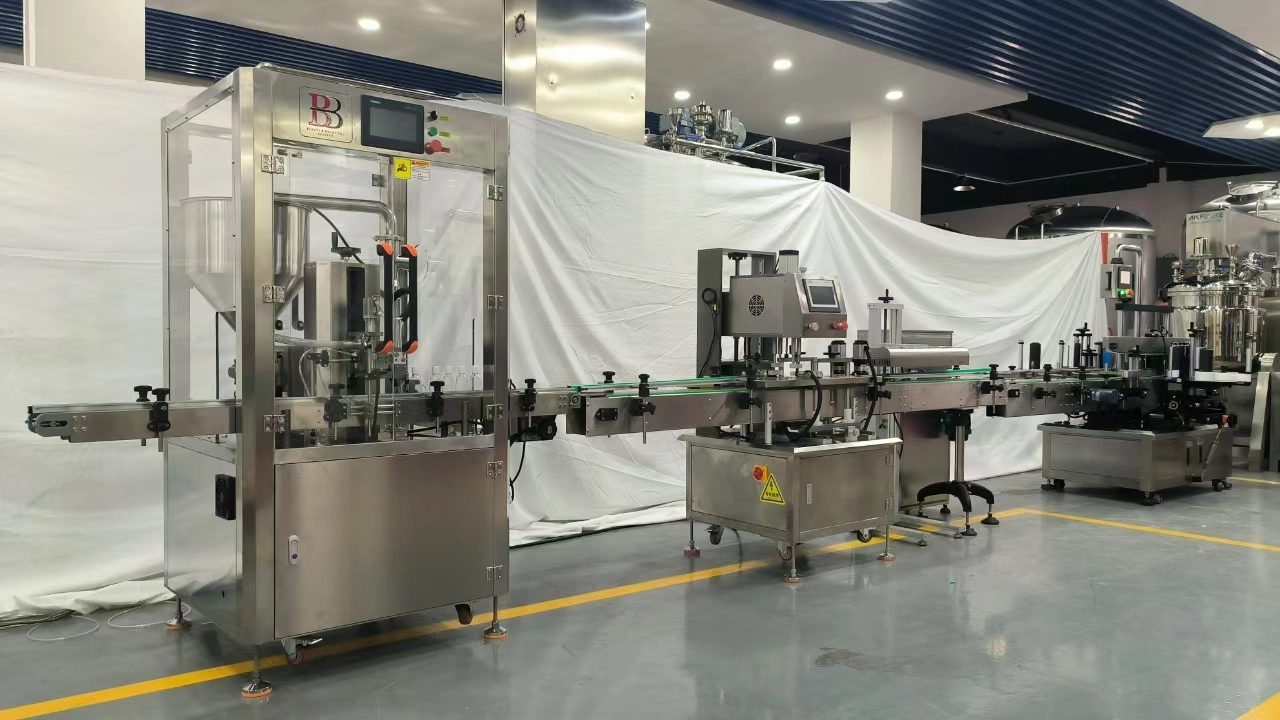
Understand the working principle of a servo gear pump filling machine!
Lift-type Homogenizing Disperser
Who are we?
Our headquarters is located in Guangzhou, Guangdong, China, and our factory is located in Yangzhou, Jiangsu. Our products are sold all over the world. We have approximately 50 employees in our company and factory.
Automatic Tube Filling and Sealing Machine
After purchasing the equipment, what after-sales services does the supplier typically provide?
General services include on-site installation and commissioning (including workshop layout planning), operator training (theoretical and practical training to ensure workers can operate independently), a one-year full machine warranty, and lifetime technical support (24-hour telephone and video troubleshooting).
Storage Tank
Can you customize the machine?
Of course, we provide customized services according to customer needs.
Vacuum Emulsifying Machine
Is it possible not to configure the oil and water pot?
Of course, if you have other containers to pre-treat and heat the materials, then you only need to configure an emulsifying pot.
Automatic Capping Machine
Can this machine be directly integrated into my production line? Does it require any additional modifications?
Most models have standard conveyor belt interfaces, allowing them to be directly connected to filling machines, labeling machines, and other production line equipment without requiring major modifications. Simply fine-tune the conveyor speed based on the production line height and speed to synchronize.
Get in touch with FULUKE
If you have any comments or good suggestions, please leave us a message, later our professional staff will contact you as soon as possible.
You May Also Like
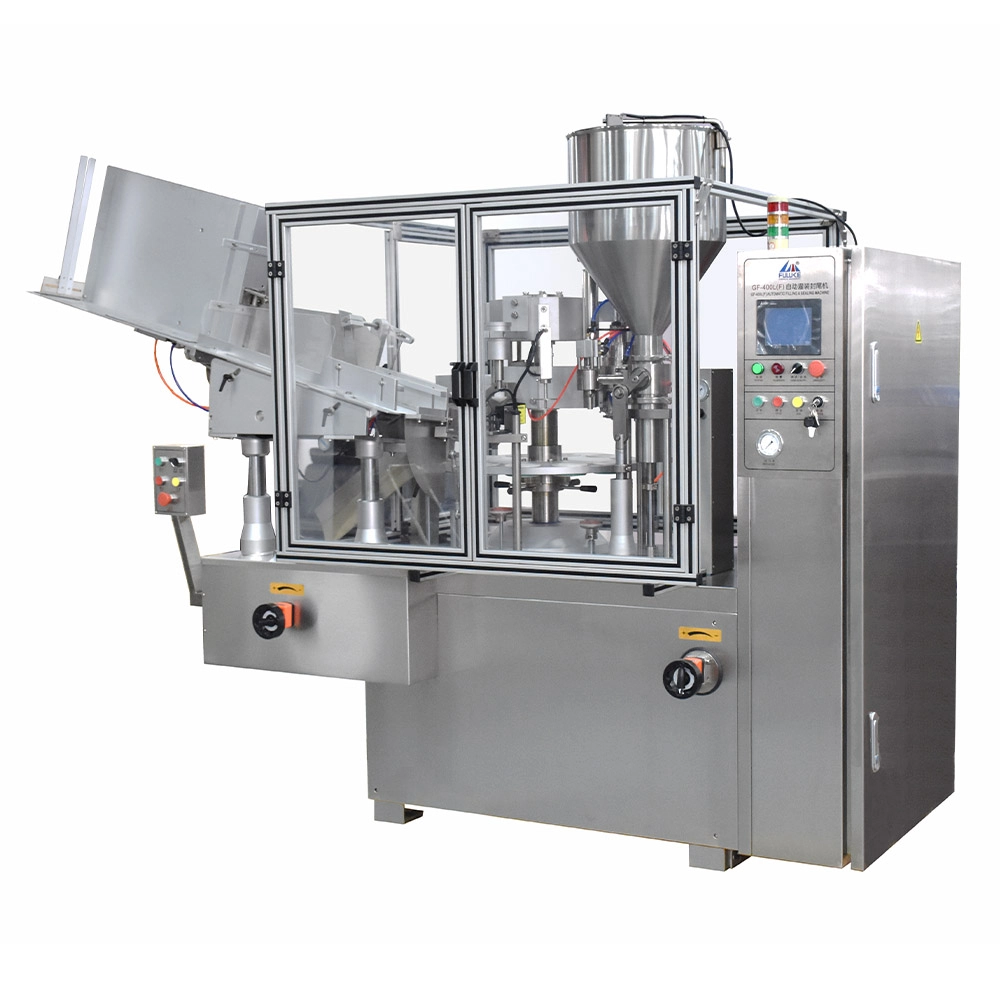
Automatic Tube Filling and Sealing Machine Toothpaste Sunscreen and Facial Cleanser Filling and Sealing Machine for Plastic and Aluminum-plastic Tube
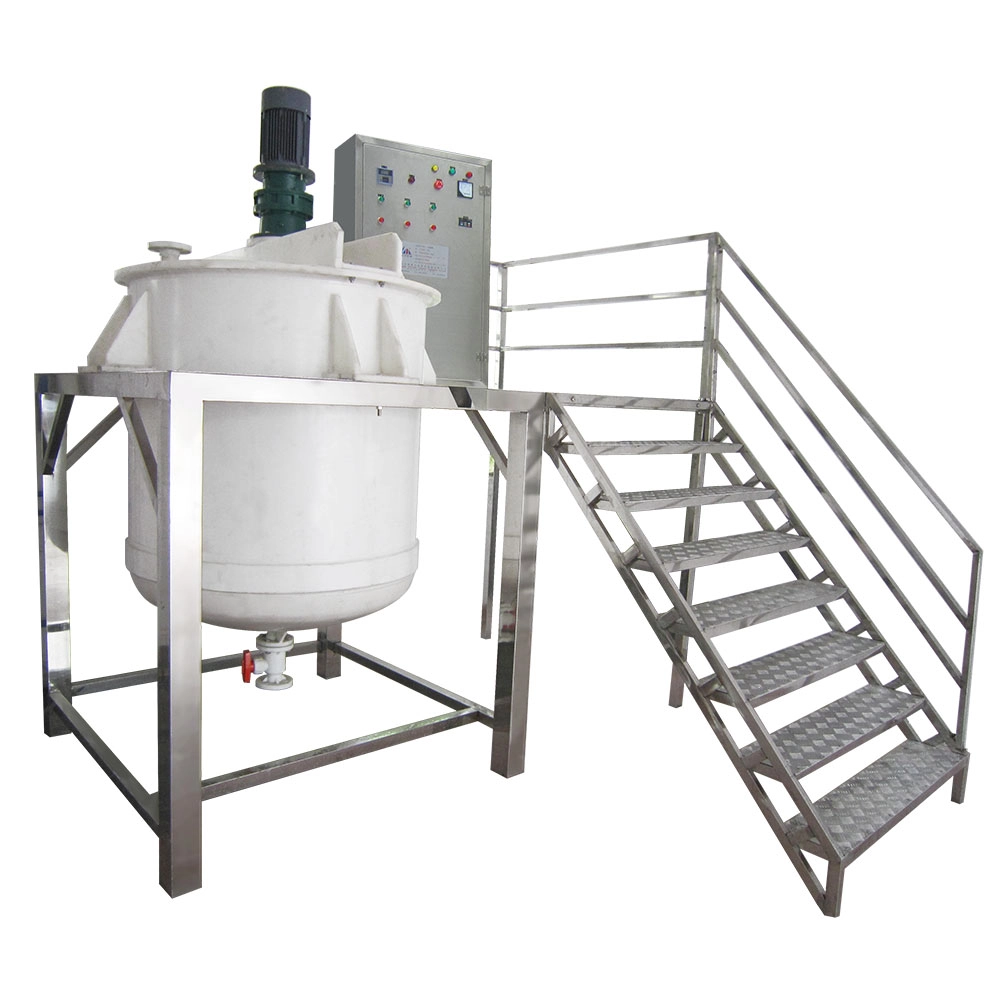
Polypropylene PP Mixing Tank Anti-Corrosion Mixer Reaction Kettle with Agitator Chemical Mixing Vessel
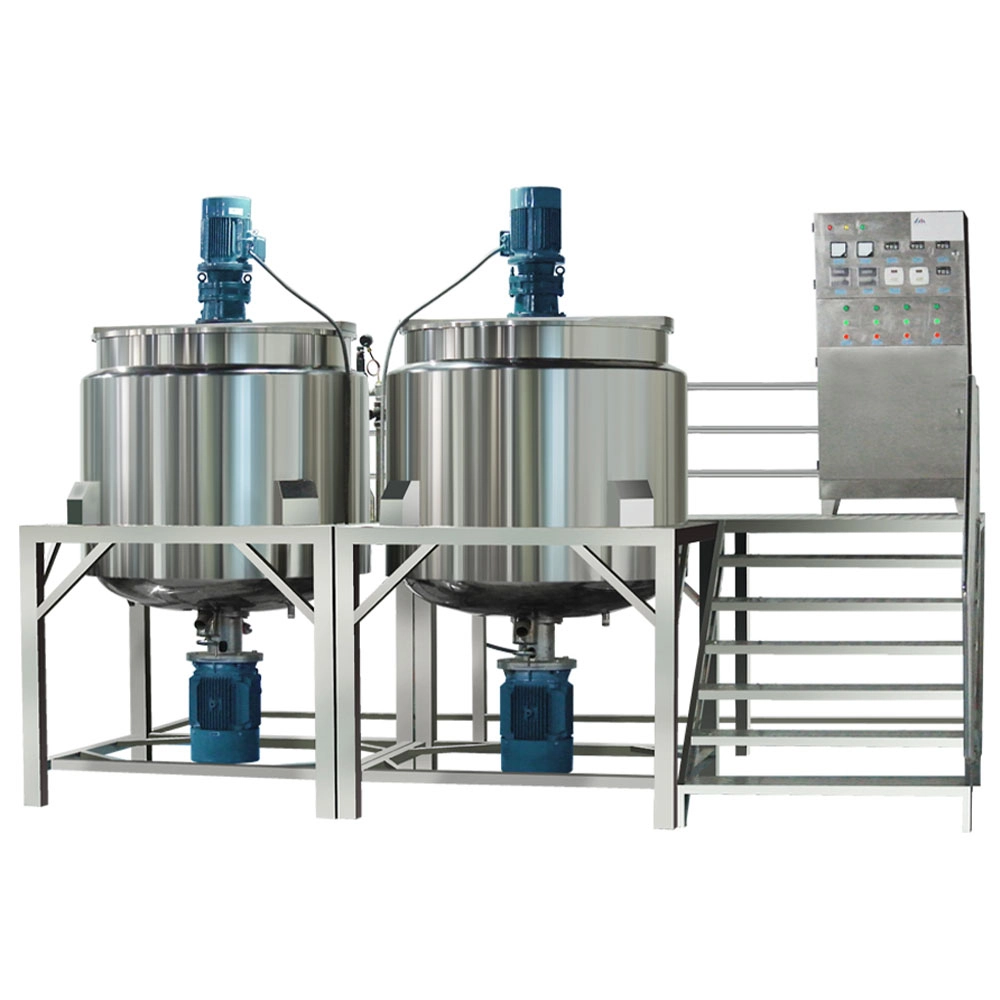
Flip Cover Multi-function Liquid Wash Mixing Tank Blender Liquid Detergent Mixer Homogenization Stirring Tank
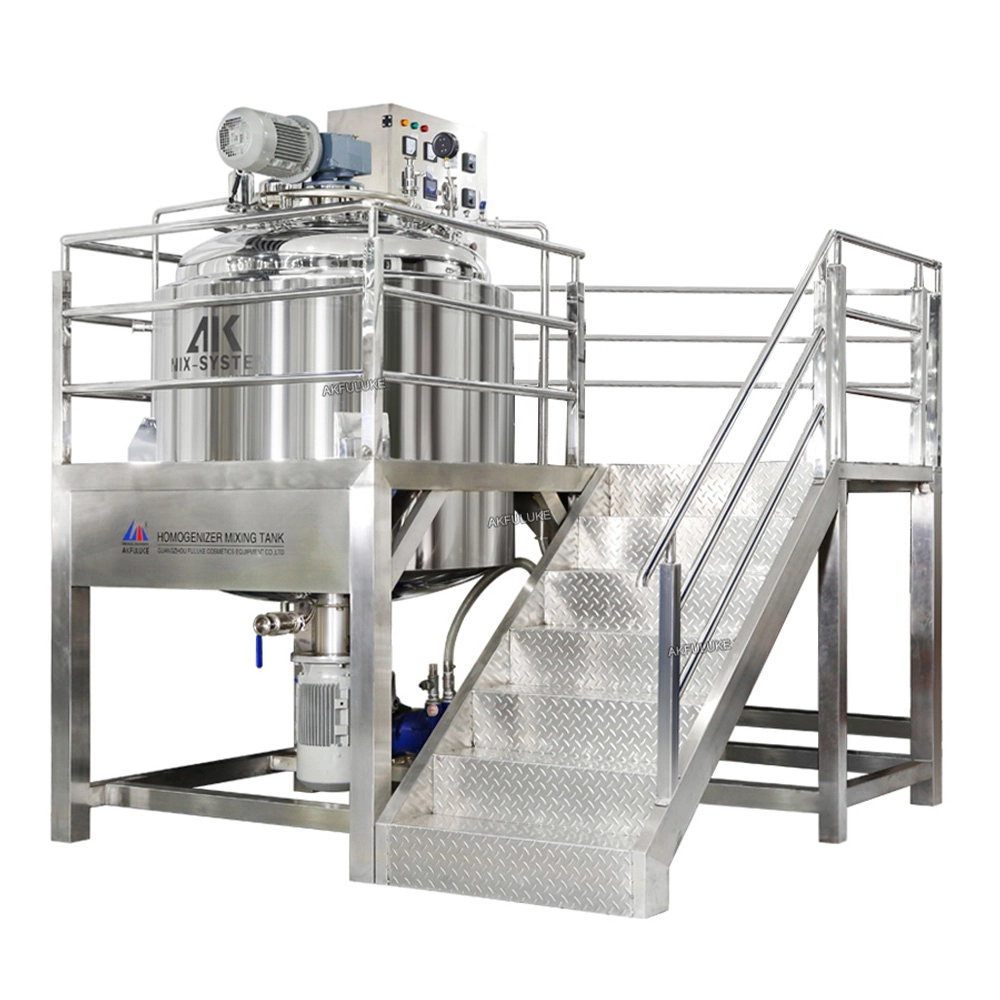
Stainless Steel Mixer Liquid Mixing tank with Agitator Homogenizing Mixing tank Vacuum Sealed Mixer Machine

A leading manufacturer specializing in advanced machinery and complete production lines for the cosmetics, food, pharmaceutical, and chemical industries worldwide.
Contact FULUKE
Facebook
Instagram
YouTube