
How to validate filling machines for GMP compliance?
- Comprehensive Guide to Purchasing Cosmetic Filling Machines and Ensuring GMP Compliance
- 1. What are the key factors to consider when purchasing a cosmetic filling machine?
- 2. How do I validate a filling machine for GMP compliance?
- 3. What are the common challenges in filling machine validation for GMP compliance?
- 4. How can I ensure the filling machine meets GMP standards?
- 5. What are the benefits of GMP-compliant filling machines in cosmetic manufacturing?
- 6. How do I assess the cost-effectiveness of a filling machine?
- 7. Are there specific certifications required for filling machines in the cosmetic industry?
- 8. How can I ensure the filling machine is suitable for my specific cosmetic products?
- Conclusion: Why Choose FULUKE for Your Cosmetic Filling Equipment Needs?
Comprehensive Guide to Purchasing Cosmetic Filling Machines and Ensuring GMP Compliance
As a professional content writer with extensive experience in SEO and , and proficiency in multiple languages, I understand the importance of providing accurate and up-to-date information to assist cosmetic equipment buyers in making informed decisions. This guide addresses common questions related to purchasing filling machines and ensuring their compliance with Good Manufacturing Practice (GMP) standards.
1. What are the key factors to consider when purchasing a cosmetic filling machine?
When selecting a cosmetic filling machine, consider the following factors:
Product Compatibility: Ensure the machine is suitable for the specific cosmetic products you intend to fill, such as creams, lotions, or serums.
Filling Accuracy: Look for machines that offer precise filling capabilities to maintain product consistency and quality.
Production Capacity: Assess the machine's capacity to meet your production requirements, whether for small batches or large-scale manufacturing.
Ease of Cleaning and Maintenance: Choose machines that are easy to disassemble and clean to prevent cross-contamination and ensure hygiene.
Regulatory Compliance: Verify that the machine complies with relevant industry standards and regulations, such as GMP.
2. How do I validate a filling machine for GMP compliance?
Validating a filling machine for GMP compliance involves several key steps:
Installation Qualification (IQ): Confirm that the machine is installed correctly according to the manufacturer's specifications.
Operational Qualification (OQ): Test the machine's performance under normal operating conditions to ensure it functions as intended.
Performance Qualification (PQ): Evaluate the machine's ability to consistently produce products that meet quality standards over time.
Documentation: Maintain detailed records of all validation activities, including test results and any deviations observed.
Regular Audits: Conduct periodic audits to ensure ongoing compliance with GMP standards and identify areas for improvement.
3. What are the common challenges in filling machine validation for GMP compliance?
Common challenges include:
Data Integrity Issues: Discrepancies between machine data and batch records can lead to compliance concerns. It's essential to ensure accurate data recording and reporting practices.
Process Validation Gaps: Inadequate validation of the filling process can result in product quality issues. Comprehensive validation protocols should be established and followed.
Maintenance and Calibration: Regular maintenance and calibration are crucial to ensure the machine operates within specified parameters and maintains product quality.
4. How can I ensure the filling machine meets GMP standards?
To ensure GMP compliance:
Supplier Evaluation: Choose suppliers with a proven track record in providing GMP-compliant equipment and who offer comprehensive validation services.
Third-Party Validation Services: Consider engaging third-party experts to perform independent validation and qualification of the equipment.
Training and Documentation: Provide thorough training for operators and maintain detailed documentation of all validation and maintenance activities.
5. What are the benefits of GMP-compliant filling machines in cosmetic manufacturing?
Benefits include:
Product Quality Assurance: Consistent and accurate filling processes lead to high-quality products that meet consumer expectations.
Regulatory Compliance: Adhering to GMP standards ensures compliance with industry regulations, reducing the risk of legal issues.
Operational Efficiency: Well-validated machines operate more efficiently, reducing downtime and increasing production capacity.
6. How do I assess the cost-effectiveness of a filling machine?
Assess cost-effectiveness by considering:
Total Cost of Ownership: Evaluate not only the initial purchase price but also maintenance costs, energy consumption, and potential downtime.
Return on Investment (ROI): Estimate the potential increase in production capacity and product quality that the machine can provide.
Warranty and Support: Consider the length and terms of the warranty, as well as the availability of technical support and spare parts.
7. Are there specific certifications required for filling machines in the cosmetic industry?
Yes, filling machines in the cosmetic industry should have certifications such as:
CE Marking: Indicates conformity with health, safety, and environmental protection standards in the European Economic Area.
FDA Clearance/510(k): Required for medical devices in the United States, demonstrating that the device is safe and effective.
RoHS Compliance: Ensures that the device is free from hazardous substances, as mandated in many regions.
Verifying these certifications is crucial to ensure the devices meet the necessary regulatory standards for your market.
8. How can I ensure the filling machine is suitable for my specific cosmetic products?
To ensure suitability:
Product Testing: Conduct trials using your actual cosmetic formulations to assess compatibility and performance.
Consultation with Experts: Engage with equipment suppliers or industry experts who can provide insights based on your product specifications.
Customization Options: Look for machines that offer customization features to accommodate unique product requirements.
Conclusion: Why Choose FULUKE for Your Cosmetic Filling Equipment Needs?
FULUKE stands out as a leading provider of cosmetic filling equipment, offering:
Advanced Technology: Incorporating the latest advancements to ensure precision and efficiency in filling processes.
Comprehensive Validation Services: Providing end-to-end support for GMP compliance, including validation and qualification services.
Customization Capabilities: Offering tailored solutions to meet the specific needs of your cosmetic products.
Reliable After-Sales Support: Ensuring ongoing support and maintenance to keep your operations running smoothly.
By choosing FULUKE, you invest in equipment that upholds the highest standards of quality and compliance, supporting the success and growth of your cosmetic manufacturing operations.
References:

Understanding Servo Capping Machines: The Core Logic of Precise Capping – Understand the Entire Working Process in Seconds
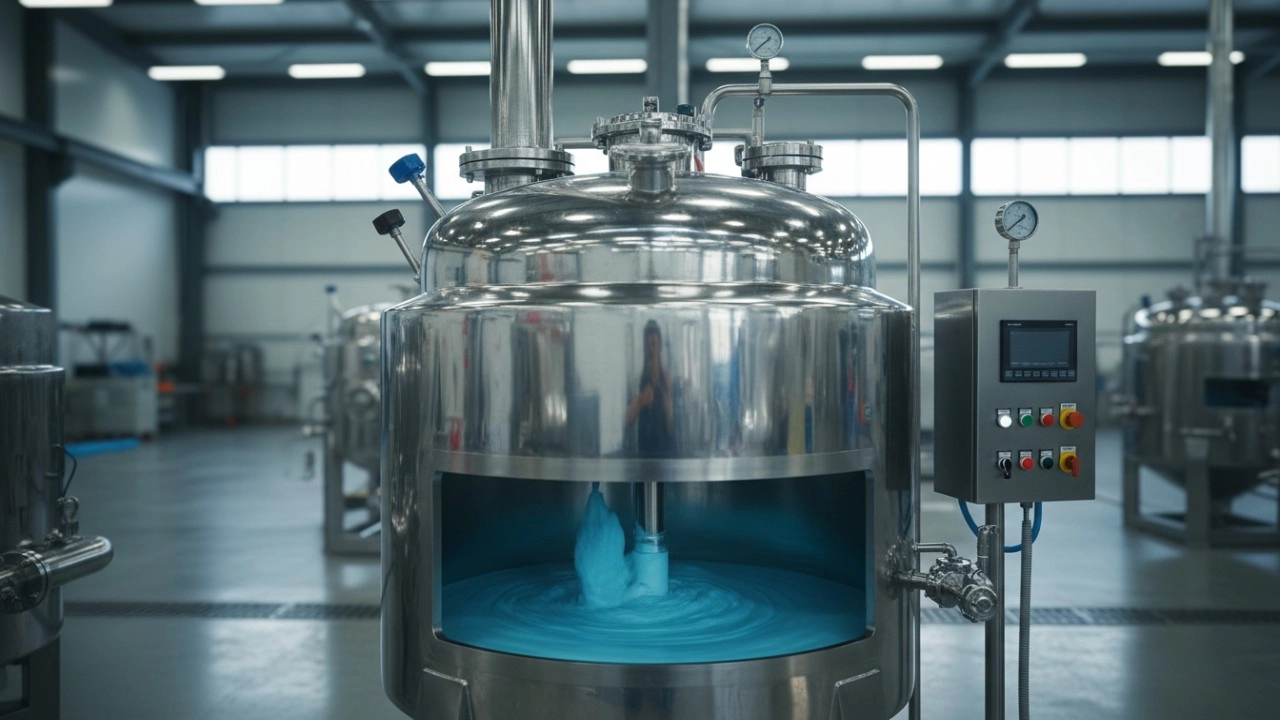
The Future of Industrial Agitation: 5 Smart Mixing Tank Technologies Changing the Game
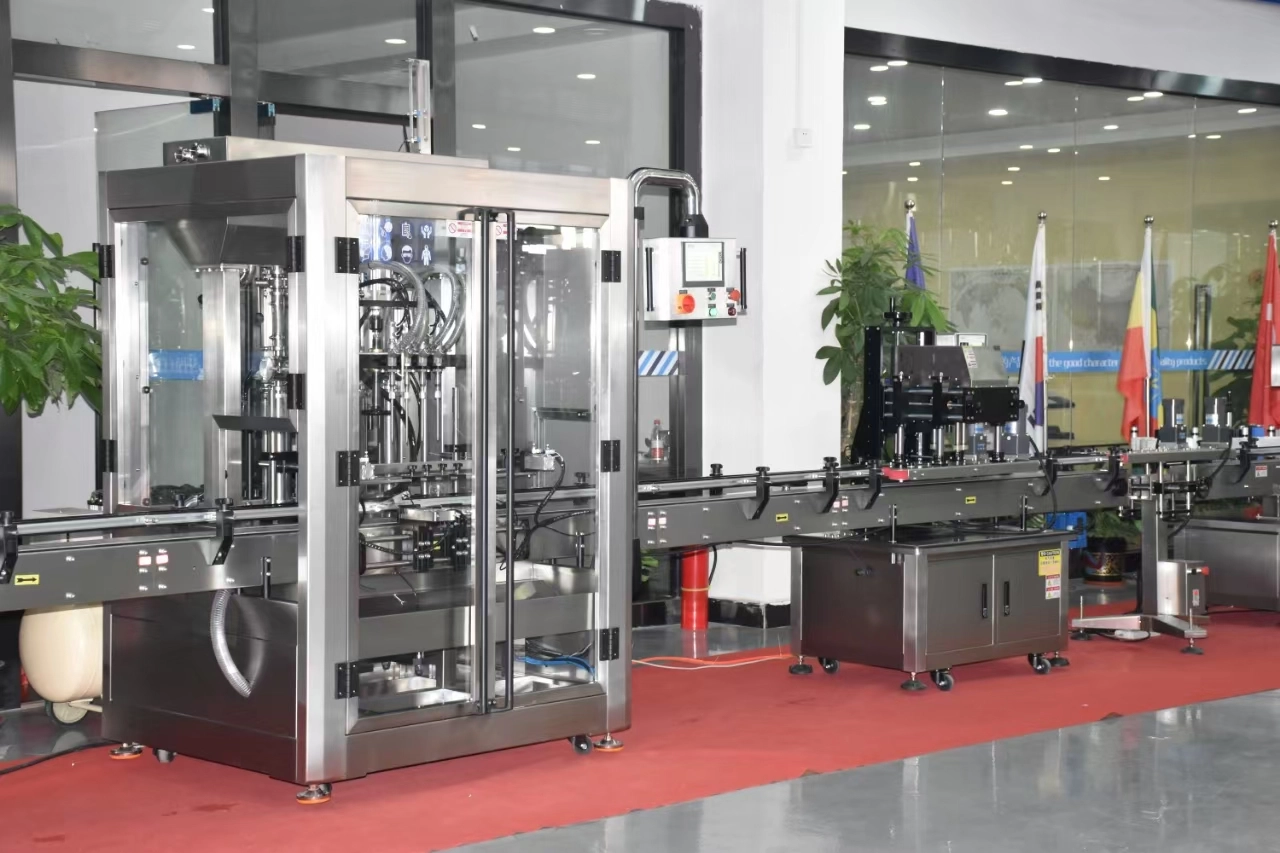
Gear pump filling machine vs. piston filling machine: Key differences broken down to avoid pitfalls in selection.
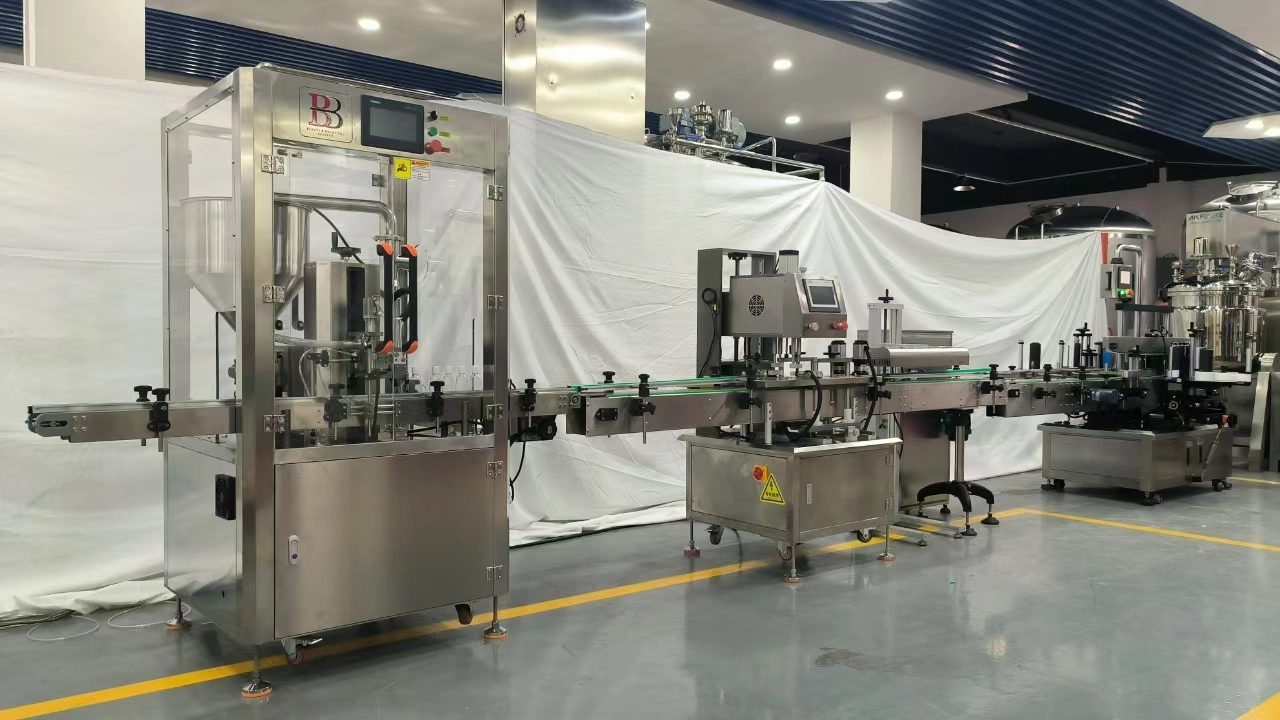
Understand the working principle of a servo gear pump filling machine!
Perfume Freezing Filter Making Machine
Why does perfume require freeze filtration? Is traditional filtration an alternative?
Traditional filtration only removes visible solid impurities. Soluble organic matter, colloids, and trace microorganisms in perfume are difficult to separate at room temperature, easily leading to turbidity, precipitation, and aroma deterioration after storage. Freeze filtration uses a low-temperature environment of -5°C to -15°C (depending on the formulation) to condense these hidden impurities into solid particles. These particles are then thoroughly trapped through precision filtration, while simultaneously allowing the fragrance components to fully blend. This is a core process that ensures the stability of high-end perfumes.
Storage Tank
Can you customize the machine?
Of course, we provide customized services according to customer needs.
Automatic Facial Mask Filling Machine
How many filling nozzles does your facial mask filling machine have?
We have dual-, six-, eight-, and ten-head facial mask filling machines. We can customize the number of filling nozzles to meet your needs.
Automatic Filling Machine
What special safety features are required for equipment used to fill medical disinfectants (containing alcohol)?
An explosion-proof automatic filling machine is essential. Key safety features include: ① The motor and electrical components must be explosion-proof to prevent sparks from igniting alcohol vapors; ② The tanks and piping must be made of anti-static materials and grounded to prevent static electricity accumulation; The workshop must also be well-ventilated and equipped with an explosion-proof exhaust system.
Automatic Capping Machine
What types of bottle caps and bottles does the automatic capping machine support?
Mainstream models are compatible with screw caps, duckbill caps, pump caps, spray caps, and other threaded caps. They are also suitable for round, square, and oval bottles made of glass, PET, and HDPE.
Get in touch with FULUKE
If you have any comments or good suggestions, please leave us a message, later our professional staff will contact you as soon as possible.
You May Also Like
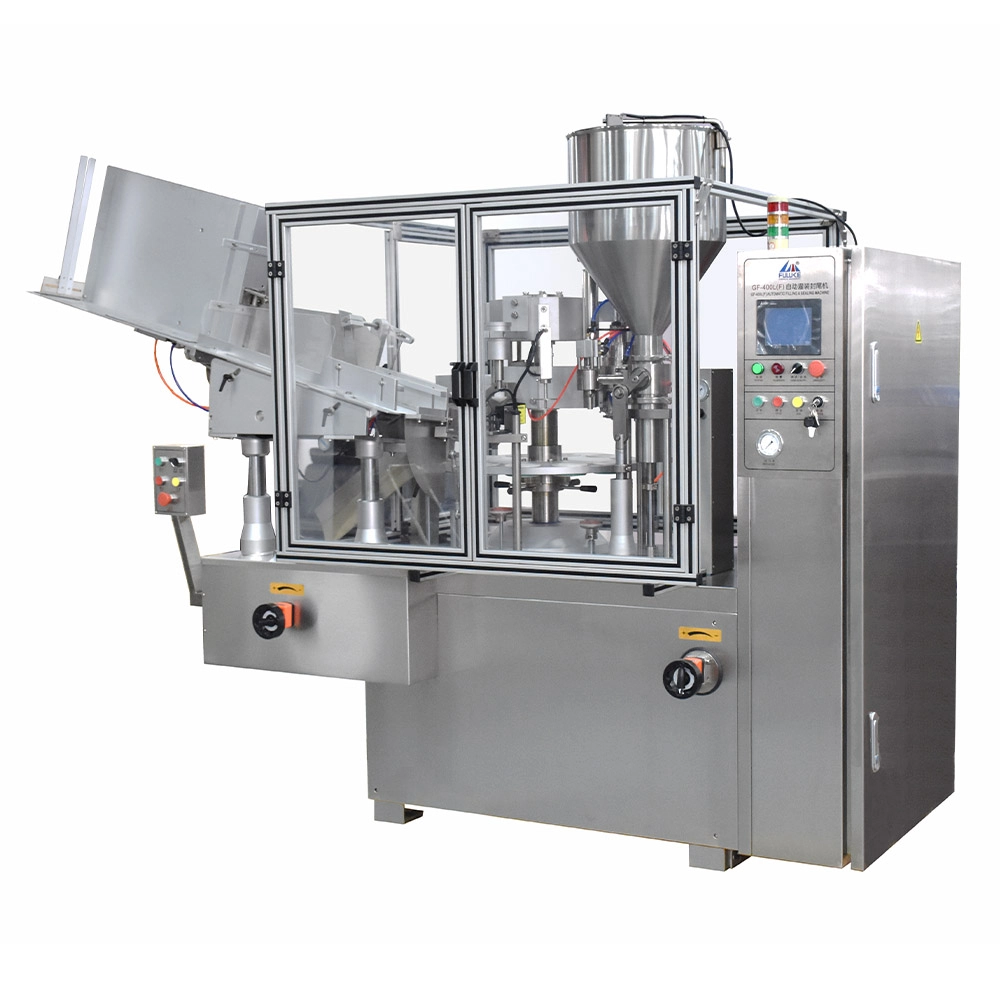
Automatic Tube Filling and Sealing Machine Toothpaste Sunscreen and Facial Cleanser Filling and Sealing Machine for Plastic and Aluminum-plastic Tube
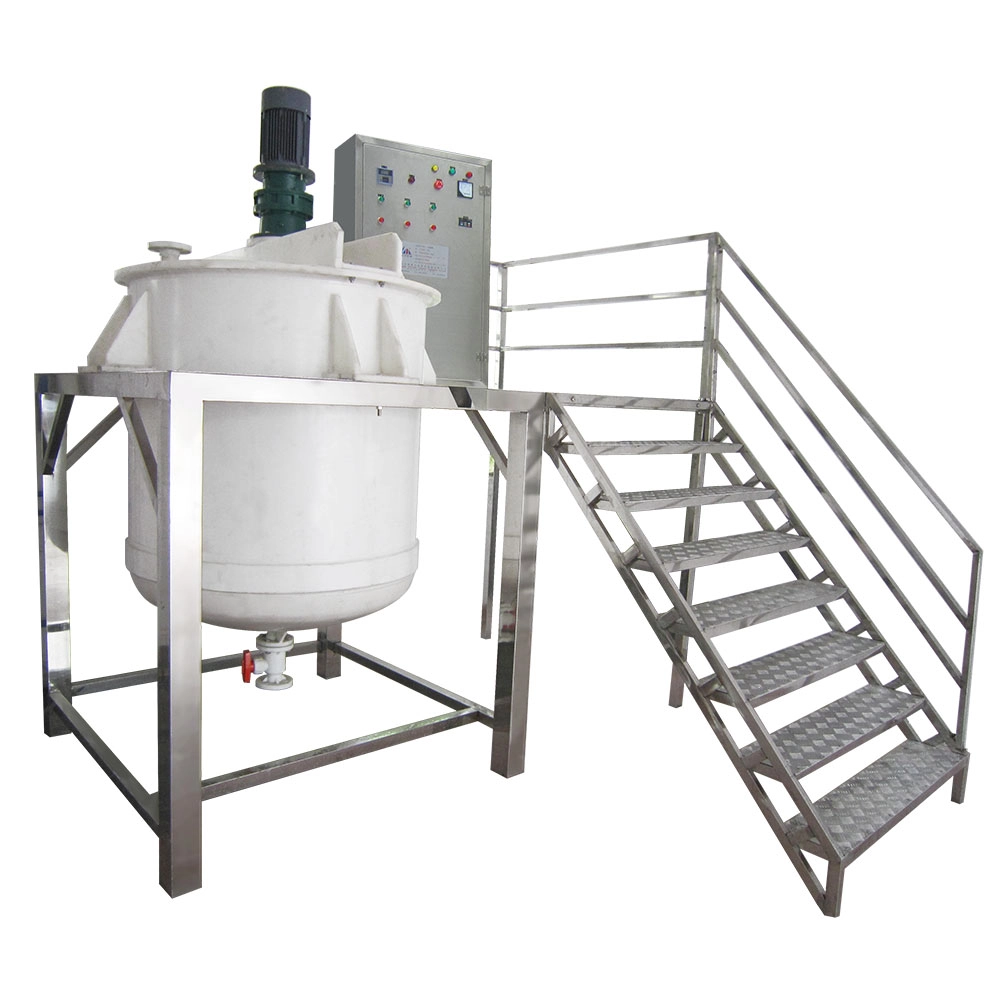
Polypropylene PP Mixing Tank Anti-Corrosion Mixer Reaction Kettle with Agitator Chemical Mixing Vessel
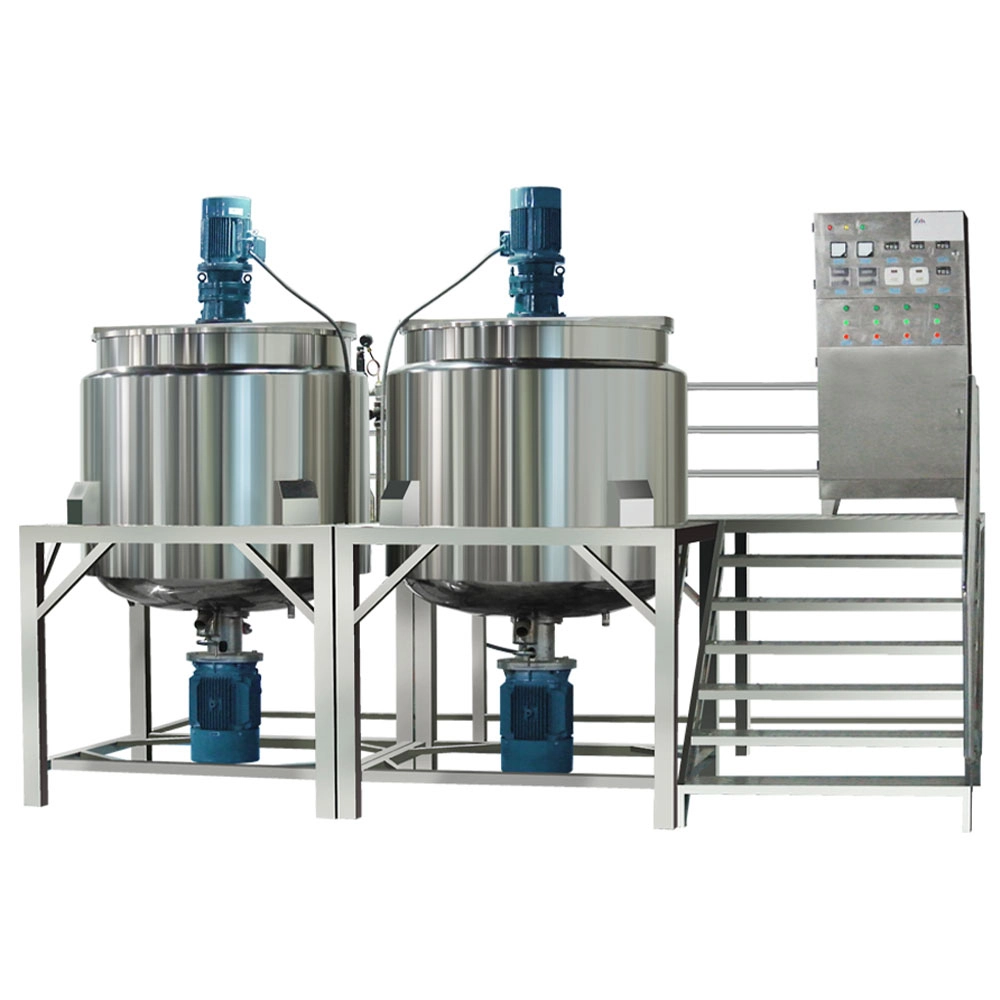
Flip Cover Multi-function Liquid Wash Mixing Tank Blender Liquid Detergent Mixer Homogenization Stirring Tank
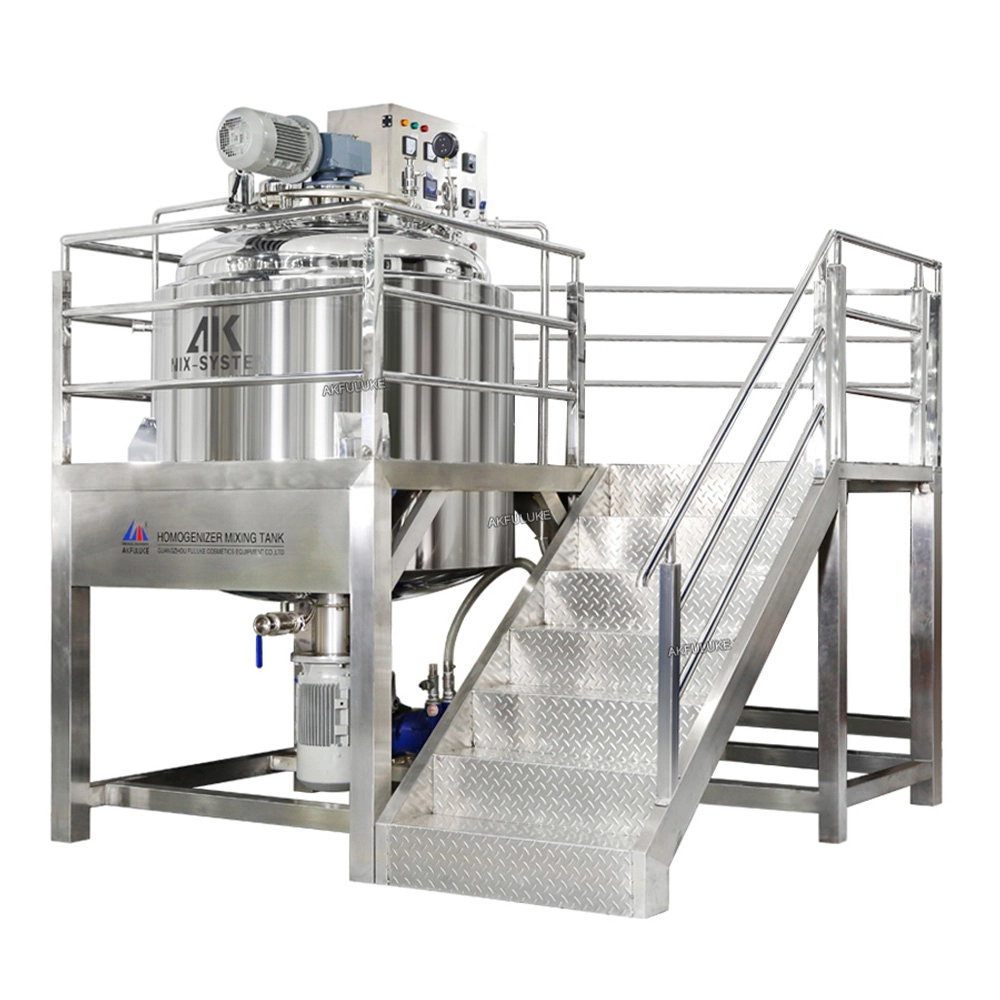
Stainless Steel Mixer Liquid Mixing tank with Agitator Homogenizing Mixing tank Vacuum Sealed Mixer Machine

A leading manufacturer specializing in advanced machinery and complete production lines for the cosmetics, food, pharmaceutical, and chemical industries worldwide.
Contact FULUKE
Facebook
Instagram
YouTube