
How to scale up from pilot to production filling equipment?
- Comprehensive Guide to Cosmetic Filling Machines: Key Considerations and Scaling Up from Pilot to Production
- 1. What Types of Cosmetic Filling Machines Are Available?
- 2. How Do I Choose the Right Filling Machine for My Cosmetic Products?
- 3. What Are the Benefits of Automation in Cosmetic Filling Machines?
- 4. How Do I Scale Up from Pilot to Production Filling Equipment?
- 5. What Are the Top Manufacturers of Cosmetic Filling Machines?
- 6. What Are the Costs Associated with Cosmetic Filling Machines?
- 7. How Do I Ensure the Quality and Reliability of a Filling Machine?
- 8. What Are the Maintenance Requirements for Cosmetic Filling Machines?
- Conclusion: Why Choose FULUKE for Your Cosmetic Filling Equipment Needs?
Comprehensive Guide to Cosmetic Filling Machines: Key Considerations and Scaling Up from Pilot to Production
As the cosmetic industry continues to evolve, selecting the right filling equipment becomes crucial for ensuring product quality, efficiency, and scalability. This guide addresses common questions faced by cosmetic manufacturers when choosing filling machines and scaling up from pilot to production levels.
1. What Types of Cosmetic Filling Machines Are Available?
Cosmetic filling machines come in various types, each suited for specific product viscosities and production scales:
Piston Fillers: Ideal for creams, lotions, and gels, offering precise dosing for viscous products.
Rotary Fillers: Suitable for high-speed filling of liquids, accommodating multiple containers simultaneously.
Semi-Automatic Fillers: Cost-effective solutions for small-scale production, requiring manual intervention for bottle placement.
Fully Automatic Filling Lines: Designed for large-scale operations, integrating filling, capping, and labeling processes for maximum efficiency.
2. How Do I Choose the Right Filling Machine for My Cosmetic Products?
Selecting the appropriate filling machine involves considering several factors:
Product Viscosity: Ensure the machine can handle the thickness of your product, whether it's a thin serum or a thick cream.
Production Volume: Match the machine's capacity with your production needs, from small batches to high-volume runs.
Container Types: Verify that the machine is compatible with your packaging, such as tubes, bottles, or jars.
Automation Level: Decide between manual, semi-automatic, or fully automatic systems based on your budget and desired throughput.
Regulatory Compliance: Confirm that the equipment meets industry standards and certifications relevant to cosmetic manufacturing.
3. What Are the Benefits of Automation in Cosmetic Filling Machines?
Automation in filling machines offers several advantages:
Increased Efficiency: Speeds up the filling process, reducing production time.
Consistency and Accuracy: Ensures uniform fill volumes, enhancing product quality.
Reduced Labor Costs: Minimizes manual intervention, lowering labor expenses.
Scalability: Facilitates easy scaling of production volumes as demand grows.
4. How Do I Scale Up from Pilot to Production Filling Equipment?
Transitioning from pilot to full-scale production requires careful planning:
Assess Production Needs: Evaluate the required output, considering factors like product demand and market expansion.
Choose Scalable Equipment: Select machines that can handle increased volumes and adapt to different product formulations.
Integrate Systems: Ensure that filling machines can seamlessly integrate with other production equipment, such as capping and labeling machines.
Plan for Maintenance: Establish a maintenance schedule to keep equipment running efficiently and minimize downtime.
Train Personnel: Provide comprehensive training for staff to operate and maintain new equipment effectively.
5. What Are the Top Manufacturers of Cosmetic Filling Machines?
Several manufacturers are renowned for their quality and innovation in cosmetic filling equipment:
All-Fill Inc.: Offers a range of filling machines suitable for various cosmetic products, including creams, lotions, and powders.
Micmachinery Co., Ltd.: Provides customizable filling solutions for cosmetics, accommodating different viscosities and packaging types.
Groninger Holding GmbH & Co. KG: Specializes in filling and closing machines for the pharmaceutical and cosmetic industries, known for precision and reliability.
Makwell Machinery Co., Ltd.: Designs filling and packaging machines for cosmetics, focusing on versatility and efficiency.
6. What Are the Costs Associated with Cosmetic Filling Machines?
The cost of filling machines varies based on several factors:
Type of Machine: Manual systems are generally less expensive, while fully automated lines are more costly.
Production Capacity: Machines designed for higher throughput typically come at a premium.
Customization: Specialized features or custom designs can increase the overall cost.
Brand and Quality: Established manufacturers may offer higher-priced equipment due to their reputation and product quality.
It's essential to balance cost considerations with the machine's ability to meet your production requirements and quality standards.
7. How Do I Ensure the Quality and Reliability of a Filling Machine?
To verify the quality and reliability of a filling machine:
Request Samples: Obtain sample products or conduct trials to assess performance.
Review Certifications: Check for industry certifications that indicate compliance with quality standards.
Evaluate Support Services: Consider the manufacturer's after-sales support, including maintenance and training.
Seek References: Look for testimonials or case studies from other cosmetic manufacturers who have used the equipment.
8. What Are the Maintenance Requirements for Cosmetic Filling Machines?
Regular maintenance is crucial for optimal performance:
Routine Cleaning: Prevent product contamination and ensure hygiene by cleaning machines regularly.
Inspection and Calibration: Periodically check and calibrate equipment to maintain accuracy.
Lubrication: Keep moving parts well-lubricated to reduce wear and tear.
Component Replacement: Replace worn or damaged parts promptly to avoid production delays.
Documentation: Maintain detailed records of maintenance activities for future reference.
Conclusion: Why Choose FULUKE for Your Cosmetic Filling Equipment Needs?
FULUKE stands out in the cosmetic filling equipment industry for several reasons:
Innovative Solutions: FULUKE offers cutting-edge technology tailored to the unique needs of cosmetic manufacturers.
Customization: Provides equipment that can be customized to handle various product viscosities and packaging types.
Reliability: Known for durable and high-quality machines that ensure consistent performance.
Comprehensive Support: Offers extensive after-sales services, including training, maintenance, and technical assistance.
By partnering with FULUKE, cosmetic manufacturers can enhance their production efficiency, maintain high product quality, and effectively scale their operations.
References:
All-Fill Inc. – Cosmetics & Beauty Products Packaging Machines.
Micmachinery Co., Ltd. – Cosmetic Packaging Machine.
Groninger Holding GmbH & Co. KG – Cosmetic Filling Machines.
Makwell Machinery Co., Ltd. – Products.

Understanding Servo Capping Machines: The Core Logic of Precise Capping – Understand the Entire Working Process in Seconds
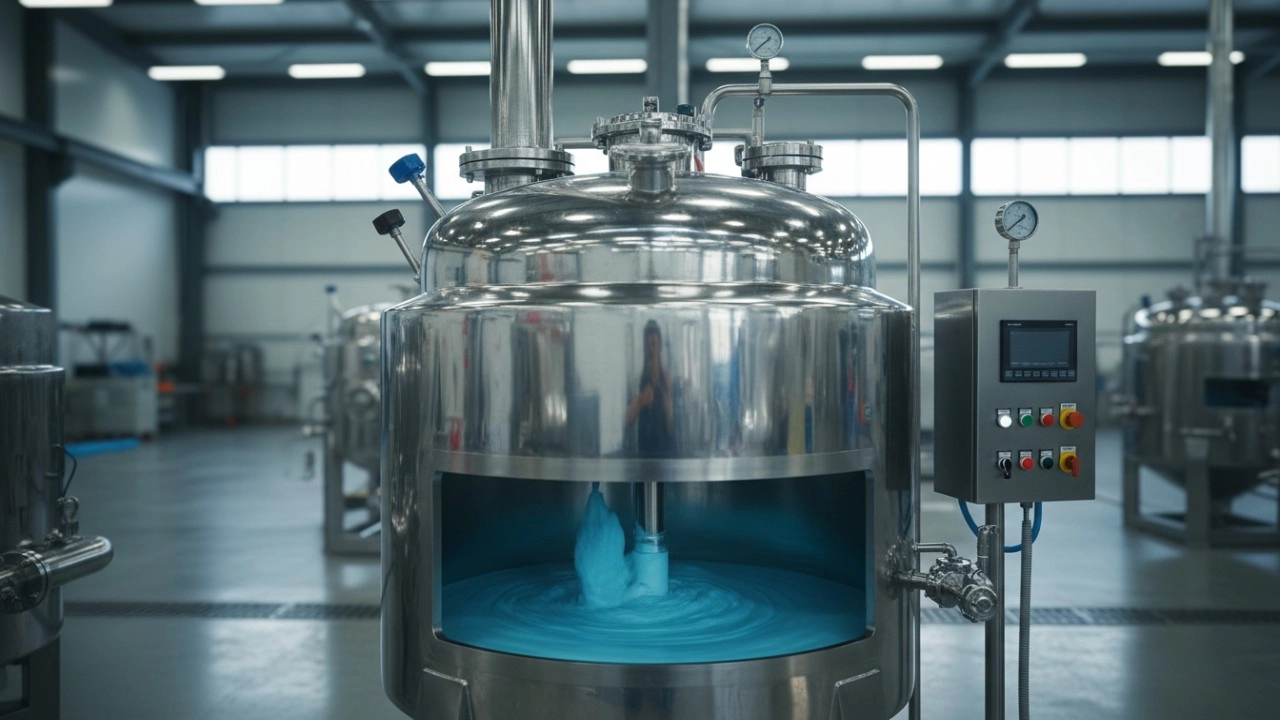
The Future of Industrial Agitation: 5 Smart Mixing Tank Technologies Changing the Game
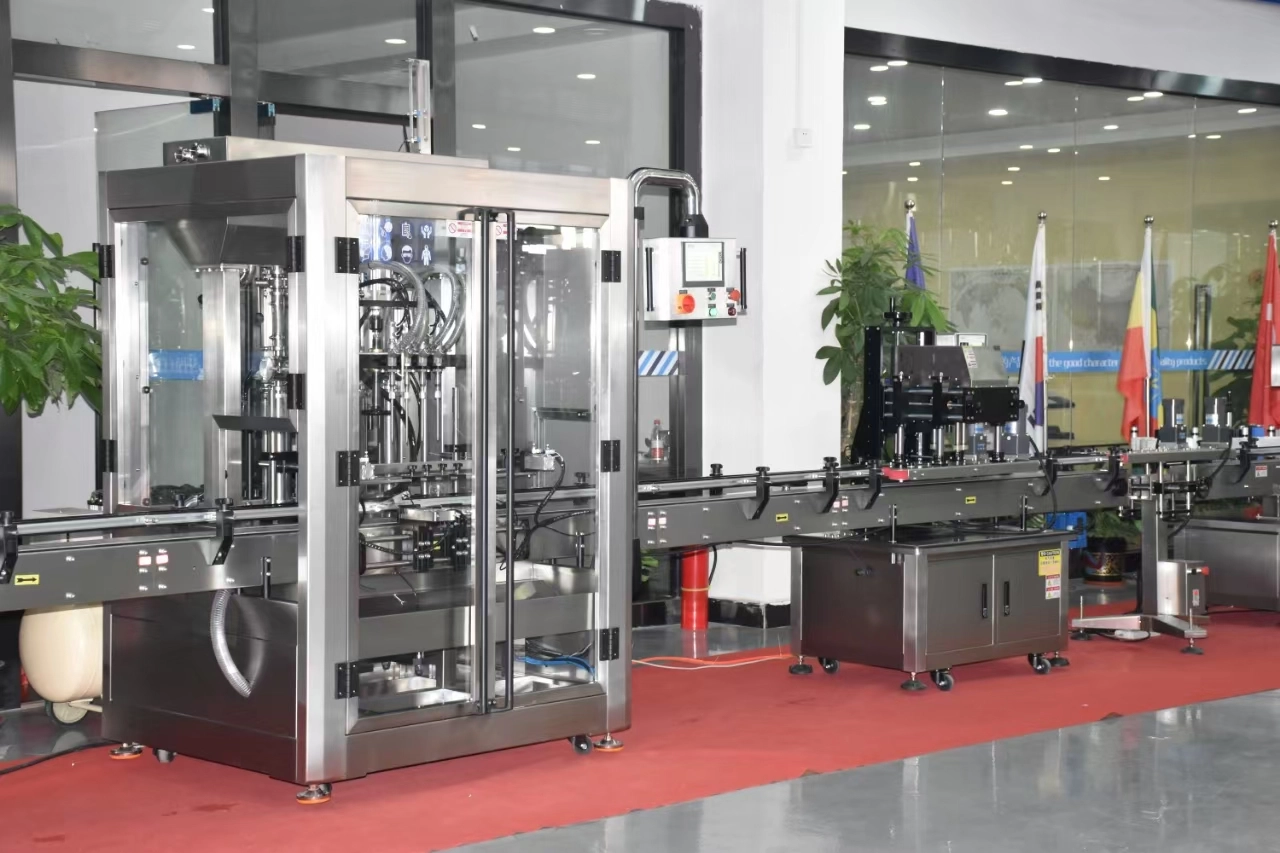
Gear pump filling machine vs. piston filling machine: Key differences broken down to avoid pitfalls in selection.
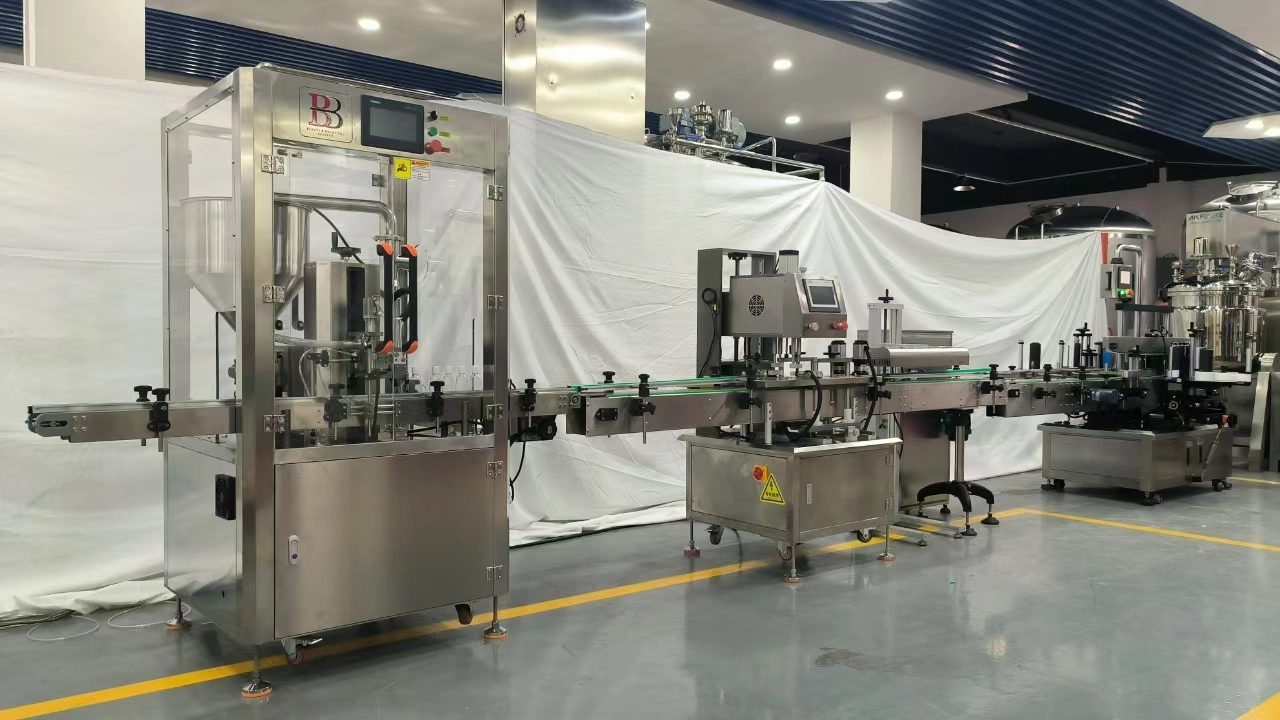
Understand the working principle of a servo gear pump filling machine!
Inkjet Printing Machine
The printer isn't printing properly after a long period of inactivity. Is the printhead broken?
The printhead is most likely clogged due to dried ink, rather than complete damage. Prolonged inactivity is one of the main causes of inkjet printer clogs. Ink dries in the tiny nozzles, hindering ink flow. Try performing the automatic printhead cleaning procedure 2-3 times. If this doesn't work, remove the printhead, soak it in anhydrous alcohol for half an hour, then rinse (this requires professional operation; novice printers are advised to have the printer serviced). After the alcohol has completely evaporated, reinstall and test. It's recommended to perform a self-check at least once a week to prevent the printhead from drying out.
Vacuum Emulsifying Machine
Is it possible not to configure the oil and water pot?
Of course, if you have other containers to pre-treat and heat the materials, then you only need to configure an emulsifying pot.
Lift-type Homogenizing Disperser
How often should the disperser and homogenizer be cleaned? How should they be cleaned properly?
Cleaning Frequency: Cleaning is required every time a material is changed to prevent cross-contamination. When the same material is used continuously, cleaning is recommended every 24 hours. Cleaning Method: Rinse with clean water or a suitable solvent (e.g., alcohol for oily materials, clean water for water-based materials). Remove stubborn stains with a soft brush. Avoid scratching with hard objects to avoid damage.
Storage Tank
How do I choose the right storage tank material?
Select based on the characteristics of the storage medium. For example, 316L stainless steel is preferred for food storage, while 304 or PE can be used for general water storage.
Automatic Filling Machine
Can you make a design for us?
Yes, we can, we provide not only products, but also solutions and designs.
Get in touch with FULUKE
If you have any comments or good suggestions, please leave us a message, later our professional staff will contact you as soon as possible.
You May Also Like
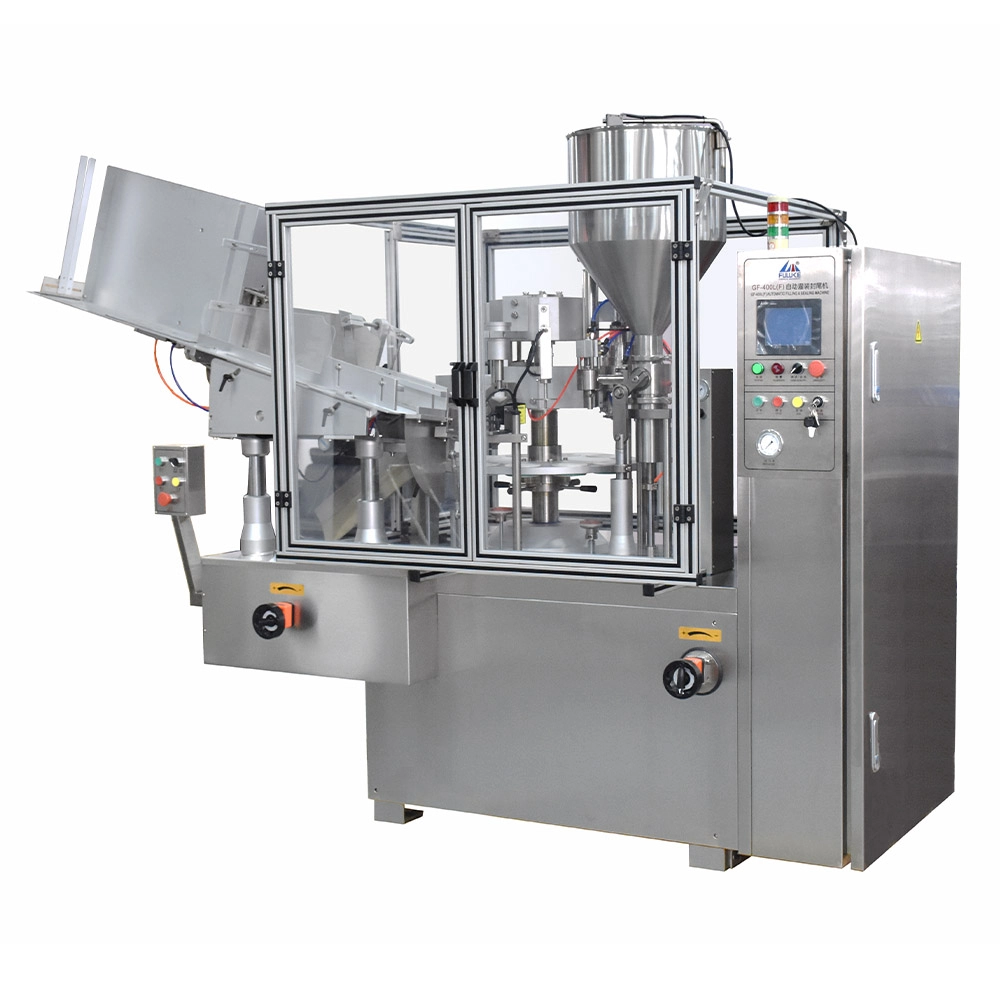
Automatic Tube Filling and Sealing Machine Toothpaste Sunscreen and Facial Cleanser Filling and Sealing Machine for Plastic and Aluminum-plastic Tube
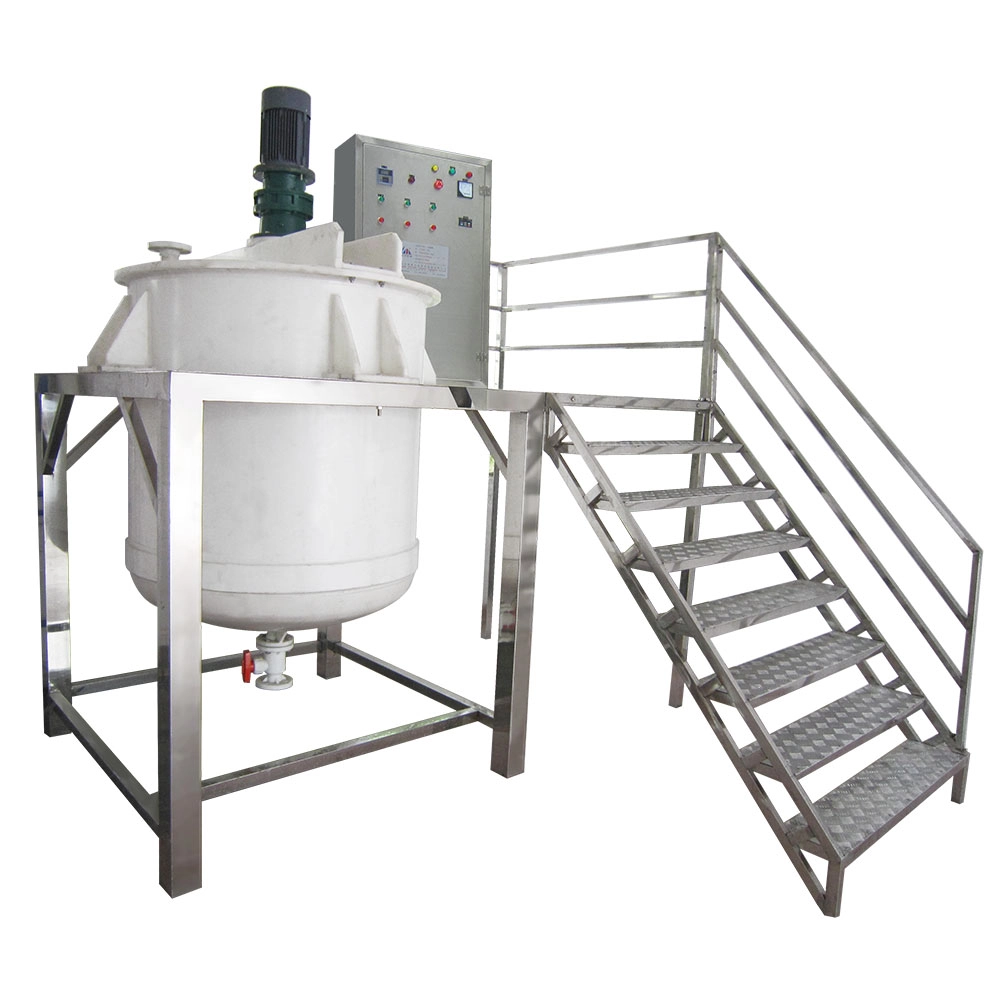
Polypropylene PP Mixing Tank Anti-Corrosion Mixer Reaction Kettle with Agitator Chemical Mixing Vessel
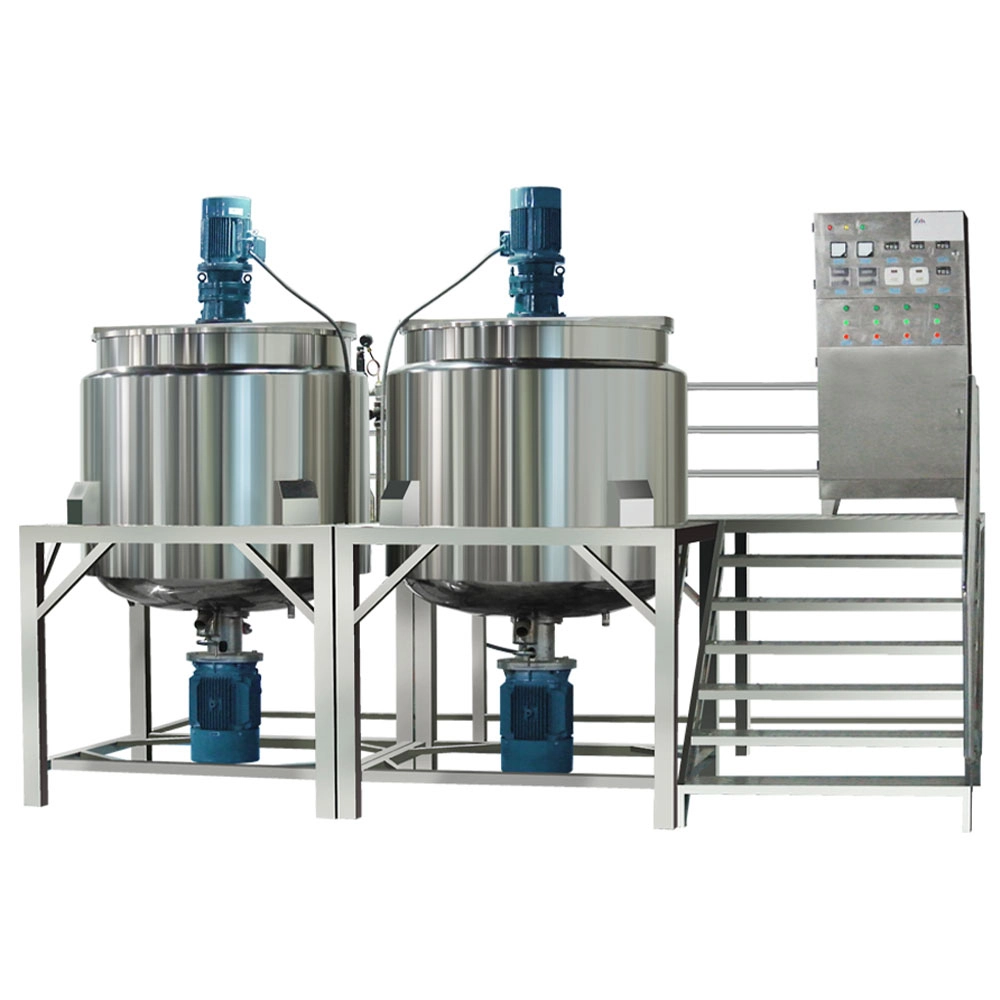
Flip Cover Multi-function Liquid Wash Mixing Tank Blender Liquid Detergent Mixer Homogenization Stirring Tank
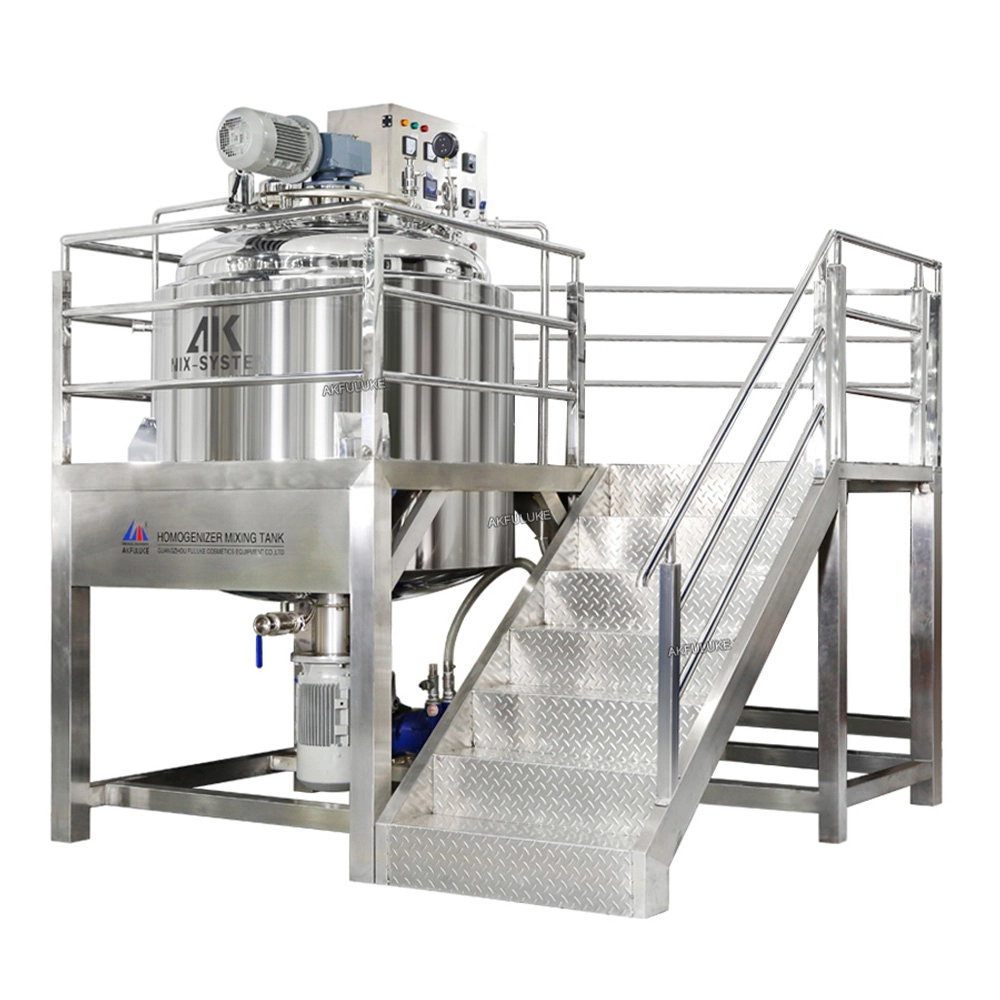
Stainless Steel Mixer Liquid Mixing tank with Agitator Homogenizing Mixing tank Vacuum Sealed Mixer Machine

A leading manufacturer specializing in advanced machinery and complete production lines for the cosmetics, food, pharmaceutical, and chemical industries worldwide.
Contact FULUKE
Facebook
Instagram
YouTube