
How to specify filling machines for jars and tubs?
- How to Specify Filling Machines for Jars and Tubs in the Cosmetic Industry
- 1. What Types of Filling Machines Are Suitable for Cosmetic Jars and Tubs?
- 2. How Do I Determine the Appropriate Filling Volume and Speed?
- 3. What Are the Key Features to Consider in a Filling Machine?
- 4. How Do I Ensure Compliance with Industry Standards?
- 5. What Are the Maintenance Requirements for Filling Machines?
- 6. How Do I Evaluate the Total Cost of Ownership?
- 7. What Are the Latest Trends in Cosmetic Filling Machines?
- 8. How Do I Choose the Right Supplier for Filling Machines?
- Conclusion: Why Choose FULUKE for Your Cosmetic Filling Needs?
How to Specify Filling Machines for Jars and Tubs in the Cosmetic Industry
Selecting the appropriate filling machine for cosmetic jars and tubs is crucial to ensure product quality, efficiency, and compliance with industry standards. This guide addresses common questions and provides expert insights to assist in making informed decisions.
1. What Types of Filling Machines Are Suitable for Cosmetic Jars and Tubs?
For cosmetic products, the choice of filling machine depends on the product's viscosity and the container type:
Piston Fillers: Ideal for thick creams and gels, piston fillers provide accurate and consistent filling. They are suitable for jars and tubs of various sizes.
Peristaltic Pump Fillers: Suitable for products sensitive to shear, such as emulsions and lotions, peristaltic pumps offer gentle handling and precise dosing.
Gravity Fillers: Best for thin liquids, gravity fillers are simple and cost-effective, though they may lack the precision required for thicker products.
2. How Do I Determine the Appropriate Filling Volume and Speed?
Assessing production requirements is essential:
Filling Volume: Determine the typical fill volume for your jars and tubs. Ensure the machine can accommodate this volume with the desired accuracy.
Production Speed: Estimate the required throughput based on production goals. Machines vary in speed, with some capable of filling up to 2400 containers per hour.
3. What Are the Key Features to Consider in a Filling Machine?
When evaluating filling machines, consider the following features:
Accuracy: High-precision filling is crucial to minimize product waste and ensure consistency. Look for machines with accuracy tolerances of ±0.5% or better.
Material Compatibility: Ensure the machine's contact parts are made of materials compatible with cosmetic products, such as 316L stainless steel, to prevent contamination.
Ease of Cleaning: Hygiene is paramount in the cosmetic industry. Machines with clean-in-place (CIP) capabilities facilitate thorough cleaning and maintenance.
Automation Level: Depending on production scale, choose between semi-automatic machines for smaller batches and fully automatic systems for high-volume production.
4. How Do I Ensure Compliance with Industry Standards?
Compliance with industry standards is vital:
Regulatory Compliance: Verify that the machine meets relevant regulations, such as FDA 21 CFR Part 11 for data integrity and EU Machinery Directive 2006/42/EC.
Certifications: Look for machines with CE and UL certifications, indicating adherence to international safety and quality standards.
5. What Are the Maintenance Requirements for Filling Machines?
Regular maintenance ensures optimal performance:
Routine Cleaning: Establish a cleaning schedule to prevent product contamination and maintain hygiene.
Component Inspection: Regularly inspect and replace worn parts to prevent downtime and maintain filling accuracy.
Technical Support: Choose suppliers that offer comprehensive after-sales support, including on-site installation and 24/7 technical assistance.
6. How Do I Evaluate the Total Cost of Ownership?
Consider all costs associated with the filling machine:
Initial Investment: Account for the purchase price of the machine.
Operational Costs: Include energy consumption, maintenance expenses, and labor costs.
Consumables: Factor in the cost of consumables, such as seals and gaskets, which may require regular replacement.
Return on Investment (ROI): Assess the machine's impact on production efficiency and product quality to determine the ROI.
7. What Are the Latest Trends in Cosmetic Filling Machines?
Stay informed about industry advancements:
Automation: Increasing automation enhances efficiency and reduces labor costs.
Sustainability: Machines designed to minimize material waste and energy consumption align with sustainability goals.
Flexibility: Modern machines offer quick changeover capabilities, accommodating various container sizes and product formulations.
8. How Do I Choose the Right Supplier for Filling Machines?
Selecting a reputable supplier is crucial:
Experience: Opt for suppliers with a proven track record in the cosmetic industry.
Customization: Ensure the supplier can tailor solutions to meet specific production needs.
Support: Evaluate the quality of after-sales support, including training, maintenance, and spare parts availability.
Conclusion: Why Choose FULUKE for Your Cosmetic Filling Needs?
FULUKE offers a range of filling machines tailored for the cosmetic industry, combining precision, efficiency, and compliance with industry standards. Our machines are designed to handle various viscosities and container types, ensuring consistent product quality. With a commitment to innovation and customer satisfaction, FULUKE provides comprehensive support, from installation to ongoing maintenance, making us a trusted partner for your cosmetic filling requirements.
References:

Understanding Servo Capping Machines: The Core Logic of Precise Capping – Understand the Entire Working Process in Seconds
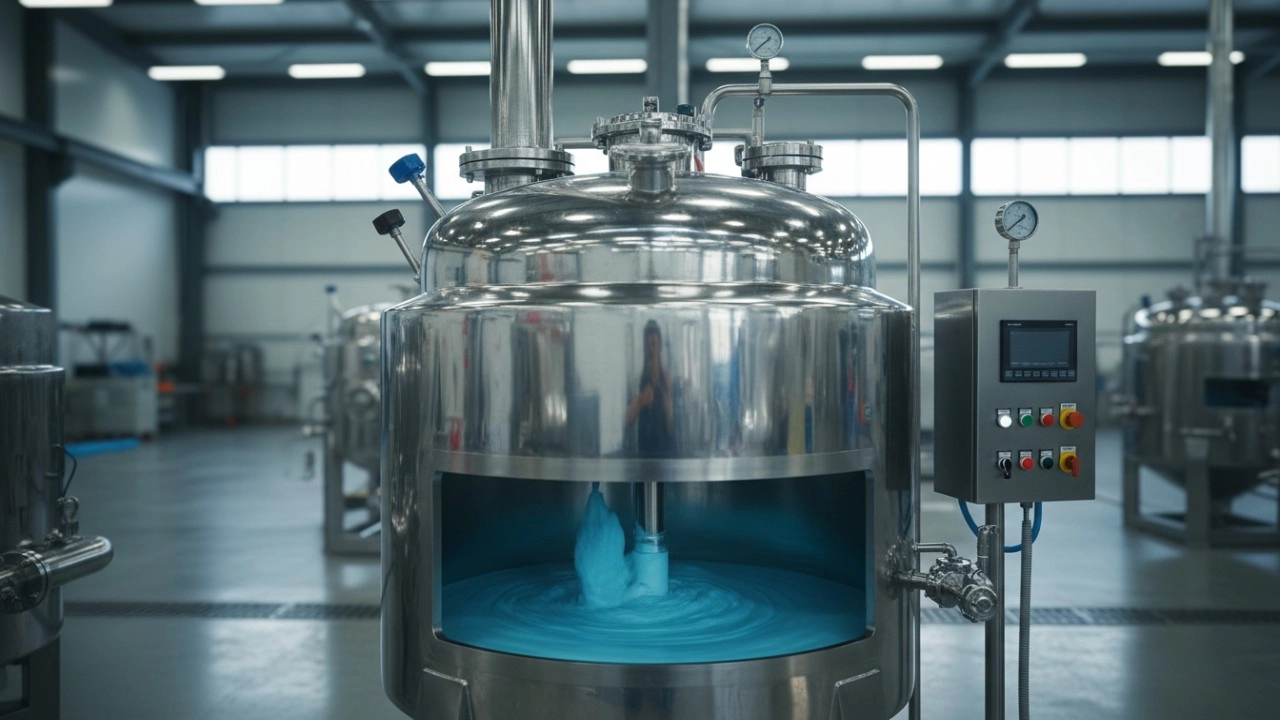
The Future of Industrial Agitation: 5 Smart Mixing Tank Technologies Changing the Game
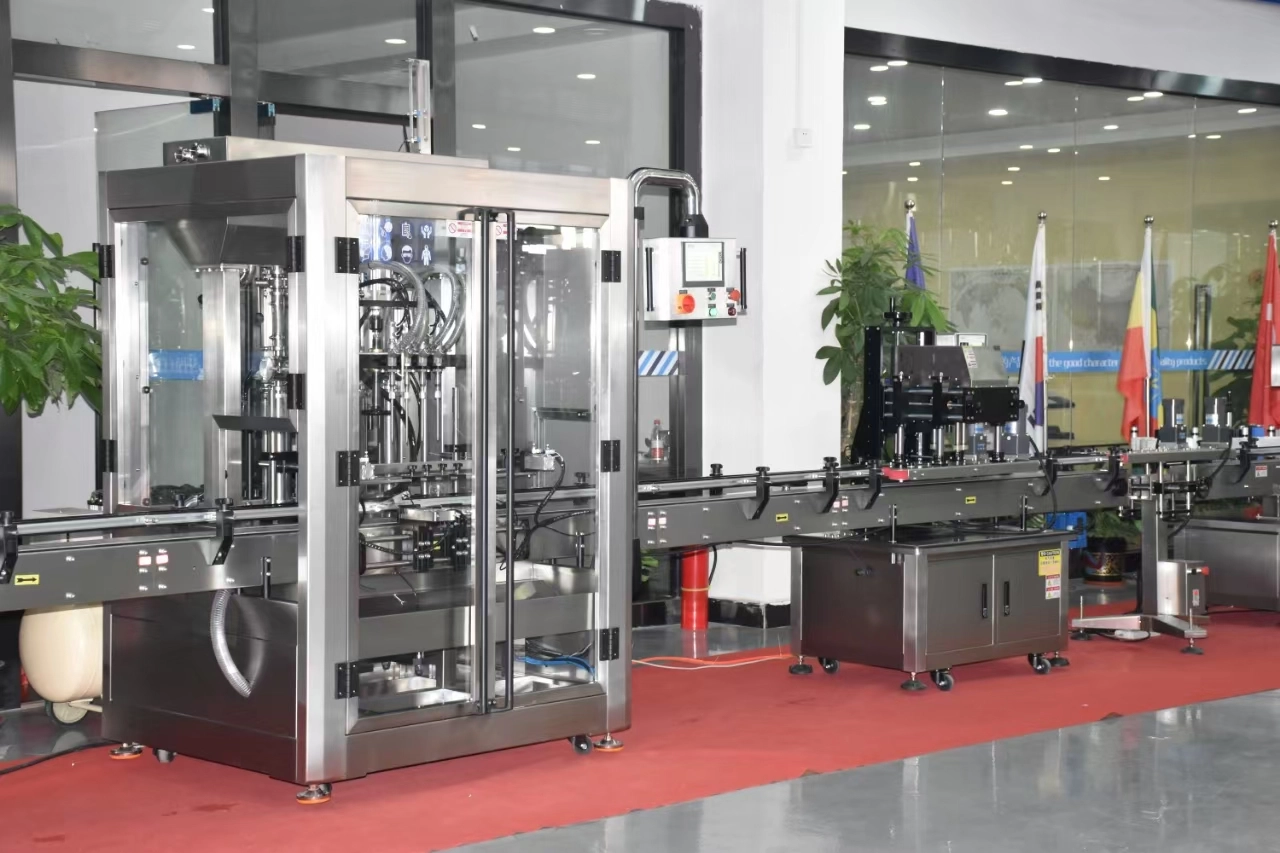
Gear pump filling machine vs. piston filling machine: Key differences broken down to avoid pitfalls in selection.
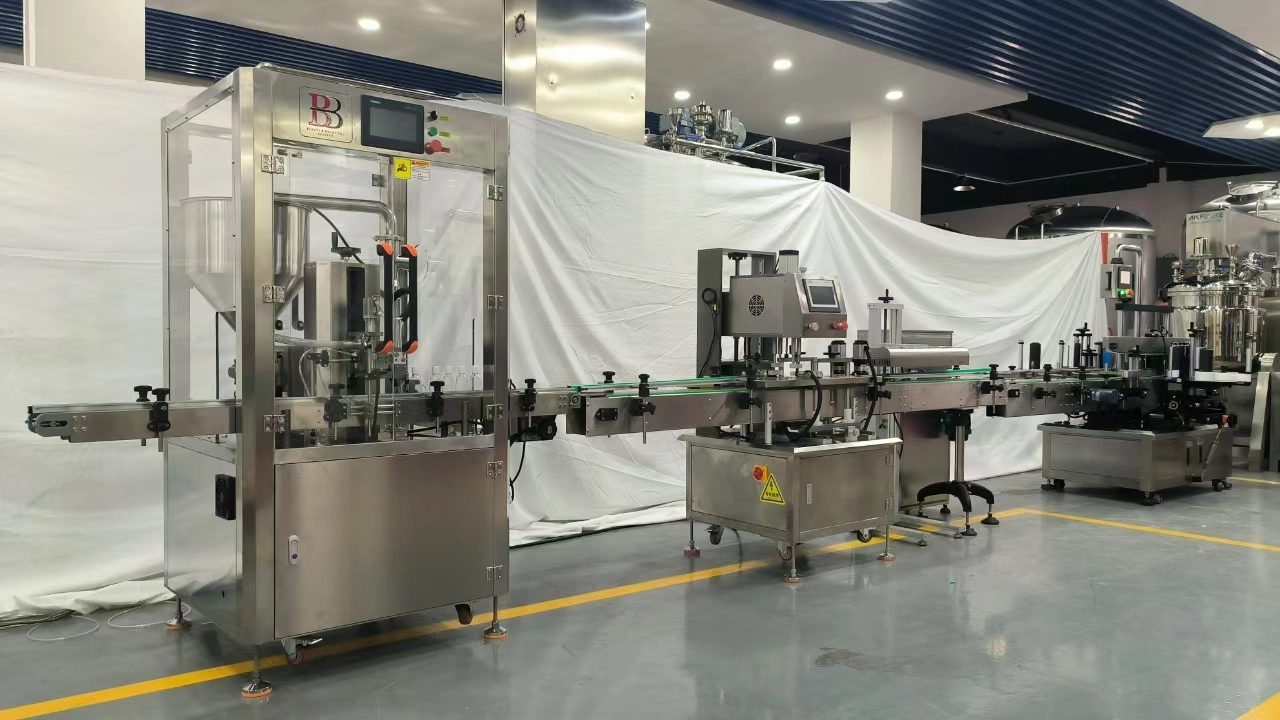
Understand the working principle of a servo gear pump filling machine!
Automatic Facial Mask Filling Machine
Who are we?
Our headquarters is located in Guangzhou, Guangdong, China, and our factory is located in Yangzhou, Jiangsu. Our products are sold all over the world. We have approximately 50 employees in our company and factory.
Polypropylene PP Mixing Tank
What can you buy from us?
RO Water Treatment、Vacuum Emulsifying Machine、Homogenizer Mixing Tank、Filling and Capping、labeling Machine、Packing Machine、Storage Tank,etc.
Automatic Tube Filling and Sealing Machine
Why are wrinkles, leaks, or uneven edges appearing after sealing? How can this be addressed?
These issues are often caused by three core factors, with corresponding solutions as follows:
Temperature mismatch: If the temperature is too low, the edge seal will not adhere well and leaks may occur; if the temperature is too high, it may burn and wrinkle. Adjust the sealing temperature using the PLC touch screen.
Insufficient pressure/time: The sealing cylinder pressure should be adjusted according to the hose material, and the sealing head pressing time should be ≥ 1.5 seconds to avoid a poor seal caused by insufficient pressure or short pressing time.
Mold wear/alignment deviation: Inspect the sealing mold for scratches and deformation. Replace if worn. If the label is misaligned with the seal, calibrate the photoelectric sensor position.
Perfume Filling Machine
What are the key differences between semi-automatic and fully automatic models? How should I choose?
Semi-automatic: Semi-automatic perfume filling machines only perform the core filling process and require manual assistance for bottle loading and capping. Filling speed: 10-20 bottles/minute, suitable for small-batch production. One or two people are required for assistance.
Fully automatic: Automatic perfume filling machines integrate the entire filling, capping, capping, and inspection process.
Filling speed: 30-50 bottles/minute, suitable for large-scale production. The entire process is unmanned, requiring only regular inspections.
Automatic Capping Machine
Can you customize the machine?
Of course, we provide customized services according to customer needs.
Get in touch with FULUKE
If you have any comments or good suggestions, please leave us a message, later our professional staff will contact you as soon as possible.
You May Also Like
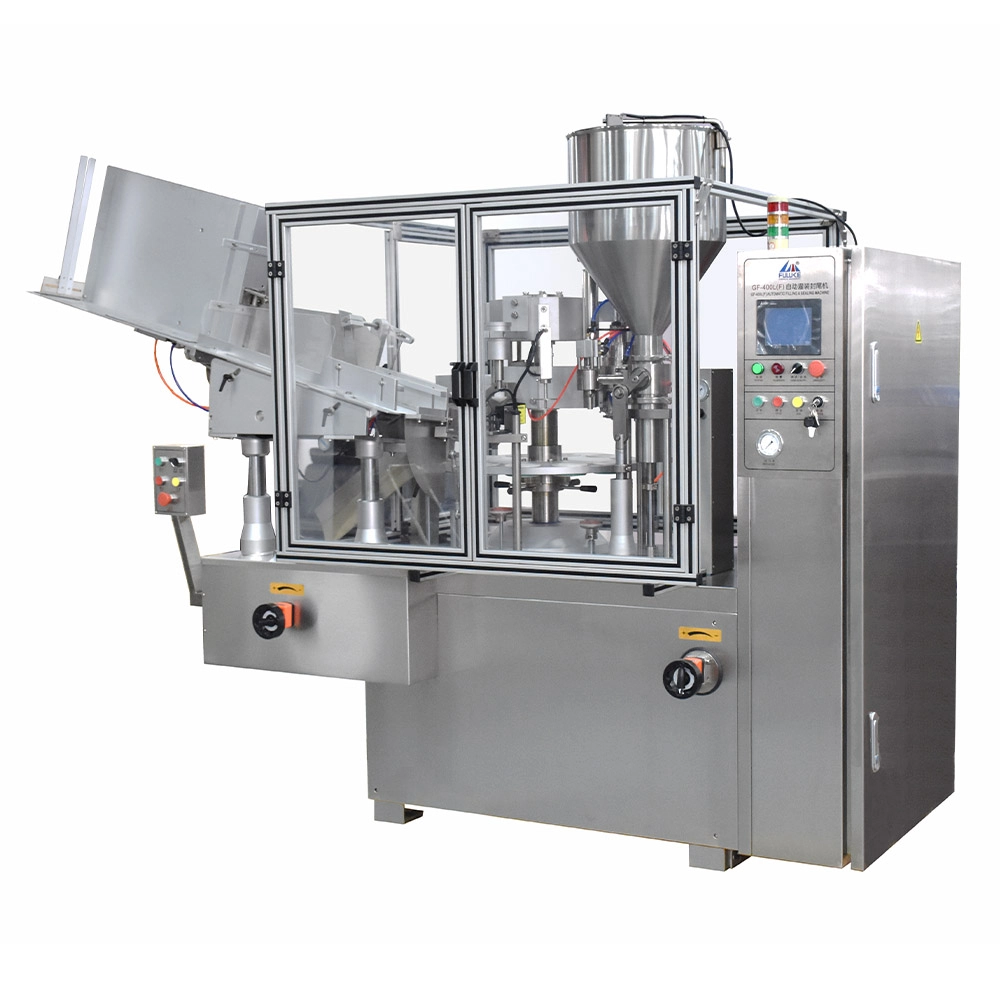
Automatic Tube Filling and Sealing Machine Toothpaste Sunscreen and Facial Cleanser Filling and Sealing Machine for Plastic and Aluminum-plastic Tube
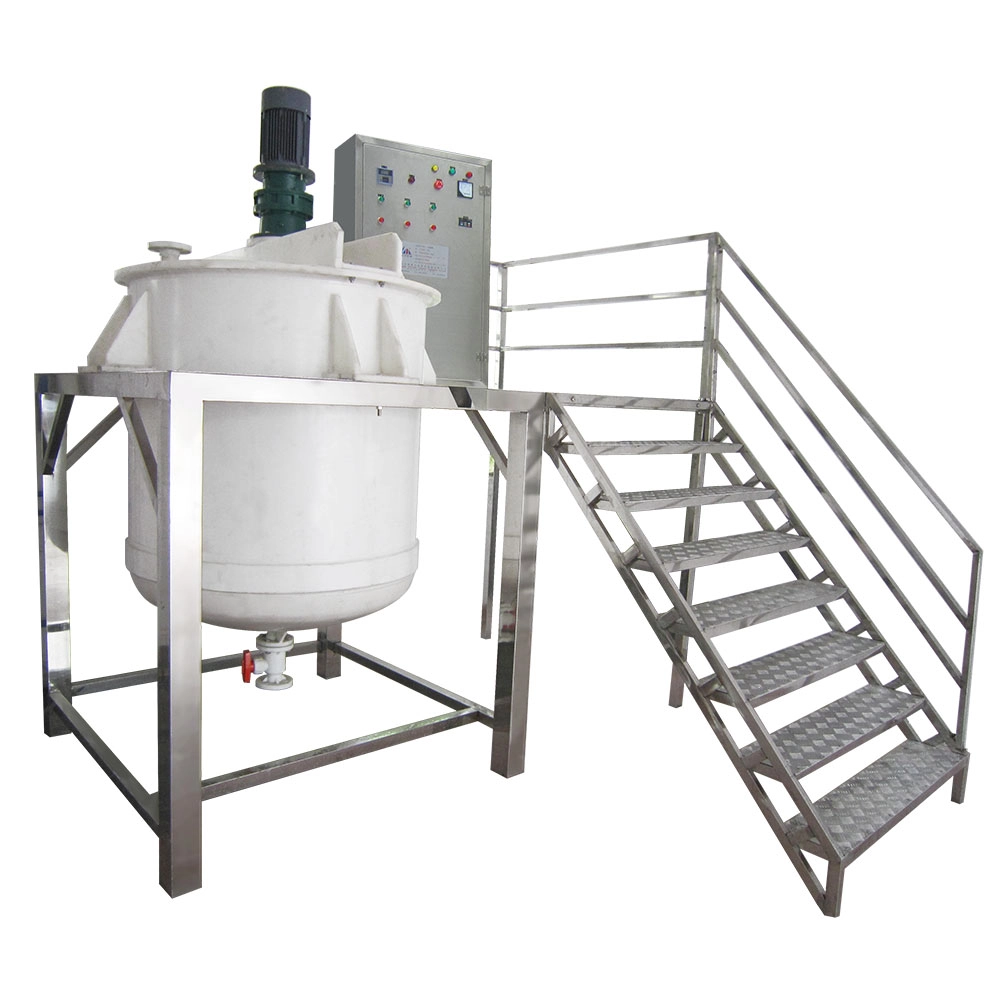
Polypropylene PP Mixing Tank Anti-Corrosion Mixer Reaction Kettle with Agitator Chemical Mixing Vessel
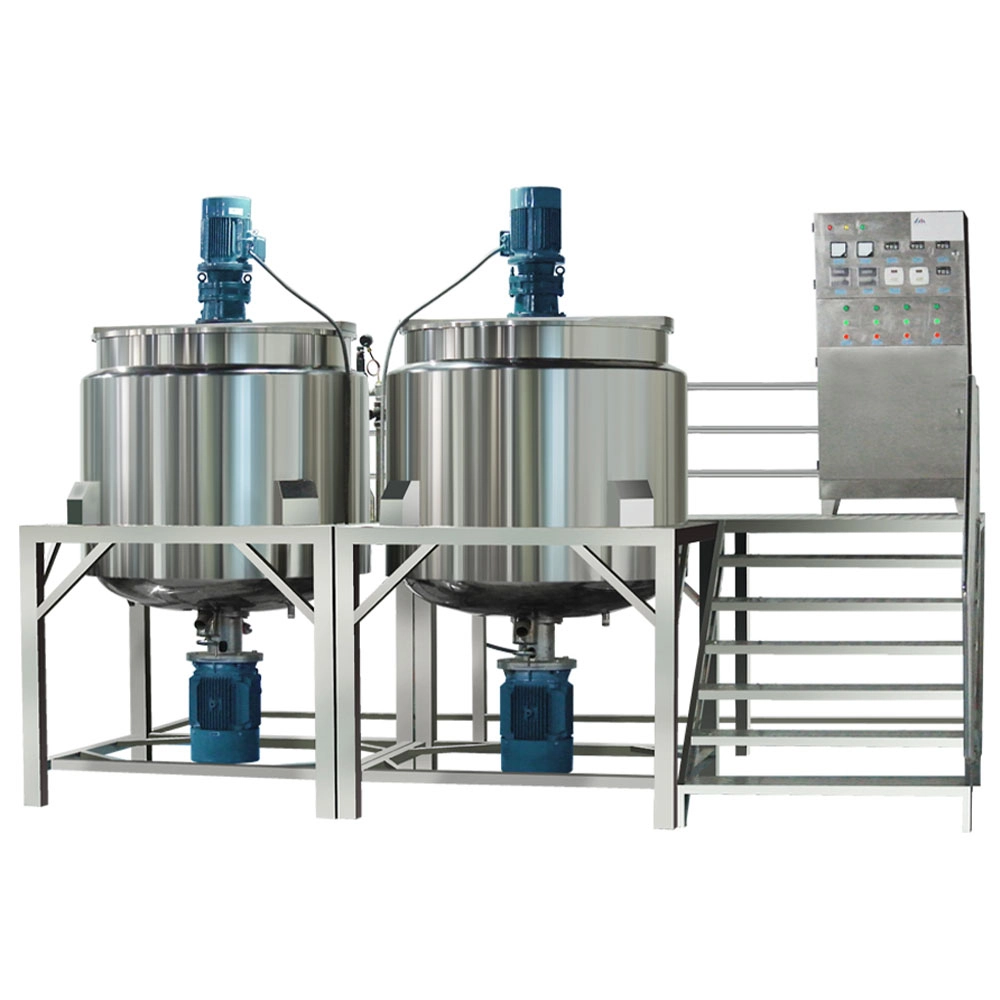
Flip Cover Multi-function Liquid Wash Mixing Tank Blender Liquid Detergent Mixer Homogenization Stirring Tank
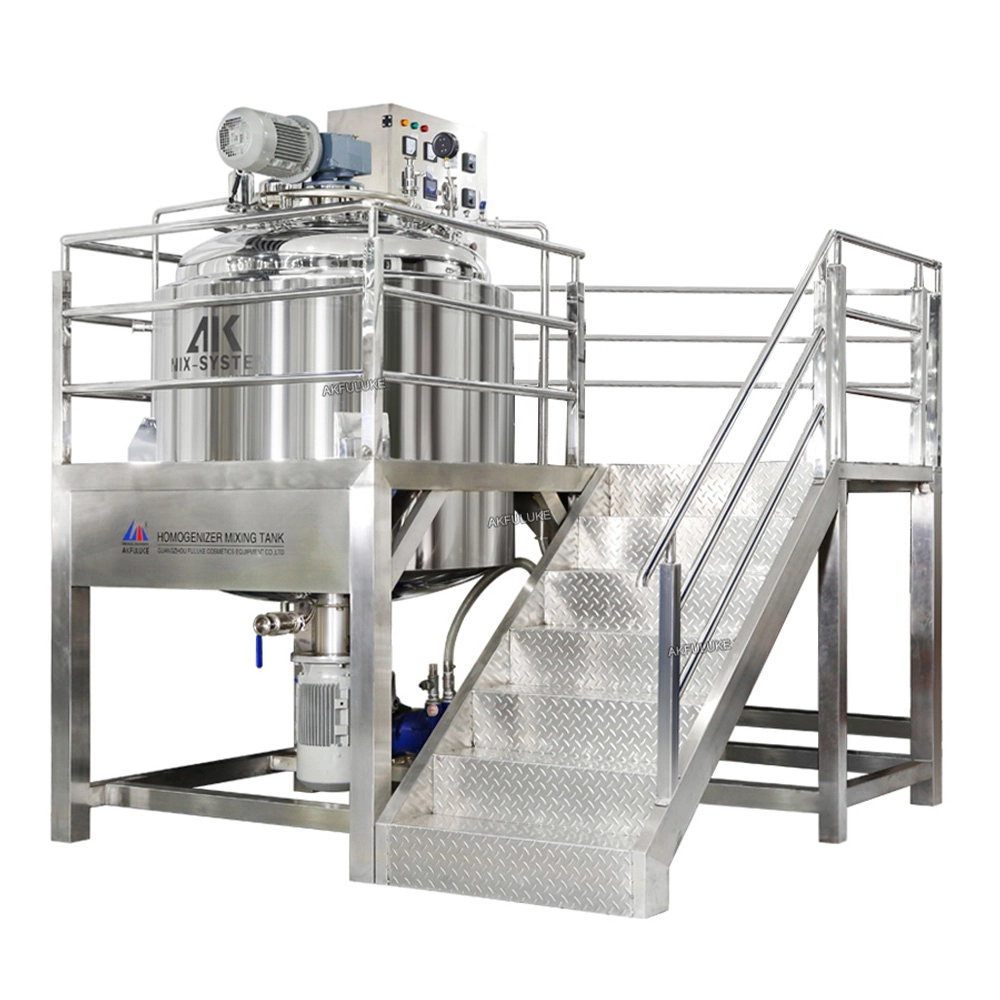
Stainless Steel Mixer Liquid Mixing tank with Agitator Homogenizing Mixing tank Vacuum Sealed Mixer Machine

A leading manufacturer specializing in advanced machinery and complete production lines for the cosmetics, food, pharmaceutical, and chemical industries worldwide.
Contact FULUKE
Facebook
Instagram
YouTube