
What contract warranties protect equipment investments?
- Essential Guide to Cosmetic Filling Machines and Equipment Investment Warranties
- 1. What types of cosmetic products can be filled with these machines?
- 2. How do cosmetic filling machines ensure product hygiene and quality?
- 3. What are the key features to consider when selecting a cosmetic filling machine?
- 4. How do contract warranties protect equipment investments in the cosmetic industry?
- 5. What are the benefits of fully automatic cosmetic filling machines?
- 6. How do semi-automatic cosmetic filling machines compare to fully automatic ones?
- 7. What are the latest trends in cosmetic filling equipment?
- 8. How can I ensure the longevity of my cosmetic filling equipment?
- Conclusion: Why Choose FULUKE for Your Cosmetic Filling Equipment Needs?
Essential Guide to Cosmetic Filling Machines and Equipment Investment Warranties
When investing in cosmetic filling equipment, it's crucial to understand both the technical aspects of the machines and the contractual warranties that safeguard your investment. This guide addresses common questions to assist you in making informed decisions.
1. What types of cosmetic products can be filled with these machines?
Cosmetic filling machines are designed to handle a wide range of products, including:
- Creams and Lotions: Ideal for moisturizers and body lotions.
- Serums and Gels: Suitable for facial serums and hair gels.
- Lipsticks and Lip Glosses: Perfect for color cosmetics.
- Shampoos and Conditioners: For hair care products.
- Nail Polishes: Including various formulations.
These machines are adaptable to different viscosities and container types, ensuring versatility in production.
2. How do cosmetic filling machines ensure product hygiene and quality?
Maintaining hygiene and product quality is paramount in cosmetic manufacturing. Filling machines achieve this through:
- Stainless Steel Construction: Utilizing materials that are easy to clean and resistant to corrosion.
- Automated Cleaning Systems: Incorporating features like CIP (Clean-In-Place) and SIP (Sterilize-In-Place) for thorough sanitation.
- Minimal Human Intervention: Reducing manual handling to prevent contamination.
These practices ensure that the final product meets safety and quality standards.
3. What are the key features to consider when selecting a cosmetic filling machine?
When choosing a filling machine, consider the following features:
- Filling Accuracy: Machines should provide precise dosing to minimize product waste.
- Adaptability: Ability to handle various container sizes and shapes.
- Ease of Cleaning: Designs that facilitate quick and thorough cleaning.
- Automation Level: Depending on production scale, options range from semi-automatic to fully automatic systems.
These factors influence production efficiency and product consistency.
4. How do contract warranties protect equipment investments in the cosmetic industry?
Contract warranties are essential for protecting your investment in cosmetic filling equipment. They typically cover:
- Defects in Materials and Workmanship: Ensuring the equipment is free from manufacturing defects.
- Performance Guarantees: Assuring the equipment will perform as specified.
- Maintenance and Support: Providing access to necessary maintenance services and technical support.
It's important to review the warranty terms carefully to understand coverage duration, exclusions, and the process for claiming warranty services.
5. What are the benefits of fully automatic cosmetic filling machines?
Fully automatic filling machines offer several advantages:
- High Efficiency: Capable of handling large production volumes with minimal downtime.
- Consistency: Ensures uniform filling, reducing variability between products.
- Reduced Labor Costs: Automates processes, decreasing the need for manual labor.
These benefits make them suitable for large-scale cosmetic manufacturing operations.
6. How do semi-automatic cosmetic filling machines compare to fully automatic ones?
Semi-automatic filling machines provide a balance between cost and functionality:
- Flexibility: Suitable for small to medium production runs and product variations.
- Lower Initial Investment: Generally more affordable than fully automatic systems.
- Manual Intervention: Requires more human involvement, which can affect consistency.
They are ideal for businesses that need versatility without the higher cost of full automation.
7. What are the latest trends in cosmetic filling equipment?
Recent trends in cosmetic filling equipment include:
- Automation: Increased use of automated systems for higher efficiency.
- Sustainability: Adoption of energy-efficient machines and reduced material waste.
- Customization: Machines designed to handle a variety of container types and product viscosities.
Staying updated with these trends can help businesses remain competitive in the market.
8. How can I ensure the longevity of my cosmetic filling equipment?
To extend the lifespan of your equipment:
- Regular Maintenance: Follow the manufacturer's maintenance schedule.
- Proper Training: Ensure operators are well-trained to use the equipment correctly.
- Quality Parts: Use genuine parts for replacements to maintain performance.
Implementing these practices can lead to more reliable and durable equipment performance.
Conclusion: Why Choose FULUKE for Your Cosmetic Filling Equipment Needs?
FULUKE stands out in the cosmetic filling equipment industry by offering:
- Innovative Solutions: State-of-the-art machines tailored to diverse cosmetic products.
- Customization: Ability to design equipment that meets specific production requirements.
- Comprehensive Support: Providing installation, training, and after-sales services.
Choosing FULUKE ensures you receive high-quality equipment that enhances production efficiency and product quality.
References:**SEO Title:** Essential Guide to Cosmetic Filling Machines and Equipment Investment Warranties

Understanding Servo Capping Machines: The Core Logic of Precise Capping – Understand the Entire Working Process in Seconds
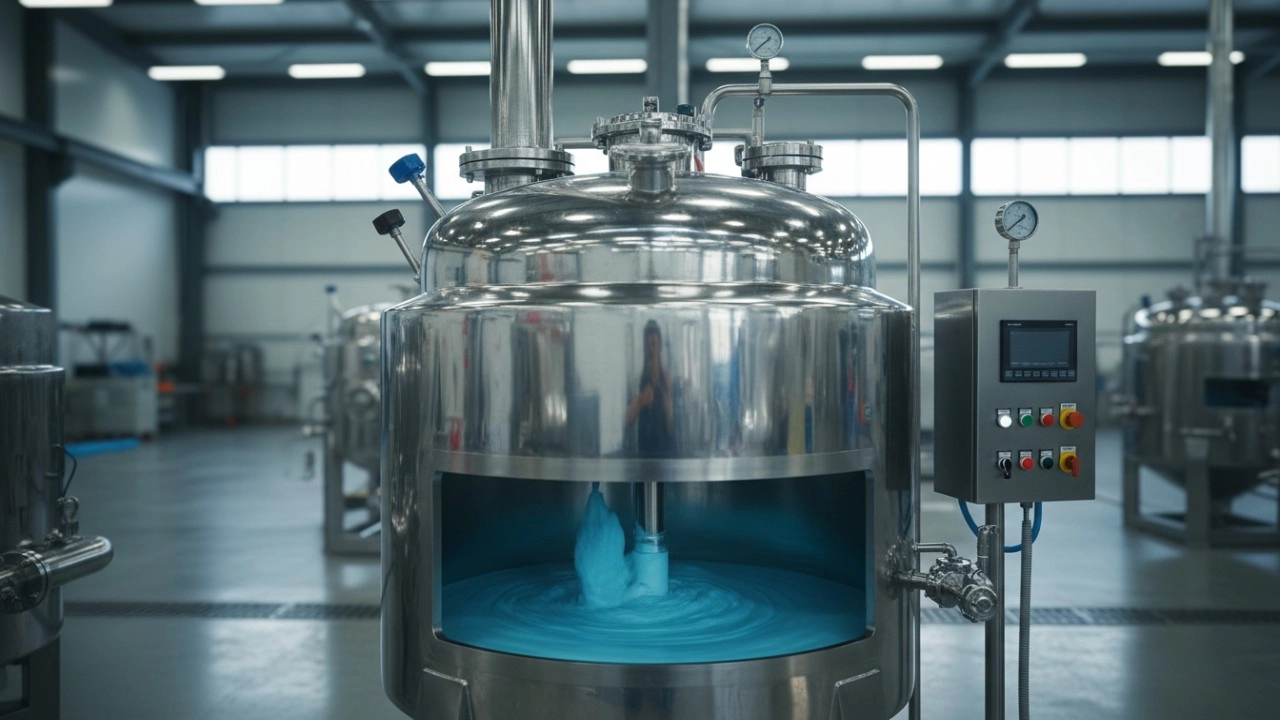
The Future of Industrial Agitation: 5 Smart Mixing Tank Technologies Changing the Game
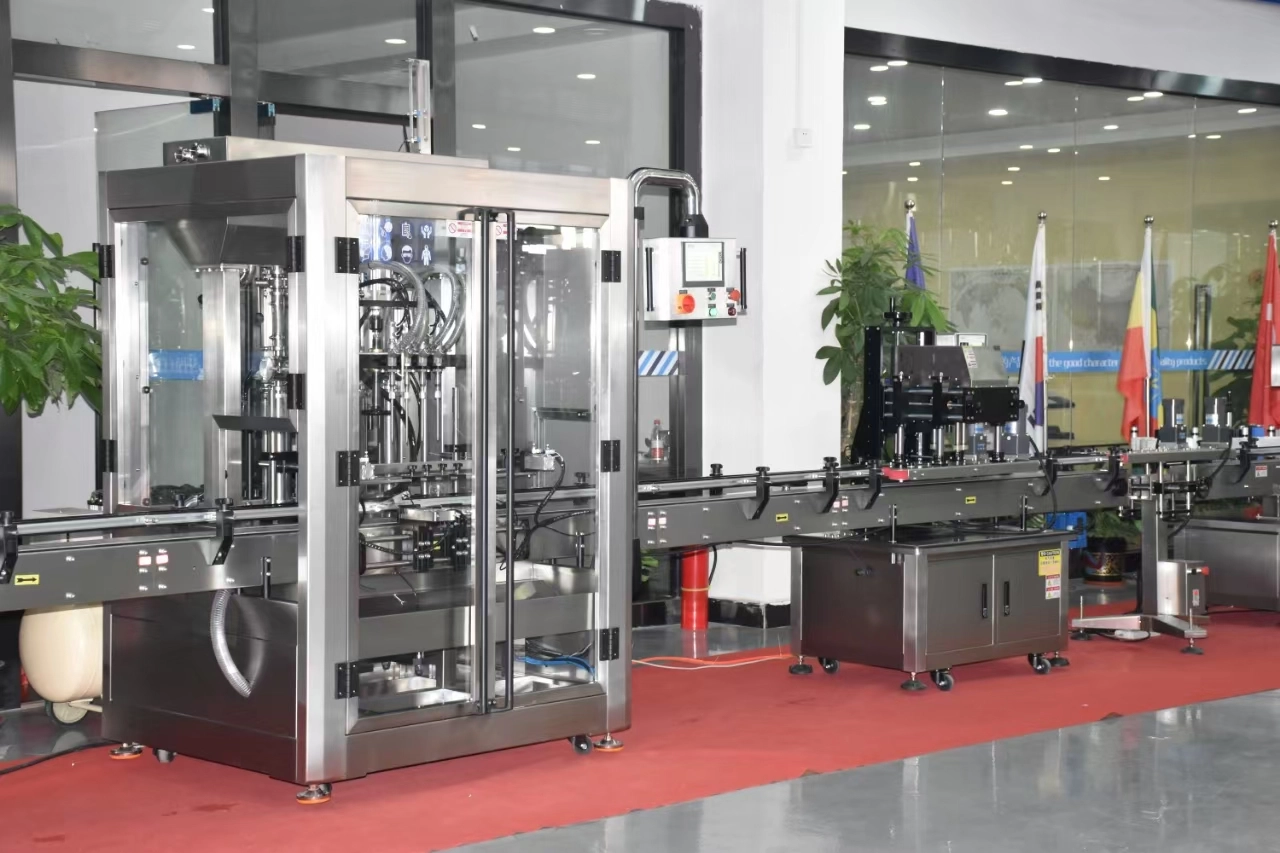
Gear pump filling machine vs. piston filling machine: Key differences broken down to avoid pitfalls in selection.
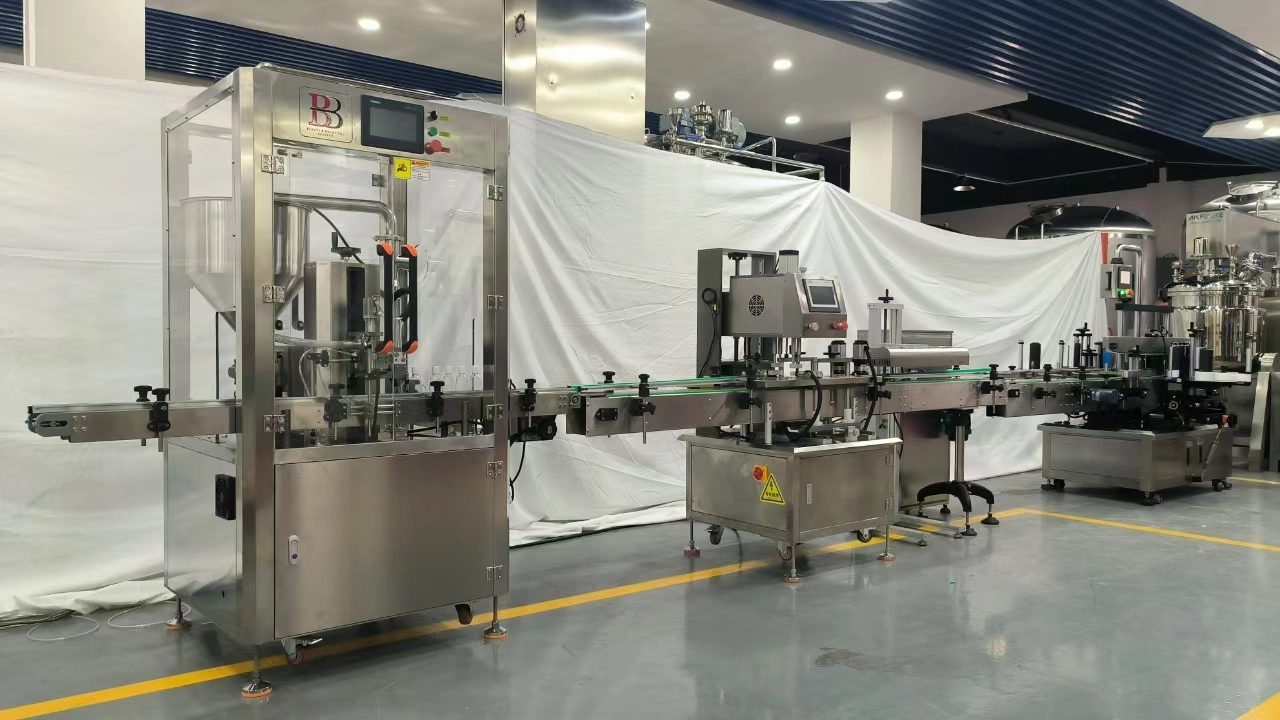
Understand the working principle of a servo gear pump filling machine!
Vacuum Emulsifying Machine
Is it possible not to configure the oil and water pot?
Of course, if you have other containers to pre-treat and heat the materials, then you only need to configure an emulsifying pot.
How does the vacuum homogenizer work?
The vacuum homogenizer's operating process revolves around four core steps: vacuum degassing, high-speed homogenization and emulsification, stirring and mixing, and temperature control. Through the coordinated operation of multiple systems, it achieves refined material processing. The following is its specific operating principle and process:
1. Pretreatment: Material feeding and vacuum environment establishment
Material preparation: First, add the basic materials, such as the oil phase (such as oils and waxes) and the aqueous phase (such as water and water-soluble ingredients), to their corresponding batching tanks or directly into the main emulsifier in sequence.
Evacuation: Activate the vacuum system (consisting of a vacuum pump, vacuum valve, etc.) to evacuate the interior of the emulsifier, creating a negative pressure environment (typically up to -0.09 MPa).
2. Core Process: Temperature Control (Heating/Cooling)
3. Core Process: Agitation and Mixing
Agitation Structure: Typically uses a "frame agitator + scraper" combination (for high-viscosity materials):
Through shearing, folding, and convection, the different materials are initially mixed and their stratification is broken down.
The PTFE scraper rotates closely against the pot wall, thoroughly scraping away any sticky material adhering to the pot wall, preventing localized overheating and residue, and ensuring zero dead zones.
4. Core Process: High-Speed Homogenization and Emulsification
Homogenizer Structure: A high-speed rotating homogenizer is installed at the bottom (or side) of the emulsifier, consisting of a rotor (with sharp teeth) and a stator (with fixed teeth). Working Principle: The rotor rotates at an extremely high speed, generating a strong centrifugal force that draws the material into the gap between the rotor and the stator. In this gap, the material is subjected to the triple effects of shear force, impact force, and turbulent force. The teeth of the rotor and stator quickly cut the material and generate high-frequency vibrations.
Lift-type Homogenizing Disperser
Why is the equipment suddenly noisier during operation?
There are three common causes: First, the disperser disc is colliding with the container wall, requiring the machine to be stopped and adjusted for lift height or container position; second, the motor bearings are worn, requiring inspection and replacement if wear is severe; and third, hard impurities (such as metal particles) may be mixed into the material, requiring the machine to be stopped and cleaned to prevent damage to the disperser disc.
How often should the disperser and homogenizer be cleaned? How should they be cleaned properly?
Cleaning Frequency: Cleaning is required every time a material is changed to prevent cross-contamination. When the same material is used continuously, cleaning is recommended every 24 hours. Cleaning Method: Rinse with clean water or a suitable solvent (e.g., alcohol for oily materials, clean water for water-based materials). Remove stubborn stains with a soft brush. Avoid scratching with hard objects to avoid damage.
Film Packaging Machine
What packaging materials are suitable for this equipment?
It is suitable for transparent paper, BOPP film, and PVC materials.
Get in touch with FULUKE
If you have any comments or good suggestions, please leave us a message, later our professional staff will contact you as soon as possible.
You May Also Like
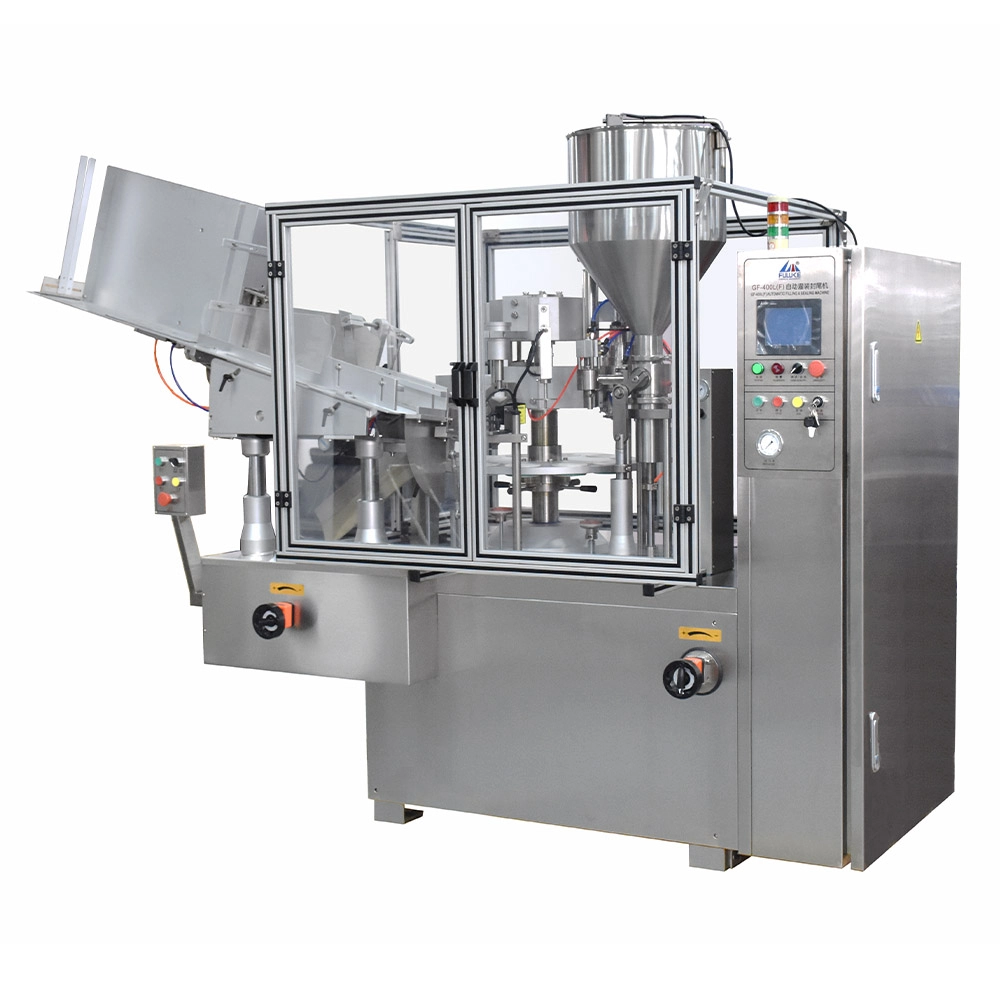
Automatic Tube Filling and Sealing Machine Toothpaste Sunscreen and Facial Cleanser Filling and Sealing Machine for Plastic and Aluminum-plastic Tube
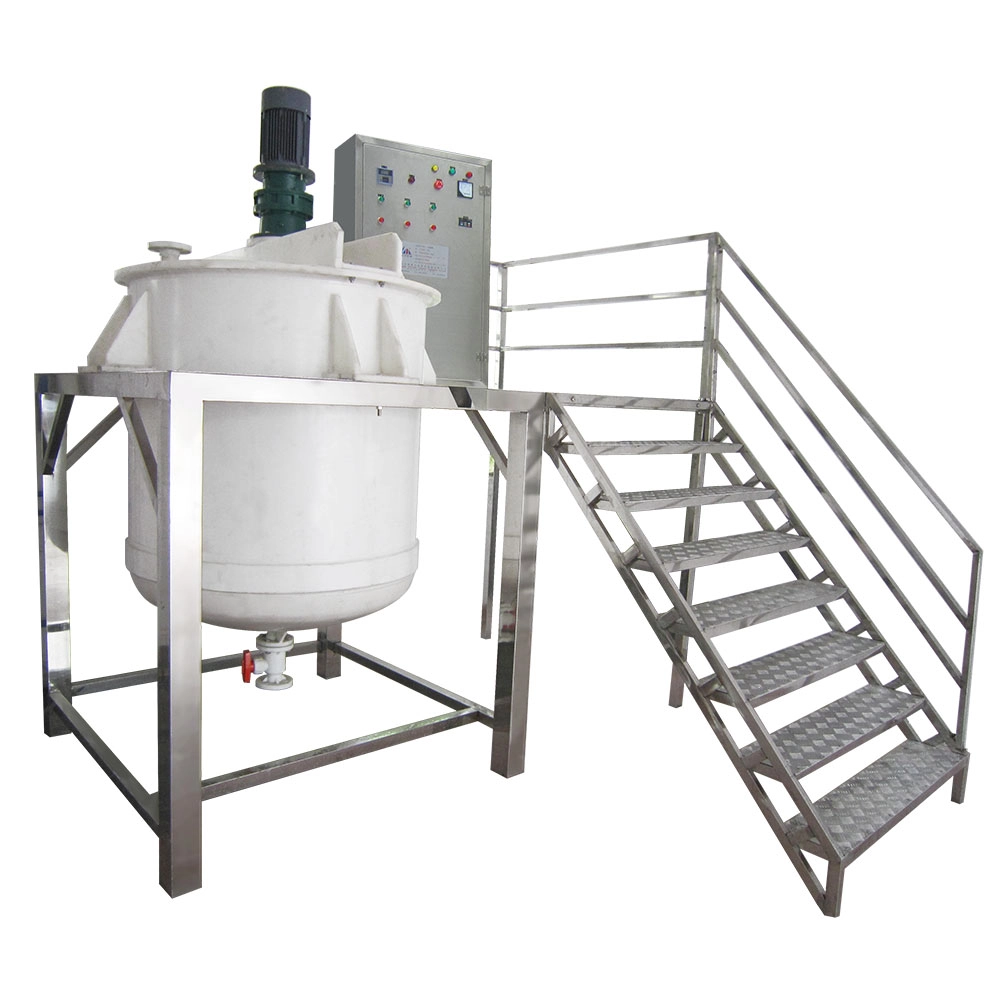
Polypropylene PP Mixing Tank Anti-Corrosion Mixer Reaction Kettle with Agitator Chemical Mixing Vessel
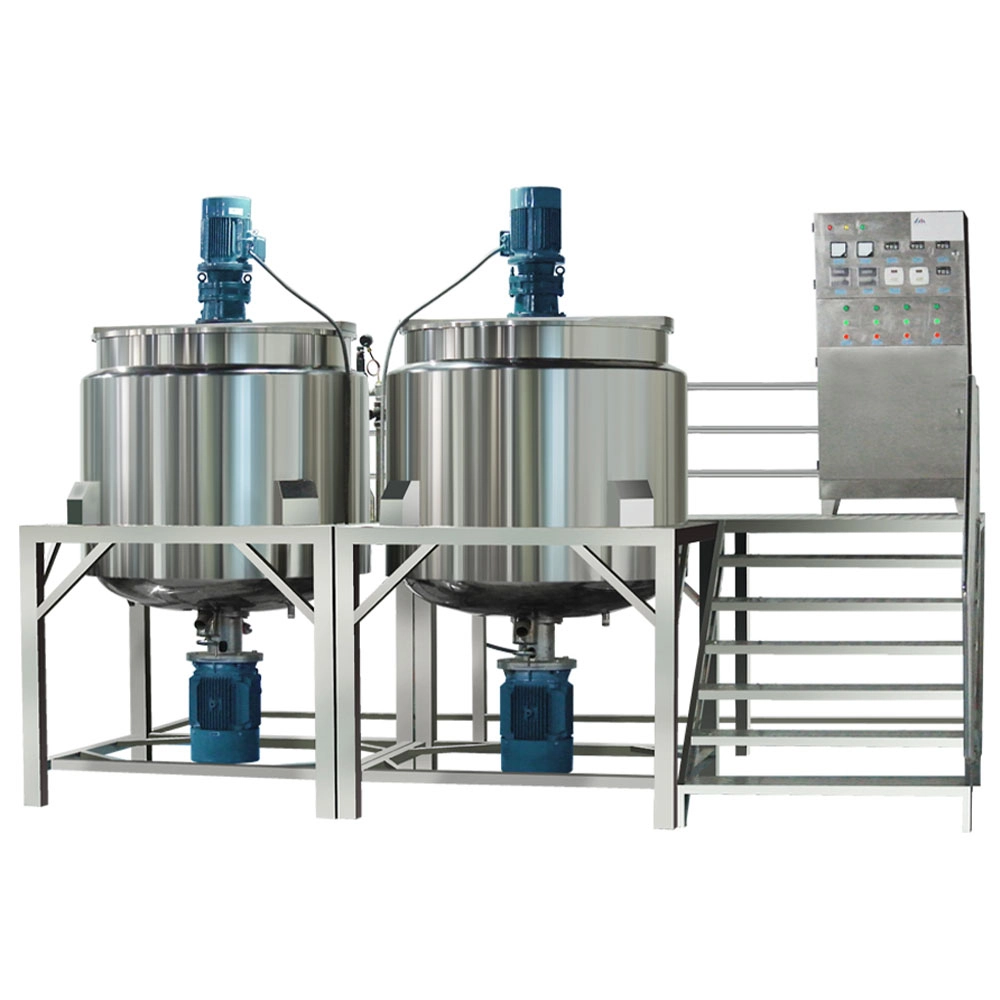
Flip Cover Multi-function Liquid Wash Mixing Tank Blender Liquid Detergent Mixer Homogenization Stirring Tank
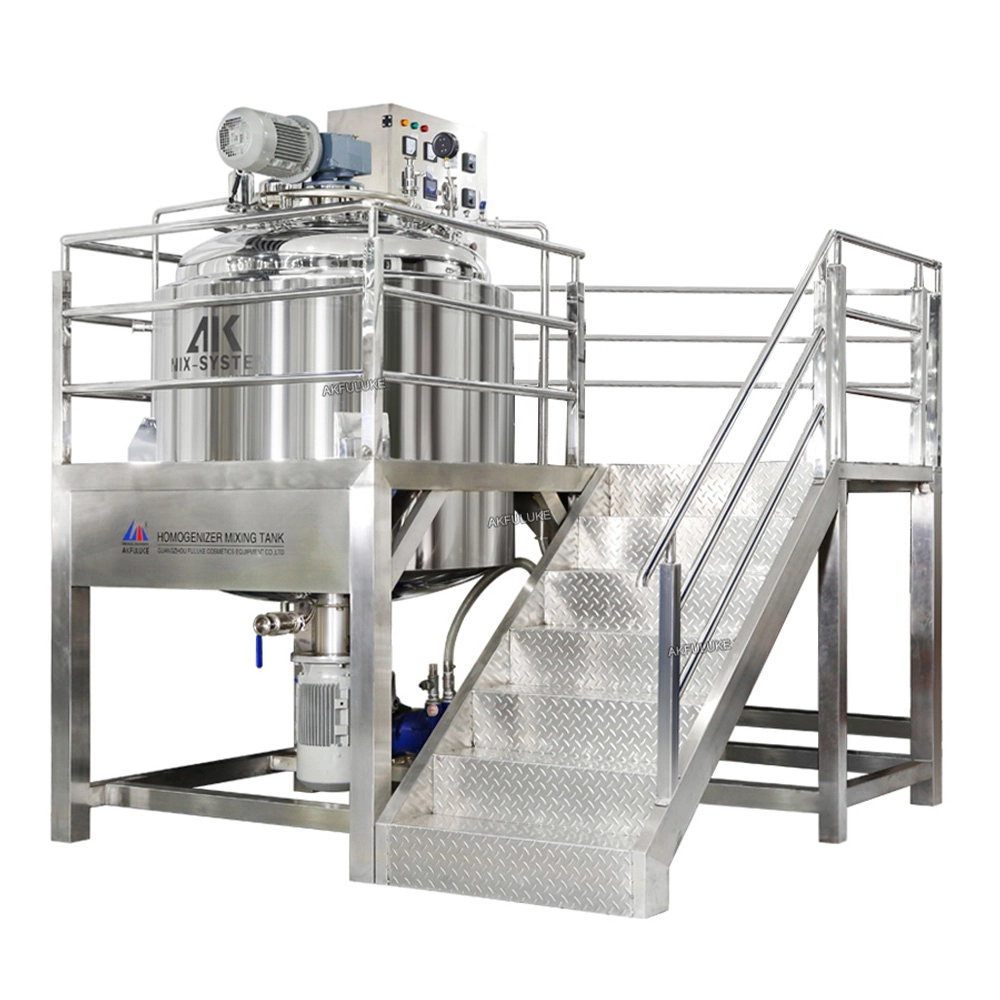
Stainless Steel Mixer Liquid Mixing tank with Agitator Homogenizing Mixing tank Vacuum Sealed Mixer Machine

A leading manufacturer specializing in advanced machinery and complete production lines for the cosmetics, food, pharmaceutical, and chemical industries worldwide.
Contact FULUKE
Facebook
Instagram
YouTube