
How to reduce contamination risk during filling?
- Ensuring Hygiene and Reducing Contamination Risks in Cosmetic Filling Machines
- 1. What Are the Primary Sources of Contamination in Cosmetic Filling Processes?
- 2. How Can Equipment Design Mitigate Contamination Risks?
- 3. What Are the Best Practices for Cleaning and Maintaining Filling Equipment?
- 4. How Does Environmental Control Impact Contamination Prevention?
- 5. What Role Does Automation Play in Reducing Contamination Risks?
- 6. How Can Compliance with Industry Standards Ensure Equipment Hygiene?
- 7. How Does Equipment Maintenance Contribute to Contamination Control?
- 8. What Are the Benefits of Investing in High-Quality Filling Equipment?
Ensuring hygiene and minimizing contamination risks are paramount in the cosmetic industry, especially during the filling process. Contamination can compromise product quality and safety, leading to consumer health risks and regulatory issues. This article addresses common concerns and provides expert insights to assist in the procurement of cosmetic filling equipment.
Ensuring Hygiene and Reducing Contamination Risks in Cosmetic Filling Machines
1. What Are the Primary Sources of Contamination in Cosmetic Filling Processes?
Contamination in cosmetic filling can originate from several sources:
Residual Product and Cleaning Agents: Inadequate cleaning can leave residues that harbor microorganisms.
Environmental Factors: Dust, airborne particles, and microorganisms present in the production environment can contaminate products.
Human Handling: Direct contact by operators can introduce contaminants if proper hygiene protocols are not followed.
Equipment Design: Machines with complex parts or hard-to-clean surfaces can harbor contaminants.
2. How Can Equipment Design Mitigate Contamination Risks?
Selecting equipment with hygienic design features is crucial:
Material Selection: Opt for machines made from food-grade stainless steel, which is non-corrosive, easy to clean, and resistant to bacterial buildup.
Easy-to-Clean Design: Machines with smooth surfaces and minimal joints reduce the risk of contamination and facilitate thorough cleaning.
Closed Filling Systems: Implementing closed systems, such as Blow-Fill-Seal technology, minimizes exposure to the external environment, reducing contamination risks.
3. What Are the Best Practices for Cleaning and Maintaining Filling Equipment?
Regular and thorough cleaning is essential:
Routine Cleaning: Disassemble and clean all parts in contact with the product using appropriate detergents and sanitizers.
Preventative Maintenance: Regularly inspect and maintain equipment to identify and address potential issues before they become serious problems.
Sterilization: Use appropriate sterilization methods, such as heat or chemical agents, to eliminate microorganisms.
4. How Does Environmental Control Impact Contamination Prevention?
Controlling environmental factors is vital:
Air Quality: Utilize HEPA filters to maintain clean air and reduce airborne contaminants.
Water Quality: Ensure that water used in cleaning and sterilization meets quality standards to prevent microbial growth.
Personnel Hygiene: Implement strict hygiene protocols for operators, including the use of personal protective equipment (PPE) and regular handwashing.
5. What Role Does Automation Play in Reducing Contamination Risks?
Automated systems can enhance hygiene:
Minimal Human Contact: Automated filling machines reduce the need for human intervention, decreasing the risk of contamination.
Precision Filling: Automated systems ensure accurate dosing, minimizing spills and reducing contamination opportunities.
6. How Can Compliance with Industry Standards Ensure Equipment Hygiene?
Adhering to industry standards is essential:
GMP Compliance: Ensure equipment meets Good Manufacturing Practice (GMP) standards, which include requirements for cleanliness and contamination control.
Regulatory Adherence: Follow guidelines from regulatory bodies, such as the FDA, to maintain product safety and quality.
7. How Does Equipment Maintenance Contribute to Contamination Control?
Regular maintenance is key:
Preventive Maintenance: Regularly inspect and maintain equipment to identify and address potential issues before they become serious problems.
Sterilization: Use appropriate sterilization methods, such as heat or chemical agents, to eliminate microorganisms.
8. What Are the Benefits of Investing in High-Quality Filling Equipment?
Investing in quality equipment offers:
Enhanced Product Safety: Reduces the risk of contamination, ensuring consumer safety.
Regulatory Compliance: Meets industry standards and regulations, avoiding legal issues.
Operational Efficiency: Improves production efficiency and reduces downtime.
In conclusion, selecting and maintaining cosmetic filling equipment with hygienic design features, implementing strict cleaning protocols, controlling environmental factors, and adhering to industry standards are crucial steps in minimizing contamination risks. By prioritizing these aspects, manufacturers can ensure product safety, comply with regulations, and enhance operational efficiency.
FULUKE offers advanced filling equipment designed with hygienic features and precision technology, ensuring high-quality and contamination-free cosmetic products.
References:

Understanding Servo Capping Machines: The Core Logic of Precise Capping – Understand the Entire Working Process in Seconds
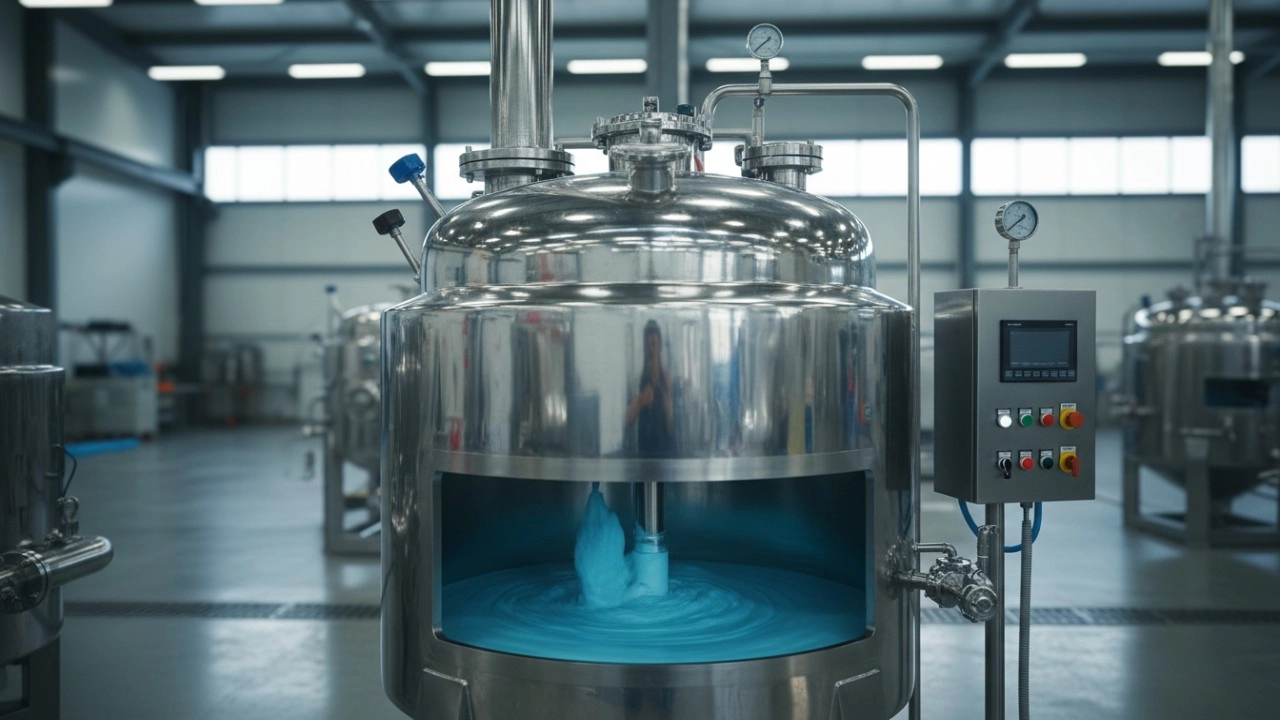
The Future of Industrial Agitation: 5 Smart Mixing Tank Technologies Changing the Game
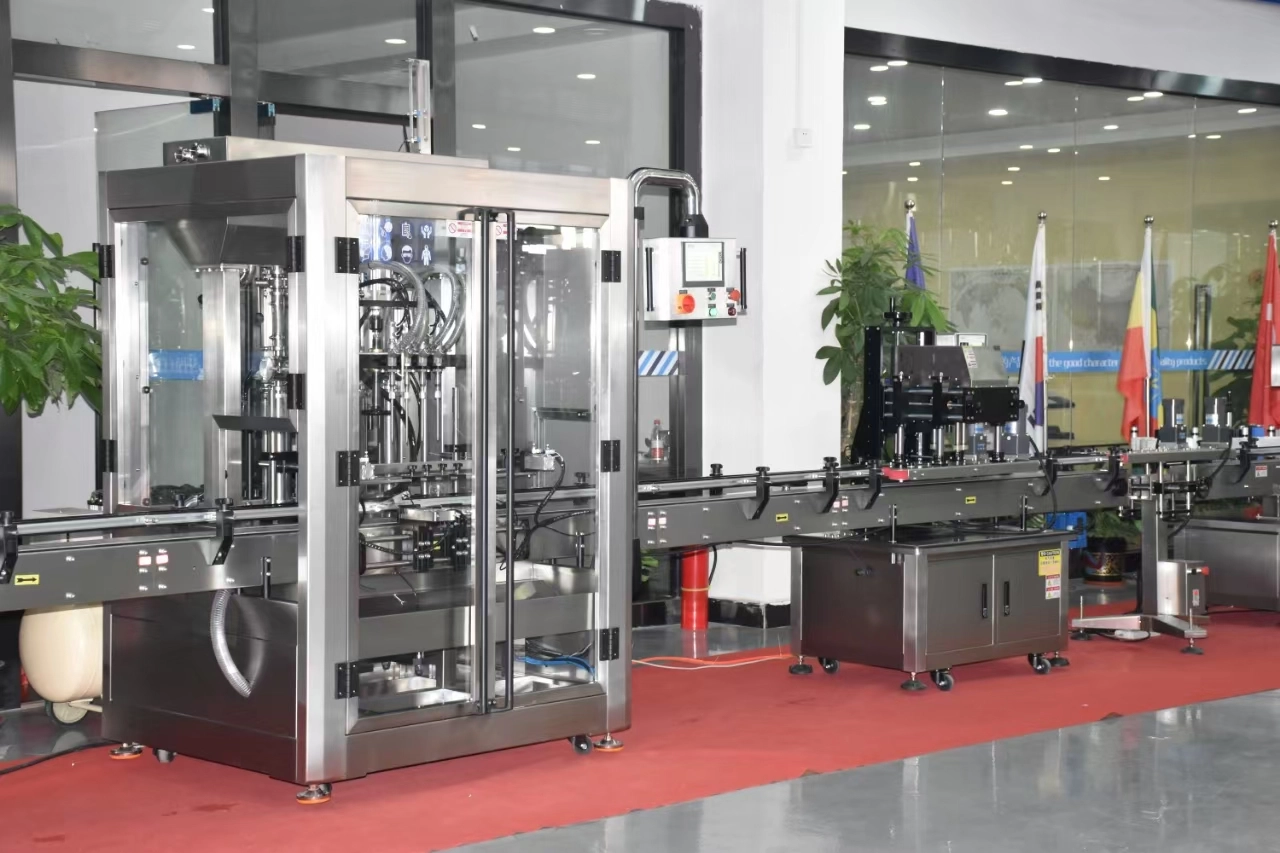
Gear pump filling machine vs. piston filling machine: Key differences broken down to avoid pitfalls in selection.
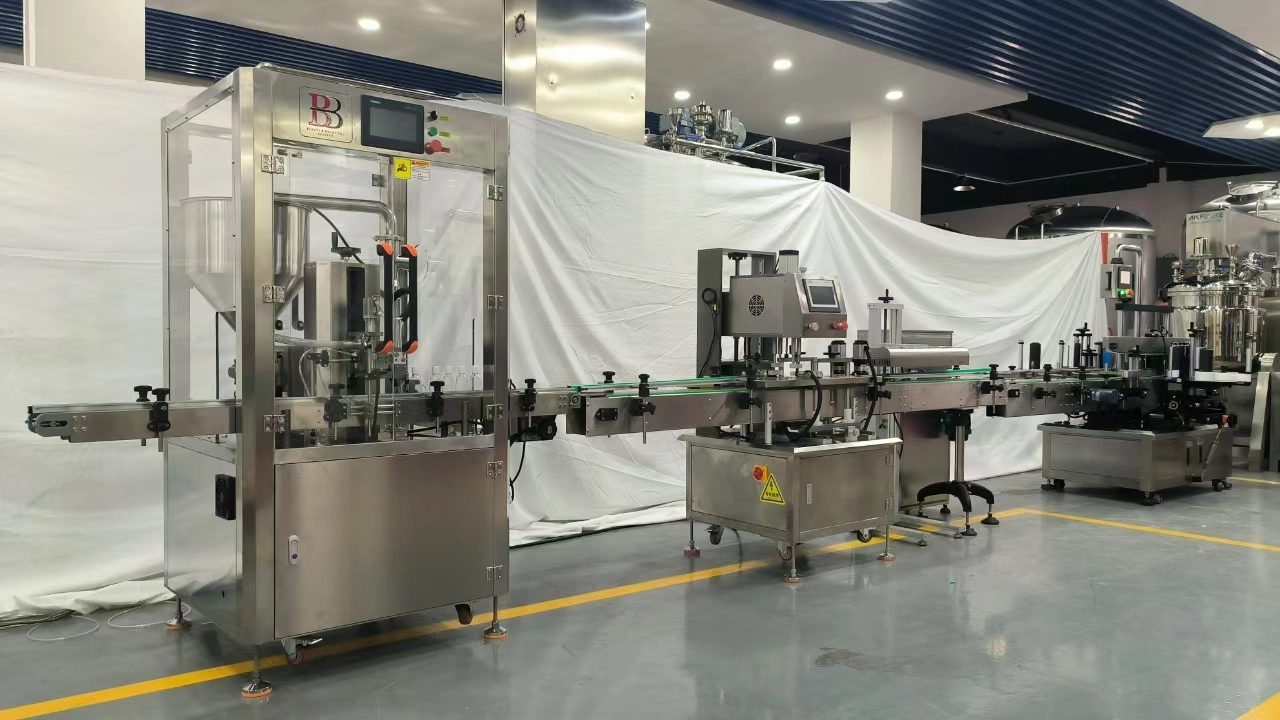
Understand the working principle of a servo gear pump filling machine!
Automatic Facial Mask Filling Machine
Can you customize the machine?
Of course, we provide customized services according to customer needs.
What can you buy from us?
RO Water Treatment、Vacuum Emulsifying Machine、Homogenizer Mixing Tank、Filling and Capping、labeling Machine、Packing Machine、Storage Tank,etc.
Perfume Freezing Filter Making Machine
Does the filtration process cause loss of fragrance components?
High-quality equipment uses a gradient filtration design (such as a 0.22μm precision filter membrane) to capture only condensed impurities and avoid adsorbing active fragrance molecules.
Perfume Filling Machine
Can you customize the machine?
Of course, we provide customized services according to customer needs.
Lift-type Homogenizing Disperser
Can you customize the machine?
Of course, we provide customized services according to customer needs.
Get in touch with FULUKE
If you have any comments or good suggestions, please leave us a message, later our professional staff will contact you as soon as possible.
You May Also Like
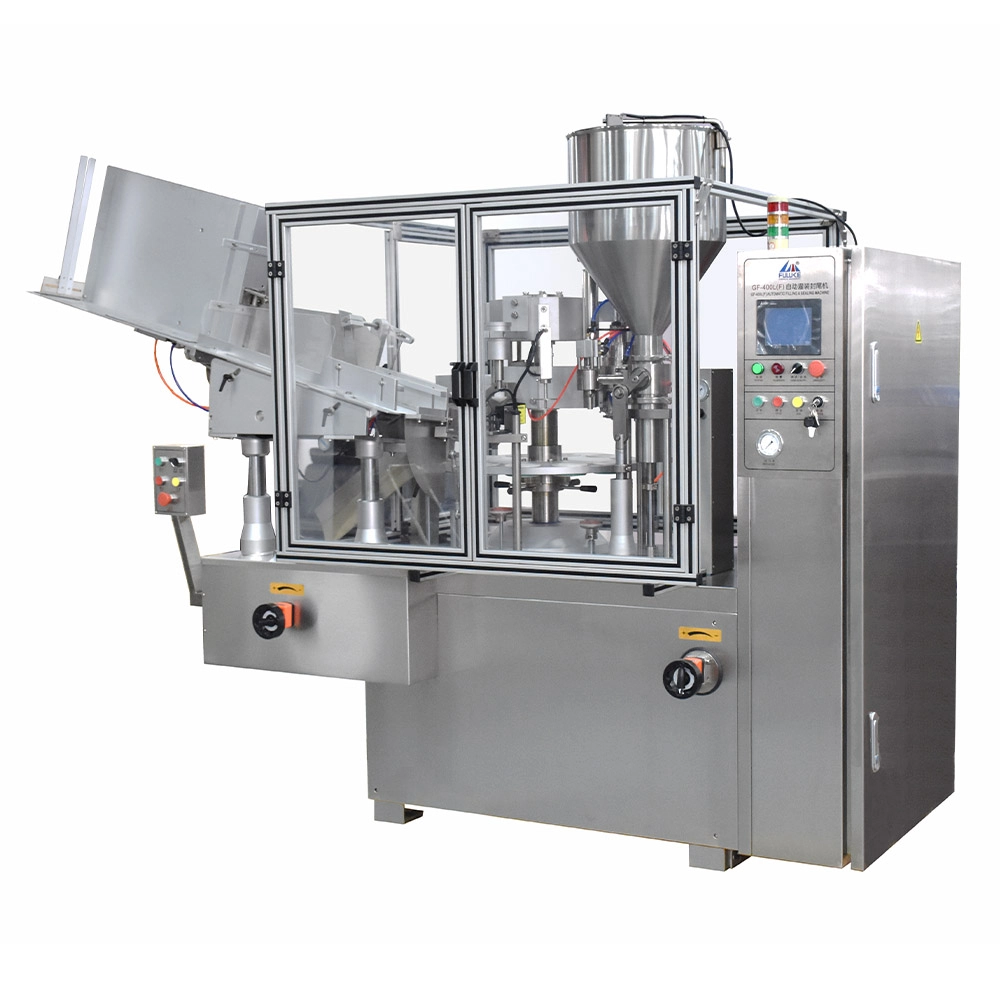
Automatic Tube Filling and Sealing Machine Toothpaste Sunscreen and Facial Cleanser Filling and Sealing Machine for Plastic and Aluminum-plastic Tube
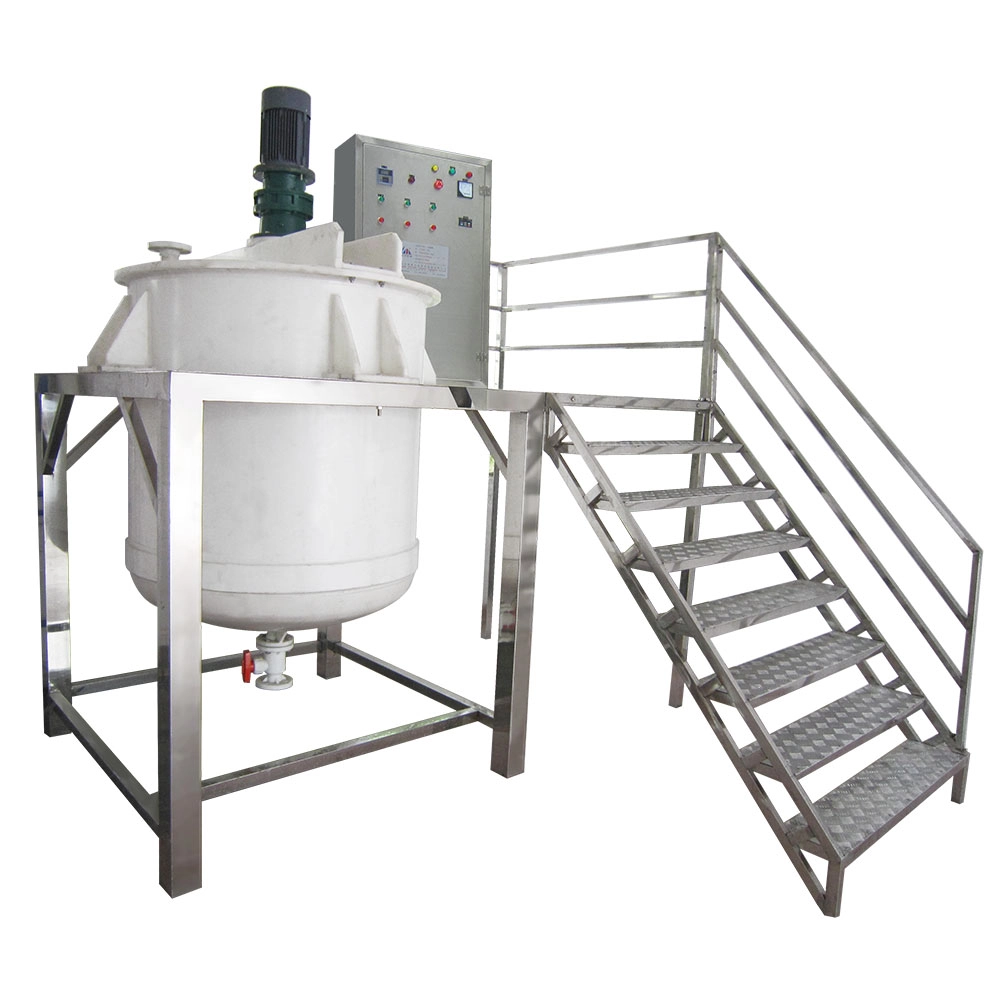
Polypropylene PP Mixing Tank Anti-Corrosion Mixer Reaction Kettle with Agitator Chemical Mixing Vessel
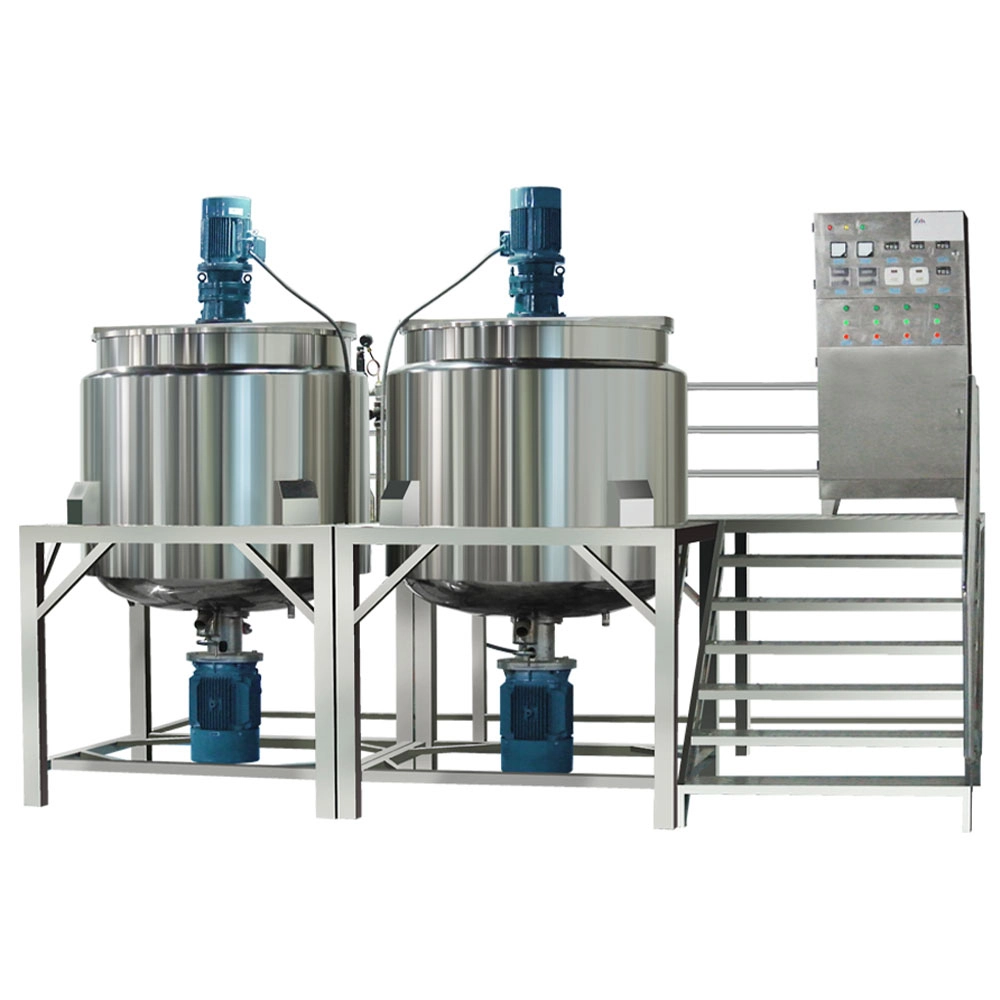
Flip Cover Multi-function Liquid Wash Mixing Tank Blender Liquid Detergent Mixer Homogenization Stirring Tank
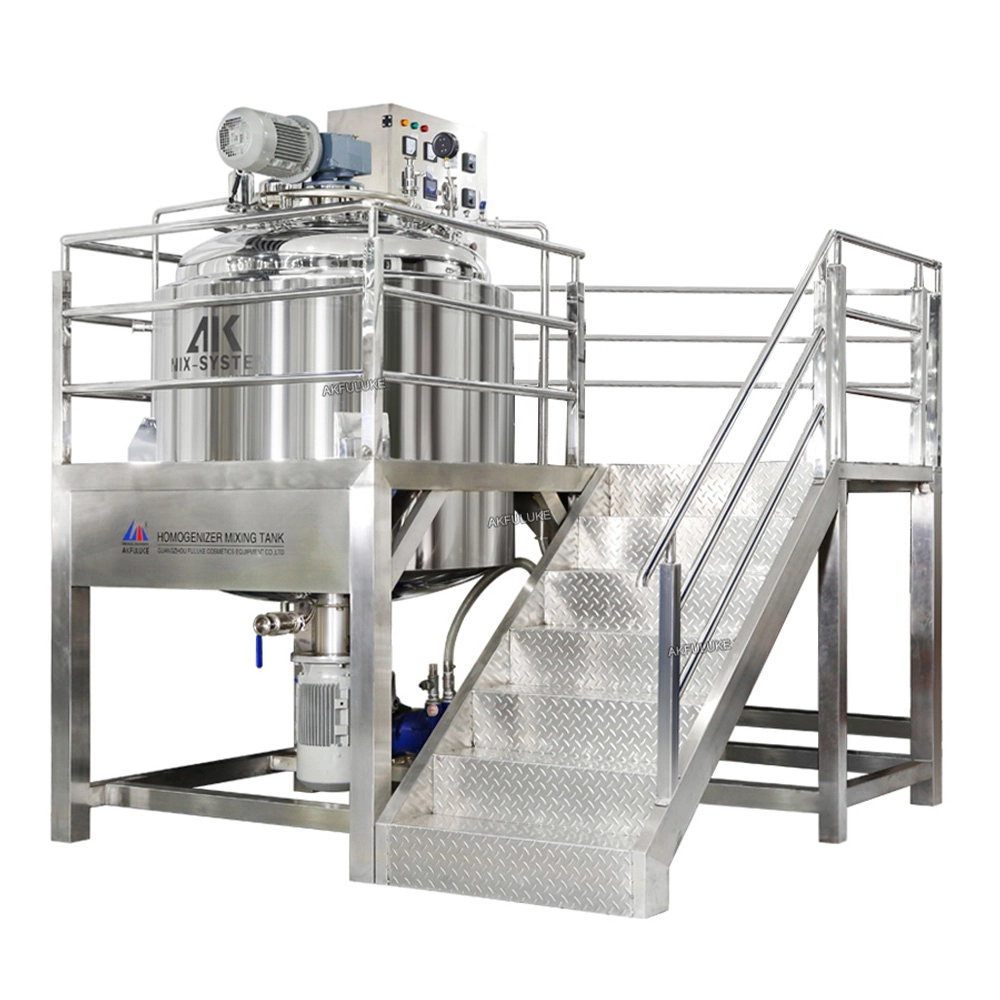
Stainless Steel Mixer Liquid Mixing tank with Agitator Homogenizing Mixing tank Vacuum Sealed Mixer Machine

A leading manufacturer specializing in advanced machinery and complete production lines for the cosmetics, food, pharmaceutical, and chemical industries worldwide.
Contact FULUKE
Facebook
Instagram
YouTube