
How to coordinate IQ/OQ/PQ for filling equipment?
- Understanding Cosmetic Filling Machines and IQ/OQ/PQ Coordination
- 1. What Types of Cosmetic Filling Machines Are Available?
- 2. How Do Cosmetic Filling Machines Ensure Product Quality?
- 3. What Are IQ, OQ, and PQ in Filling Equipment?
- 4. How Do You Coordinate IQ/OQ/PQ for Filling Equipment?
- 5. What Are the Benefits of Proper IQ/OQ/PQ Coordination?
- 6. How Do You Select the Right Filling Equipment for Your Cosmetic Products?
- 7. What Are the Latest Trends in Cosmetic Filling Equipment?
- 8. How Does FULUKE Stand Out in the Cosmetic Filling Equipment Industry?
Understanding Cosmetic Filling Machines and IQ/OQ/PQ Coordination
As a professional in the cosmetic industry, selecting the right filling equipment is crucial for ensuring product quality, efficiency, and compliance with industry standards. This guide addresses common questions related to cosmetic filling machines and the coordination of Installation Qualification (IQ), Operational Qualification (OQ), and Performance Qualification (PQ) for filling equipment.
1. What Types of Cosmetic Filling Machines Are Available?
Cosmetic filling machines are designed to handle various product viscosities and packaging formats. Common types include:
Piston Filling Machines: Ideal for creams, lotions, and gels, offering precise volume control.
Peristaltic Pump Fillers: Suitable for serums and other low-viscosity liquids, ensuring hygienic filling.
Vacuum Filling Systems: Used for products sensitive to air exposure, such as certain creams and lotions.
Tube Filling Machines: Designed for packaging products like lip balms and toothpaste.
Aerosol Filling Systems: For products like hairsprays and deodorants, requiring pressurized filling.
Selecting the appropriate machine depends on the product's viscosity, packaging type, and production scale.
2. How Do Cosmetic Filling Machines Ensure Product Quality?
To maintain product quality, filling machines incorporate several features:
Hygienic Design: Machines are constructed with materials like stainless steel and designed for easy cleaning to prevent contamination.
Precision Filling: Advanced control systems ensure accurate dosing, reducing product waste and variability.
Adaptability: Machines can handle various viscosities and packaging formats, ensuring consistent quality across different products.
For instance, Sora Machine offers filling systems that address challenges like air bubble formation in creams and lotions, ensuring homogeneous filling.
3. What Are IQ, OQ, and PQ in Filling Equipment?
IQ, OQ, and PQ are stages in the validation process of filling equipment:
Installation Qualification (IQ): Verifies that the equipment is installed correctly and according to specifications.
Operational Qualification (OQ): Confirms that the equipment operates within defined parameters.
Performance Qualification (PQ): Ensures the equipment performs consistently under normal operating conditions.
These qualifications are essential for compliance with Good Manufacturing Practice (GMP) standards.
4. How Do You Coordinate IQ/OQ/PQ for Filling Equipment?
Coordinating IQ/OQ/PQ involves:
Planning: Develop a validation plan outlining the scope, responsibilities, and acceptance criteria for each qualification stage.
Execution: Perform the qualifications systematically, documenting all findings and deviations.
Review: Analyze the results to ensure the equipment meets all specifications and regulatory requirements.
Engaging with experienced professionals or consultants can facilitate a smooth validation process.
5. What Are the Benefits of Proper IQ/OQ/PQ Coordination?
Proper coordination of IQ/OQ/PQ offers several advantages:
Regulatory Compliance: Ensures adherence to industry standards and regulations.
Operational Efficiency: Identifies and rectifies potential issues early, reducing downtime.
Product Quality Assurance: Guarantees that the equipment consistently produces products of the desired quality.
For example, Azenta Life Sciences provides support services for IQ/OQ/PQ to ensure compliance with GMP environments.
6. How Do You Select the Right Filling Equipment for Your Cosmetic Products?
Selecting the appropriate filling equipment involves:
Assessing Product Characteristics: Consider viscosity, sensitivity to air, and packaging requirements.
Evaluating Production Needs: Determine production volume, scalability, and automation requirements.
Ensuring Compliance: Verify that the equipment meets GMP and other relevant standards.
Consulting with equipment manufacturers and industry experts can provide valuable insights tailored to your specific needs.
7. What Are the Latest Trends in Cosmetic Filling Equipment?
Recent trends include:
Automation: Increased use of automated systems for higher efficiency and consistency.
Sustainability: Adoption of energy-efficient machines and sustainable packaging solutions.
Customization: Machines designed for quick changeovers and adaptability to various product types.
Staying informed about these trends can help in making strategic decisions for your production line.
8. How Does FULUKE Stand Out in the Cosmetic Filling Equipment Industry?
FULUKE offers several advantages:
Expertise: Specialized in providing filling solutions tailored to the cosmetic industry.
Quality: Machines designed for precision, efficiency, and compliance with industry standards.
Customization: Ability to design equipment that meets specific production requirements and packaging formats.
Support: Comprehensive after-sales service, including installation, training, and maintenance.
Choosing FULUKE ensures a reliable and efficient filling process for your cosmetic products.
By addressing these key questions, professionals in the cosmetic industry can make informed decisions when selecting and coordinating filling equipment, ensuring product quality and operational efficiency.
Note: The information provided is based on current industry standards and practices as of January 28, 2026.

Understanding Servo Capping Machines: The Core Logic of Precise Capping – Understand the Entire Working Process in Seconds
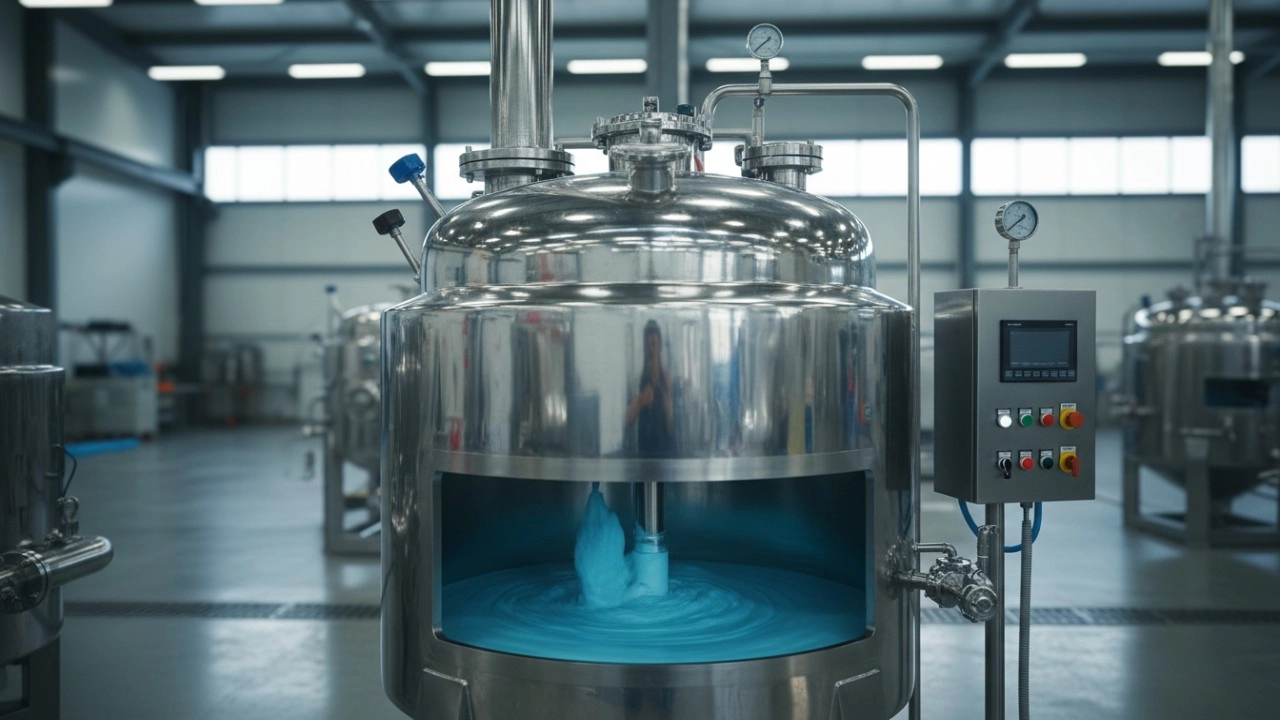
The Future of Industrial Agitation: 5 Smart Mixing Tank Technologies Changing the Game
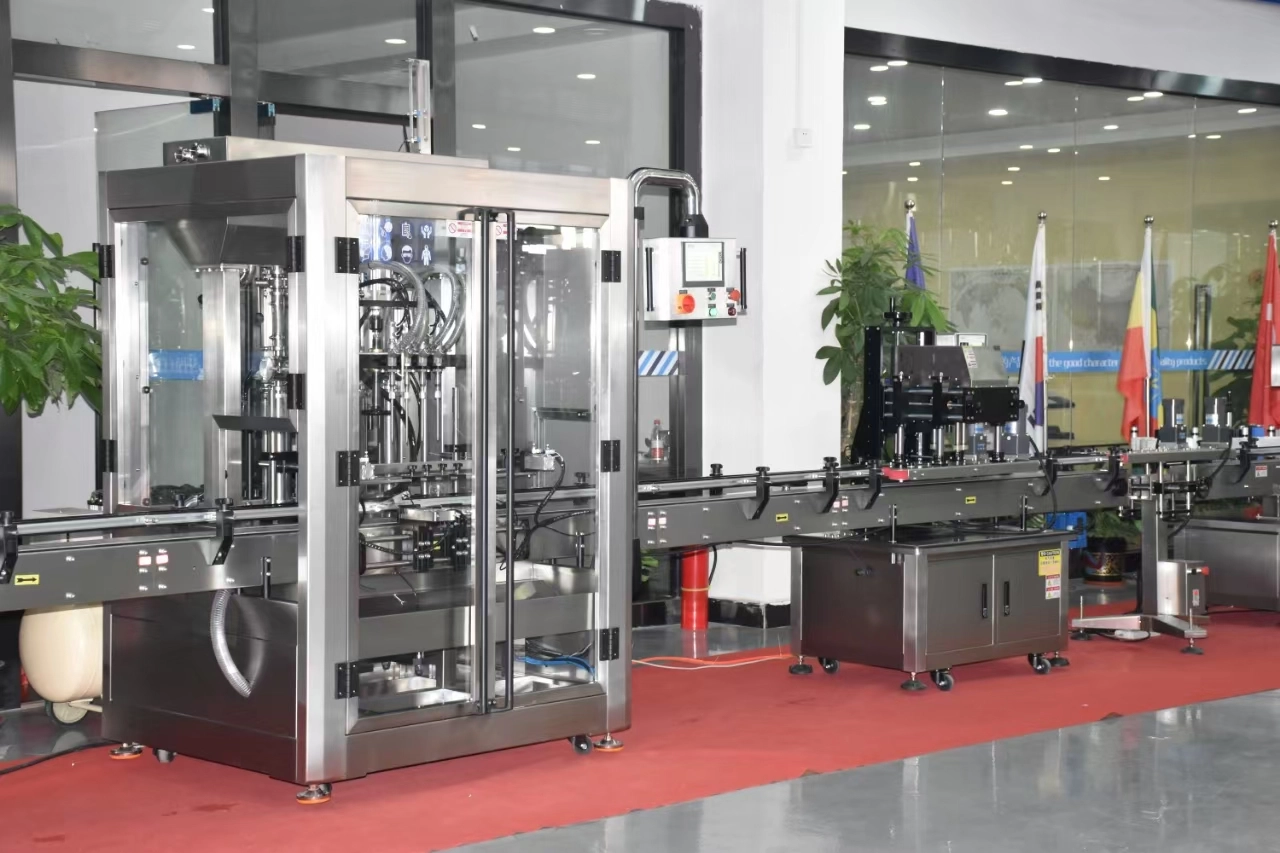
Gear pump filling machine vs. piston filling machine: Key differences broken down to avoid pitfalls in selection.
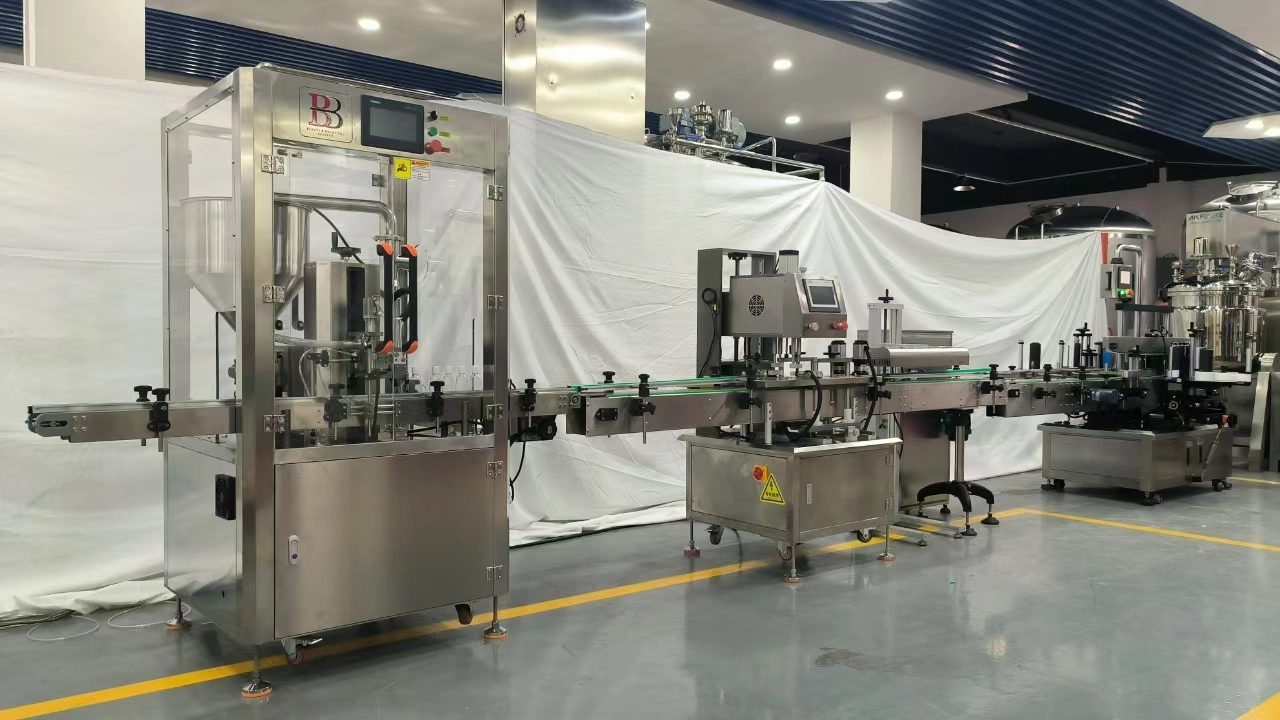
Understand the working principle of a servo gear pump filling machine!
Automatic Capping Machine
What causes leakage or loose caps after capping?
Most likely, the capping torque parameters do not match the product characteristics. You can recalibrate the torque through the touch screen. If the problem persists, check whether the bottle clamp is too loose or whether there is any dimensional deviation in the cap.
Automatic Facial Mask Filling Machine
Can you customize the machine?
Of course, we provide customized services according to customer needs.
The Flip Cover Liquid Wash Mixing Homogenizing Tank
What can you buy from us?
RO Water Treatment、Vacuum Emulsifying Machine、Homogenizer Mixing Tank、Filling and Capping、labeling Machine、Packing Machine、Storage Tank,etc.
Can you make a design for us?
Yes, we can, we provide not only products, but also solutions and designs.
Automatic Tube Filling and Sealing Machine
What can you buy from us?
RO Water Treatment、Vacuum Emulsifying Machine、Homogenizer Mixing Tank、Filling and Capping、labeling Machine、Packing Machine、Storage Tank,etc.
Get in touch with FULUKE
If you have any comments or good suggestions, please leave us a message, later our professional staff will contact you as soon as possible.
You May Also Like
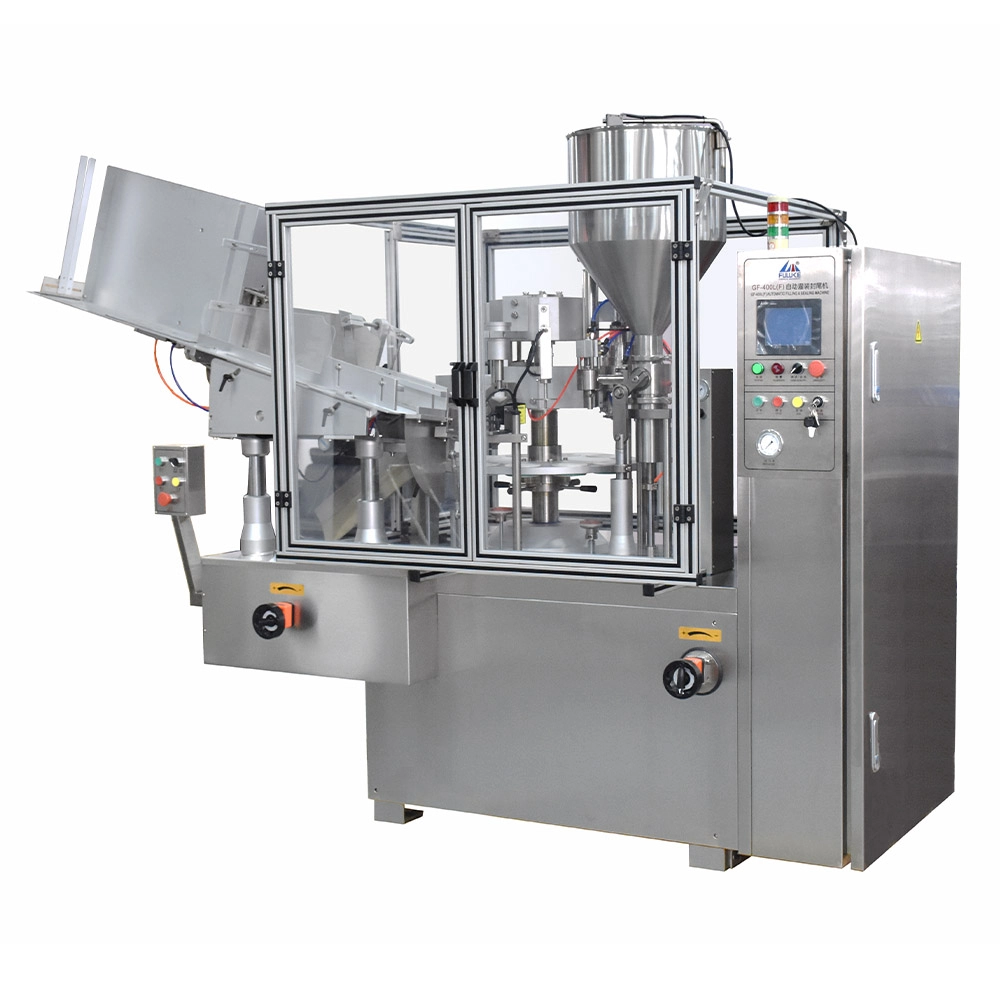
Automatic Tube Filling and Sealing Machine Toothpaste Sunscreen and Facial Cleanser Filling and Sealing Machine for Plastic and Aluminum-plastic Tube
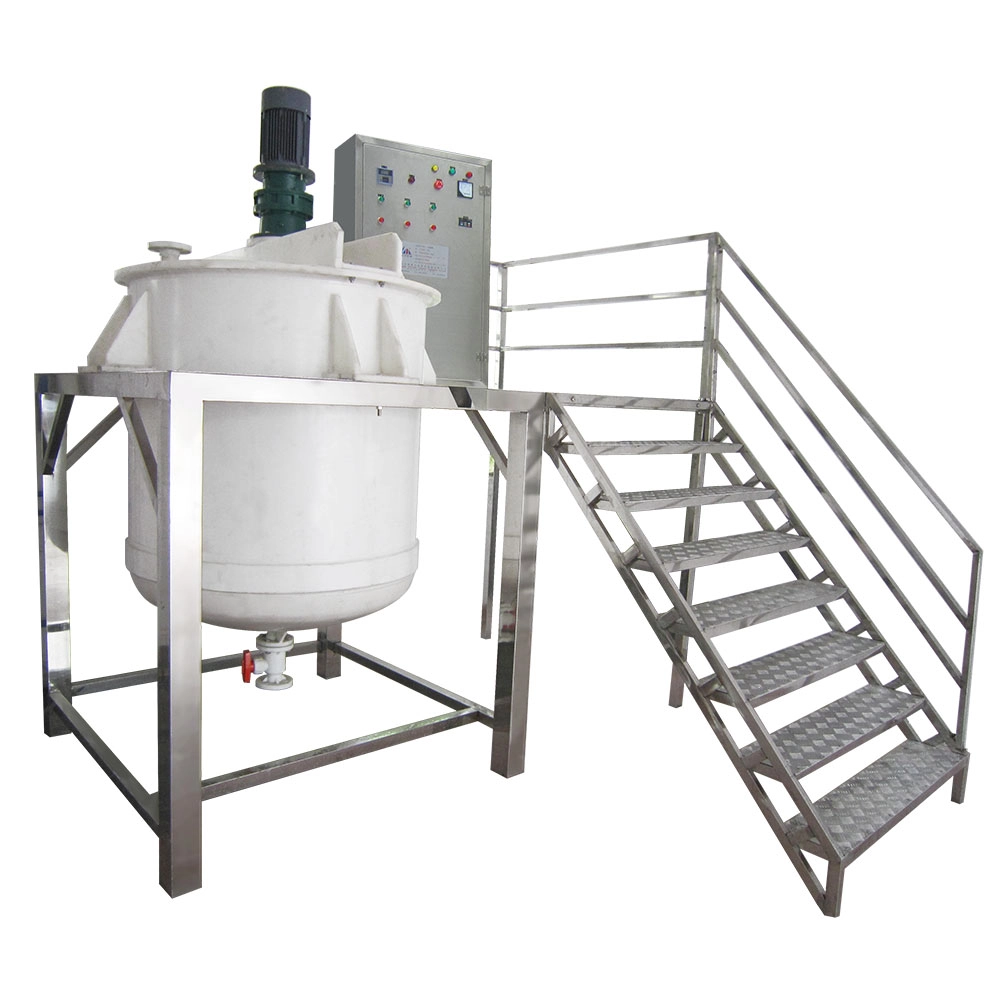
Polypropylene PP Mixing Tank Anti-Corrosion Mixer Reaction Kettle with Agitator Chemical Mixing Vessel
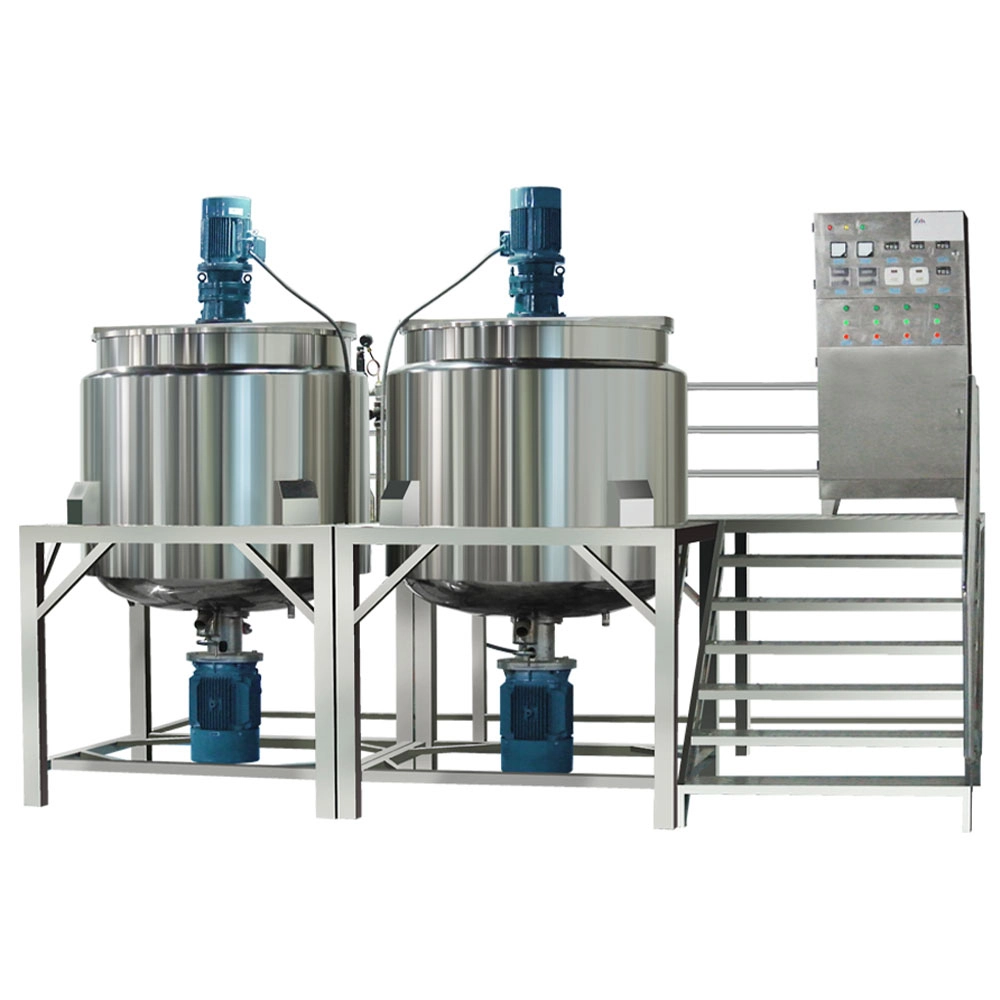
Flip Cover Multi-function Liquid Wash Mixing Tank Blender Liquid Detergent Mixer Homogenization Stirring Tank
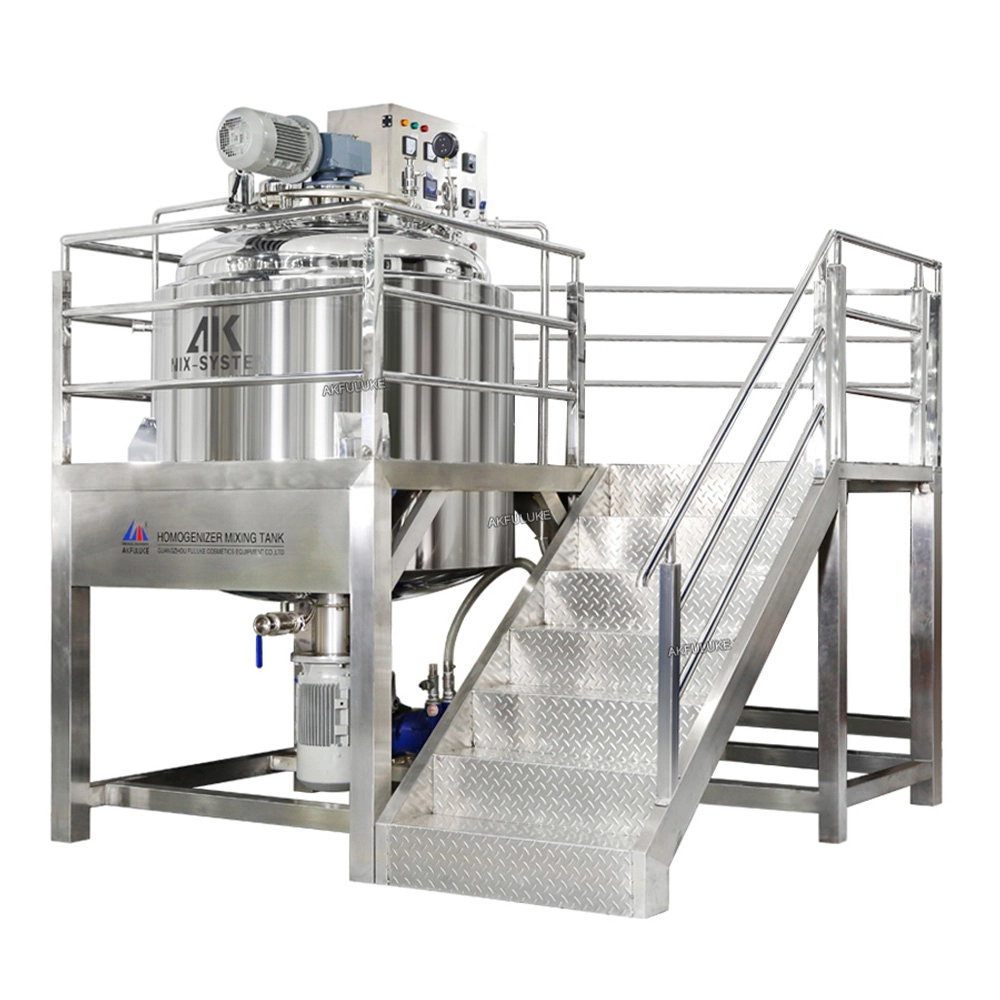
Stainless Steel Mixer Liquid Mixing tank with Agitator Homogenizing Mixing tank Vacuum Sealed Mixer Machine

A leading manufacturer specializing in advanced machinery and complete production lines for the cosmetics, food, pharmaceutical, and chemical industries worldwide.
Contact FULUKE
Facebook
Instagram
YouTube