
How to prevent contamination in a mixing tank with agitator?
- Comprehensive Guide to Selecting and Maintaining Mixing Tanks with Agitators in the Cosmetic Industry
- 1. What are the key functions of a mixing tank with an agitator in cosmetic manufacturing?
- 2. How do I choose the right mixing tank with an agitator for my cosmetic formulations?
- 3. What are the best practices for preventing contamination in a mixing tank with an agitator?
- 4. How do jacketed mixing tanks improve processing efficiency in cosmetic manufacturing?
- 5. What maintenance costs should be anticipated for mixing tanks in cosmetic production?
- 6. How do mixing tanks handle air incorporation to avoid bubbles in cosmetic products?
- 7. Are cosmetic mixing tanks required to be sterile?
- 8. How do mixing parameters differ between pharmaceutical and cosmetic industries?
- Conclusion: Why Choose FULUKE for Your Cosmetic Mixing Needs?
Comprehensive Guide to Selecting and Maintaining Mixing Tanks with Agitators in the Cosmetic Industry
1. What are the key functions of a mixing tank with an agitator in cosmetic manufacturing?
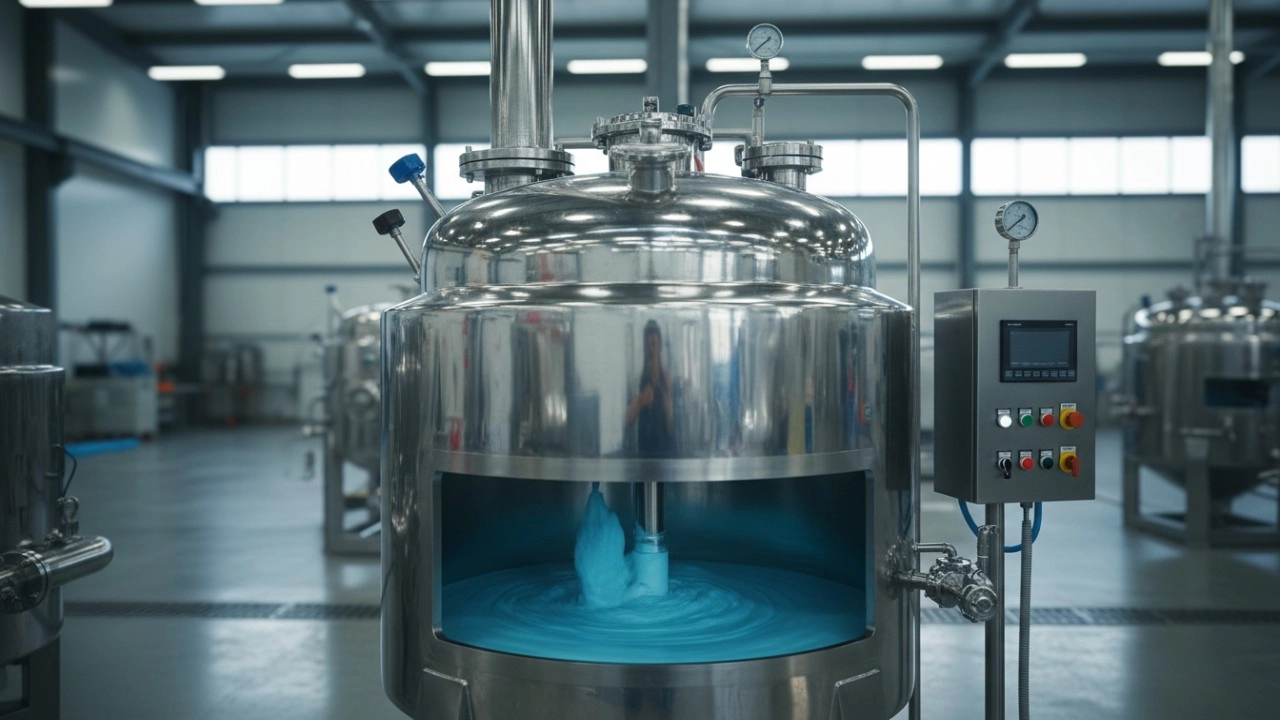
A mixing tank with an agitator serves several critical functions in cosmetic production:
- Homogeneous Mixing: Ensures uniform distribution of ingredients, preventing phase separation.
- Emulsification/Homogenization: Achieves stable emulsions by breaking down droplets and dispersing particles into a continuous phase.
- Vacuum Degassing: Removes entrained air and dissolved gases, producing bubble-free products and preventing oxidation of sensitive ingredients.
- Temperature Control: Maintains optimal temperatures for melting, activating emulsifiers, or cooling down after high-shear steps, ensuring uniformity across the batch. ((https://www.fulukemix.com/article/choosing-mixing-tank-with-agitator/))
2. How do I choose the right mixing tank with an agitator for my cosmetic formulations?
Selecting the appropriate mixing tank involves considering several factors:
- Formulation Requirements: Determine if your product requires low, medium, or high shear mixing to achieve the desired texture and stability.
- Viscosity of Ingredients: Choose an agitator type suitable for the viscosity of your ingredients to ensure efficient mixing.
- Temperature Needs: Assess if your formulation requires heating or cooling during processing and select a tank with appropriate temperature control features.
- Batch Size and Production Frequency: Consider the capacity and scalability of the tank to meet your production demands.
- Regulatory Compliance: Ensure the equipment meets industry standards and certifications relevant to cosmetic manufacturing.
3. What are the best practices for preventing contamination in a mixing tank with an agitator?
Maintaining hygiene is crucial to prevent contamination:
- Regular Cleaning and Sanitization: Implement a routine cleaning schedule using suitable detergents and sanitizers to remove residues and microorganisms.
- Proper Maintenance of Components: Regularly inspect and maintain agitators, valves, and seals to prevent leaks and contamination.
- Employee Training: Educate staff on hygiene practices, proper cleaning procedures, and personal hygiene to minimize contamination risks.
- Storage and Handling of Raw Materials: Store raw materials in clean, dry, and well-ventilated areas, and handle them with sanitized equipment to prevent contamination.
4. How do jacketed mixing tanks improve processing efficiency in cosmetic manufacturing?
Jacketed mixing tanks offer several advantages:
- Precise Temperature Control: Enable accurate temperature maintenance during emulsification, reducing mixing time by 25-40% and preventing ingredient degradation in heat-sensitive formulations.
- Enhanced Product Quality: Maintain optimal temperatures for sensitive ingredients, ensuring consistent product texture and stability.
- Energy Efficiency: Reduce energy consumption by maintaining temperatures more effectively, leading to cost savings.
5. What maintenance costs should be anticipated for mixing tanks in cosmetic production?
Annual maintenance costs typically range from 12-18% of the equipment cost and may include:
- Seal Replacements: $200-$800
- Impeller Balancing: $150-$450
- Sensor Calibrations: $300-$600
- Preventive Cleaning-In-Place (CIP) Servicing: $500+
Regular maintenance ensures optimal performance and extends the equipment's lifespan.
6. How do mixing tanks handle air incorporation to avoid bubbles in cosmetic products?
To prevent air incorporation:
- Vacuum Processing: Incorporate vacuum systems during mixing to remove entrained air, resulting in bubble-free products and improved texture.
- Degassing Processes: Utilize degassing techniques to eliminate dissolved gases, enhancing product stability and appearance.
7. Are cosmetic mixing tanks required to be sterile?
While cosmetics do not require sterile production environments, maintaining high hygiene and contamination control standards is essential to ensure product safety and quality.
8. How do mixing parameters differ between pharmaceutical and cosmetic industries?
In cosmetic manufacturing:
- Emphasis on Texture and Stability: Focus on achieving desired product texture, appearance, and emulsion stability.
- Less Stringent Sterility Requirements: While hygiene is crucial, the sterility standards are less stringent compared to pharmaceuticals.
Understanding these differences helps in selecting equipment and processes tailored to the cosmetic industry's unique demands.
Conclusion: Why Choose FULUKE for Your Cosmetic Mixing Needs?
FULUKE offers state-of-the-art mixing tanks with agitators designed to meet the specific requirements of cosmetic manufacturing. Our equipment features:
- Advanced Homogenization: Ensures stable emulsions and uniform product texture.
- Efficient Temperature Control: Maintains optimal processing temperatures for sensitive ingredients.
- Hygienic Design: Facilitates easy cleaning and sanitization to prevent contamination.
- Customization Options: Tailored solutions to fit various batch sizes and production needs.
By choosing FULUKE, you invest in reliable, efficient, and high-quality mixing equipment that supports the success of your cosmetic production processes.
References:
- (https://www.fulukemix.com/article/choosing-mixing-tank-with-agitator/)
- (https://www.domachinery.com/blog/how-to-ensure-the-hygiene-of-a-cosmetic-making-mixer-tank-360943.html)
- (https://www.accio.com/plp/mixing-tank-cosmetics)
- (https://www.immay-auto.com/stainless-steel-mixing-tank-design-for-cosmetics-what-buyers-must-know.html)
- (https://sdchenma.com/blog/top-5-uses-chemical-mixing-tanks-agitators/)
- (https://admix.com/industries/hygienic-sanitary-industrial-mixing)
- (https://ace-dairy-equipment.com/blog/mixing-tank/)
- (https://www.everhealgroup.com/news/pharmaceutical-mixing-tank-vs-cosmetic-mixing-tank-key-differences-explained.html)

Understanding Servo Capping Machines: The Core Logic of Precise Capping – Understand the Entire Working Process in Seconds
The Future of Industrial Agitation: 5 Smart Mixing Tank Technologies Changing the Game
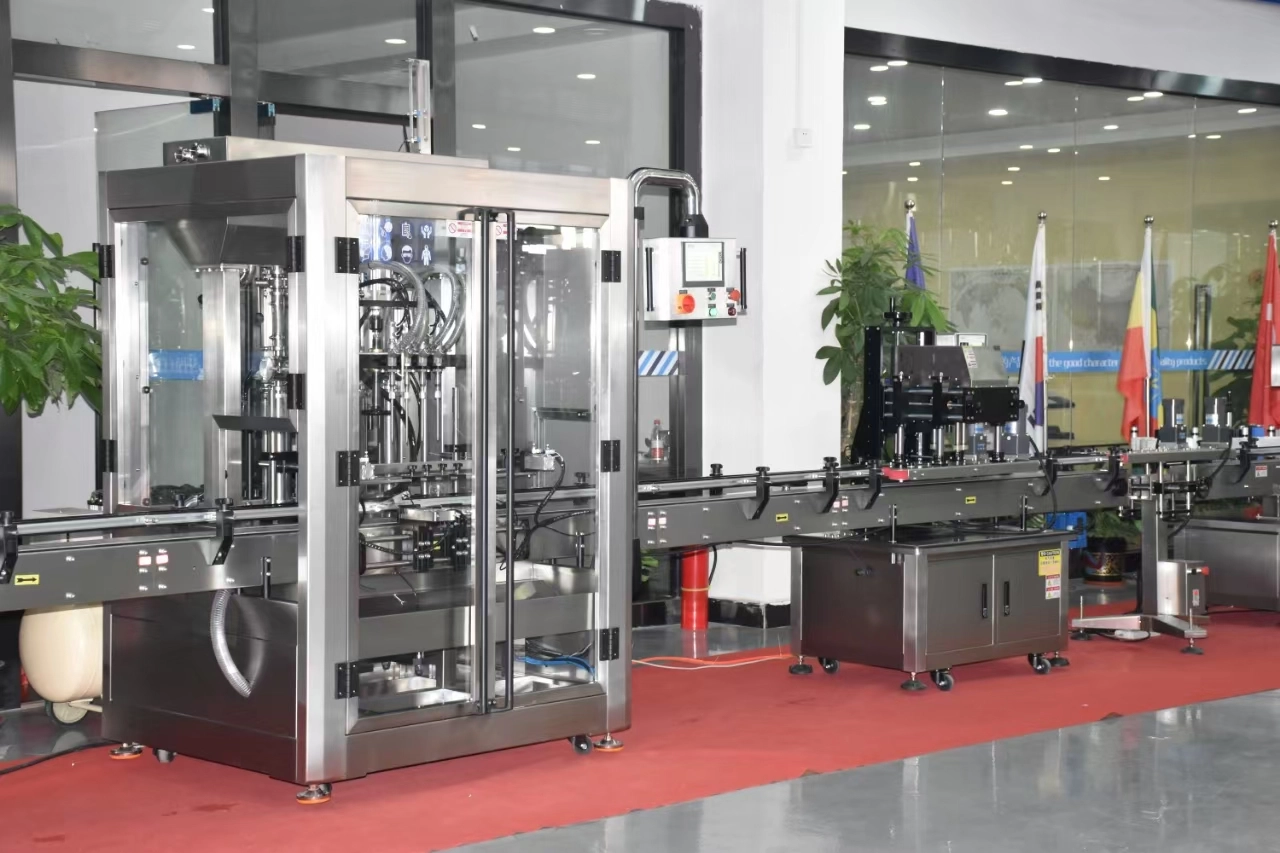
Gear pump filling machine vs. piston filling machine: Key differences broken down to avoid pitfalls in selection.
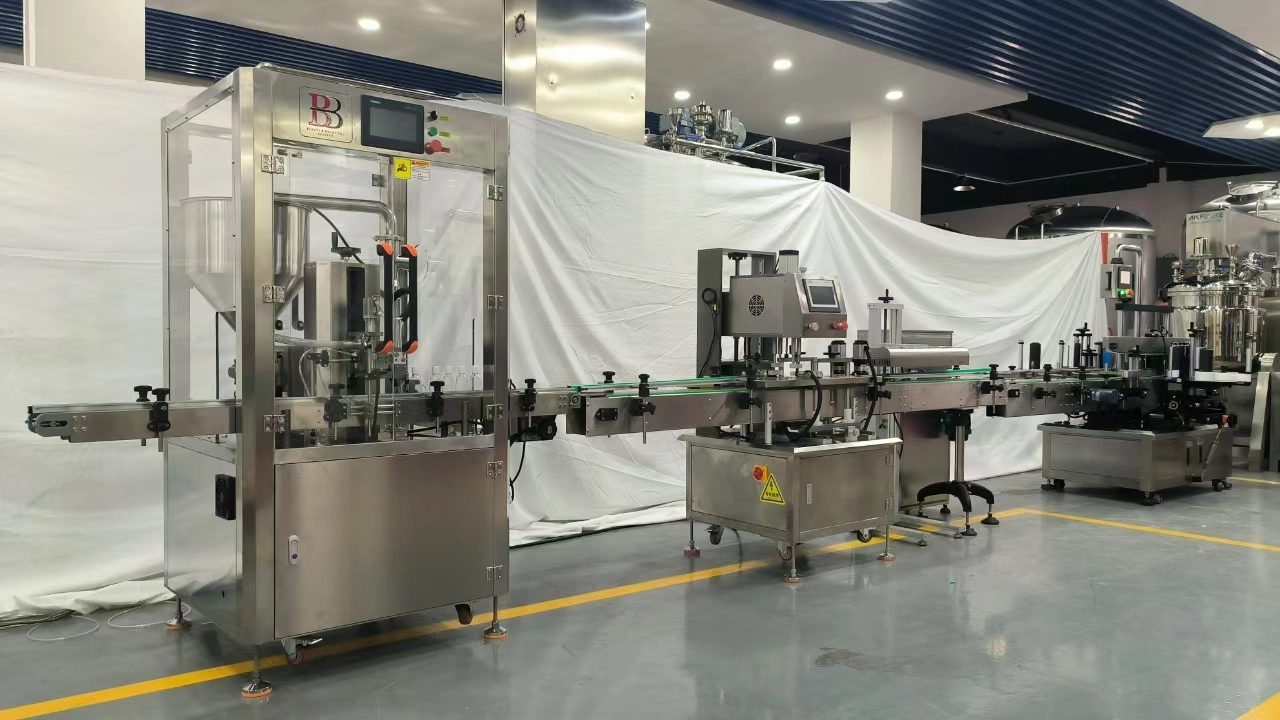
Understand the working principle of a servo gear pump filling machine!
Vacuum Emulsifying Machine
What can you buy from us?
RO Water Treatment、Vacuum Emulsifying Machine、Homogenizer Mixing Tank、Filling and Capping、labeling Machine、Packing Machine、Storage Tank,etc.
What industries is the vacuum emulsifier suitable for?
It is widely applicable to the production needs of creams, lotions, gels, ointments, etc. in the cosmetics, pharmaceutical, food, chemical and other industries.
Automatic Labeling Machine
Can you make a design for us?
Yes, we can, we provide not only products, but also solutions and designs.
Can you customize the machine?
Of course, we provide customized services according to customer needs.
Inkjet Printing Machine
What content can an inkjet printer print?
It can print text, time, date (Julian Year), logo, shift, SN, Dynamic Barcode/OR Code, Dynamic Serial Data, and Dynamic Database (additional content can be added as required).
Get in touch with FULUKE
If you have any comments or good suggestions, please leave us a message, later our professional staff will contact you as soon as possible.
You May Also Like
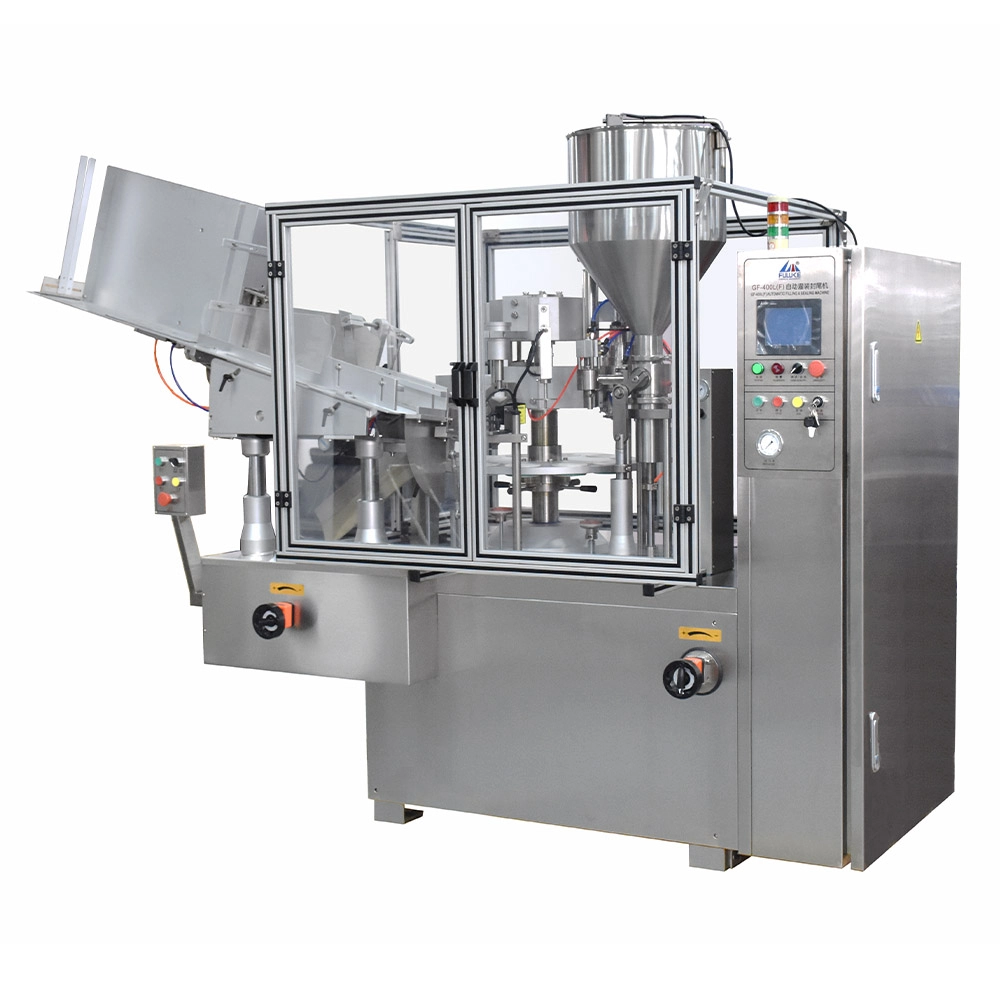
Automatic Tube Filling and Sealing Machine Toothpaste Sunscreen and Facial Cleanser Filling and Sealing Machine for Plastic and Aluminum-plastic Tube
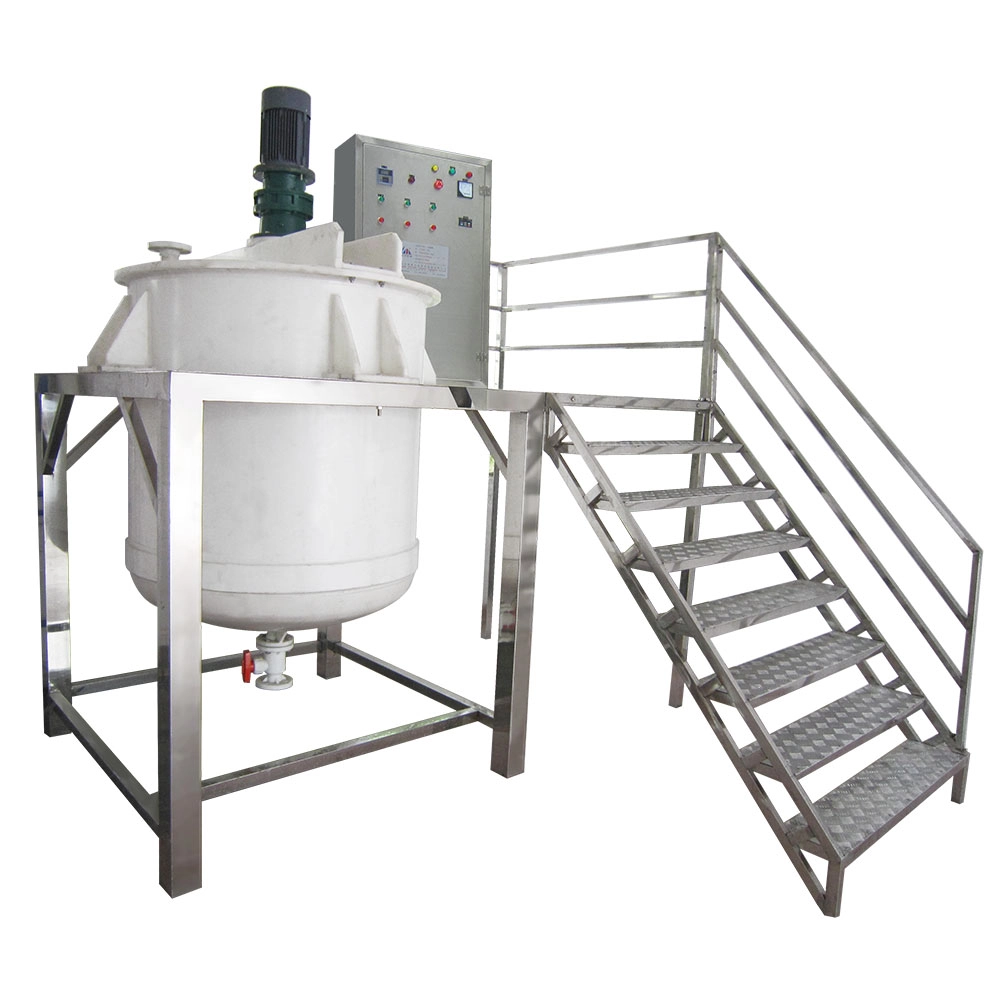
Polypropylene PP Mixing Tank Anti-Corrosion Mixer Reaction Kettle with Agitator Chemical Mixing Vessel
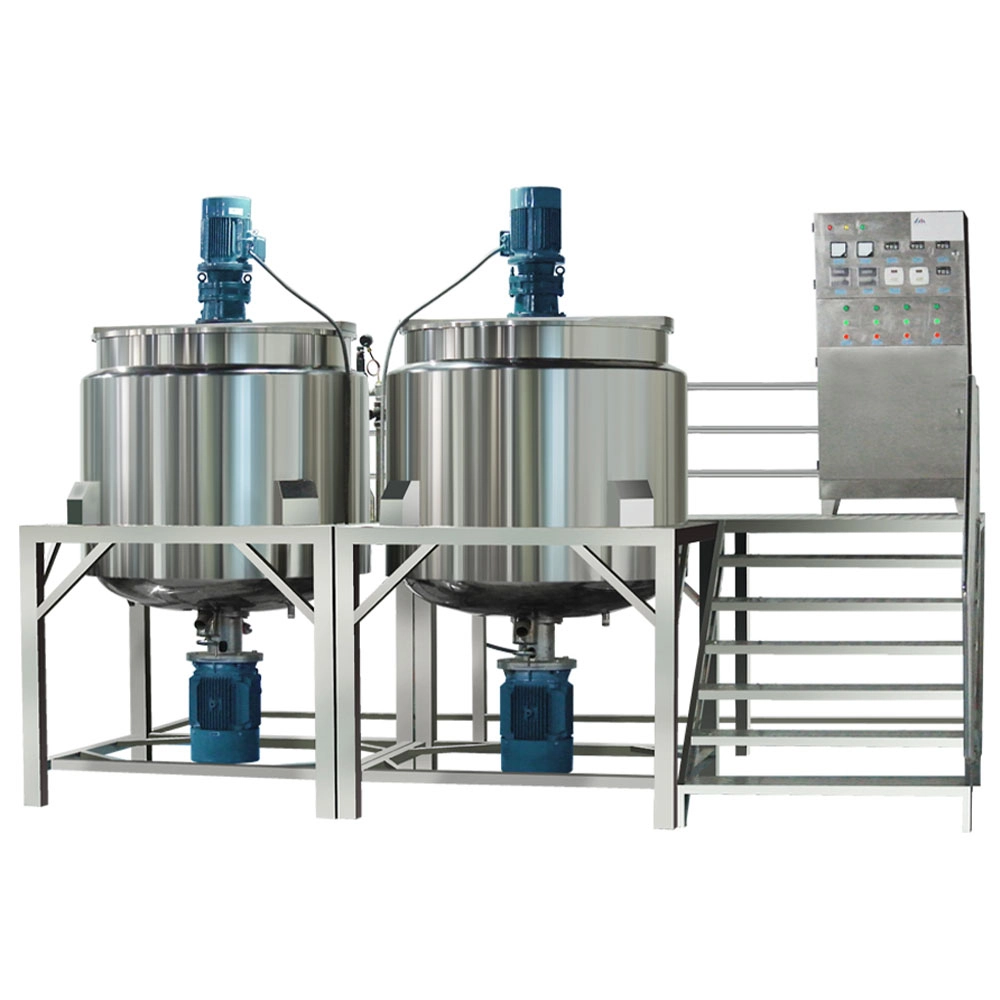
Flip Cover Multi-function Liquid Wash Mixing Tank Blender Liquid Detergent Mixer Homogenization Stirring Tank
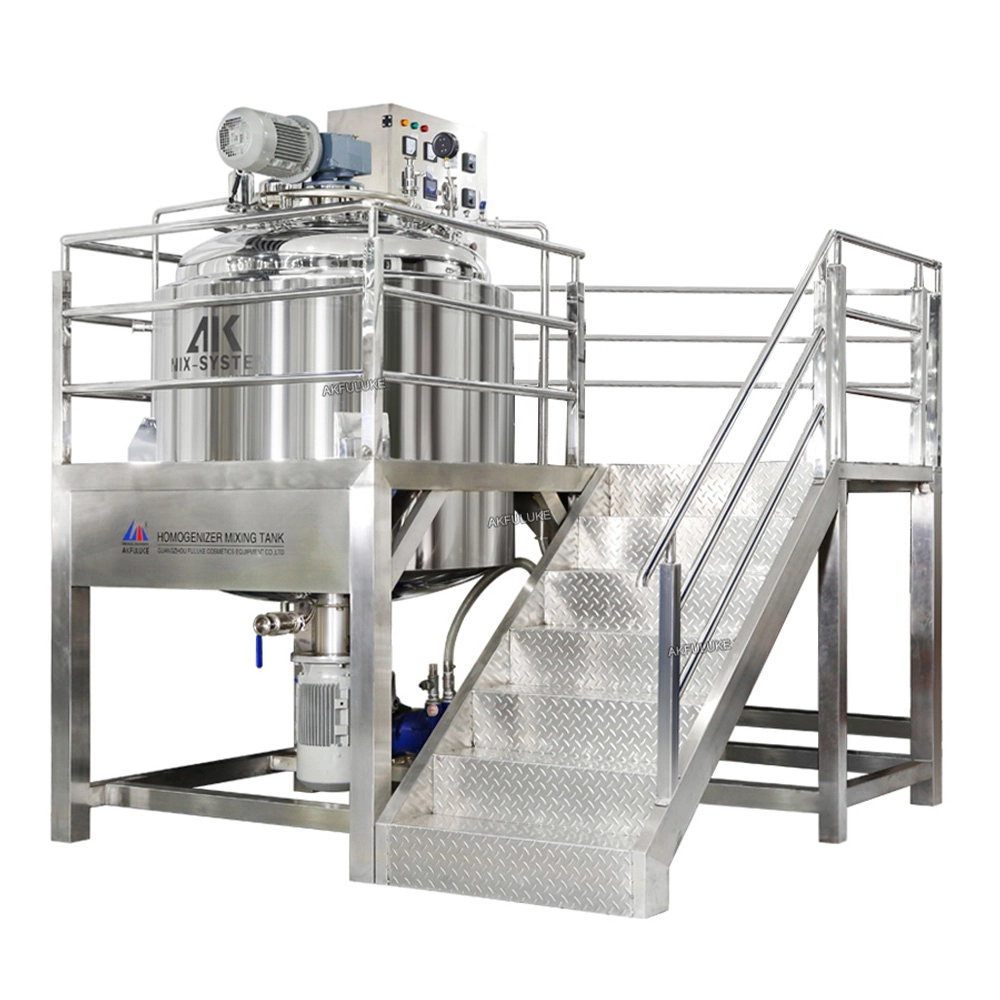
Stainless Steel Mixer Liquid Mixing tank with Agitator Homogenizing Mixing tank Vacuum Sealed Mixer Machine

A leading manufacturer specializing in advanced machinery and complete production lines for the cosmetics, food, pharmaceutical, and chemical industries worldwide.
Contact FULUKE
Facebook
Instagram
YouTube