
How to ensure easy cleaning between product runs?
- 1. How can I design the product-contact path and nozzles to enable sub-15-minute changeovers between different-color or high-pigment cosmetic runs?
- 2. What validated CIP/SIP procedure is appropriate for a small-to-medium cosmetic filling line to reliably remove oils, silicones and emulsions between product families?
- 3. Which materials and surface finishes for valves, gaskets and conveyors best reduce residue and withstand common cosmetic solvents?
- 4. How do I implement fast swab and rinse tests to prove cleaning efficacy between runs (visual cleaning isn’t enough for pigmented or active cosmetic products)?
- 5. Which dosing pumps and valve designs let me handle a wide viscosity range while enabling fastest possible disassembly and cleaning?
- 6. What spare parts, tools and SOPs should I stock to minimize cleaning-related downtime and guarantee reproducible changeovers?
- Conclusion: Advantages of designing for easy cleaning and validated changeovers
How to Ensure Easy Cleaning Between Product Runs on a Bottle Filling Machine
When buying a bottle filling machine for cosmetics, cleaning between runs is a top purchase driver. This article answers six specific, frequently asked long-tail questions beginners find poorly covered online, with actionable, industry-aligned guidance for equipment selection, cleaning design, and validation.
1. How can I design the product-contact path and nozzles to enable sub-15-minute changeovers between different-color or high-pigment cosmetic runs?
Problem: High-pigment creams, tinted serums and colorants cling to nozzles, seals and internal cavities, making visual and microbiological cross-contamination risks and long cleaning times.
Practical design steps:
- Minimize dead-leg volume: specify sanitary 45–90° transitions and avoid blind ports. Use clamped tri-clamp ferrules for all product-contact joints so parts are removed without tooling.
- Quick-change nozzles and manifold plates: select nozzle assemblies with cam-toggle or safety-latch fasteners that expose the internal orifice in <5 minutes. Keep nozzle bodies identical across sizes to reduce spare inventory.
- Smooth finishes and electropolishing: require 316L stainless steel electropolished to Ra ≤ 0.8 µm (ideally ≤ 0.4 µm on critical wet surfaces). This reduces surface energy and pigment adhesion.
- Use peristaltic or disposable hose segments for highly pigmented or abrasive products: hose replacement (1–3 minutes per segment) can often be faster than full disassembly and cleaning for short runs.
- Integrate an air-blow and reverse-flow purge step into SOPs: after draining, blow sterile/dry compressed air through nozzles and manifolds to displace residual fluid; follow with a short recirculated rinse. This reduces carryover before manual wipe down.
Operational SOPs to hit a 15-minute target:
- Pre-stage spare nozzles and gaskets at the line-side in labeled kits.
- Two-person changeover team with checklist: drain (2 min), purge (3 min), remove nozzles (3–5 min), visual/quick swab (3–5 min), install new nozzles (2–3 min), verification (1–2 min).
- Use color-contrast swabs or ATP/TOC handheld checks to quickly confirm removal of visible dye/pigment residues before full production.
2. What validated CIP/SIP procedure is appropriate for a small-to-medium cosmetic filling line to reliably remove oils, silicones and emulsions between product families?
Problem: Cosmetic matrices (oil-in-water emulsions, silicones, esters) have different solubility and wetting behaviors than pharmaceuticals. Many online guides give pharma CIP numbers that aren't optimized for cosmetic chemistries.
Recommended CIP design and validated cycle for small-to-medium lines:
- Dedicated CIP skid or compact mobile CIP trolley sized to the line volume with recirculation pump, heat exchanger, conductivity meter and temperature control.
- Typical three-phase CIP cycle for emulsions and silicones (adaptable by risk assessment):
- Pre-rinse (cold or ambient) — 2–5 minutes, aim for visual clarity of rinse water.
- Alkaline wash (0.5–2% NaOH or proprietary alkaline detergent) — 40–60 °C, recirculate 10–20 minutes; detergent chosen for emulsifier/surfactant removal.
- Acid or chelant rinse (0.2–0.5% phosphoric/ citric) — neutralize residual alkaline and remove mineral deposits; 5–10 minutes at ambient.
- Final rinse with DI water — until conductivity reaches pre-set limit (often <10–50 µS/cm depending on in-house spec).
- SIP (if required for microbiological control) — steam-in-place at validated temperature/time (e.g., 121 °C for specified exposure) or hot-water sanitization at 80–85 °C for 10–20 minutes; cosmetics often require sanitization but not always sterile SIP—define by risk assessment.
- Parameters to validate and record: detergent concentration, temperature profile, flow rate (min 1.5–3 m/s for turbulent flow in piping), contact time, conductivity limits and final rinse clarity.
- Validation methods: TOC (total organic carbon) trending for bulk protein/lipid removal, HPLC assay for identified worst-case marker (pigment, silicone oil), and microbiological bioburden monitoring post-sanitization where applicable.
Notes: Concentrations and times depend on worst-case formulation. Use material compatibility data (SDS and supplier guidance) and follow GMP-aligned documentation for each validated cycle.
3. Which materials and surface finishes for valves, gaskets and conveyors best reduce residue and withstand common cosmetic solvents?
Problem: Many cosmetics use esters, alcohols, silicones and fragrance chemicals that swell or degrade some elastomers and coatings, causing leaks or residue retention.
Material recommendations:
- Metals: 316L stainless steel for all product-contact parts. Electropolished 316L (Ra ≤ 0.8 µm; ≤ 0.4 µm for critical seals) minimizes micro-crevices and eases cleaning. Avoid coatings that can blister under solvent exposure.
- Elastomers and seals: choose based on solvent compatibility: FFKM (perfluoroelastomer) for highest chemical resistance (recommended for fragrance/solvent heavy formulations); EPDM for water/oil emulsions where silicones are absent; FPM/Viton for many oils but check compatibility with esters and ketones. Always confirm with supplier chemical compatibility charts and perform accelerated soak tests.
- Plastics: PTFE (Teflon) and PEEK for sliding parts and valves where low adhesion is required. Use FDA-compliant grades for cosmetic contact.
- Hose materials: sanitary silicone for neutral aqueous systems, but for solvent-rich formulations use PTFE-lined or fluoropolymer hoses. Consider single-use/disposable tubing for highly staining or low-volume color runs.
Design guidance: specify sanitary fittings (tri-clamp, DIN 11851, or ISO sanitary) and avoid threaded connections in product paths. Prefer diaphragm or linear-actuated valves designed for quick disassembly and CIP compatibility.
4. How do I implement fast swab and rinse tests to prove cleaning efficacy between runs (visual cleaning isn’t enough for pigmented or active cosmetic products)?
Problem: Visual inspection misses invisible residues (e.g., UV absorbers, preservatives, low-level pigments). Many beginners lack practical in-plant protocols for rapid confirmation.
Stepwise implementation:
- Define a worst-case marker: choose the most adherent, toxicologically relevant, or analytically traceable ingredient (e.g., a pigment, SPF active, or preservative).
- Set an acceptance limit: derive via a health-based approach (if active) or a practical carryover limit (common industrial starting points are <0.1% carryover or <10 ppm for potent actives). For cosmetics, use risk assessment with a safety factor (e.g., 100–1000) based on exposure assumptions.
- Choose analytical method: TOC for broad organic residue, HPLC/UV for specific actives/pigments, or colorimetric swab tests for dyes. Portable TOC meters and ATP luminometers are valuable for fast in-line checks (ATP detects biological contamination; not a substitute for chemical assays).
- Establish swab sampling SOP: define sample locations (nozzle inner bore, valve seat, manifold dead leg), swab area (e.g., 25 cm2), solvents (e.g., methanol for pigments, isopropanol for silicones), extraction procedure and lab assay protocol.
- Rapid decision tree for production release: if onsite TOC/ATP under threshold and visual clean, allow limited release; if borderline, send HPLC confirmation; if fail, re-clean with validated cycle and retest.
Validation and recordkeeping: document swab locations, analytical results, and corrective actions. Periodically perform full-method recovery studies (spike-and-recover) to prove swab/assay sensitivity on your actual surfaces.
5. Which dosing pumps and valve designs let me handle a wide viscosity range while enabling fastest possible disassembly and cleaning?
Problem: Cosmetic product lines can include watery serums and 1,000–10,000 cP creams. Pump choice affects accuracy, foaming, shear, and cleanability.
Pump and valve guidance:
- Positive-displacement piston (metering) fillers: ideal for viscous creams and high-accuracy dosing. Specify easy-removal pump sets (quick-release clamp packs) and replaceable wear plates to minimize downtime during servicing.
- Peristaltic pumps: excellent for color-change runs and abrasive pigments—hose is the only wetted part, making cleaning as simple as replacing tubing. Best for small to medium batches and lower-viscosity or shear-sensitive products.
- Gear pumps: suitable for mid-viscosity products with good dosing stability; choose hygienic models with accessible housings for quick cleaning and inspection.
- Valves: use diaphragm or pinch valves for gentle handling and fast serviceability; rotary lobe/ball valves can be used if designed with sanitary seals and quick-release bodies.
- Nozzle metering: choose valve/nozzle combos with easy-access orifice plates and anti-drip features; anti-siphon and vacuum-break arrangements reduce stringing and dripping that require additional cleaning.
Operational tips: standardize on modular pump flanges and quick-fit couplings across the filling line to reduce spare parts count and speed maintenance. Ensure all pump seals are compatible with cosmetic solvents in your formulations.
6. What spare parts, tools and SOPs should I stock to minimize cleaning-related downtime and guarantee reproducible changeovers?
Problem: Unexpected seal failures, missing gaskets, or a dirty torque wrench can turn a 20-minute changeover into a multi-hour stop.
Essential spare parts and kits (per filling line):
- Gasket and seal kit: multiple sizes of sanitary gaskets (EPDM, FKM, FFKM as required), valve diaphragms, O-rings and seat kits for all wet valves.
- Nozzle changeover kits: pre-assembled nozzle sets, spare orifice plates, anti-drip inserts and clamp hardware fasteners.
- Pump wear parts: spare peristaltic tubing, piston seals, diaphragm membranes and gear pump wear rings.
- Sanitation kit: color-coded brushes, FDA-compliant detergents, disposable wipes, swab kits, portable TOC/ATP check device and spare solvent bottles for swabbing.
- Special tools: torque wrenches set to documented values, quick-release spanners, calibrated thermometers and conductivity probes.
SOPs and organization:
- Line-side Kanban for critical spares with reorder points based on MTTR/MTBF analytics.
- Detailed changeover checklist with role assignments, pre-staged parts, time targets and acceptance tests (visual, TOC/ATP, swab spots).
- Train operators in 5S and poka-yoke practices for repeatable, documented changeovers; run regular drills to keep the <15–30 minute targets realistic.
- Keep a digital changeover log (electronic or paper) capturing what failed and why to improve spare stocking and SOPs over time.
These measures reduce mean downtime and provide auditable records for quality teams and regulatory review.
Conclusion: Advantages of designing for easy cleaning and validated changeovers
Selecting a bottle filling machine and designing your filling line with minimized dead legs, electropolished 316L product contact parts, quick-change nozzles, CIP/SIP-capable recirculation and modular pump/valve choices brings measurable advantages: reduced cross-contamination risk, faster batch-to-batch changeovers, lower water and chemical usage during cleaning, predictable validation and audit readiness under GMP and sanitary standards, and lower lifecycle maintenance costs. A documented swab/TOC/HPLC testing program and stocked spare-kits further guarantee uptime and product safety.
For equipment specifications, validated CIP cycles and a tailored spare-parts kit for your cosmetic filling line, contact us for a quote.
Website: www.fulukemix.com | Email: flk09@gzflk.com
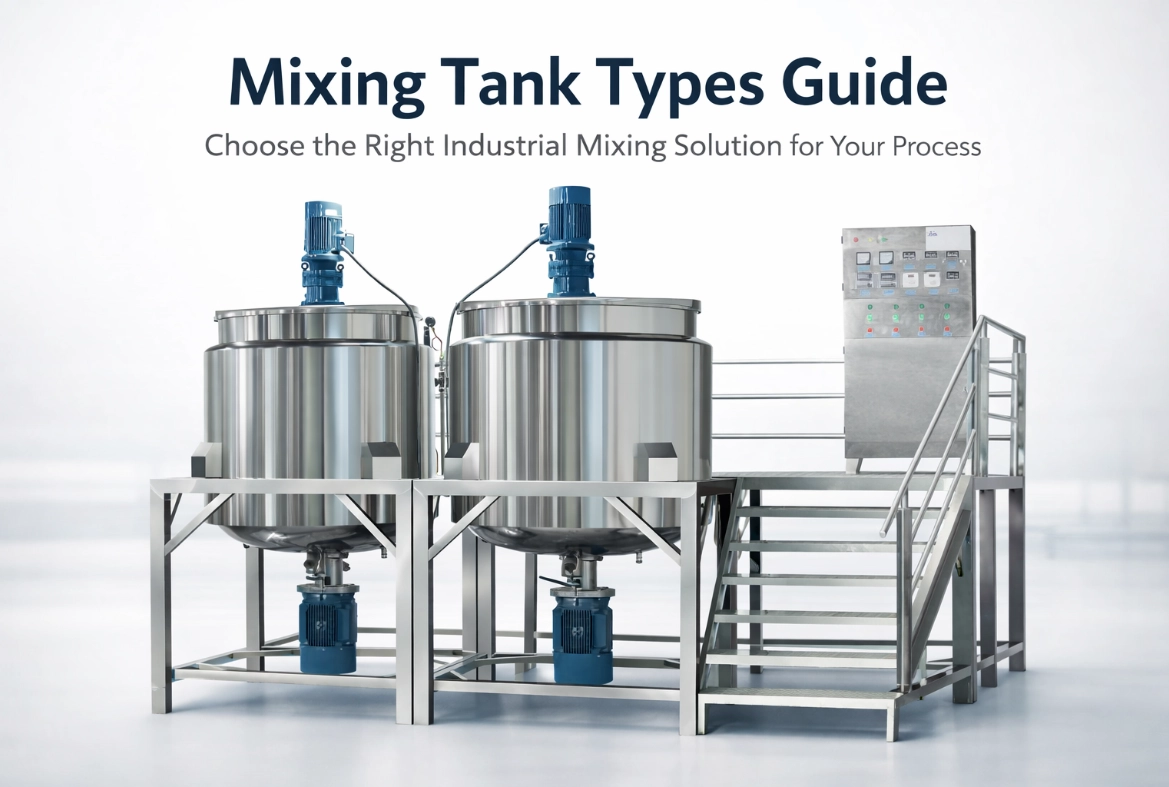
Advanced Mixing Tank Types: How to Optimize Your Production Line for 2026
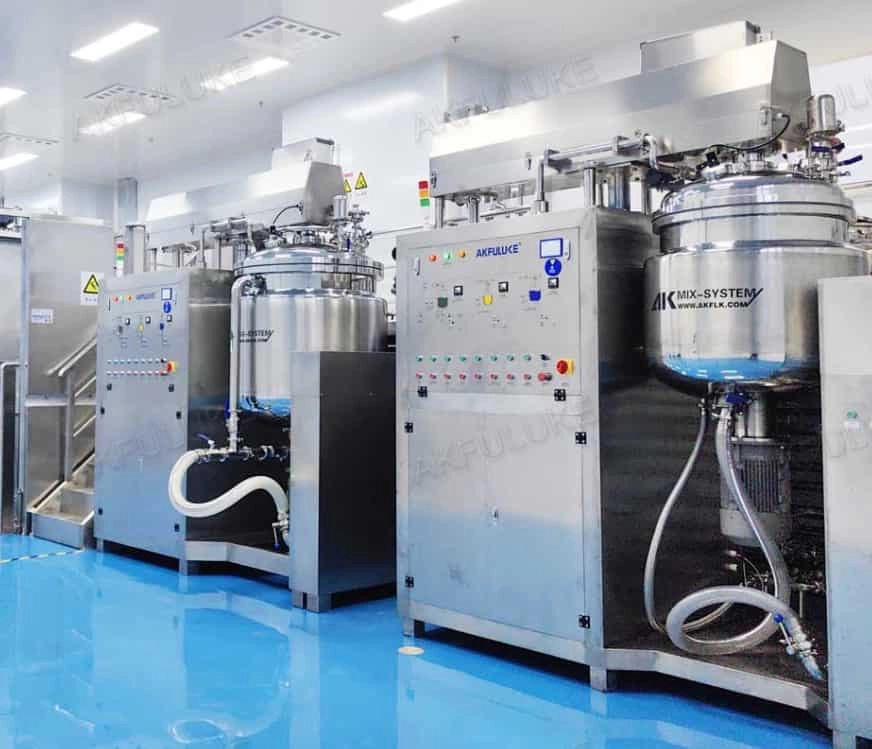
How it Works: The Science Behind Multifunctional Mixing Tank Technology & Performance (2026 Guide)
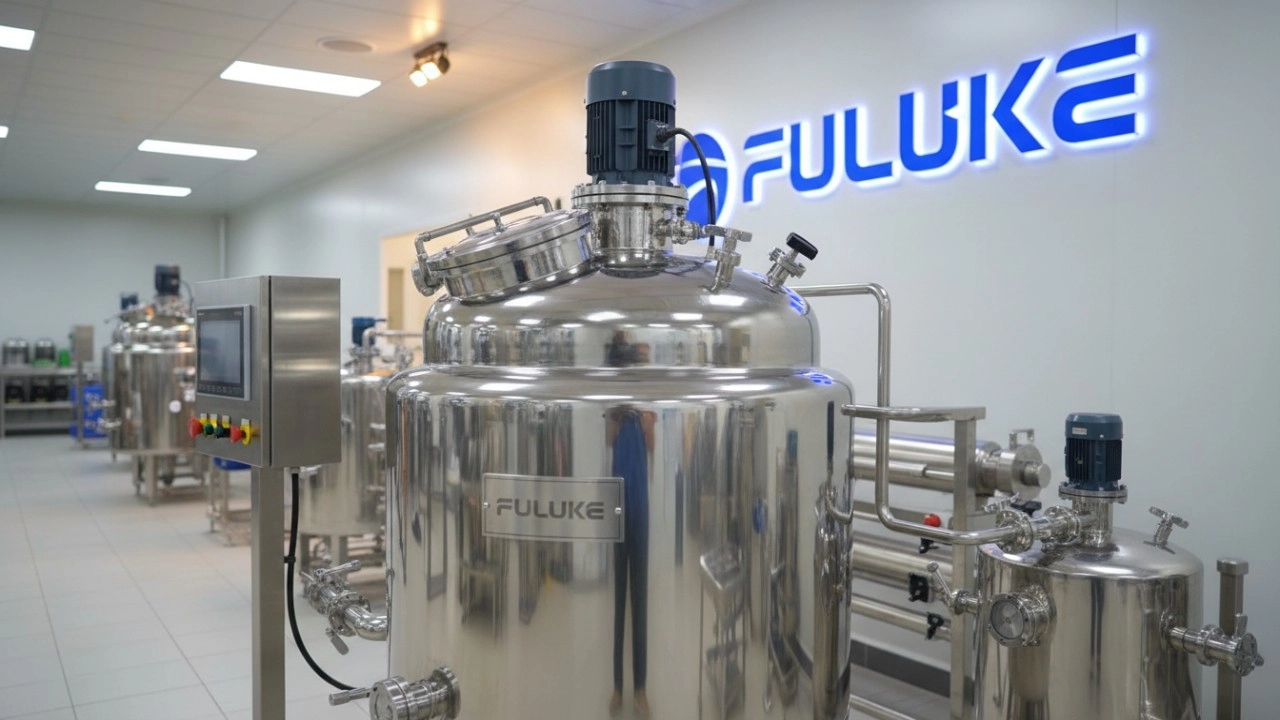
The Ultimate Guide to Multifunctional Mixing Tanks: Maximize ROI and Efficiency [2026 Edition]
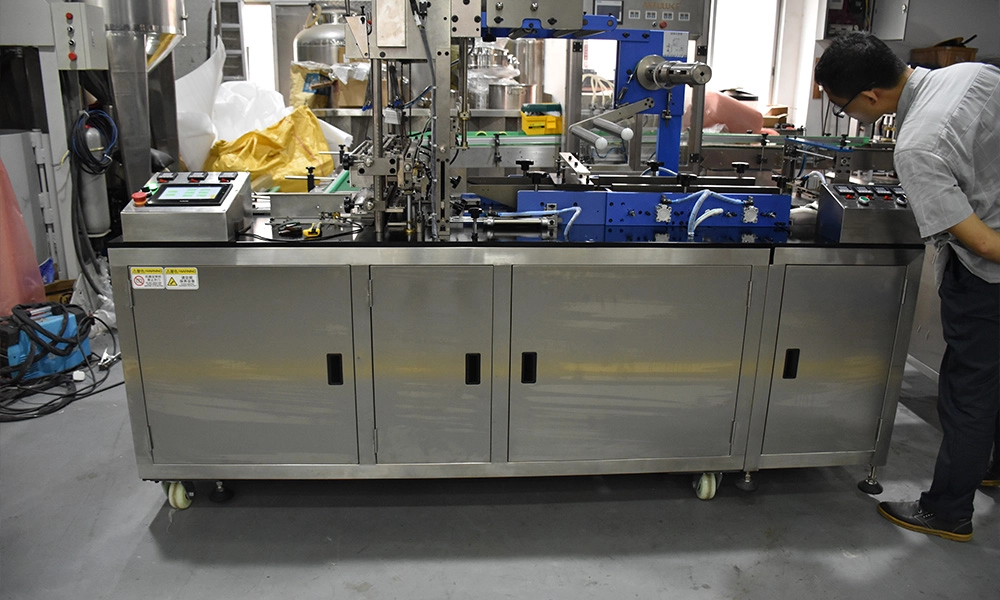
Beyond tobacco! 3D cigarette packaging machine applications in transparent film packaging for pharmaceuticals, cosmetics, and food.
Polypropylene PP Mixing Tank
Can you customize the machine?
Of course, we provide customized services according to customer needs.
Film Packaging Machine
Who are we?
Our headquarters is located in Guangzhou, Guangdong, China, and our factory is located in Yangzhou, Jiangsu. Our products are sold all over the world. We have approximately 50 employees in our company and factory.
FAQs
What sets FULUKE apart from other cosmetics machinery manufacturers?
Which industries does FULUKE serve besides cosmetics?
Lift-type Homogenizing Disperser
Can you customize the machine?
Of course, we provide customized services according to customer needs.
Get in touch with FULUKE
If you have any comments or good suggestions, please leave us a message, later our professional staff will contact you as soon as possible.
You May Also Like
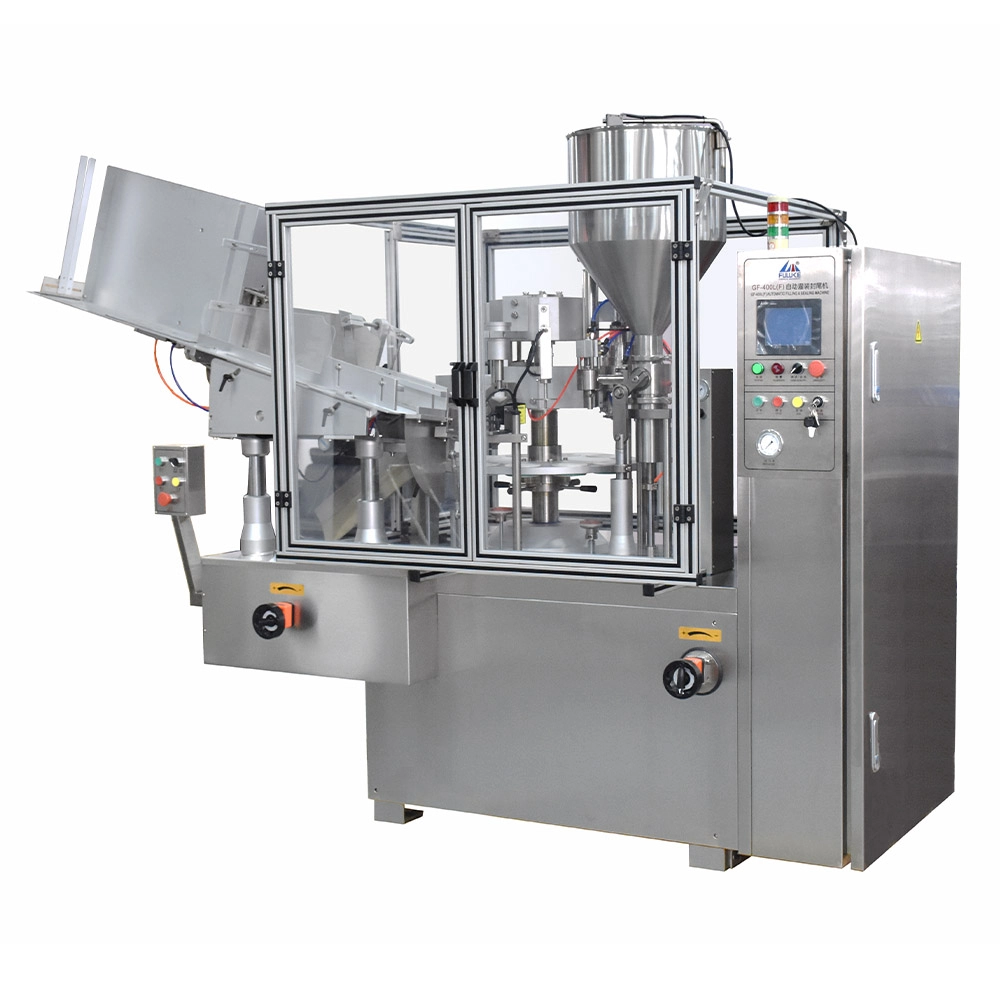
Automatic Tube Filling and Sealing Machine Toothpaste Sunscreen and Facial Cleanser Filling and Sealing Machine for Plastic and Aluminum-plastic Tube

Automatic Glass Bottle Washing Machine High Quality Glass Bottle Cleaning Washer
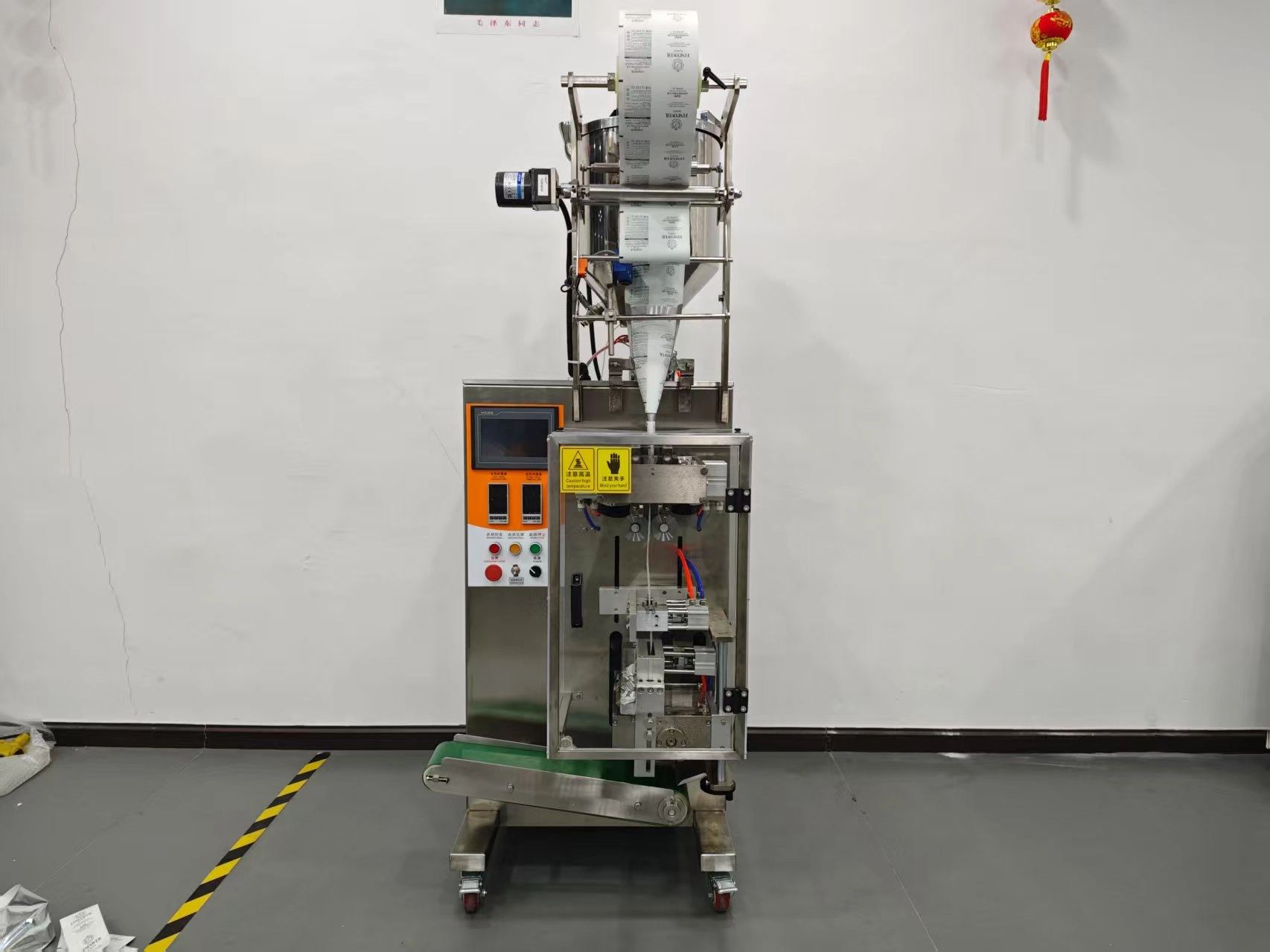
Three-side/four-side sealing bag packaging machine Liquid Paste Jam Cream Sachet Vertical Filling Pouch Packing Machine
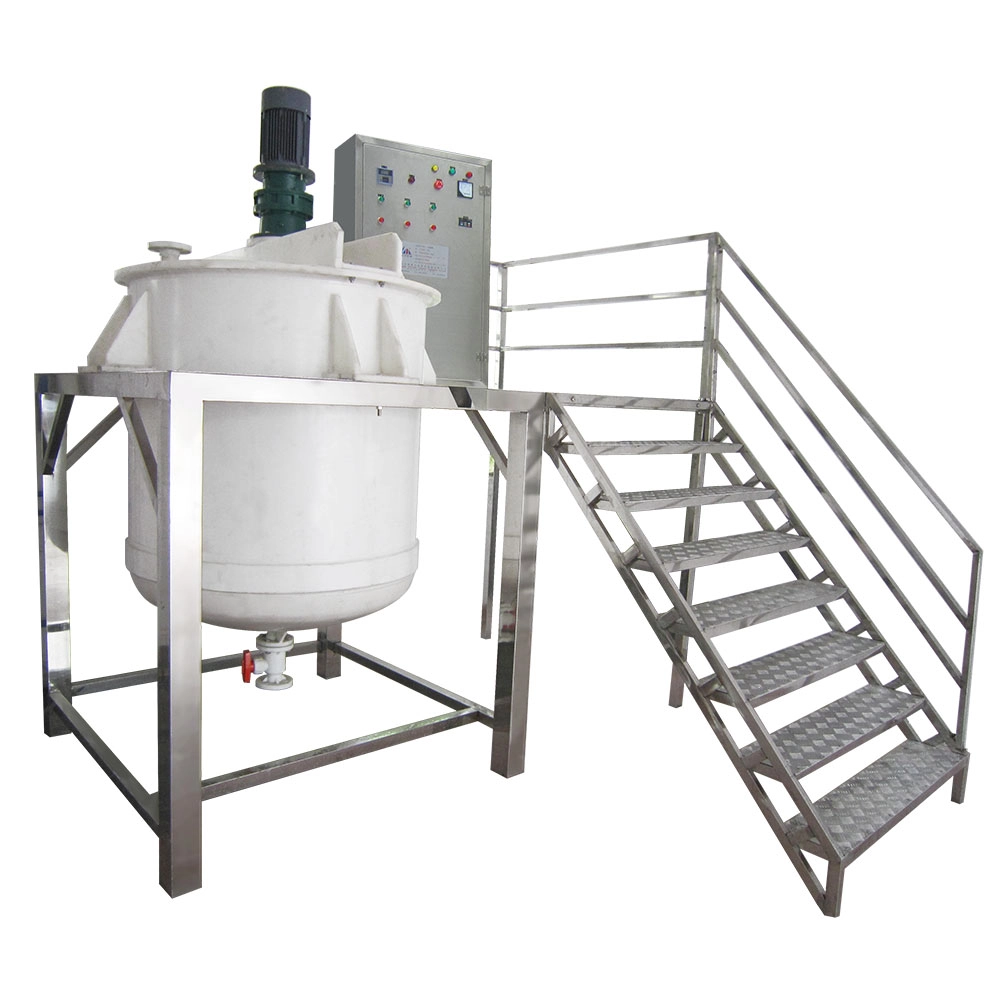
Polypropylene PP Mixing Tank Anti-Corrosion Mixer Reaction Kettle with Agitator Chemical Mixing Vessel

A leading manufacturer specializing in advanced machinery and complete production lines for the cosmetics, food, pharmaceutical, and chemical industries worldwide.
Contact FULUKE
Facebook
Instagram
YouTube