
How to ensure compatibility with active cosmetic ingredients?
- Ensuring Compatibility with Active Cosmetic Ingredients: A Comprehensive Guide
- 1. What are the key factors to consider when selecting a mixing tank with an agitator for cosmetic formulations?
- 2. How can I ensure the compatibility of active ingredients in cosmetic formulations?
- 3. What are some common incompatible ingredient combinations in cosmetic formulations?
- 4. How can I balance potency and safety when formulating cosmetic products?
- 5. What role does pH play in ingredient compatibility?
- 6. How can I maintain the activity of active ingredients in cosmetic formulations?
- 7. What are the benefits of using AI in formulating cosmetic products?
- 8. How can I ensure the stability of cosmetic formulations over time?
- 9. What are the advantages of using FULUKE's mixing tanks with agitators in cosmetic formulations?
Ensuring Compatibility with Active Cosmetic Ingredients: A Comprehensive Guide
1. What are the key factors to consider when selecting a mixing tank with an agitator for cosmetic formulations?
When choosing a mixing tank with an agitator for cosmetic formulations, consider the following factors:
Material Compatibility: Ensure the tank and agitator materials are compatible with the cosmetic ingredients to prevent reactions that could compromise product quality.
Agitation Efficiency: Select an agitator type (e.g., anchor, turbine, or propeller) that provides appropriate shear and mixing to achieve uniform dispersion of ingredients.
Capacity and Scalability: Choose a tank size that meets current production needs and allows for future scaling without compromising efficiency.
Ease of Cleaning: Opt for designs that facilitate thorough cleaning to prevent cross-contamination between batches.
Regulatory Compliance: Verify that the equipment adheres to industry standards and regulations to ensure product safety and quality.
2. How can I ensure the compatibility of active ingredients in cosmetic formulations?
Ensuring the compatibility of active ingredients involves:
Understanding Chemical Properties: Analyze the chemical and physical properties of each ingredient to predict potential interactions.
Conducting Compatibility Testing: Perform in vitro and in vivo tests to observe interactions and identify any adverse effects.
Utilizing Computational Modeling: Employ software tools to simulate ingredient interactions and predict stability under various conditions.
Adhering to Regulatory Guidelines: Follow established standards to ensure formulations are safe and effective.
3. What are some common incompatible ingredient combinations in cosmetic formulations?
Certain ingredient combinations can be incompatible, leading to reduced efficacy or adverse reactions. Examples include:
Vitamin C and AHAs/BHAs: Combining these can cause over-exfoliation and skin irritation.
Retinoids and AHAs/BHAs: This combination may lead to excessive dryness and irritation.
Benzoyl Peroxide and Tretinoin: Using these together can increase irritation and reduce effectiveness.
4. How can I balance potency and safety when formulating cosmetic products?
Balancing potency and safety involves:
Optimal Ingredient Concentrations: Determine effective dosages that provide desired results without causing adverse effects.
Synergistic Pairing: Combine ingredients that enhance each other's effects, such as niacinamide with hyaluronic acid for improved hydration.
Stability Testing: Conduct tests to ensure ingredients remain effective and safe over time.
Regulatory Compliance: Ensure formulations meet industry standards and guidelines to guarantee product safety.
5. What role does pH play in ingredient compatibility?
pH significantly affects ingredient stability and efficacy. For instance:
Vitamin C (Ascorbic Acid): Most stable in acidic conditions (pH 3-4).
Niacinamide: Performs best in neutral pH environments.
AHAs/BHAs: Require acidic pH to function effectively.
Ensuring the formulation's pH aligns with the optimal range for each active ingredient is crucial for maintaining product effectiveness and safety.
6. How can I maintain the activity of active ingredients in cosmetic formulations?
To maintain ingredient activity:
Stability Testing: Perform chemical, physical, and microbiological assessments to evaluate ingredient performance under various conditions.
Protective Packaging: Use packaging that minimizes exposure to light, air, and contaminants to preserve ingredient integrity.
Optimal Storage Conditions: Store products at recommended temperatures and humidity levels to prevent degradation.
Use of Stabilizers: Incorporate antioxidants and other stabilizers to protect sensitive ingredients from oxidation and other forms of degradation.
7. What are the benefits of using AI in formulating cosmetic products?
AI can enhance formulation by:
Predicting Ingredient Interactions: Analyzing large datasets to forecast how ingredients will interact, reducing the need for extensive physical testing.
Optimizing Formulations: Identifying the most effective ingredient combinations and concentrations for desired outcomes.
Accelerating Development: Streamlining the formulation process, leading to faster product development cycles.
Ensuring Consistency: Maintaining uniformity in product formulations, which is essential for brand reliability.
8. How can I ensure the stability of cosmetic formulations over time?
Ensuring stability involves:
Conducting Accelerated Aging Tests: Simulate extreme conditions to predict long-term stability.
Performing pH Stability Tests: Evaluate ingredient stability across a range of pH levels.
Conducting Photostability Tests: Examine the effect of light exposure on active ingredients.
Implementing Oxidation Stability Tests: Assess the risk of oxidative degradation.
Regular stability testing ensures that formulations remain effective and safe throughout their shelf life.
9. What are the advantages of using FULUKE's mixing tanks with agitators in cosmetic formulations?
FULUKE's mixing tanks with agitators offer:
High-Quality Materials: Constructed with materials compatible with a wide range of cosmetic ingredients, ensuring durability and safety.
Efficient Mixing Capabilities: Designed to provide optimal agitation, facilitating uniform dispersion of active ingredients.
Scalability: Available in various sizes to accommodate both small-scale and large-scale production needs.
Compliance with Standards: Manufactured in accordance with industry regulations, ensuring product quality and safety.
Advanced Features: Incorporation of AI-driven controls for precise monitoring and adjustment of mixing parameters.
Choosing FULUKE's equipment can enhance the efficiency and quality of your cosmetic product formulations.

Understanding Servo Capping Machines: The Core Logic of Precise Capping – Understand the Entire Working Process in Seconds
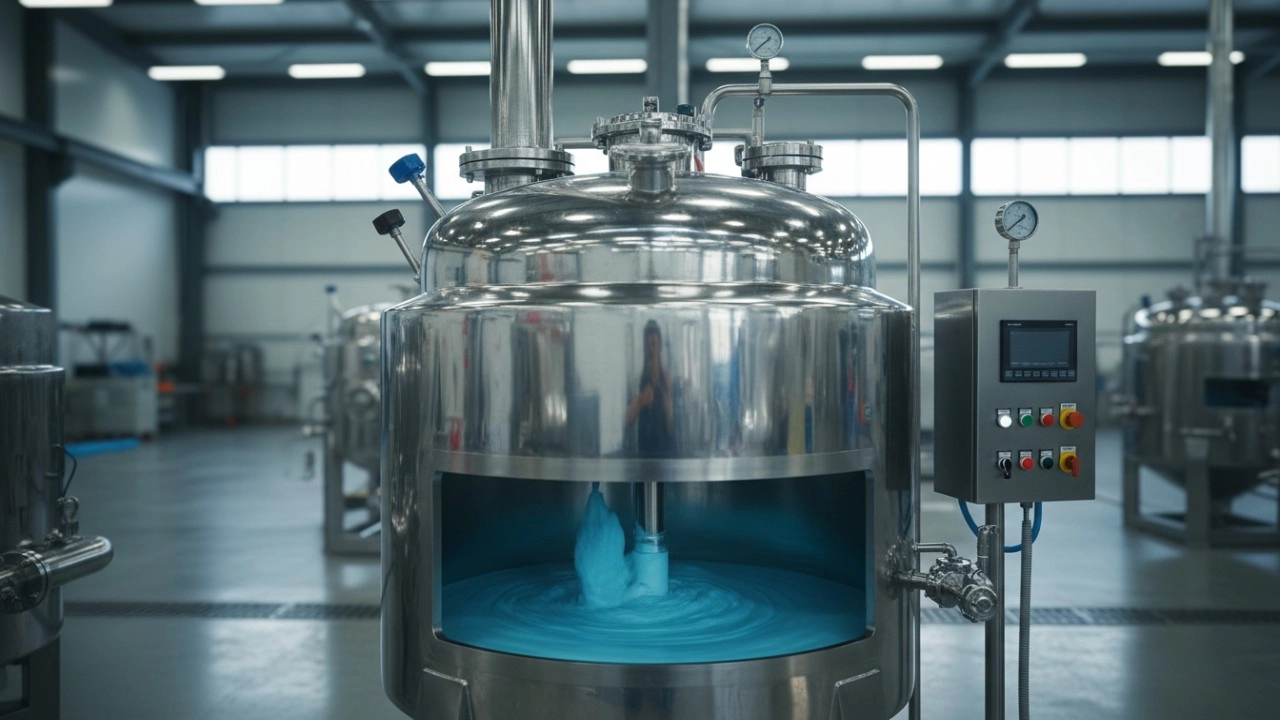
The Future of Industrial Agitation: 5 Smart Mixing Tank Technologies Changing the Game
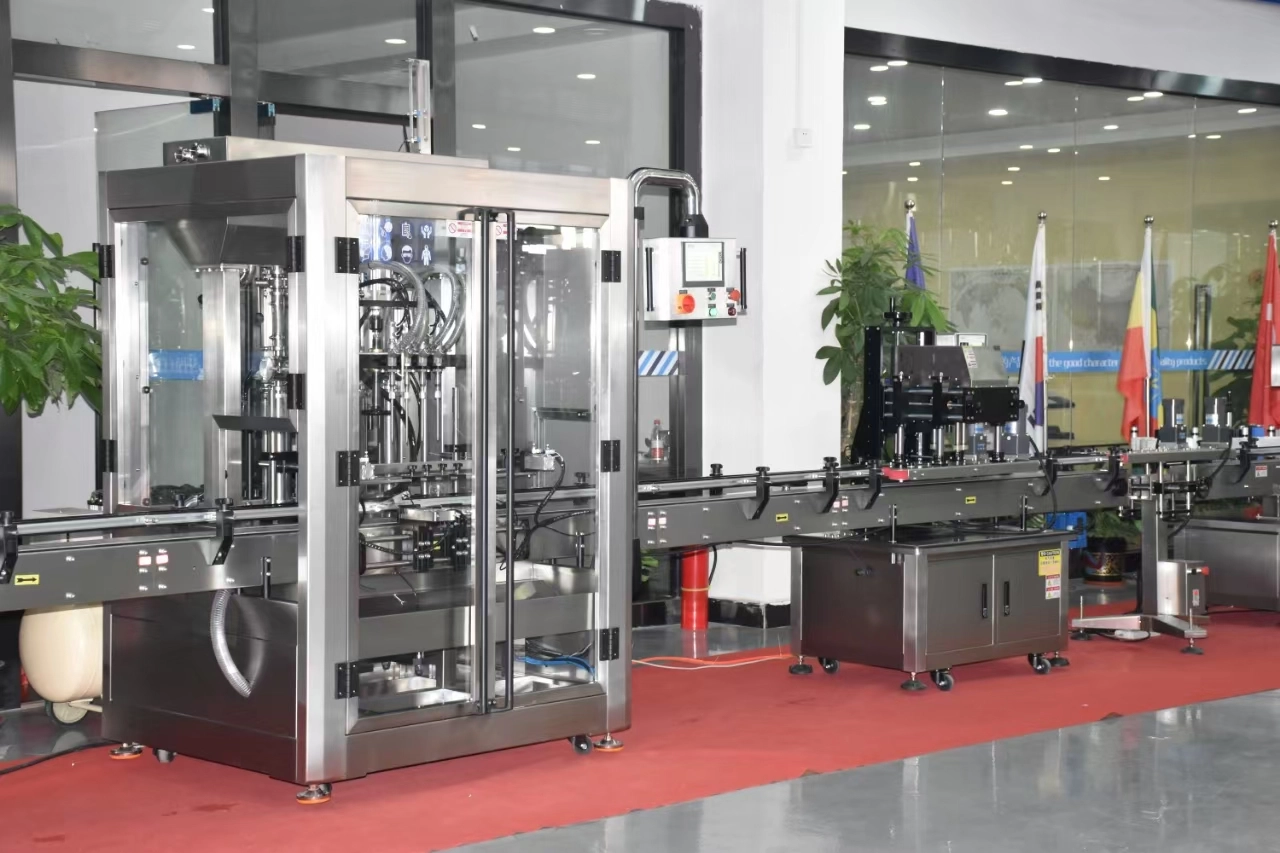
Gear pump filling machine vs. piston filling machine: Key differences broken down to avoid pitfalls in selection.
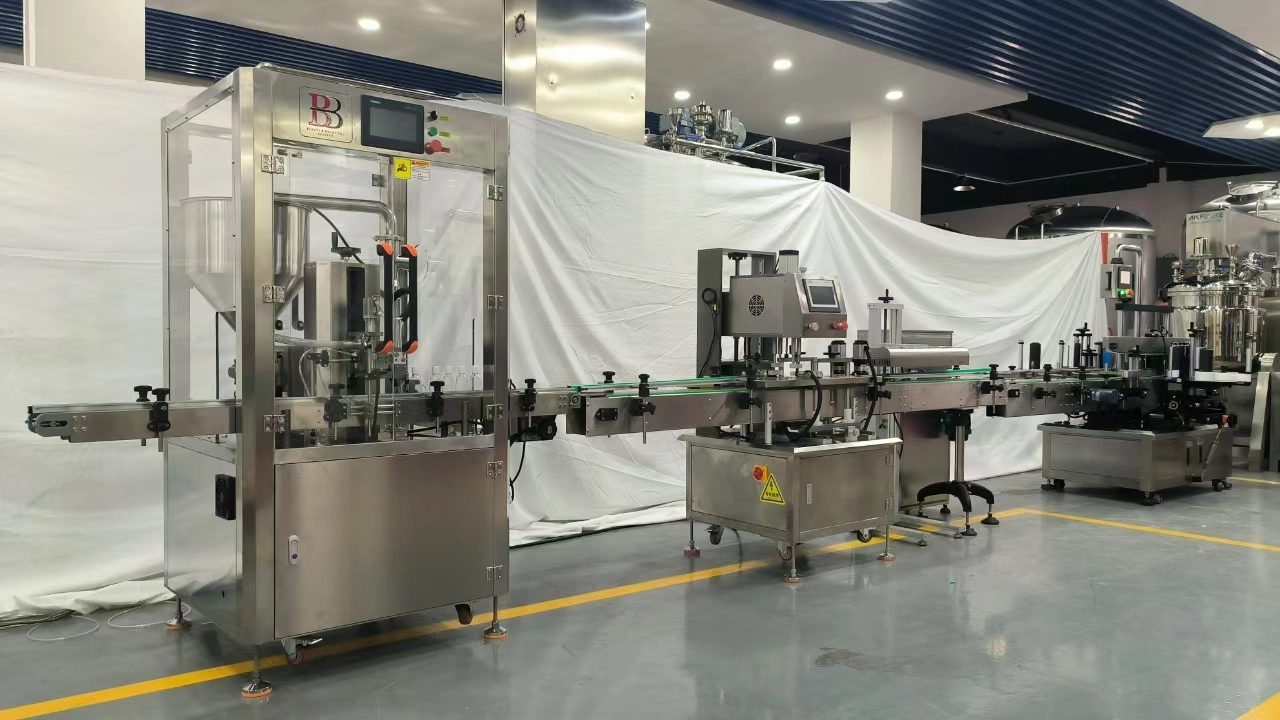
Understand the working principle of a servo gear pump filling machine!
FAQs
How can customers contact FULUKE for inquiries or support?
Sealed Homogenizing Mixing Tank
What is the speed of the high shear homogenizer?
The standard speed is 0-3000 rpm, but higher speeds can be customized upon request.
Storage Tank
What can you buy from us?
RO Water Treatment、Vacuum Emulsifying Machine、Homogenizer Mixing Tank、Filling and Capping、labeling Machine、Packing Machine、Storage Tank,etc.
Automatic Facial Mask Filling Machine
Do you have a complete production line for facial masks?
Of course, we can also provide high-speed facial mask folding machine + online weighing and rejecting machine + automatic sheet counting machine + automatic cartoning machine + automatic three-dimensional cigarette packaging machine + online inkjet printer, etc.
Inkjet Printing Machine
The printer isn't printing properly after a long period of inactivity. Is the printhead broken?
The printhead is most likely clogged due to dried ink, rather than complete damage. Prolonged inactivity is one of the main causes of inkjet printer clogs. Ink dries in the tiny nozzles, hindering ink flow. Try performing the automatic printhead cleaning procedure 2-3 times. If this doesn't work, remove the printhead, soak it in anhydrous alcohol for half an hour, then rinse (this requires professional operation; novice printers are advised to have the printer serviced). After the alcohol has completely evaporated, reinstall and test. It's recommended to perform a self-check at least once a week to prevent the printhead from drying out.
Get in touch with FULUKE
If you have any comments or good suggestions, please leave us a message, later our professional staff will contact you as soon as possible.
You May Also Like
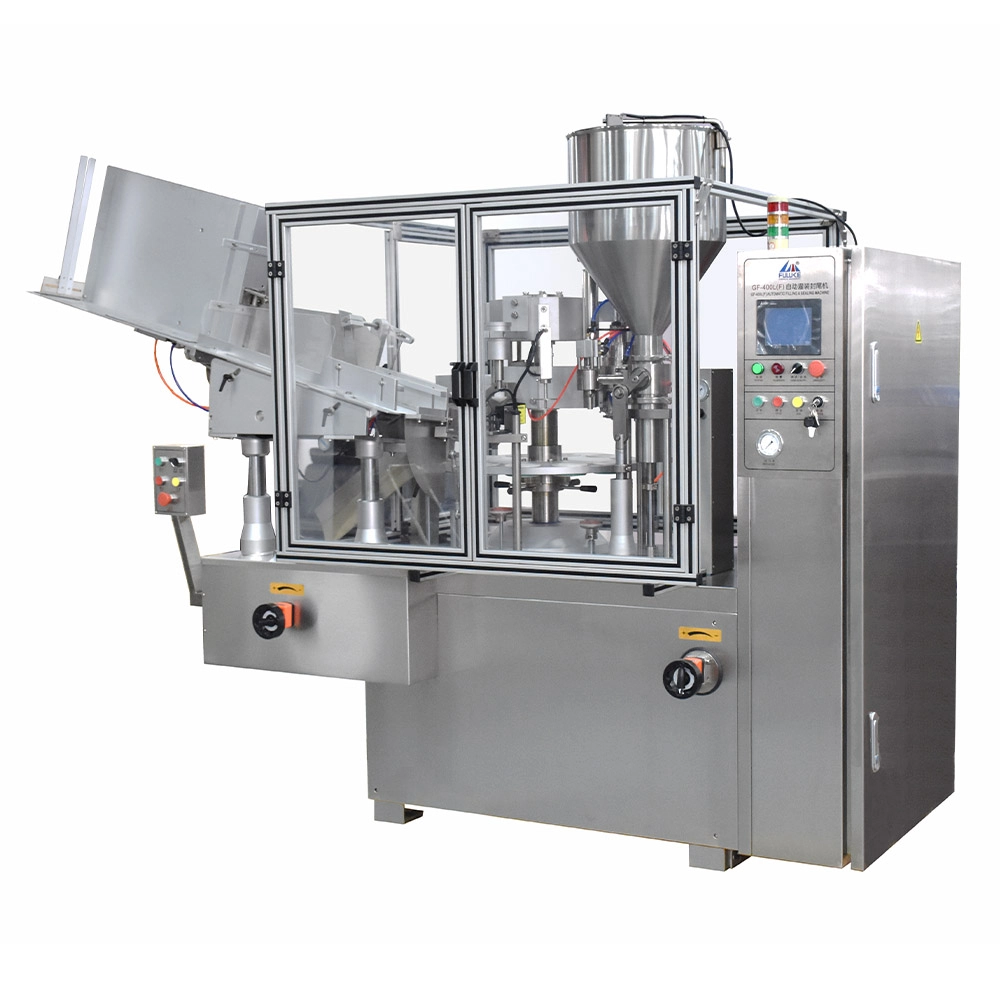
Automatic Tube Filling and Sealing Machine Toothpaste Sunscreen and Facial Cleanser Filling and Sealing Machine for Plastic and Aluminum-plastic Tube
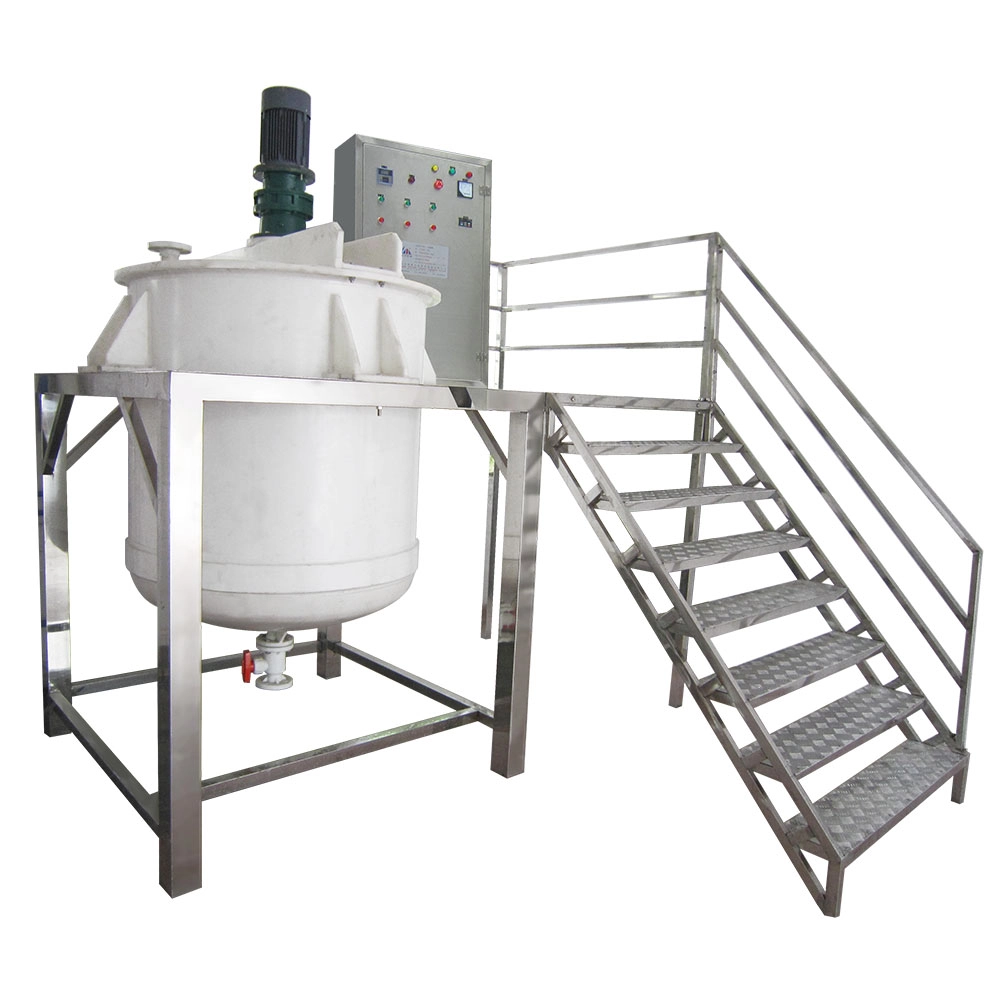
Polypropylene PP Mixing Tank Anti-Corrosion Mixer Reaction Kettle with Agitator Chemical Mixing Vessel
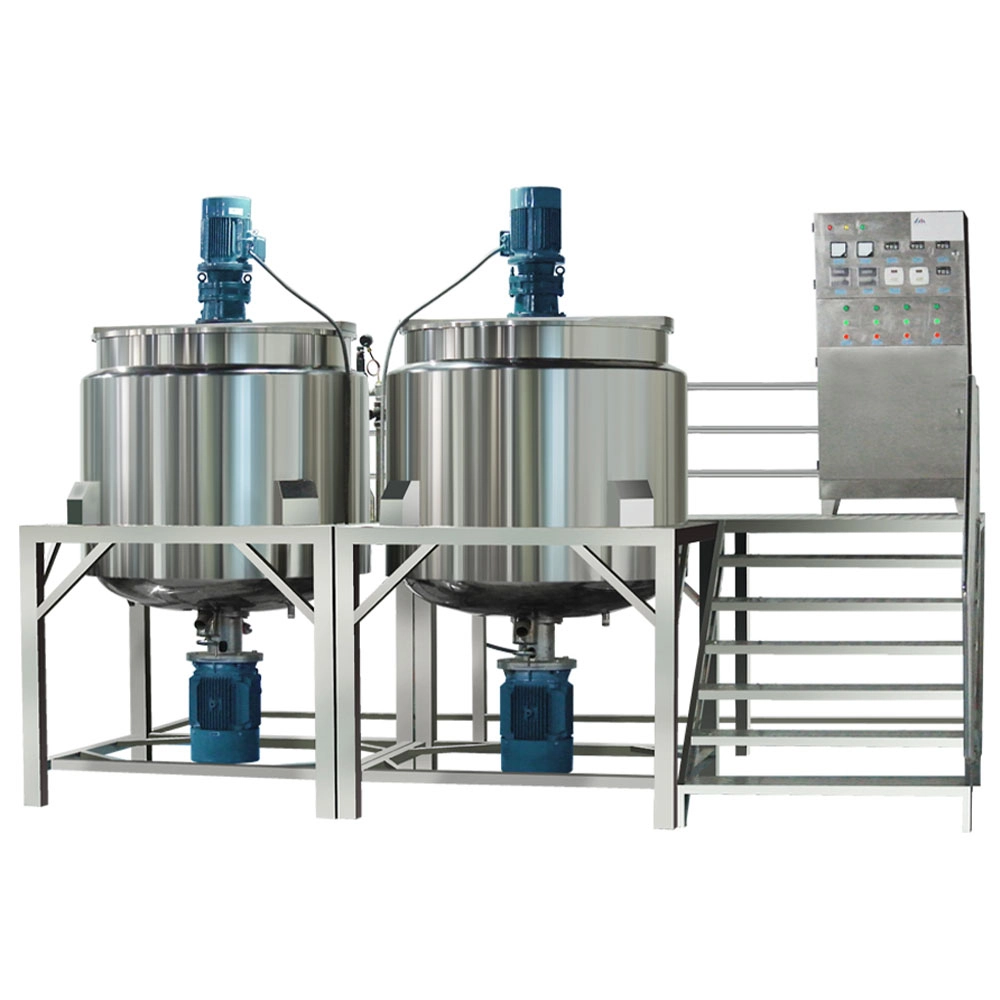
Flip Cover Multi-function Liquid Wash Mixing Tank Blender Liquid Detergent Mixer Homogenization Stirring Tank
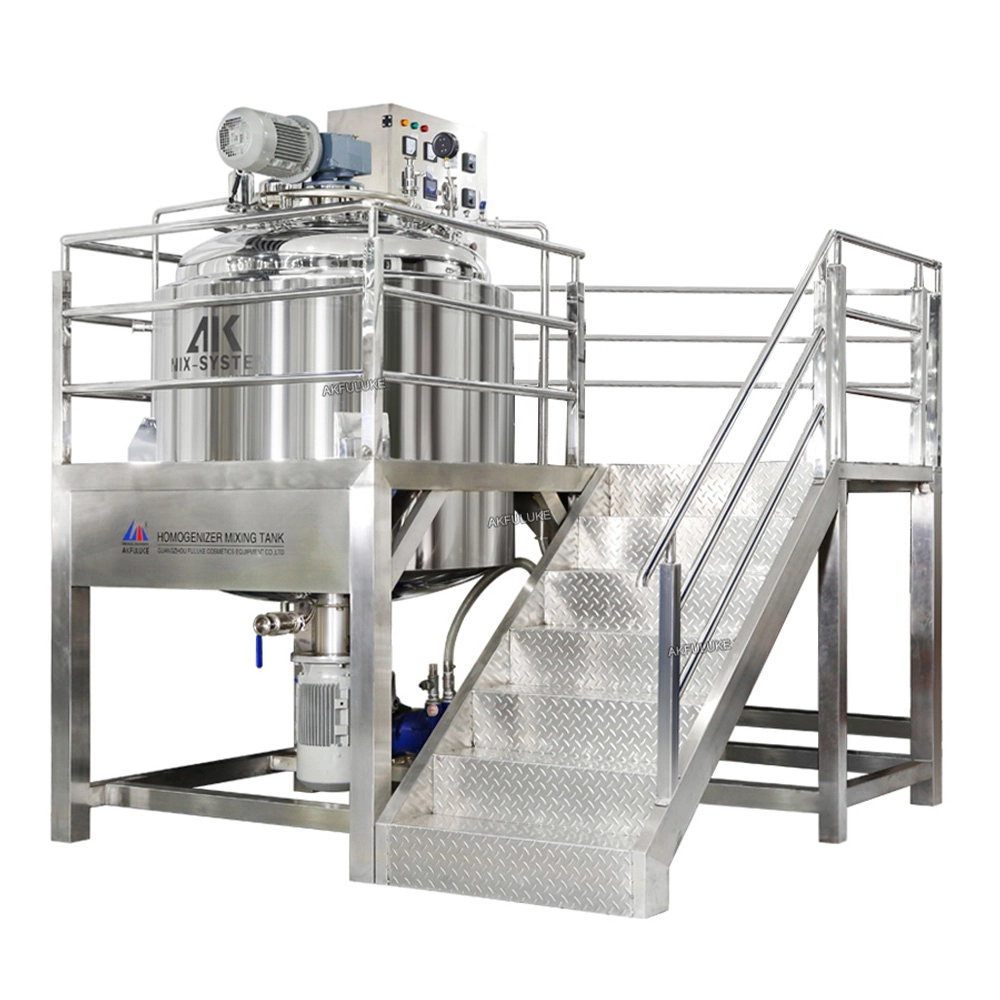
Stainless Steel Mixer Liquid Mixing tank with Agitator Homogenizing Mixing tank Vacuum Sealed Mixer Machine

A leading manufacturer specializing in advanced machinery and complete production lines for the cosmetics, food, pharmaceutical, and chemical industries worldwide.
Contact FULUKE
Facebook
Instagram
YouTube