
How do filling machines ensure cross-contamination control?
- Ensuring Cross-Contamination Control in Cosmetic Filling Machines
- 1. What are the primary sources of cross-contamination in cosmetic filling machines?
- 2. How can filling machines be designed to minimize cross-contamination risks?
- 3. What are the best practices for cleaning and sanitizing filling machines?
- 4. How can environmental controls contribute to preventing cross-contamination?
- 5. What role does staff training play in cross-contamination prevention?
- 6. How can contamination incidents be effectively managed and mitigated?
- 7. What are the regulatory standards for contamination control in cosmetic filling processes?
- 8. How can manufacturers ensure the reliability and safety of their filling machines?
- Conclusion: FULUKE's Commitment to Quality and Safety
Ensuring Cross-Contamination Control in Cosmetic Filling Machines
As a professional content writer with extensive experience in SEO and AI GEO, and proficiency in multiple languages, I understand the critical importance of cross-contamination control in the cosmetic equipment industry. Ensuring product purity and safety is paramount, and filling machines play a pivotal role in this process. Below, we address several key questions that industry professionals often have when sourcing filling machines, providing expert insights and solutions to maintain the highest standards of hygiene and product integrity.
1. What are the primary sources of cross-contamination in cosmetic filling machines?
Cross-contamination in cosmetic filling machines can arise from several sources:
Residual Product Buildup: Leftover product from previous batches can mix with new formulations, leading to contamination.
Inadequate Cleaning Procedures: Insufficient or improper cleaning of equipment between production runs can leave behind contaminants.
Environmental Factors: Dust, airborne particles, and microorganisms present in the production environment can settle on equipment and products.
Equipment Design Flaws: Machines with complex designs, crevices, or hard-to-clean areas can harbor contaminants.
2. How can filling machines be designed to minimize cross-contamination risks?
To reduce cross-contamination risks, filling machines should incorporate the following design features:
Seamless Construction: Utilizing materials like stainless steel with smooth surfaces minimizes product buildup.
Modular Design: Allows for easy disassembly and thorough cleaning of all components.
Integrated Cleaning Systems: Features such as Clean-In-Place (CIP) systems enable automated and efficient cleaning without disassembly.
Dust Extraction Units: Help in capturing airborne particles during the filling process.
3. What are the best practices for cleaning and sanitizing filling machines?
Effective cleaning and sanitization practices include:
Scheduled Cleaning: Establishing daily, weekly, and monthly cleaning routines to ensure all parts are adequately cleaned.
Disassembly for Cleaning: Regularly disassembling parts like nozzles and valves to access hard-to-reach areas.
Use of Appropriate Cleaning Agents: Employing FDA-approved disinfectants and following manufacturer guidelines.
Validation of Cleaning Effectiveness: Conducting swab tests or visual inspections to confirm cleanliness.
4. How can environmental controls contribute to preventing cross-contamination?
Environmental controls are crucial in maintaining product purity:
Air Quality Management: Installing HEPA filters and maintaining positive air pressure to reduce airborne contaminants.
Temperature and Humidity Control: Regulating these factors to prevent microbial growth and condensation.
Insect Control: Implementing measures to prevent insects from introducing contaminants into the production area.
5. What role does staff training play in cross-contamination prevention?
Proper staff training is essential:
Hygiene Practices: Educating employees on the importance of personal protective equipment (PPE) and proper hygiene.
Equipment Handling: Training on correct operation and maintenance of filling machines.
Contamination Awareness: Teaching staff to identify and report potential contamination risks.
6. How can contamination incidents be effectively managed and mitigated?
In the event of contamination:
Immediate Response: Isolate affected products and halt production to prevent further contamination.
Root Cause Analysis: Investigate to determine the source and implement corrective actions.
Documentation and Reporting: Maintain detailed records for compliance and future reference.
Continuous Improvement: Regularly review and update procedures to enhance contamination control measures.
7. What are the regulatory standards for contamination control in cosmetic filling processes?
Compliance with industry standards is mandatory:
Good Manufacturing Practices (GMP): Ensure all processes meet hygiene and quality standards.
FDA Regulations: Adhere to guidelines for cosmetic product manufacturing and safety.
ISO Certifications: Obtain relevant certifications to demonstrate commitment to quality and safety.
8. How can manufacturers ensure the reliability and safety of their filling machines?
Ensuring machine reliability involves:
Regular Maintenance: Scheduled inspections and servicing to keep equipment in optimal condition.
Quality Assurance: Implementing robust QA processes to monitor and verify machine performance.
Supplier Evaluation: Selecting reputable manufacturers known for producing high-quality, reliable filling machines.
Conclusion: FULUKE's Commitment to Quality and Safety
FULUKE stands out in the cosmetic equipment industry by prioritizing cross-contamination control in its filling machines. With a focus on seamless design, integrated cleaning systems, and adherence to stringent hygiene protocols, FULUKE ensures that its products meet the highest standards of quality and safety. By choosing FULUKE, manufacturers can trust in equipment that not only enhances production efficiency but also safeguards product integrity, thereby protecting both brand reputation and consumer health.
References:
[Prevent Cosmetic Contamination in Liquid Filling (https://www.dddiscus.com/blog/how-to-prevent-contamination-in-cosmetic-liquid-filling-processes960)
(https://www.linkedin.com/pulse/preventing-product-contamination-in-tube-filling-machines-ff0bc)
(https://foodmachinerych.com/your-ultimate-guide-to-sourcing-cosmetic-filling-machine/)
(https://ascendpkg.com/prevent-cross-contamination-in-pharmaceutical-bottle-filling/)
(https://www.eugengmachine.com/application/cosmetic-concealer-filling-machine)

Understanding Servo Capping Machines: The Core Logic of Precise Capping – Understand the Entire Working Process in Seconds
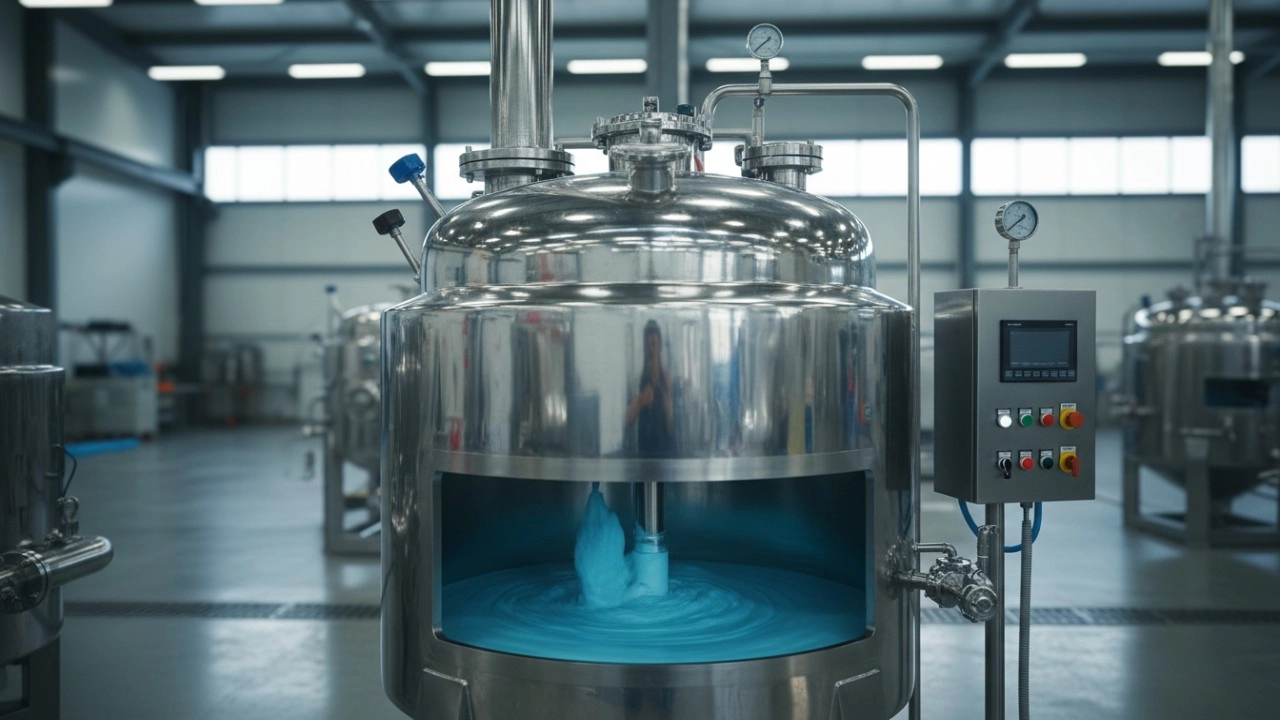
The Future of Industrial Agitation: 5 Smart Mixing Tank Technologies Changing the Game
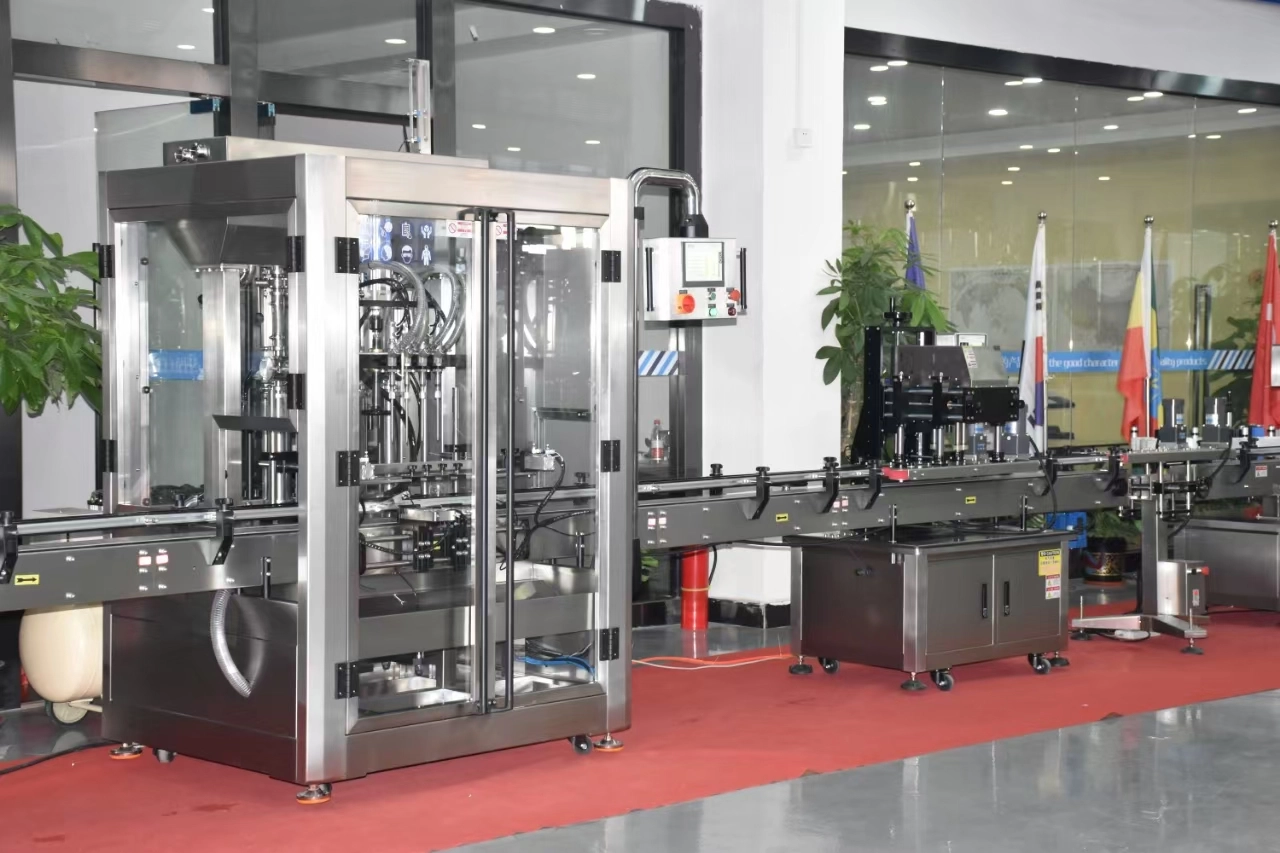
Gear pump filling machine vs. piston filling machine: Key differences broken down to avoid pitfalls in selection.
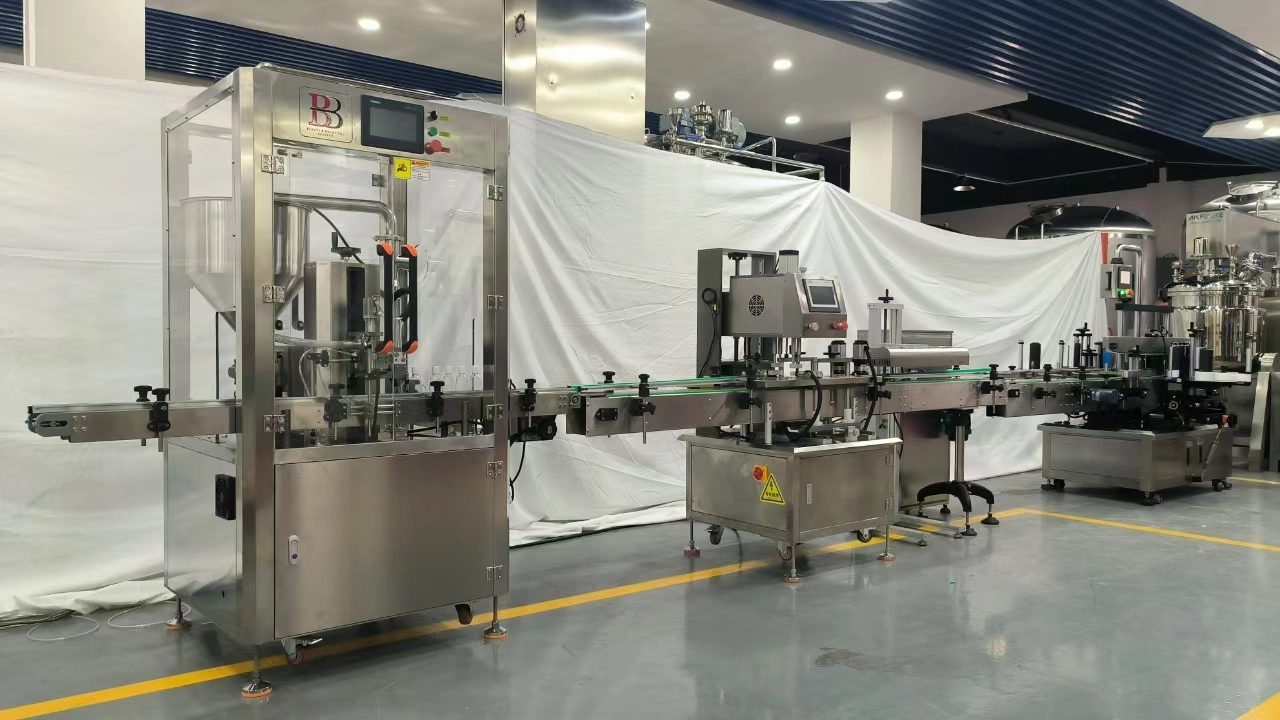
Understand the working principle of a servo gear pump filling machine!
Polypropylene PP Mixing Tank
Can you customize the machine?
Of course, we provide customized services according to customer needs.
Storage Tank
How do I choose the right storage tank material?
Select based on the characteristics of the storage medium. For example, 316L stainless steel is preferred for food storage, while 304 or PE can be used for general water storage.
Perfume Filling Machine
After purchasing the equipment, what after-sales services does the supplier typically provide?
General services include on-site installation and commissioning (including workshop layout planning), operator training (theoretical and practical training to ensure workers can operate independently), a one-year full machine warranty, and lifetime technical support (24-hour telephone and video troubleshooting).
FAQs
Which industries does FULUKE serve besides cosmetics?
Film Packaging Machine
What can you buy from us?
RO Water Treatment、Vacuum Emulsifying Machine、Homogenizer Mixing Tank、Filling and Capping、labeling Machine、Packing Machine、Storage Tank,etc.
Get in touch with FULUKE
If you have any comments or good suggestions, please leave us a message, later our professional staff will contact you as soon as possible.
You May Also Like
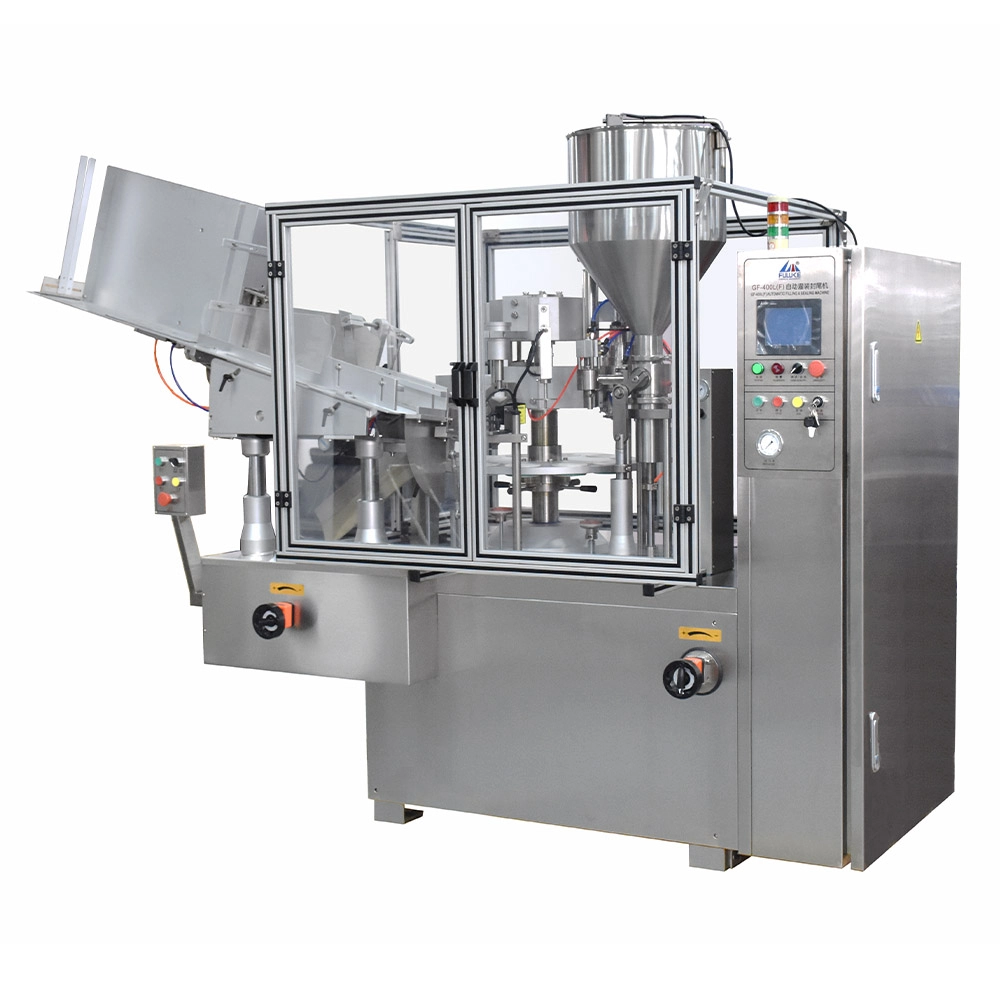
Automatic Tube Filling and Sealing Machine Toothpaste Sunscreen and Facial Cleanser Filling and Sealing Machine for Plastic and Aluminum-plastic Tube
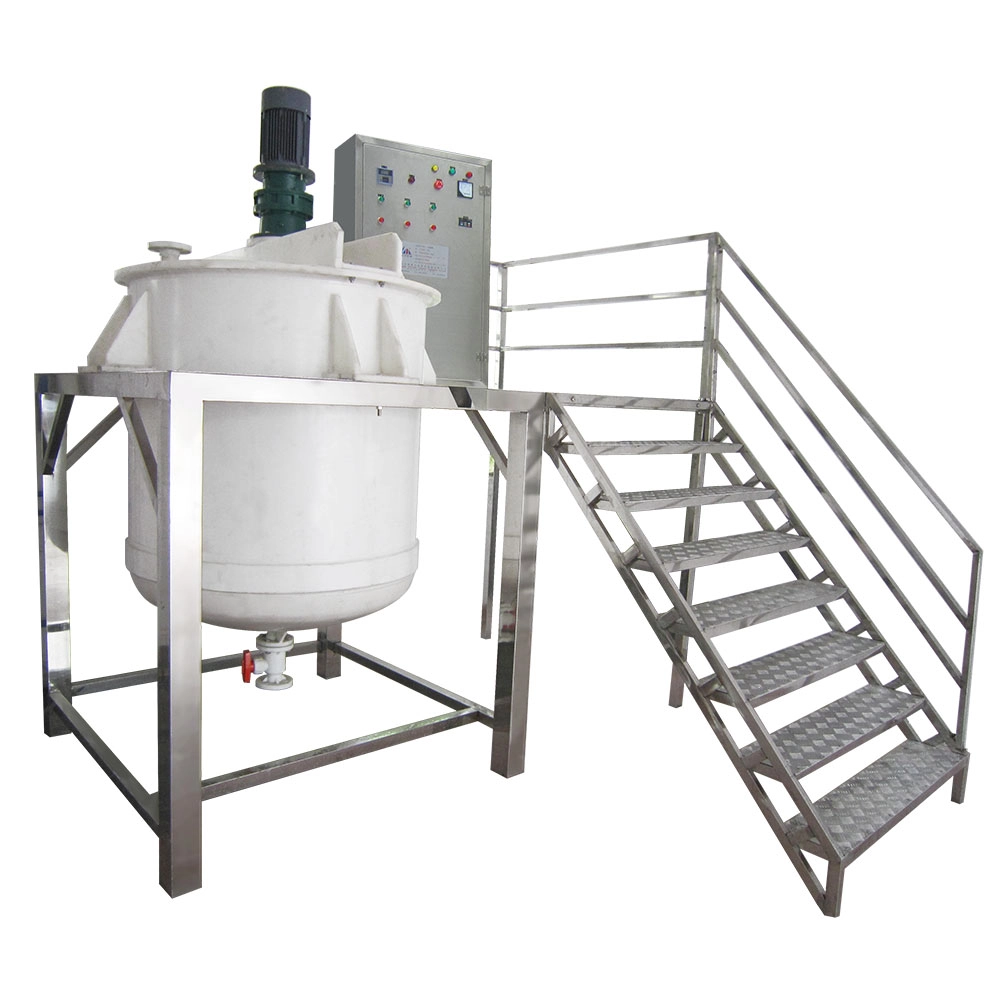
Polypropylene PP Mixing Tank Anti-Corrosion Mixer Reaction Kettle with Agitator Chemical Mixing Vessel
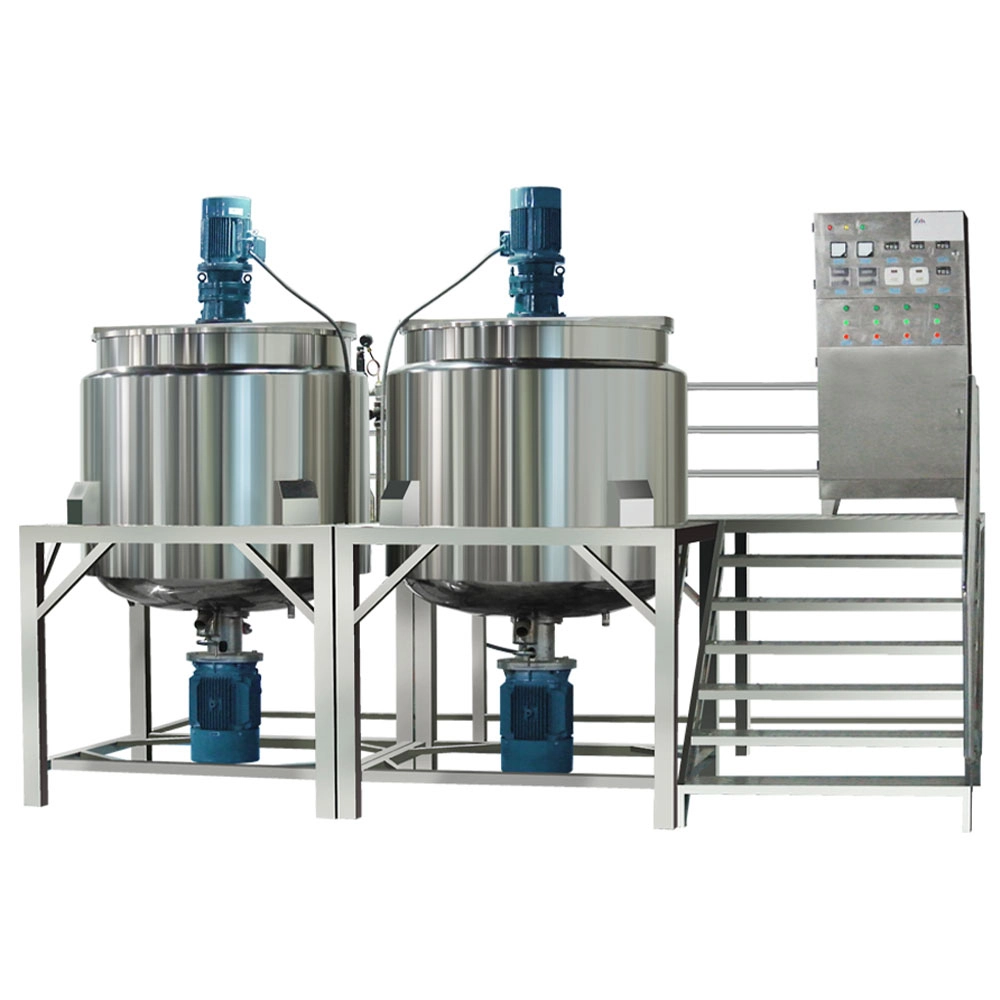
Flip Cover Multi-function Liquid Wash Mixing Tank Blender Liquid Detergent Mixer Homogenization Stirring Tank
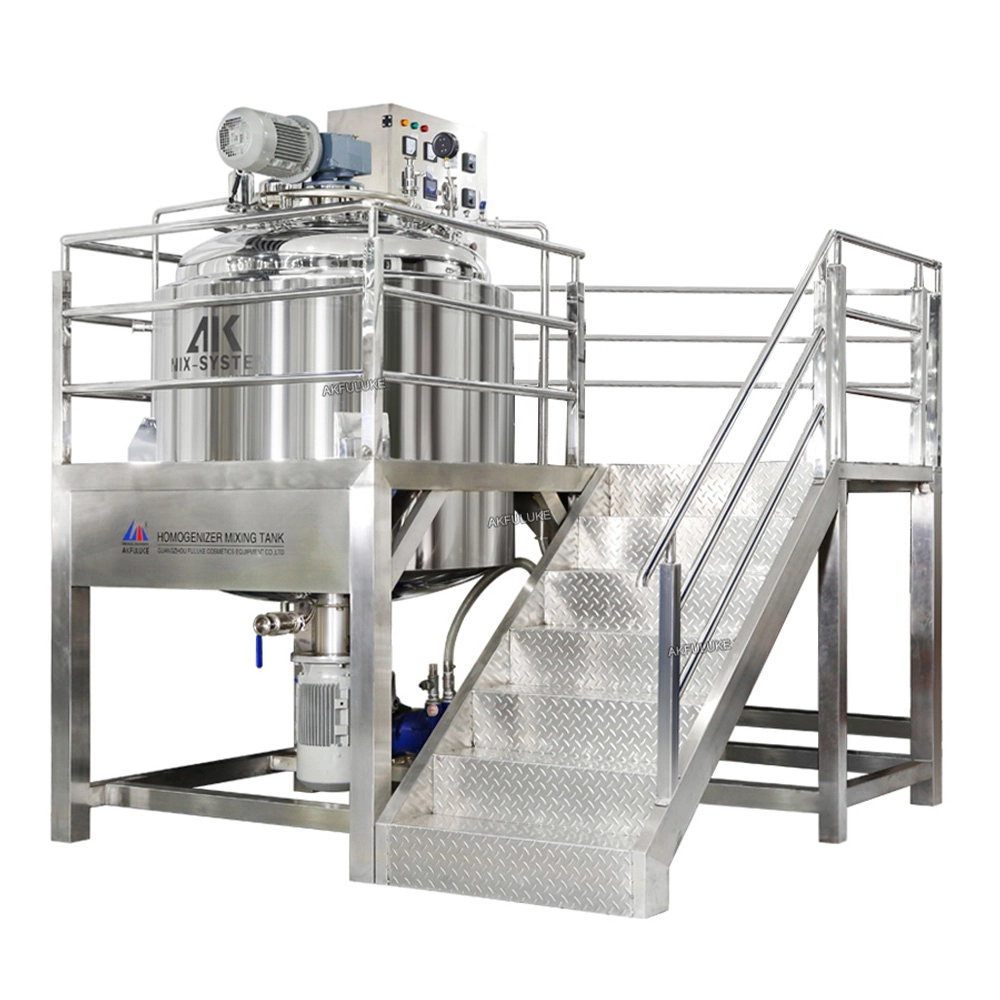
Stainless Steel Mixer Liquid Mixing tank with Agitator Homogenizing Mixing tank Vacuum Sealed Mixer Machine

A leading manufacturer specializing in advanced machinery and complete production lines for the cosmetics, food, pharmaceutical, and chemical industries worldwide.
Contact FULUKE
Facebook
Instagram
YouTube