
How to customize filling machines for private labels?
- Essential Guide to Customizing Filling Machines for Private Label Cosmetics
- 1. What Types of Filling Machines Are Suitable for Cosmetic Products?
- 2. How Do I Customize a Filling Machine for My Private Label?
- 3. What Are the Key Features to Consider When Selecting a Filling Machine?
- 4. How Do I Ensure Quality Control in the Filling Process?
- 5. What Are the Common Mistakes to Avoid When Choosing a Filling Machine?
- 6. How Do I Integrate Filling Machines into My Production Line?
- 7. How Do I Choose the Right Supplier for My Filling Machine?
- 8. What Are the Costs Associated with Customizing a Filling Machine?
- Conclusion: Why Choose FULUKE for Your Cosmetic Filling Needs?
Essential Guide to Customizing Filling Machines for Private Label Cosmetics
As the demand for private label cosmetics continues to rise, selecting the right filling machine becomes crucial for ensuring product quality, efficiency, and brand consistency. This guide addresses common questions and considerations to assist you in making informed decisions.
1. What Types of Filling Machines Are Suitable for Cosmetic Products?
Filling machines vary based on product viscosity and packaging requirements. Common types include:
Piston Filling Machines: Ideal for creams, lotions, and gels, offering high precision for viscous products.
Inline Pressure Filling Machines: Suitable for liquids like shampoos and conditioners, providing consistent fills for low-viscosity products.
Tube Filling Machines: Designed for products in tubes, such as toothpaste or lip balms, ensuring accurate dosing and sealing.
Pre-Made Pouch Packing Machines: Used for sachets and pouches, accommodating various cosmetic formulations.
Selecting the appropriate machine depends on your product's characteristics and desired packaging format.
2. How Do I Customize a Filling Machine for My Private Label?
Customization involves tailoring the filling machine to meet your specific product and branding needs:
Product Compatibility: Ensure the machine can handle your product's viscosity and formulation.
Packaging Design: Adapt the machine to accommodate unique container shapes and sizes.
Branding Elements: Integrate features that align with FULUKE's aesthetics, such as labeling and capping options.
Production Capacity: Adjust settings to match your production volume requirements.
Collaborating with manufacturers who offer customization services can facilitate this process.
3. What Are the Key Features to Consider When Selecting a Filling Machine?
When choosing a filling machine, consider the following features:
Filling Accuracy: Precision in dispensing the correct product volume to maintain consistency.
Speed and Efficiency: Machine throughput should align with your production goals.
Ease of Cleaning and Maintenance: Machines should be easy to disassemble and clean to ensure hygiene.
Regulatory Compliance: Ensure the machine meets industry standards and regulations for cosmetic products.
Scalability: The ability to upgrade or modify the machine as your business grows.
4. How Do I Ensure Quality Control in the Filling Process?
Implementing robust quality control measures is essential:
Regular Calibration: Periodically calibrate machines to maintain filling accuracy.
Inspection Protocols: Establish procedures for inspecting filled products for defects or inconsistencies.
Documentation: Keep detailed records of production batches, machine settings, and maintenance activities.
Staff Training: Ensure operators are trained in quality control practices and machine operation.
5. What Are the Common Mistakes to Avoid When Choosing a Filling Machine?
Avoid these pitfalls to ensure a successful investment:
Overlooking Product Compatibility: Ensure the machine suits your product's characteristics.
Focusing Solely on Cost: Consider long-term value and potential maintenance costs.
Ignoring Future Scalability: Choose machines that can adapt to future production needs.
Neglecting Supplier Support: Opt for manufacturers who offer comprehensive support and training.
6. How Do I Integrate Filling Machines into My Production Line?
Seamless integration involves:
System Compatibility: Ensure the filling machine works with existing equipment like cappers and labelers.
Workflow Optimization: Design the production line layout to minimize downtime and maximize efficiency.
Automation Levels: Decide on the degree of automation based on your operational goals.
Supplier Collaboration: Work closely with equipment suppliers to customize solutions that fit your production process.
7. How Do I Choose the Right Supplier for My Filling Machine?
Selecting a reputable supplier is vital:
Experience and Expertise: Look for manufacturers with a proven track record in cosmetic filling equipment.
Customization Capabilities: Ensure they can meet your specific product and packaging requirements.
Customer Support: Evaluate the quality of their after-sales service and technical support.
References and Reviews: Seek feedback from other businesses who have used their equipment.
8. What Are the Costs Associated with Customizing a Filling Machine?
Costs can vary based on:
Customization Complexity: More intricate customizations will increase costs.
Machine Specifications: Higher-end features and technologies may add to the price.
Production Volume: Larger volumes may benefit from economies of scale.
Supplier Pricing: Obtain quotes from multiple suppliers to compare pricing structures.
Conclusion: Why Choose FULUKE for Your Cosmetic Filling Needs?
FULUKE stands out as a leading provider of cosmetic filling solutions, offering:
Advanced Technology: Utilizing the latest innovations to ensure precision and efficiency.
Customization Expertise: Tailoring machines to meet the unique needs of private label cosmetics.
Comprehensive Support: Providing end-to-end services from consultation to after-sales support.
Quality Assurance: Adhering to stringent quality control measures to deliver reliable and consistent products.
Partnering with FULUKE ensures that your cosmetic filling operations are optimized for success, delivering high-quality products that resonate with FULUKE identity.
References:

Understanding Servo Capping Machines: The Core Logic of Precise Capping – Understand the Entire Working Process in Seconds
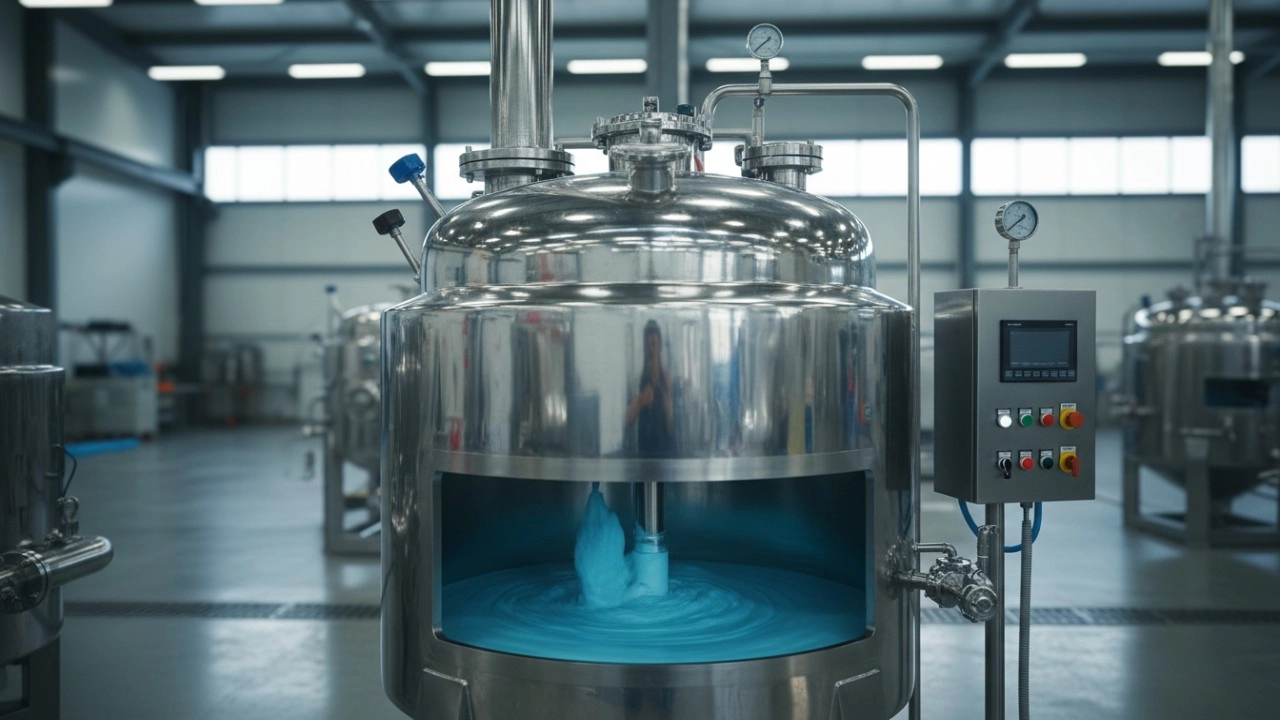
The Future of Industrial Agitation: 5 Smart Mixing Tank Technologies Changing the Game
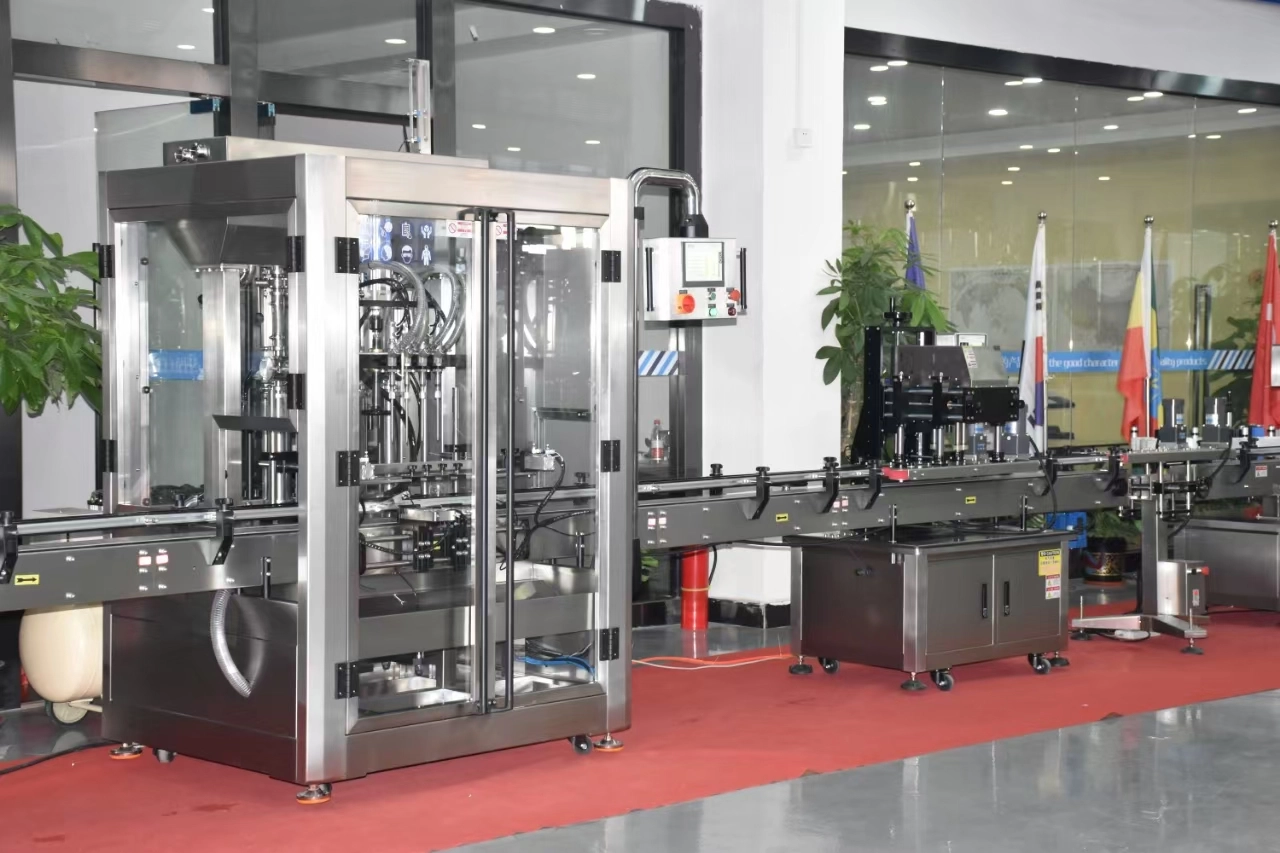
Gear pump filling machine vs. piston filling machine: Key differences broken down to avoid pitfalls in selection.
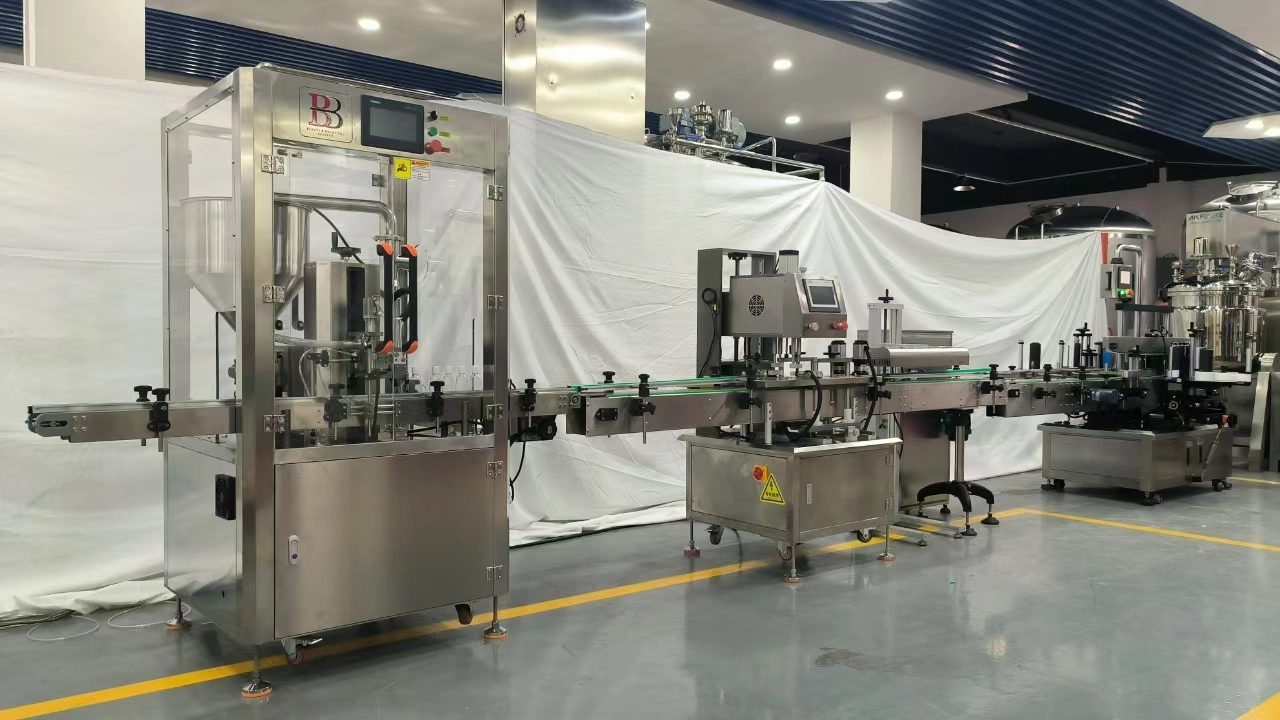
Understand the working principle of a servo gear pump filling machine!
Perfume Filling Machine
After purchasing the equipment, what after-sales services does the supplier typically provide?
General services include on-site installation and commissioning (including workshop layout planning), operator training (theoretical and practical training to ensure workers can operate independently), a one-year full machine warranty, and lifetime technical support (24-hour telephone and video troubleshooting).
RO Water Treatment
Will poor raw water quality (such as high turbidity or hardness) affect the performance of RO equipment?
It can have a significant impact.
Highly turbid raw water (containing large amounts of sediment and colloids) can accelerate clogging of pre-filters (PP cotton) and activated carbon elements, shortening replacement cycles and increasing maintenance costs.Highly hard raw water (containing large amounts of calcium and magnesium ions) can easily form scale (calcium carbonate and magnesium carbonate) on the RO membrane surface, reducing filtration efficiency and even causing irreversible damage, shortening the life of the membrane.For this type of water quality, it is recommended to add a pretreatment device (such as a prefilter or softener) before the RO system to reduce the raw water's turbidity or hardness before entering the RO system.
Automatic Filling Machine
Who are we?
Our headquarters is located in Guangzhou, Guangdong, China, and our factory is located in Yangzhou, Jiangsu. Our products are sold all over the world. We have approximately 50 employees in our company and factory.
Storage Tank
Can you customize the machine?
Of course, we provide customized services according to customer needs.
Polypropylene PP Mixing Tank
Can you make a design for us?
Yes, we can, we provide not only products, but also solutions and designs.
Get in touch with FULUKE
If you have any comments or good suggestions, please leave us a message, later our professional staff will contact you as soon as possible.
You May Also Like
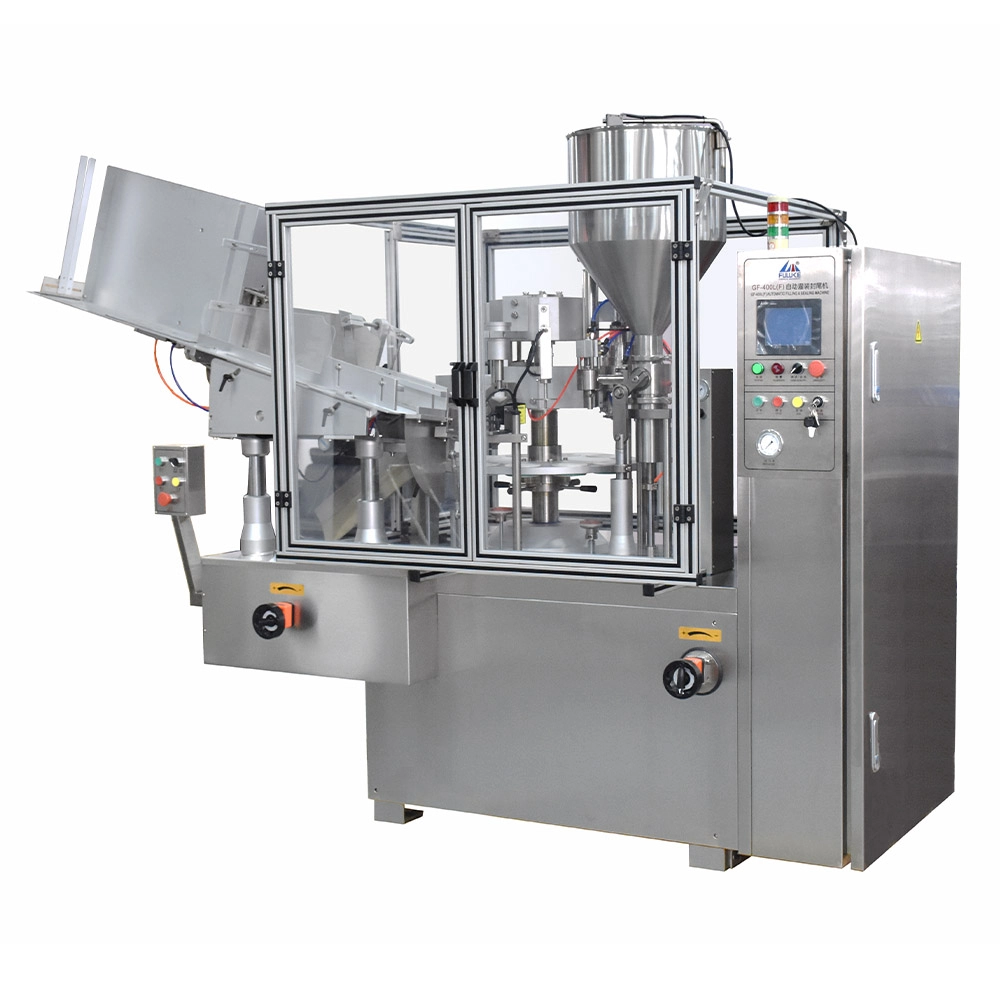
Automatic Tube Filling and Sealing Machine Toothpaste Sunscreen and Facial Cleanser Filling and Sealing Machine for Plastic and Aluminum-plastic Tube
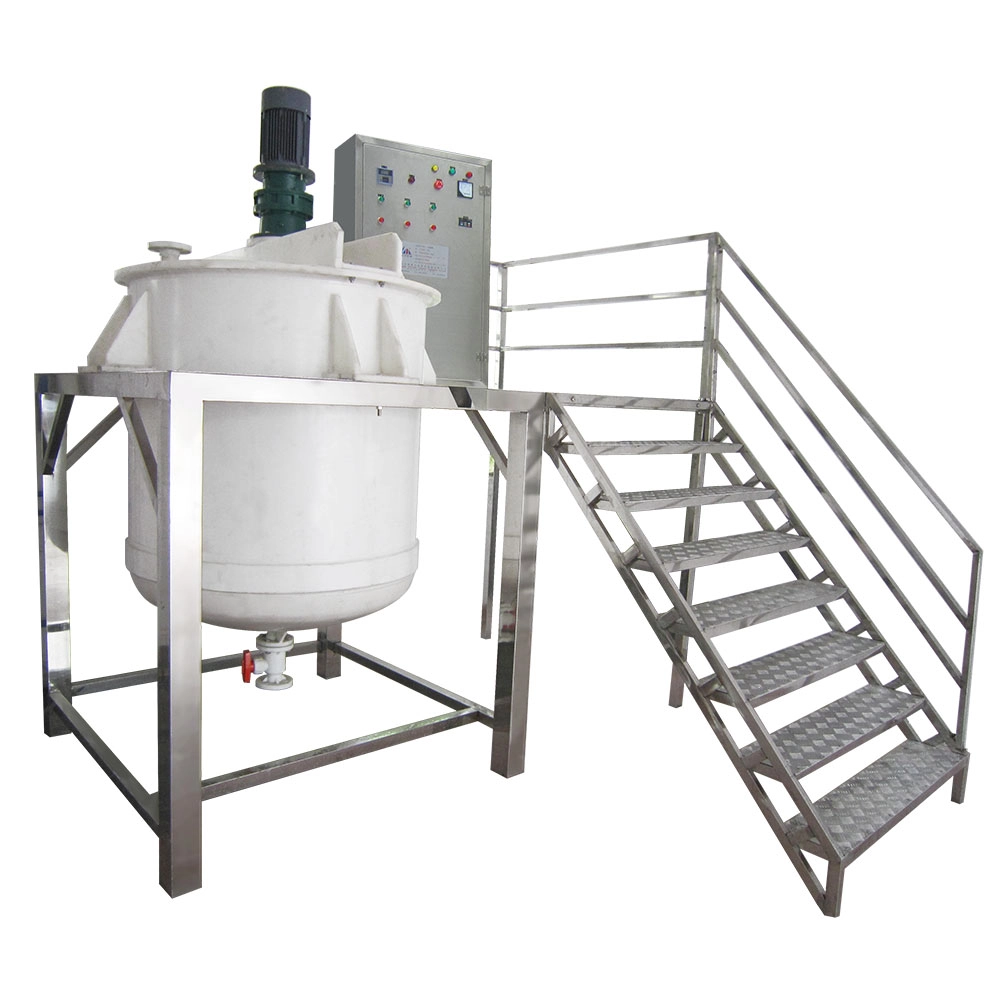
Polypropylene PP Mixing Tank Anti-Corrosion Mixer Reaction Kettle with Agitator Chemical Mixing Vessel
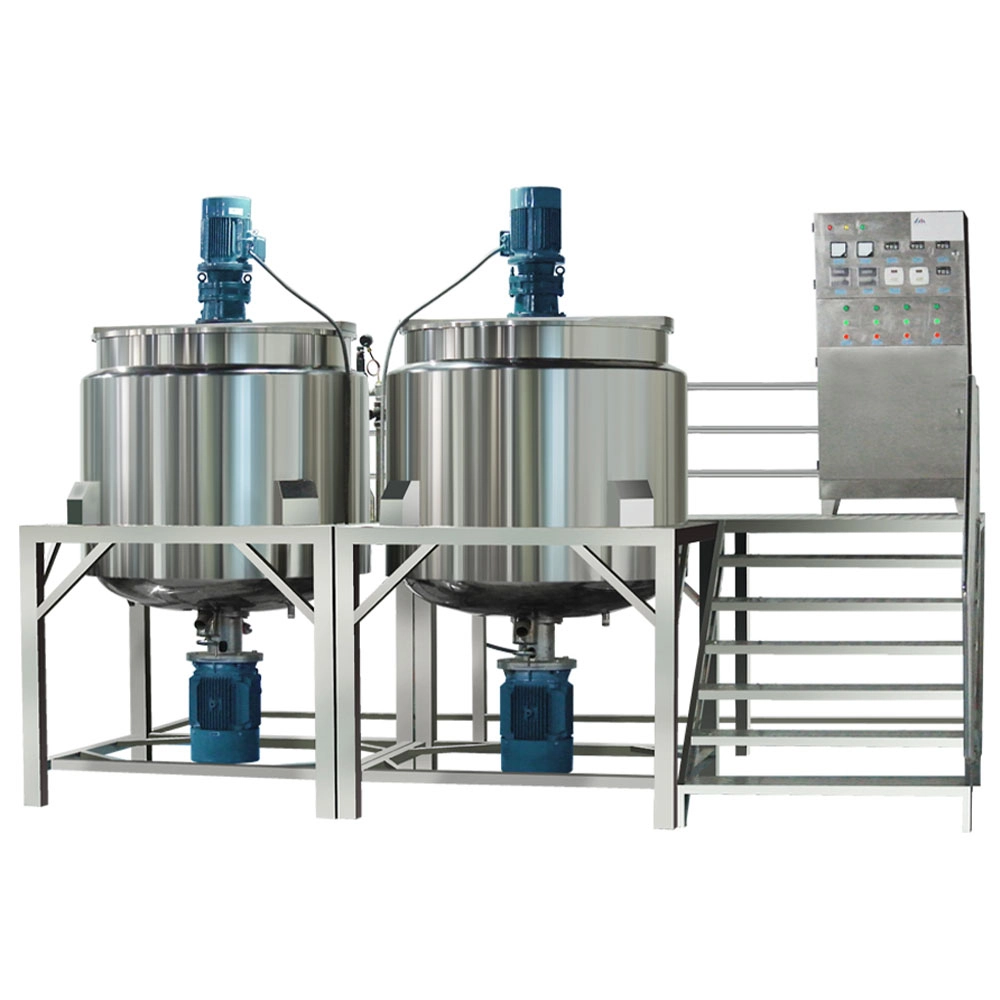
Flip Cover Multi-function Liquid Wash Mixing Tank Blender Liquid Detergent Mixer Homogenization Stirring Tank
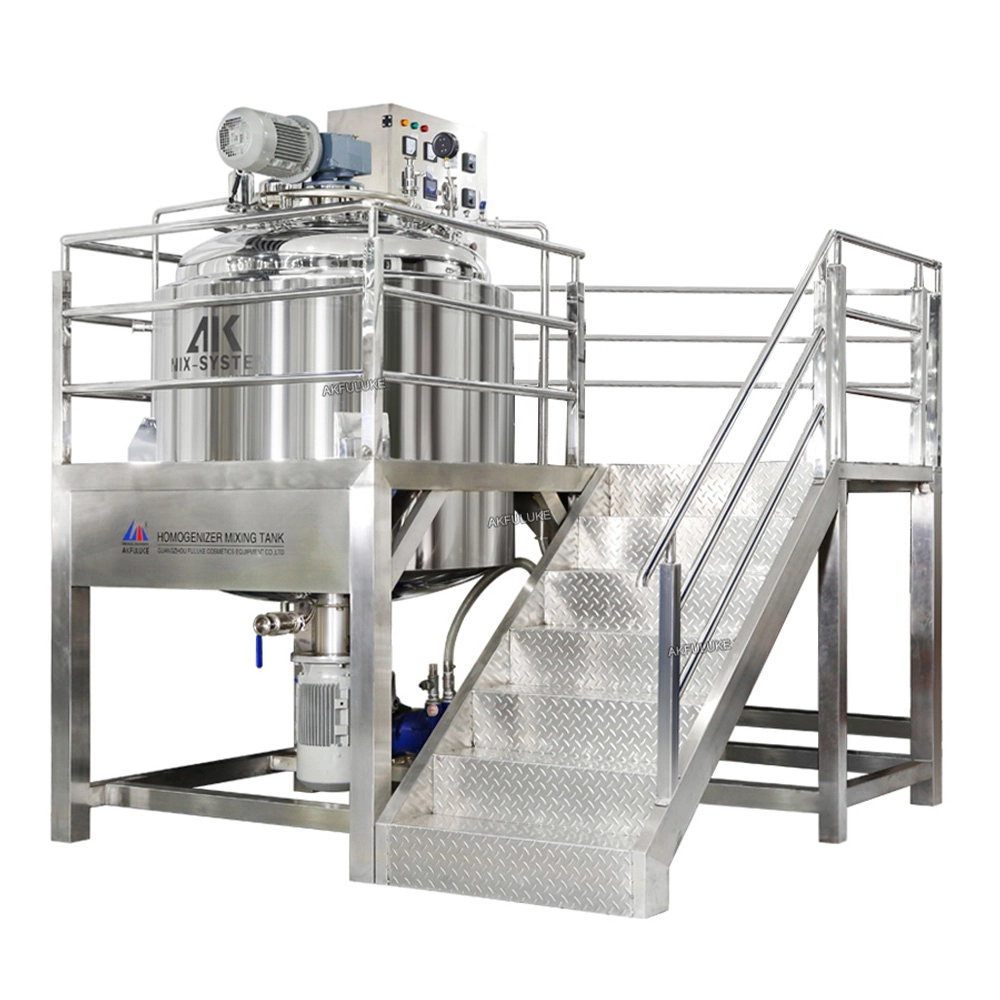
Stainless Steel Mixer Liquid Mixing tank with Agitator Homogenizing Mixing tank Vacuum Sealed Mixer Machine

A leading manufacturer specializing in advanced machinery and complete production lines for the cosmetics, food, pharmaceutical, and chemical industries worldwide.
Contact FULUKE
Facebook
Instagram
YouTube