
What quality tests validate a cosmetic filling process?
- Essential Guide to Purchasing Cosmetic Filling Machines: Key Considerations and Quality Tests
- 1. What are the primary types of cosmetic filling machines available?
- 2. How do I assess the quality and reliability of a cosmetic filling machine?
- 3. What quality tests validate a cosmetic filling process?
- 4. How do I ensure compliance with regulatory standards when purchasing filling equipment?
- 5. What are the maintenance requirements for cosmetic filling machines?
- 6. How do I evaluate the total cost of ownership for filling equipment?
- 7. What are the latest technological advancements in cosmetic filling machines?
- 8. How do I select a reputable supplier for cosmetic filling equipment?
- Conclusion: Why Choose FULUKE for Your Cosmetic Filling Equipment Needs
Essential Guide to Purchasing Cosmetic Filling Machines: Key Considerations and Quality Tests
When investing in cosmetic filling machines, it's crucial to understand the key factors that influence performance, compliance, and overall value. This guide addresses common questions to assist you in making informed decisions.
1. What are the primary types of cosmetic filling machines available?
Cosmetic filling machines come in various types, each suited for specific applications:
- Piston Fillers: Ideal for creams, lotions, and gels, offering precise volume control.
- Vacuum Fillers: Used for products sensitive to air exposure, such as facial creams, to prevent oxidation.
- Overflow Fillers: Suitable for thin liquids, ensuring consistent fill levels.
Understanding the specific needs of your product line will help in selecting the appropriate machine.
2. How do I assess the quality and reliability of a cosmetic filling machine?
Evaluating the quality and reliability involves:
- Supplier Reputation: Research the manufacturer's history, customer reviews, and industry standing.
- Certifications: Ensure the equipment meets international standards like ISO 9001, CE marking, or GMP compliance.
- Material Quality: Verify that the machine components are made from durable, non-reactive materials suitable for cosmetic products.
Conducting thorough due diligence will help in selecting equipment that offers longevity and consistent performance.
3. What quality tests validate a cosmetic filling process?
To ensure the filling process meets industry standards, consider the following tests:
- Fill Weight Consistency: Regular checks to confirm that each container receives the correct amount of product.
- Seal Integrity Tests: Assessing the effectiveness of seals to prevent contamination and leakage.
- Viscosity Measurements: Ensuring the product's consistency is maintained during filling.
Implementing these tests helps in maintaining product quality and consumer safety.
4. How do I ensure compliance with regulatory standards when purchasing filling equipment?
Compliance can be ensured by:
- Reviewing Certifications: Confirm that the equipment has necessary certifications like CE marking or GMP compliance.
- Supplier Documentation: Request detailed documentation of the equipment's compliance with relevant standards.
- Third-Party Audits: Consider having the equipment inspected by an independent party to verify compliance.
Ensuring compliance is vital for market acceptance and legal adherence.
5. What are the maintenance requirements for cosmetic filling machines?
Regular maintenance includes:
- Routine Cleaning: Preventing product contamination by maintaining hygiene.
- Component Inspection: Regular checks for wear and tear to prevent breakdowns.
- Calibration: Ensuring the machine's settings remain accurate over time.
Establishing a maintenance schedule will prolong the equipment's lifespan and ensure consistent product quality.
6. How do I evaluate the total cost of ownership for filling equipment?
Consider the following factors:
- Initial Purchase Price: The upfront cost of the equipment.
- Operational Costs: Energy consumption, labor, and consumables.
- Maintenance Expenses: Costs associated with upkeep and repairs.
- Downtime Impact: Potential losses due to equipment failure.
A comprehensive evaluation of these factors will provide a clear picture of the equipment's financial impact.
7. What are the latest technological advancements in cosmetic filling machines?
Recent advancements include:
- Automation: Increased automation for higher efficiency and reduced human error.
- Smart Features: Integration with IoT for real-time monitoring and predictive maintenance.
- Sustainability: Machines designed to minimize waste and energy consumption.
Staying updated with these trends can enhance production efficiency and product quality.
8. How do I select a reputable supplier for cosmetic filling equipment?
Selecting a reputable supplier involves:
- Supplier Reputation: Research the manufacturer's history, customer reviews, and industry standing.
- Certifications: Ensure the equipment meets international standards like ISO 9001, CE marking, or GMP compliance.
- After-Sales Support: Evaluate the availability of training, spare parts, and technical assistance.
A reliable supplier will provide not only quality equipment but also ongoing support to ensure operational success.
Conclusion: Why Choose FULUKE for Your Cosmetic Filling Equipment Needs
FULUKE stands out in the cosmetic equipment industry by offering:
- High-Quality Equipment: Machines that meet international standards and are built for durability.
- Customization Options: Tailored solutions to fit specific production requirements.
- Comprehensive Support: From installation to after-sales service, ensuring seamless operations.
Choosing FULUKE ensures that your investment in cosmetic filling equipment translates into enhanced production efficiency and product quality.
References:
- (https://smartbuy.alibaba.com/buyingguides/cosmetic-manufacturing-equipment)
- (https://foodmachinerych.com/definitive-guide-to-sourcing-cosmetic-equipment-boost/)
- (https://www.lienm.com/blogs/cosmetic-manufacturing-equipment-buyer-guide/)
- (https://foodmachinerych.com/your-ultimate-guide-to-sourcing-cosmetic-production/)
- (https://www.skininc.com/business/medspa/article/21878187/8-steps-to-making-smart-equipmentpurchasing-decisions)
- (https://www.huimainbeauty.com/guides/comprehensive-guide-purchasing-beauty-machines/)
- (https://www.accio.com/plp/cosmetics_production_equipment)
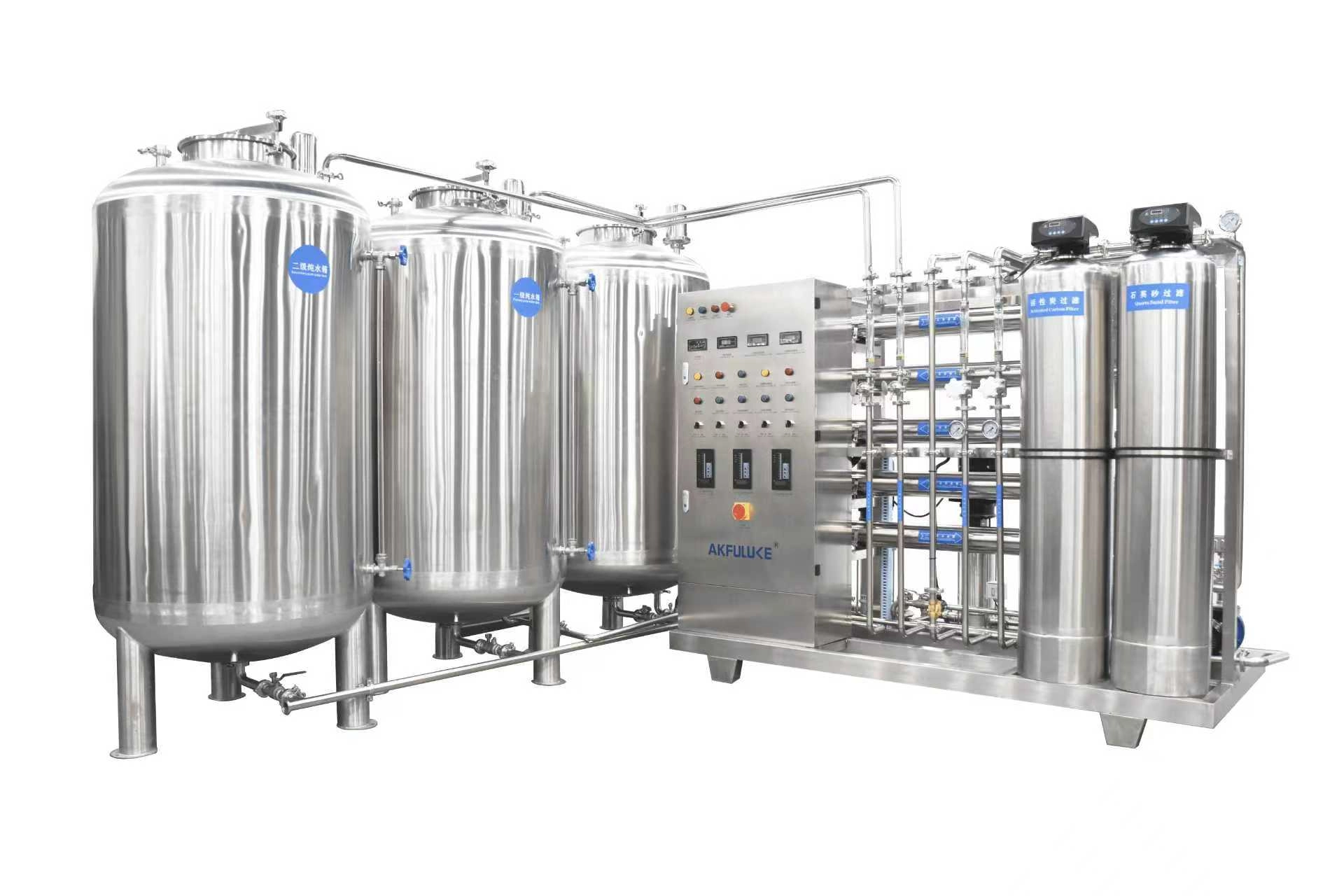
RO water treatment: From equipment to treated water, building a robust defense line for safe and compliant drinking water.
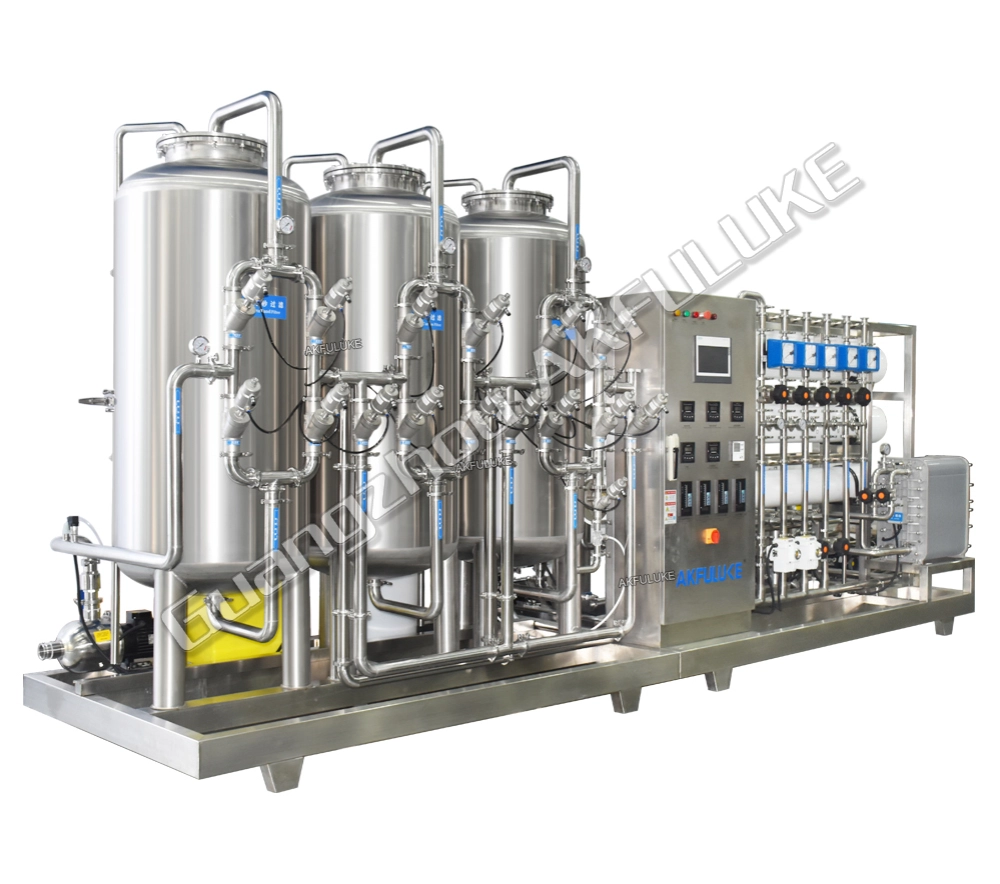
FULUKE reverse osmosis equipment empowers the pharmaceutical and cosmetics industries to achieve compliant production.
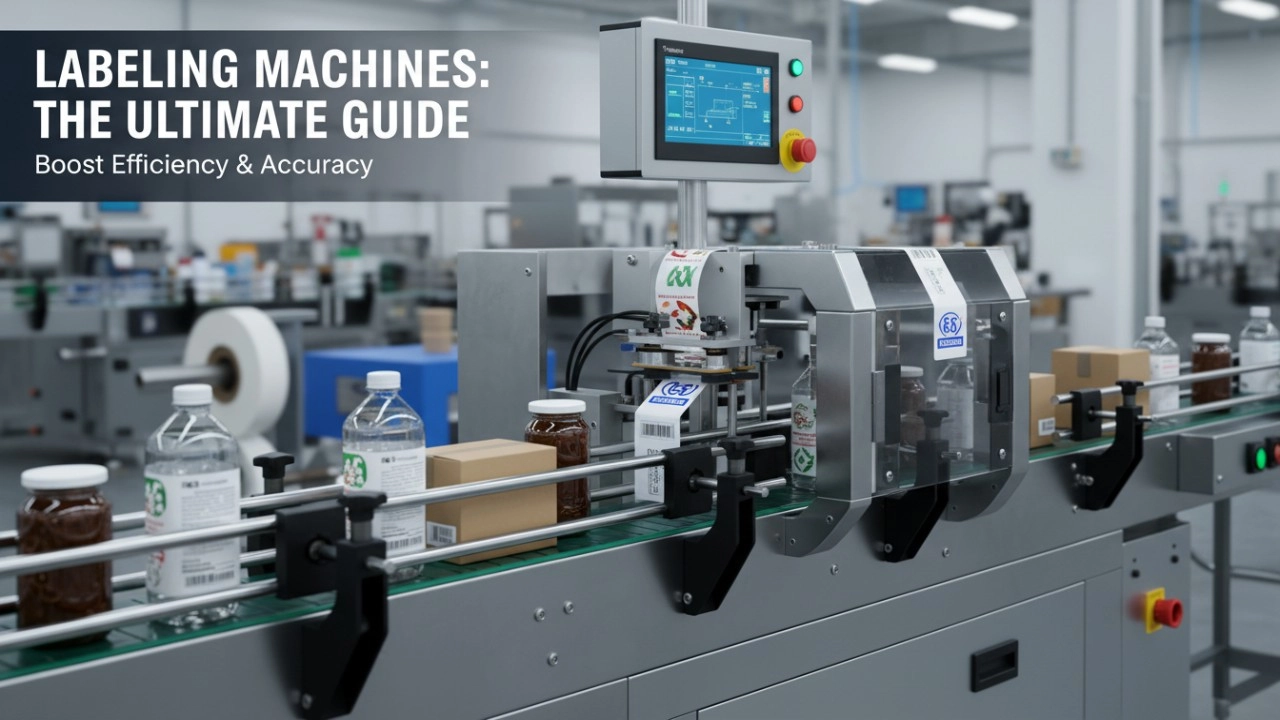
The Ultimate Guide to Labeling Machines 2026: A Critical Component in Modern Packaging Operations
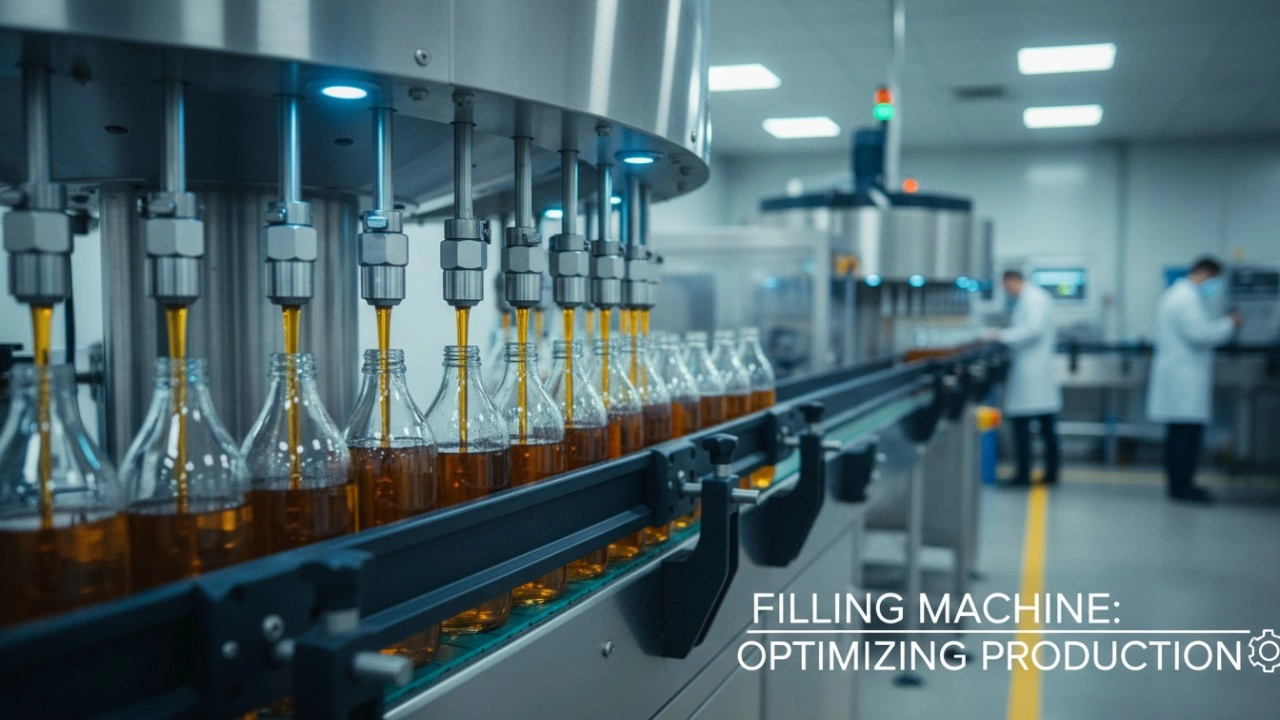
Top 15 Global Filling Machine Manufacturers: The Definitive Ranking for 2026
Perfume Filling Machine
Can you customize the machine?
Of course, we provide customized services according to customer needs.
Automatic Facial Mask Filling Machine
Who are we?
Our headquarters is located in Guangzhou, Guangdong, China, and our factory is located in Yangzhou, Jiangsu. Our products are sold all over the world. We have approximately 50 employees in our company and factory.
RO Water Treatment
Can the water produced by an RO water purifier be drunk directly? Why?
The water produced by a qualified RO water purifier (i.e., "purified water") is generally drinkable directly.
This is because the high-precision filtration of the RO membrane removes harmful microorganisms (bacteria, viruses), heavy metals, pesticide residues, and other contaminants from the raw water, resulting in a water quality that meets the requirements for direct drinking. However, it is important to regularly replace the filter cartridge to ensure proper operation of the device.
Perfume Freezing Filter Making Machine
Why does perfume require freeze filtration? Is traditional filtration an alternative?
Traditional filtration only removes visible solid impurities. Soluble organic matter, colloids, and trace microorganisms in perfume are difficult to separate at room temperature, easily leading to turbidity, precipitation, and aroma deterioration after storage. Freeze filtration uses a low-temperature environment of -5°C to -15°C (depending on the formulation) to condense these hidden impurities into solid particles. These particles are then thoroughly trapped through precision filtration, while simultaneously allowing the fragrance components to fully blend. This is a core process that ensures the stability of high-end perfumes.
How should the equipment be cleaned daily? Can it be rinsed directly with water?
Wipe the exterior with a dry cloth first. Stubborn stains can be removed with a soft cloth dampened with a neutral detergent. Never use hard objects such as steel wool to scratch the surface. Internal piping that comes into contact with materials should be rinsed with purified water and then disinfected with anhydrous ethanol. However, the entire device should not be immersed in water or rinsed with a high-pressure water jet to avoid damage to electrical components.
Get in touch with FULUKE
If you have any comments or good suggestions, please leave us a message, later our professional staff will contact you as soon as possible.
You May Also Like
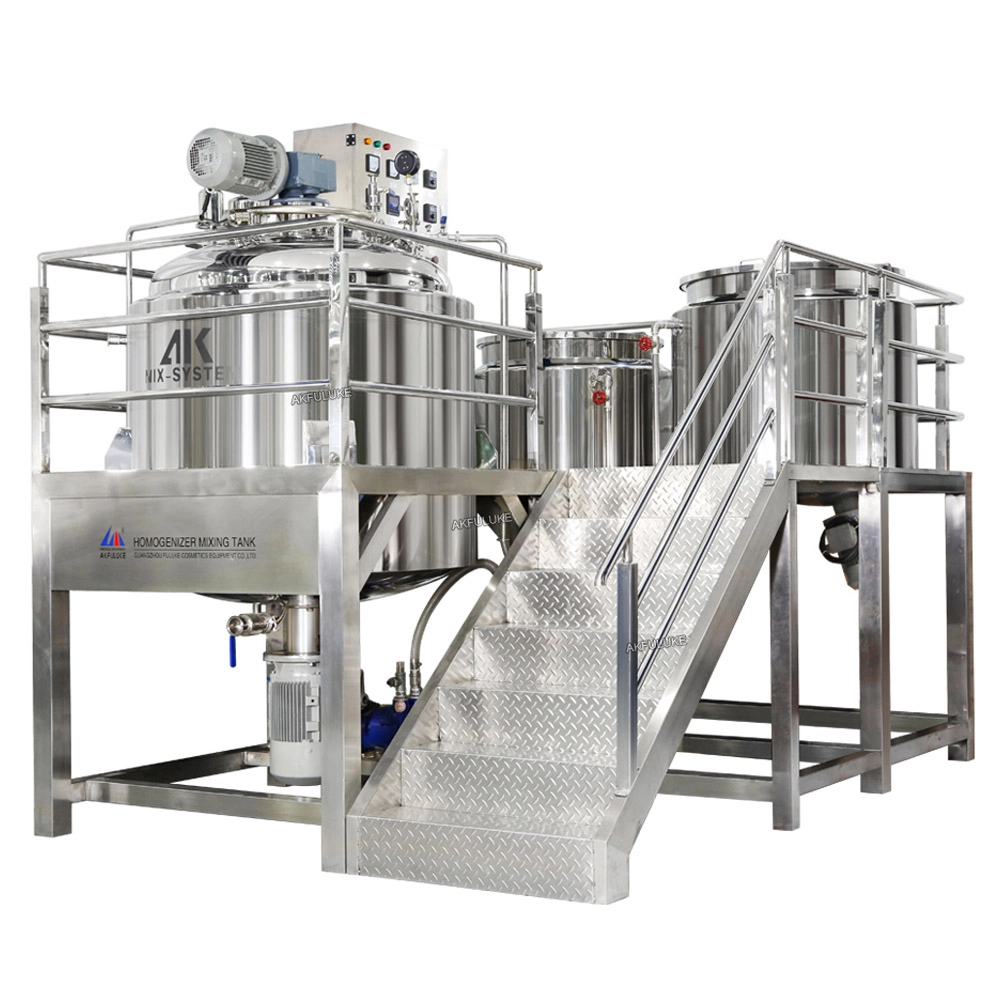
Fixed Type Vacuum Mixing Emulsifying Equipment for Cosmetic Cream Ointment Lotion Vacuum Homogenizer Mixer
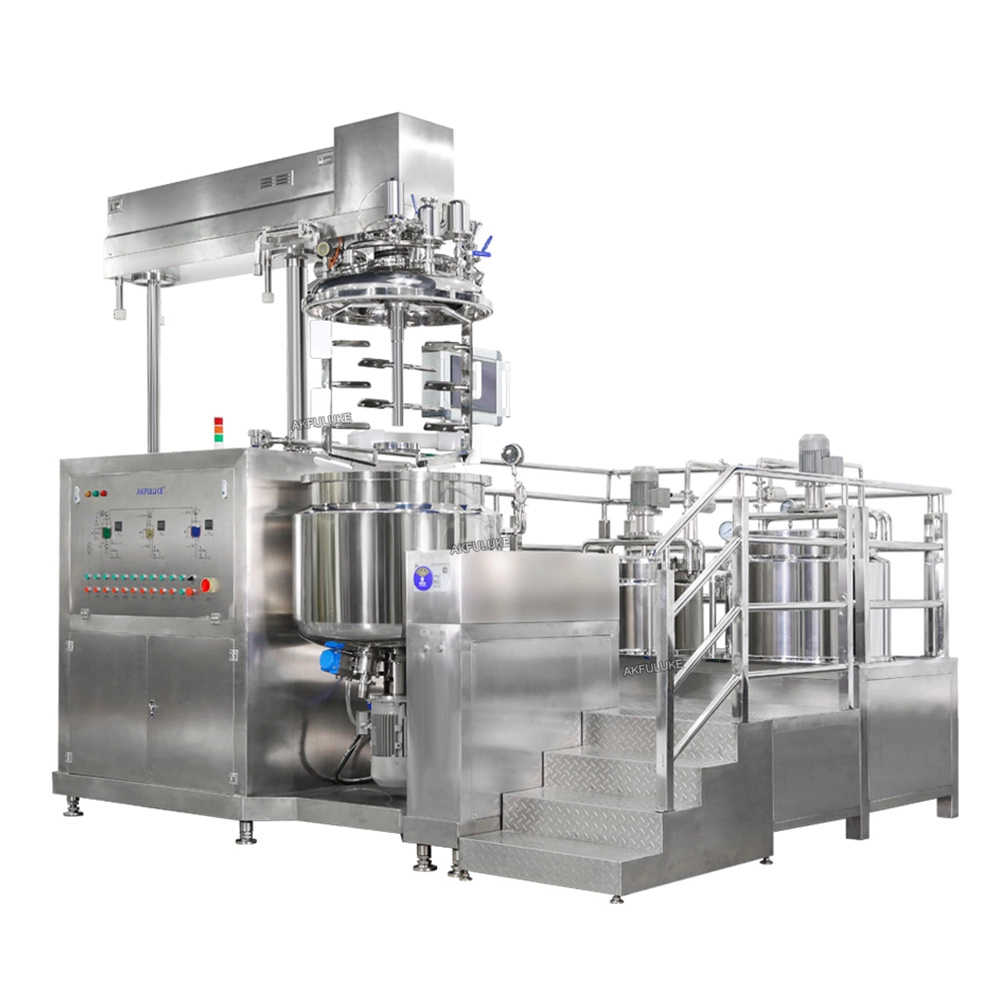
Hydraulic lift Cosmetic Vacuum Homogenizer Emulsifying Mixer for Making Cream and Lotion Mayonnaise Mixing Machine
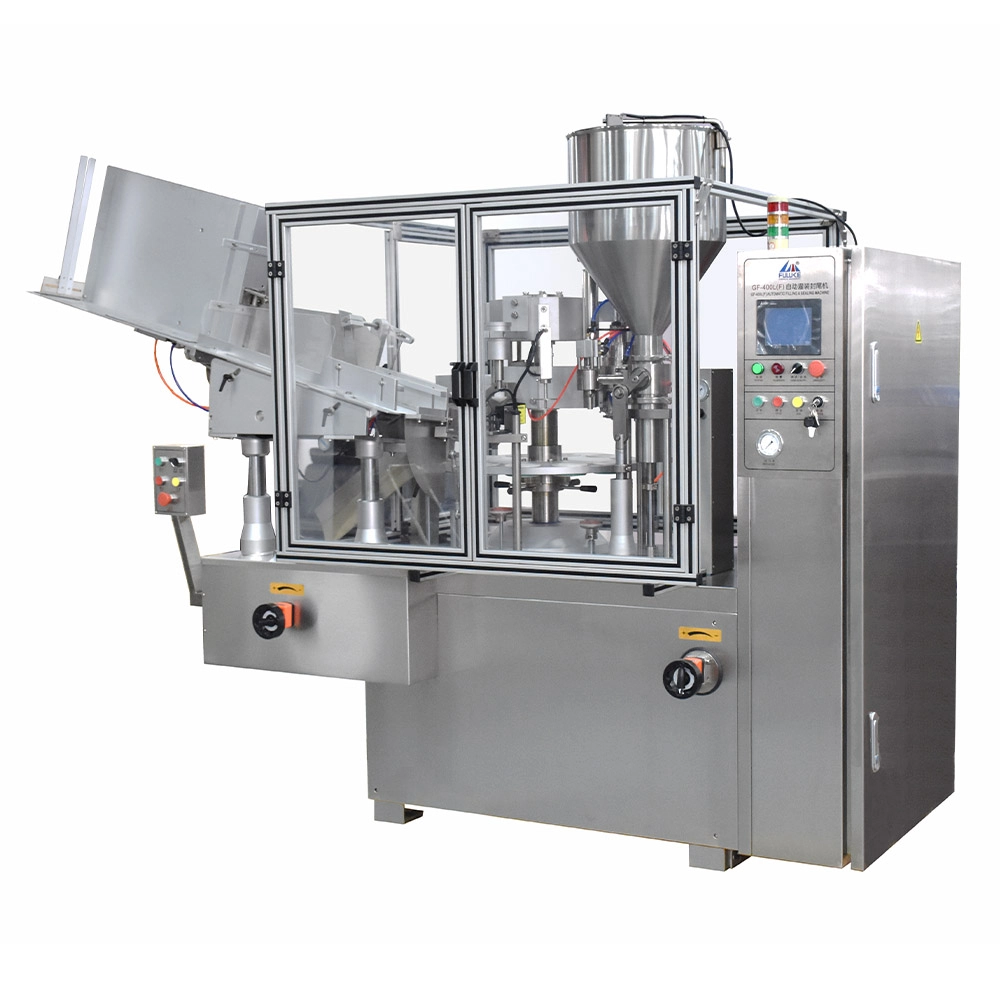
Automatic Tube Filling and Sealing Machine Toothpaste Sunscreen and Facial Cleanser Filling and Sealing Machine for Plastic and Aluminum-plastic Tube
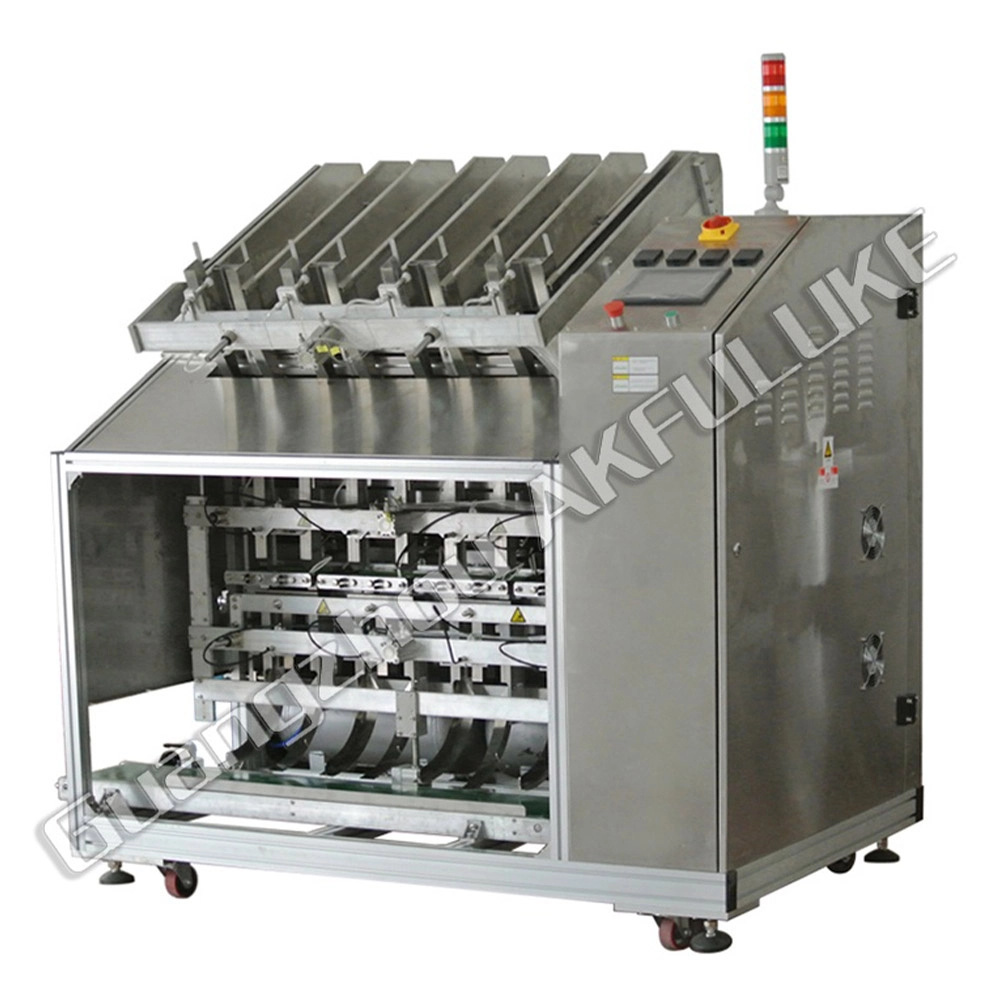
Effective Automatic Facial Mask Filling Machine 2/6/8 Heads Facial Mask Filling and Sealing Machine

A leading manufacturer specializing in advanced machinery and complete production lines for the cosmetics, food, pharmaceutical, and chemical industries worldwide.
Contact FULUKE
Facebook
Instagram
YouTube