
How to compare filling accuracy across machine models?
- Ensuring Precision in Cosmetic Equipment: A Guide to Filling Machine Accuracy
- 1. What is Filling Machine Accuracy?
- 2. Why is Filling Accuracy Crucial in the Cosmetic Industry?
- 3. How Do Different Filling Machine Types Compare in Terms of Accuracy?
- 4. How Can I Compare Filling Accuracy Across Different Machine Models?
- 5. What Are the Financial Implications of Filling Accuracy?
- 6. How Does Technology Enhance Filling Machine Accuracy?
- 7. What Are the Key Considerations When Purchasing a Filling Machine?
- 8. How Does FULUKE Stand Out in Filling Machine Technology?
Ensuring Precision in Cosmetic Equipment: A Guide to Filling Machine Accuracy
In the cosmetic industry, the precision of filling machines is paramount to ensure product consistency, regulatory compliance, and customer satisfaction. This guide addresses common questions regarding filling machine accuracy and provides insights to assist in making informed purchasing decisions.
1. What is Filling Machine Accuracy?
Filling machine accuracy refers to the machine's ability to dispense the exact intended amount of product into each container. It's typically expressed as a percentage error, indicating the deviation between the set fill volume and the actual volume dispensed. For instance, a machine with ±0.3% accuracy fills 100 ml containers with a volume between 99.7 ml and 100.3 ml.
2. Why is Filling Accuracy Crucial in the Cosmetic Industry?
High filling accuracy is essential in cosmetics for several reasons:
Product Quality: Ensures each product meets the specified volume, maintaining consistency and quality.
Regulatory Compliance: Adheres to industry standards and regulations, avoiding potential legal issues.
Customer Satisfaction: Provides consumers with the expected product quantity, fostering trust and brand loyalty.
3. How Do Different Filling Machine Types Compare in Terms of Accuracy?
Various filling machine types offer different accuracy levels:
Piston Fillers: Known for exceptional volumetric accuracy around ±0.3%, making them ideal for medium-to-high viscosity liquids like creams and lotions. They operate by trapping liquid inside measured cylinders, ensuring precise fills.
Servo-Driven Positive Displacement Pumps: Each pump is controlled by its own servo motor, allowing for exact volume control on every stroke. This technology maintains accuracy over extended periods, reducing product waste.
Mass Flow Meters: Suitable for thin, consistent liquids, offering accuracy around ±0.3–0.8%. However, they may struggle with foamy or viscous products.
4. How Can I Compare Filling Accuracy Across Different Machine Models?
When evaluating filling machines, consider the following factors:
Accuracy Specifications: Review the manufacturer's stated accuracy levels and understand the testing conditions.
Product Compatibility: Ensure the machine can handle the specific viscosity and characteristics of your cosmetic products.
Operational Conditions: Assess how the machine performs under your production environment, including temperature fluctuations and production speeds.
Technological Features: Look for machines with advanced sensors and IoT integration that provide real-time monitoring and adjustments to maintain accuracy.
5. What Are the Financial Implications of Filling Accuracy?
Investing in high-accuracy filling machines can lead to:
Reduced Product Waste: Minimizes overfilling and underfilling, leading to cost savings.
Enhanced Operational Efficiency: Streamlines production processes, reducing downtime and increasing throughput.
Improved Brand Reputation: Consistent product quality strengthens brand image and customer loyalty.
6. How Does Technology Enhance Filling Machine Accuracy?
Modern filling machines incorporate technologies such as IoT and advanced sensors to:
Monitor Real-Time Data: Collect and analyze data to detect and correct deviations promptly.
Predictive Maintenance: Anticipate maintenance needs, reducing downtime and maintaining consistent accuracy.
Adapt to Product Variations: Adjust settings automatically to accommodate changes in product specifications or environmental conditions.
7. What Are the Key Considerations When Purchasing a Filling Machine?
When selecting a filling machine, consider:
Production Volume: Match the machine's capacity with your production needs.
Product Characteristics: Ensure compatibility with your product's viscosity and packaging requirements.
Budget Constraints: Balance the initial investment with long-term operational costs and potential savings from reduced waste.
Supplier Reputation: Choose manufacturers known for quality, reliability, and customer support.
8. How Does FULUKE Stand Out in Filling Machine Technology?
FULUKE offers advanced filling machines equipped with:
High-Precision Technology: Ensures consistent and accurate fills, meeting industry standards.
User-Friendly Interfaces: Simplifies operation and maintenance, reducing training time.
Durability and Reliability: Built to withstand continuous operation, minimizing downtime.
Comprehensive Support: Provides extensive customer service and technical assistance to ensure optimal machine performance.
By considering these factors and leveraging advanced technologies, cosmetic manufacturers can enhance product quality, operational efficiency, and customer satisfaction.
References:

Understanding Servo Capping Machines: The Core Logic of Precise Capping – Understand the Entire Working Process in Seconds
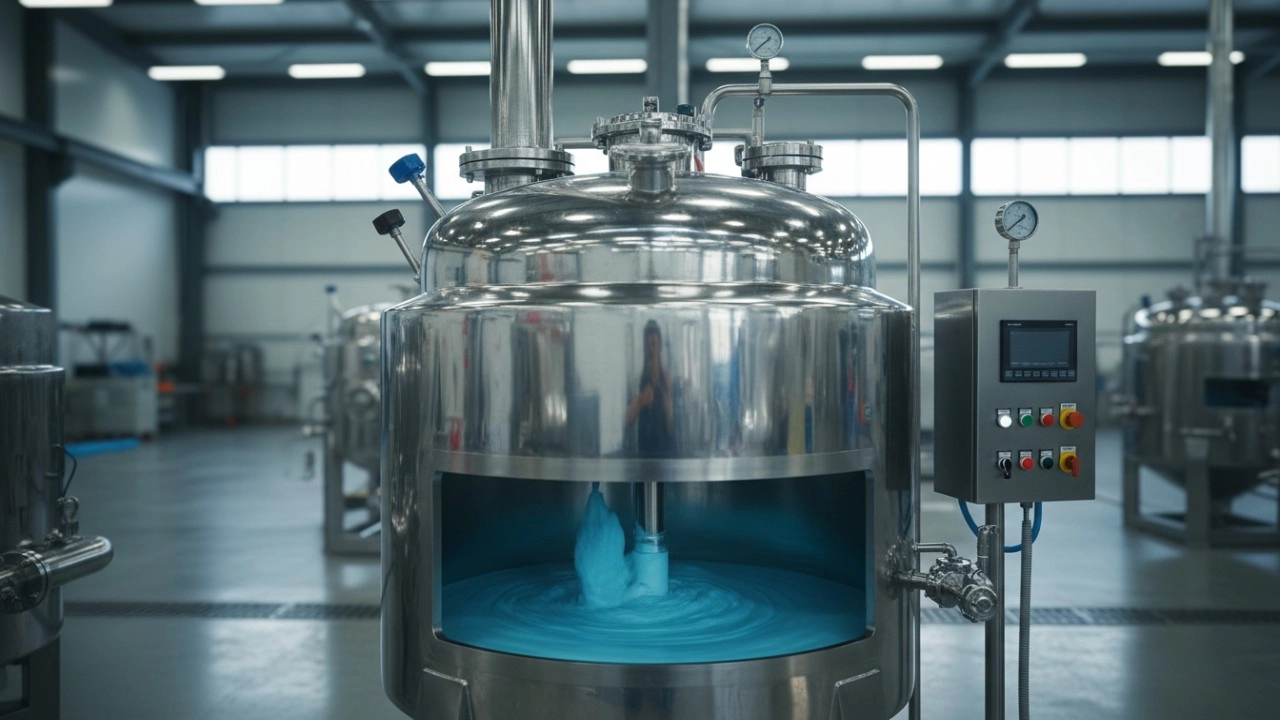
The Future of Industrial Agitation: 5 Smart Mixing Tank Technologies Changing the Game
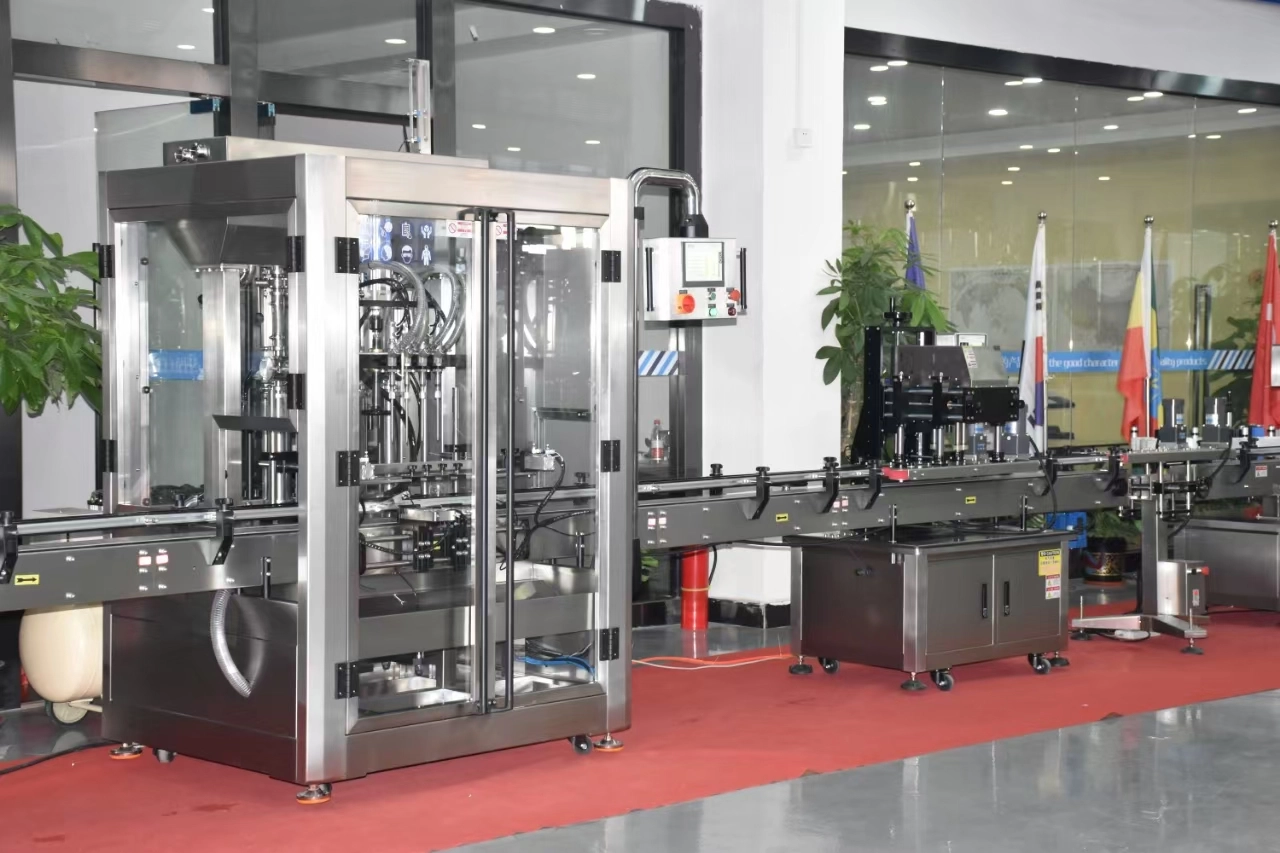
Gear pump filling machine vs. piston filling machine: Key differences broken down to avoid pitfalls in selection.
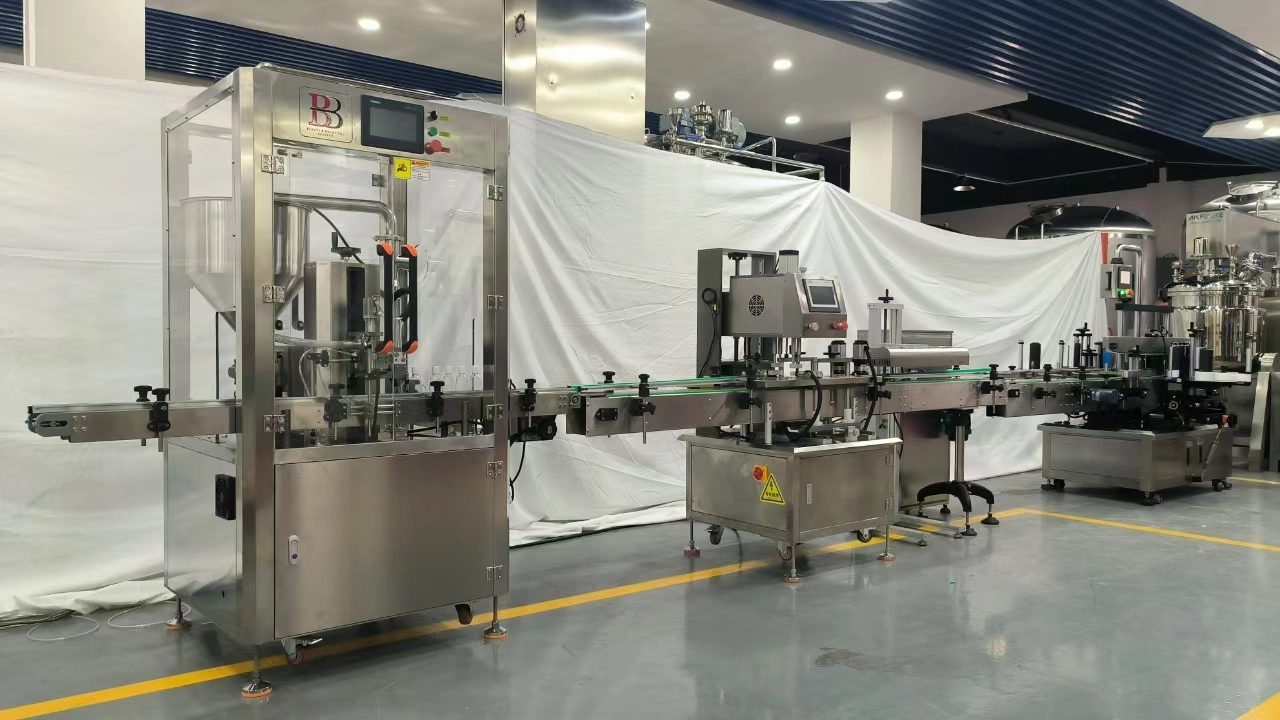
Understand the working principle of a servo gear pump filling machine!
Automatic Tube Filling and Sealing Machine
Do you have a complete production line for facial masks?
Of course, we can also provide high-speed facial mask folding machine + online weighing and rejecting machine + automatic sheet counting machine + automatic cartoning machine + automatic three-dimensional cigarette packaging machine + online inkjet printer, etc.
Automatic Capping Machine
Can this machine be directly integrated into my production line? Does it require any additional modifications?
Most models have standard conveyor belt interfaces, allowing them to be directly connected to filling machines, labeling machines, and other production line equipment without requiring major modifications. Simply fine-tune the conveyor speed based on the production line height and speed to synchronize.
Storage Tank
How do I choose the right storage tank material?
Select based on the characteristics of the storage medium. For example, 316L stainless steel is preferred for food storage, while 304 or PE can be used for general water storage.
Film Packaging Machine
This device suddenly shuts down and displays "Abnormal Heat Seal Temperature." What should I do?
First, check the heat seal blade heater for damage. Next, check whether the temperature sensor is in poor contact or malfunctioning. If the hardware is normal, the temperature control module parameters may be abnormal. Restart the device and reset the heat seal temperature (refer to the film material's suitable temperature: BOPP film is typically 120-160°C). If the abnormality persists, contact after-sales service to inspect the temperature control system.
Inkjet Printing Machine
What content can an inkjet printer print?
It can print text, time, date (Julian Year), logo, shift, SN, Dynamic Barcode/OR Code, Dynamic Serial Data, and Dynamic Database (additional content can be added as required).
Get in touch with FULUKE
If you have any comments or good suggestions, please leave us a message, later our professional staff will contact you as soon as possible.
You May Also Like
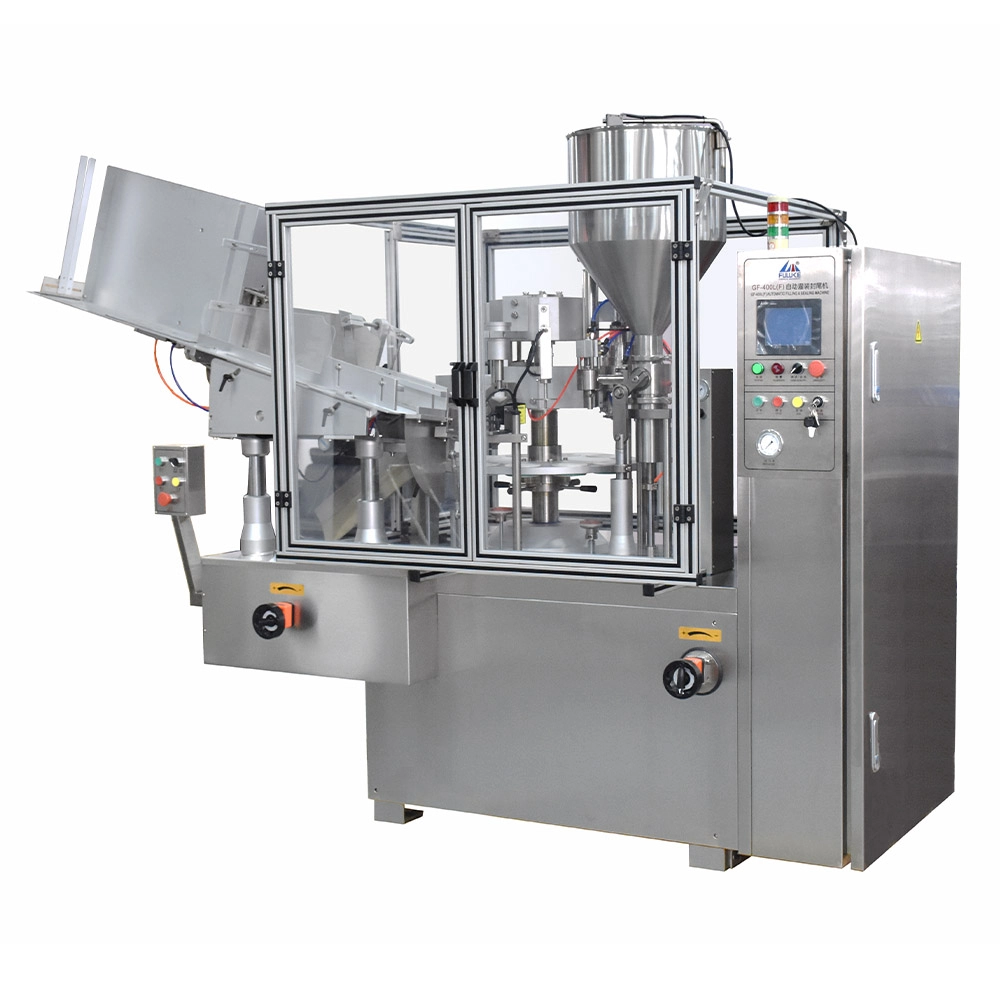
Automatic Tube Filling and Sealing Machine Toothpaste Sunscreen and Facial Cleanser Filling and Sealing Machine for Plastic and Aluminum-plastic Tube
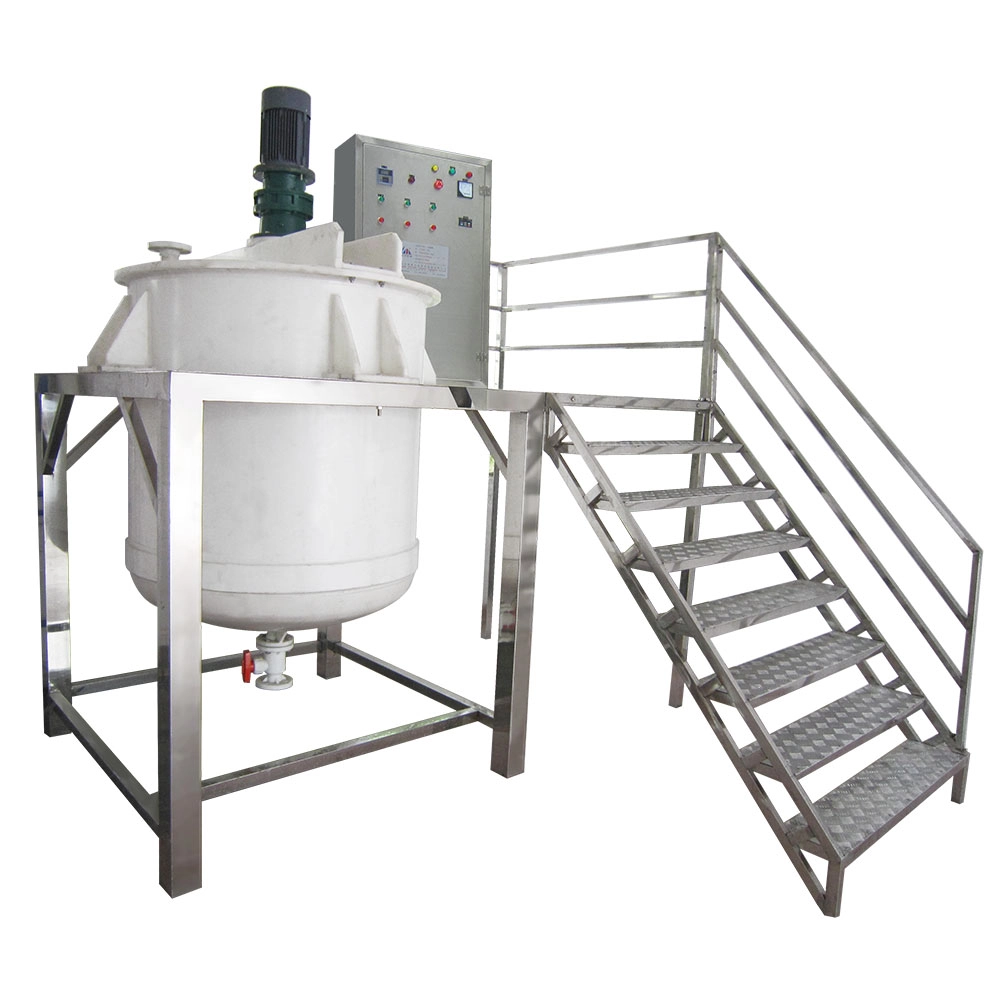
Polypropylene PP Mixing Tank Anti-Corrosion Mixer Reaction Kettle with Agitator Chemical Mixing Vessel
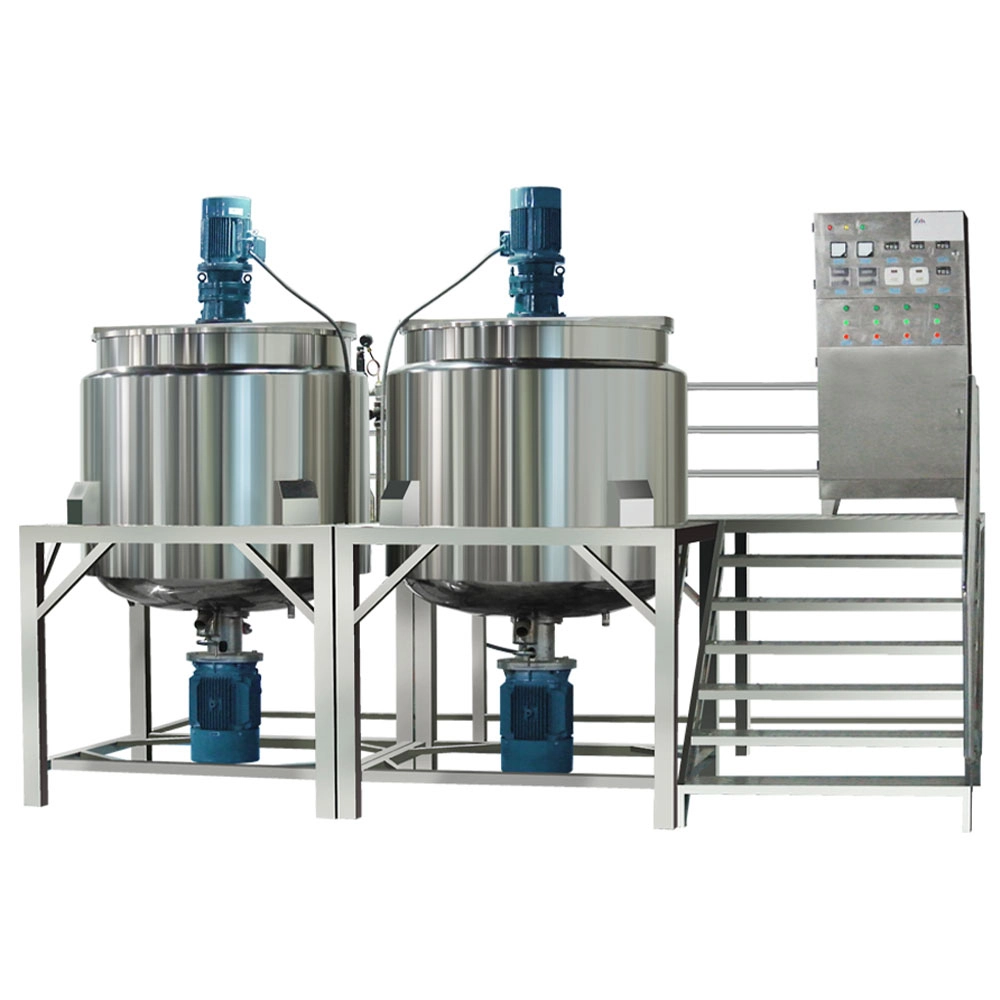
Flip Cover Multi-function Liquid Wash Mixing Tank Blender Liquid Detergent Mixer Homogenization Stirring Tank
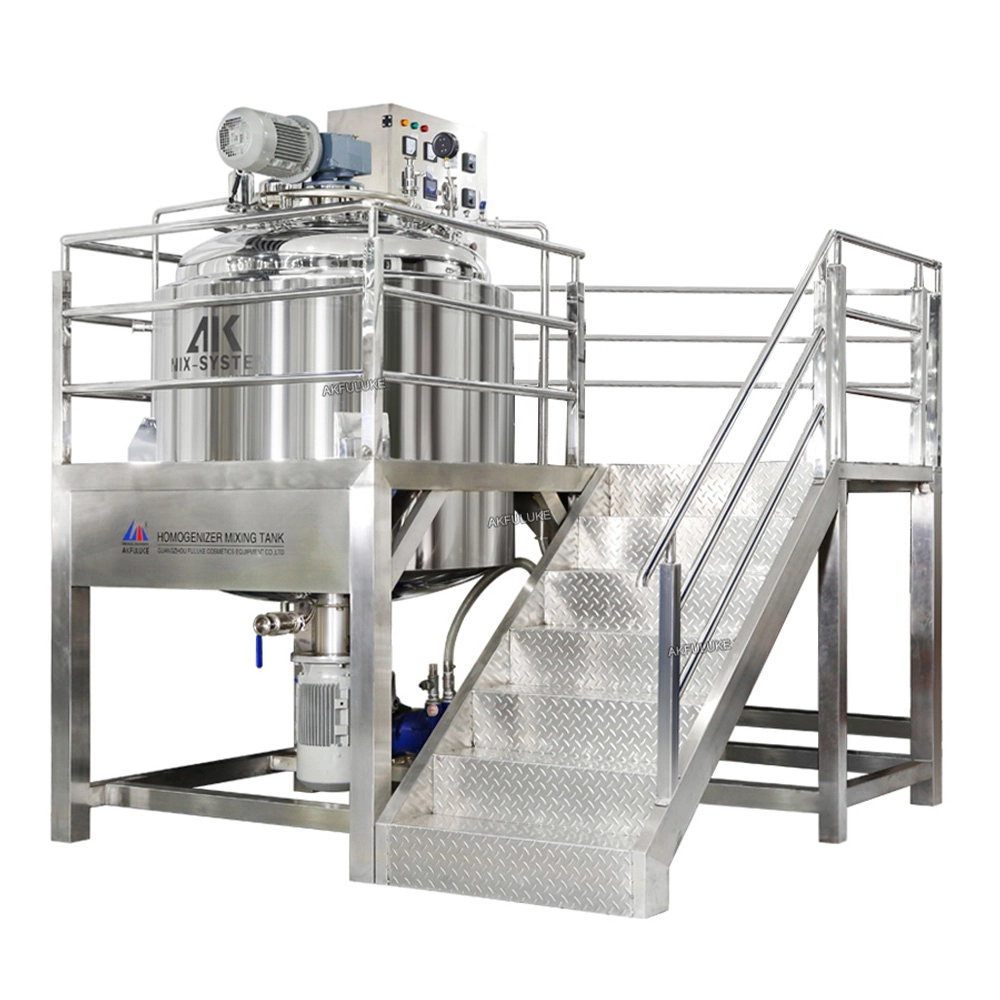
Stainless Steel Mixer Liquid Mixing tank with Agitator Homogenizing Mixing tank Vacuum Sealed Mixer Machine

A leading manufacturer specializing in advanced machinery and complete production lines for the cosmetics, food, pharmaceutical, and chemical industries worldwide.
Contact FULUKE
Facebook
Instagram
YouTube