
What maintenance schedule maximizes filling uptime?
- Comprehensive Guide to Filling Machine Maintenance in the Cosmetic Industry
- 1. What Are the Key Components of a Filling Machine That Require Regular Maintenance?
- 2. How Can a Preventive Maintenance Schedule Maximize Filling Machine Uptime?
- 3. What Daily Maintenance Tasks Should Be Performed on Filling Machines?
- 4. What Weekly Maintenance Activities Are Recommended for Filling Machines?
- 5. How Should Monthly Maintenance Be Conducted on Filling Machines?
- 6. What Are the Benefits of Implementing a Maintenance Checklist for Filling Machines?
- 7. How Can Staff Training Enhance Filling Machine Maintenance?
- 8. What Role Does Record-Keeping Play in Filling Machine Maintenance?
- Conclusion: Why Choose FULUKE for Your Filling Machine Needs?
Comprehensive Guide to Filling Machine Maintenance in the Cosmetic Industry
Maintaining filling machines is crucial for ensuring consistent product quality and minimizing downtime in the cosmetic industry. A well-structured maintenance schedule not only extends the lifespan of equipment but also enhances operational efficiency. Below are key considerations and practices for effective filling machine maintenance.
1. What Are the Key Components of a Filling Machine That Require Regular Maintenance?
Filling machines consist of several critical components that necessitate regular upkeep:
Pumps and Valves: Control the flow of products; regular cleaning prevents clogs and ensures consistent filling.
Nozzles: Dispense the product; daily cleaning is essential to prevent blockages that can lead to uneven fills.
Conveyor Belts: Transport containers; weekly inspections for wear and tension issues are vital to avoid jams and spills.
Sensors and Control Panels: Monitor and control the filling process; periodic checks ensure accurate operation.
Seals and Gaskets: Maintain leak-free operation; monthly inspections help prevent product leakage and contamination.
2. How Can a Preventive Maintenance Schedule Maximize Filling Machine Uptime?
Implementing a preventive maintenance schedule offers several benefits:
Prolonged Equipment Lifespan: Regular maintenance reduces wear and tear, extending the machine's operational life.
Enhanced Product Quality: Consistent upkeep ensures accurate filling, maintaining product standards.
Reduced Downtime: Proactive maintenance minimizes unexpected breakdowns, keeping production lines running smoothly.
Cost Savings: Preventive measures can be more cost-effective than reactive repairs, reducing overall maintenance expenses.
3. What Daily Maintenance Tasks Should Be Performed on Filling Machines?
Daily maintenance tasks include:
Cleaning: Remove debris and product residues from the machine's exterior and interior components.
Lubrication: Apply appropriate lubricants to moving parts to ensure smooth operation.
Inspection: Check for unusual noises, vibrations, or signs of wear that may indicate potential issues.
Fluid Levels: Verify and replenish fluid levels, such as hydraulic oil or coolant, as needed.
4. What Weekly Maintenance Activities Are Recommended for Filling Machines?
Weekly maintenance activities involve:
Deep Cleaning: Dismantle and thoroughly clean all surfaces in contact with the product to prevent contamination.
Lubrication: Ensure all moving parts are adequately lubricated to maintain optimal performance.
Calibration: Check and adjust calibration settings to ensure accurate filling volumes.
Inspection: Examine belts, hoses, and other components for signs of wear or damage.
5. How Should Monthly Maintenance Be Conducted on Filling Machines?
Monthly maintenance should encompass:
Comprehensive Inspection: Conduct a detailed examination of all machine components to identify any signs of wear or potential issues.
Software Updates: Review and update machine software to ensure it operates with the latest features and security patches.
Component Testing: Test and regulate the filling accuracy of nozzles and weighing systems to maintain product consistency.
6. What Are the Benefits of Implementing a Maintenance Checklist for Filling Machines?
Utilizing a maintenance checklist provides:
Standardization: Ensures all maintenance tasks are performed consistently and thoroughly.
Documentation: Provides a record of maintenance activities, which is valuable for troubleshooting and audits.
Accountability: Clearly assigns responsibilities, ensuring tasks are completed on schedule.
Efficiency: Streamlines the maintenance process, reducing the likelihood of overlooking critical tasks.
7. How Can Staff Training Enhance Filling Machine Maintenance?
Training staff in maintenance practices offers:
Improved Performance: Well-trained operators can identify and address issues promptly, reducing downtime.
Enhanced Safety: Proper training ensures maintenance tasks are performed safely, minimizing the risk of accidents.
Cost Efficiency: Skilled staff can perform routine maintenance tasks, reducing the need for external technicians.
Proactive Maintenance: Educated staff are more likely to follow preventive maintenance schedules, leading to longer equipment lifespans.
8. What Role Does Record-Keeping Play in Filling Machine Maintenance?
Maintaining detailed records is essential for:
Tracking Maintenance History: Helps identify recurring issues and assess the effectiveness of maintenance strategies.
Planning: Assists in scheduling future maintenance tasks and budgeting for repairs or replacements.
Compliance: Ensures adherence to industry standards and regulations by providing documented evidence of maintenance activities.
Continuous Improvement: Facilitates analysis of maintenance practices to identify areas for improvement.
Conclusion: Why Choose FULUKE for Your Filling Machine Needs?
FULUKE offers a range of high-quality filling machines tailored for the cosmetic industry. Our equipment is designed with durability, efficiency, and ease of maintenance in mind, ensuring optimal performance and longevity. By choosing FULUKE, you invest in reliable machinery that supports your production goals and upholds product quality standards.
References:
(https://www.fieldcircle.com/checklist/filling-machine-maintenance/)
(https://www.wejingmachine.com/blog/how-to-maintain-a-filling-machine.html)
(https://www.multi-fill.com/the-only-4-filling-machine-maintenance-tips-youll-ever-need)
(https://butterflyslabs.com/cleaning-and-maintenance-tips-for-filling-and-sealing-machines/)
(https://www.zapium.com/checklist/filling-machine-maintenance/)
(https://www.epakmachinery.com/blog/preventative-maintenance-checklist-for-filling-machine/)
(https://fillers-packer.com/blogs/filling-machine-opening-inspection-checklist/)
(https://www.multi-fill.com/maintenance-for-volumetric-filling-machines)
(https://fillingmachinepp.com/creating-an-effective-filling-machine-maintenance-schedule/)

Understanding Servo Capping Machines: The Core Logic of Precise Capping – Understand the Entire Working Process in Seconds
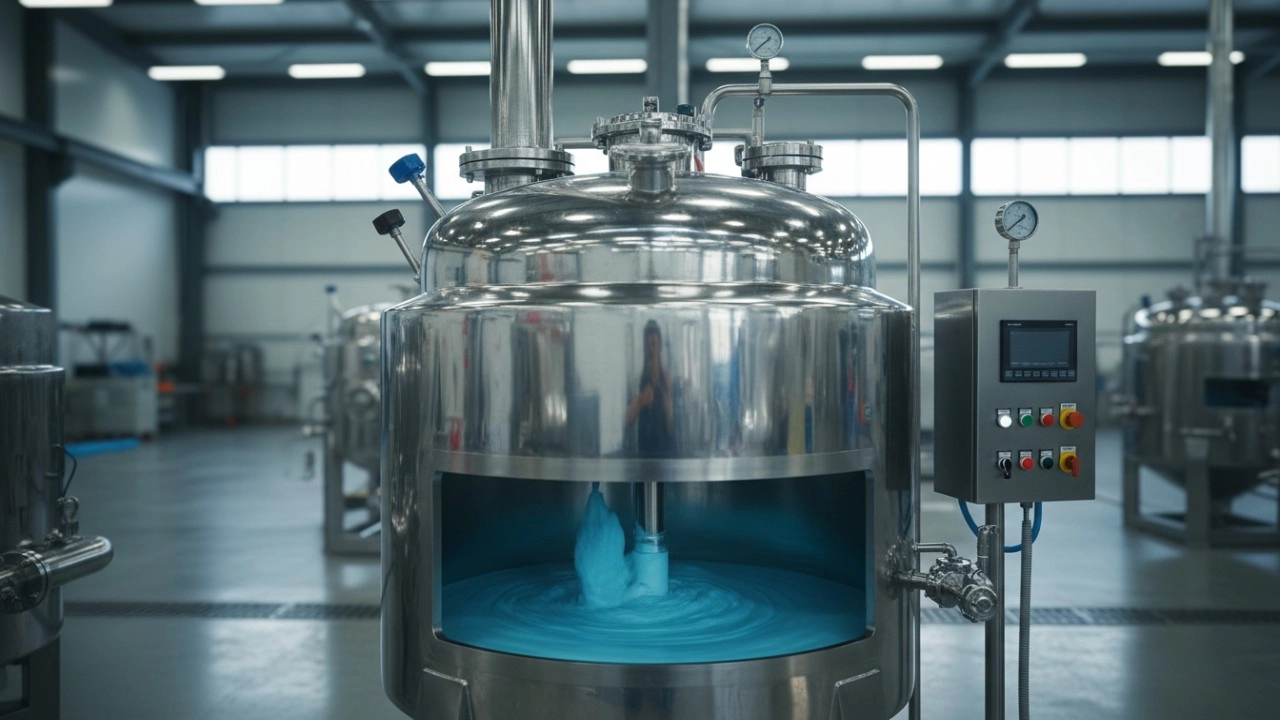
The Future of Industrial Agitation: 5 Smart Mixing Tank Technologies Changing the Game
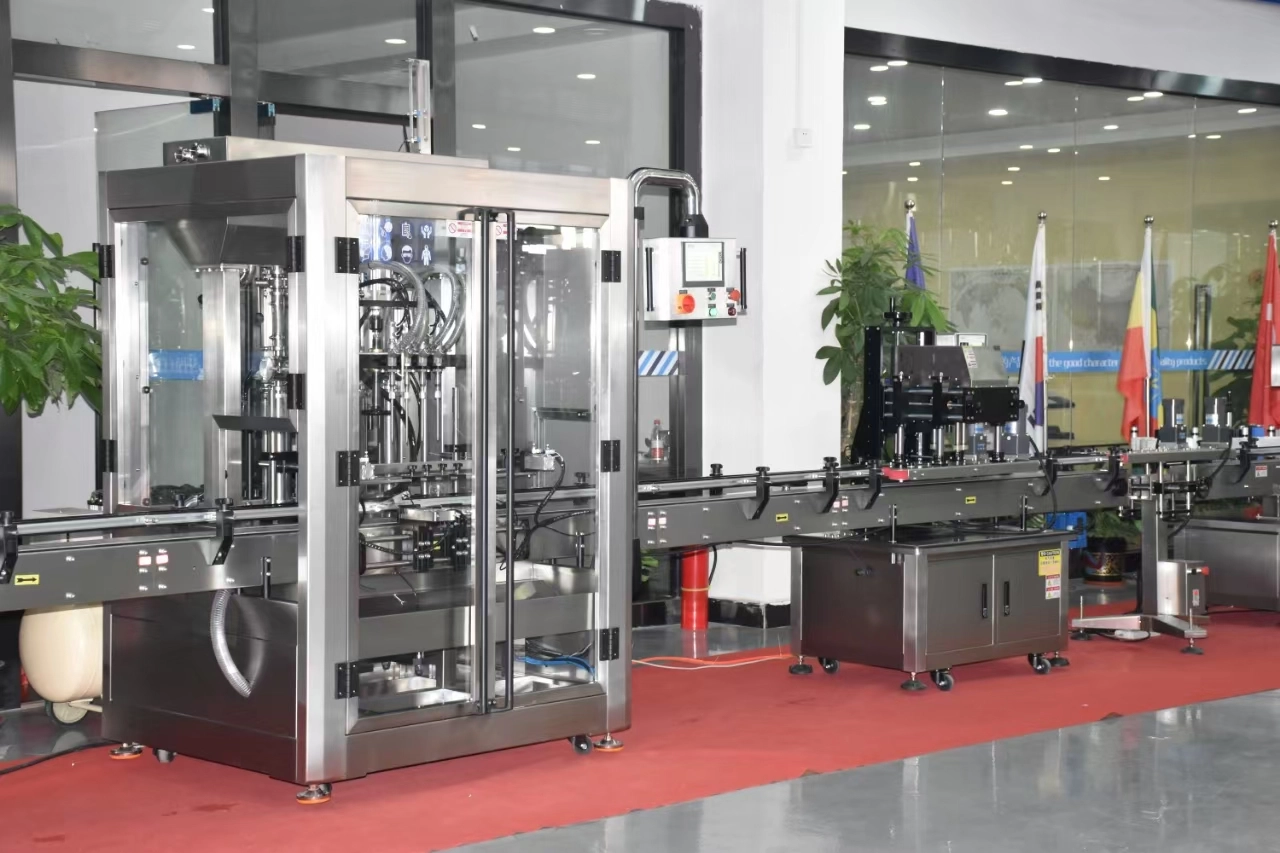
Gear pump filling machine vs. piston filling machine: Key differences broken down to avoid pitfalls in selection.
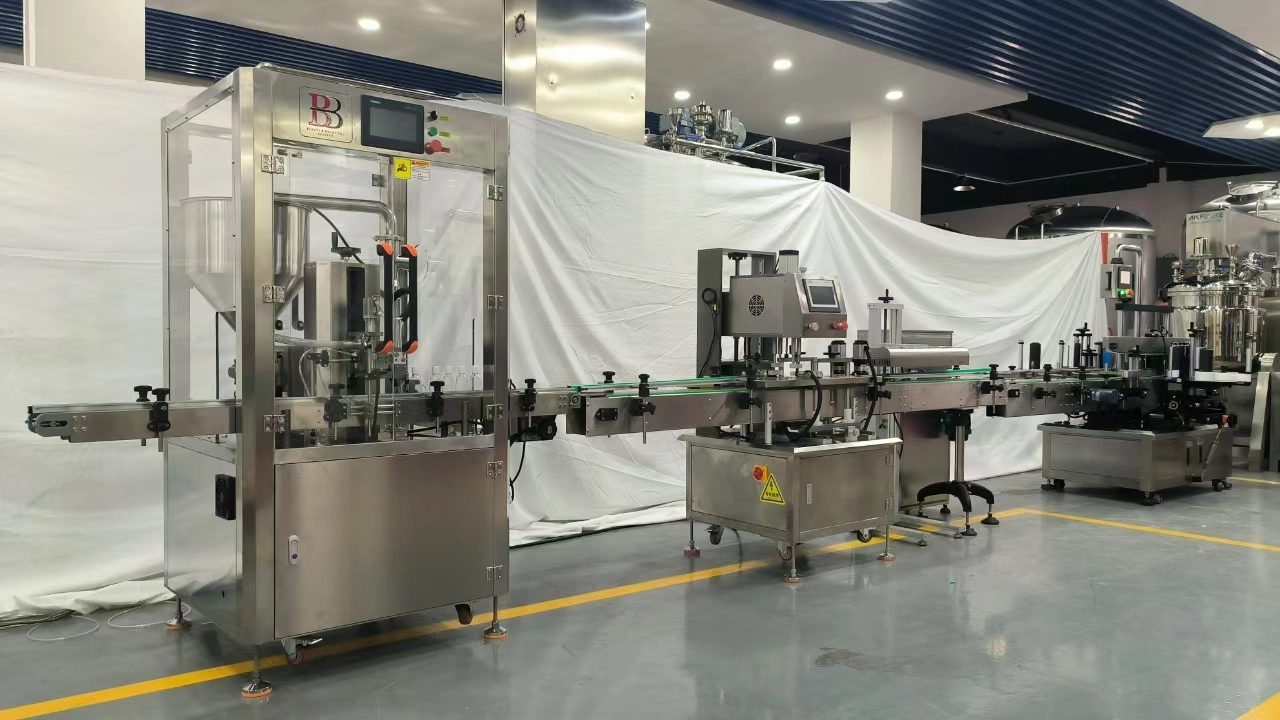
Understand the working principle of a servo gear pump filling machine!
The Flip Cover Liquid Wash Mixing Homogenizing Tank
Can flip cover homogenizing mixing tank ensure hygienic safety when handling materials such as food and cosmetics?
Material Compliance: The equipment's pot, agitator, homogenizer, and other material-contacting components are all made of 316L stainless steel, which is corrosion-resistant and easy to clean, meeting food-grade and cosmetic-grade hygiene requirements.
Easy Cleaning: The open-top design allows direct access to corners within the pot, allowing for thorough cleaning by hand or with tools.
Operational Specifications: The equipment can be disinfected before use (e.g., hot water for food processing). After use, cleanup any remaining material promptly to avoid cross-contamination.
Automatic Filling Machine
What can you buy from us?
RO Water Treatment、Vacuum Emulsifying Machine、Homogenizer Mixing Tank、Filling and Capping、labeling Machine、Packing Machine、Storage Tank,etc.
Film Packaging Machine
What can you buy from us?
RO Water Treatment、Vacuum Emulsifying Machine、Homogenizer Mixing Tank、Filling and Capping、labeling Machine、Packing Machine、Storage Tank,etc.
RO Water Treatment
Can you customize the machine?
Of course, we provide customized services according to customer needs.
Automatic Capping Machine
Can this machine be directly integrated into my production line? Does it require any additional modifications?
Most models have standard conveyor belt interfaces, allowing them to be directly connected to filling machines, labeling machines, and other production line equipment without requiring major modifications. Simply fine-tune the conveyor speed based on the production line height and speed to synchronize.
Get in touch with FULUKE
If you have any comments or good suggestions, please leave us a message, later our professional staff will contact you as soon as possible.
You May Also Like
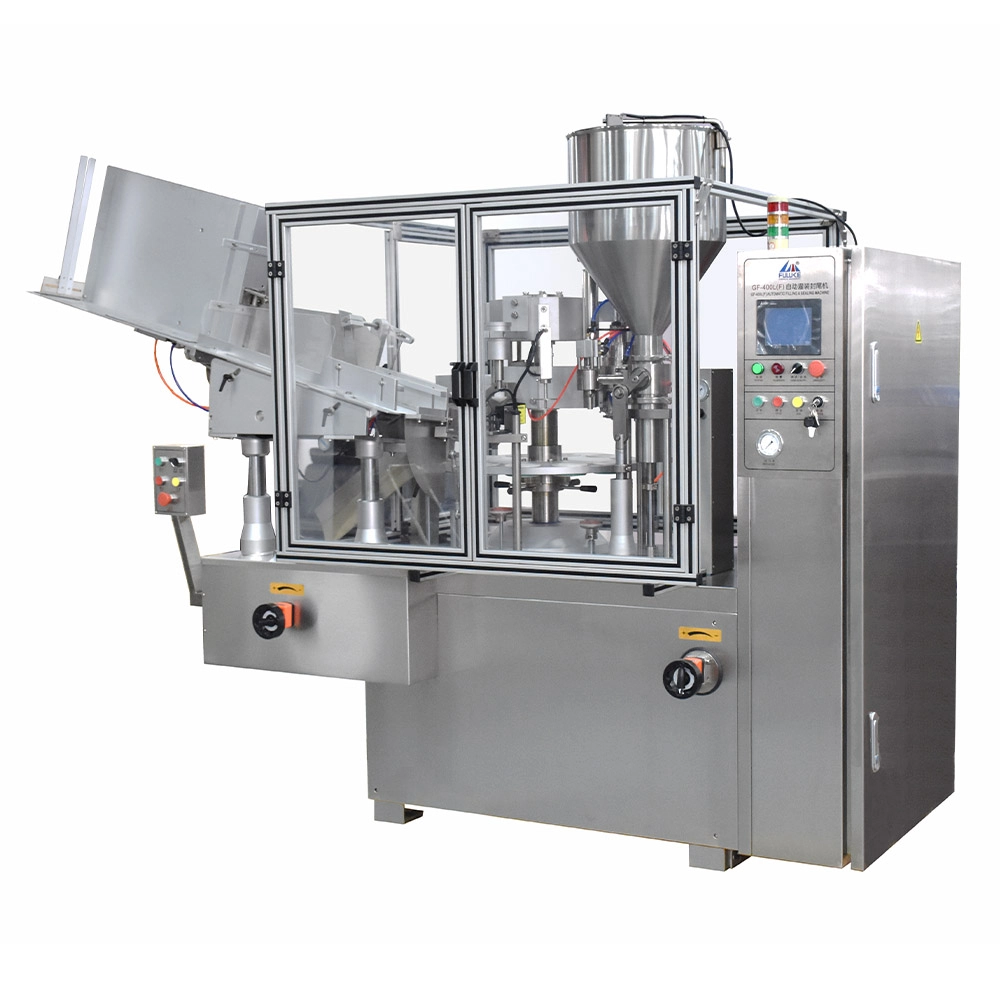
Automatic Tube Filling and Sealing Machine Toothpaste Sunscreen and Facial Cleanser Filling and Sealing Machine for Plastic and Aluminum-plastic Tube
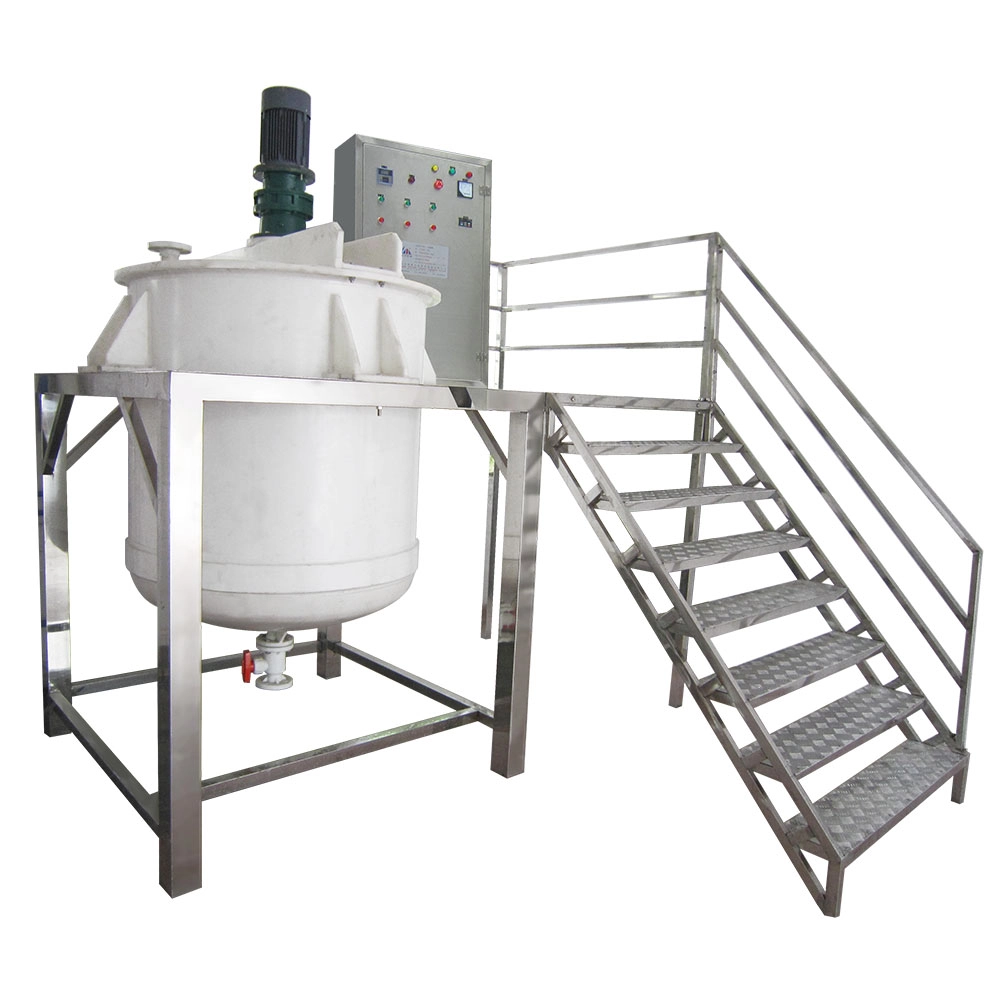
Polypropylene PP Mixing Tank Anti-Corrosion Mixer Reaction Kettle with Agitator Chemical Mixing Vessel
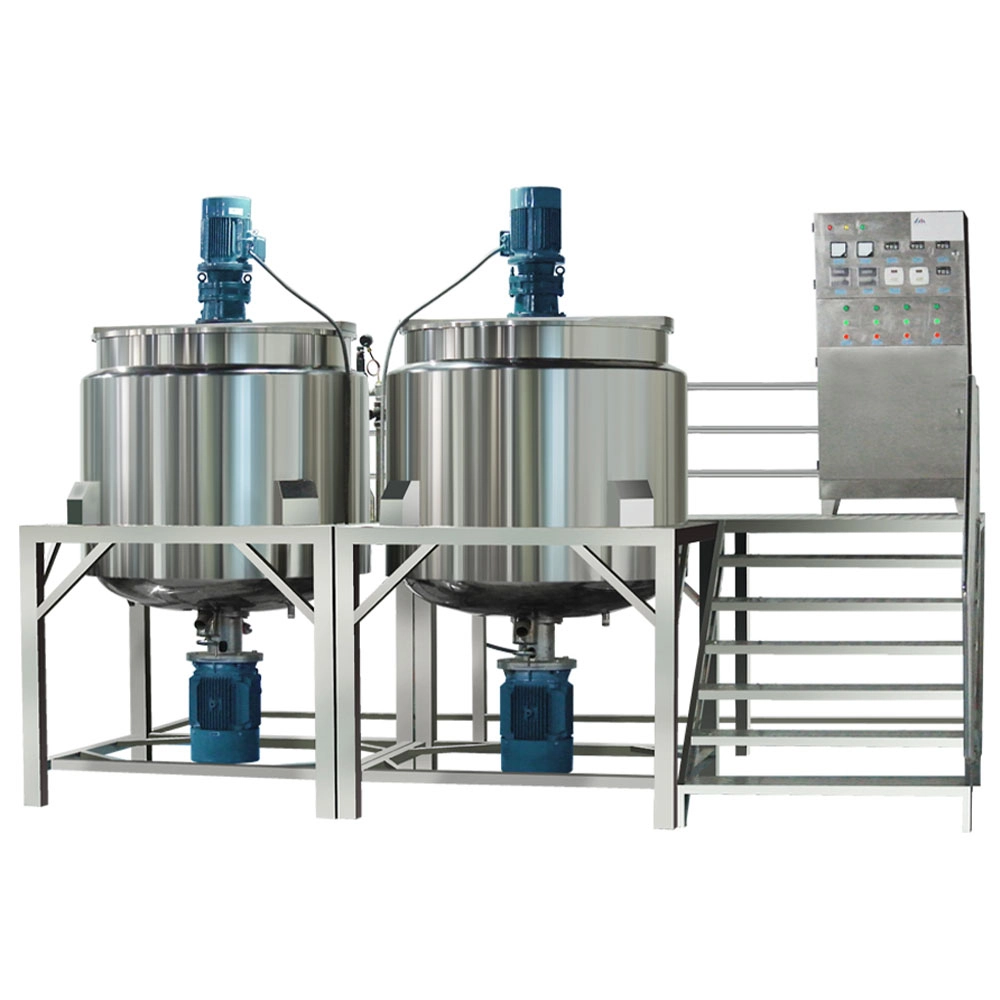
Flip Cover Multi-function Liquid Wash Mixing Tank Blender Liquid Detergent Mixer Homogenization Stirring Tank
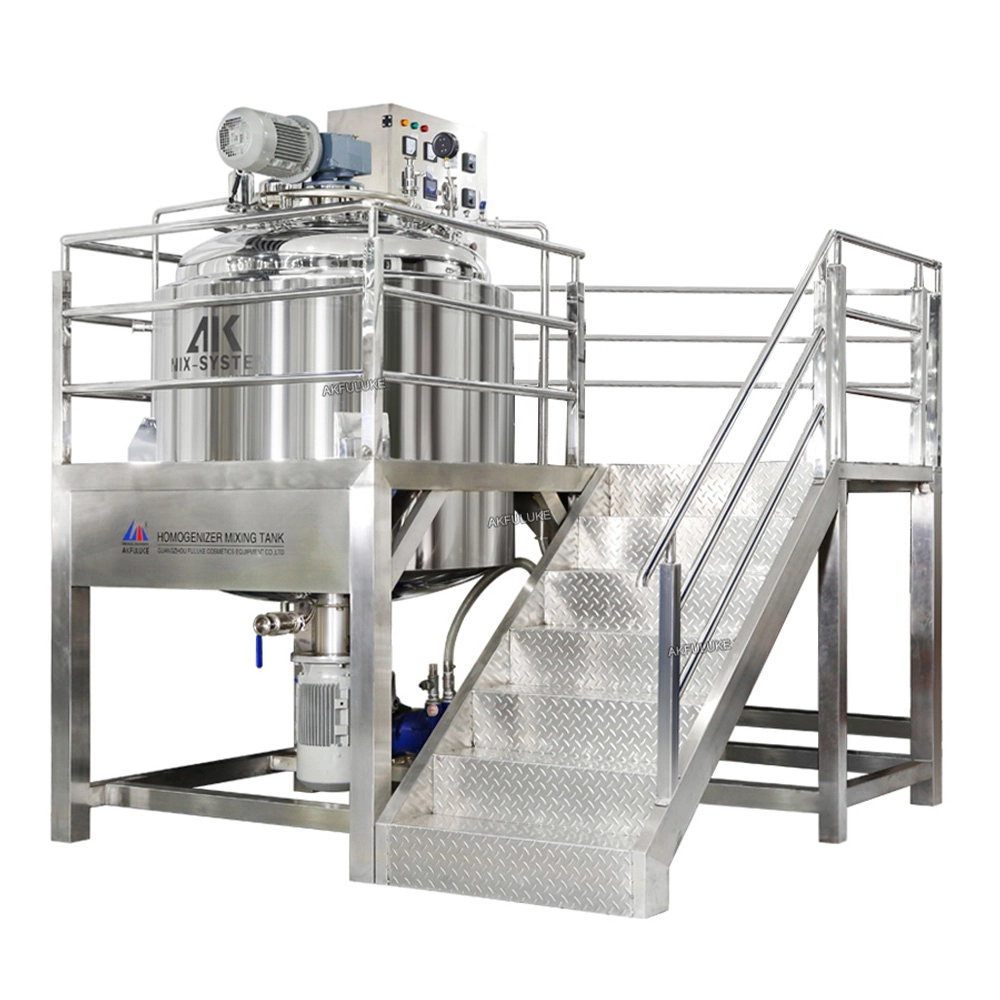
Stainless Steel Mixer Liquid Mixing tank with Agitator Homogenizing Mixing tank Vacuum Sealed Mixer Machine

A leading manufacturer specializing in advanced machinery and complete production lines for the cosmetics, food, pharmaceutical, and chemical industries worldwide.
Contact FULUKE
Facebook
Instagram
YouTube