
What training is needed for filling machine operators?
- Understanding Filling Machine Operator Training Requirements
- 1. What are the educational requirements for filling machine operators?
- 2. What specific training programs are available for filling machine operators?
- 3. How long do these training programs typically last?
- 4. Are there online training options available for filling machine operators?
- 5. What are the key skills required for filling machine operators?
- 6. How can proper training impact the efficiency of filling operations?
- 7. Are there certification programs for filling machine operators?
- 8. How can I assess the effectiveness of a training program for my team?
As the cosmetic industry continues to expand, the demand for efficient and reliable filling machines has surged. Ensuring that operators are well-trained is crucial for maintaining product quality and operational efficiency. Below are some common questions and answers to assist you in understanding the training needs for filling machine operators.
Understanding Filling Machine Operator Training Requirements
1. What are the educational requirements for filling machine operators?
Filling machine operators typically require a high school diploma or equivalent. Some positions may necessitate additional certifications or specialized training, especially in regulated industries like cosmetics.
2. What specific training programs are available for filling machine operators?
Various manufacturers offer tailored training programs for their equipment. For instance:
Elopak provides a comprehensive training program covering operator, technical, quality, and product training to optimize machine performance and staff satisfaction.
Index Capsule Fillers offers specialized training that includes classroom instruction and hands-on sessions, focusing on capsule filling operations.
CDA designs training courses for all sectors, including cosmetics, ensuring operators can master their machines to optimize product packaging.
These programs are often customizable to meet specific operational needs.
3. How long do these training programs typically last?
Training durations vary based on the program and equipment complexity. For example:
Elopak's operator certification involves a two-step process, including formal training and an on-site assessment.
CDA's Level I training lasts 7 hours, while Level II training is 4 hours.
It's essential to consult with the equipment manufacturer for precise training durations.
4. Are there online training options available for filling machine operators?
Yes, some manufacturers offer online training modules. For instance, Norden Machinery provides an eTraining library designed for onboarding and upskilling staff, covering everyday tasks and general knowledge about their tube fillers and packaging solutions.
5. What are the key skills required for filling machine operators?
Effective filling machine operators should possess:
Technical Proficiency: Ability to operate and troubleshoot filling machines.
Attention to Detail: Ensuring accurate measurements and maintaining product quality.
Mechanical Aptitude: Understanding machine components and performing routine maintenance.
Problem-Solving Skills: Addressing operational issues promptly to minimize downtime.
Safety Awareness: Adhering to safety protocols to prevent accidents.
6. How can proper training impact the efficiency of filling operations?
Proper training enhances operator efficiency by:
Reducing Downtime: Well-trained operators can quickly identify and resolve issues.
Improving Product Quality: Ensuring consistent and accurate filling processes.
Extending Equipment Lifespan: Regular maintenance and correct operation reduce wear and tear.
Enhancing Safety: Trained operators are more likely to follow safety protocols, reducing the risk of accidents.
7. Are there certification programs for filling machine operators?
Yes, some manufacturers offer certification programs. For example, Elopak provides a voluntary operator certification that includes formal training and an on-site assessment.
8. How can I assess the effectiveness of a training program for my team?
Evaluate training effectiveness by:
Monitoring Performance: Assessing improvements in operational efficiency and product quality.
Feedback Collection: Gathering input from operators regarding the training's relevance and applicability.
Conducting Assessments: Administering tests or practical evaluations to measure skill acquisition.
Regularly reviewing and updating training programs ensures they remain aligned with industry standards and operational needs.
In conclusion, investing in comprehensive training for filling machine operators is vital for the cosmetic equipment industry. It not only enhances operational efficiency but also ensures product quality and safety.
FULUKE stands out in this domain by offering tailored training programs that address the unique challenges of the cosmetic equipment industry. Their expert trainers provide hands-on instruction, ensuring that operators are well-prepared to handle equipment effectively and safely.
By choosing FULUKE, you invest in a partner committed to enhancing your team's skills and optimizing your production processes.
References:

Understanding Servo Capping Machines: The Core Logic of Precise Capping – Understand the Entire Working Process in Seconds
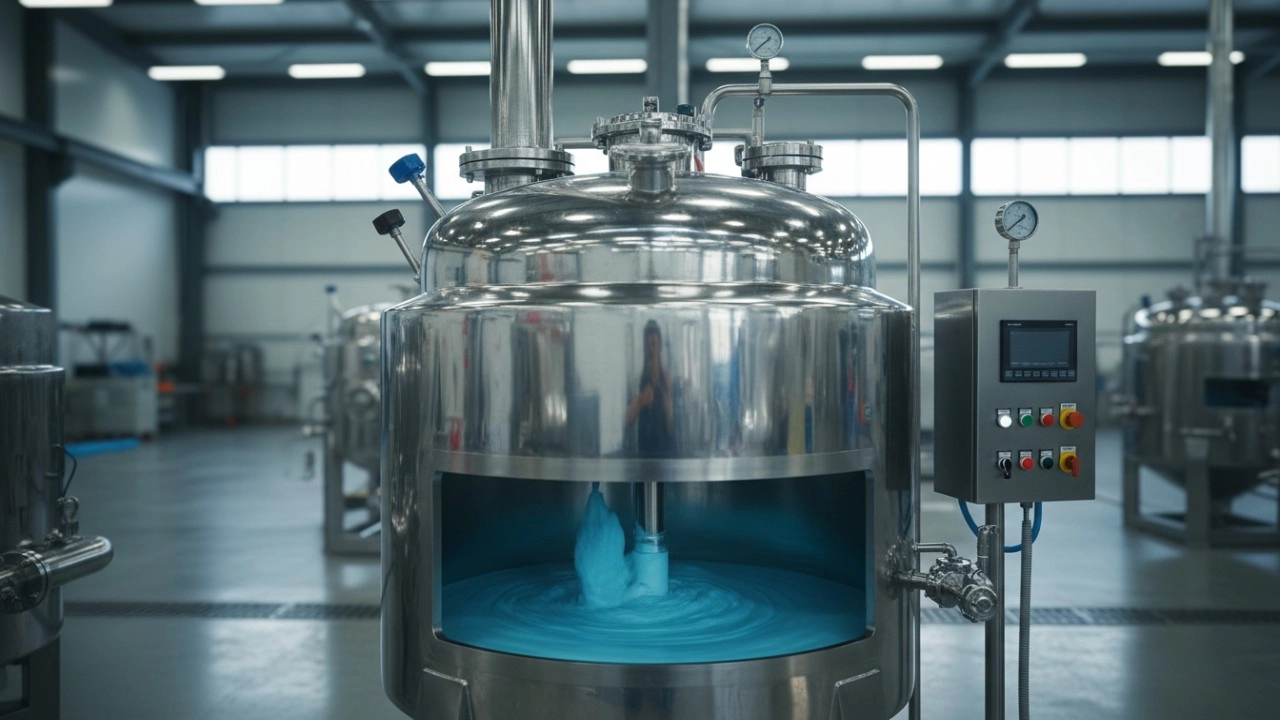
The Future of Industrial Agitation: 5 Smart Mixing Tank Technologies Changing the Game
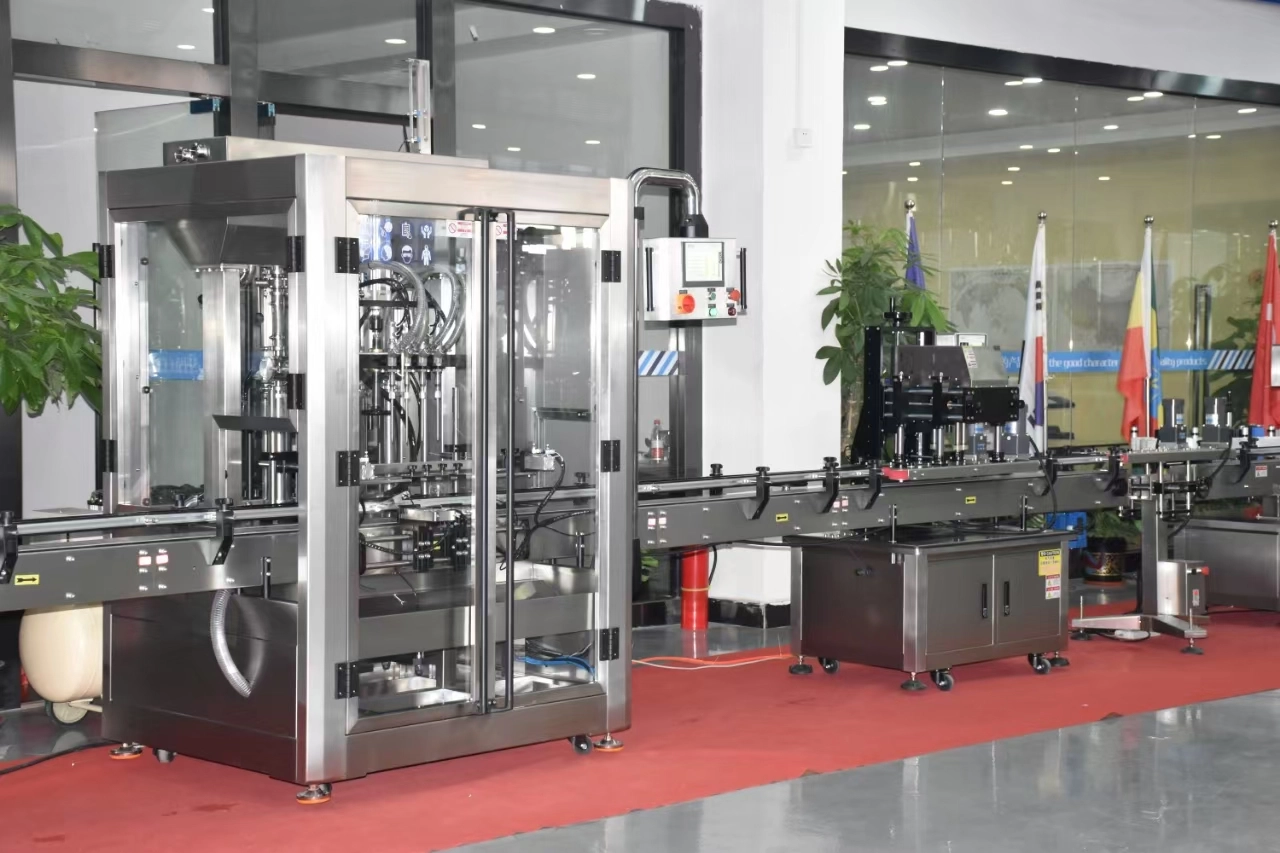
Gear pump filling machine vs. piston filling machine: Key differences broken down to avoid pitfalls in selection.
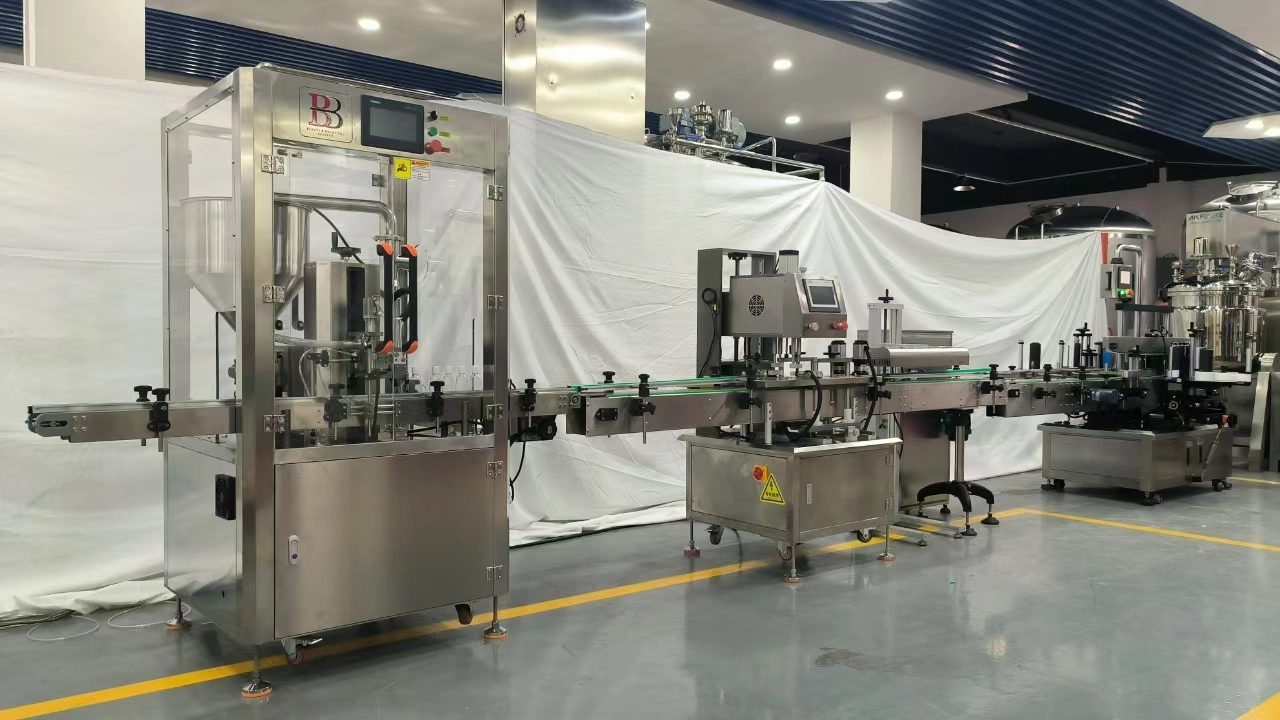
Understand the working principle of a servo gear pump filling machine!
Automatic Labeling Machine
Who are we?
Our headquarters is located in Guangzhou, Guangdong, China, and our factory is located in Yangzhou, Jiangsu. Our products are sold all over the world. We have approximately 50 employees in our company and factory.
FAQs
What sets FULUKE apart from other cosmetics machinery manufacturers?
Vacuum Emulsifying Machine
Can you customize the machine?
Of course, we provide customized services according to customer needs.
Automatic Tube Filling and Sealing Machine
Why are wrinkles, leaks, or uneven edges appearing after sealing? How can this be addressed?
These issues are often caused by three core factors, with corresponding solutions as follows:
Temperature mismatch: If the temperature is too low, the edge seal will not adhere well and leaks may occur; if the temperature is too high, it may burn and wrinkle. Adjust the sealing temperature using the PLC touch screen.
Insufficient pressure/time: The sealing cylinder pressure should be adjusted according to the hose material, and the sealing head pressing time should be ≥ 1.5 seconds to avoid a poor seal caused by insufficient pressure or short pressing time.
Mold wear/alignment deviation: Inspect the sealing mold for scratches and deformation. Replace if worn. If the label is misaligned with the seal, calibrate the photoelectric sensor position.
Inkjet Printing Machine
What products can inkjet printers be used for?
It can be used for products such as carton, plastic, metal, boarding, pipe, stone, cable, glass, electronic components, auto parts, industrial chemical packaging, and medical/food/gift boxes.
Get in touch with FULUKE
If you have any comments or good suggestions, please leave us a message, later our professional staff will contact you as soon as possible.
You May Also Like
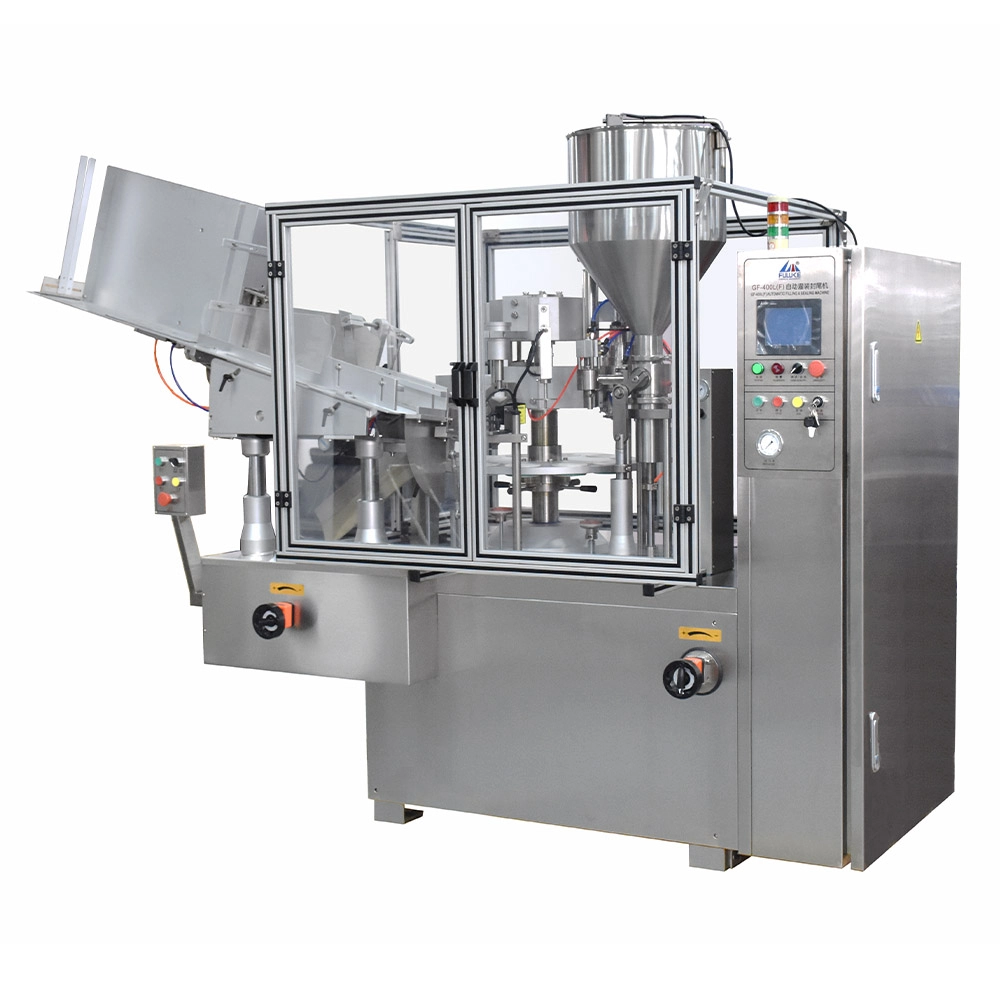
Automatic Tube Filling and Sealing Machine Toothpaste Sunscreen and Facial Cleanser Filling and Sealing Machine for Plastic and Aluminum-plastic Tube
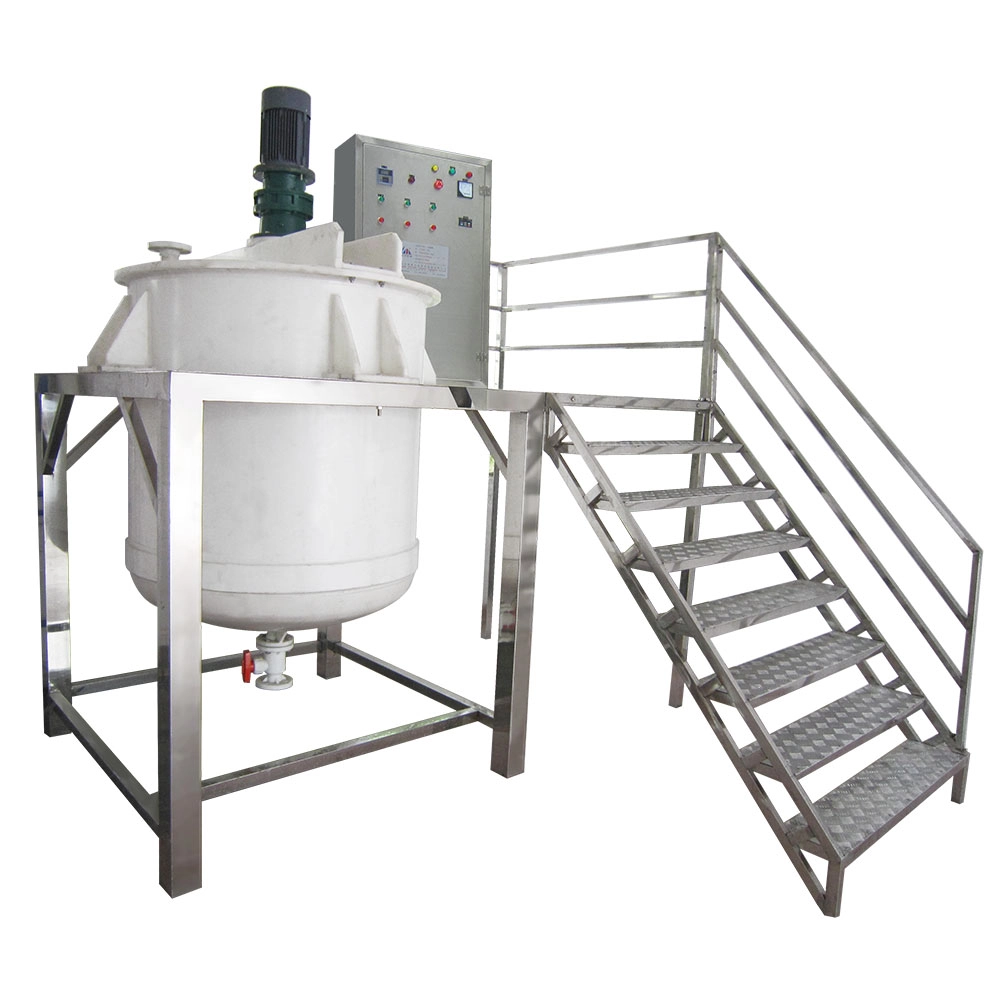
Polypropylene PP Mixing Tank Anti-Corrosion Mixer Reaction Kettle with Agitator Chemical Mixing Vessel
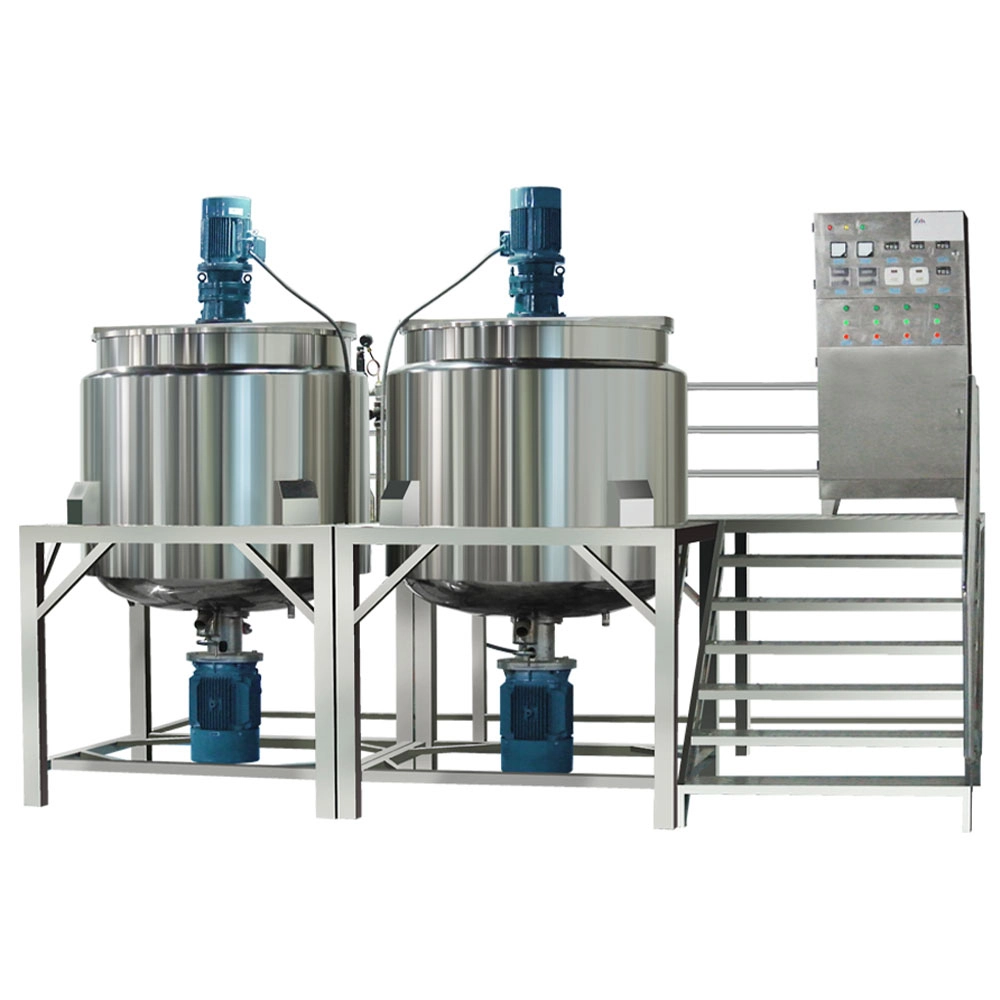
Flip Cover Multi-function Liquid Wash Mixing Tank Blender Liquid Detergent Mixer Homogenization Stirring Tank
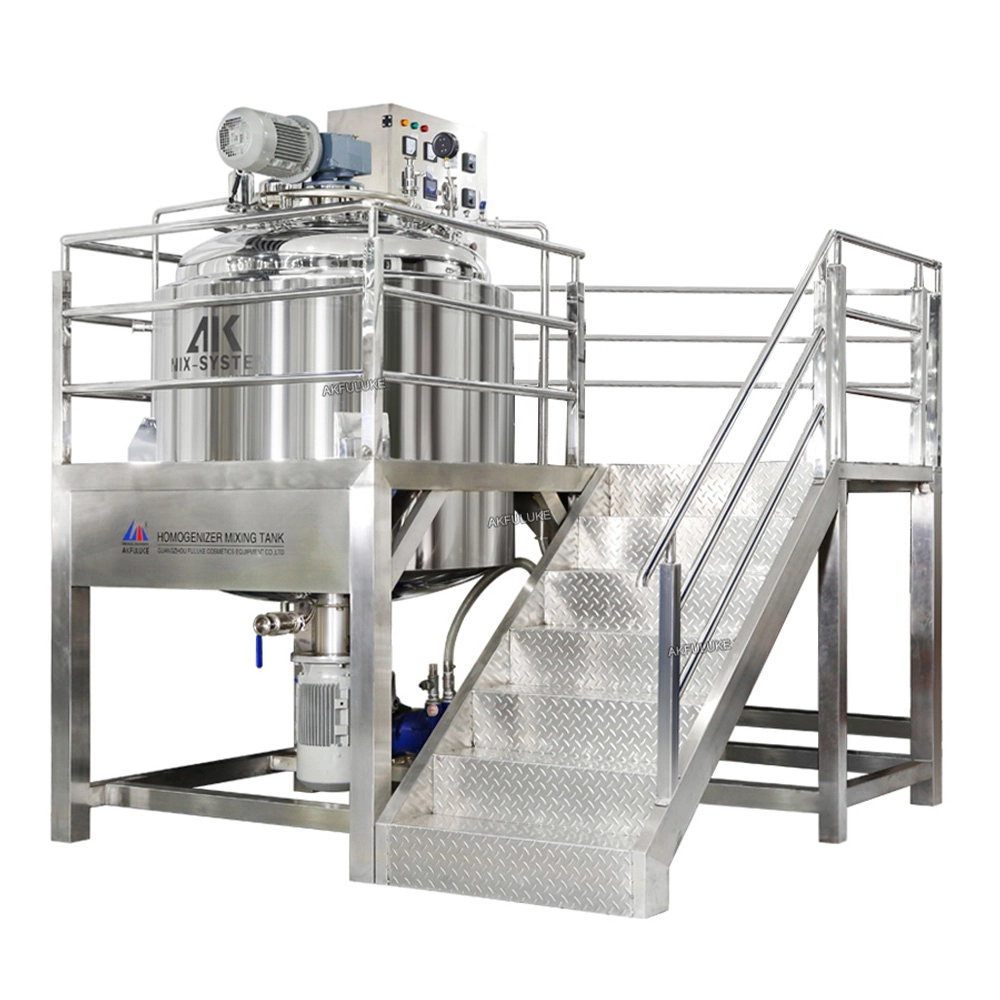
Stainless Steel Mixer Liquid Mixing tank with Agitator Homogenizing Mixing tank Vacuum Sealed Mixer Machine

A leading manufacturer specializing in advanced machinery and complete production lines for the cosmetics, food, pharmaceutical, and chemical industries worldwide.
Contact FULUKE
Facebook
Instagram
YouTube