
What automation levels fit high-mix cosmetic lines?
- Understanding Filling Machines and Automation Levels in High-Mix Cosmetic Production Lines
- 1. What Types of Filling Machines Are Suitable for Cosmetic Products?
- 2. How Do Automation Levels Impact High-Mix Cosmetic Production Lines?
- 3. What Are the Key Considerations When Selecting Filling Equipment for High-Mix Cosmetic Lines?
- 4. How Do Automation Levels Affect Equipment Cost and Maintenance?
- 5. What Are the Benefits of Integrating Automation in High-Mix Cosmetic Production?
- 6. How Do Automation Levels Impact Product Quality and Consistency?
- 7. What Are the Challenges in Implementing Automation in High-Mix Cosmetic Production?
- 8. How Can Manufacturers Ensure Flexibility in Automated Filling Systems for High-Mix Production?
- FULUKE: Your Partner in Advanced Cosmetic Filling Solutions
Understanding Filling Machines and Automation Levels in High-Mix Cosmetic Production Lines
In the dynamic world of cosmetic manufacturing, selecting the right filling machine and determining appropriate automation levels are crucial for ensuring product quality, operational efficiency, and adaptability to diverse product lines. This guide delves into key considerations for equipment selection and automation strategies tailored for high-mix cosmetic production lines.
1. What Types of Filling Machines Are Suitable for Cosmetic Products?
Cosmetic products vary widely in viscosity, from thin serums to thick creams. Selecting a filling machine that can handle this range is essential. Common types include:
Piston Fillers: Ideal for thick creams and gels, providing precise volume control.
Gear Pump Fillers: Suitable for both low and high viscosity liquids, offering consistent filling volumes.
Powder Filling Machines: Designed for products like face powders and talcum powder, ensuring accurate dispensing.
Granule Filling Machines: Perfect for granule-based products such as exfoliants and bath salts.
2. How Do Automation Levels Impact High-Mix Cosmetic Production Lines?
High-mix production lines, characterized by frequent product changes and small batch sizes, require flexible automation solutions. Automation levels directly influence production speed, consistency, and the ability to handle diverse product formulations.
Manual Systems: Offer flexibility but may struggle with consistency and speed.
Semi-Automatic Systems: Balance flexibility and efficiency, suitable for moderate production volumes.
Fully Automatic Systems: Provide high-speed, consistent filling, ideal for large-scale operations with high product variability.
3. What Are the Key Considerations When Selecting Filling Equipment for High-Mix Cosmetic Lines?
When choosing filling equipment for high-mix cosmetic production, consider the following factors:
Product Characteristics: Assess viscosity, particulate content, and sensitivity to shear.
Container Specifications: Ensure compatibility with various container sizes and shapes.
Throughput Requirements: Evaluate production speed needs and scalability.
Changeover Time: Opt for machines that allow quick format changes to minimize downtime.
Compliance and Hygiene: Verify adherence to industry standards and ease of cleaning.
4. How Do Automation Levels Affect Equipment Cost and Maintenance?
Higher automation levels typically lead to increased initial investment but can result in long-term savings through reduced labor costs and improved efficiency. Maintenance requirements may also vary, with automated systems potentially requiring specialized support.
5. What Are the Benefits of Integrating Automation in High-Mix Cosmetic Production?
Integrating automation in high-mix cosmetic production offers several advantages:
Consistency: Automated systems ensure uniform product quality across batches.
Efficiency: Reduced manual intervention speeds up production cycles.
Flexibility: Advanced automation can handle a wide range of products and packaging formats.
Scalability: Automated lines can be adjusted to meet changing production demands.
6. How Do Automation Levels Impact Product Quality and Consistency?
Higher automation levels enhance product quality and consistency by minimizing human error, ensuring precise filling volumes, and maintaining uniformity across production runs. This is particularly important in the cosmetic industry, where product quality is paramount.
7. What Are the Challenges in Implementing Automation in High-Mix Cosmetic Production?
Implementing automation in high-mix cosmetic production can present challenges such as:
High Initial Investment: Automated systems require significant upfront capital.
Complexity in Integration: Ensuring seamless integration with existing equipment and processes.
Training Requirements: Staff may need extensive training to operate and maintain automated systems.
Maintenance Needs: Automated systems may require specialized maintenance and support.
8. How Can Manufacturers Ensure Flexibility in Automated Filling Systems for High-Mix Production?
Manufacturers can ensure flexibility in automated filling systems by:
Modular Design: Opting for machines with interchangeable parts to accommodate different products.
Quick Changeover Mechanisms: Implementing systems that allow rapid adjustments between product types.
Advanced Control Systems: Utilizing software that can be easily reprogrammed for various products.
Comprehensive Training: Providing staff with training on operating and adjusting automated systems for different products.
FULUKE: Your Partner in Advanced Cosmetic Filling Solutions
FULUKE specializes in providing cutting-edge cosmetic filling machines tailored for high-mix production lines. Our equipment is designed for versatility, efficiency, and precision, ensuring your production meets the highest standards. With a focus on innovation and customer satisfaction, FULUKE is committed to supporting your manufacturing needs with reliable and adaptable solutions.

Understanding Servo Capping Machines: The Core Logic of Precise Capping – Understand the Entire Working Process in Seconds
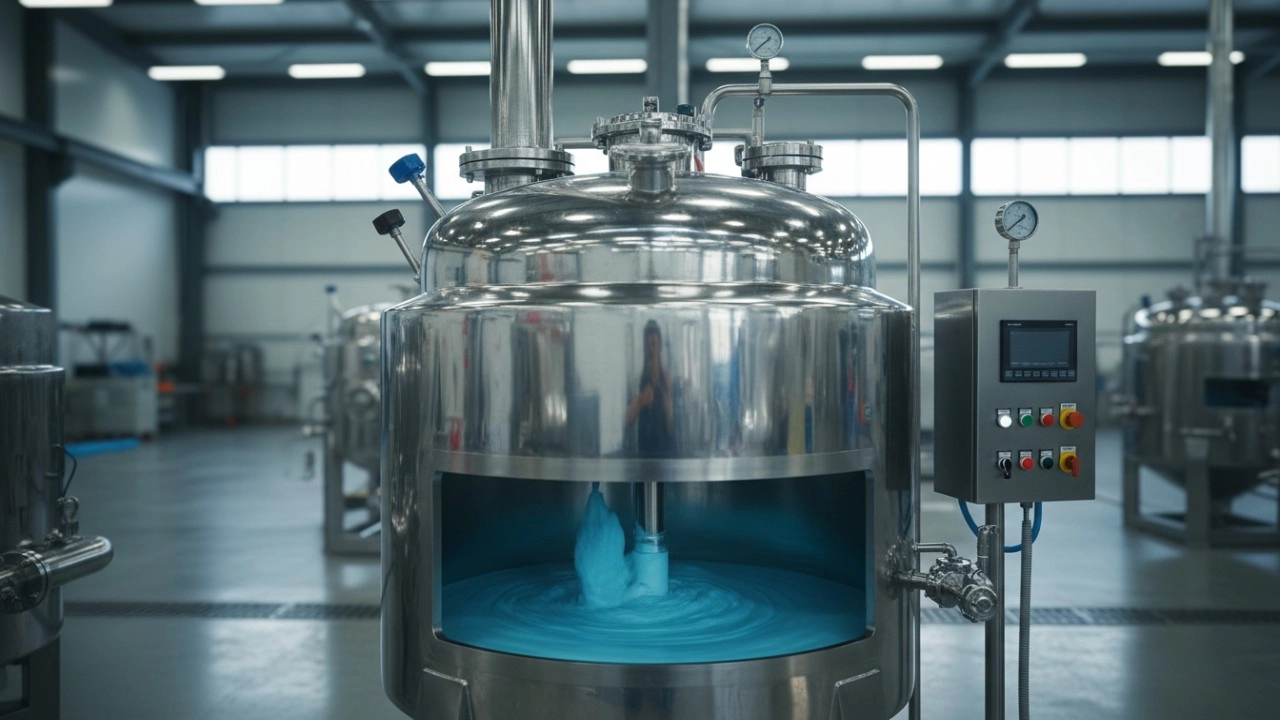
The Future of Industrial Agitation: 5 Smart Mixing Tank Technologies Changing the Game
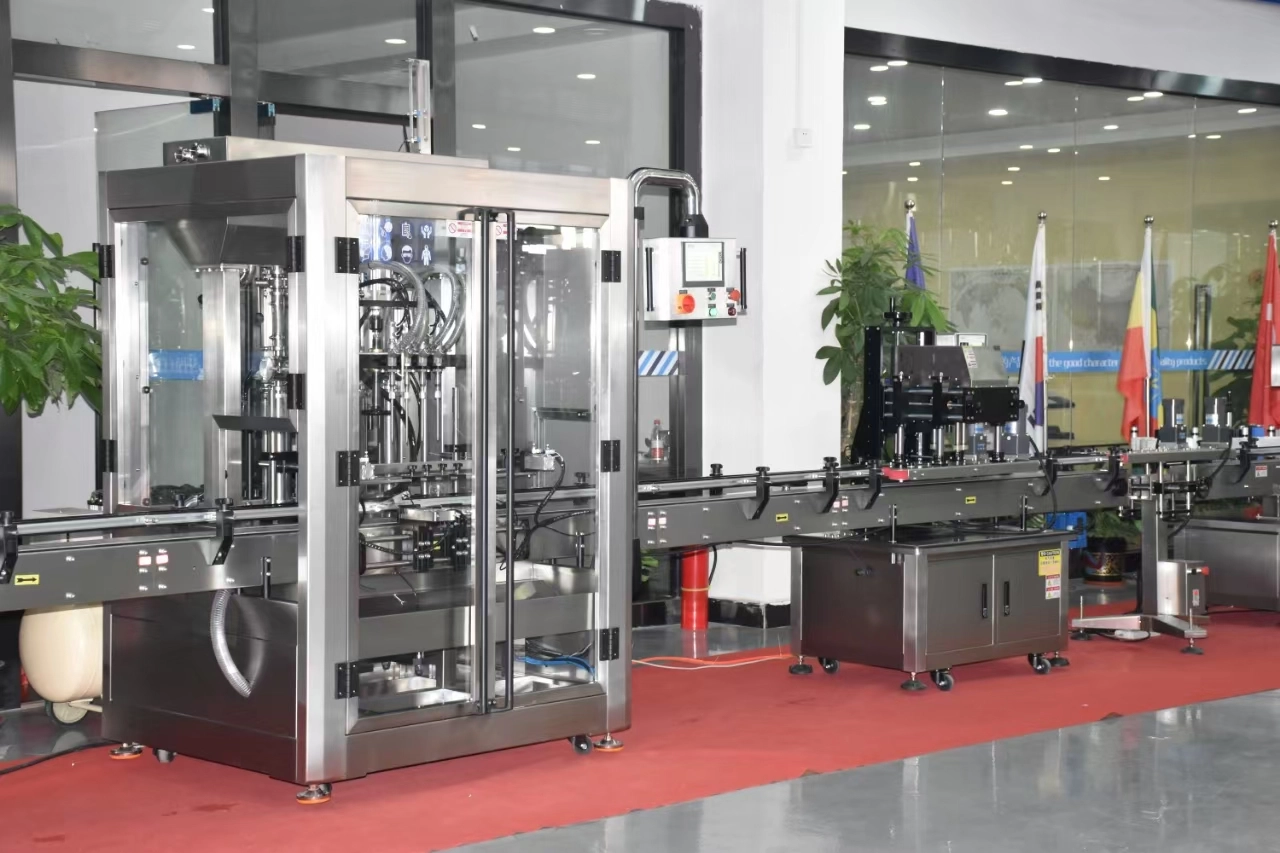
Gear pump filling machine vs. piston filling machine: Key differences broken down to avoid pitfalls in selection.
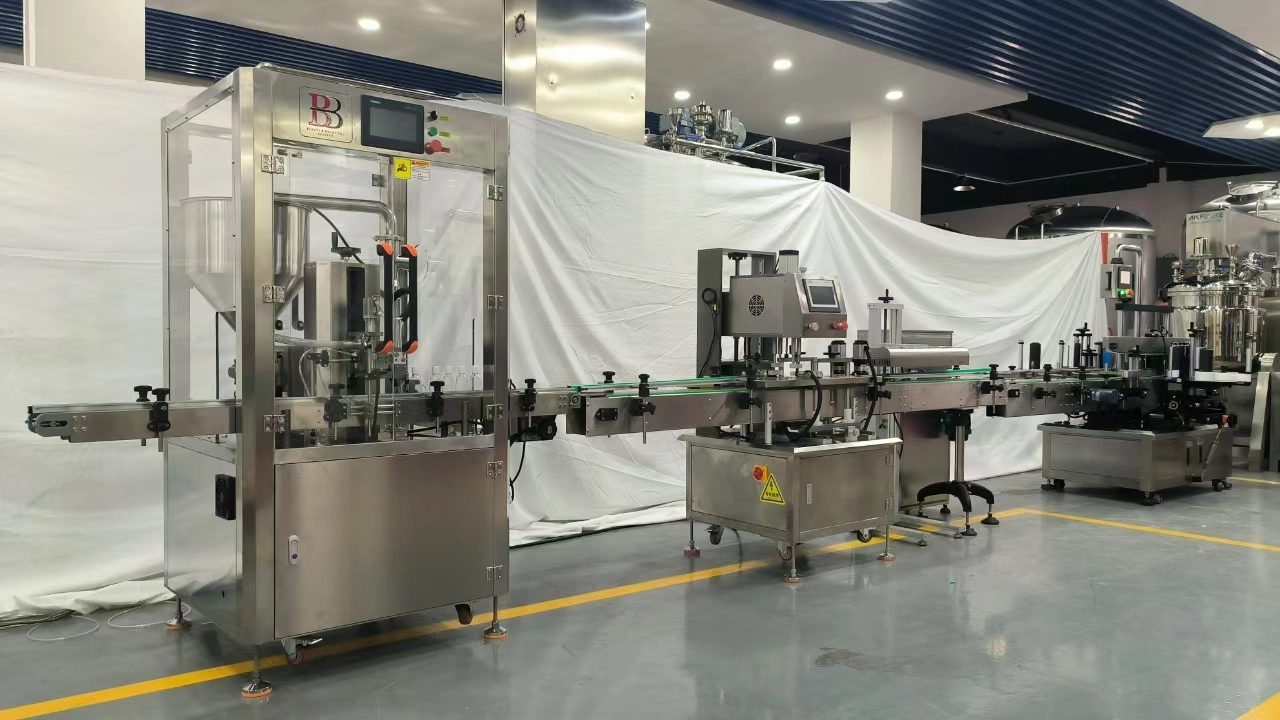
Understand the working principle of a servo gear pump filling machine!
Polypropylene PP Mixing Tank
Can you customize the machine?
Of course, we provide customized services according to customer needs.
Storage Tank
Do special operating conditions (such as high temperature or high pressure) require special customization?
Yes. High-temperature applications require the use of heat-resistant materials and additional insulation. High-pressure applications require enhanced tank wall thickness and sealing structures. Both require individual designs according to corresponding industry standards.
Who are we?
Our headquarters is located in Guangzhou, Guangdong, China, and our factory is located in Yangzhou, Jiangsu. Our products are sold all over the world. We have approximately 50 employees in our company and factory.
Automatic Facial Mask Filling Machine
What can you buy from us?
RO Water Treatment、Vacuum Emulsifying Machine、Homogenizer Mixing Tank、Filling and Capping、labeling Machine、Packing Machine、Storage Tank,etc.
Sealed Homogenizing Mixing Tank
What is the speed of the high shear homogenizer?
The standard speed is 0-3000 rpm, but higher speeds can be customized upon request.
Get in touch with FULUKE
If you have any comments or good suggestions, please leave us a message, later our professional staff will contact you as soon as possible.
You May Also Like
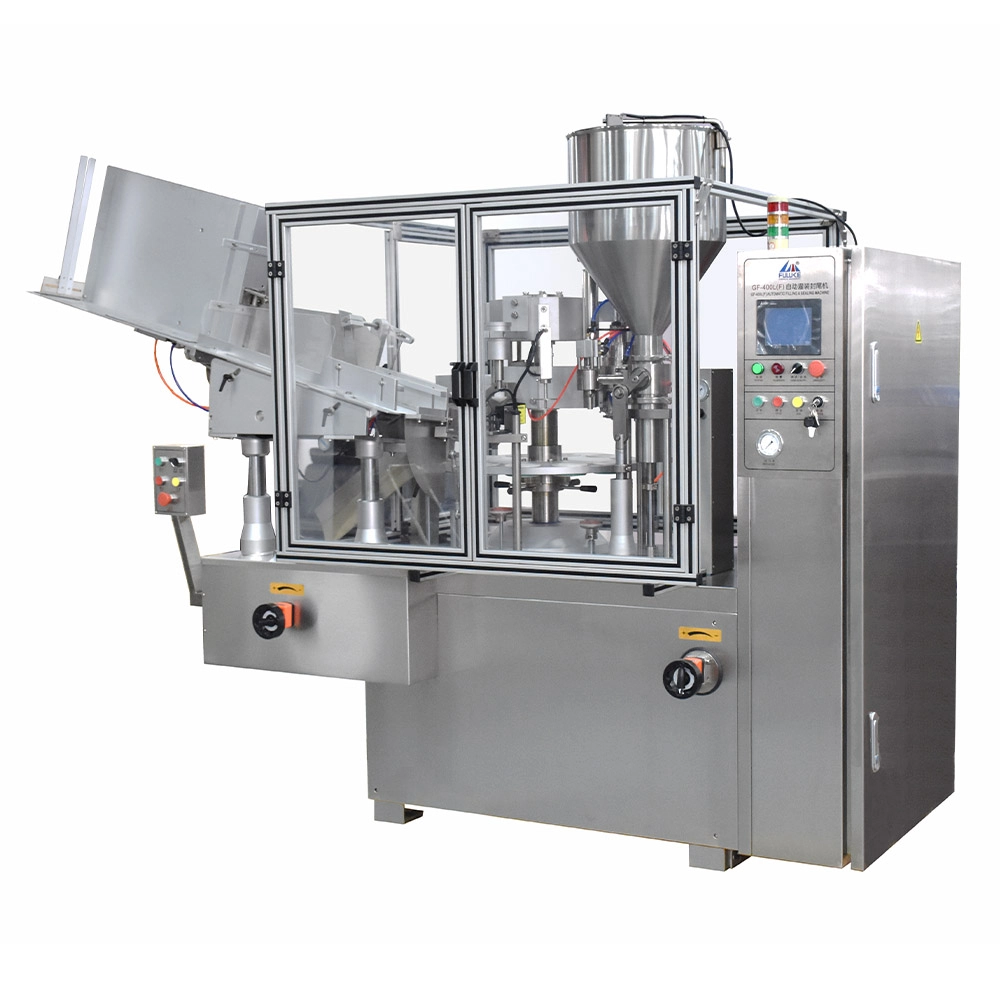
Automatic Tube Filling and Sealing Machine Toothpaste Sunscreen and Facial Cleanser Filling and Sealing Machine for Plastic and Aluminum-plastic Tube
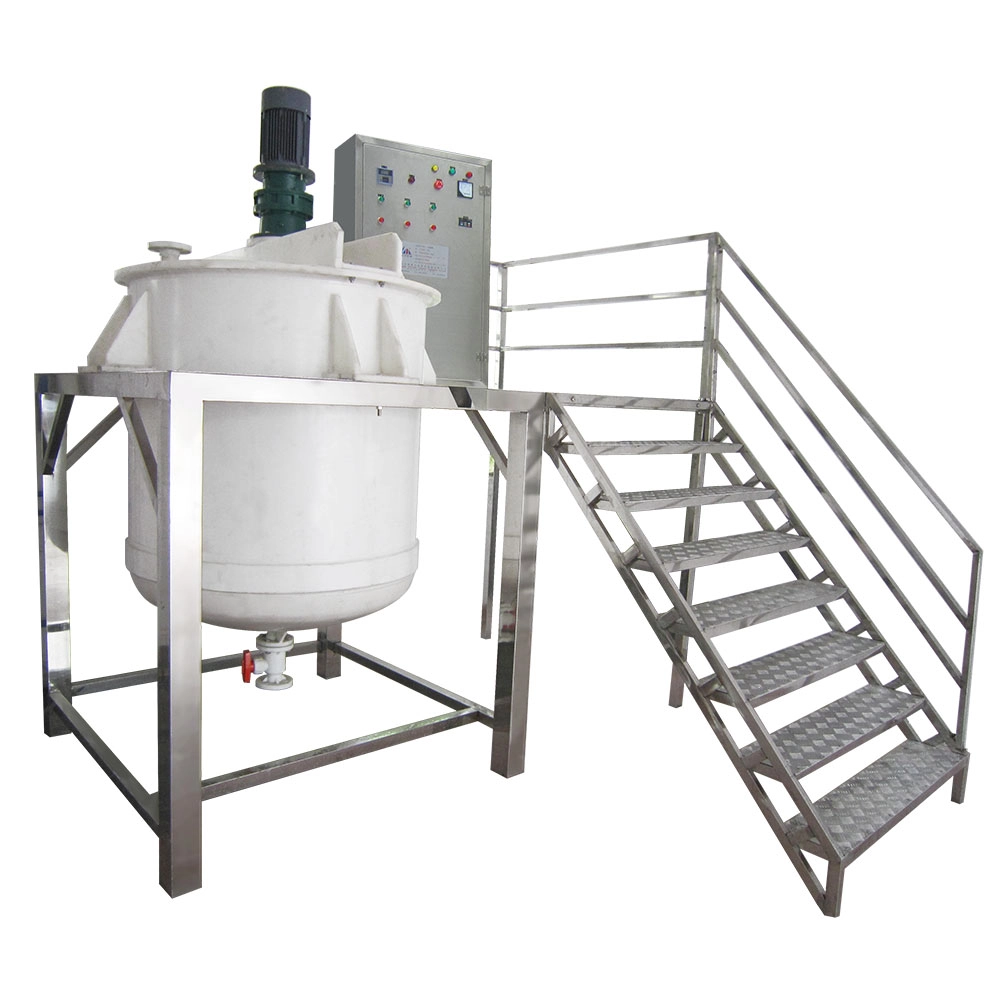
Polypropylene PP Mixing Tank Anti-Corrosion Mixer Reaction Kettle with Agitator Chemical Mixing Vessel
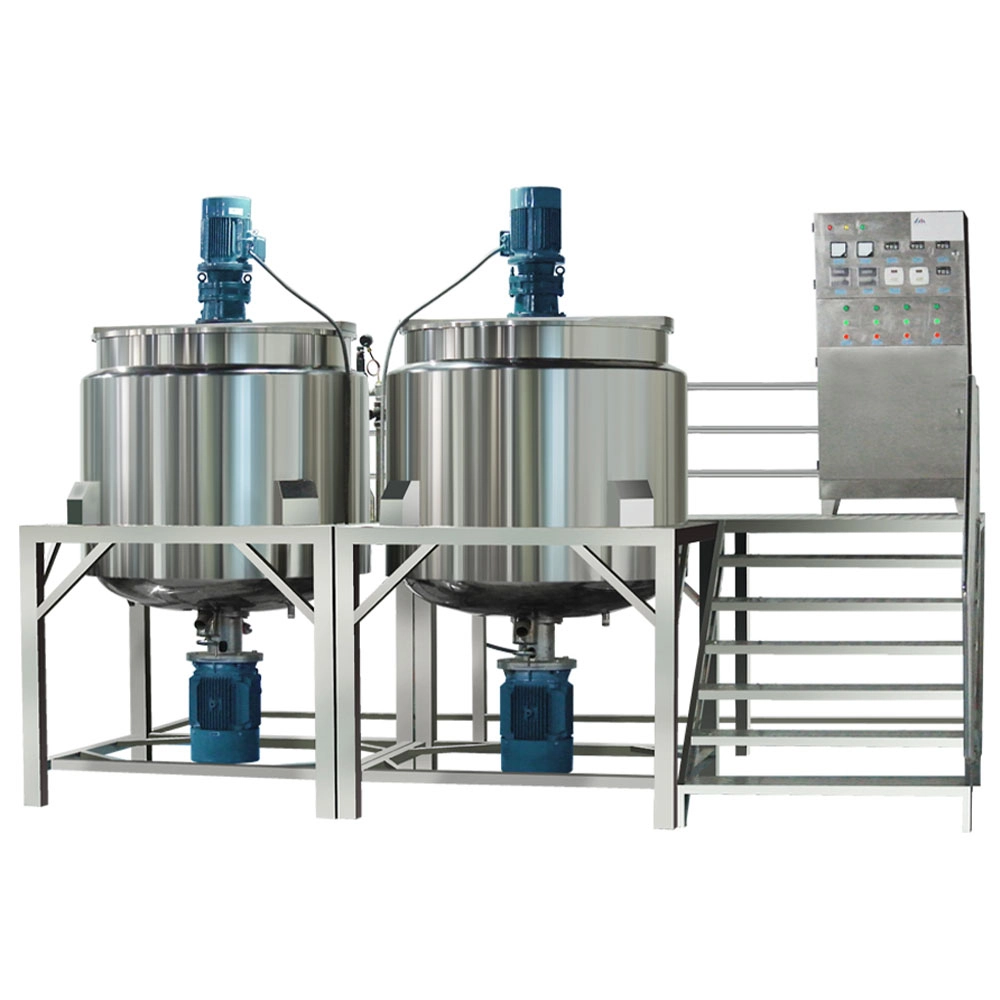
Flip Cover Multi-function Liquid Wash Mixing Tank Blender Liquid Detergent Mixer Homogenization Stirring Tank
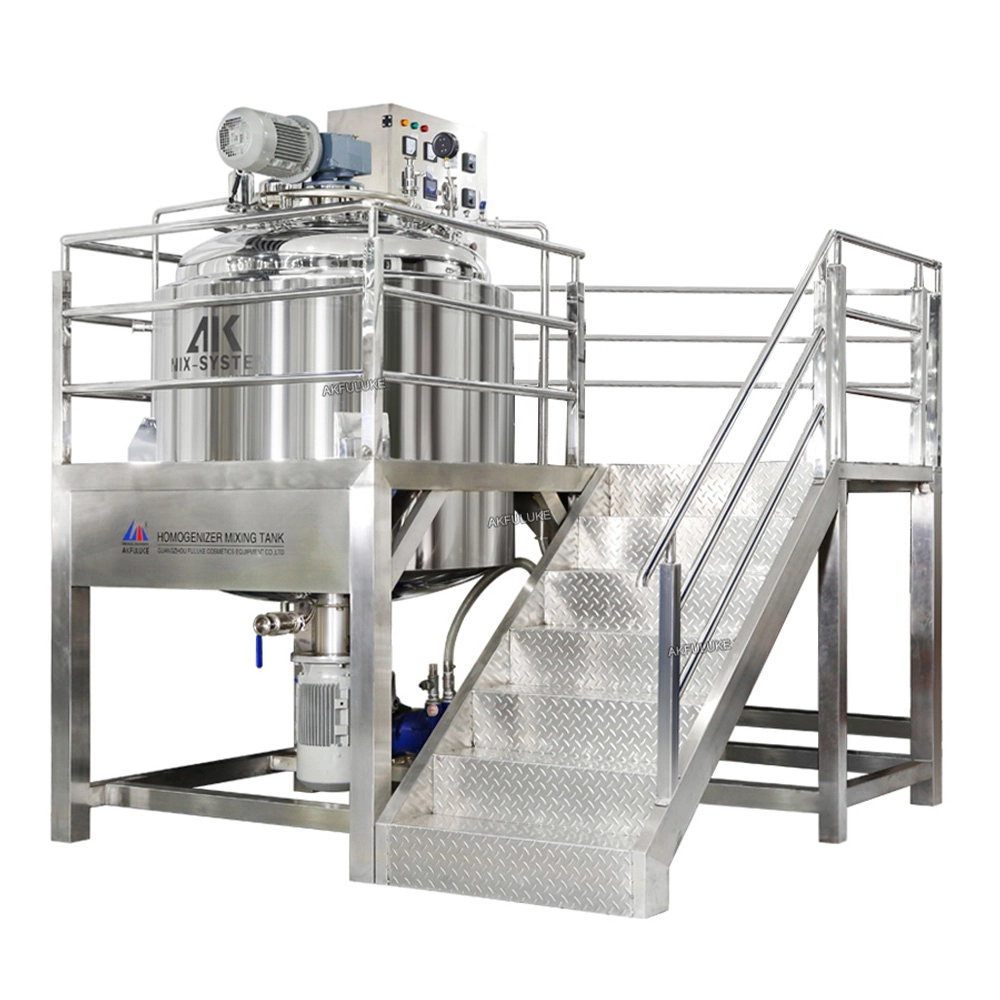
Stainless Steel Mixer Liquid Mixing tank with Agitator Homogenizing Mixing tank Vacuum Sealed Mixer Machine

A leading manufacturer specializing in advanced machinery and complete production lines for the cosmetics, food, pharmaceutical, and chemical industries worldwide.
Contact FULUKE
Facebook
Instagram
YouTube