
How to ensure GMP compliance with tank mixers?
- 1. How can I verify that my tank mixer meets GMP standards for cosmetic production?
- 2. What are the key design features of a GMP-compliant tank mixer for cosmetics?
- 3. How do I establish effective cleaning protocols for my tank mixer to maintain GMP compliance?
- 4. What are the common challenges in achieving GMP compliance with tank mixers in cosmetic manufacturing?
- 5. How can I ensure that my tank mixer is suitable for different cosmetic formulations while maintaining GMP compliance?
- 6. What are the benefits of investing in a GMP-compliant tank mixer for cosmetic manufacturing?
1. How can I verify that my tank mixer meets GMP standards for cosmetic production?
Ensuring that your tank mixer complies with Good Manufacturing Practice (GMP) standards is crucial for maintaining product quality and safety. To verify compliance:
Material Selection: Ensure all materials in contact with cosmetic ingredients are non-reactive, non-toxic, and resistant to corrosion. Stainless steel grades like SUS304 or SUS316L are commonly used due to their durability and hygienic properties.
Design and Construction: The mixer should have smooth, seamless surfaces without sharp edges or crevices to prevent contamination. Features like sanitary design, easy disassembly, and Clean-In-Place (CIP) compatibility are essential.
Process Control: Implement precise control systems for critical parameters such as temperature, pressure, and mixing speed. Automated monitoring and documentation of these parameters help in maintaining consistent product quality and facilitate traceability during audits.
Cleaning and Maintenance: Establish regular cleaning protocols to prevent cross-contamination. The mixer should be designed for easy cleaning, with features like removable parts and sanitary design to facilitate thorough sanitation.
Documentation: Maintain comprehensive records of equipment specifications, maintenance activities, and cleaning procedures. Proper documentation supports compliance during regulatory inspections and ensures accountability.
By systematically evaluating these aspects, you can confirm that your tank mixer aligns with GMP standards, thereby ensuring the production of safe and high-quality cosmetic products.
2. What are the key design features of a GMP-compliant tank mixer for cosmetics?
A GMP-compliant tank mixer for cosmetic manufacturing should incorporate several key design features to ensure product quality and safety:
Material Selection: Use non-reactive, non-toxic, and corrosion-resistant materials, such as stainless steel grades SUS304 or SUS316L, to prevent contamination and ensure durability.
Hygienic Design: Design the mixer with smooth, seamless surfaces and eliminate sharp edges or crevices to prevent bacterial growth and facilitate easy cleaning.
Process Control Integration: Integrate high-precision sensors and control systems to monitor and regulate critical parameters like temperature, pressure, and mixing speed, ensuring consistent product quality.
Contamination Control: Incorporate features such as hermetic sealing, filtration systems, and designated waste channels to prevent cross-contamination and maintain product integrity.
Cleaning and Maintenance Features: Design the mixer for easy disassembly and cleaning, with features like removable parts and CIP compatibility, to ensure thorough sanitation and prevent contamination.
Documentation and Traceability: Ensure the mixer design allows for comprehensive documentation of maintenance activities, cleaning procedures, and process parameters, supporting compliance during regulatory inspections.
Incorporating these design features will help ensure that your tank mixer meets GMP standards, thereby supporting the production of safe and high-quality cosmetic products.
3. How do I establish effective cleaning protocols for my tank mixer to maintain GMP compliance?
Establishing effective cleaning protocols for your tank mixer is essential to prevent cross-contamination and ensure GMP compliance in cosmetic manufacturing. Key steps include:
Develop Standard Operating Procedures (SOPs): Create detailed SOPs outlining cleaning procedures, frequency, and responsibilities to ensure consistency and accountability.
Use Appropriate Cleaning Agents: Select cleaning agents that are effective against the types of residues present and are compatible with the materials of the mixer to prevent damage.
Implement Clean-In-Place (CIP) Systems: Utilize CIP systems to automate and standardize the cleaning process, reducing human error and ensuring thorough sanitation.
Monitor Cleaning Effectiveness: Use indicators or tests to verify that cleaning has been effective, such as ATP testing or visual inspections.
Maintain Cleaning Records: Document all cleaning activities, including dates, personnel, and any issues encountered, to provide traceability and support compliance during audits.
By implementing these steps, you can establish effective cleaning protocols that maintain GMP compliance and ensure the production of safe and high-quality cosmetic products.
4. What are the common challenges in achieving GMP compliance with tank mixers in cosmetic manufacturing?
Achieving GMP compliance with tank mixers in cosmetic manufacturing presents several challenges:
Material Compatibility: Ensuring that all materials in contact with cosmetic ingredients are non-reactive and compatible to prevent contamination.
Design Complexity: Designing mixers with features like smooth, seamless surfaces and easy disassembly to facilitate thorough cleaning and prevent bacterial growth.
Process Control Integration: Implementing precise control systems for critical parameters such as temperature, pressure, and mixing speed to maintain consistent product quality.
Cleaning and Maintenance: Establishing effective cleaning protocols and maintaining equipment to prevent cross-contamination and ensure compliance.
Documentation and Traceability: Maintaining comprehensive records of equipment specifications, maintenance activities, and cleaning procedures to support compliance during regulatory inspections.
Addressing these challenges requires careful planning, investment in quality equipment, and adherence to GMP guidelines to ensure the production of safe and high-quality cosmetic products.
5. How can I ensure that my tank mixer is suitable for different cosmetic formulations while maintaining GMP compliance?
To ensure that your tank mixer is suitable for various cosmetic formulations while maintaining GMP compliance:
Assess Formulation Requirements: Understand the specific needs of each formulation, including viscosity, temperature sensitivity, and emulsification requirements.
Select Versatile Equipment: Choose mixers with adjustable settings and interchangeable components to accommodate different formulations.
Ensure Material Compatibility: Verify that all materials in contact with the formulations are non-reactive and compatible to prevent contamination.
Implement Flexible Process Controls: Utilize control systems that can be easily adjusted to meet the varying parameters required for different formulations.
Maintain Comprehensive Documentation: Keep detailed records of each formulation's processing parameters and any adjustments made to the equipment to ensure traceability and compliance.
By considering these factors, you can ensure that your tank mixer is adaptable to various cosmetic formulations while adhering to GMP standards.
6. What are the benefits of investing in a GMP-compliant tank mixer for cosmetic manufacturing?
Investing in a GMP-compliant tank mixer offers several benefits:
Enhanced Product Quality: Ensures consistent and high-quality products by maintaining strict manufacturing standards.
Regulatory Compliance: Facilitates adherence to industry regulations, reducing the risk of non-compliance penalties.
Consumer Safety: Reduces the risk of contamination, ensuring that products are safe for consumer use.
Operational Efficiency: Improves production efficiency through standardized processes and reduced downtime.
Market Competitiveness: Demonstrates a commitment to quality, enhancing brand reputation and consumer trust.
By investing in a GMP-compliant tank mixer, manufacturers can achieve these benefits, leading to improved product quality and business success.
For a personalized quote or more information, please contact us at flk09@gzflk.com or visit our website at www.fulukemix.com.

Understanding Servo Capping Machines: The Core Logic of Precise Capping – Understand the Entire Working Process in Seconds
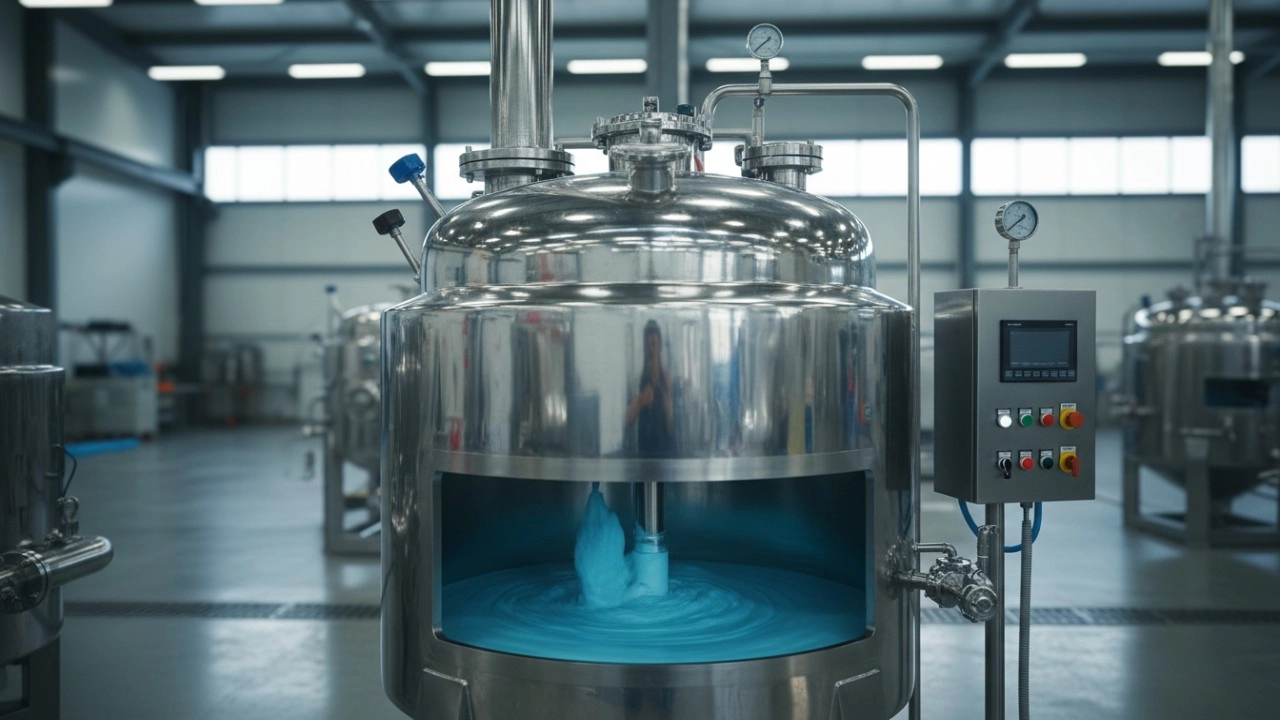
The Future of Industrial Agitation: 5 Smart Mixing Tank Technologies Changing the Game
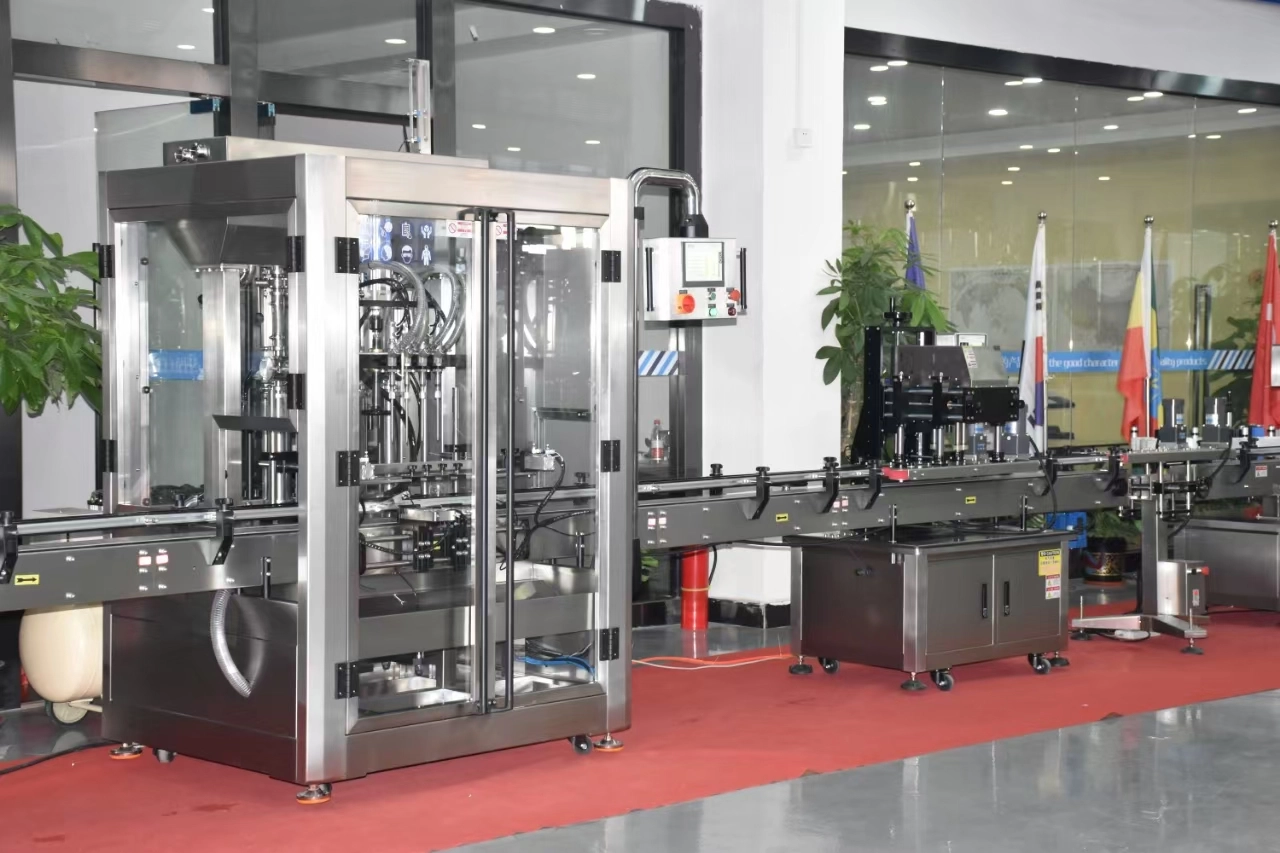
Gear pump filling machine vs. piston filling machine: Key differences broken down to avoid pitfalls in selection.
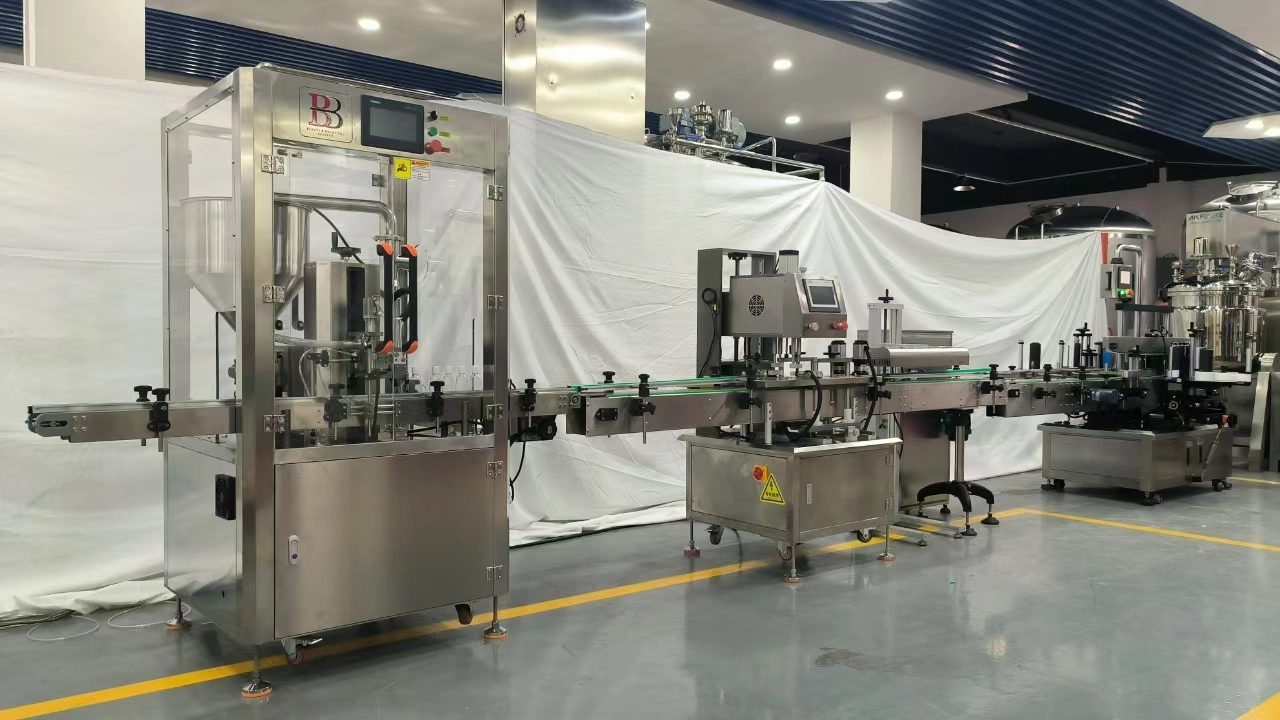
Understand the working principle of a servo gear pump filling machine!
Lift-type Homogenizing Disperser
What can you buy from us?
RO Water Treatment、Vacuum Emulsifying Machine、Homogenizer Mixing Tank、Filling and Capping、labeling Machine、Packing Machine、Storage Tank,etc.
Inkjet Printing Machine
The printer isn't printing properly after a long period of inactivity. Is the printhead broken?
The printhead is most likely clogged due to dried ink, rather than complete damage. Prolonged inactivity is one of the main causes of inkjet printer clogs. Ink dries in the tiny nozzles, hindering ink flow. Try performing the automatic printhead cleaning procedure 2-3 times. If this doesn't work, remove the printhead, soak it in anhydrous alcohol for half an hour, then rinse (this requires professional operation; novice printers are advised to have the printer serviced). After the alcohol has completely evaporated, reinstall and test. It's recommended to perform a self-check at least once a week to prevent the printhead from drying out.
Film Packaging Machine
What industries is this film packaging machine suitable for?
This machine is widely used for packaging a variety of items in large single boxes or multiple small boxes (with gold drawstring) in industries such as pharmaceuticals, health products, food, cosmetics, stationery, and audio-visual products.
Automatic Filling Machine
Who are we?
Our headquarters is located in Guangzhou, Guangdong, China, and our factory is located in Yangzhou, Jiangsu. Our products are sold all over the world. We have approximately 50 employees in our company and factory.
Perfume Filling Machine
Can you customize the machine?
Of course, we provide customized services according to customer needs.
Get in touch with FULUKE
If you have any comments or good suggestions, please leave us a message, later our professional staff will contact you as soon as possible.
You May Also Like
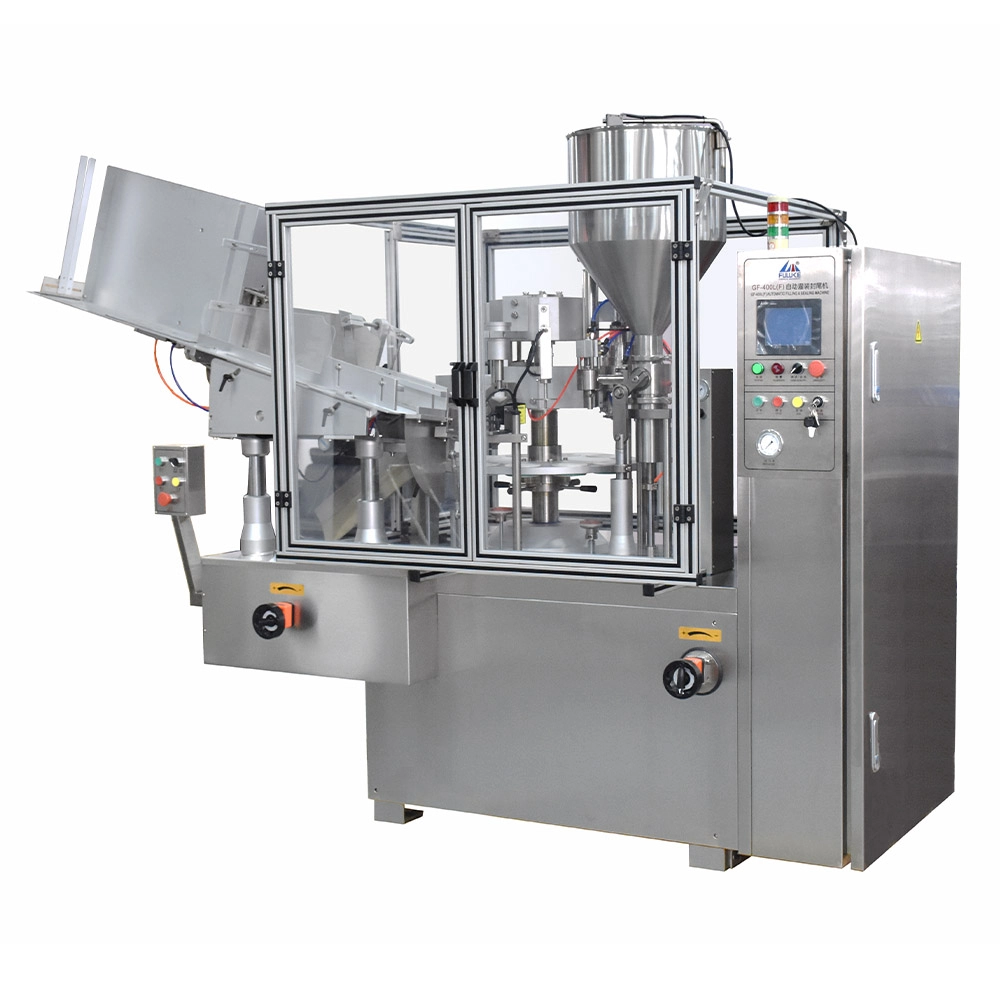
Automatic Tube Filling and Sealing Machine Toothpaste Sunscreen and Facial Cleanser Filling and Sealing Machine for Plastic and Aluminum-plastic Tube
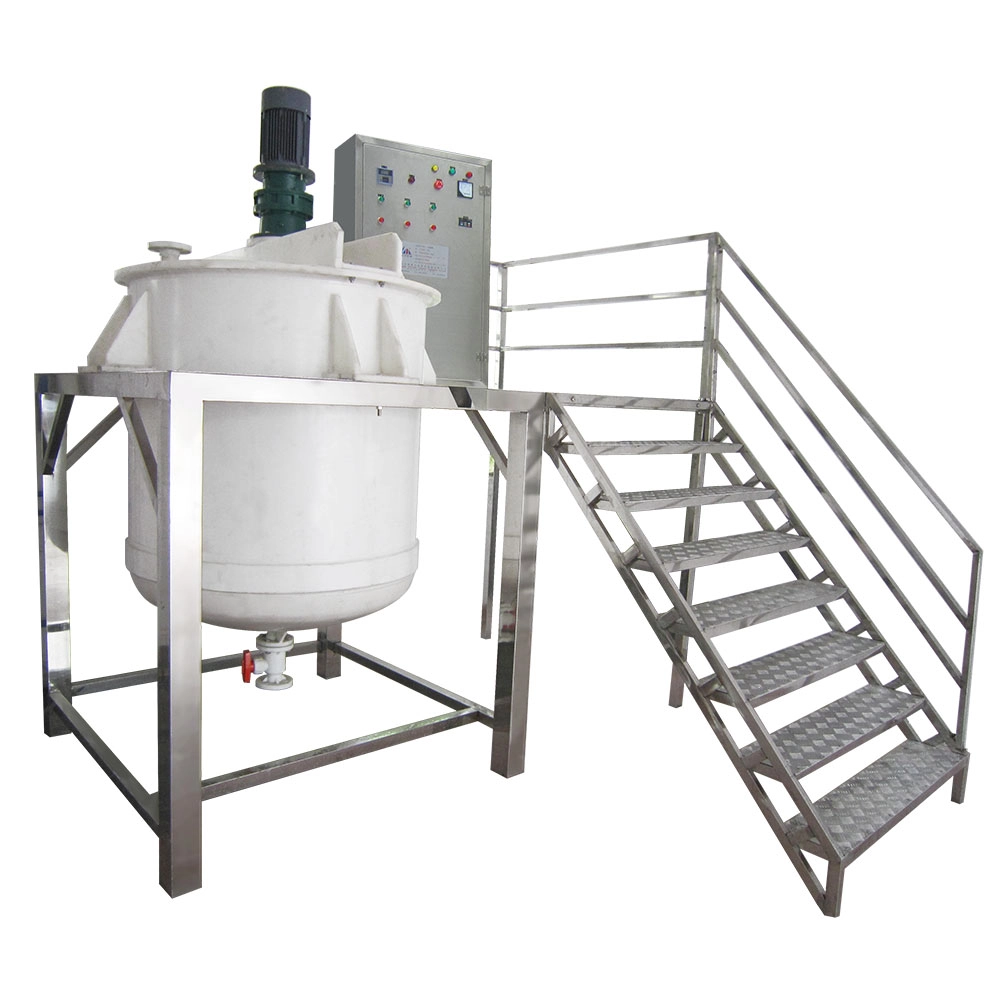
Polypropylene PP Mixing Tank Anti-Corrosion Mixer Reaction Kettle with Agitator Chemical Mixing Vessel
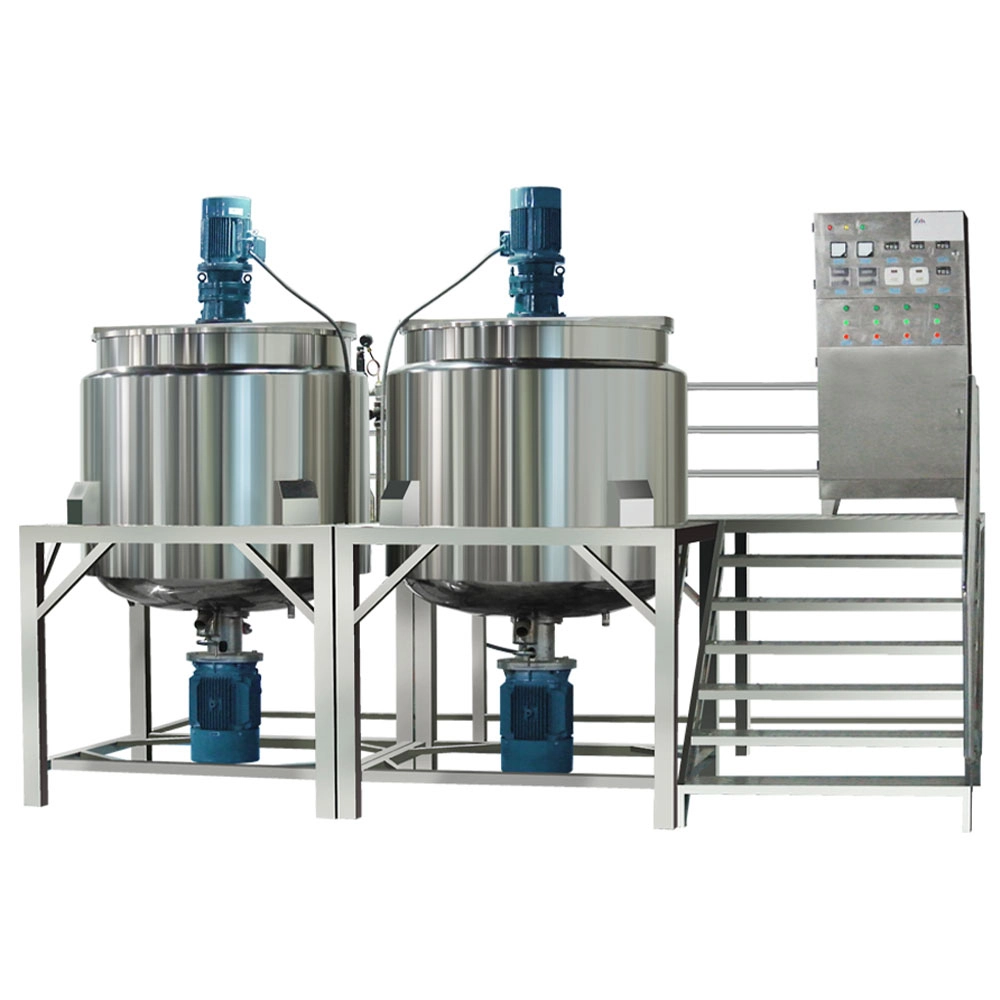
Flip Cover Multi-function Liquid Wash Mixing Tank Blender Liquid Detergent Mixer Homogenization Stirring Tank
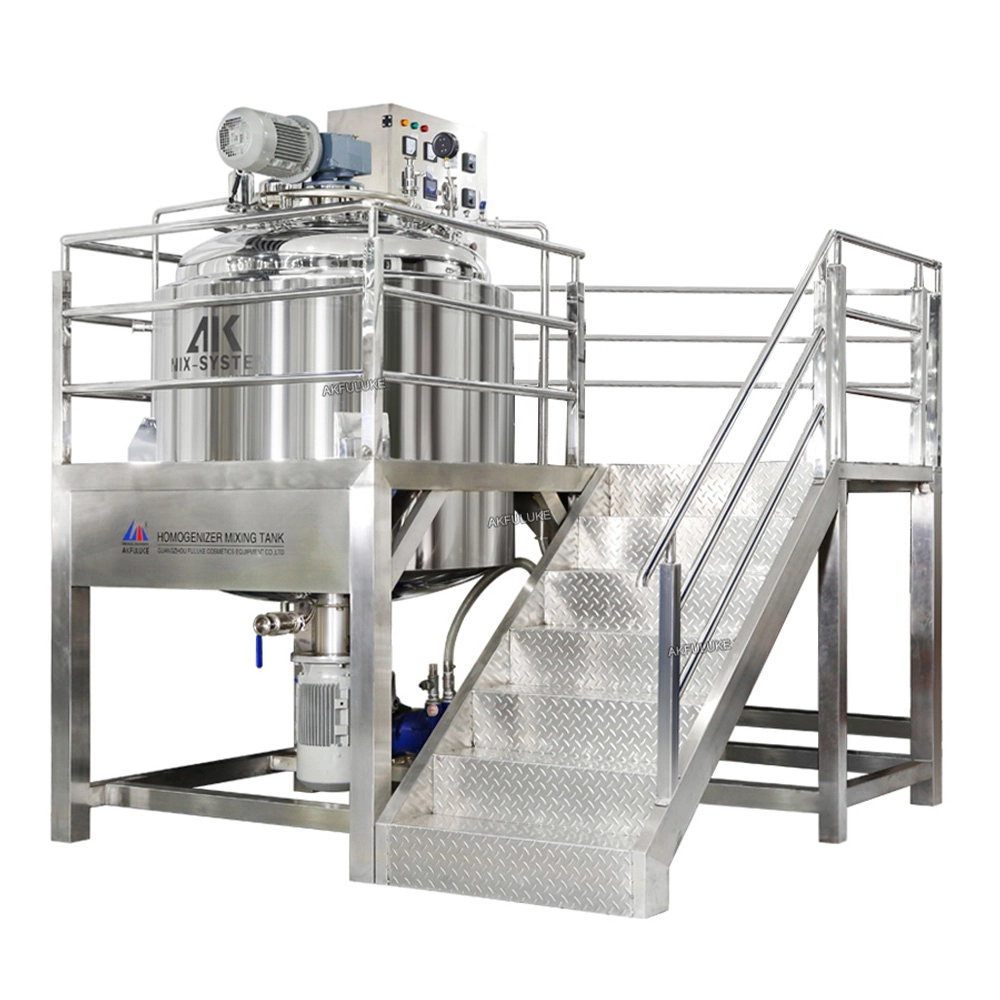
Stainless Steel Mixer Liquid Mixing tank with Agitator Homogenizing Mixing tank Vacuum Sealed Mixer Machine

A leading manufacturer specializing in advanced machinery and complete production lines for the cosmetics, food, pharmaceutical, and chemical industries worldwide.
Contact FULUKE
Facebook
Instagram
YouTube