
How to select motors and drives for mixing tank agitators?
- Comprehensive Guide to Selecting Mixing Tanks with Agitators and Motors in the Cosmetic Equipment Industry
- 1. What are the key factors to consider when selecting a mixing tank with an agitator?
- 2. How do I choose the right motor and drive system for my mixing tank agitator?
- 3. What are the different types of agitators, and how do I choose the right one?
- 4. How do I ensure the agitator is compatible with sanitary standards?
- 5. What maintenance practices are recommended for mixing tanks with agitators?
- 6. How do I scale up a mixing process reliably?
- 7. What documentation should the supplier provide?
- 8. How do I choose the best agitator mixer for my needs?
- 9. What are the advantages of choosing FULUKE for mixing tanks with agitators?
Comprehensive Guide to Selecting Mixing Tanks with Agitators and Motors in the Cosmetic Equipment Industry
In the cosmetic equipment industry, selecting the appropriate mixing tank with an agitator and the right motor and drive system is crucial for achieving consistent product quality and operational efficiency. This guide addresses common questions and provides expert insights to assist in making informed decisions.
1. What are the key factors to consider when selecting a mixing tank with an agitator?
When choosing a mixing tank with an agitator, consider the following factors:
Process Requirements: Define the mixing objectives, such as homogenization, suspension, emulsification, or dispersion, as each requires specific impeller designs and power configurations.
Fluid Properties: Assess the viscosity and rheological properties of the materials to be mixed. For instance, high-viscosity substances like creams or gels necessitate agitators with sufficient torque and appropriate impeller types.
Tank Design: Evaluate the tank's size, shape, and presence of baffles, as these influence the agitator's design and installation method.
Material Compatibility: Ensure that the materials used for the tank and agitator are compatible with the cosmetic products to prevent contamination and maintain product integrity.
2. How do I choose the right motor and drive system for my mixing tank agitator?
Selecting the appropriate motor and drive system involves:
Torque Calculation: Determine the required torque based on the mixing process and fluid properties. The formula is:
Torque (Nm) = Power (kW) × 9550 / RPM
Ensure the gearbox output torque exceeds the required torque by at least 20–30% to account for frictional losses and start-stop stress.
Motor Power Matching: Align the motor's power with the process demands to prevent overloading or underperformance. For continuous mixing of medium-viscosity fluids, a 3–5 kW motor at 100 RPM is typically sufficient.
Gearbox Selection: Choose a gearbox type (e.g., helical, planetary, or worm) based on torque requirements, mounting constraints, and load variations. Ensure the gearbox service factor is ≥1.5 for demanding applications.
Energy Efficiency: Opt for energy-efficient motors (e.g., IE3 or IE4) to reduce operational costs and improve mixing consistency.
3. What are the different types of agitators, and how do I choose the right one?
Common types of agitators include:
Top-Mounted (Overhead) Agitators: Mounted above the tank, suitable for deep tanks and high-viscosity materials, offering strong torque transmission and easy maintenance access.
Side-Entering Agitators: Installed laterally through the tank wall, ideal for retrofitting or when top entry isn't feasible, and effective for low-to-medium viscosity fluids.
Submersible (Bottom) Agitators: Placed at the bottom of the tank, suitable for shallow tanks and effective in promoting uniform mixing.
The choice depends on factors such as tank design, mixing requirements, and space constraints.
4. How do I ensure the agitator is compatible with sanitary standards?
For cosmetic applications, it's essential to select agitators that meet sanitary standards:
Material Selection: Use materials like stainless steel (e.g., SUS304 or SUS316L) that are corrosion-resistant and easy to clean.
Design Features: Opt for designs that facilitate Clean-in-Place (CIP) and Sterilize-in-Place (SIP) processes to maintain hygiene.
Seal Types: Choose mechanical seals compatible with CIP and hygienic designs; magnetic drive agitators can eliminate shaft seals entirely, reducing contamination risk and maintenance.
5. What maintenance practices are recommended for mixing tanks with agitators?
Regular maintenance is crucial to ensure optimal performance:
Routine Inspections: Regularly inspect seals, bearings, and agitator components for wear and tear.
Lubrication: Ensure proper lubrication of moving parts to reduce friction and prevent damage.
Cleaning: Implement regular cleaning schedules to prevent product contamination and maintain hygiene standards.
Spare Parts Management: Keep a spare parts kit for commonly replaced items (e.g., seals, bearings) to minimize downtime.
6. How do I scale up a mixing process reliably?
To scale up a mixing process:
Maintain Geometric Similarity: Ensure that the scale-up maintains geometric similarity to preserve mixing efficiency.
Match Critical Mixing Parameters: Align parameters such as tip speed, power per volume, and shear conditions with the scaled-up process.
Pilot Trials: Conduct pilot trials or scale-up testing using a representative agitator setup to validate performance before full-scale implementation.
7. What documentation should the supplier provide?
Ensure the supplier provides comprehensive documentation, including:
Material Certificates: Verify the quality and specifications of materials used.
Welding Records: Confirm compliance with welding standards.
Surface Finish Reports: Ensure surface finishes meet required standards.
Factory Acceptance Test (FAT) Protocols: Validate equipment performance before installation.
Installation Qualification (IQ) and Operational Qualification (OQ) Documentation: Confirm that the equipment meets operational requirements.
Wiring and PLC Documentation: Ensure electrical systems are correctly configured.
8. How do I choose the best agitator mixer for my needs?
To select the best agitator mixer:
Understand Your Process Requirements: Define the mixing objectives and fluid properties.
Evaluate Tank Design: Consider tank size, shape, and baffle configuration.
Assess Motor and Drive Systems: Ensure compatibility with process demands and energy efficiency.
Consider Maintenance Needs: Opt for designs that facilitate easy maintenance and cleaning.
Consult with Experts: Engage with suppliers or engineers to ensure the selected agitator meets all requirements.
9. What are the advantages of choosing FULUKE for mixing tanks with agitators?
FULUKE offers several advantages:
Expertise: With extensive experience in the cosmetic equipment industry, FULUKE provides tailored solutions to meet specific mixing requirements.
Quality Assurance: FULUKE ensures that all components meet high-quality standards, ensuring durability and reliability.
Customization: FULUKE offers customizable options to fit unique process needs, including material selection and design configurations.
Comprehensive Support: From installation to maintenance, FULUKE provides full support to ensure optimal performance of mixing systems.
By considering these factors and consulting with experts like FULUKE, you can ensure the selection of mixing tanks with agitators and motor systems that align with your cosmetic equipment production needs, leading to enhanced product quality and operational efficiency.
Note: The information provided is based on industry standards and best practices as of December 2025.

Understanding Servo Capping Machines: The Core Logic of Precise Capping – Understand the Entire Working Process in Seconds
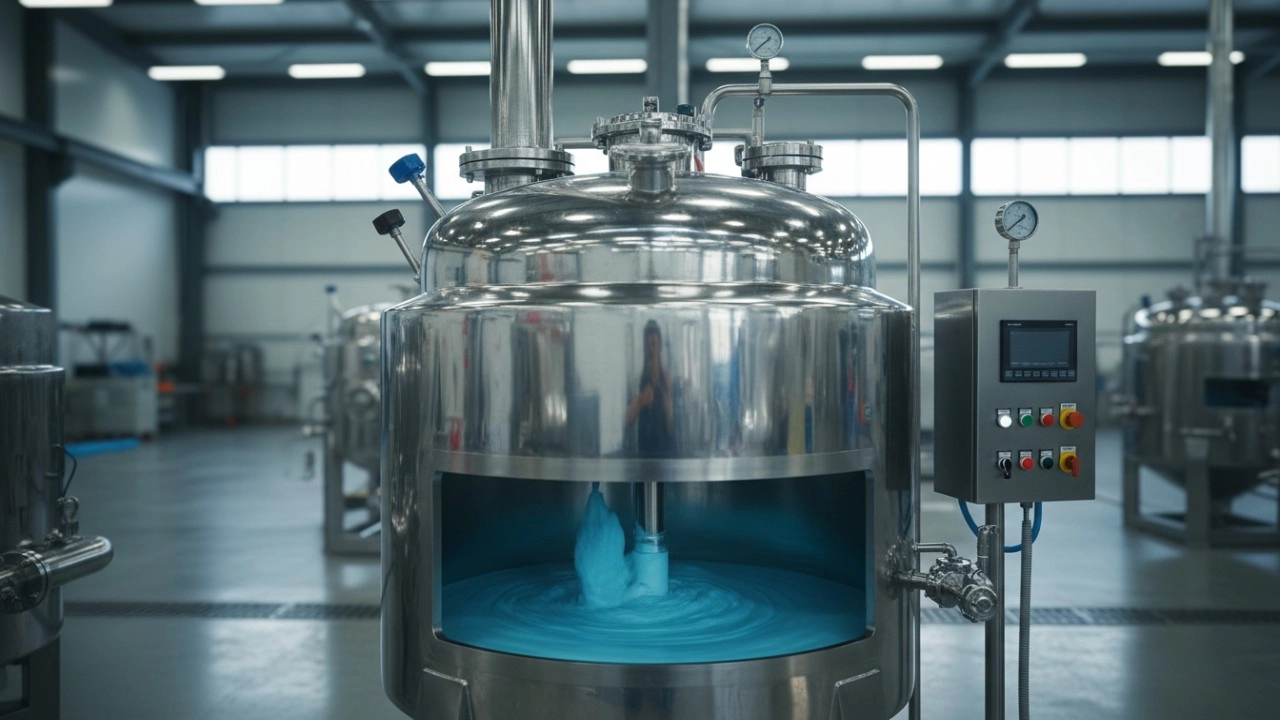
The Future of Industrial Agitation: 5 Smart Mixing Tank Technologies Changing the Game
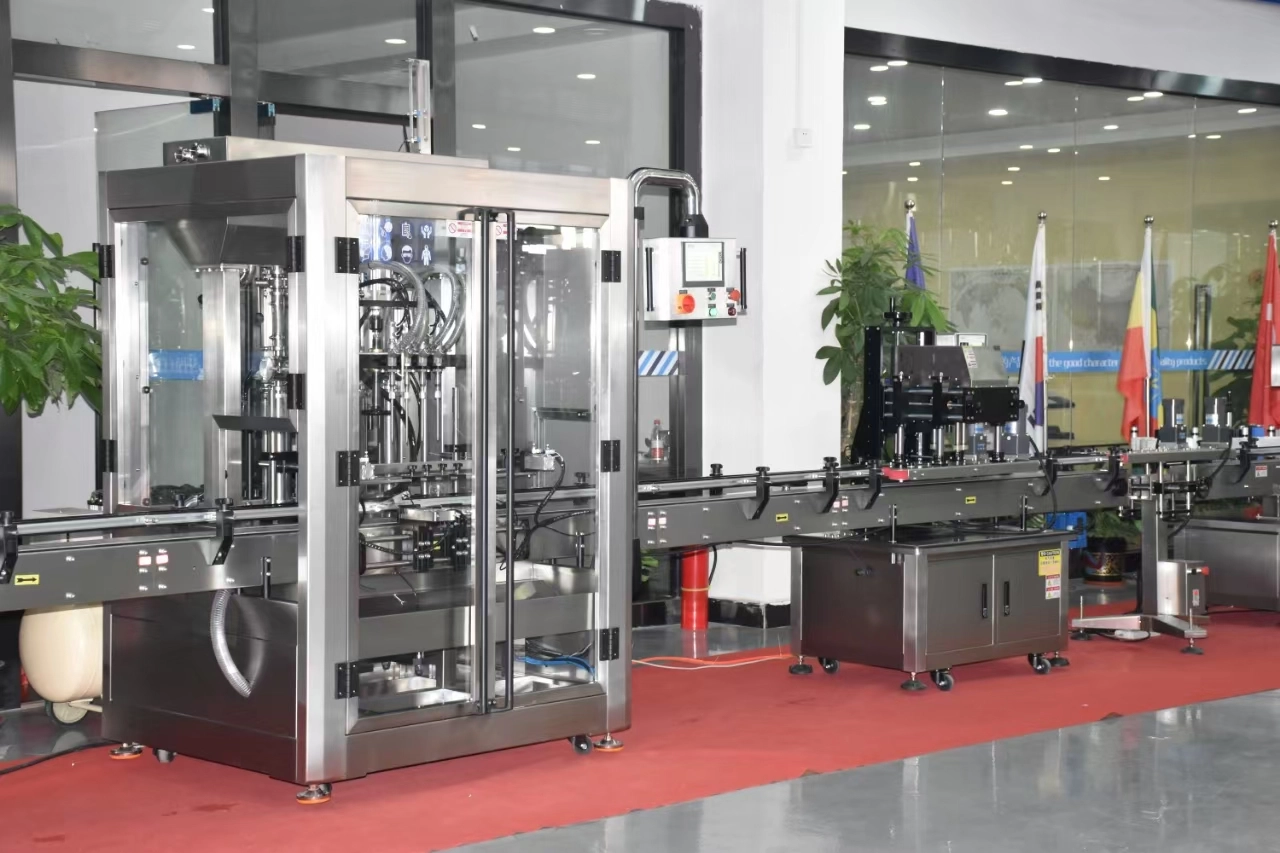
Gear pump filling machine vs. piston filling machine: Key differences broken down to avoid pitfalls in selection.
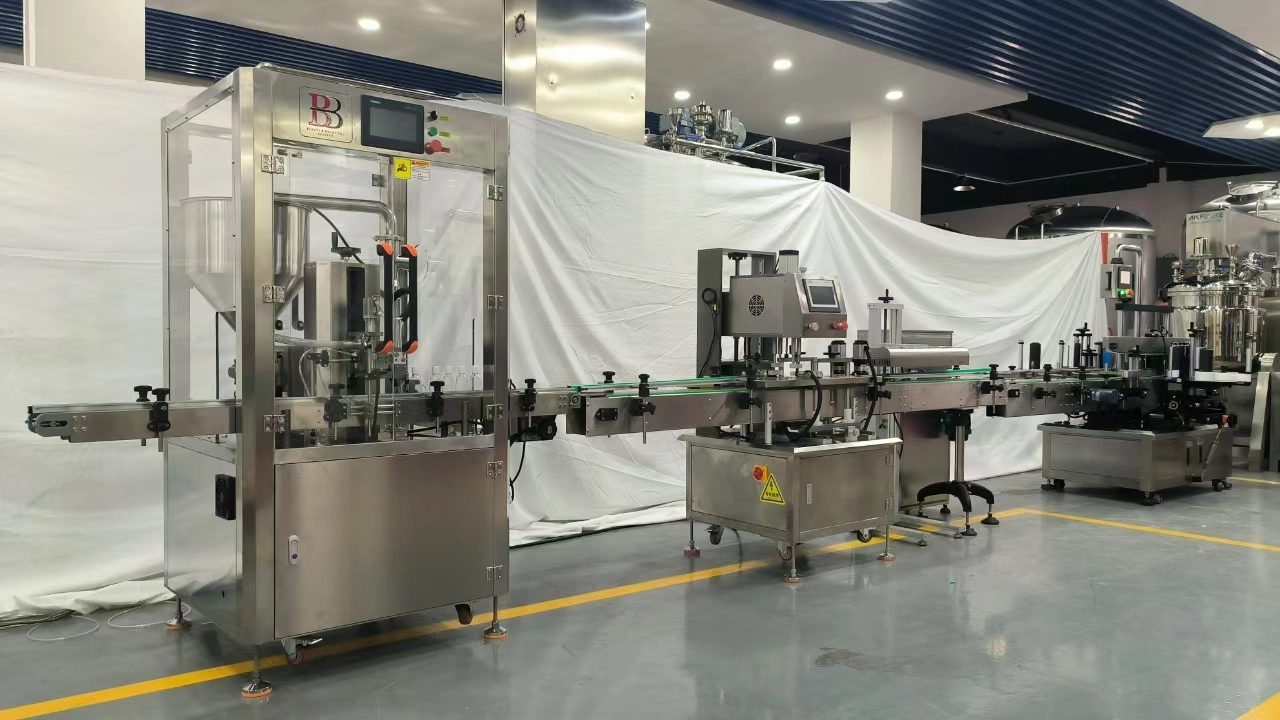
Understand the working principle of a servo gear pump filling machine!
Automatic Tube Filling and Sealing Machine
Can the device accommodate tubes of different materials and specifications?
Yes. The device supports plastic (PE, PP) and aluminum-plastic composite hoses. The compatible hose diameter range is typically Φ10-Φ60mm (customizable to user specifications), and the capacity range is 2.5ml-400ml. By replacing specialized molds (such as cylinders and filling heads), the device can be adapted to meet different filling volumes, providing flexible adaptability.
Polypropylene PP Mixing Tank
Can you customize the machine?
Of course, we provide customized services according to customer needs.
Film Packaging Machine
This device suddenly shuts down and displays "Abnormal Heat Seal Temperature." What should I do?
First, check the heat seal blade heater for damage. Next, check whether the temperature sensor is in poor contact or malfunctioning. If the hardware is normal, the temperature control module parameters may be abnormal. Restart the device and reset the heat seal temperature (refer to the film material's suitable temperature: BOPP film is typically 120-160°C). If the abnormality persists, contact after-sales service to inspect the temperature control system.
Lift-type Homogenizing Disperser
What precautions should be taken before and during equipment startup?
Before startup: Check that the disperser disc is securely installed, the container is clamped securely, and the lifting mechanism is flexible. Also, verify the material level (it must be submerged above the disperser disc to prevent damage from idling or material splashing).During operation: Start at a low speed and gradually increase to the target speed. Manually adjusting the lifting height during operation is prohibited; always stop the machine to avoid hand entanglement.
Automatic Facial Mask Filling Machine
Can you make a design for us?
Yes, we can, we provide not only products, but also solutions and designs.
Get in touch with FULUKE
If you have any comments or good suggestions, please leave us a message, later our professional staff will contact you as soon as possible.
You May Also Like
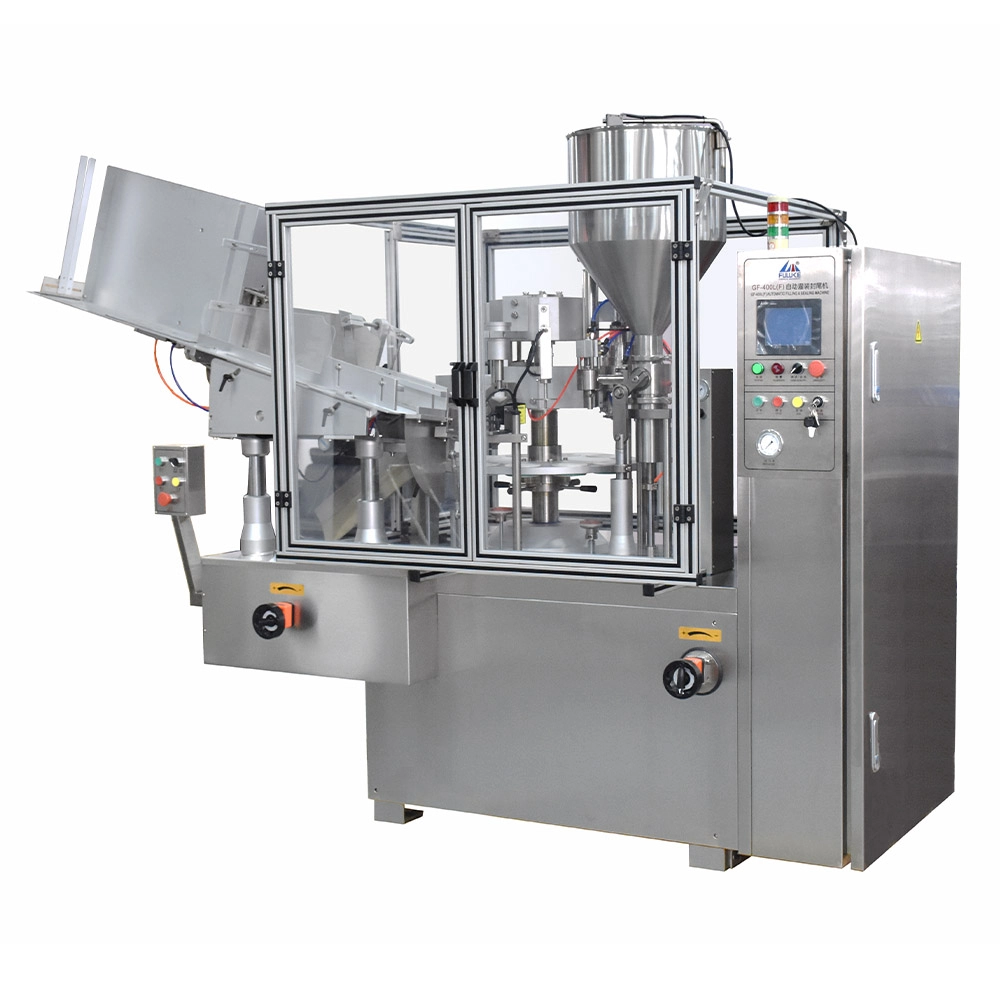
Automatic Tube Filling and Sealing Machine Toothpaste Sunscreen and Facial Cleanser Filling and Sealing Machine for Plastic and Aluminum-plastic Tube
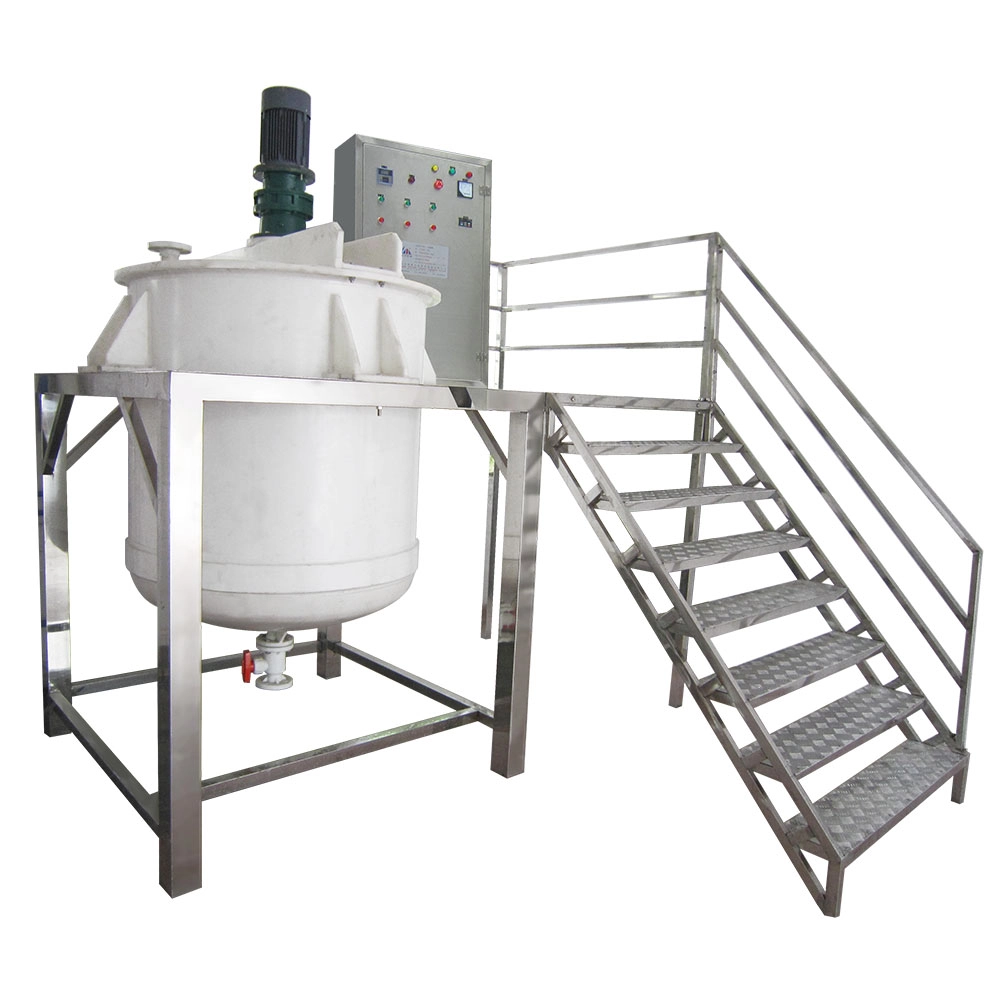
Polypropylene PP Mixing Tank Anti-Corrosion Mixer Reaction Kettle with Agitator Chemical Mixing Vessel
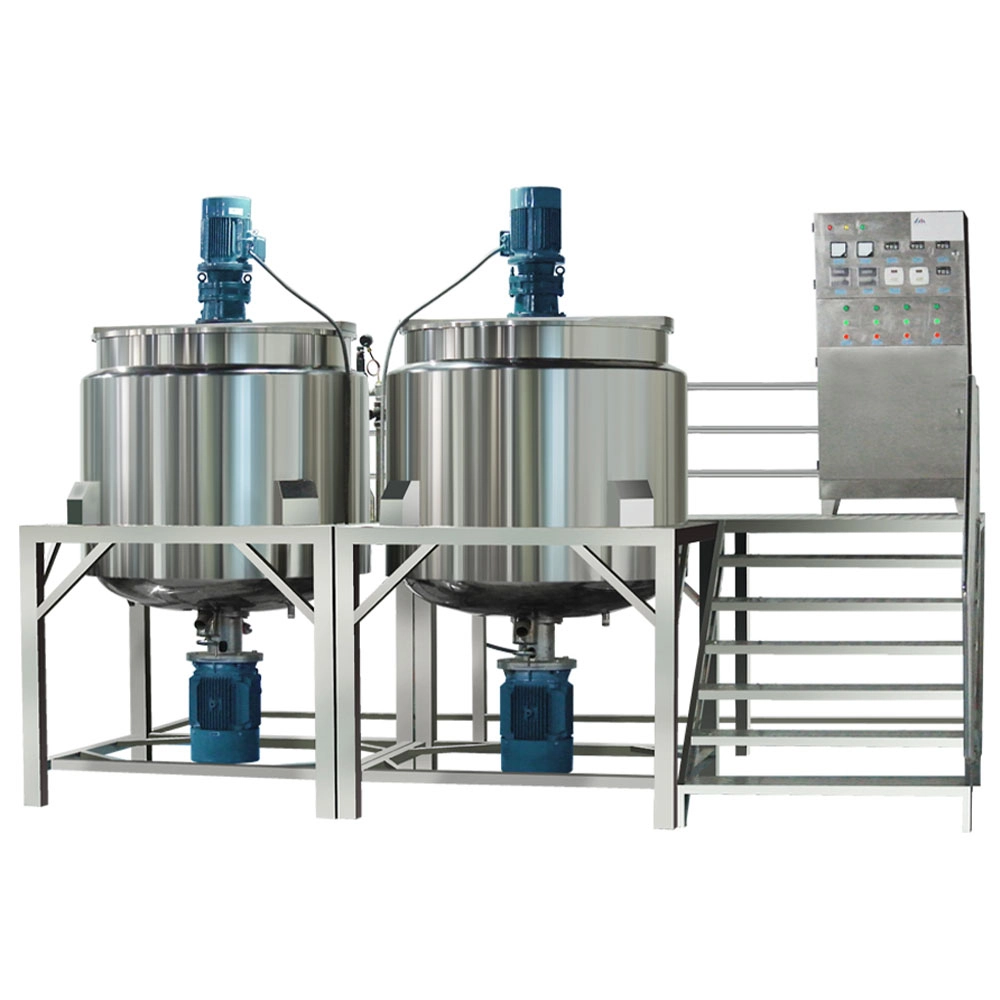
Flip Cover Multi-function Liquid Wash Mixing Tank Blender Liquid Detergent Mixer Homogenization Stirring Tank
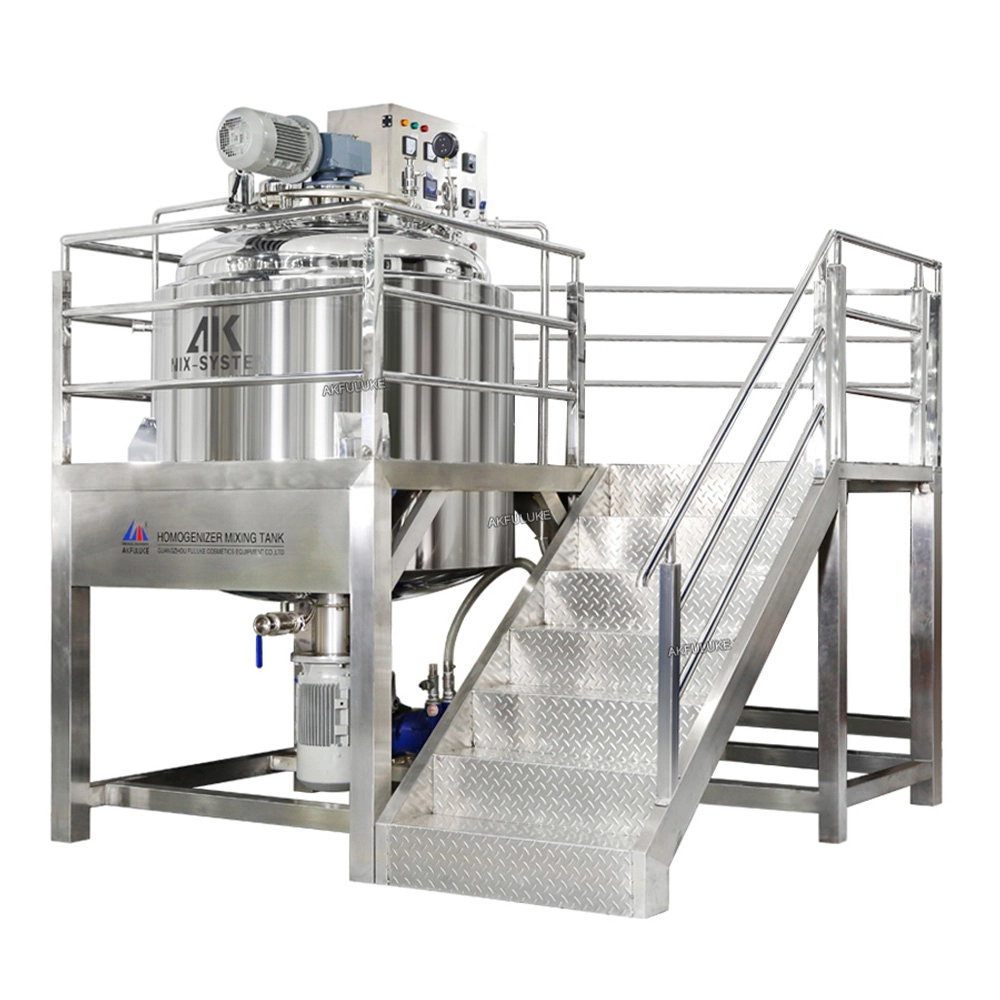
Stainless Steel Mixer Liquid Mixing tank with Agitator Homogenizing Mixing tank Vacuum Sealed Mixer Machine

A leading manufacturer specializing in advanced machinery and complete production lines for the cosmetics, food, pharmaceutical, and chemical industries worldwide.
Contact FULUKE
Facebook
Instagram
YouTube