
How to handle foaming products during filling?
- Handling Foaming Products in Cosmetic Filling: Expert Insights
- 1. What Causes Foaming in Cosmetic Products?
- 2. How Does Foaming Affect the Filling Process?
- 3. What Are Effective Strategies to Minimize Foaming?
- 4. How Can Equipment Design Help in Managing Foaming?
- 5. What Are the Benefits of Effective Foam Management?
- 6. How Does FULUKE Address Foaming Challenges?
Handling Foaming Products in Cosmetic Filling: Expert Insights
As a professional content writer with extensive experience in SEO and , and proficiency in multiple languages, I understand the importance of addressing common challenges faced by cosmetic equipment users during the filling process. One such challenge is managing foaming products, which can compromise product quality and operational efficiency. In this article, we will explore effective strategies for handling foaming products during the cosmetic filling process.
1. What Causes Foaming in Cosmetic Products?
Foaming in cosmetic products can result from several factors:
Product Composition: Ingredients like surfactants and emulsifiers can naturally produce foam.
Agitation: Vigorous mixing or pumping can introduce air into the product, leading to foam formation.
Temperature Variations: High temperatures can decrease viscosity, making products more prone to foaming.
2. How Does Foaming Affect the Filling Process?
Foaming can impact the filling process in various ways:
Inaccurate Filling Volumes: Foam can cause underfilling or overfilling, leading to product waste and inconsistent packaging.
Operational Delays: Excessive foam may require additional processing steps to remove, slowing down production.
Quality Control Issues: Foam can affect the appearance and texture of the final product, potentially leading to customer dissatisfaction.
3. What Are Effective Strategies to Minimize Foaming?
To minimize foaming during the filling process, consider the following strategies:
Controlled Filling Speeds: Implementing a multi-stage filling process with adjustable speeds can reduce foam formation. For instance, starting with a slow fill to prevent splash and turbulence, followed by a high-speed mid-fill to maximize throughput, and concluding with a slow top-off to eliminate surface foam.
Temperature Control: Maintaining the product at an optimal temperature can help control viscosity and reduce foaming tendencies. Accurate temperature control is essential to prevent product separation and ensure consistent filling.
Anti-Foaming Agents: Utilizing defoamers or anti-foaming agents can effectively reduce foam formation. These agents destabilize foam by breaking down air bubbles, ensuring a smoother filling process.
Equipment Selection: Choosing filling machines designed to handle foaming products can be beneficial. For example, pneumatic filling machines with anti-drip nozzles and high filling accuracy can minimize foam formation.
4. How Can Equipment Design Help in Managing Foaming?
The design of filling equipment plays a crucial role in managing foaming:
Gentle Product Handling: Equipment that minimizes agitation during filling can reduce air incorporation and foam formation.
Anti-Drip Nozzles: Nozzles designed to prevent drips can help maintain product consistency and reduce foam.
Material Compatibility: Using materials that are compatible with the product can prevent chemical reactions that might lead to foaming.
5. What Are the Benefits of Effective Foam Management?
Implementing effective foam management strategies offers several benefits:
Improved Product Quality: Consistent filling volumes and product appearance enhance customer satisfaction.
Operational Efficiency: Reduced foam leads to fewer processing steps, faster production times, and lower operational costs.
Regulatory Compliance: Adhering to industry standards for product quality and safety is facilitated by effective foam management.
6. How Does FULUKE Address Foaming Challenges?
FULUKE, a leading brand in cosmetic equipment manufacturing, offers solutions to address foaming challenges:
Advanced Filling Technology: FULUKE's automatic filling machines are engineered for high-precision filling of creams, lotions, gels, and sauces, integrating vacuum emulsifying mixers, homogenizers, and automated filling to form complete, GMP-compliant production lines. ((https://www.fulukemix.com/product-tag/automatic-filling-machine-for-cosmetics/))
Customized Solutions: FULUKE provides equipment designed to handle a wide range of viscosities and product types, ensuring optimal performance and minimal foaming.
Expert Support: With over 30 years of expertise, FULUKE offers comprehensive support to help manufacturers optimize their filling processes and overcome foaming issues.
In conclusion, managing foaming products during the cosmetic filling process is essential for maintaining product quality and operational efficiency. By understanding the causes of foaming and implementing effective strategies, manufacturers can enhance their production processes and deliver superior products to the market.
References:
Accutek Packaging Machine Equipment. (n.d.). How to Effortlessly Eliminate Foam Overflow in High-Speed Liquid Fillers. Retrieved from
DOVS Makeup. (n.d.). Why Do Many Face Issues Using Cosmetics Filling Machines? Retrieved from
Wikipedia. (n.d.). Defoamer. Retrieved from
Cankey Technology. (n.d.). Pneumatic Cosmetic Cream Filling Machine (2-12 Filling Heads). Retrieved from
FULUKE Solutions. (n.d.). Automatic Filling Machine for Cosmetics. Retrieved from ((https://www.fulukemix.com/product-tag/automatic-filling-machine-for-cosmetics/))
Accutek Packaging Machine Equipment. (n.d.). How to Effortlessly Eliminate Foam Overflow in High-Speed Liquid Fillers. Retrieved from
DOVS Makeup. (n.d.). Why Do Many Face Issues Using Cosmetics Filling Machines? Retrieved from
Wikipedia. (n.d.). Defoamer. Retrieved from
Cankey Technology. (n.d.). Pneumatic Cosmetic Cream Filling Machine (2-12 Filling Heads). Retrieved from
FULUKE Solutions. (n.d.). Automatic Filling Machine for Cosmetics. Retrieved from ((https://www.fulukemix.com/product-tag/automatic-filling-machine-for-cosmetics/))
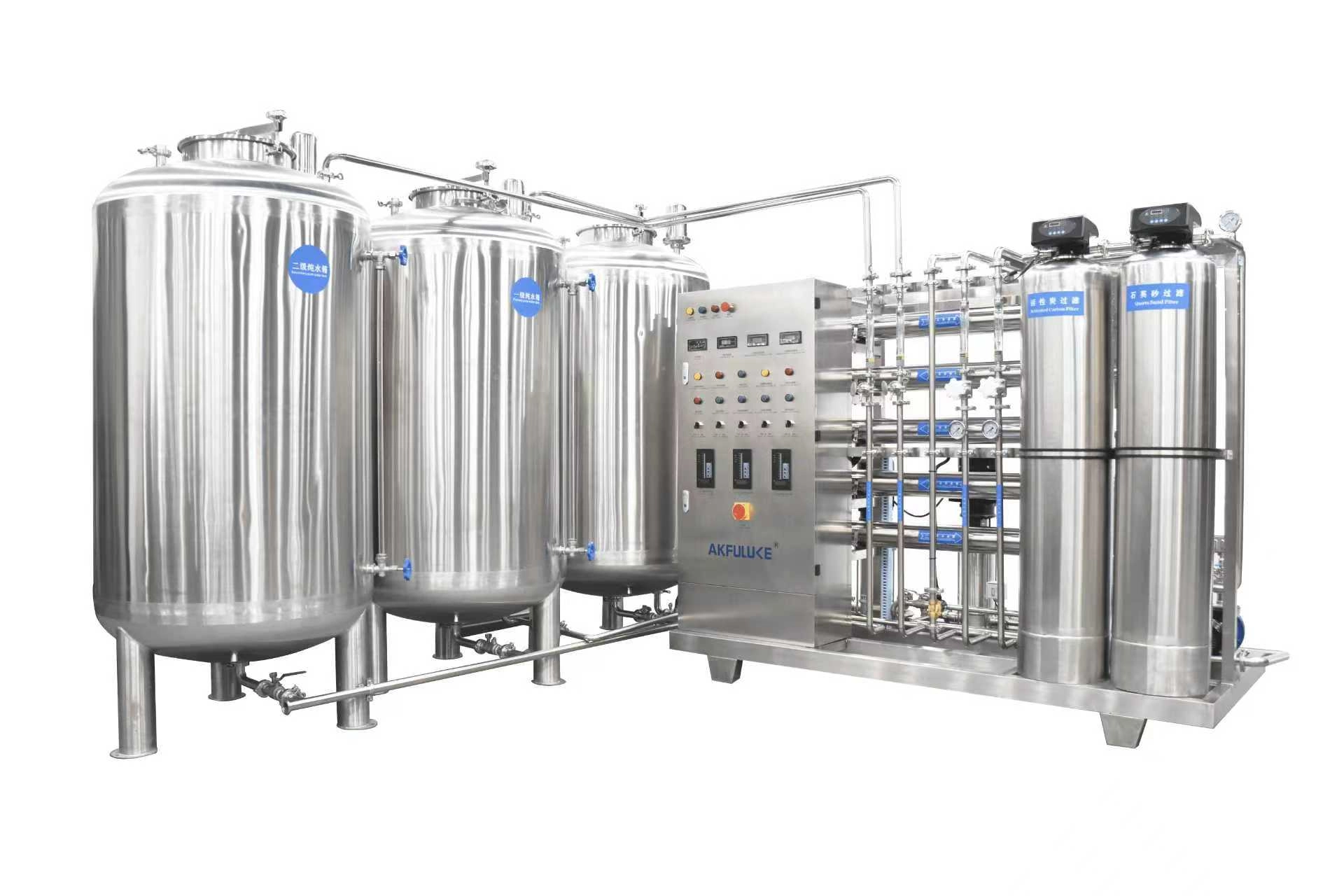
RO water treatment: From equipment to treated water, building a robust defense line for safe and compliant drinking water.
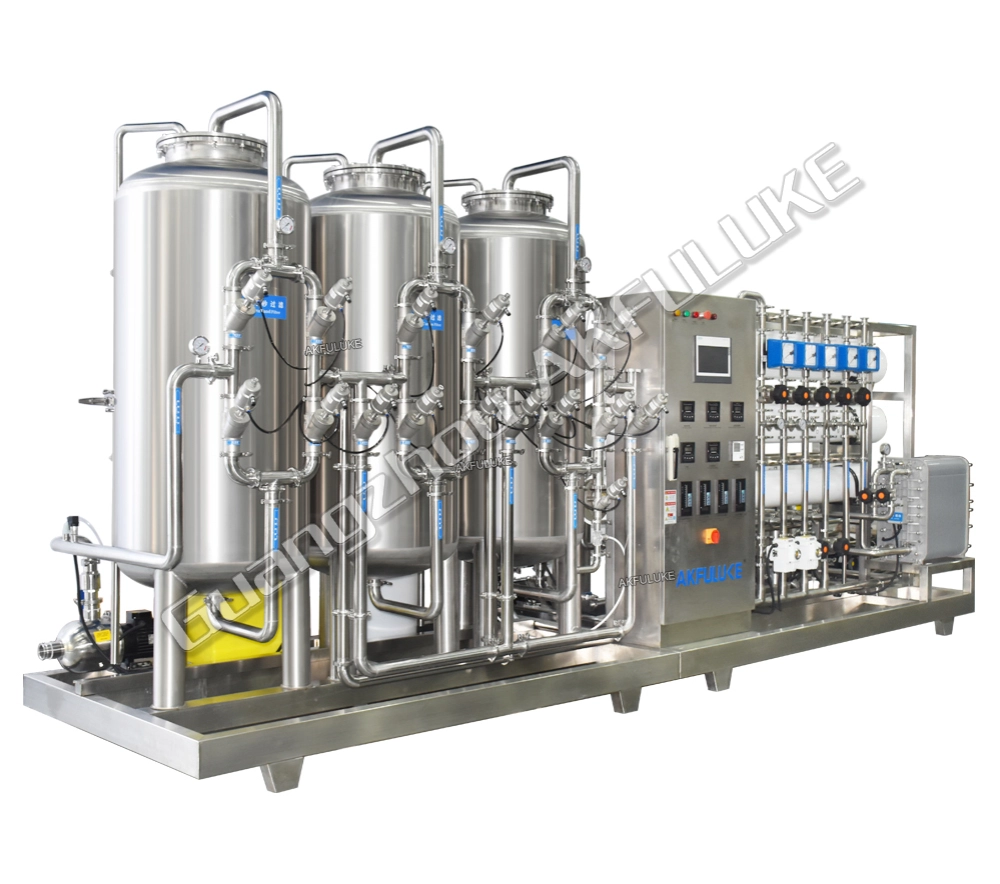
FULUKE reverse osmosis equipment empowers the pharmaceutical and cosmetics industries to achieve compliant production.
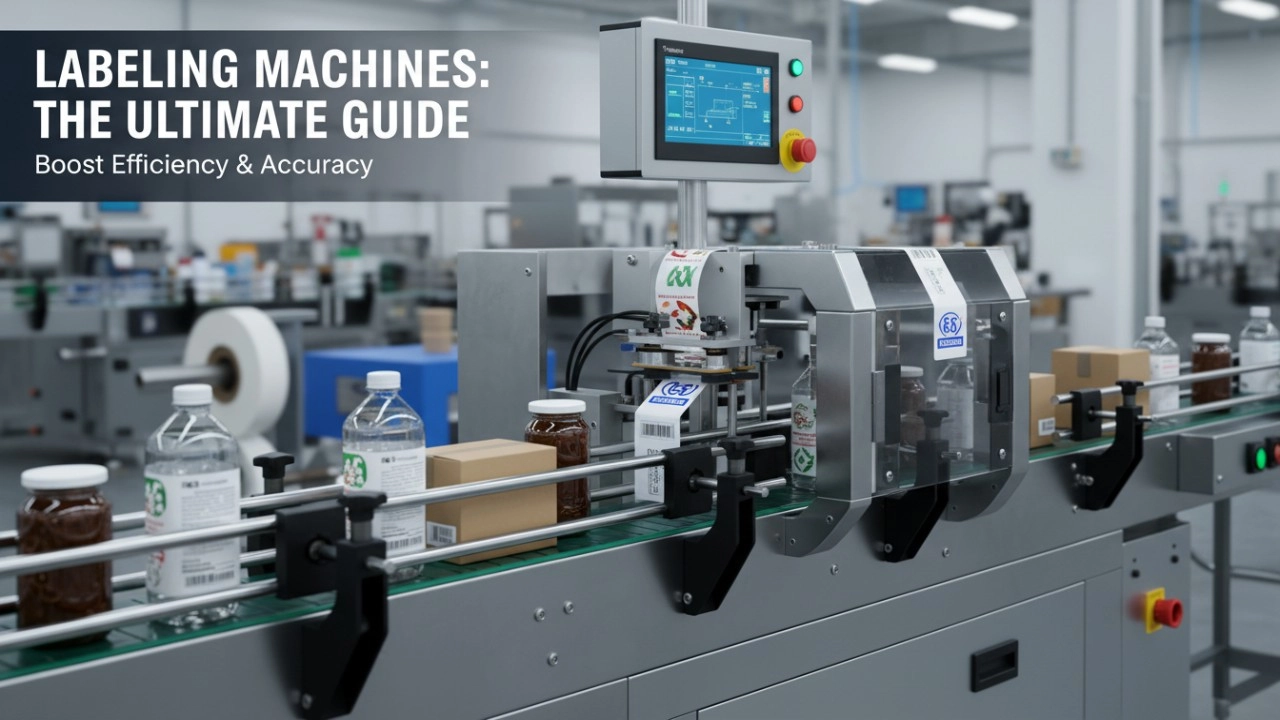
The Ultimate Guide to Labeling Machines 2026: A Critical Component in Modern Packaging Operations
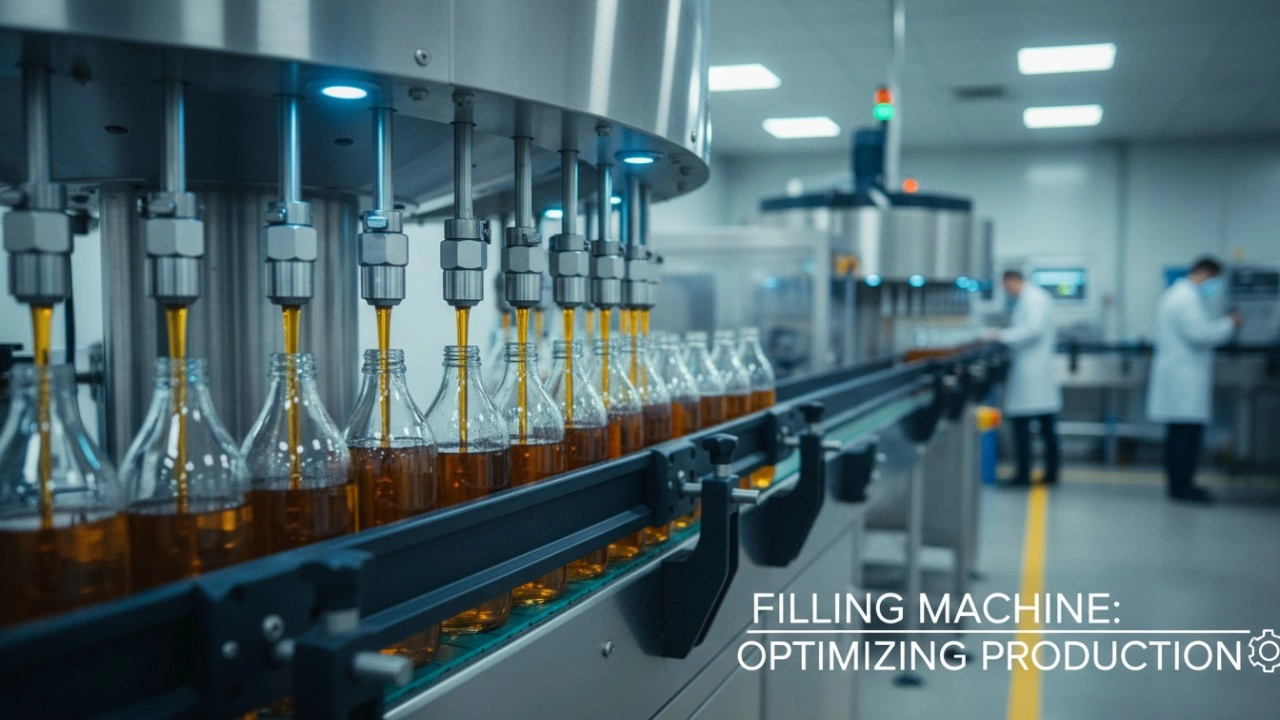
Top 15 Global Filling Machine Manufacturers: The Definitive Ranking for 2026
Inkjet Printing Machine
Can you customize the machine?
Of course, we provide customized services according to customer needs.
What content can an inkjet printer print?
It can print text, time, date (Julian Year), logo, shift, SN, Dynamic Barcode/OR Code, Dynamic Serial Data, and Dynamic Database (additional content can be added as required).
Automatic Facial Mask Filling Machine
Who are we?
Our headquarters is located in Guangzhou, Guangdong, China, and our factory is located in Yangzhou, Jiangsu. Our products are sold all over the world. We have approximately 50 employees in our company and factory.
FAQs
Which industries does FULUKE serve besides cosmetics?
Vacuum Emulsifying Machine
Can you customize the machine?
Of course, we provide customized services according to customer needs.
Get in touch with FULUKE
If you have any comments or good suggestions, please leave us a message, later our professional staff will contact you as soon as possible.
You May Also Like
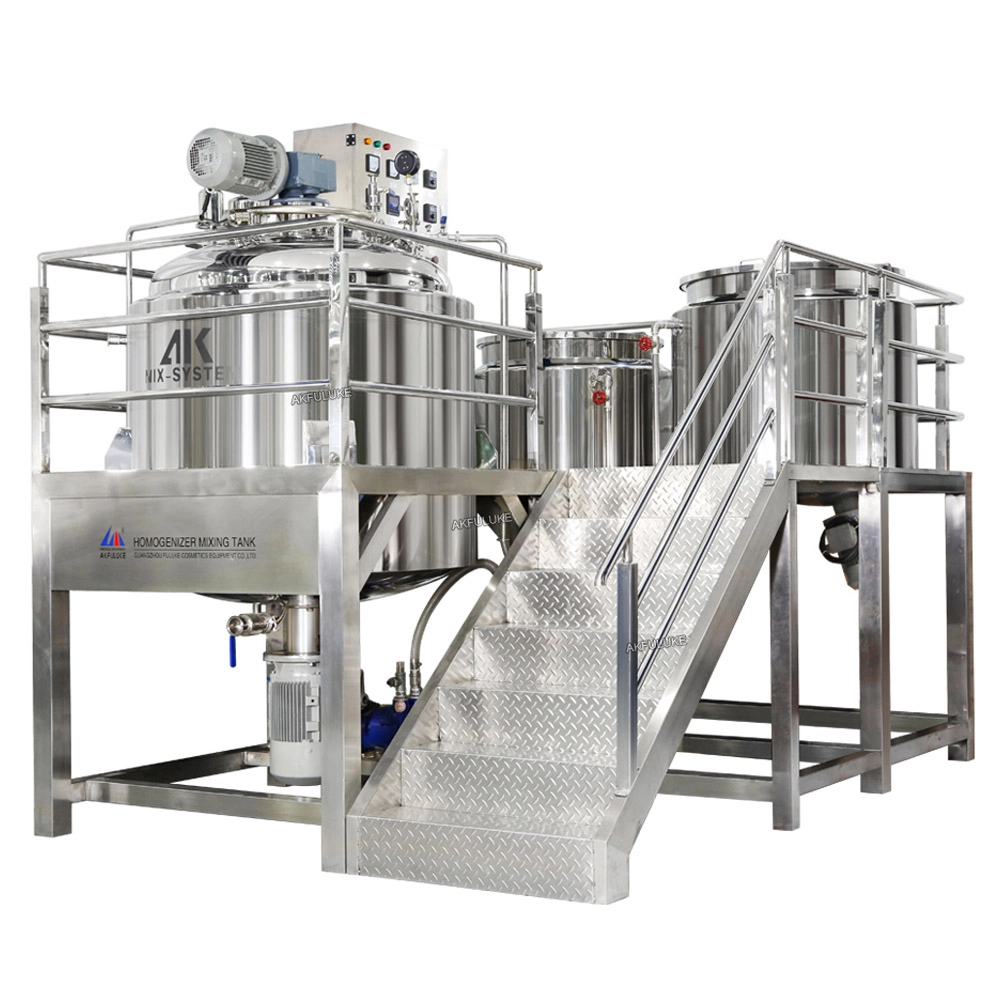
Fixed Type Vacuum Mixing Emulsifying Equipment for Cosmetic Cream Ointment Lotion Vacuum Homogenizer Mixer
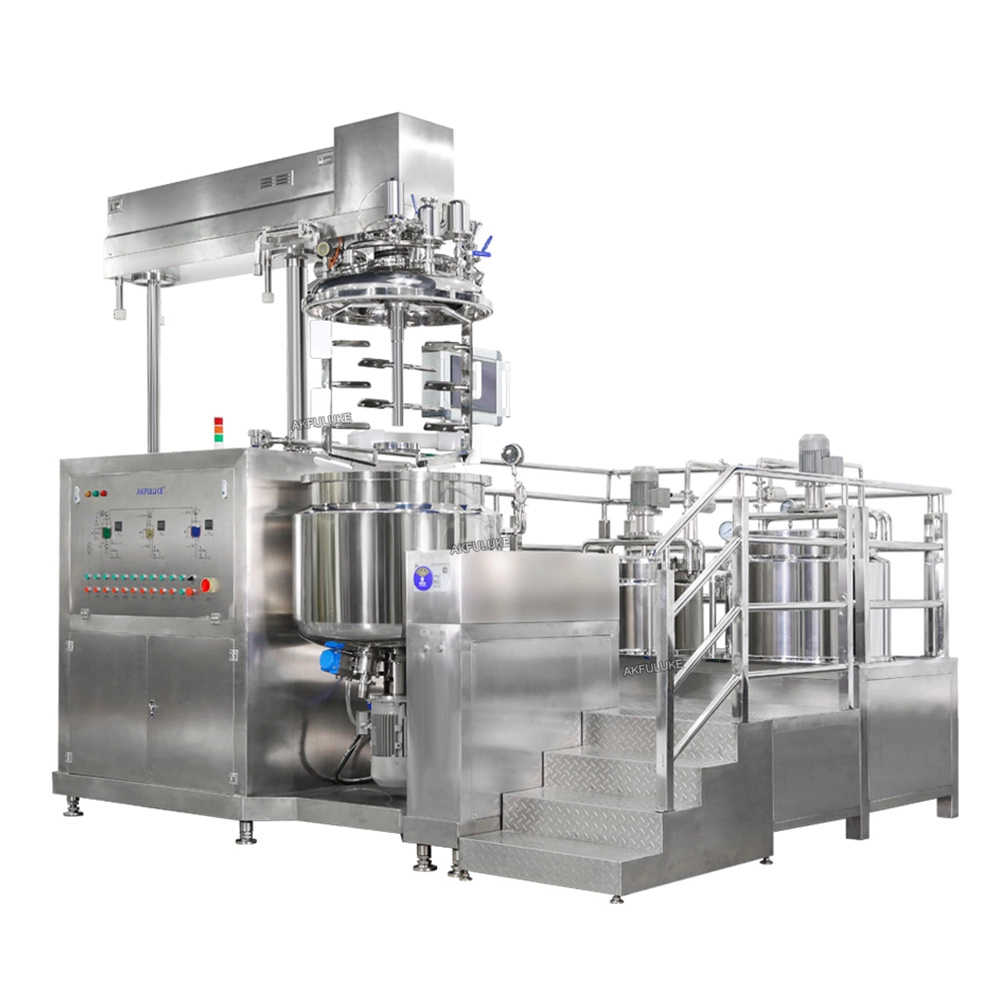
Hydraulic lift Cosmetic Vacuum Homogenizer Emulsifying Mixer for Making Cream and Lotion Mayonnaise Mixing Machine
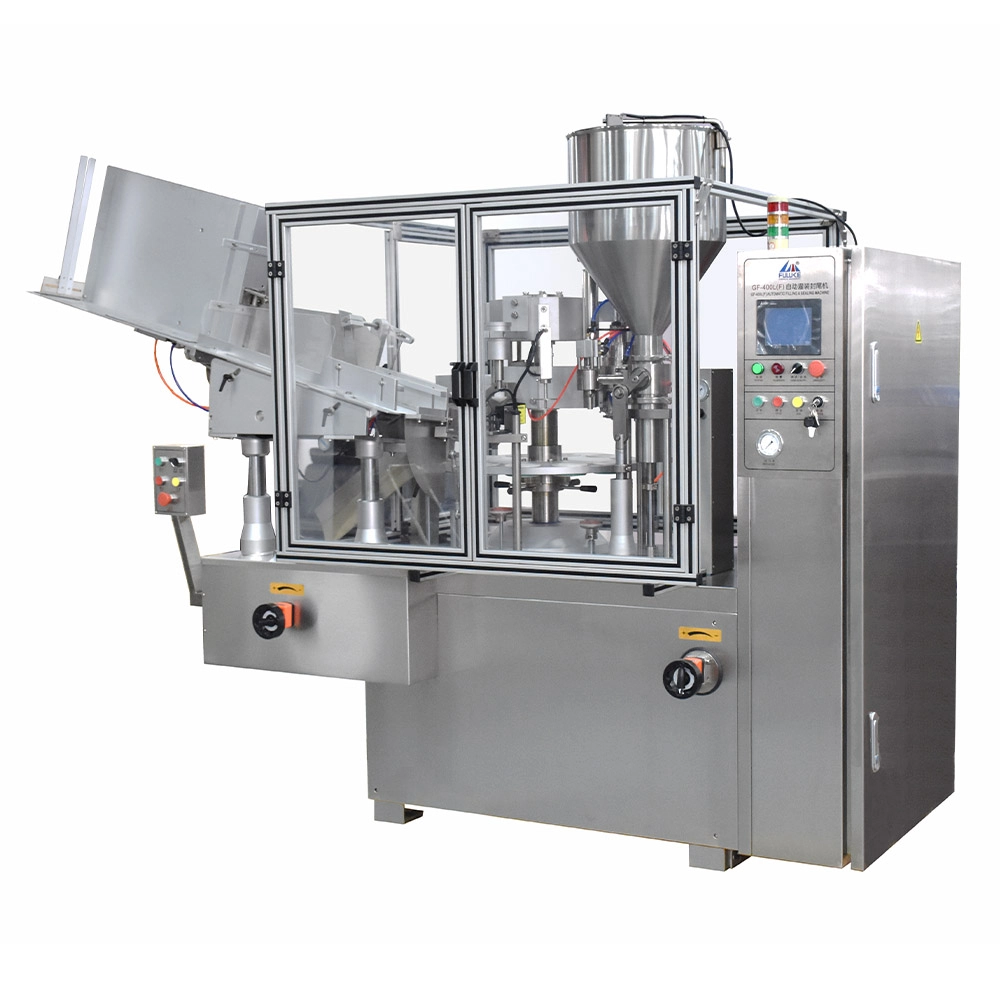
Automatic Tube Filling and Sealing Machine Toothpaste Sunscreen and Facial Cleanser Filling and Sealing Machine for Plastic and Aluminum-plastic Tube
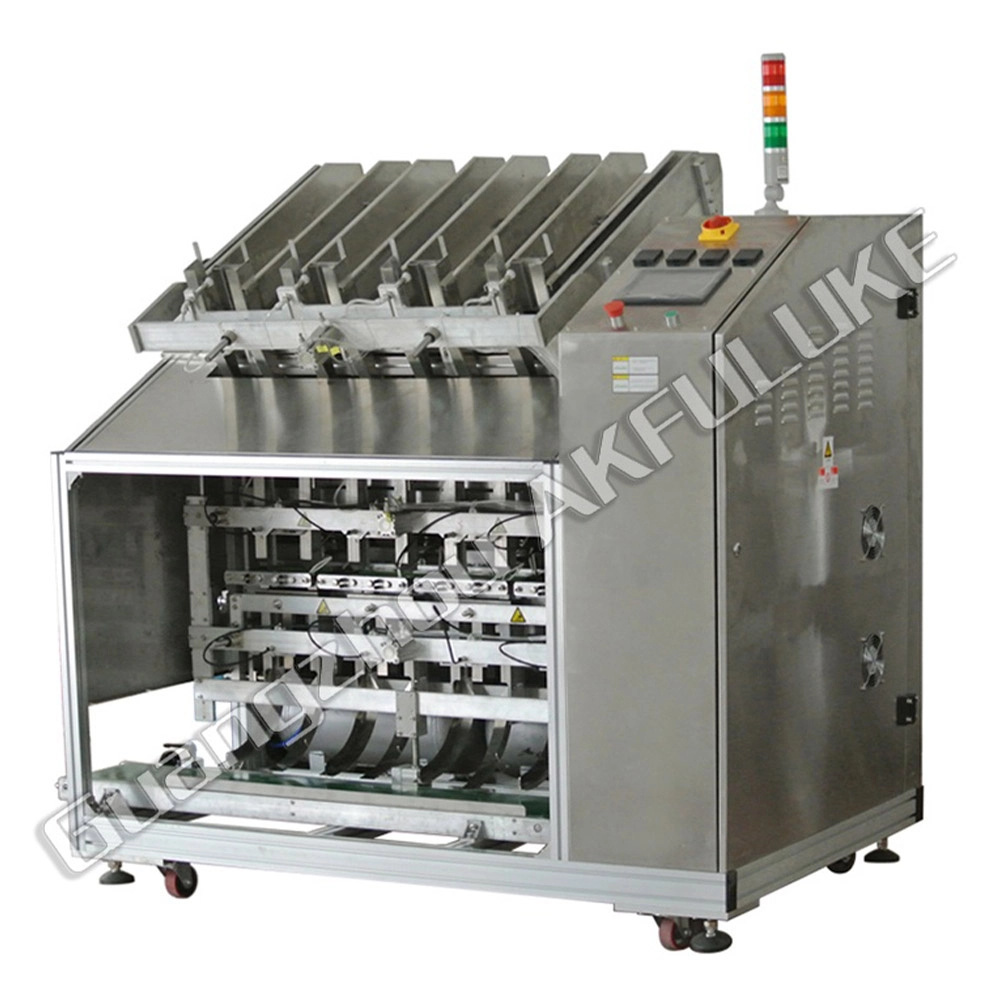
Effective Automatic Facial Mask Filling Machine 2/6/8 Heads Facial Mask Filling and Sealing Machine

A leading manufacturer specializing in advanced machinery and complete production lines for the cosmetics, food, pharmaceutical, and chemical industries worldwide.
Contact FULUKE
Facebook
Instagram
YouTube