
How to ensure hygienic welds and polished seams in tanks?
Ensuring hygienic welds and polished seams in cosmetic equipment tanks is crucial for maintaining product purity and safety. Below are key considerations to achieve this:
1. What materials are suitable for cosmetic equipment tanks?
Stainless steel, particularly grades 304 and 316L, is commonly used due to its corrosion resistance and ease of cleaning. These materials are compatible with various cosmetic formulations and meet industry standards for hygiene.
2. What welding techniques ensure hygienic welds?
Gas Tungsten Arc Welding (TIG) is preferred for sanitary applications because it provides precise control over heat input and arc stability, resulting in clean, crevice-free welds. Proper inert gas back-purging during welding prevents oxidation, preserving the corrosion resistance of stainless steel.
3. How can weld seams be polished to meet hygienic standards?
Post-weld treatments such as grinding, blending, polishing, pickling, and passivation enhance the corrosion resistance of stainless steel by forming a stable, passive oxide layer. For extremely aggressive chemicals, specialized internal linings or coatings are applied and rigorously inspected for adhesion and integrity.
4. What are the standards for surface finishes in cosmetic equipment tanks?
Surface finishes are typically specified in terms of roughness, with a common requirement being a maximum of 0.25 μm Ra. This ensures smooth, crevice-free surfaces that prevent contamination and facilitate cleaning.
5. How can weld quality be verified?
Non-destructive testing methods such as X-ray scanning and magnetic particle testing are employed to detect defects in welds. These methods ensure that welds meet the required standards for strength and hygiene.
6. What maintenance practices are essential for maintaining hygienic welds and polished seams?
Regular inspections, cleaning, and maintenance are essential to preserve the integrity of welds and surface finishes. Implementing a Clean-in-Place (CIP) system facilitates effective cleaning without disassembling equipment, ensuring consistent hygiene standards.
7. How does the design of mixing tanks with agitators impact hygiene?
The design of mixing tanks with agitators should minimize dead zones where product can accumulate. Incorporating features such as smooth, crevice-free welds and polished surfaces facilitates effective cleaning and prevents contamination.
8. What role do certifications play in ensuring hygienic standards?
Certifications such as NSF, FDA, and ASME BPE indicate that equipment meets stringent hygiene and safety standards. Selecting equipment with these certifications ensures compliance with industry best practices for hygienic design and manufacturing.
By considering these factors, manufacturers can ensure that their cosmetic equipment tanks maintain the highest standards of hygiene, product safety, and operational efficiency.
FULUKE specializes in designing and manufacturing stainless steel tanks and vessels tailored for the cosmetic industry. Our equipment features hygienic welds, polished seams, and compliance with international standards, ensuring the highest quality and safety for your cosmetic formulations.
References:By adhering to these guidelines and selecting equipment from reputable manufacturers like FULUKE, cosmetic product manufacturers can ensure the production of safe, high-quality products that meet both regulatory requirements and consumer expectations.

Understanding Servo Capping Machines: The Core Logic of Precise Capping – Understand the Entire Working Process in Seconds
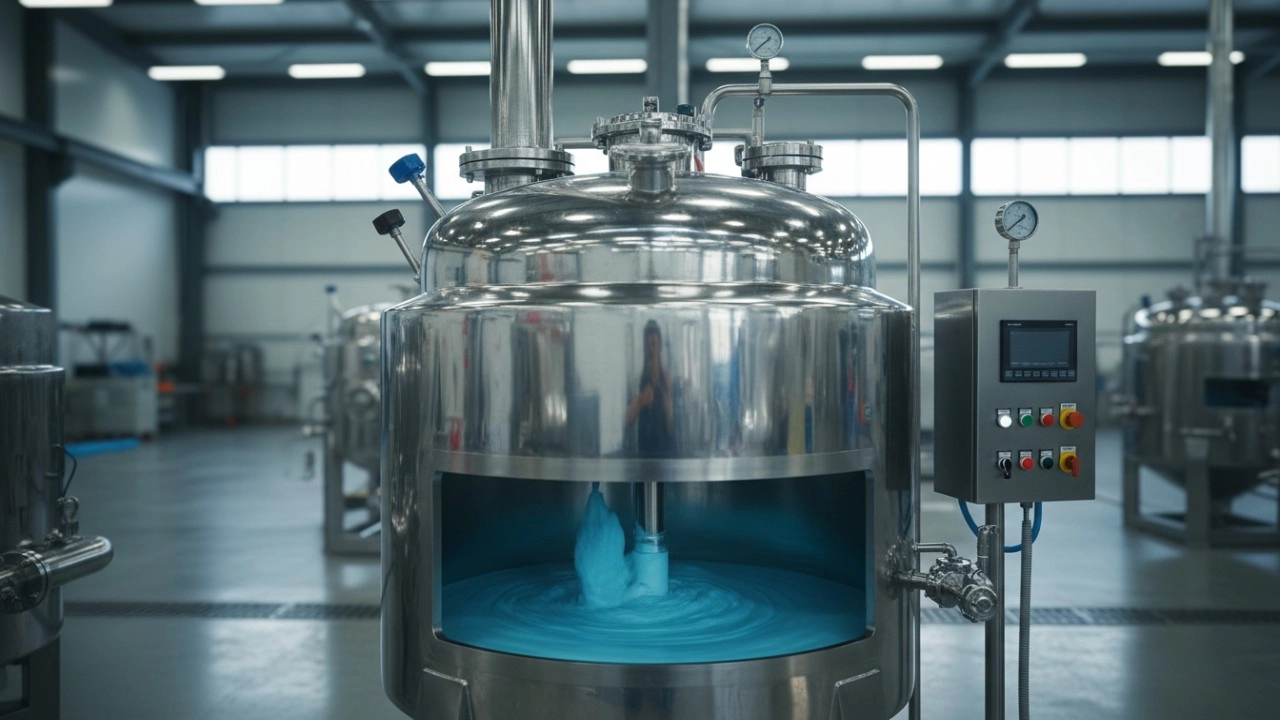
The Future of Industrial Agitation: 5 Smart Mixing Tank Technologies Changing the Game
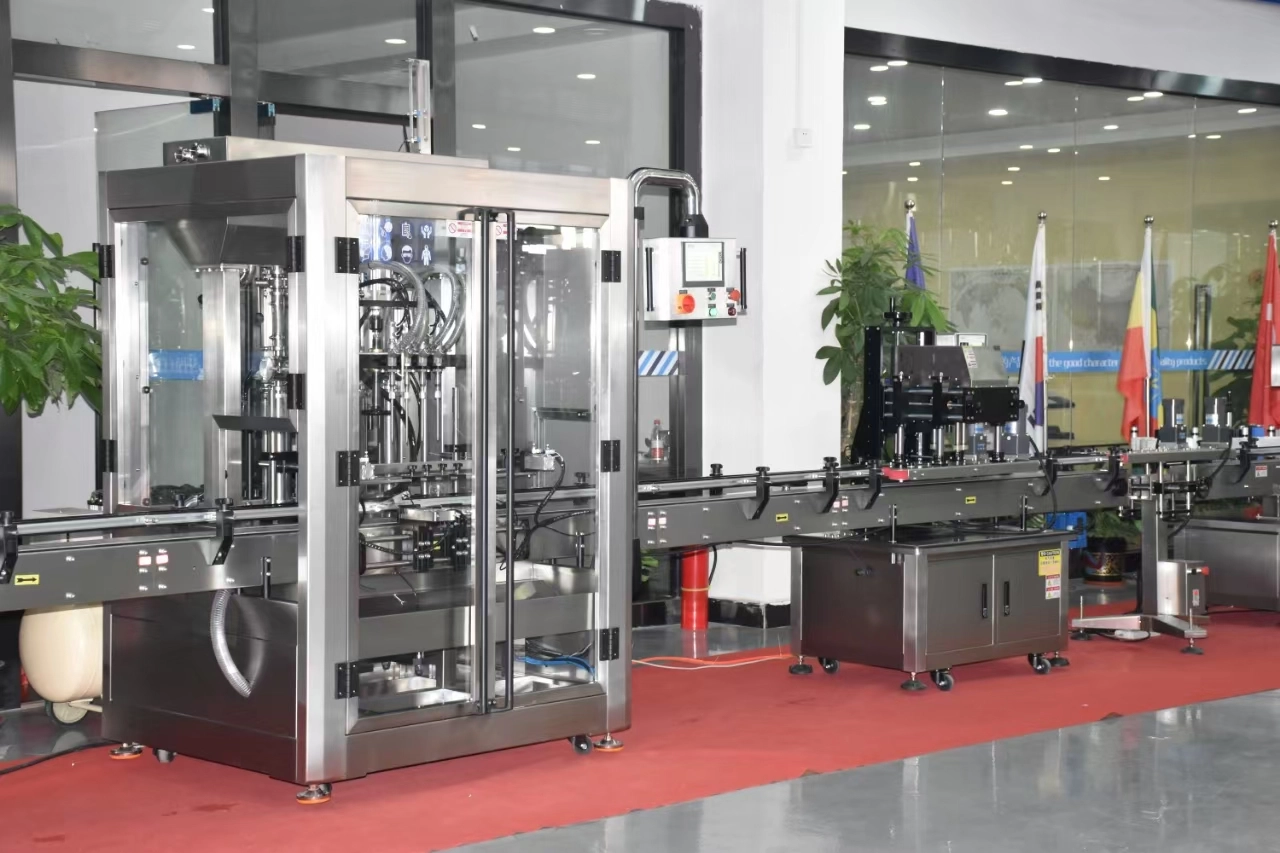
Gear pump filling machine vs. piston filling machine: Key differences broken down to avoid pitfalls in selection.
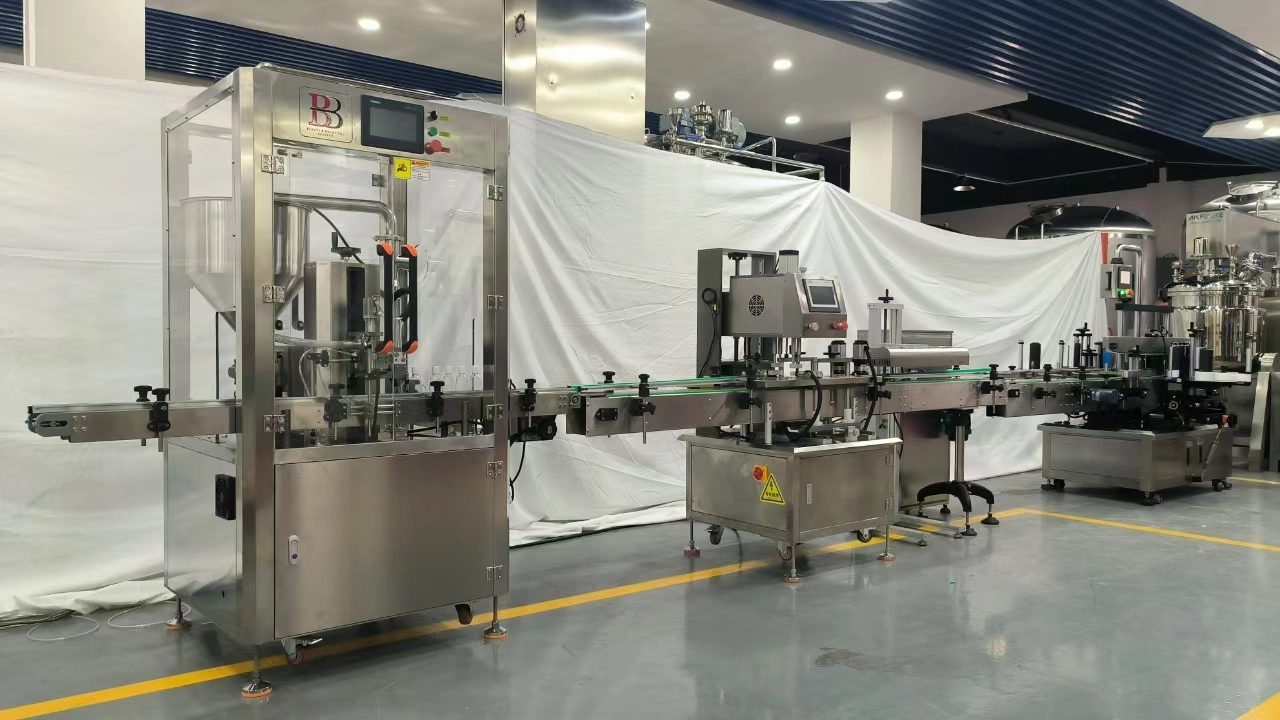
Understand the working principle of a servo gear pump filling machine!
The Flip Cover Liquid Wash Mixing Homogenizing Tank
Is it possible to not have a heating function?
Of course, if your product's production process doesn't require heating and cooling functions, then you can just make it a single-layer pot.
Sealed Homogenizing Mixing Tank
Is it possible to not have a heating function?
Of course, if your product's production process doesn't require heating and cooling functions, then you can just make it a single-layer pot.
Can you make a design for us?
Yes, we can, we provide not only products, but also solutions and designs.
Automatic Capping Machine
What can you buy from us?
RO Water Treatment、Vacuum Emulsifying Machine、Homogenizer Mixing Tank、Filling and Capping、labeling Machine、Packing Machine、Storage Tank,etc.
Automatic Tube Filling and Sealing Machine
After purchasing the equipment, what after-sales services does the supplier typically provide?
General services include on-site installation and commissioning (including workshop layout planning), operator training (theoretical and practical training to ensure workers can operate independently), a one-year full machine warranty, and lifetime technical support (24-hour telephone and video troubleshooting).
Get in touch with FULUKE
If you have any comments or good suggestions, please leave us a message, later our professional staff will contact you as soon as possible.
You May Also Like
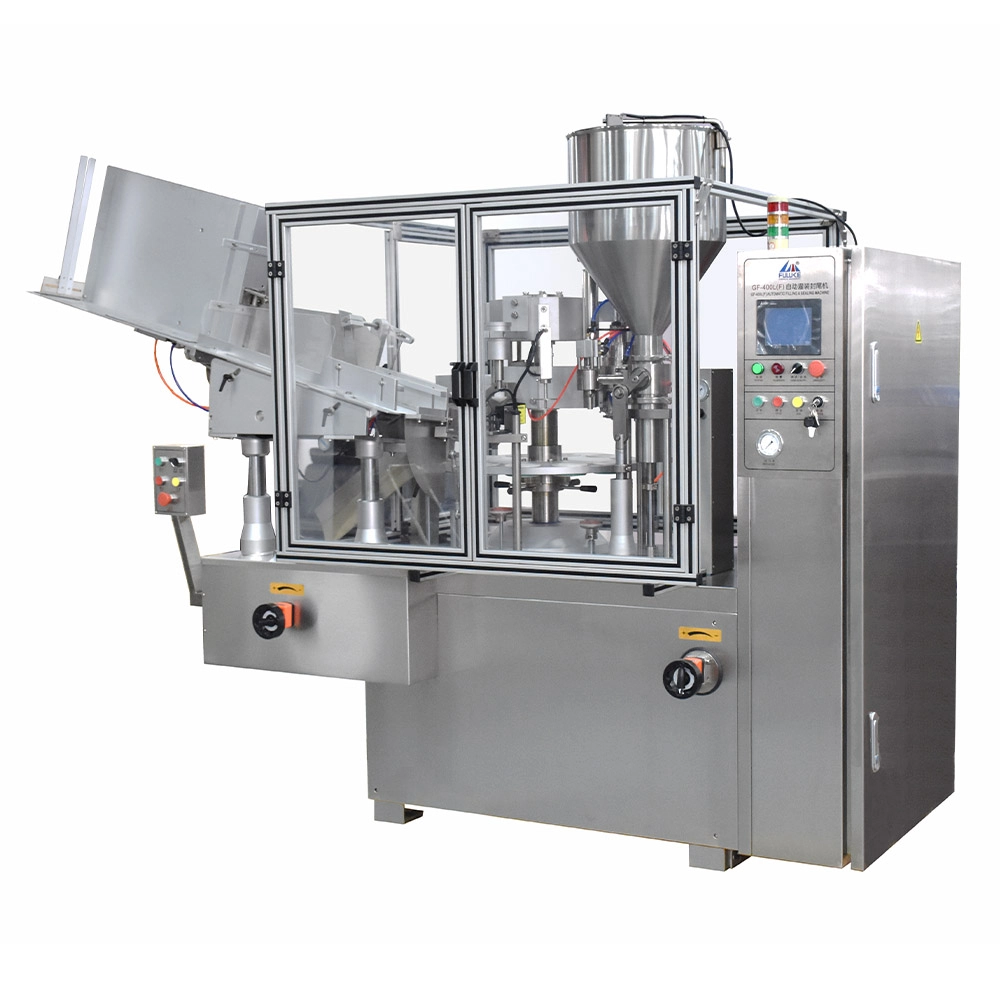
Automatic Tube Filling and Sealing Machine Toothpaste Sunscreen and Facial Cleanser Filling and Sealing Machine for Plastic and Aluminum-plastic Tube
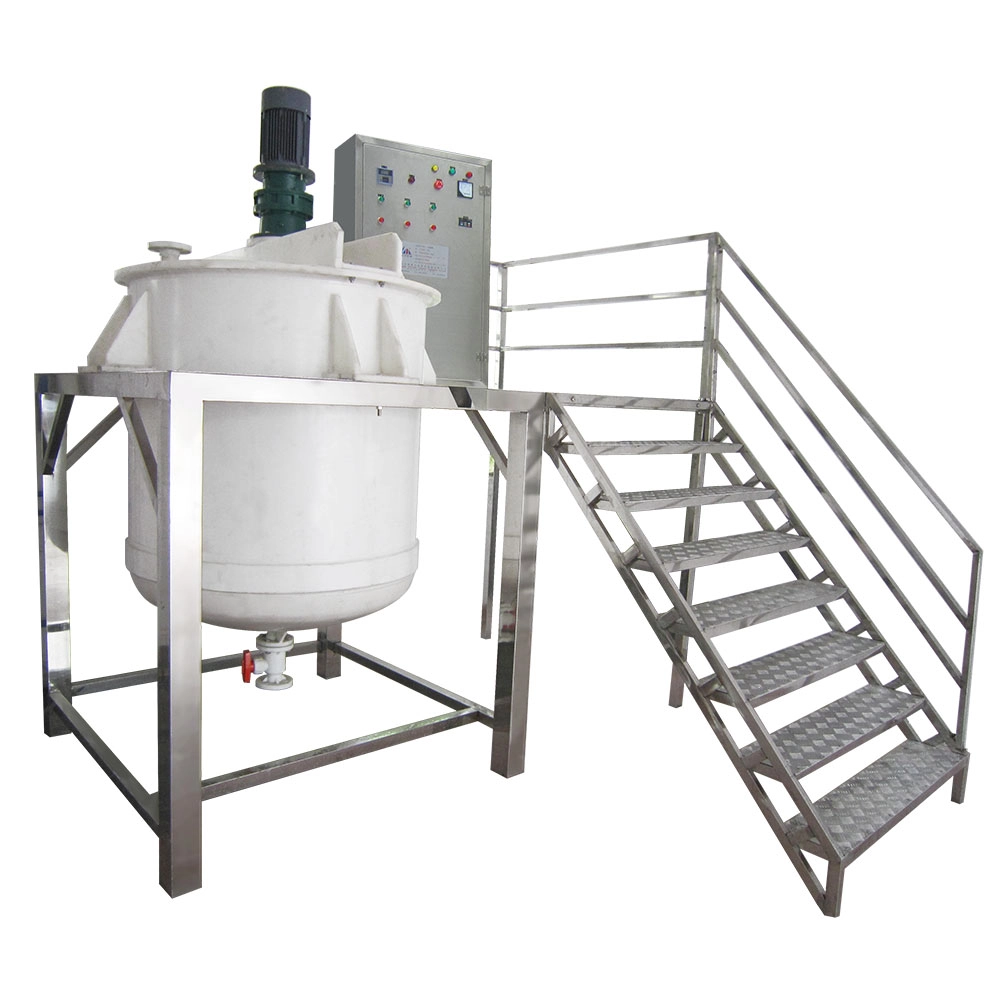
Polypropylene PP Mixing Tank Anti-Corrosion Mixer Reaction Kettle with Agitator Chemical Mixing Vessel
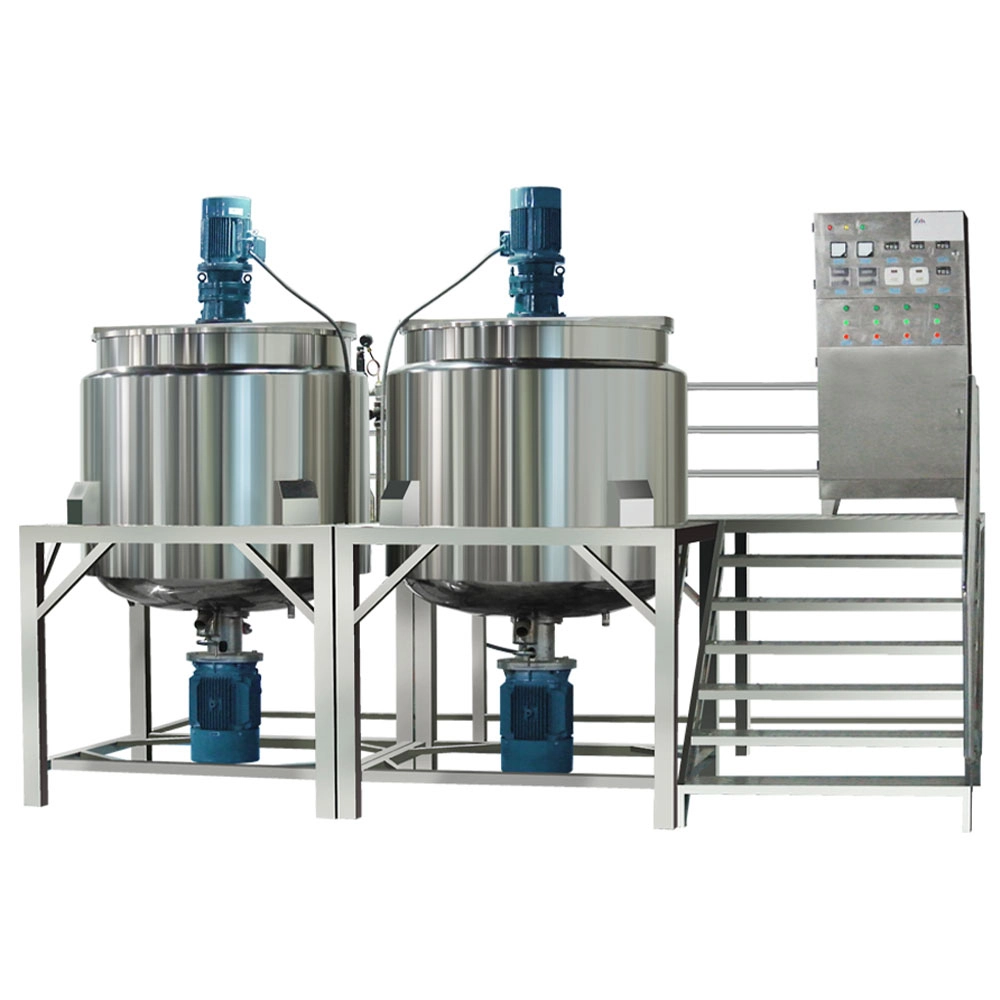
Flip Cover Multi-function Liquid Wash Mixing Tank Blender Liquid Detergent Mixer Homogenization Stirring Tank
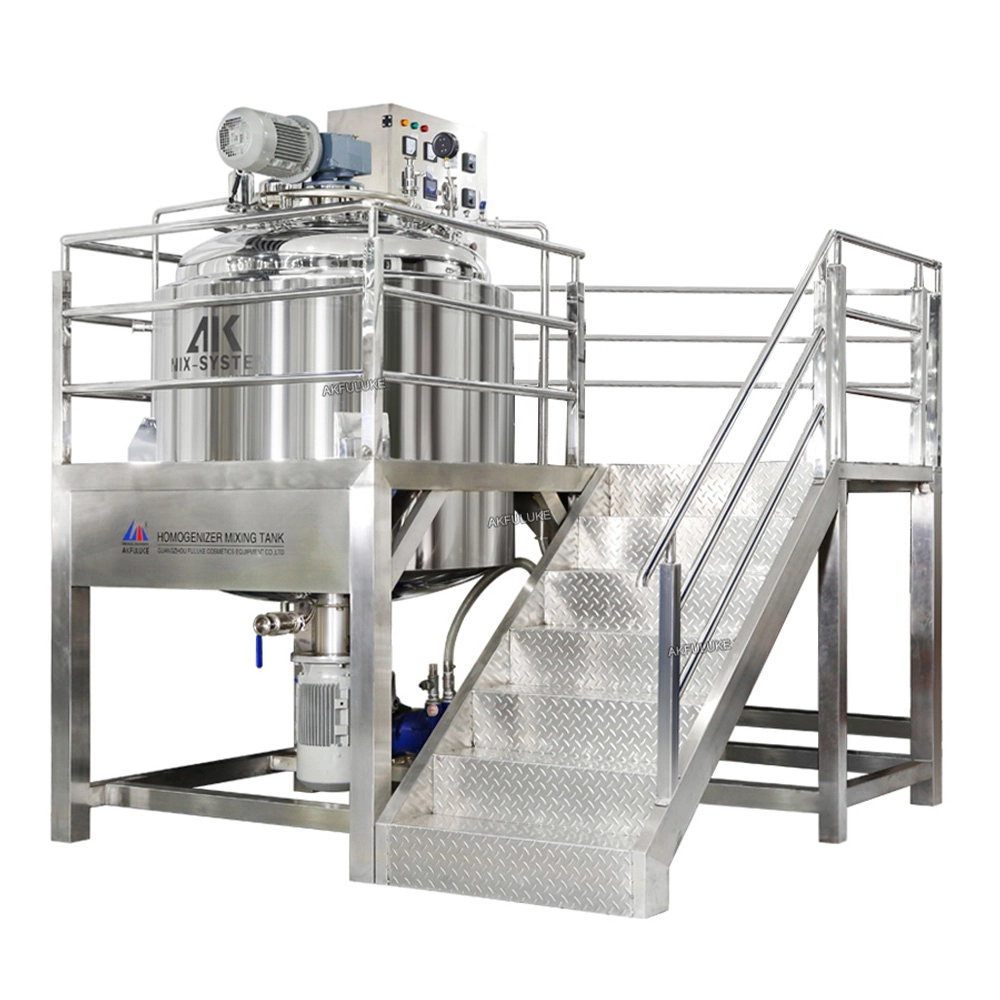
Stainless Steel Mixer Liquid Mixing tank with Agitator Homogenizing Mixing tank Vacuum Sealed Mixer Machine

A leading manufacturer specializing in advanced machinery and complete production lines for the cosmetics, food, pharmaceutical, and chemical industries worldwide.
Contact FULUKE
Facebook
Instagram
YouTube