
What ROI metrics should procurement use for filling gear?
- Maximizing ROI in Cosmetic Equipment Procurement: Essential Insights for Filling Machines
- 1. What are the key factors influencing ROI in filling machine procurement?
- 2. How can procurement teams calculate ROI for filling machines?
- 3. What are the typical payback periods for automated filling machines?
- 4. How does automation impact overall equipment effectiveness (OEE)?
- 5. What are the advantages of investing in used filling machines?
- 6. How can procurement teams assess the total cost of ownership (TCO) for filling machines?
- 7. What role does supplier performance play in maximizing ROI?
- 8. How can procurement teams ensure sustainability in filling machine procurement?
Maximizing ROI in Cosmetic Equipment Procurement: Essential Insights for Filling Machines
When procuring filling machines for cosmetic manufacturing, understanding and optimizing Return on Investment (ROI) is crucial. This article addresses common questions and provides expert insights to guide procurement decisions in the cosmetic equipment industry.
1. What are the key factors influencing ROI in filling machine procurement?
Several factors significantly impact ROI in filling machine procurement:
- Production Speed and Capacity: Machines with higher throughput can meet increasing demand, reducing per-unit costs. For instance, automated systems can achieve 60–120 packs per minute, compared to 20–30 packs per minute with manual processes, leading to substantial productivity gains.
- Material Efficiency: Automated filling machines can reduce material waste by 15–25%, leading to significant cost savings.
- Labor Costs: Automation can decrease labor costs by 30%–70%, depending on the scale of operation.
- Maintenance and Durability: Investing in high-quality, durable machines reduces downtime and repair expenses, enhancing long-term ROI.
- Energy Efficiency: Modern machines consume 15–25% less energy than older models, contributing to cost savings.
2. How can procurement teams calculate ROI for filling machines?
To calculate ROI, use the formula:
ROI (%) = (Total Annual Savings – Total Investment) ÷ Total Investment × 100
For example, a snack manufacturer investing ₹50 lakh in an automated system with annual savings of ₹48.3 lakh would achieve an ROI of 96.6% in one year.
3. What are the typical payback periods for automated filling machines?
Payback periods vary based on the scale of operation and efficiency gains. In high-volume plants, payback periods can be as short as 12–18 months.
4. How does automation impact overall equipment effectiveness (OEE)?
Automation can increase OEE by 25–40%, unlocking significant annual capacity value without the need for additional floor space.
5. What are the advantages of investing in used filling machines?
Investing in used filling machines offers several benefits:
- Reduced Capital Investment: Used machines are typically 40–70% less expensive than new ones, freeing up funds for other investments.
- Shorter Lead Time: Used machines can be disassembled, delivered, and installed within weeks, compared to the longer lead times for new equipment.
- Verified Dependability: Machines that have been in continuous production are often ready for immediate use, reducing setup time.
6. How can procurement teams assess the total cost of ownership (TCO) for filling machines?
To assess TCO, consider:
- Initial Purchase Price: The upfront cost of the machine.
- Installation and Training Costs: Expenses related to setting up and training staff on the new equipment.
- Maintenance and Repair Costs: Ongoing expenses to keep the machine operational.
- Operational Costs: Energy consumption, labor, and material costs associated with running the machine.
7. What role does supplier performance play in maximizing ROI?
Supplier performance is critical in maximizing ROI. Key performance indicators (KPIs) to evaluate include:
- Cost Savings: Comparing supplier pricing to industry benchmarks.
- Quality Compliance: Ensuring products meet industry standards and certifications.
- Innovation and Flexibility: Assessing the supplier's ability to adapt to changing market demands and technological advancements.
- Responsiveness and Support: Evaluating the supplier's customer service and support capabilities.
8. How can procurement teams ensure sustainability in filling machine procurement?
To ensure sustainability, procurement teams should:
- Evaluate Energy Efficiency: Choose machines with low energy consumption to reduce environmental impact.
- Consider Durability and Longevity: Invest in machines that have a longer lifespan, reducing waste and the need for frequent replacements.
- Assess Supplier Sustainability Practices: Partner with suppliers who adhere to environmental standards and sustainable practices.
By carefully considering these factors, procurement teams can make informed decisions that enhance ROI and support sustainable practices in cosmetic equipment procurement.
FULUKE's Advantage: FULUKE offers a comprehensive range of high-quality filling machines designed to maximize efficiency and ROI. With a focus on durability, energy efficiency, and innovative features, FULUKE ensures that your investment delivers optimal performance and value in the cosmetic manufacturing process.

Understanding Servo Capping Machines: The Core Logic of Precise Capping – Understand the Entire Working Process in Seconds
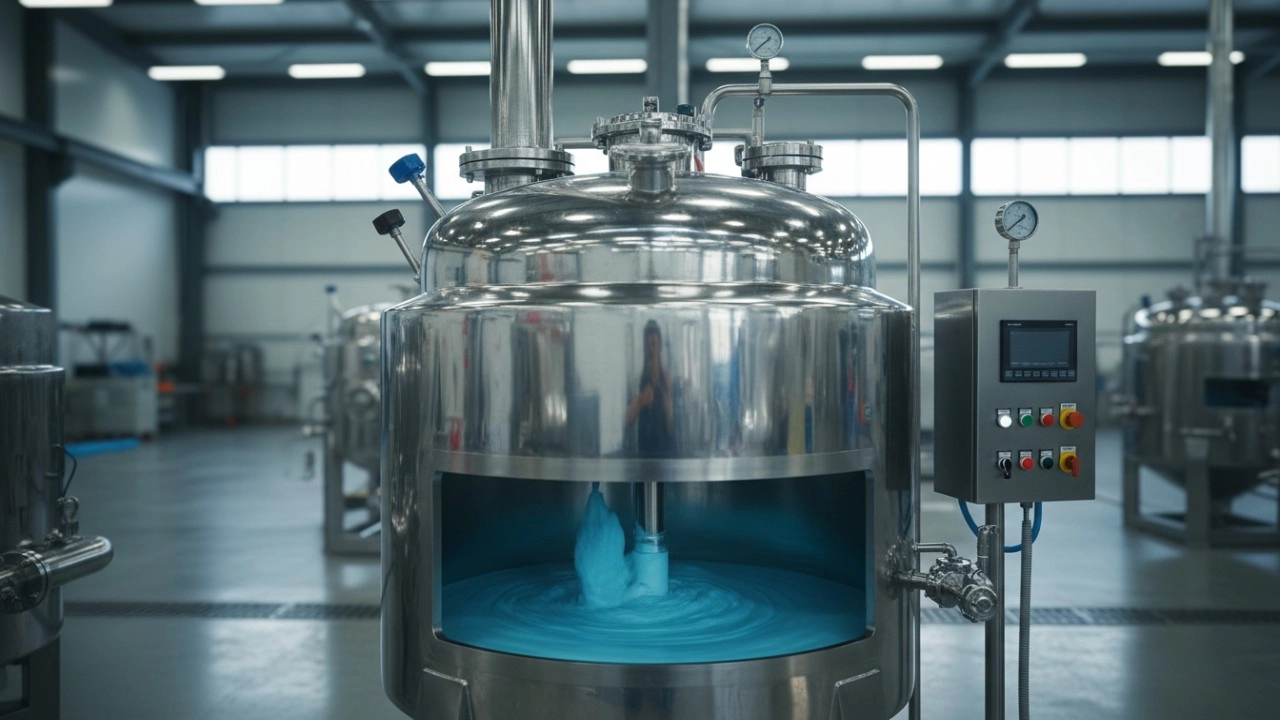
The Future of Industrial Agitation: 5 Smart Mixing Tank Technologies Changing the Game
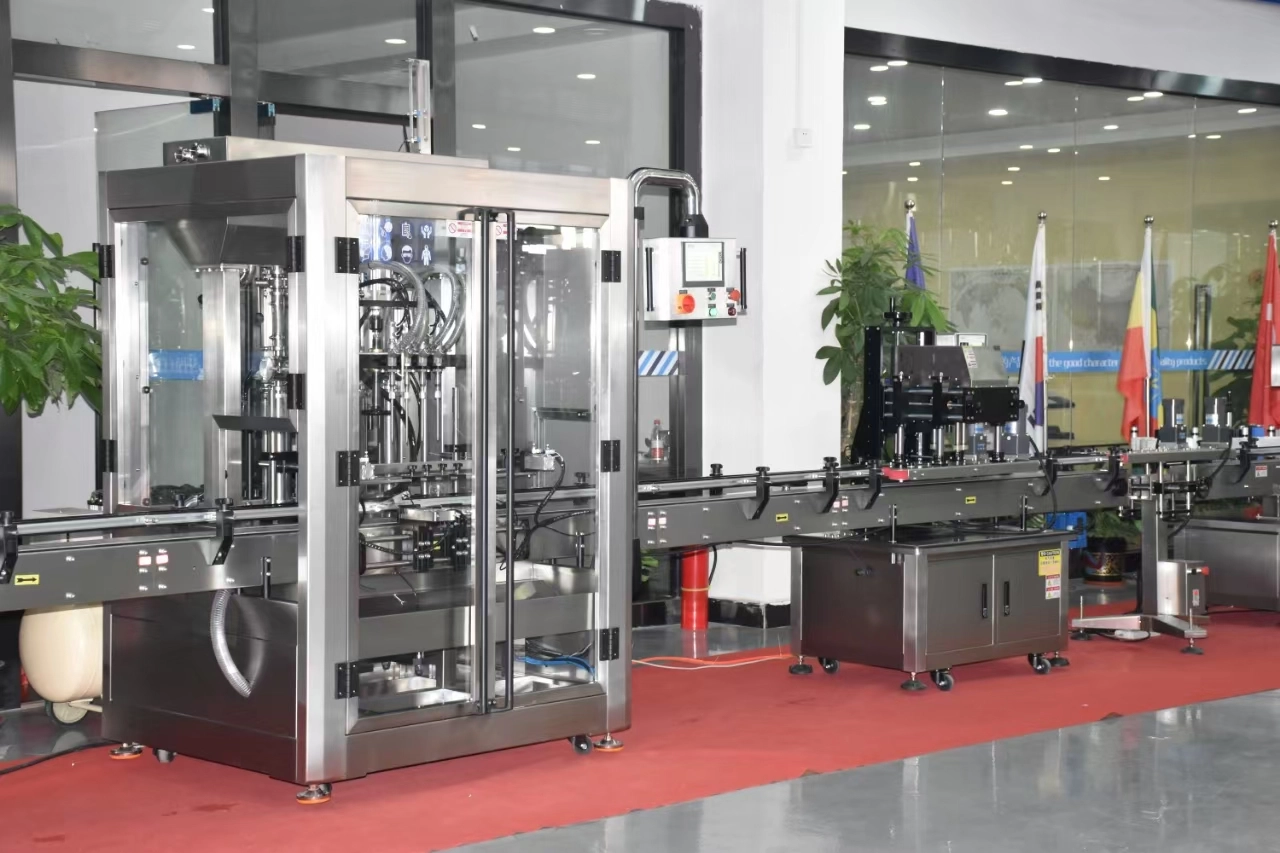
Gear pump filling machine vs. piston filling machine: Key differences broken down to avoid pitfalls in selection.
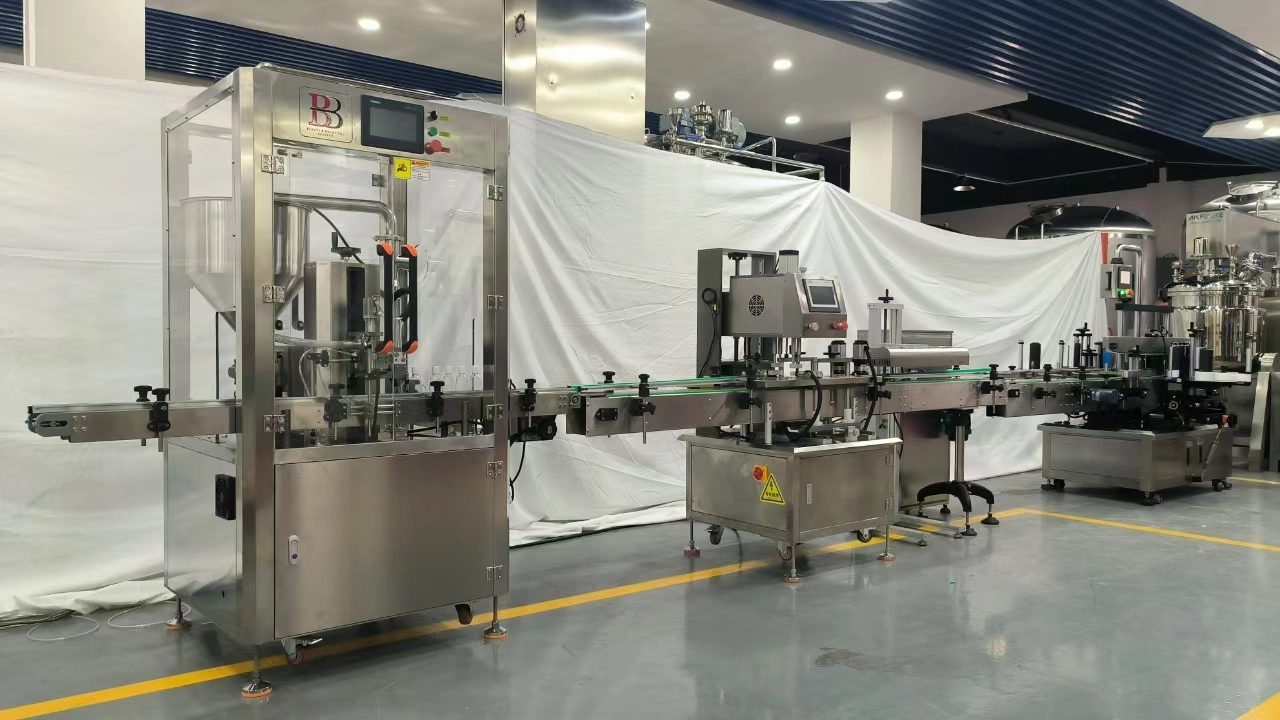
Understand the working principle of a servo gear pump filling machine!
Lift-type Homogenizing Disperser
What can you buy from us?
RO Water Treatment、Vacuum Emulsifying Machine、Homogenizer Mixing Tank、Filling and Capping、labeling Machine、Packing Machine、Storage Tank,etc.
How often should the disperser and homogenizer be cleaned? How should they be cleaned properly?
Cleaning Frequency: Cleaning is required every time a material is changed to prevent cross-contamination. When the same material is used continuously, cleaning is recommended every 24 hours. Cleaning Method: Rinse with clean water or a suitable solvent (e.g., alcohol for oily materials, clean water for water-based materials). Remove stubborn stains with a soft brush. Avoid scratching with hard objects to avoid damage.
Perfume Filling Machine
Can you make a design for us?
Yes, we can, we provide not only products, but also solutions and designs.
Automatic Capping Machine
What causes leakage or loose caps after capping?
Most likely, the capping torque parameters do not match the product characteristics. You can recalibrate the torque through the touch screen. If the problem persists, check whether the bottle clamp is too loose or whether there is any dimensional deviation in the cap.
Inkjet Printing Machine
What can you buy from us?
RO Water Treatment、Vacuum Emulsifying Machine、Homogenizer Mixing Tank、Filling and Capping、labeling Machine、Packing Machine、Storage Tank,etc.
Get in touch with FULUKE
If you have any comments or good suggestions, please leave us a message, later our professional staff will contact you as soon as possible.
You May Also Like
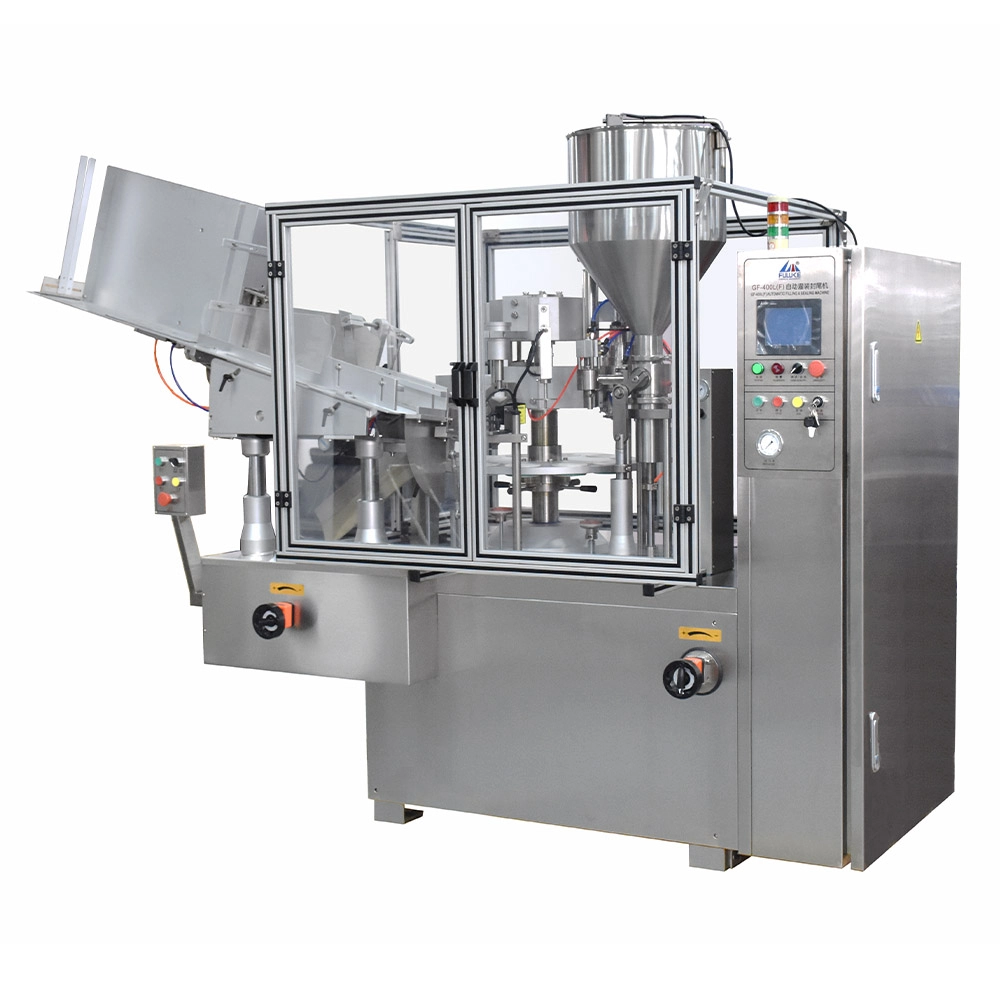
Automatic Tube Filling and Sealing Machine Toothpaste Sunscreen and Facial Cleanser Filling and Sealing Machine for Plastic and Aluminum-plastic Tube
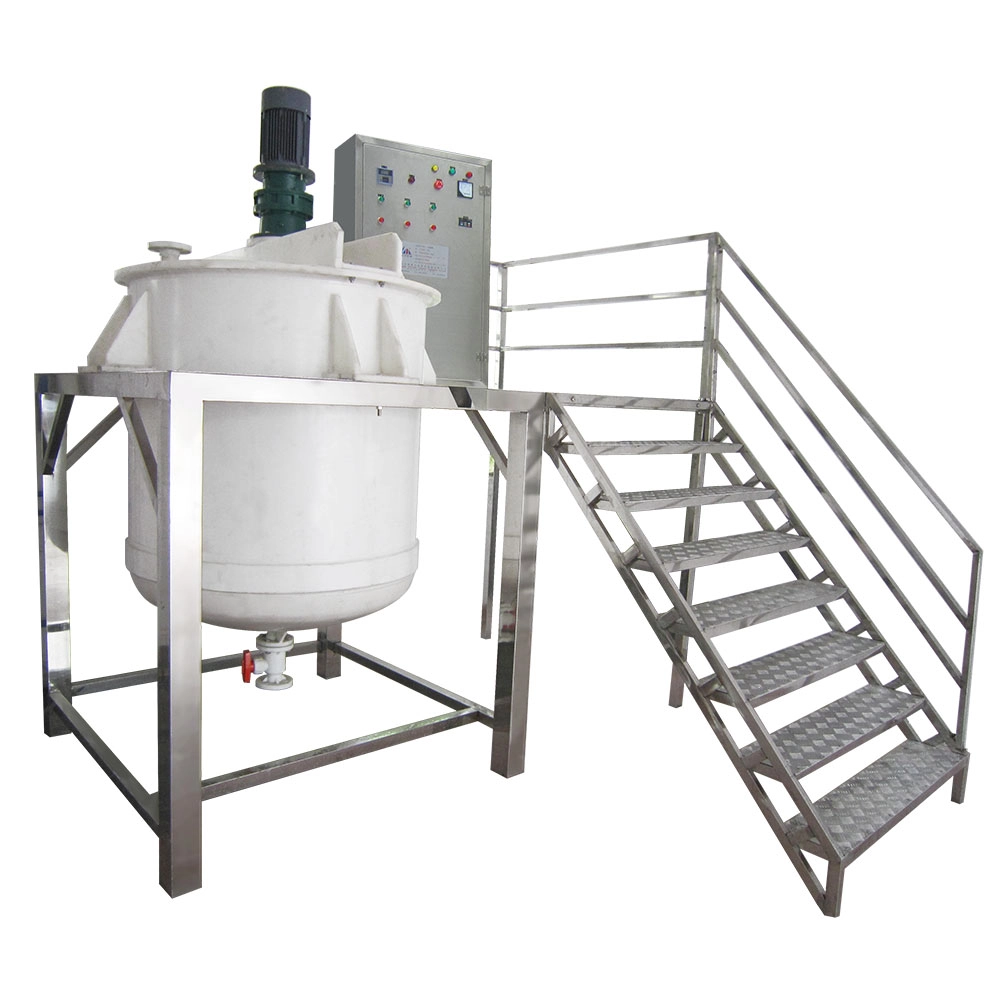
Polypropylene PP Mixing Tank Anti-Corrosion Mixer Reaction Kettle with Agitator Chemical Mixing Vessel
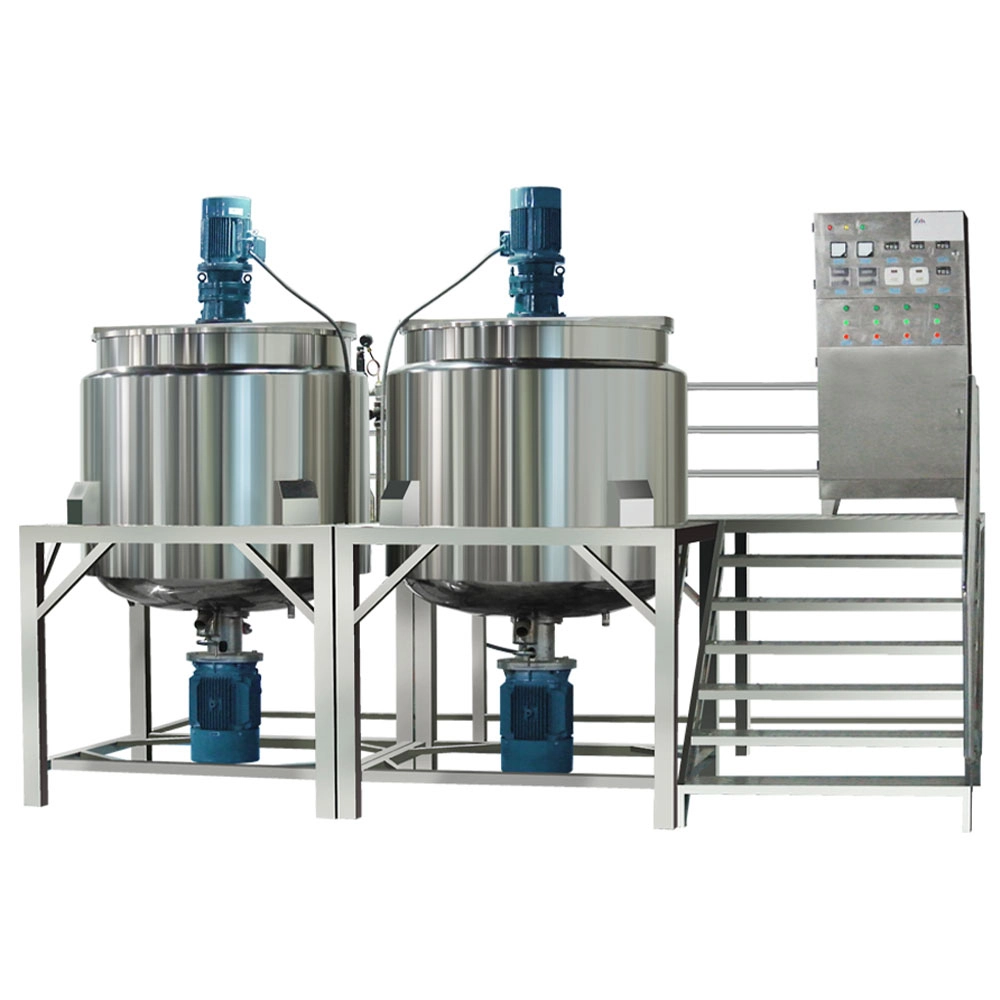
Flip Cover Multi-function Liquid Wash Mixing Tank Blender Liquid Detergent Mixer Homogenization Stirring Tank
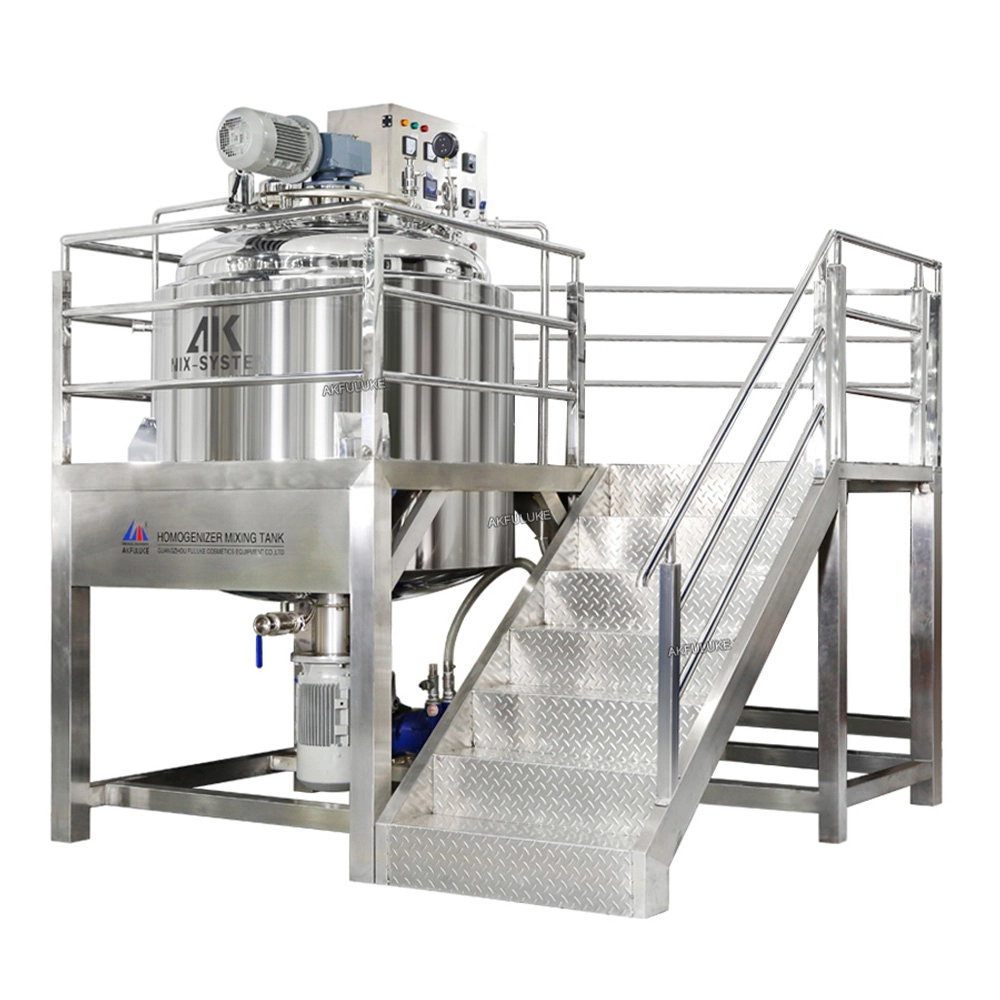
Stainless Steel Mixer Liquid Mixing tank with Agitator Homogenizing Mixing tank Vacuum Sealed Mixer Machine

A leading manufacturer specializing in advanced machinery and complete production lines for the cosmetics, food, pharmaceutical, and chemical industries worldwide.
Contact FULUKE
Facebook
Instagram
YouTube