
How to choose between high shear and low shear agitators?
- Understanding Mixing Tanks with Agitators in Cosmetic Manufacturing
- 1. What Are High Shear and Low Shear Agitators?
- 2. How Do I Choose Between High Shear and Low Shear Agitators?
- 3. What Are the Key Considerations When Selecting a Mixing Tank with Agitator?
- 4. How Do High Shear Mixers Benefit Cosmetic Manufacturing?
- 5. What Are the Maintenance Requirements for Mixing Tanks with Agitators?
- 6. How Do I Ensure Compliance with Industry Standards?
- 7. What Are the Cost Implications of High Shear vs. Low Shear Mixers?
- 8. How Do I Choose the Right Supplier for Mixing Tanks with Agitators?
- 9. What Are the Latest Trends in Mixing Technology for Cosmetics?
- 10. How Does FULUKE Stand Out in the Market?
Understanding Mixing Tanks with Agitators in Cosmetic Manufacturing
In cosmetic manufacturing, achieving uniformity and consistency in product formulations is paramount. A mixing tank equipped with an agitator plays a crucial role in this process by ensuring thorough blending of ingredients. The choice between high shear and low shear agitators significantly influences the quality and characteristics of the final product.
1. What Are High Shear and Low Shear Agitators?
High Shear Agitators: These mixers operate at high speeds, generating intense shear forces that break down particles and promote emulsification. They are ideal for creating fine emulsions and dispersions, making them suitable for products like creams, lotions, and serums.
Low Shear Agitators: Operating at lower speeds, these mixers provide gentle mixing, preserving the integrity of sensitive ingredients. They are commonly used for blending delicate formulations such as gels and light lotions.
2. How Do I Choose Between High Shear and Low Shear Agitators?
Selecting the appropriate agitator depends on several factors:
Viscosity of Ingredients: High shear mixers are suitable for high-viscosity products, while low shear mixers are better for low-viscosity formulations.
Desired Product Texture: For smooth, uniform textures, high shear mixers are preferred.
Ingredient Sensitivity: If the formulation includes heat-sensitive or delicate components, low shear mixers are advisable to prevent degradation.
Batch Size: High shear mixers are often used for larger batches, whereas low shear mixers are suitable for smaller quantities.
3. What Are the Key Considerations When Selecting a Mixing Tank with Agitator?
When choosing a mixing tank with an agitator, consider the following:
Material Compatibility: Ensure the tank and agitator materials are compatible with the ingredients to prevent contamination.
Cleaning and Maintenance: Opt for designs that facilitate easy cleaning and maintenance to uphold hygiene standards.
Capacity Requirements: Select a tank size that aligns with your production needs to optimize efficiency.
Compliance with Standards: Verify that the equipment meets industry standards and regulations for cosmetic manufacturing.
4. How Do High Shear Mixers Benefit Cosmetic Manufacturing?
High shear mixers offer several advantages in cosmetic production:
Enhanced Emulsification: They produce stable emulsions with consistent particle sizes, improving product texture and shelf life.
Efficient Processing: High shear mixers can process large volumes quickly, increasing production efficiency.
Versatility: They can handle a wide range of formulations, from creams to serums.
5. What Are the Maintenance Requirements for Mixing Tanks with Agitators?
Regular maintenance is essential to ensure optimal performance:
Routine Cleaning: Implement regular cleaning schedules to prevent contamination.
Component Inspection: Periodically check for wear and tear, especially in high shear mixers where parts are subject to intense forces.
Lubrication: Ensure moving parts are properly lubricated to reduce friction and extend equipment life.
6. How Do I Ensure Compliance with Industry Standards?
To meet industry standards:
Certifications: Choose equipment that has been certified by relevant authorities.
Documentation: Maintain detailed records of equipment specifications, maintenance, and quality control processes.
Training: Provide staff with training on equipment operation and safety protocols.
7. What Are the Cost Implications of High Shear vs. Low Shear Mixers?
High shear mixers typically have higher upfront costs due to their complex design and capabilities. However, they can offer cost savings in the long term through increased efficiency and product quality. Low shear mixers are generally more affordable but may require more time to achieve desired results, potentially affecting overall production costs.
8. How Do I Choose the Right Supplier for Mixing Tanks with Agitators?
When selecting a supplier:
Reputation: Research the supplier's reputation in the industry.
Customization Options: Ensure they can provide equipment tailored to your specific needs.
Support Services: Consider the availability of after-sales support, including maintenance and training.
Compliance: Verify that their equipment meets all relevant industry standards and regulations.
9. What Are the Latest Trends in Mixing Technology for Cosmetics?
Recent advancements include:
Integration of IoT Sensors: For real-time monitoring of viscosity and other parameters.
Automated Cleaning Systems: To reduce downtime and improve hygiene.
Sanitary Designs: Utilizing materials like stainless steel to meet FDA and GMP compliance.
10. How Does FULUKE Stand Out in the Market?
FULUKE offers several advantages:
Customization: Tailored solutions to meet specific production requirements.
Quality Assurance: Commitment to high-quality materials and manufacturing processes.
Customer Support: Comprehensive after-sales services, including training and maintenance.
Innovation: Incorporation of the latest technologies to enhance mixing efficiency and product quality.
By carefully considering these factors, cosmetic manufacturers can make informed decisions when selecting mixing tanks with agitators, ensuring optimal product quality and production efficiency.
References:

Understanding Servo Capping Machines: The Core Logic of Precise Capping – Understand the Entire Working Process in Seconds
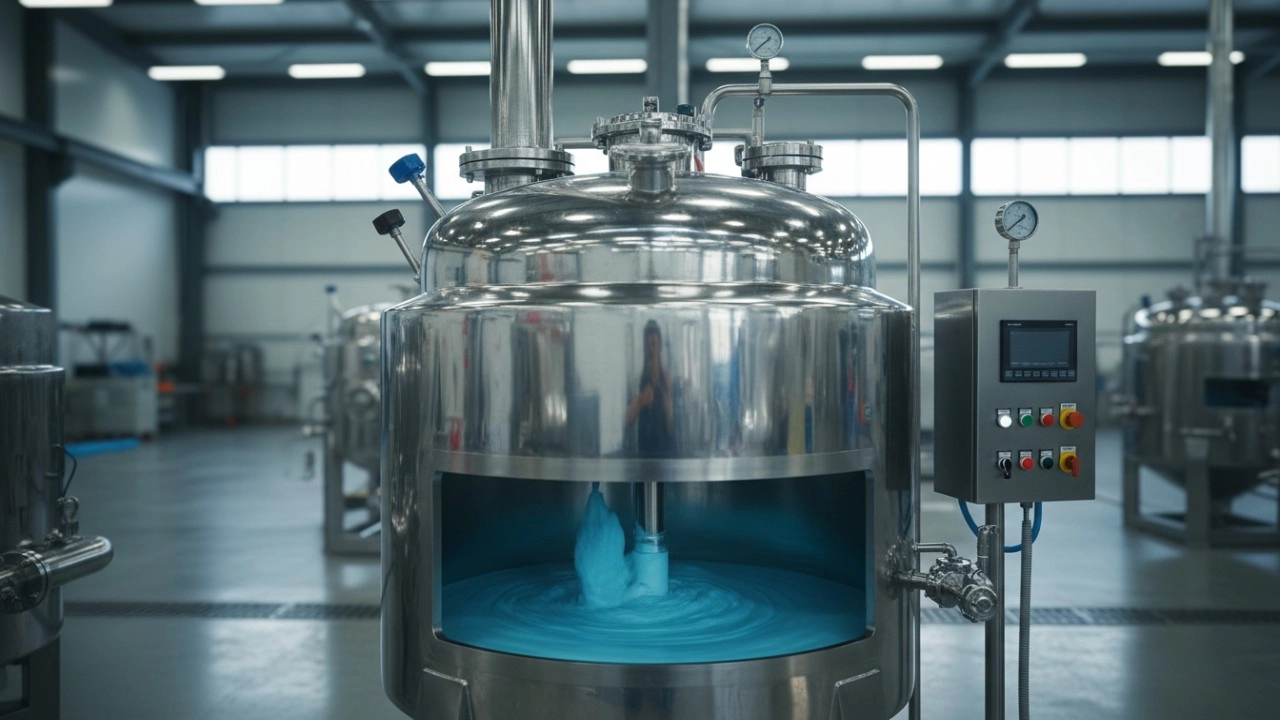
The Future of Industrial Agitation: 5 Smart Mixing Tank Technologies Changing the Game
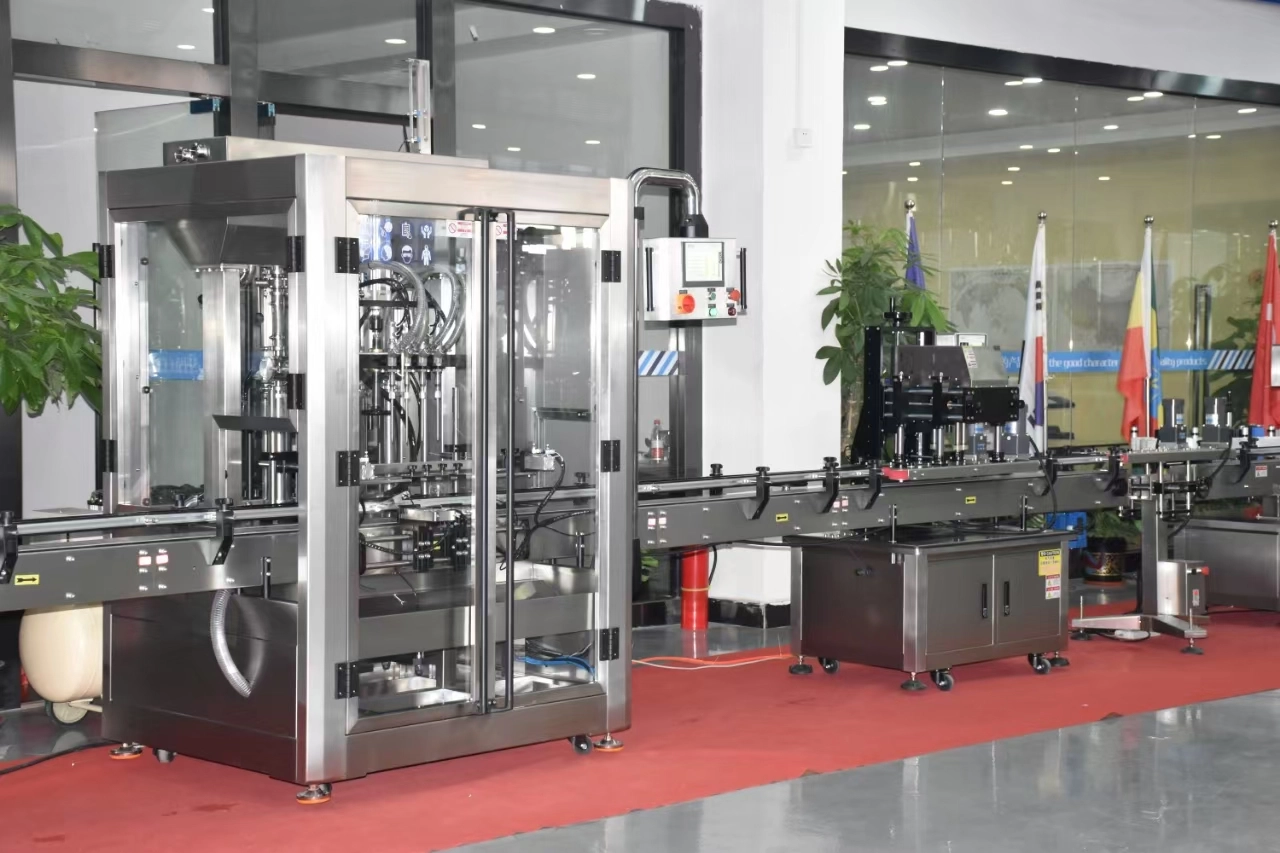
Gear pump filling machine vs. piston filling machine: Key differences broken down to avoid pitfalls in selection.
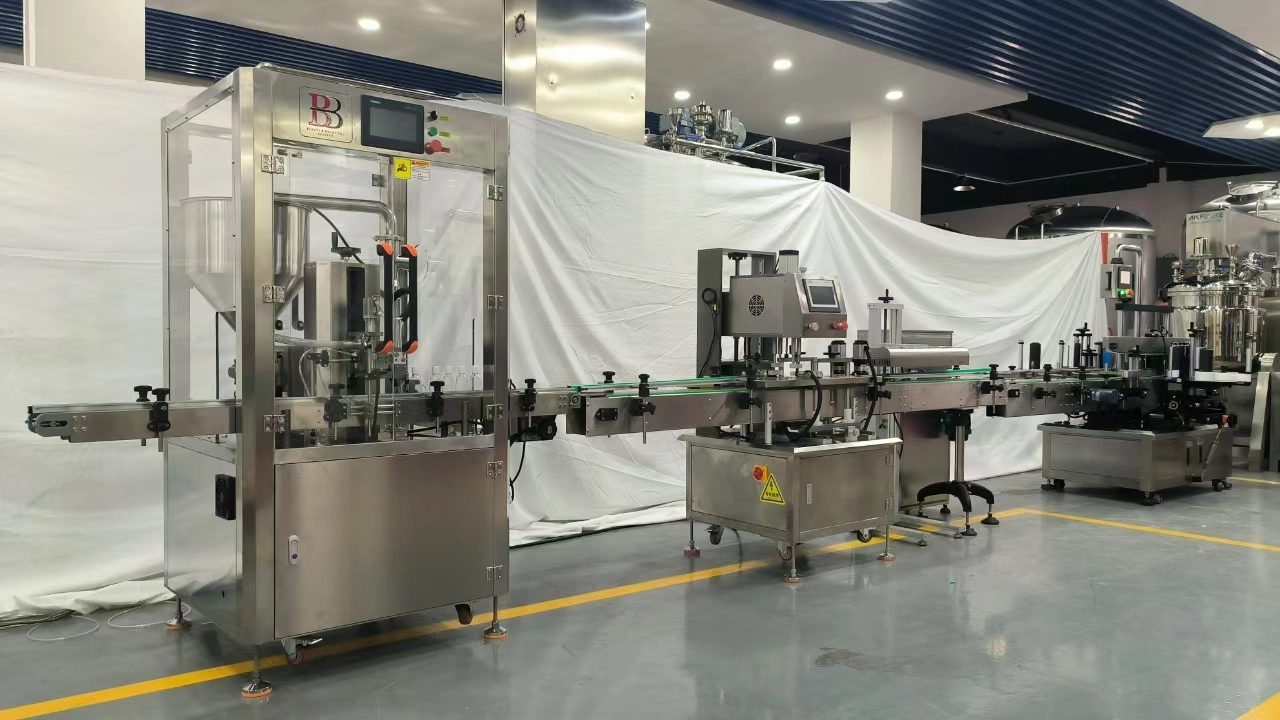
Understand the working principle of a servo gear pump filling machine!
RO Water Treatment
Can you make a design for us?
Yes, we can, we provide not only products, but also solutions and designs.
FAQs
Does FULUKE offer customized machinery solutions?
Storage Tank
What can you buy from us?
RO Water Treatment、Vacuum Emulsifying Machine、Homogenizer Mixing Tank、Filling and Capping、labeling Machine、Packing Machine、Storage Tank,etc.
Vacuum Emulsifying Machine
Can you customize the machine?
Of course, we provide customized services according to customer needs.
Perfume Filling Machine
When changing fragrance formulas, how can we prevent cross-contamination between different formulas?
All equipment components that come into contact with materials are made of food-grade 316/304 stainless steel, some of which can be customized with PTFE anti-corrosion linings. This material is easy to clean and does not absorb fragrance ingredients. When changing formulas, a dedicated cleaning solution is used for circulating flushing, and key components can be manually disassembled for secondary cleaning to completely eliminate cross-contamination and meet the needs of alternating production with multiple formulas.
Get in touch with FULUKE
If you have any comments or good suggestions, please leave us a message, later our professional staff will contact you as soon as possible.
You May Also Like
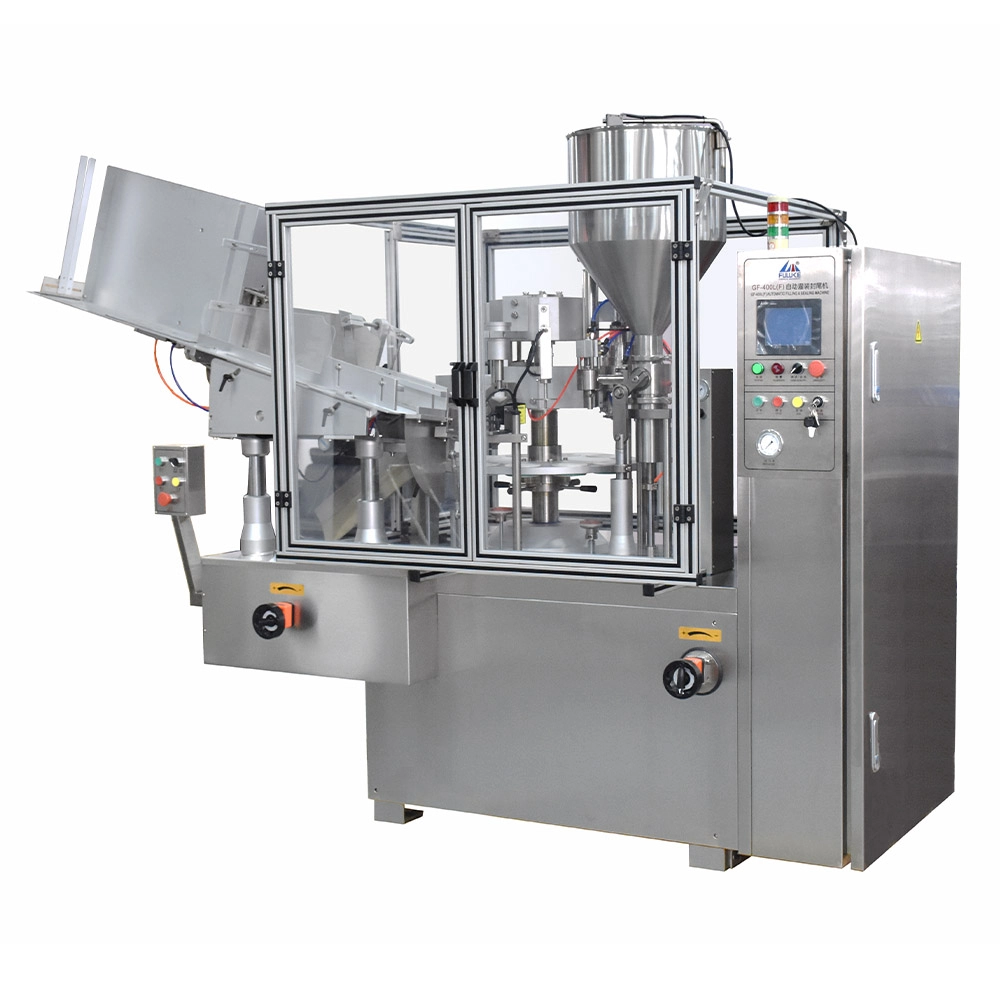
Automatic Tube Filling and Sealing Machine Toothpaste Sunscreen and Facial Cleanser Filling and Sealing Machine for Plastic and Aluminum-plastic Tube
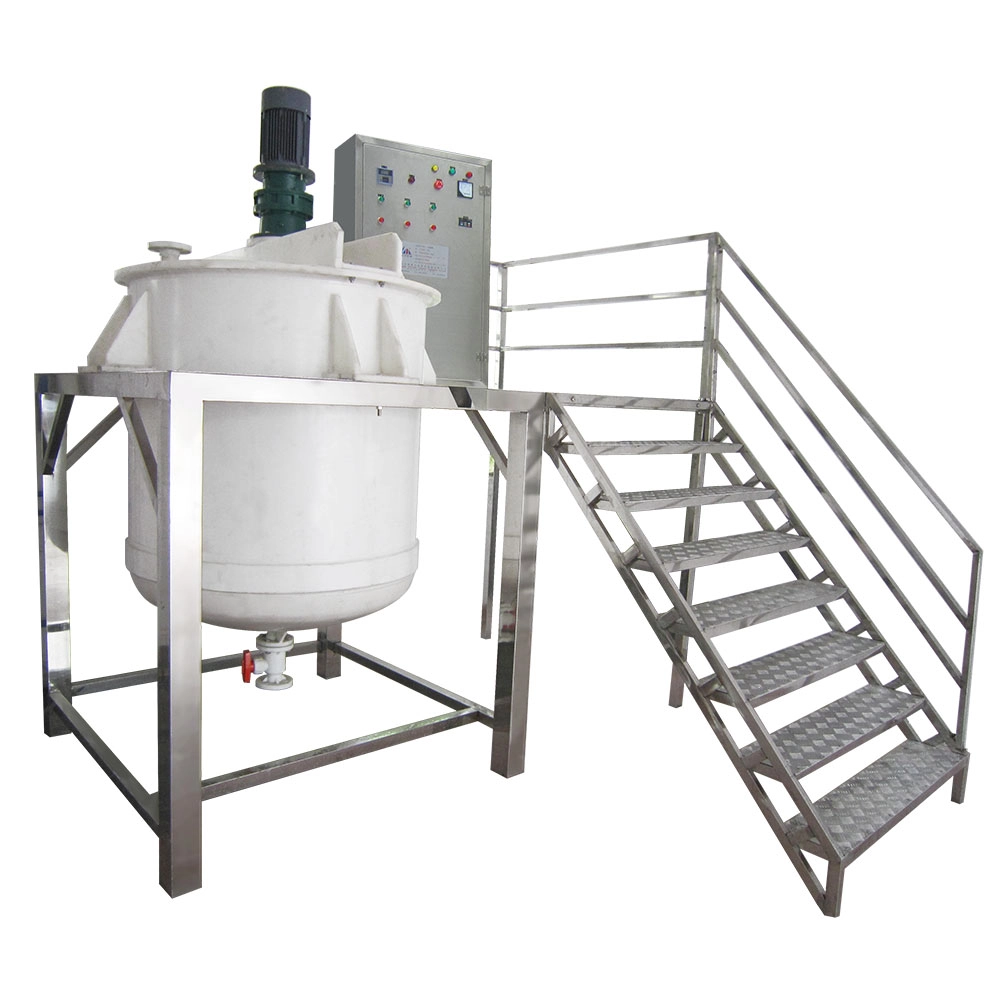
Polypropylene PP Mixing Tank Anti-Corrosion Mixer Reaction Kettle with Agitator Chemical Mixing Vessel
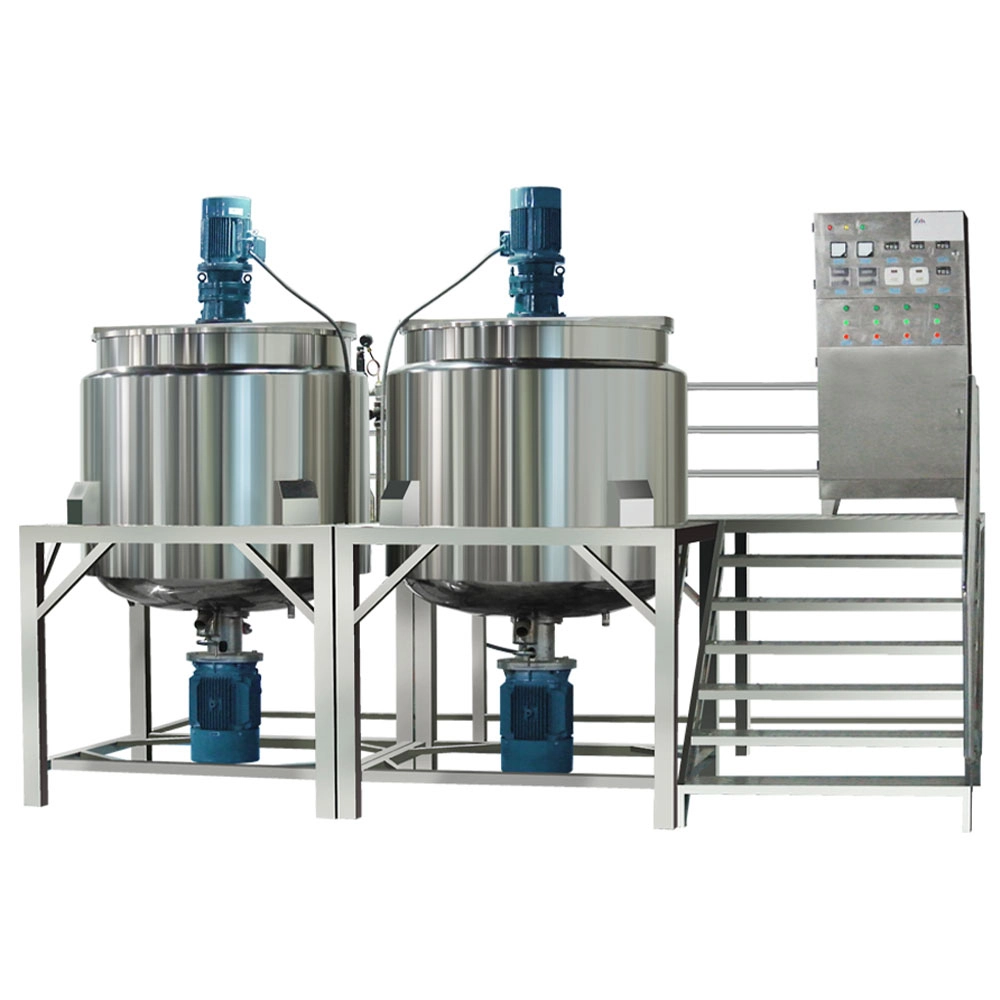
Flip Cover Multi-function Liquid Wash Mixing Tank Blender Liquid Detergent Mixer Homogenization Stirring Tank
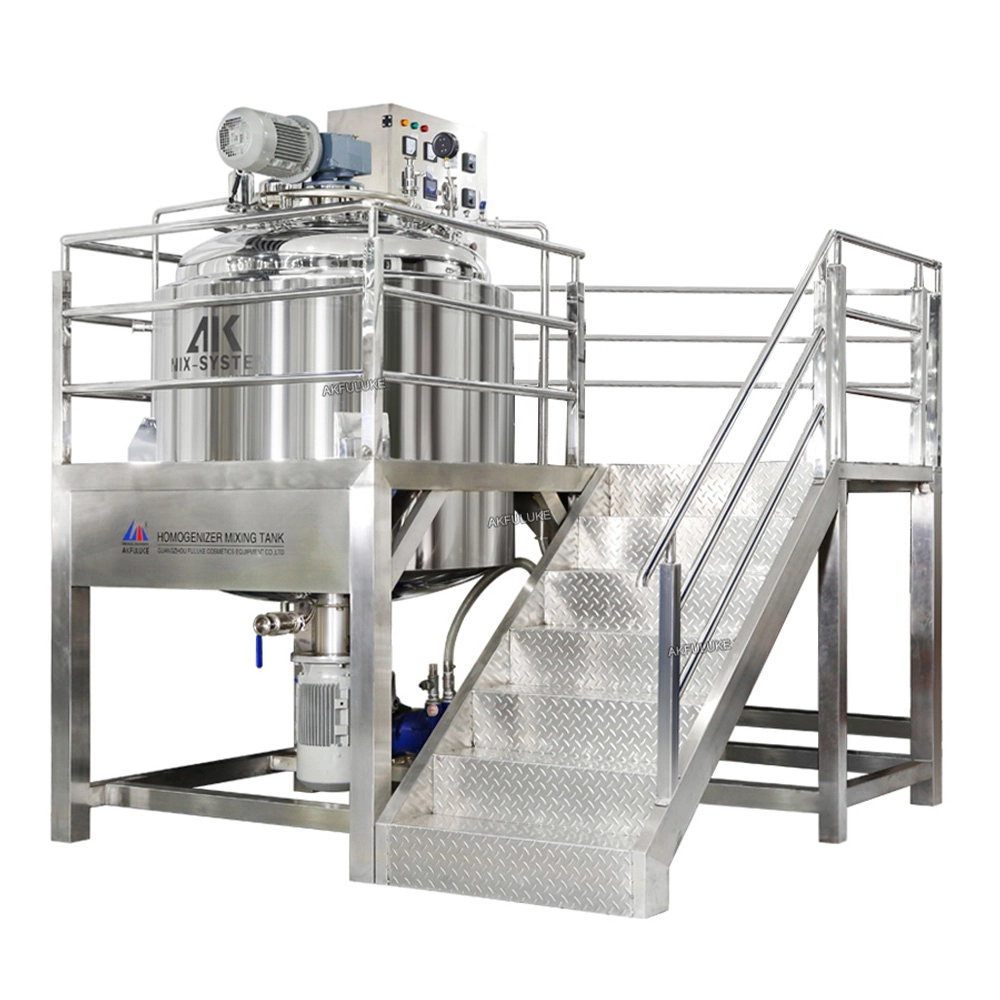
Stainless Steel Mixer Liquid Mixing tank with Agitator Homogenizing Mixing tank Vacuum Sealed Mixer Machine

A leading manufacturer specializing in advanced machinery and complete production lines for the cosmetics, food, pharmaceutical, and chemical industries worldwide.
Contact FULUKE
Facebook
Instagram
YouTube