
What agitator impellers work for viscous cosmetic blends?
Understanding Mixing Tanks and Agitators for Viscous Cosmetic Blends
When formulating cosmetic products like creams, lotions, and gels, achieving a uniform and consistent blend is crucial. This necessitates the use of specialized mixing tanks equipped with suitable agitators designed to handle high-viscosity materials.
1. What are the key considerations when selecting a mixing tank with an agitator for cosmetic applications?
Selecting the right mixing tank involves evaluating factors such as tank capacity, material compatibility, heating and cooling requirements, and the specific mixing needs of the cosmetic formulation. The agitator's design should align with the product's viscosity and desired mixing action.
2. Which agitator impellers are most effective for mixing high-viscosity cosmetic blends?
For high-viscosity cosmetic formulations, the following impeller types are commonly used:
Anchor Impellers: Ideal for slow-speed mixing of highly viscous materials, ensuring thorough blending without introducing excessive shear.
Double-Helix Impellers: Designed for close wall clearance, these impellers operate at slow speeds to create fluid movement up along the wall, facilitating efficient blending in high-viscosity fluids.
Helical Ribbon Impellers: Suitable for positive displacement of fluids with viscosities up to 50,000 cP and above, providing gentle mixing for delicate cosmetic formulations.
3. How does impeller design influence mixing efficiency in high-viscosity applications?
The impeller's design directly affects the flow pattern, shear rate, and energy consumption during mixing. For instance, double-helix impellers create fluid movement up along the wall and down the center of the tank, ensuring uniform blending in high-viscosity fluids.
4. What are the maintenance requirements for mixing tanks and agitators used in cosmetic manufacturing?
Regular maintenance is essential to ensure optimal performance and product quality. This includes routine inspections, lubrication of moving parts, and monitoring for signs of wear or damage. Specific maintenance schedules depend on the equipment's design and usage frequency.
5. How do temperature control systems integrate with mixing tanks in cosmetic production?
Temperature control is vital in cosmetic manufacturing to maintain product consistency and stability. Mixing tanks often incorporate heating and cooling systems, such as jacketed vessels with PID-controlled thermal fluid systems, to regulate the temperature within ±2°C.
6. What are the benefits of using customized mixing solutions in cosmetic manufacturing?
Customized mixing solutions are tailored to meet the specific needs of cosmetic formulations, ensuring optimal mixing efficiency, product quality, and compliance with industry standards. Customization can address unique challenges posed by different product viscosities and desired mixing outcomes.
7. How do agitator impeller materials affect the mixing process in cosmetic applications?
The choice of impeller material impacts durability, corrosion resistance, and product safety. Materials like SUS316L stainless steel offer optimal corrosion resistance for acids and chlorides, making them suitable for cosmetic applications.
8. What role does agitator speed play in mixing high-viscosity cosmetic products?
Agitator speed influences shear rates and mixing times. For high-viscosity cosmetic products, slow mixing speeds are often preferred to prevent excessive shear, which can negatively affect product texture and stability.
Conclusion: Why Choose FULUKE for Your Cosmetic Mixing Needs?
FULUKE offers a comprehensive range of mixing tanks and agitators specifically designed for the cosmetic industry. Our equipment is engineered to handle high-viscosity formulations efficiently, ensuring consistent product quality and compliance with industry standards. With a focus on customization, durability, and performance, FULUKE is your trusted partner in cosmetic manufacturing.
References:

Understanding Servo Capping Machines: The Core Logic of Precise Capping – Understand the Entire Working Process in Seconds
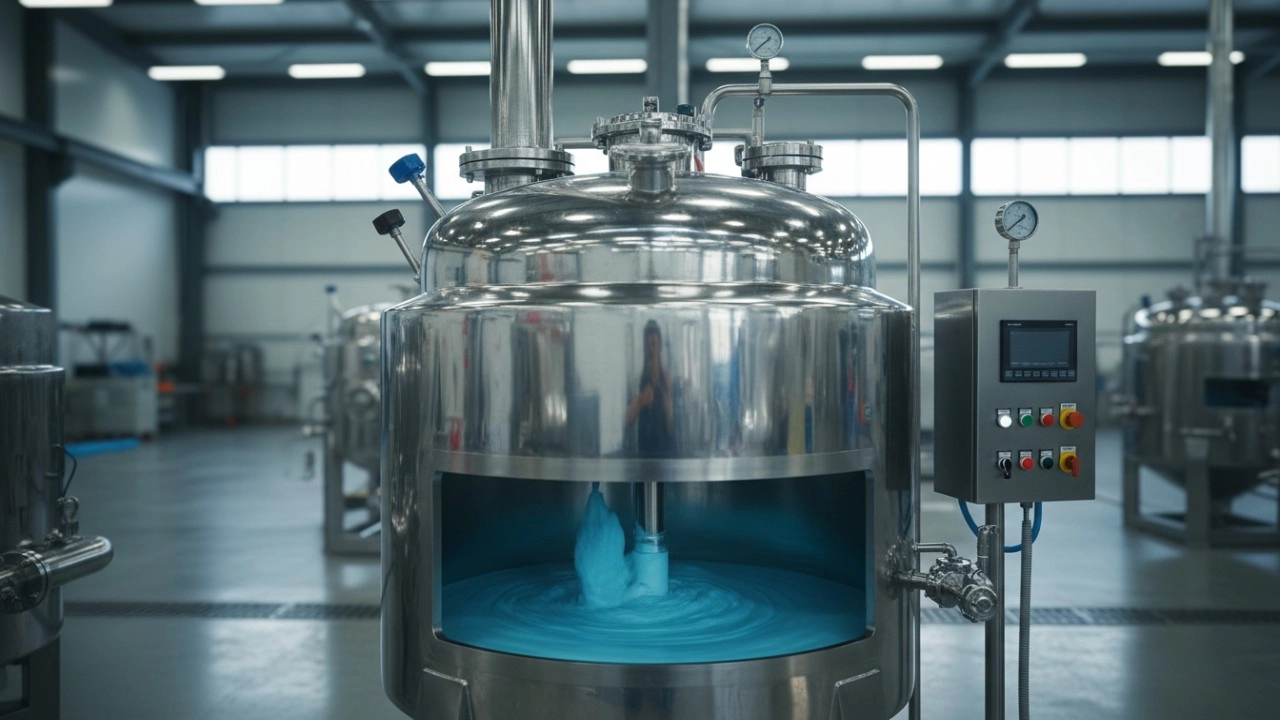
The Future of Industrial Agitation: 5 Smart Mixing Tank Technologies Changing the Game
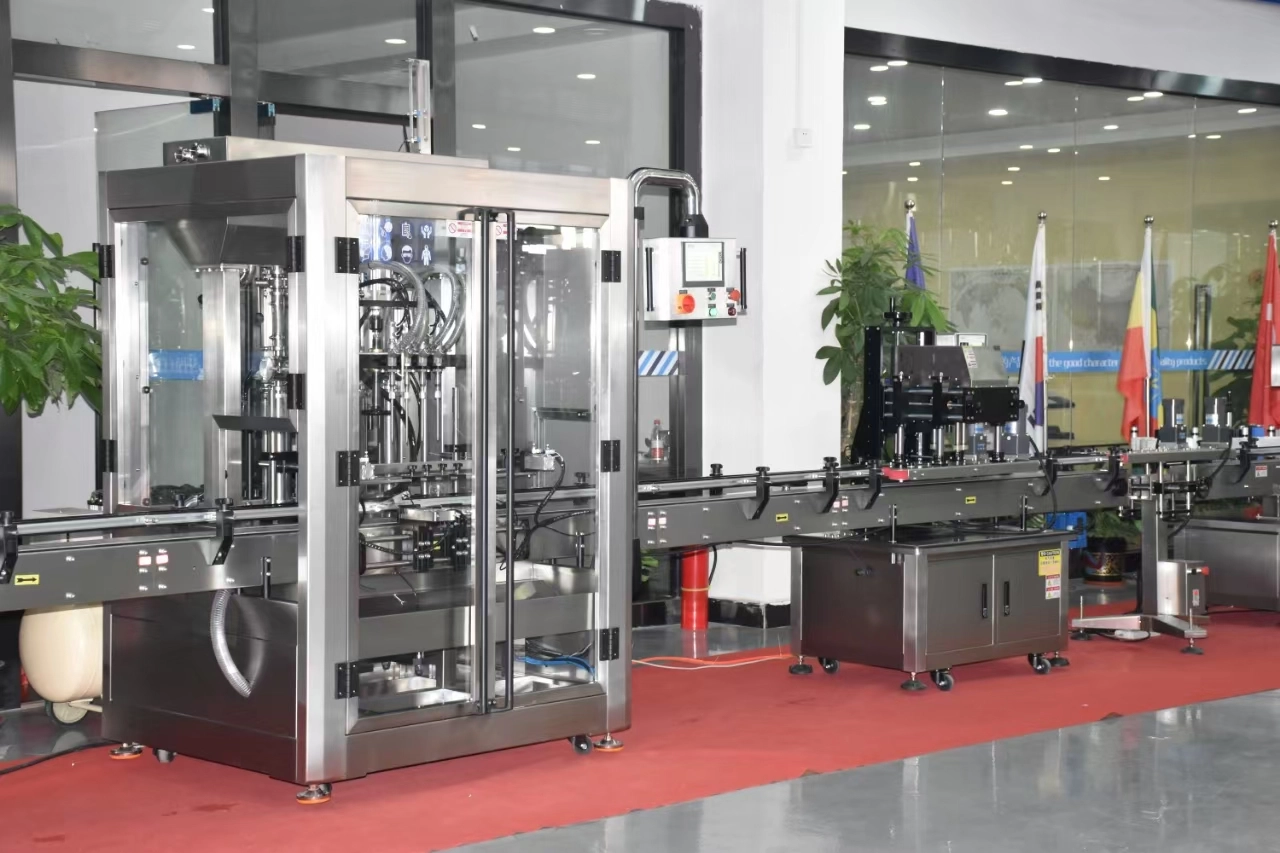
Gear pump filling machine vs. piston filling machine: Key differences broken down to avoid pitfalls in selection.
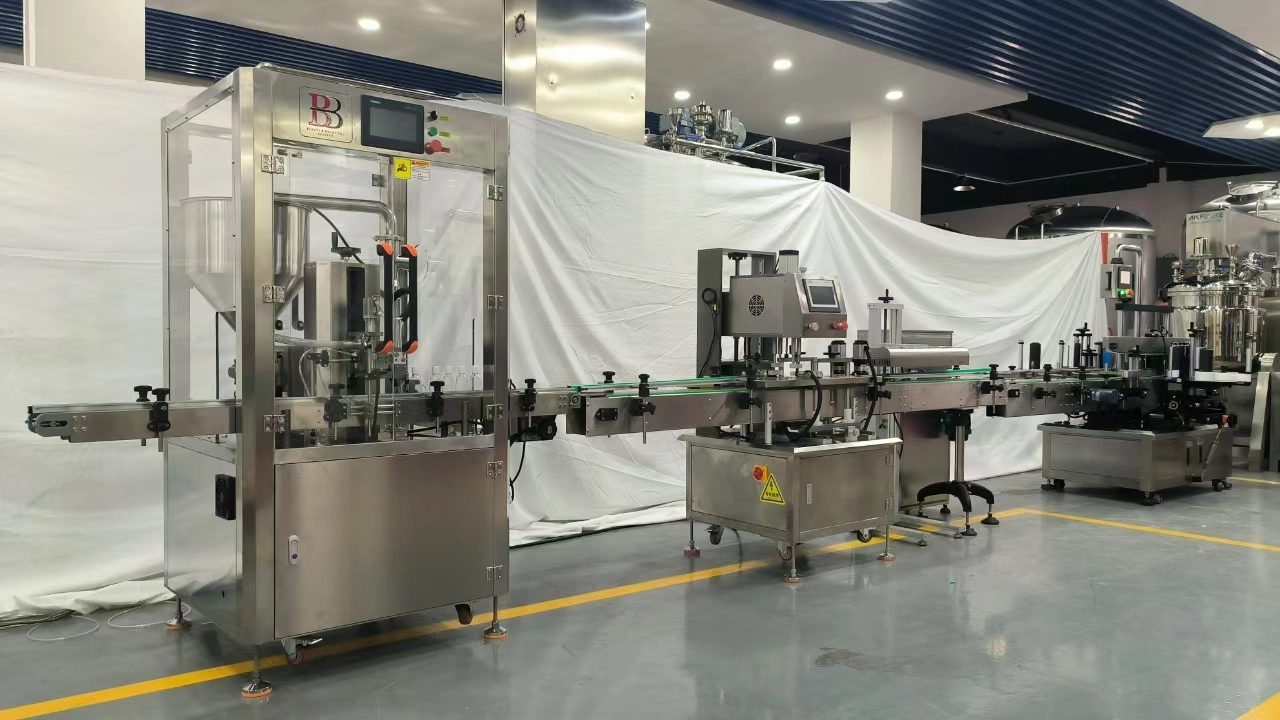
Understand the working principle of a servo gear pump filling machine!
RO Water Treatment
Will poor raw water quality (such as high turbidity or hardness) affect the performance of RO equipment?
It can have a significant impact.
Highly turbid raw water (containing large amounts of sediment and colloids) can accelerate clogging of pre-filters (PP cotton) and activated carbon elements, shortening replacement cycles and increasing maintenance costs.Highly hard raw water (containing large amounts of calcium and magnesium ions) can easily form scale (calcium carbonate and magnesium carbonate) on the RO membrane surface, reducing filtration efficiency and even causing irreversible damage, shortening the life of the membrane.For this type of water quality, it is recommended to add a pretreatment device (such as a prefilter or softener) before the RO system to reduce the raw water's turbidity or hardness before entering the RO system.
The Flip Cover Liquid Wash Mixing Homogenizing Tank
Is it possible to not have a heating function?
Of course, if your product's production process doesn't require heating and cooling functions, then you can just make it a single-layer pot.
Film Packaging Machine
What industries is this film packaging machine suitable for?
This machine is widely used for packaging a variety of items in large single boxes or multiple small boxes (with gold drawstring) in industries such as pharmaceuticals, health products, food, cosmetics, stationery, and audio-visual products.
Sealed Homogenizing Mixing Tank
Can you customize the machine?
Of course, we provide customized services according to customer needs.
FAQs
Which industries does FULUKE serve besides cosmetics?
Get in touch with FULUKE
If you have any comments or good suggestions, please leave us a message, later our professional staff will contact you as soon as possible.
You May Also Like
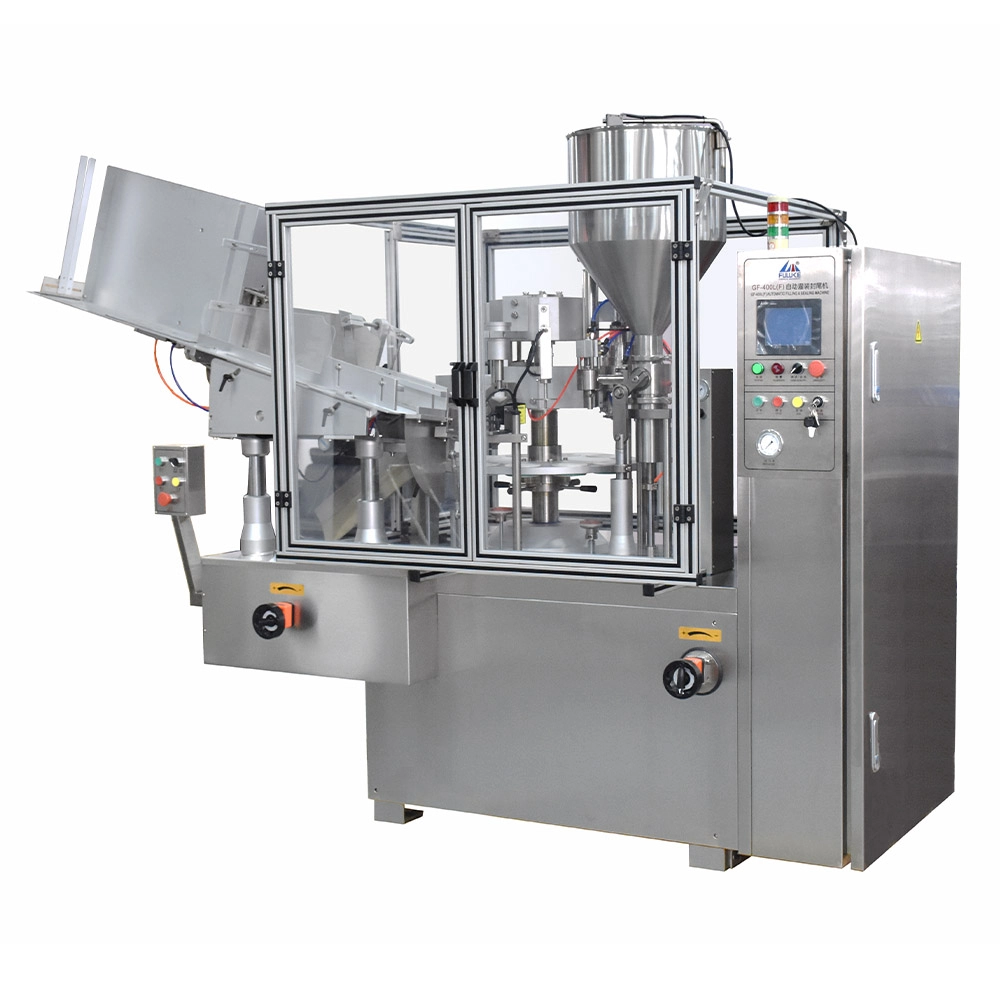
Automatic Tube Filling and Sealing Machine Toothpaste Sunscreen and Facial Cleanser Filling and Sealing Machine for Plastic and Aluminum-plastic Tube
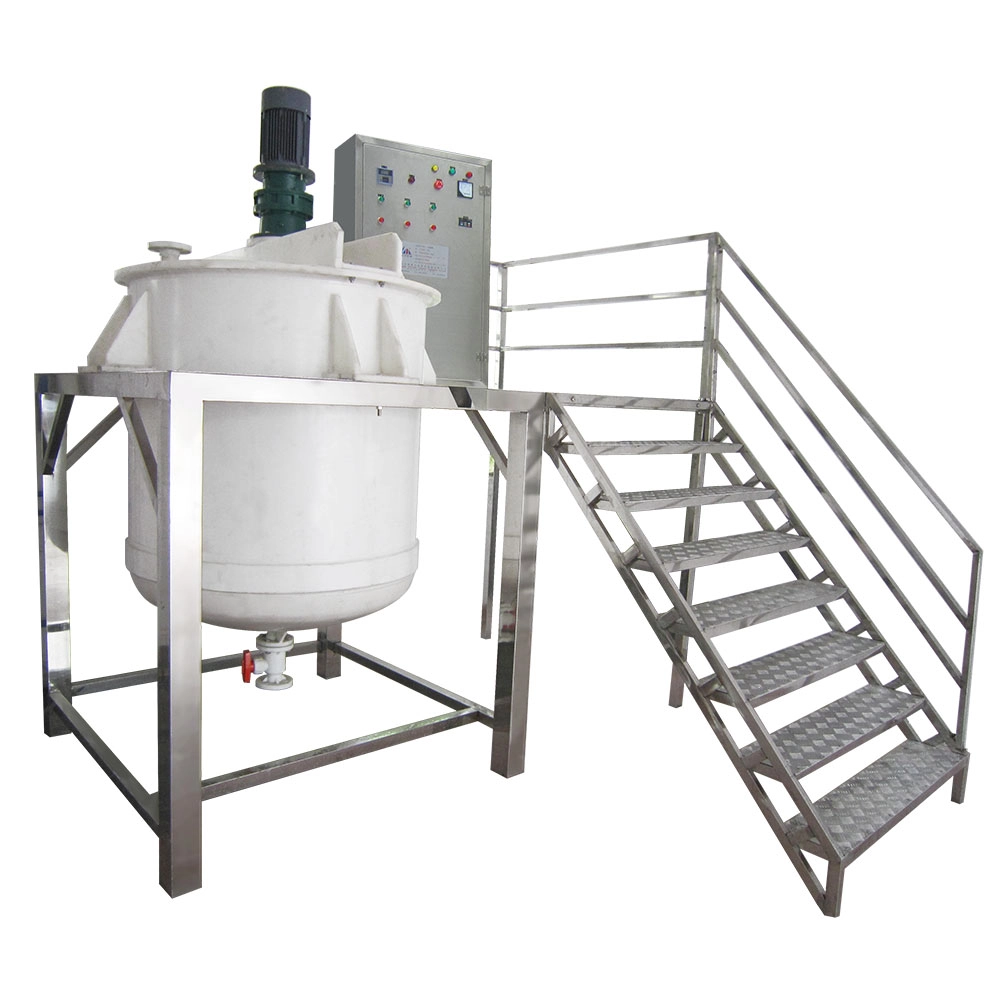
Polypropylene PP Mixing Tank Anti-Corrosion Mixer Reaction Kettle with Agitator Chemical Mixing Vessel
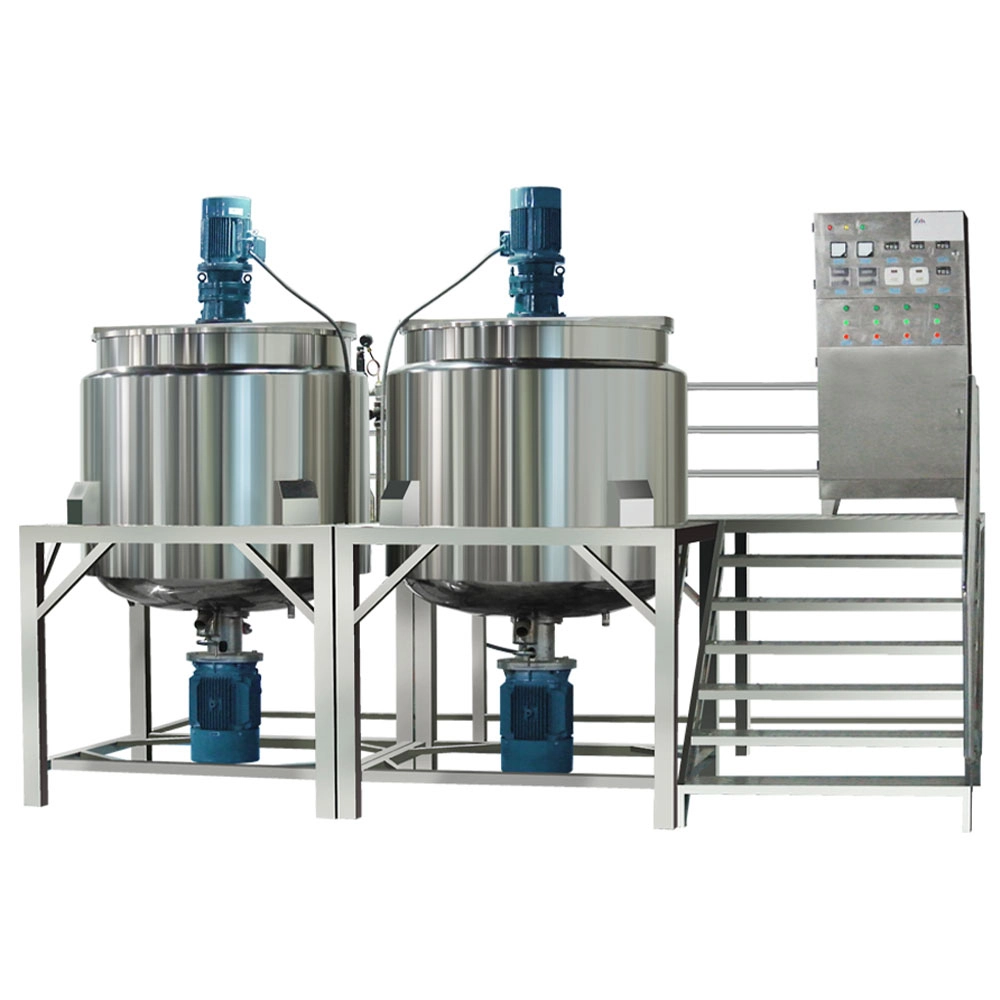
Flip Cover Multi-function Liquid Wash Mixing Tank Blender Liquid Detergent Mixer Homogenization Stirring Tank
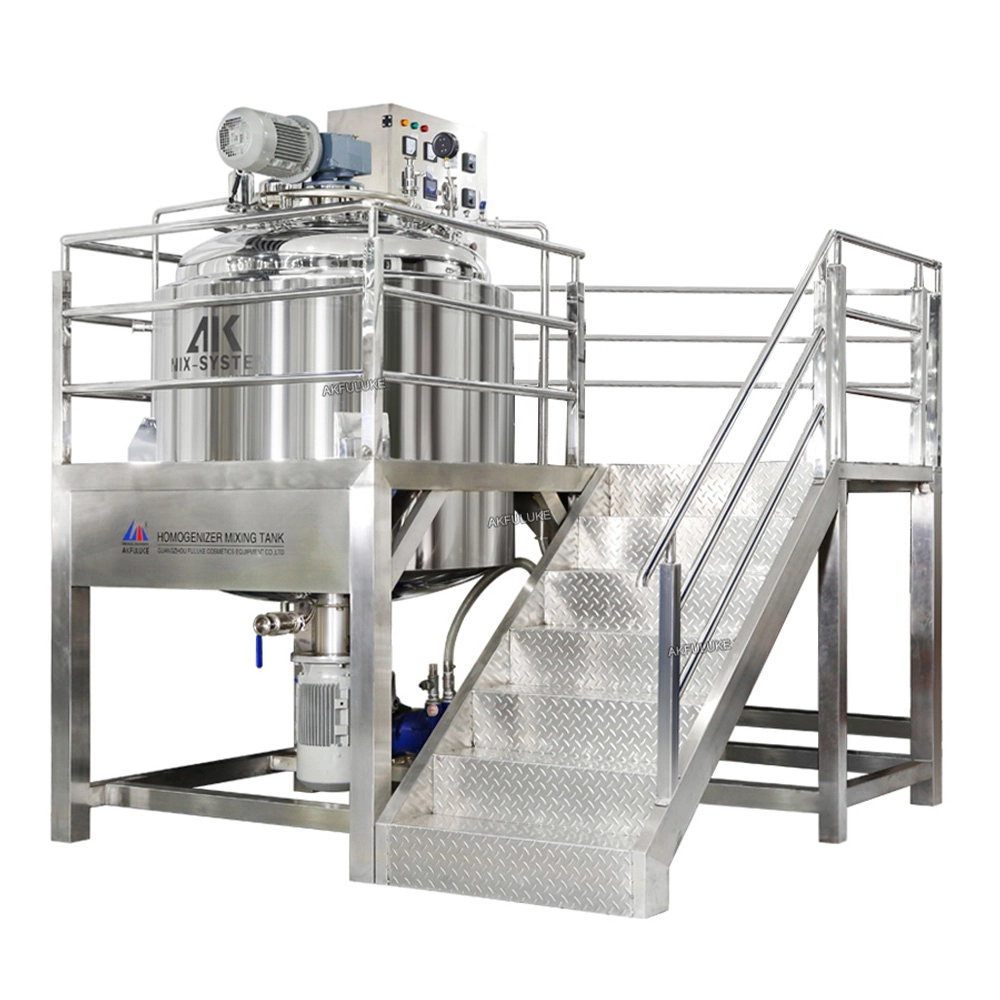
Stainless Steel Mixer Liquid Mixing tank with Agitator Homogenizing Mixing tank Vacuum Sealed Mixer Machine

A leading manufacturer specializing in advanced machinery and complete production lines for the cosmetics, food, pharmaceutical, and chemical industries worldwide.
Contact FULUKE
Facebook
Instagram
YouTube