
What documentation supports change control for tank upgrades?
- Understanding Mixing Tanks with Agitators in the Cosmetic Equipment Industry
- 1. What are mixing tanks with agitators, and why are they essential in cosmetic manufacturing?
- 2. What factors should be considered when selecting a mixing tank with an agitator?
- 3. How do agitator designs impact the mixing process in cosmetic formulations?
- 4. What are the maintenance requirements for mixing tanks with agitators?
- 5. What are the common challenges faced during the procurement of mixing tanks with agitators?
- 6. What documentation supports change control for tank upgrades in cosmetic manufacturing?
- 7. How can cosmetic manufacturers ensure compliance with change control procedures during tank upgrades?
- 8. What are the potential risks of inadequate change control during tank upgrades?
- Conclusion: Advantages of FULUKE in Mixing Tank Solutions
Understanding Mixing Tanks with Agitators in the Cosmetic Equipment Industry
1. What are mixing tanks with agitators, and why are they essential in cosmetic manufacturing?
Mixing tanks with agitators are vessels designed to blend various ingredients uniformly, ensuring consistent product quality. In cosmetic manufacturing, these tanks are crucial for creating emulsions, suspensions, and other formulations that require precise mixing to achieve desired textures and properties.
2. What factors should be considered when selecting a mixing tank with an agitator?
When choosing a mixing tank, consider the following:
Material Compatibility: Ensure the tank material is compatible with the cosmetic ingredients to prevent reactions or contamination.
Capacity Requirements: Select a tank size that aligns with production volumes to optimize efficiency.
Agitator Design: Choose an agitator type (e.g., anchor, turbine, or propeller) based on the viscosity and nature of the materials being mixed.
Sanitation Standards: Opt for designs that facilitate easy cleaning to maintain hygiene and comply with industry regulations.
3. How do agitator designs impact the mixing process in cosmetic formulations?
Agitator designs significantly influence mixing efficiency:
Anchor Agitators: Ideal for high-viscosity materials, providing gentle mixing to prevent shear damage.
Turbine Agitators: Suitable for low to medium viscosity liquids, offering high shear for effective blending.
Propeller Agitators: Best for low viscosity fluids, ensuring rapid mixing and uniformity.
4. What are the maintenance requirements for mixing tanks with agitators?
Regular maintenance is vital to ensure optimal performance:
Routine Inspections: Check for signs of wear, corrosion, or damage.
Cleaning Protocols: Establish cleaning schedules to prevent contamination and maintain product integrity.
Lubrication: Ensure moving parts are adequately lubricated to reduce friction and extend equipment lifespan.
5. What are the common challenges faced during the procurement of mixing tanks with agitators?
Challenges include:
Cost Considerations: Balancing budget constraints with the need for high-quality equipment.
Customization Needs: Ensuring the tank meets specific production requirements.
Regulatory Compliance: Adhering to industry standards and regulations to ensure safety and product quality.
6. What documentation supports change control for tank upgrades in cosmetic manufacturing?
Effective change control documentation is essential for tank upgrades:
Change Orders: Written orders authorizing modifications to the existing equipment, detailing the scope and rationale for changes.
Validation Protocols: Documents outlining the procedures to verify that the upgraded tank meets all operational and safety standards.
Risk Assessments: Evaluations identifying potential risks associated with the upgrade and mitigation strategies.
Training Records: Documentation of training provided to personnel on the new equipment features and operating procedures.
7. How can cosmetic manufacturers ensure compliance with change control procedures during tank upgrades?
To ensure compliance:
Establish Clear Protocols: Develop standardized procedures for initiating, reviewing, and approving changes.
Maintain Detailed Records: Keep comprehensive records of all change control activities for accountability and traceability.
Conduct Impact Assessments: Evaluate how changes will affect product quality, safety, and regulatory compliance.
Engage Stakeholders: Involve relevant departments, such as quality assurance and engineering, in the change control process.
8. What are the potential risks of inadequate change control during tank upgrades?
Inadequate change control can lead to:
Product Contamination: Due to improper cleaning or material incompatibility.
Regulatory Non-Compliance: Resulting in fines or operational shutdowns.
Operational Downtime: Caused by unforeseen issues arising from unapproved changes.
Increased Costs: Due to rework or the need for additional modifications to address unforeseen problems.
Conclusion: Advantages of FULUKE in Mixing Tank Solutions
FULUKE offers innovative mixing tank solutions tailored for the cosmetic industry, providing:
Customization: Tanks designed to meet specific production needs.
Quality Assurance: Adherence to stringent quality control measures.
Regulatory Compliance: Equipment that meets industry standards and regulations.
Expert Support: Comprehensive documentation and support for change control processes.
By choosing FULUKE, cosmetic manufacturers can enhance production efficiency, ensure product quality, and maintain compliance with industry standards.
References:

Understanding Servo Capping Machines: The Core Logic of Precise Capping – Understand the Entire Working Process in Seconds
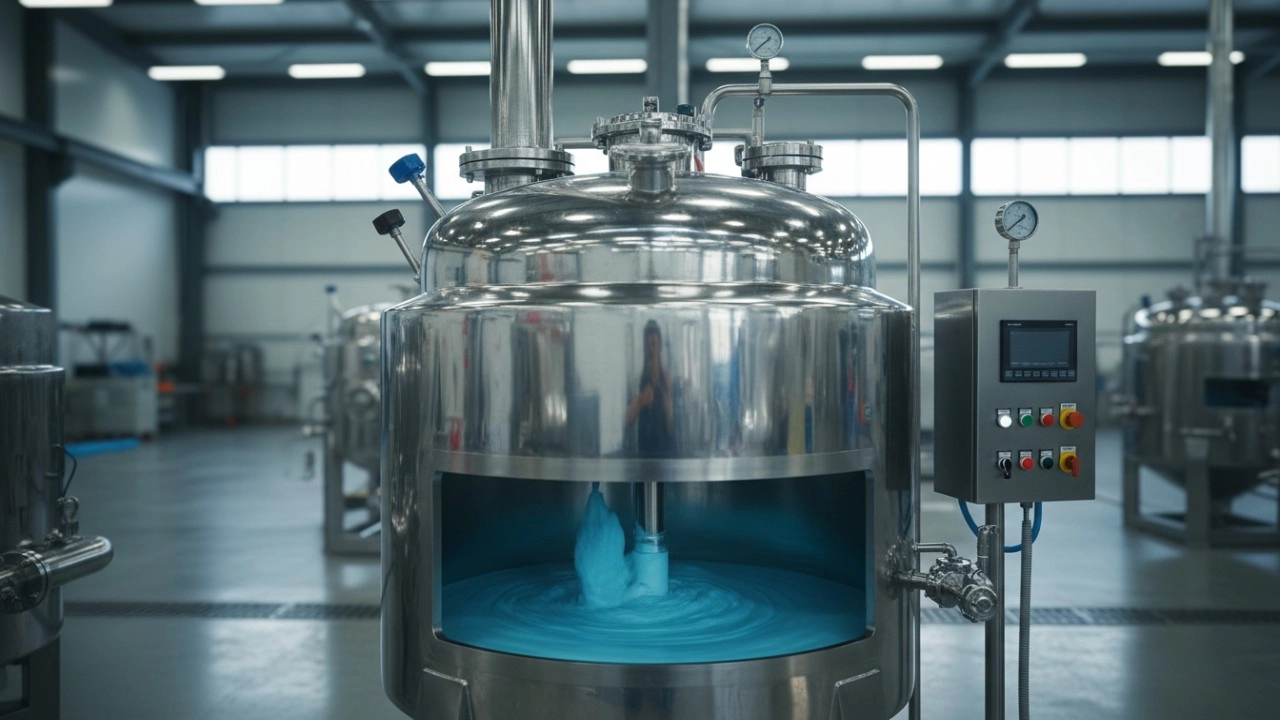
The Future of Industrial Agitation: 5 Smart Mixing Tank Technologies Changing the Game
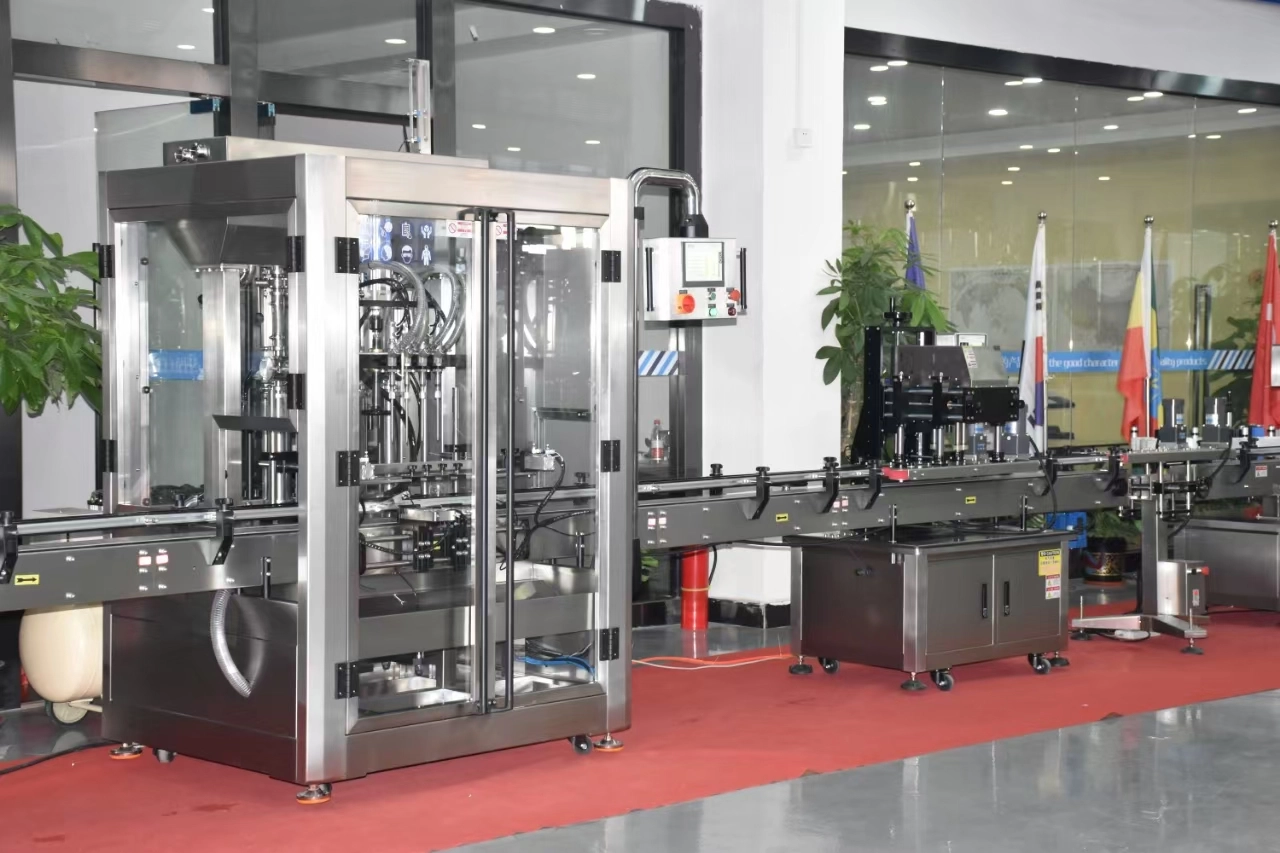
Gear pump filling machine vs. piston filling machine: Key differences broken down to avoid pitfalls in selection.
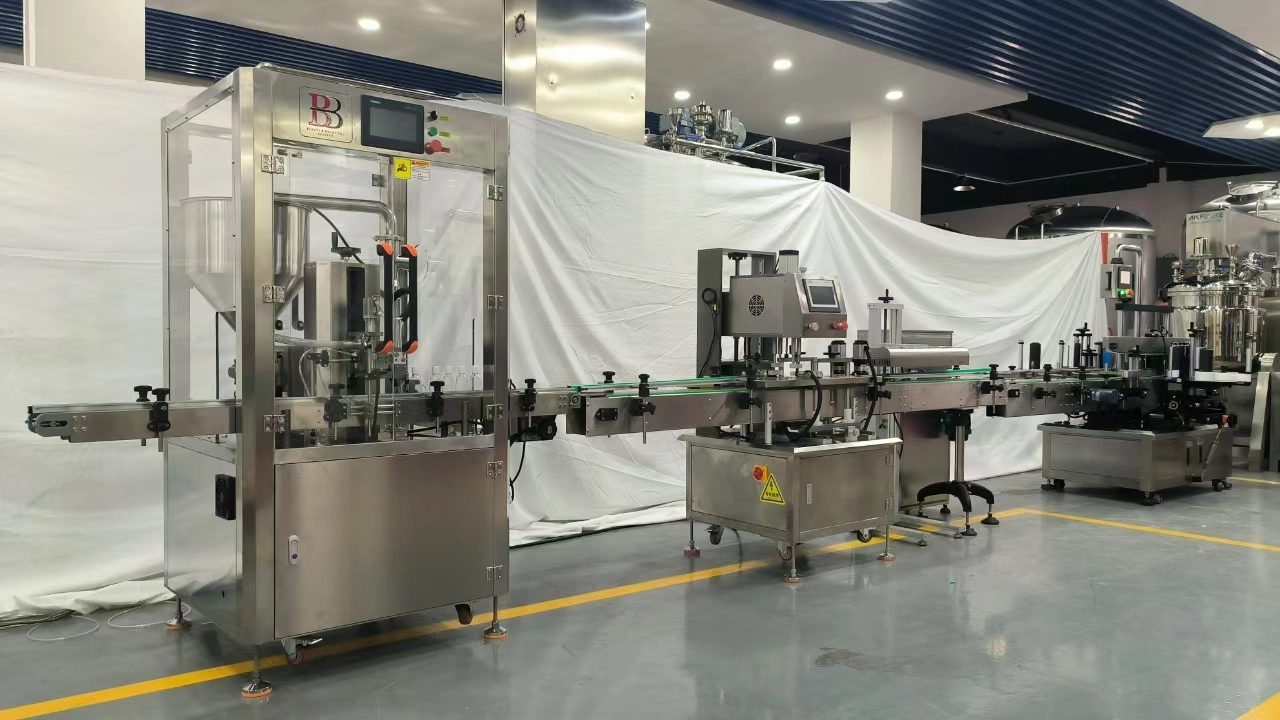
Understand the working principle of a servo gear pump filling machine!
Sealed Homogenizing Mixing Tank
What is the speed of the high shear homogenizer?
The standard speed is 0-3000 rpm, but higher speeds can be customized upon request.
Automatic Tube Filling and Sealing Machine
Who are we?
Our headquarters is located in Guangzhou, Guangdong, China, and our factory is located in Yangzhou, Jiangsu. Our products are sold all over the world. We have approximately 50 employees in our company and factory.
Automatic Facial Mask Filling Machine
Who are we?
Our headquarters is located in Guangzhou, Guangdong, China, and our factory is located in Yangzhou, Jiangsu. Our products are sold all over the world. We have approximately 50 employees in our company and factory.
FAQs
What sets FULUKE apart from other cosmetics machinery manufacturers?
Lift-type Homogenizing Disperser
How often should the disperser and homogenizer be cleaned? How should they be cleaned properly?
Cleaning Frequency: Cleaning is required every time a material is changed to prevent cross-contamination. When the same material is used continuously, cleaning is recommended every 24 hours. Cleaning Method: Rinse with clean water or a suitable solvent (e.g., alcohol for oily materials, clean water for water-based materials). Remove stubborn stains with a soft brush. Avoid scratching with hard objects to avoid damage.
Get in touch with FULUKE
If you have any comments or good suggestions, please leave us a message, later our professional staff will contact you as soon as possible.
You May Also Like
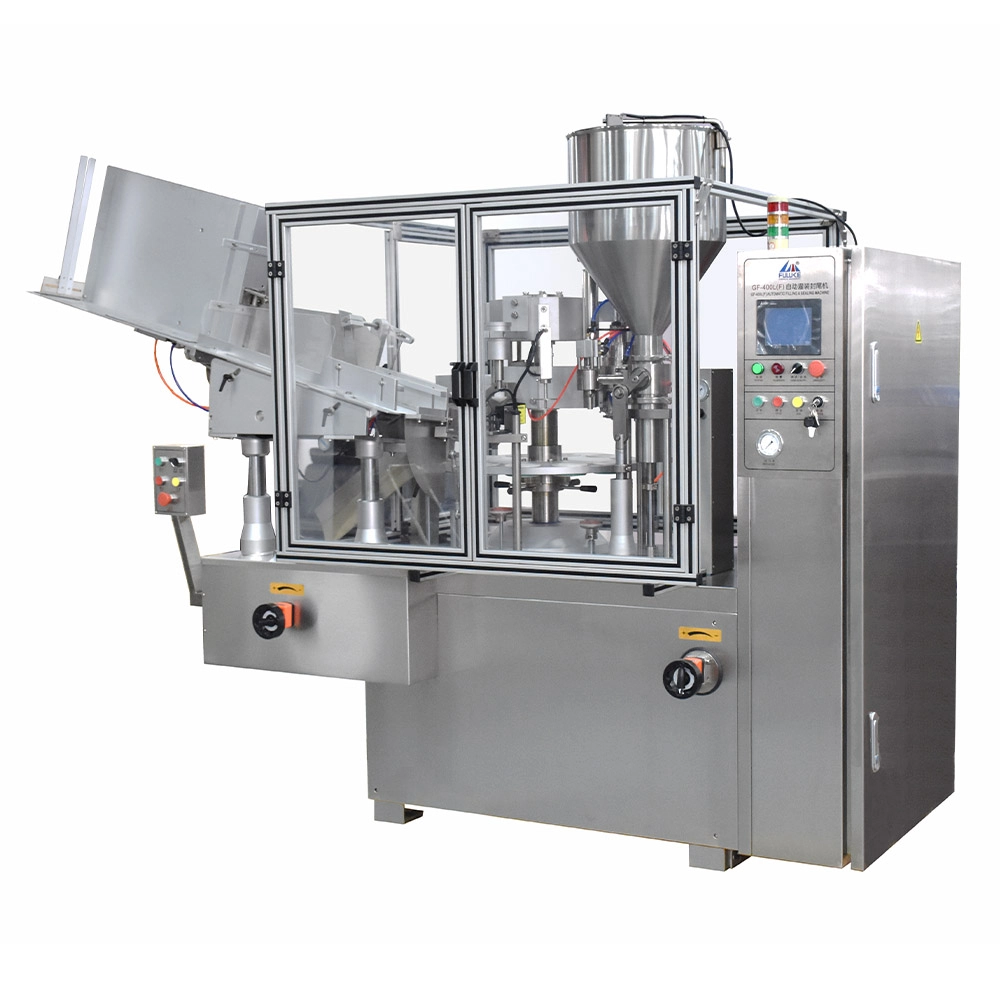
Automatic Tube Filling and Sealing Machine Toothpaste Sunscreen and Facial Cleanser Filling and Sealing Machine for Plastic and Aluminum-plastic Tube
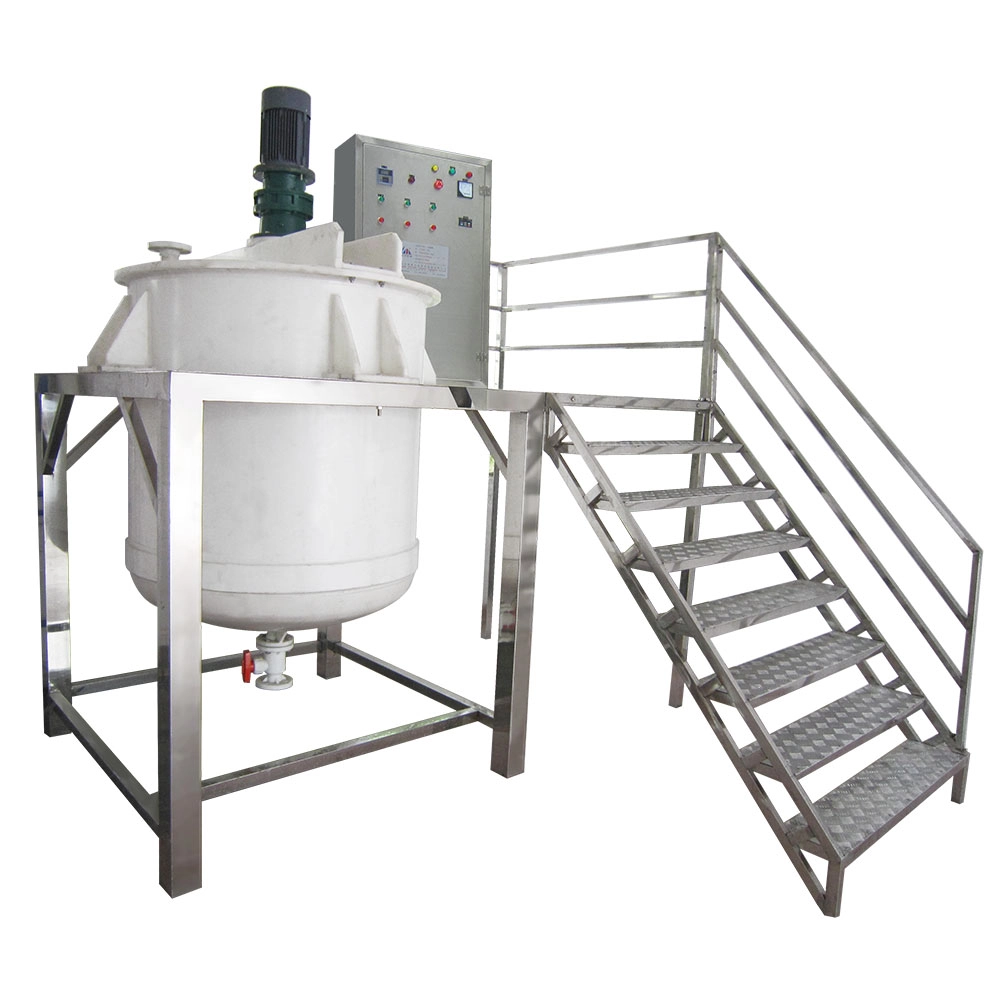
Polypropylene PP Mixing Tank Anti-Corrosion Mixer Reaction Kettle with Agitator Chemical Mixing Vessel
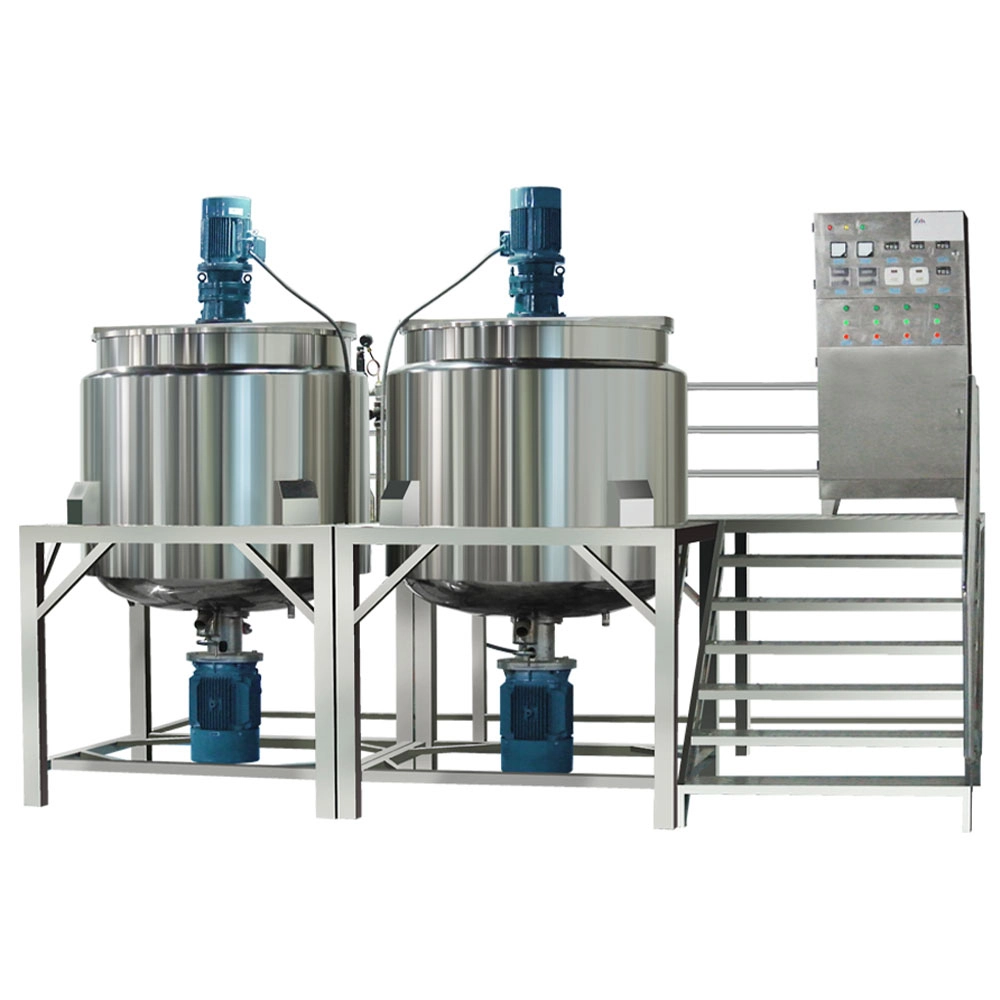
Flip Cover Multi-function Liquid Wash Mixing Tank Blender Liquid Detergent Mixer Homogenization Stirring Tank
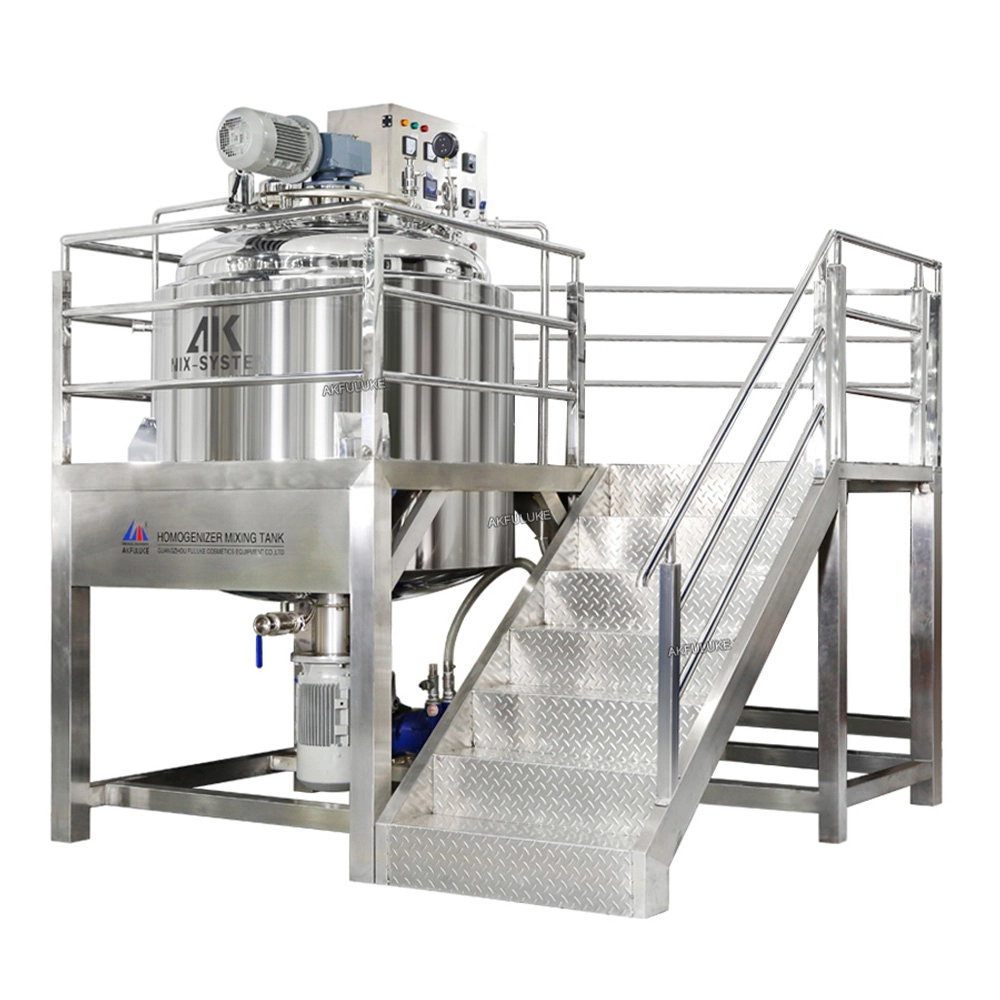
Stainless Steel Mixer Liquid Mixing tank with Agitator Homogenizing Mixing tank Vacuum Sealed Mixer Machine

A leading manufacturer specializing in advanced machinery and complete production lines for the cosmetics, food, pharmaceutical, and chemical industries worldwide.
Contact FULUKE
Facebook
Instagram
YouTube