
How to implement CIP and SIP for mixing tanks with agitators?
- Understanding Mixing Tanks with Agitators
- What are mixing tanks with agitators?
- Why are agitators important in mixing tanks?
- What materials are used for mixing tanks and agitators?
- How do CIP and SIP systems enhance mixing tank performance?
- What are the key design features that support CIP and SIP?
- What are the operational advantages of mixing tanks with CIP and SIP capabilities?
- What are the maintenance best practices for mixing tanks with agitators?
- What challenges should be considered when implementing CIP and SIP systems?
- What are the future trends in mixing tanks with CIP and SIP capabilities?
- How does FULUKE stand out in providing mixing tanks with agitators?
In the cosmetic equipment industry, the quality and consistency of products like creams, lotions, and shampoos heavily depend on efficient mixing processes. Central to this process are mixing tanks equipped with agitators, which ensure uniform blending of ingredients. Implementing effective Clean-In-Place (CIP) and Steam-In-Place (SIP) systems is crucial for maintaining hygiene and product integrity.
This guide addresses common questions and provides insights to assist professionals in making informed decisions when procuring mixing tanks with agitators.
Understanding Mixing Tanks with Agitators
What are mixing tanks with agitators?
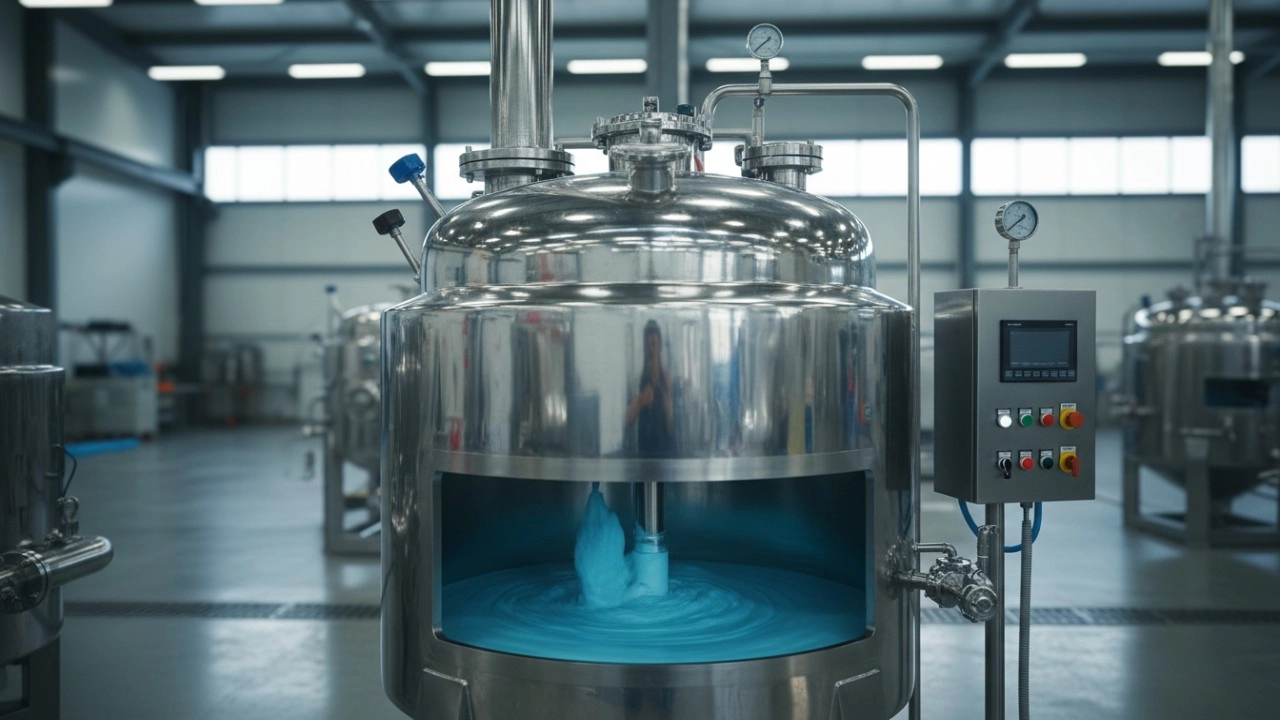
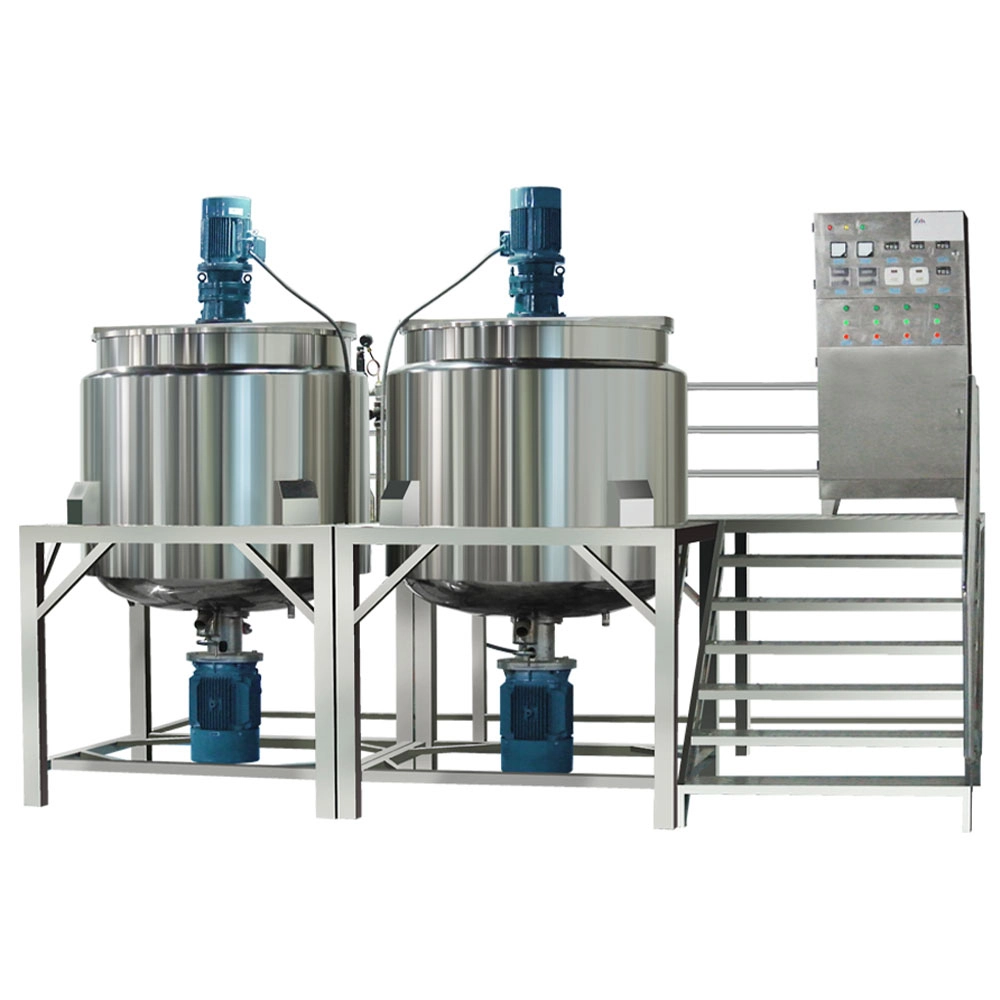
Mixing tanks with agitators are vessels designed to blend various ingredients uniformly. The agitator, which can be a paddle, impeller, or propeller, creates controlled turbulence, ensuring thorough dispersion and a consistent final product. In the cosmetic industry, these tanks are essential for producing emulsions, suspensions, and other complex formulations.
Why are agitators important in mixing tanks?
Agitators play a pivotal role in achieving uniformity in the final product. They prevent ingredient separation and settling, ensuring a homogeneous mixture. The design and operation of the agitator must be tailored to the specific viscosity and shear requirements of the cosmetic formulations.
What materials are used for mixing tanks and agitators?
Stainless steel, particularly grade 316L, is commonly used for mixing tanks and agitators due to its resistance to corrosion and ease of cleaning. The interior surfaces are often polished to a smooth finish to facilitate cleaning and prevent product contamination. Materials must comply with industry standards and be traceable to ensure quality and safety.
How do CIP and SIP systems enhance mixing tank performance?
CIP and SIP systems are integral to maintaining hygiene in mixing tanks. CIP allows for the cleaning of equipment without disassembly, reducing downtime and the risk of contamination. SIP involves sterilizing equipment using steam, ensuring the elimination of microbial contaminants. Together, these systems ensure that mixing tanks remain sanitary, thereby preserving product quality and safety.
What are the key design features that support CIP and SIP?
Design features that facilitate effective CIP and SIP include:
Seamless Interior Surfaces: Eliminate crevices where contaminants can hide.
Spray Balls and Nozzles: Ensure thorough distribution of cleaning and sanitizing solutions.
Steam Injection Systems: Provide efficient sterilization through direct steam application.
Advanced Seals and Gaskets: Prevent leaks and maintain pressure during cleaning and sterilization cycles.
What are the operational advantages of mixing tanks with CIP and SIP capabilities?
Implementing CIP and SIP systems in mixing tanks offers several benefits:
Enhanced Product Safety and Compliance: Regular cleaning and sterilization meet industry standards, ensuring product safety.
Reduced Downtime and Increased Productivity: Automated cleaning processes minimize manual labor and downtime.
Lower Labor Costs and Risks: Automation reduces the need for manual cleaning, decreasing labor costs and exposure to hazardous chemicals.
Consistent Product Quality: Effective cleaning and sterilization processes lead to uniform product quality.
What are the maintenance best practices for mixing tanks with agitators?
Regular maintenance is essential to ensure the longevity and efficiency of mixing tanks with agitators:
Regular Inspection: Check for signs of wear, corrosion, or damage.
Validation and Documentation: Maintain records of cleaning and sterilization cycles for compliance purposes.
Training and Standard Operating Procedures (SOPs): Ensure staff are trained in proper cleaning and maintenance protocols.
What challenges should be considered when implementing CIP and SIP systems?
Challenges include:
Initial Investment Cost: The setup of CIP and SIP systems can be capital-intensive.
Compatibility with Formulations: Some formulations may require specific cleaning agents or conditions.
Space and Infrastructure Requirements: Adequate space and infrastructure are necessary to accommodate CIP and SIP systems.
What are the future trends in mixing tanks with CIP and SIP capabilities?
Future trends include:
Enhanced Automation and AI Integration: Improved automation for more efficient cleaning and sterilization processes.
Eco-Friendly Cleaning Solutions: Development of environmentally friendly cleaning agents and processes.
Modular and Flexible Designs: Designs that can be easily adapted to different production needs.
How does FULUKE stand out in providing mixing tanks with agitators?
FULUKE offers advanced mixing tanks with agitators tailored for the cosmetic equipment industry. Their products feature seamless interior surfaces, efficient CIP and SIP systems, and customizable agitator designs to meet specific formulation requirements. With a focus on quality, compliance, and innovation, FULUKE ensures that manufacturers can achieve optimal mixing performance while maintaining the highest hygiene standards.
By considering these factors, cosmetic equipment manufacturers can make informed decisions when selecting mixing tanks with agitators, ensuring product quality, operational efficiency, and compliance with industry standards.

Understanding Servo Capping Machines: The Core Logic of Precise Capping – Understand the Entire Working Process in Seconds
The Future of Industrial Agitation: 5 Smart Mixing Tank Technologies Changing the Game
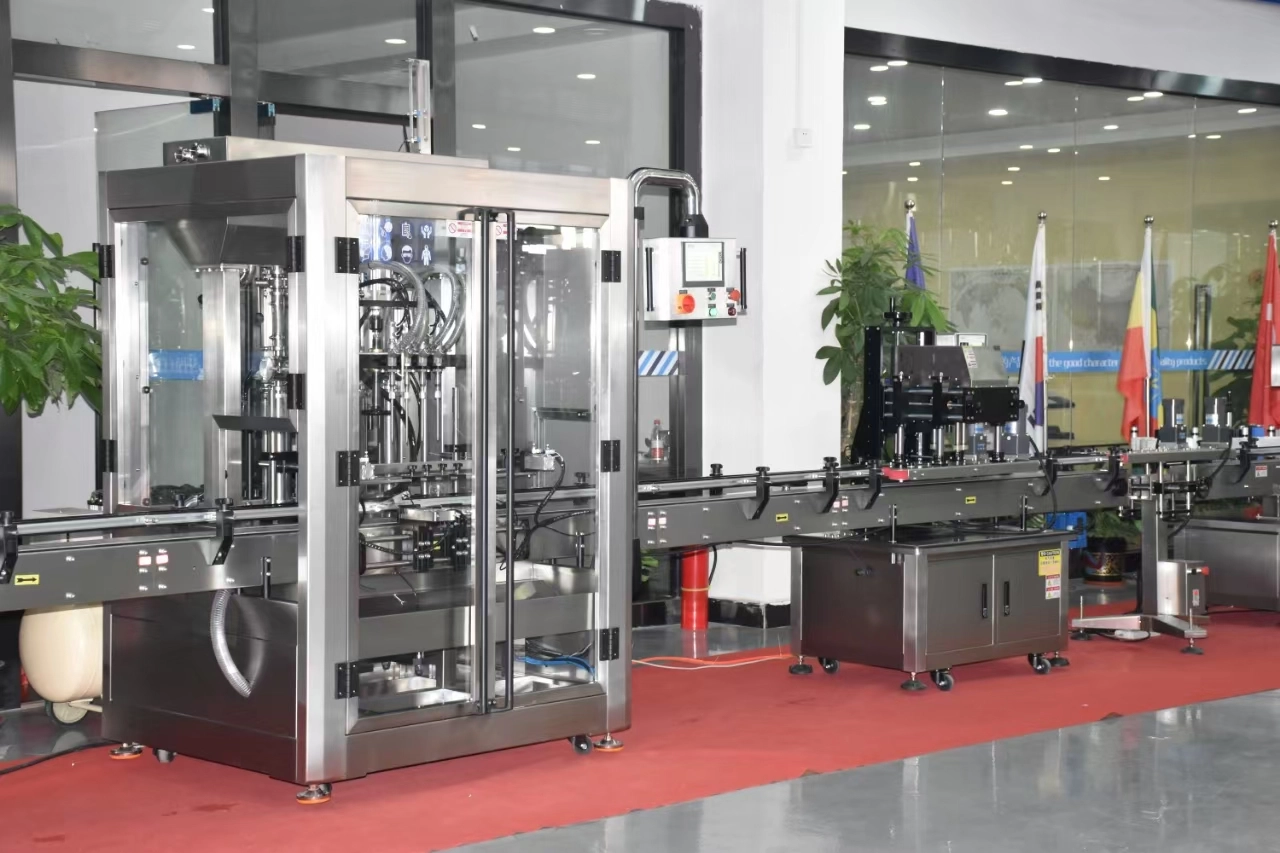
Gear pump filling machine vs. piston filling machine: Key differences broken down to avoid pitfalls in selection.
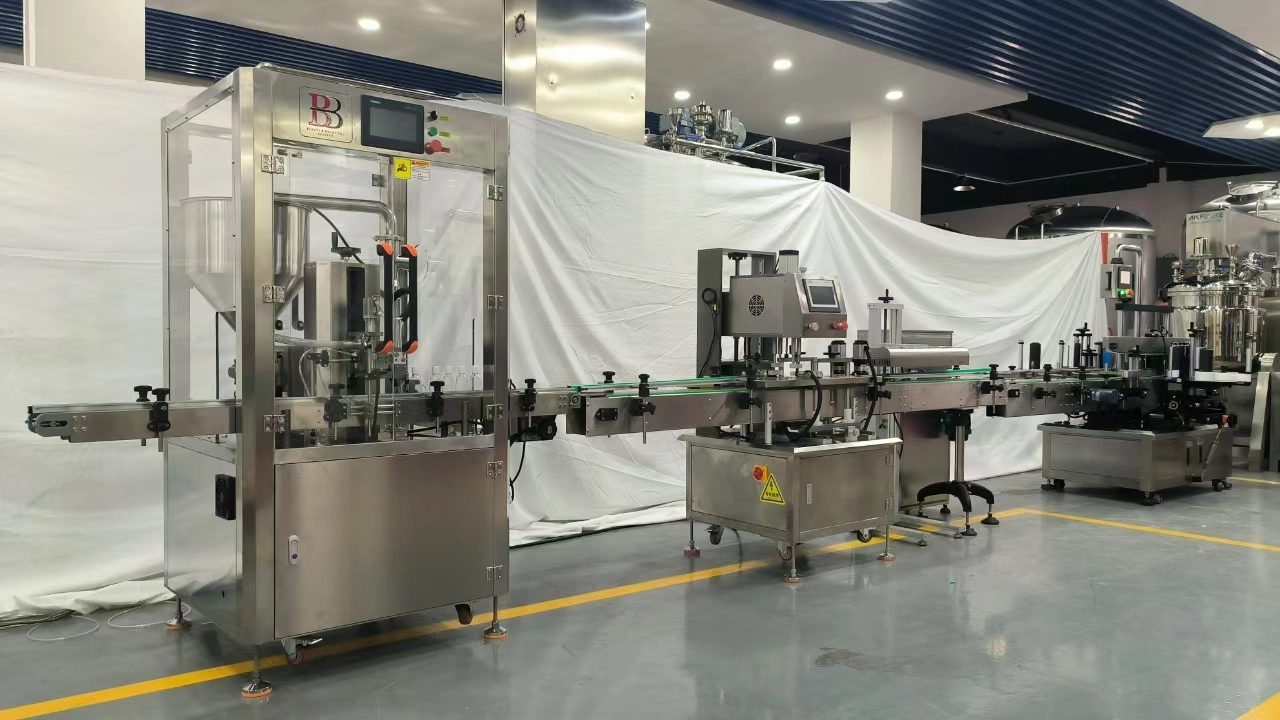
Understand the working principle of a servo gear pump filling machine!
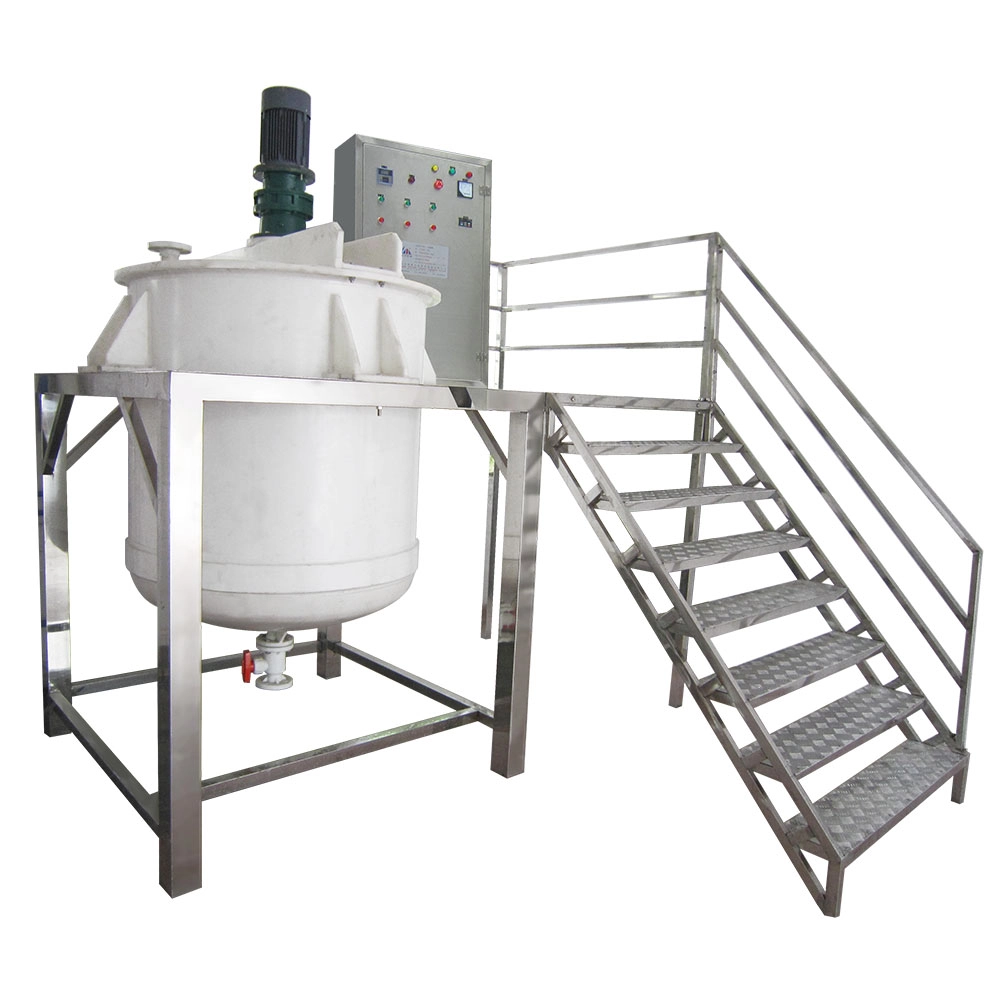
Polypropylene PP Mixing Tank
Which mixing pot should I choose between a PP and a stainless steel mixing pot?
When the material is corrosive, a PP mixing pot is more advantageous. Stainless steel (such as 304) has poor resistance to acids and alkalis (easily corroded by hydrochloric acid and sodium hydroxide). For corrosion protection, upgrading to 316L stainless steel is necessary, which costs 2-3 times more than PP. PP, on the other hand, can withstand low- to medium-concentration corrosive media and offers low maintenance (no rust removal required, and low scaling).
When the material is non-corrosive, a stainless steel mixing pot is more advantageous. Stainless steel offers higher temperature resistance (up to 200°C), greater strength (suitable for high-viscosity materials), and a higher hygienic grade (easy to clean aseptically), making it suitable for non-corrosive but demanding applications such as food and pharmaceuticals.
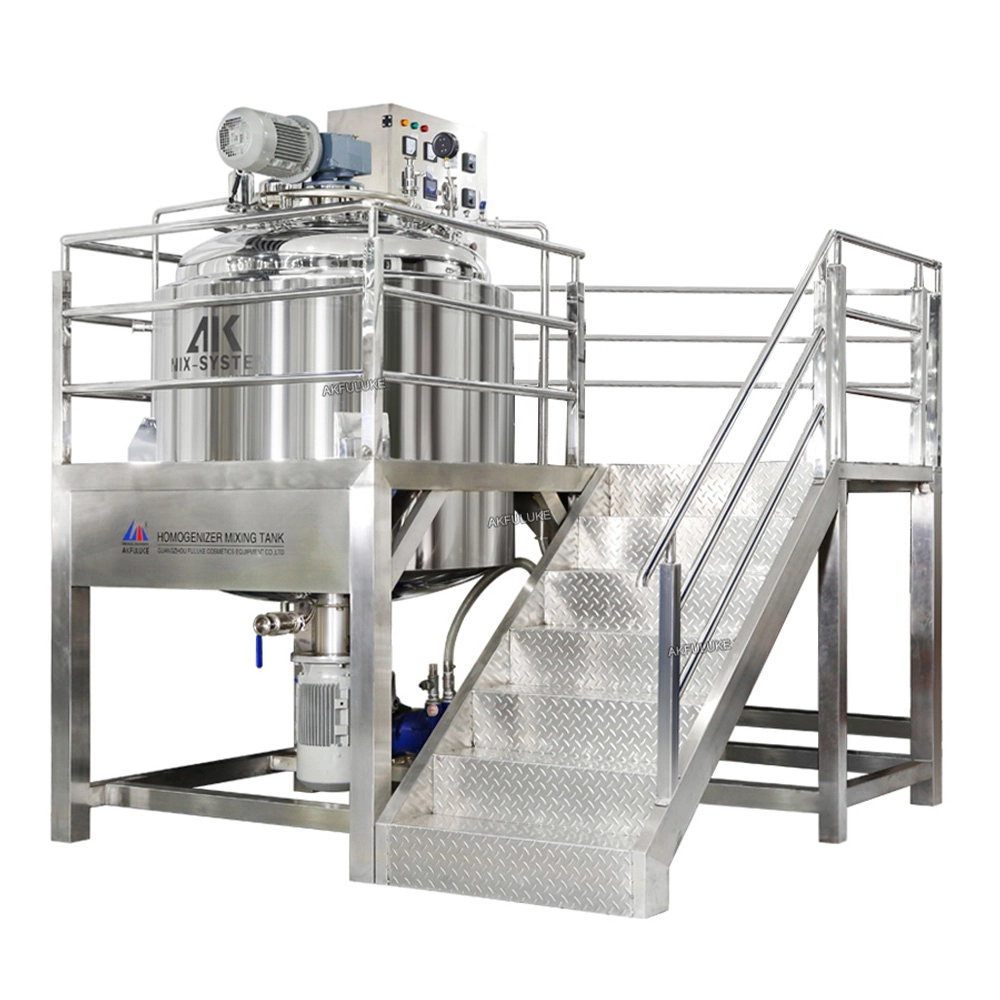
Sealed Homogenizing Mixing Tank
What is the speed of the high shear homogenizer?
The standard speed is 0-3000 rpm, but higher speeds can be customized upon request.
Perfume Freezing Filter Making Machine
Can you make a design for us?
Yes, we can, we provide not only products, but also solutions and designs.
FAQs
How can customers contact FULUKE for inquiries or support?
Film Packaging Machine
What industries is this film packaging machine suitable for?
This machine is widely used for packaging a variety of items in large single boxes or multiple small boxes (with gold drawstring) in industries such as pharmaceuticals, health products, food, cosmetics, stationery, and audio-visual products.
Get in touch with FULUKE
If you have any comments or good suggestions, please leave us a message, later our professional staff will contact you as soon as possible.
You May Also Like
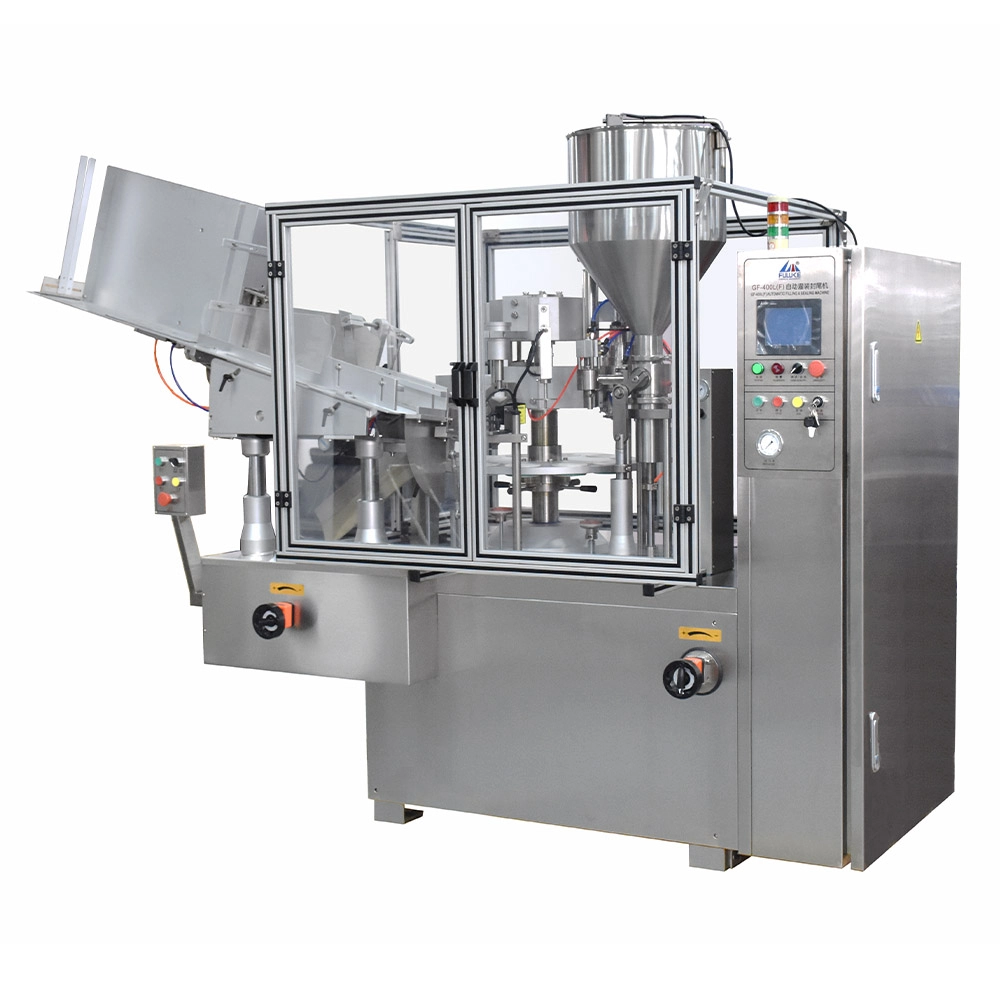
Automatic Tube Filling and Sealing Machine Toothpaste Sunscreen and Facial Cleanser Filling and Sealing Machine for Plastic and Aluminum-plastic Tube
Polypropylene PP Mixing Tank Anti-Corrosion Mixer Reaction Kettle with Agitator Chemical Mixing Vessel
Flip Cover Multi-function Liquid Wash Mixing Tank Blender Liquid Detergent Mixer Homogenization Stirring Tank
Stainless Steel Mixer Liquid Mixing tank with Agitator Homogenizing Mixing tank Vacuum Sealed Mixer Machine

A leading manufacturer specializing in advanced machinery and complete production lines for the cosmetics, food, pharmaceutical, and chemical industries worldwide.
Contact FULUKE
Facebook
Instagram
YouTube