
How to choose between single and dual agitator systems?
- Comprehensive Guide to Selecting Mixing Tanks with Agitators in Cosmetic Equipment
- 1. What are the primary functions of a mixing tank with an agitator in cosmetic production?
- 2. How do I choose between single and dual agitator systems?
- 3. What types of agitators are commonly used in cosmetic mixing equipment?
- 4. What are the benefits of vacuum functionality in cosmetic mixing equipment?
- 5. How do I ensure the mixing equipment is compatible with my production requirements?
- 6. What maintenance practices are essential for mixing equipment?
- 7. How do I assess the quality and reliability of mixing equipment suppliers?
- 8. What are the emerging trends in cosmetic mixing equipment?
- Conclusion: Why Choose FULUKE for Your Mixing Equipment Needs?
Comprehensive Guide to Selecting Mixing Tanks with Agitators in Cosmetic Equipment
When it comes to cosmetic manufacturing, the quality and consistency of your products heavily depend on the efficiency of your mixing equipment. Selecting the appropriate mixing tank with an agitator is crucial for achieving desired product characteristics and ensuring operational efficiency. Below, we address common questions to guide you in making an informed decision.
1. What are the primary functions of a mixing tank with an agitator in cosmetic production?
A mixing tank with an agitator serves several key purposes in cosmetic manufacturing:
Homogenization: Ensures uniform distribution of ingredients, creating a consistent product texture.
Emulsification: Facilitates the blending of immiscible liquids, such as oil and water, to form stable emulsions.
Dispersion: Breaks down solid particles into smaller sizes, enhancing product stability and appearance.
Temperature Control: Maintains optimal temperatures for processes like melting, mixing, and cooling, which is vital for ingredient activation and product quality.
Selecting the right mixing tank with an agitator ensures these processes are carried out efficiently, leading to high-quality cosmetic products. ((https://www.fulukemix.com/article/choosing-mixing-tank-with-agitator/))
2. How do I choose between single and dual agitator systems?
The choice between single and dual agitator systems depends on the viscosity of the materials and the complexity of the mixing process:
Single Agitator Systems: Suitable for low to medium viscosity products. They are simpler and cost-effective, providing adequate mixing for less complex formulations.
Dual Agitator Systems: Ideal for high viscosity or multi-phase products. These systems combine different types of agitators, such as a high-speed disperser and a low-speed anchor, to handle complex mixing tasks effectively.
For instance, a dual-shaft mixer with a center-mounted low-speed shaft and an offset high-speed shaft is effective for viscous mixing applications.
3. What types of agitators are commonly used in cosmetic mixing equipment?
Several types of agitators are employed in cosmetic mixing, each serving specific functions:
Propeller Agitators: Ideal for low-viscosity liquids, providing gentle mixing without introducing significant shear forces.
Turbine Agitators: Suitable for medium-viscosity liquids, offering higher shear and efficient mixing.
Paddle Agitators: Designed for viscous liquids and pastes, providing gentle mixing to prevent shear damage to sensitive ingredients.
Anchor Agitators: Used for high-viscosity products, ensuring thorough mixing and heat transfer.
High-Shear Mixers: Essential for emulsifying and dispersing solid particles in creams and lotions, achieving fine particle sizes and stable emulsions.
Selecting the appropriate agitator type is crucial for achieving the desired product quality and consistency.
4. What are the benefits of vacuum functionality in cosmetic mixing equipment?
Vacuum functionality in mixing equipment offers several advantages:
Deaeration: Removes air and dissolved gases, preventing oxidation and improving product stability.
Enhanced Emulsification: Facilitates the formation of stable emulsions by reducing air entrapment.
Improved Product Appearance: Eliminates air bubbles, resulting in a smoother and more aesthetically pleasing product.
Incorporating vacuum functionality is particularly beneficial for products like creams and lotions, where a smooth, air-free texture is desired. ((https://www.fulukemix.com/article/choosing-mixing-tank-with-agitator/))
5. How do I ensure the mixing equipment is compatible with my production requirements?
To ensure compatibility, consider the following factors:
Viscosity of Materials: Choose equipment capable of handling the specific viscosity range of your products.
Batch Size: Select equipment that accommodates your production scale, whether it's small batches or large-scale manufacturing.
Mixing Objectives: Determine if your process requires homogenization, emulsification, dispersion, or a combination of these.
Regulatory Compliance: Ensure the equipment meets industry standards and regulations for cosmetic manufacturing.
Consulting with equipment suppliers and conducting thorough assessments can help in selecting equipment that aligns with your production needs.
6. What maintenance practices are essential for mixing equipment?
Regular maintenance practices include:
Routine Cleaning: Implementing cleaning-in-place (CIP) systems to prevent cross-contamination and maintain hygiene.
Inspection: Regularly checking for wear and tear, especially on agitator blades and seals.
Lubrication: Ensuring moving parts are adequately lubricated to prevent friction and extend equipment life.
Calibration: Periodically calibrating sensors and controls to maintain accurate mixing parameters.
Adhering to a comprehensive maintenance schedule ensures optimal performance and longevity of your mixing equipment.
7. How do I assess the quality and reliability of mixing equipment suppliers?
Evaluate suppliers based on:
Reputation: Research customer reviews and industry feedback.
Experience: Consider the supplier's experience in the cosmetic equipment industry.
Product Range: Assess the variety and quality of equipment offered.
After-Sales Support: Ensure availability of technical support, spare parts, and maintenance services.
Compliance: Verify adherence to industry standards and certifications.
Conducting thorough due diligence helps in selecting a reliable supplier that meets your production requirements.
8. What are the emerging trends in cosmetic mixing equipment?
Emerging trends include:
Automation and AI Integration: Implementing advanced control systems for process optimization and predictive maintenance.
Modular Designs: Adopting flexible equipment configurations to accommodate diverse product lines.
Sustainability: Focusing on energy-efficient designs and eco-friendly materials.
Smart Sensors and IoT: Utilizing real-time monitoring for enhanced process control and quality assurance.
Staying abreast of these trends ensures your equipment remains competitive and efficient.
Conclusion: Why Choose FULUKE for Your Mixing Equipment Needs?
FULUKE offers a comprehensive range of mixing tanks with agitators tailored for the cosmetic industry. Our equipment is designed to meet diverse production requirements, ensuring high-quality and consistent products. With a focus on innovation, efficiency, and customer satisfaction, FULUKE stands as a trusted partner in your cosmetic manufacturing journey.
By selecting FULUKE, you gain access to cutting-edge technology, expert support, and equipment that aligns with industry best practices, empowering your production processes and enhancing product quality.
References:

Understanding Servo Capping Machines: The Core Logic of Precise Capping – Understand the Entire Working Process in Seconds
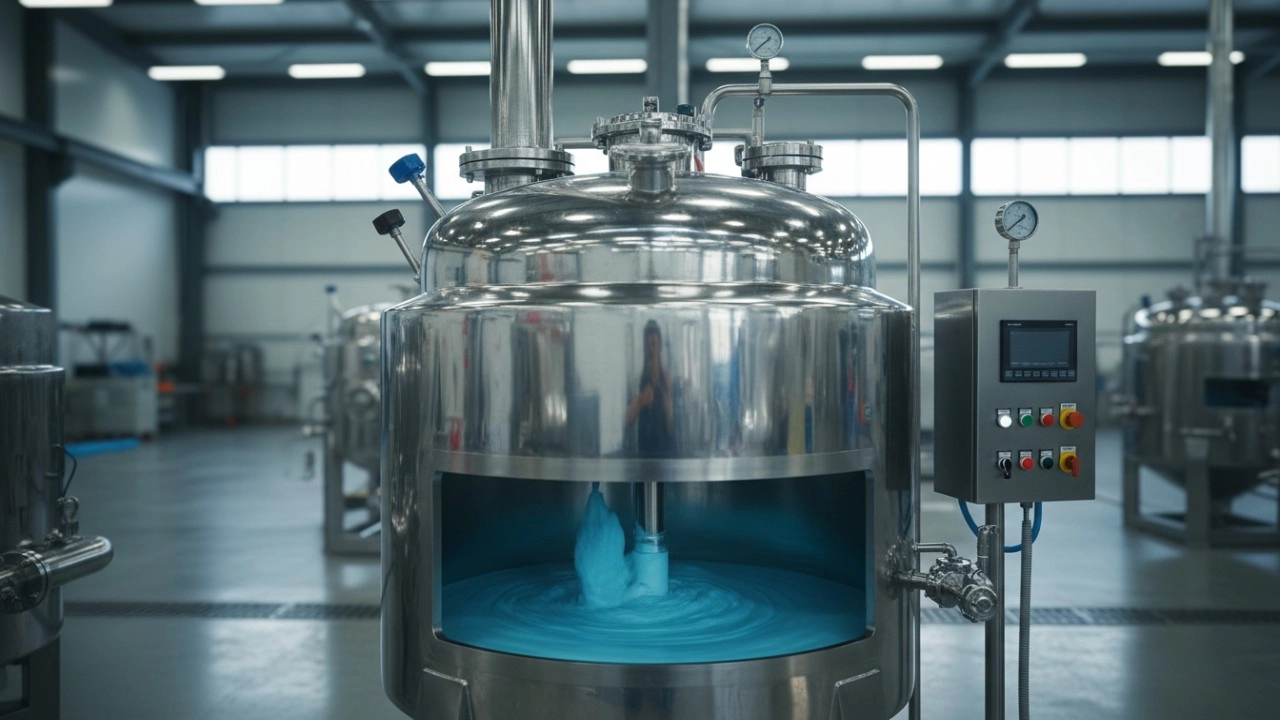
The Future of Industrial Agitation: 5 Smart Mixing Tank Technologies Changing the Game
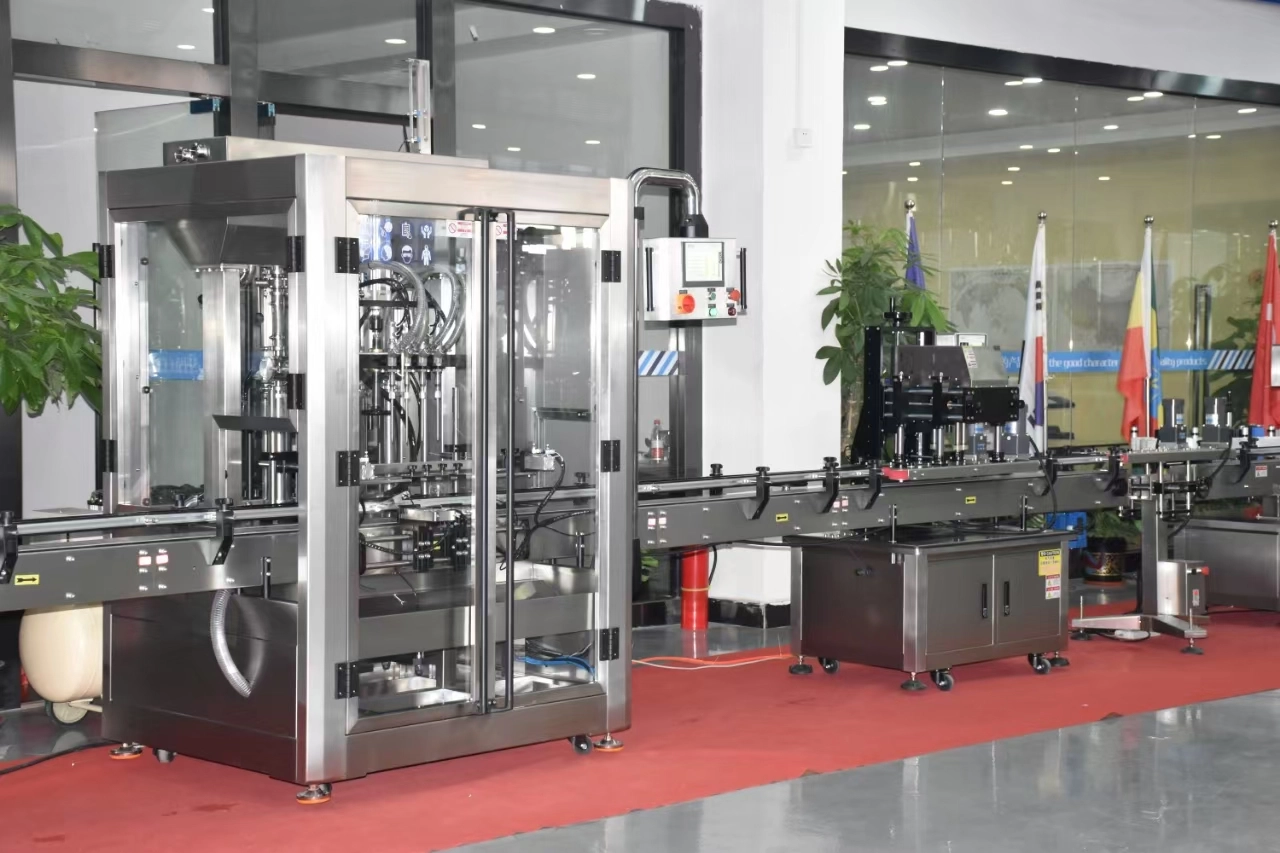
Gear pump filling machine vs. piston filling machine: Key differences broken down to avoid pitfalls in selection.
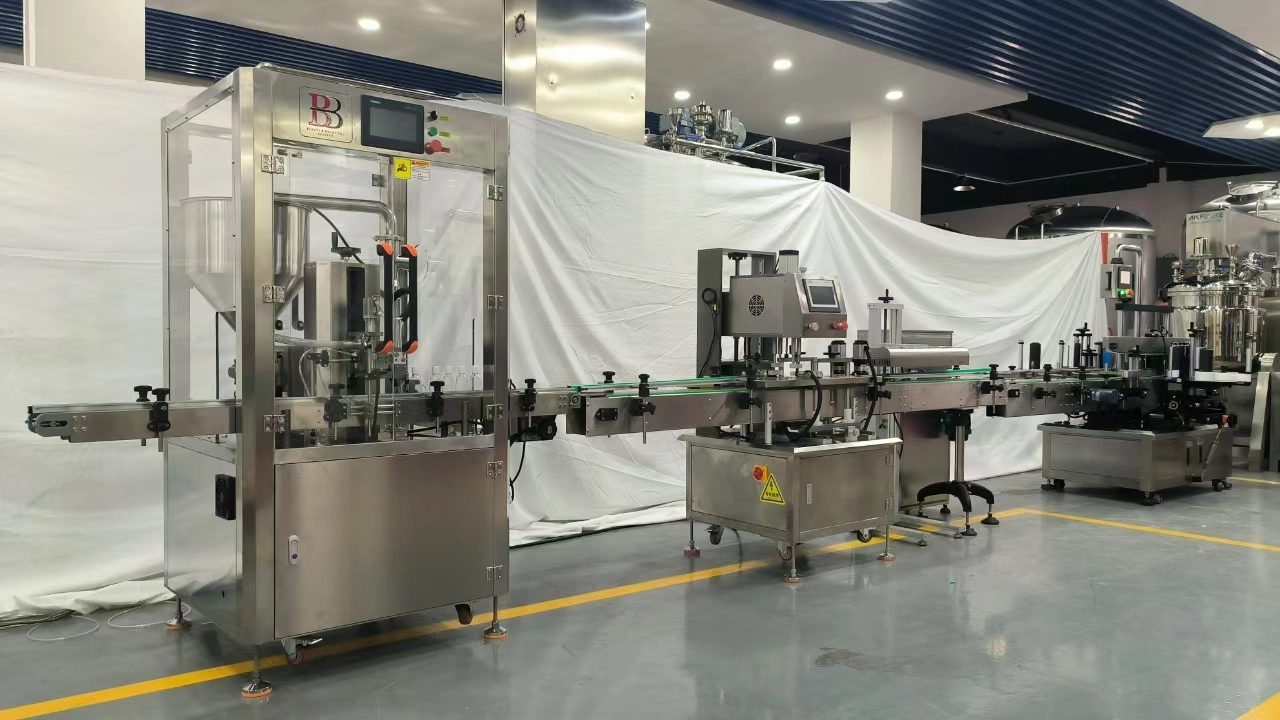
Understand the working principle of a servo gear pump filling machine!
FAQs
Does FULUKE offer customized machinery solutions?
Storage Tank
Can you customize the machine?
Of course, we provide customized services according to customer needs.
How do I choose the right storage tank material?
Select based on the characteristics of the storage medium. For example, 316L stainless steel is preferred for food storage, while 304 or PE can be used for general water storage.
RO Water Treatment
What is RO water treatment? What is the core function of RO membranes?
RO water treatment, or reverse osmosis water treatment technology, utilizes the selective permeability of reverse osmosis membranes (RO membranes). Under external pressure, water molecules are forced through the membrane while impurities (such as salt, heavy metals, organic matter, and microorganisms) are retained, thereby purifying the water.The core function of RO membranes is high-precision filtration. With a pore size of only approximately 0.1 nanometers, they can effectively remove over 99% of dissolved solids (such as calcium and magnesium ions), heavy metals (such as lead and arsenic), bacteria, viruses, and organic matter from water, producing extremely pure water.
Automatic Labeling Machine
Can the labeling speed of the machine be adjusted to suit my production line's pace?
It can be flexibly adjusted to suit different production line speeds.
Get in touch with FULUKE
If you have any comments or good suggestions, please leave us a message, later our professional staff will contact you as soon as possible.
You May Also Like
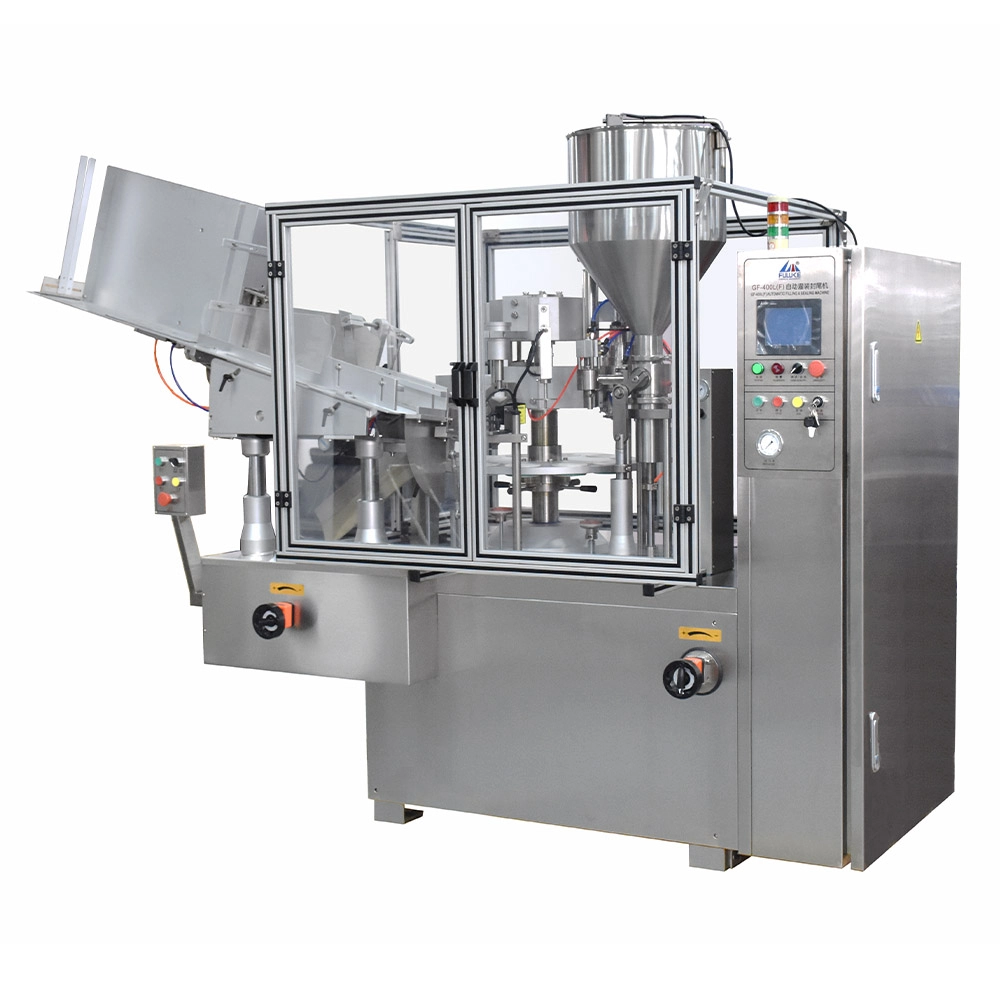
Automatic Tube Filling and Sealing Machine Toothpaste Sunscreen and Facial Cleanser Filling and Sealing Machine for Plastic and Aluminum-plastic Tube
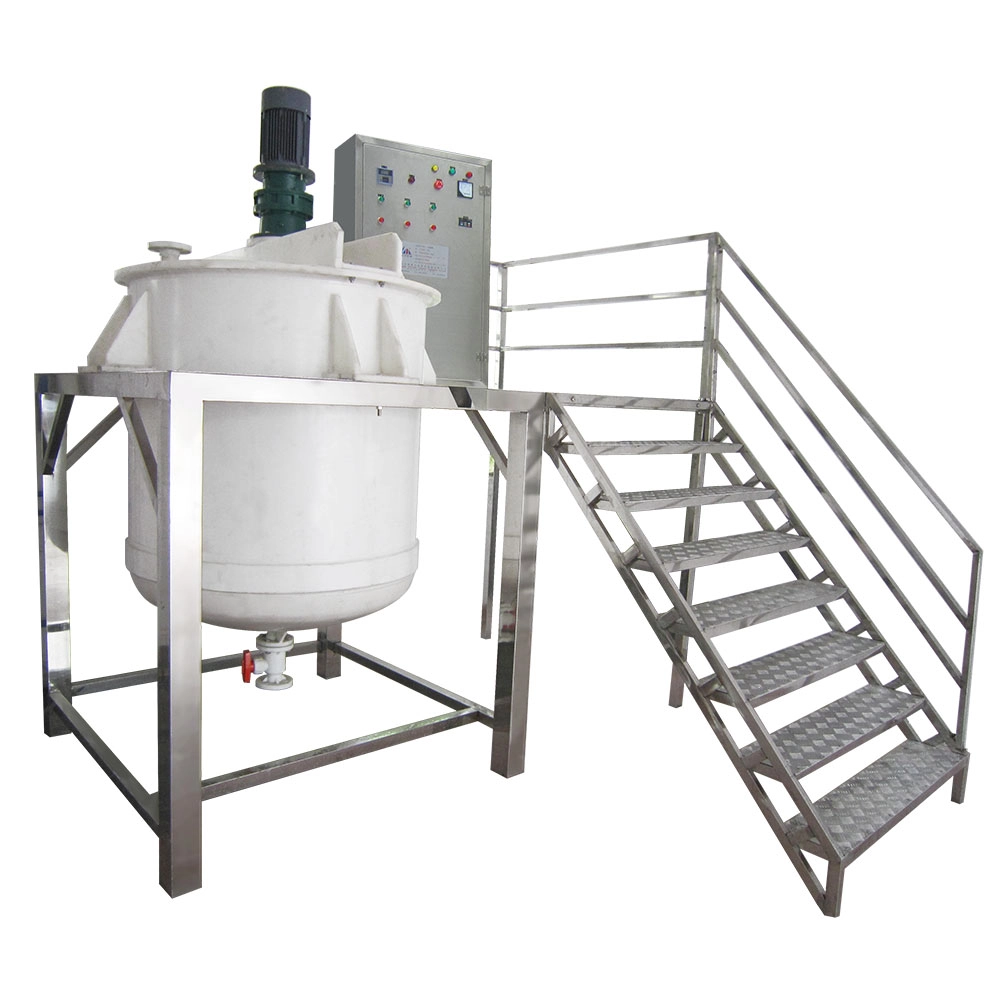
Polypropylene PP Mixing Tank Anti-Corrosion Mixer Reaction Kettle with Agitator Chemical Mixing Vessel
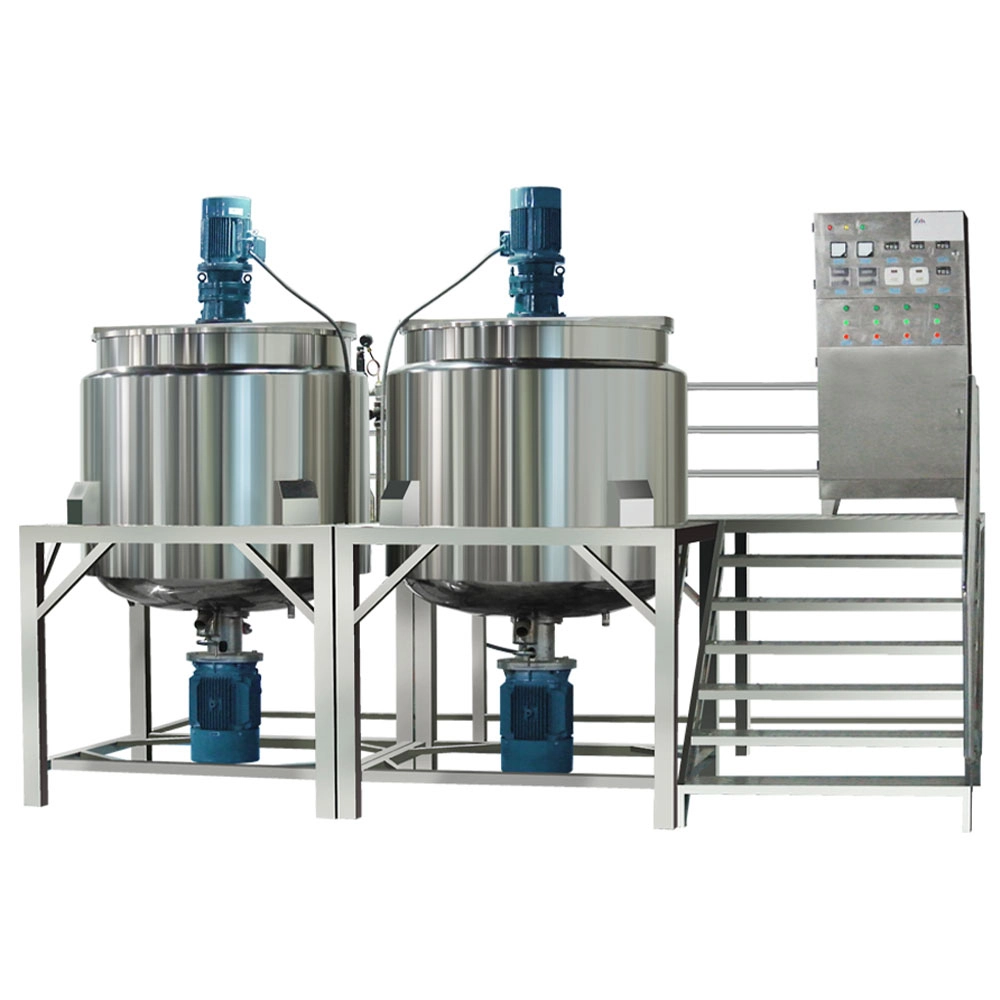
Flip Cover Multi-function Liquid Wash Mixing Tank Blender Liquid Detergent Mixer Homogenization Stirring Tank
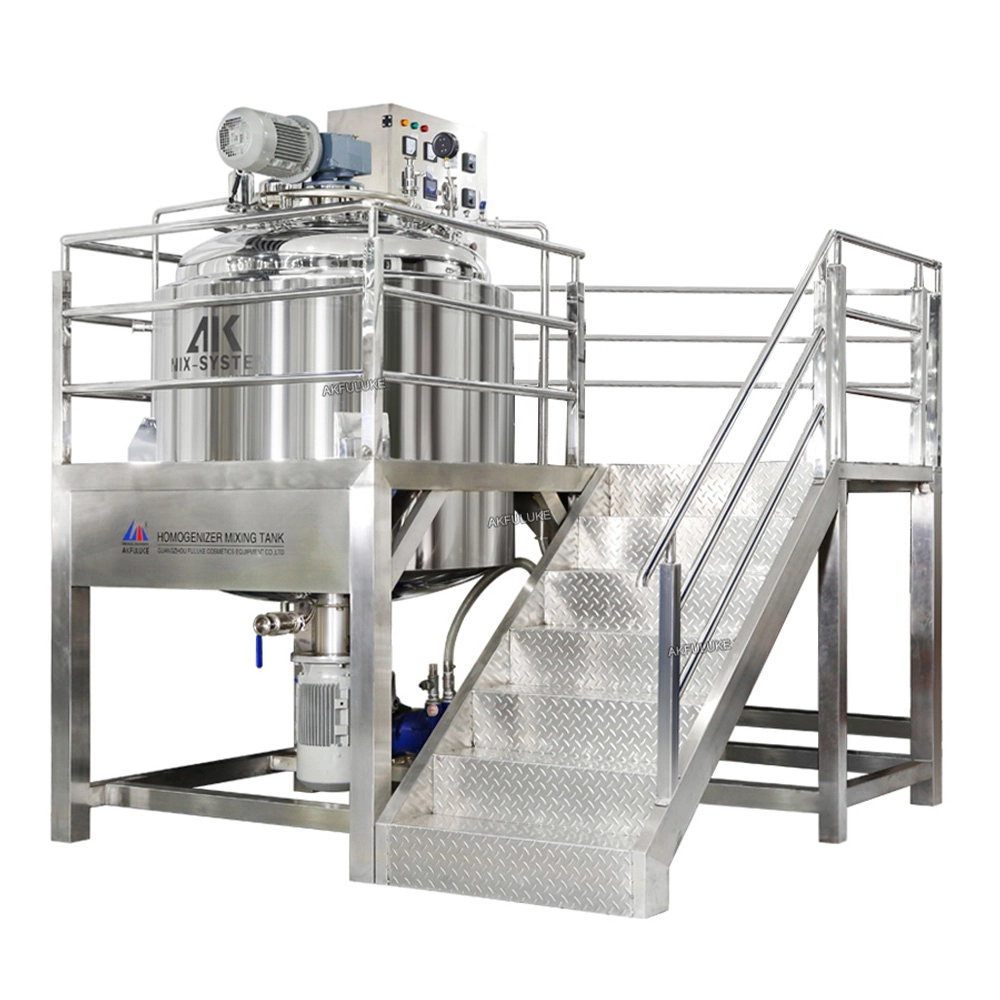
Stainless Steel Mixer Liquid Mixing tank with Agitator Homogenizing Mixing tank Vacuum Sealed Mixer Machine

A leading manufacturer specializing in advanced machinery and complete production lines for the cosmetics, food, pharmaceutical, and chemical industries worldwide.
Contact FULUKE
Facebook
Instagram
YouTube