
How to select a mixing tank for water phase and oil phase?
- Comprehensive Guide to Selecting Mixing Tanks with Agitators for Cosmetic Equipment
- 1. What materials are ideal for constructing mixing tanks in cosmetic applications?
- 2. How do I choose the appropriate agitator type for my cosmetic formulations?
- 3. What role does temperature control play in cosmetic mixing processes?
- 4. How can I ensure efficient cleaning and maintenance of mixing tanks?
- 5. What are the key differences between pharmaceutical and cosmetic mixing tanks?
- 6. How do I select the right mixing tank manufacturer and supplier?
- 7. What are the maintenance and cleaning considerations for mixing tanks?
- 8. How do I assess the total cost of ownership (TCO) when selecting a mixing tank?
- 9. What are the key factors to consider when choosing a mixing tank for cosmetic production?
- 10. How do I ensure the mixing tank meets regulatory standards for cosmetic production?
- 11. What are the advantages of choosing FULUKE for mixing tanks in cosmetic production?
Comprehensive Guide to Selecting Mixing Tanks with Agitators for Cosmetic Equipment
When procuring mixing tanks with agitators for cosmetic production, it's crucial to consider several factors to ensure optimal performance and product quality. Below are key questions and answers to guide your decision-making process:
1. What materials are ideal for constructing mixing tanks in cosmetic applications?
Stainless steel, particularly grades 304 and 316L, is the industry standard for cosmetic mixing tanks due to its corrosion resistance, durability, and ease of cleaning. Grade 316L is often preferred for its enhanced resistance to aggressive chemicals commonly used in cosmetics. ((https://www.fulukemix.com/article/mixing-tank-high-volume-production/))
2. How do I choose the appropriate agitator type for my cosmetic formulations?
The selection of an agitator depends on the viscosity and nature of your product:
High-Shear Rotor-Stator Homogenizers: Ideal for emulsifying creams and lotions, they reduce droplet size and create stable emulsions.
Anchor/Scroll Agitators: Suitable for high-viscosity materials like gels and pastes, effectively scraping vessel walls to prevent dead zones.
Paddle Blades and Turbine Impellers: Used for medium-viscosity liquids and solids dispersion.
Combining different agitator types can achieve both bulk mixing and fine dispersion, enhancing efficiency. ((https://www.fulukemix.com/article/mixing-tank-high-volume-production/))
3. What role does temperature control play in cosmetic mixing processes?
Temperature control is vital as it affects viscosity, solubility, and reaction rates. Jacketed tanks are commonly used for indirect heating or cooling, providing uniform surface contact and stable control. This is particularly important in cosmetic production to maintain product consistency. ((https://www.fulukemix.com/article/mixing-tank-high-volume-production/))
4. How can I ensure efficient cleaning and maintenance of mixing tanks?
Implementing Clean-in-Place (CIP) systems allows for automated sanitation without disassembly, reducing contamination risks and improving operational efficiency. Regular maintenance, including inspections and part replacements, is essential to keep the equipment in optimal condition.
5. What are the key differences between pharmaceutical and cosmetic mixing tanks?
While both require high hygiene standards, cosmetic mixing tanks focus on producing stable emulsions with desirable sensory properties, such as texture and appearance. They often incorporate features like vacuum systems to remove air bubbles and high-shear mixers for fine emulsions, tailored to the specific needs of cosmetic formulations.
6. How do I select the right mixing tank manufacturer and supplier?
When choosing a supplier, consider the following:
Material Selection: Ensure the supplier offers tanks made from appropriate materials like stainless steel or glass-lined steel.
Customization Capabilities: The supplier should provide design solutions tailored to your specific production requirements.
Regulatory Compliance: Verify that the supplier adheres to industry standards and regulations relevant to cosmetic production.
FULUKE, for instance, offers comprehensive solutions, including design and manufacturing of mixing tanks, ensuring compliance with industry standards and providing tailored solutions for cosmetic production. ((https://www.fulukemix.com/article/choose-mixing-tanks-manufacturer-supplier/))
7. What are the maintenance and cleaning considerations for mixing tanks?
Regular maintenance and cleaning are crucial for optimal performance and longevity. Utilizing CIP systems can streamline the cleaning process, reducing downtime and ensuring product safety. Additionally, selecting tanks with features that facilitate easy cleaning, such as polished surfaces and accessible design, can enhance maintenance efficiency.
8. How do I assess the total cost of ownership (TCO) when selecting a mixing tank?
TCO includes not only the initial purchase price but also operational costs, maintenance expenses, and potential downtime. Investing in high-quality, durable equipment may have a higher upfront cost but can lead to lower maintenance and operational costs over time, offering better value in the long run.
9. What are the key factors to consider when choosing a mixing tank for cosmetic production?
Key considerations include:
Capacity and Volume: Ensure the tank size aligns with your production scale and batch sizes.
Material Compatibility: Choose materials that are compatible with your cosmetic ingredients and resistant to corrosion.
Agitator Type: Select an agitator suitable for the viscosity and nature of your product.
Temperature Control: Implement heating or cooling systems to maintain optimal processing temperatures.
Maintenance and Cleaning: Opt for designs that facilitate easy cleaning and maintenance to ensure product quality and equipment longevity.
10. How do I ensure the mixing tank meets regulatory standards for cosmetic production?
Ensure that the mixing tank complies with relevant cosmetic industry standards and regulations. This includes adherence to hygiene requirements, material specifications, and design standards. Collaborating with reputable manufacturers like FULUKE can help ensure compliance and quality. ((https://www.fulukemix.com/article/choose-mixing-tanks-manufacturer-supplier/))
11. What are the advantages of choosing FULUKE for mixing tanks in cosmetic production?
FULUKE offers comprehensive solutions for cosmetic mixing tanks, including design, manufacturing, and customization to meet specific production needs. Their expertise ensures compliance with industry standards, providing high-quality equipment that enhances production efficiency and product quality. ((https://www.fulukemix.com/article/choose-mixing-tanks-manufacturer-supplier/))
By carefully considering these factors and collaborating with experienced manufacturers like FULUKE, you can select mixing tanks with agitators that optimize your cosmetic production processes, ensuring high-quality products and operational efficiency.

Understanding Servo Capping Machines: The Core Logic of Precise Capping – Understand the Entire Working Process in Seconds
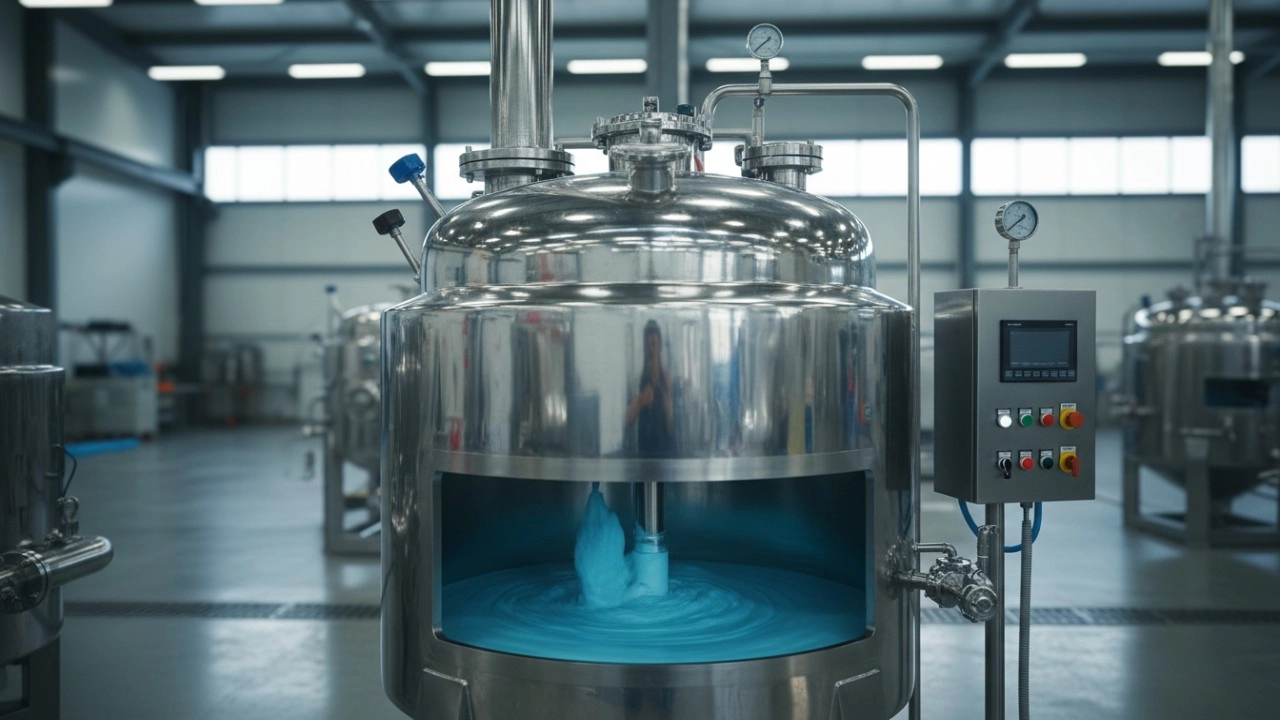
The Future of Industrial Agitation: 5 Smart Mixing Tank Technologies Changing the Game
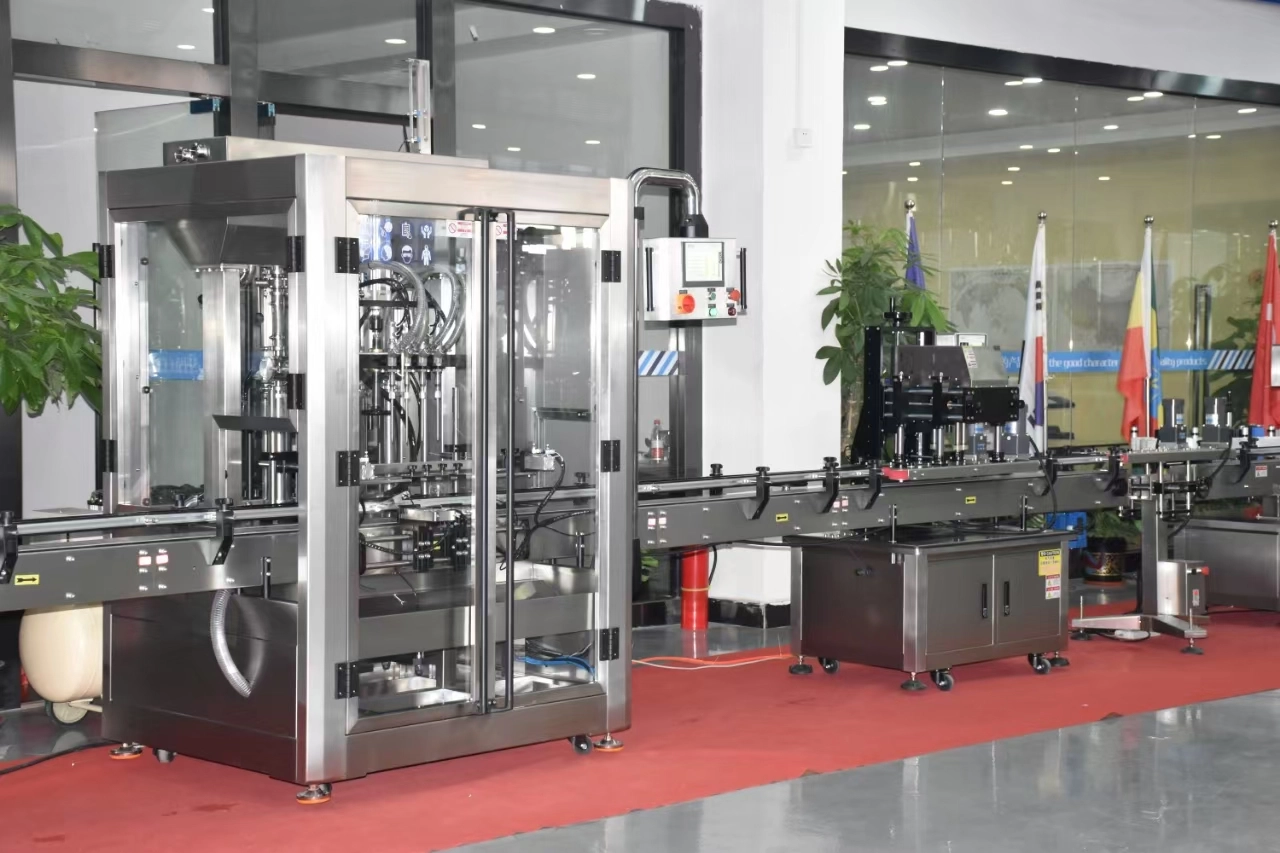
Gear pump filling machine vs. piston filling machine: Key differences broken down to avoid pitfalls in selection.
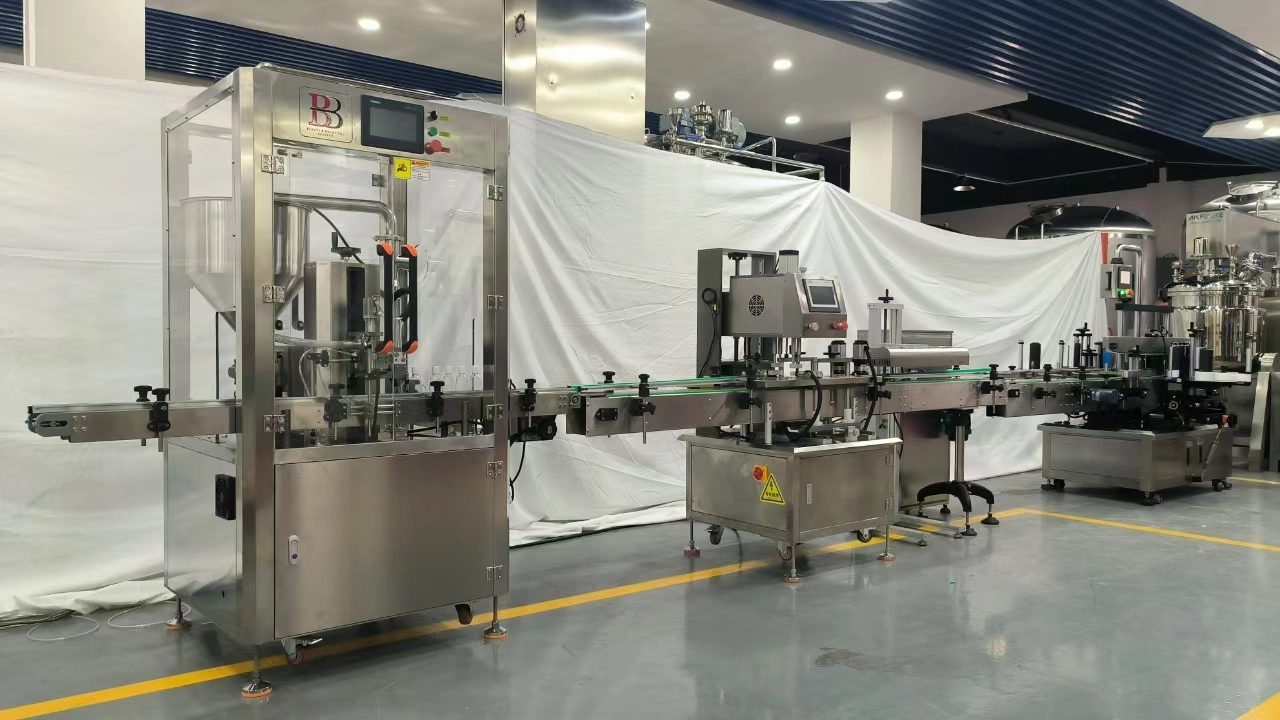
Understand the working principle of a servo gear pump filling machine!
FAQs
What sets FULUKE apart from other cosmetics machinery manufacturers?
The Flip Cover Liquid Wash Mixing Homogenizing Tank
Flip cover homogenizing mixing tank lacks a vacuum system. How should bubbles generated during mixing be handled?
Open mixing tank certainly can't remove air through vacuum like sealed equipment. However, if bubbles are affecting product quality, the following methods can be used to improve the process:
Process Adjustment: Reduce the mixing speed to prevent excessive air from being drawn into the material by high-speed turbulence. If homogenization is required, proceed in stages to reduce bubbles generated by a single shearing operation.
Assisted Degassing: For materials that can be heated, increase the temperature appropriately to reduce viscosity and promote bubble bubbling. Alternatively, allow the material to rest for a period of time after mixing to allow bubbles to dissipate naturally before proceeding to the next step.
Suitable Applications: This equipment is more suitable for products that are not sensitive to bubbles. For precision products requiring bubble-free production, a model with a vacuum function is recommended.
Automatic Tube Filling and Sealing Machine
Who are we?
Our headquarters is located in Guangzhou, Guangdong, China, and our factory is located in Yangzhou, Jiangsu. Our products are sold all over the world. We have approximately 50 employees in our company and factory.
Lift-type Homogenizing Disperser
What precautions should be taken before and during equipment startup?
Before startup: Check that the disperser disc is securely installed, the container is clamped securely, and the lifting mechanism is flexible. Also, verify the material level (it must be submerged above the disperser disc to prevent damage from idling or material splashing).During operation: Start at a low speed and gradually increase to the target speed. Manually adjusting the lifting height during operation is prohibited; always stop the machine to avoid hand entanglement.
Automatic Labeling Machine
Can you make a design for us?
Yes, we can, we provide not only products, but also solutions and designs.
Get in touch with FULUKE
If you have any comments or good suggestions, please leave us a message, later our professional staff will contact you as soon as possible.
You May Also Like
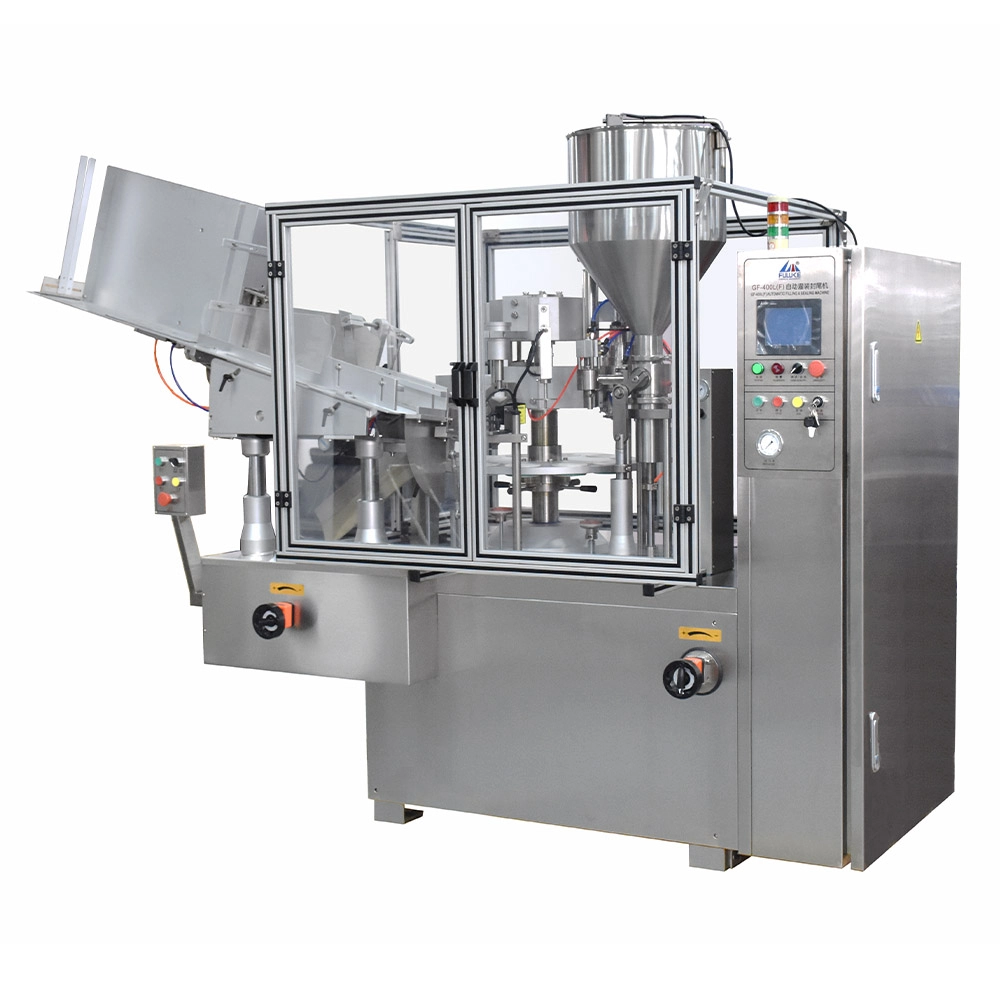
Automatic Tube Filling and Sealing Machine Toothpaste Sunscreen and Facial Cleanser Filling and Sealing Machine for Plastic and Aluminum-plastic Tube
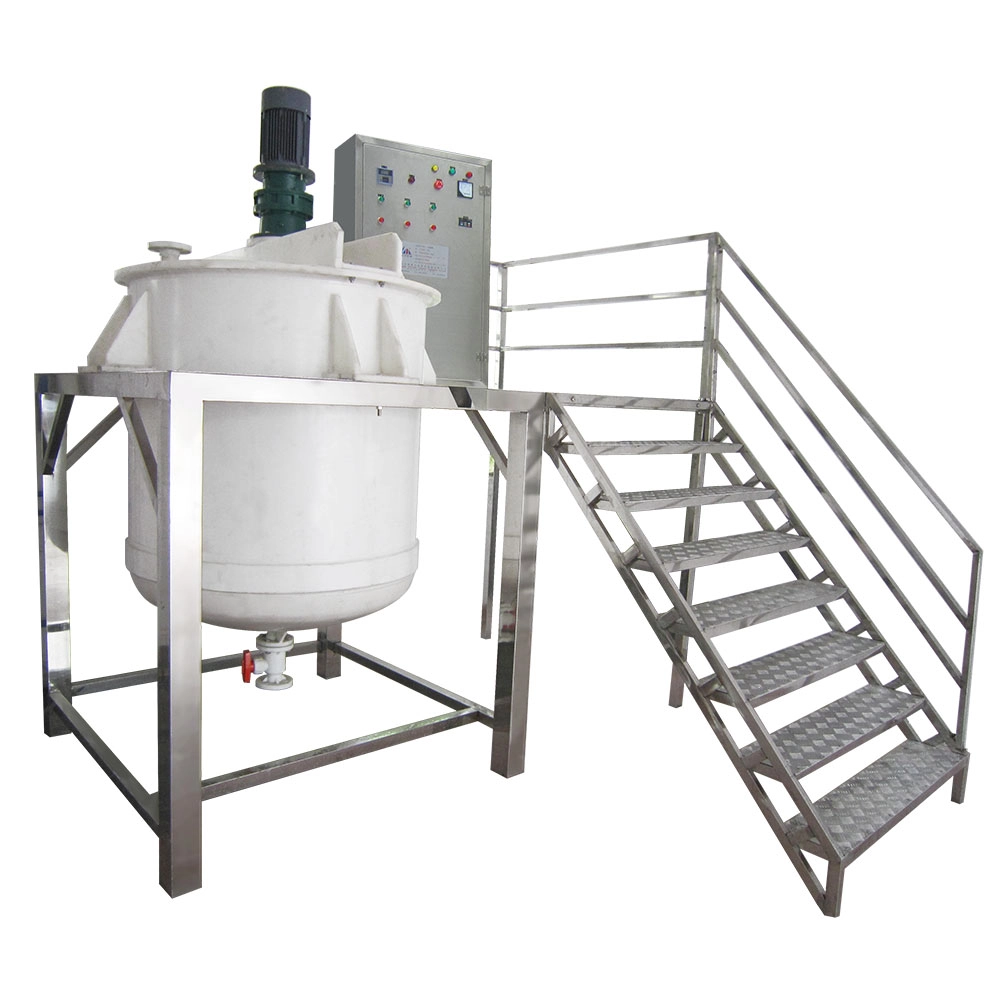
Polypropylene PP Mixing Tank Anti-Corrosion Mixer Reaction Kettle with Agitator Chemical Mixing Vessel
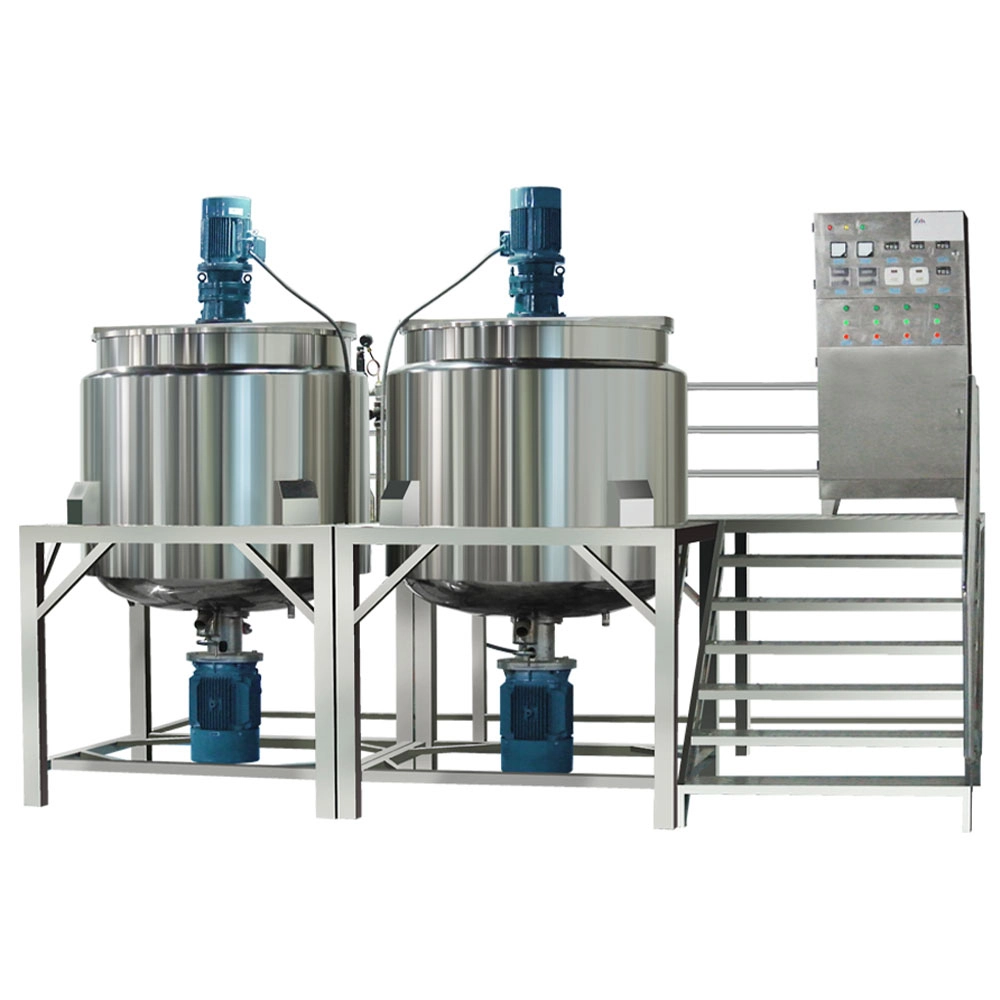
Flip Cover Multi-function Liquid Wash Mixing Tank Blender Liquid Detergent Mixer Homogenization Stirring Tank
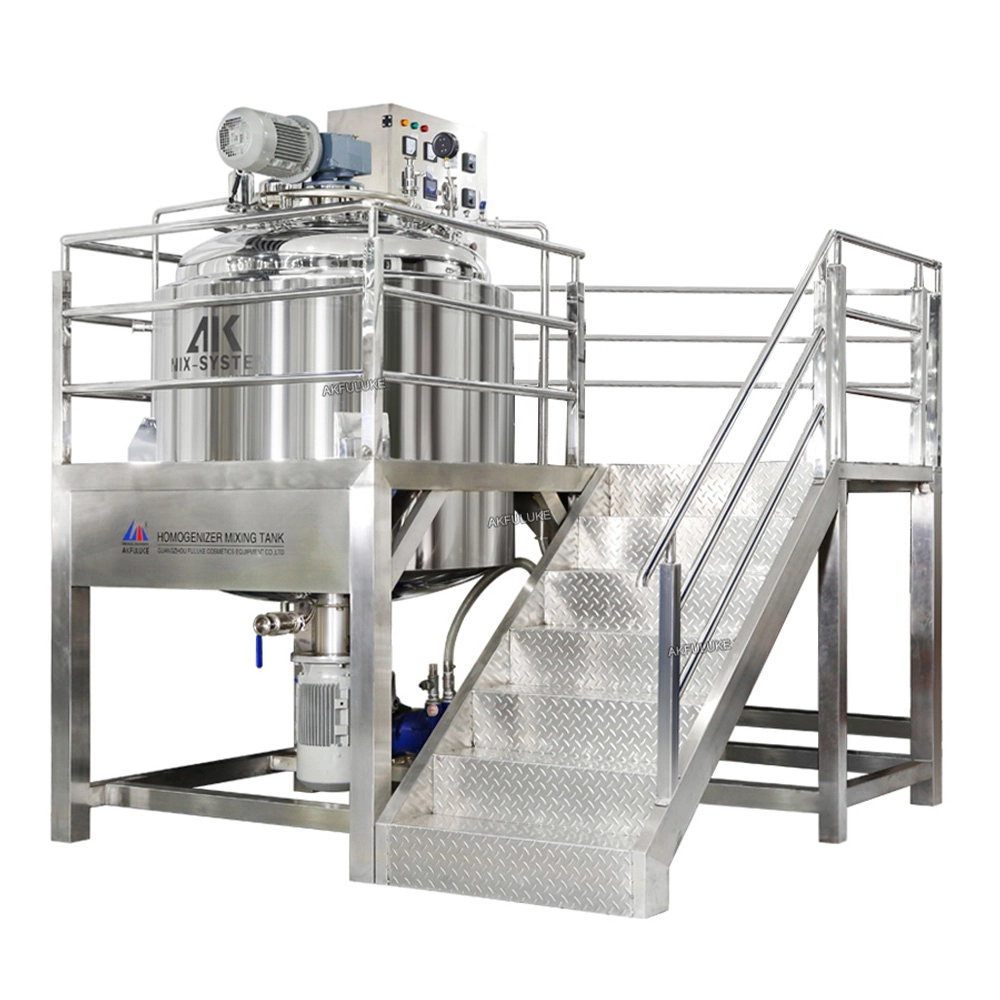
Stainless Steel Mixer Liquid Mixing tank with Agitator Homogenizing Mixing tank Vacuum Sealed Mixer Machine

A leading manufacturer specializing in advanced machinery and complete production lines for the cosmetics, food, pharmaceutical, and chemical industries worldwide.
Contact FULUKE
Facebook
Instagram
YouTube